Masterclass in Early Education: Mr. Chazz Joins Janet Lansbury to Demystify Preschool Transitions
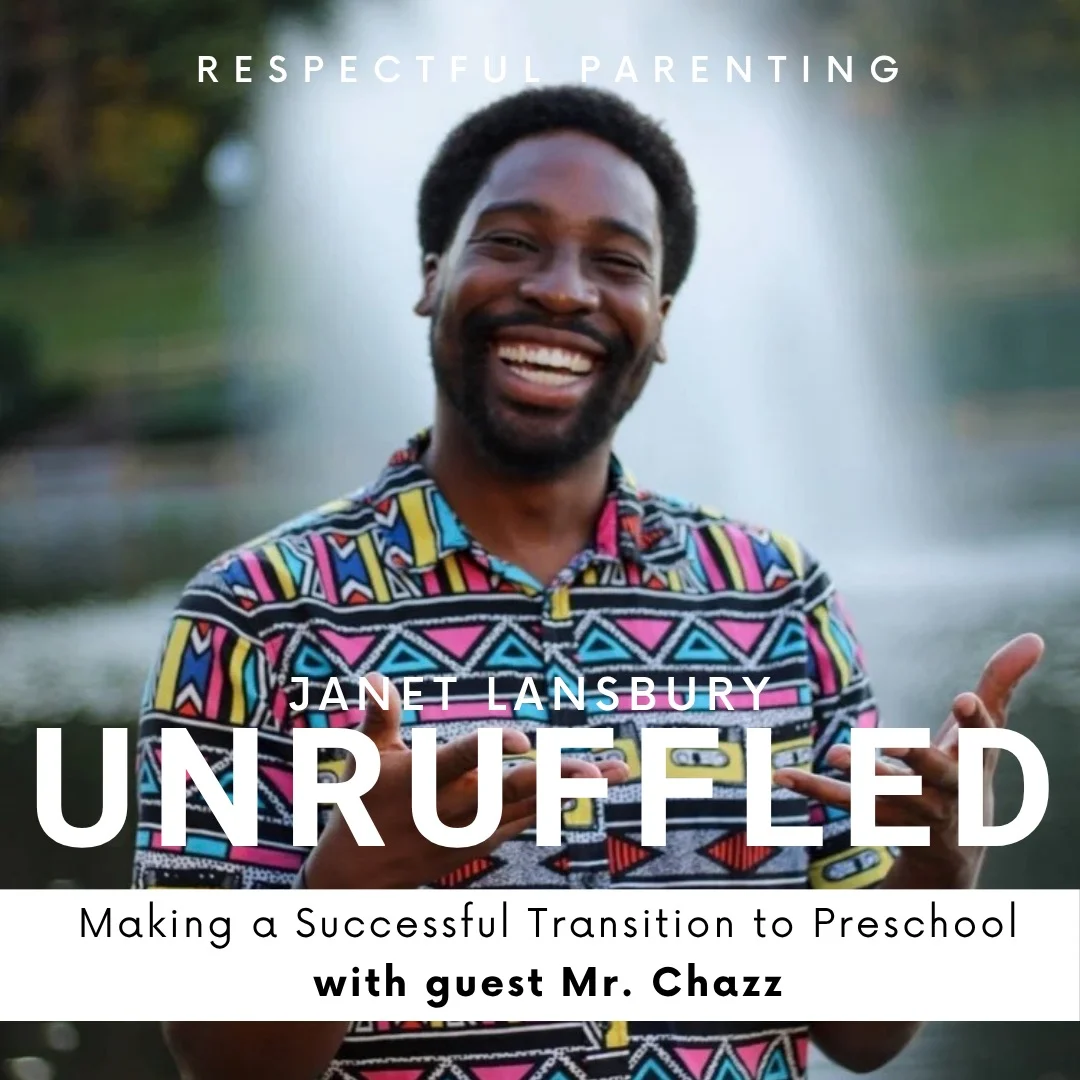
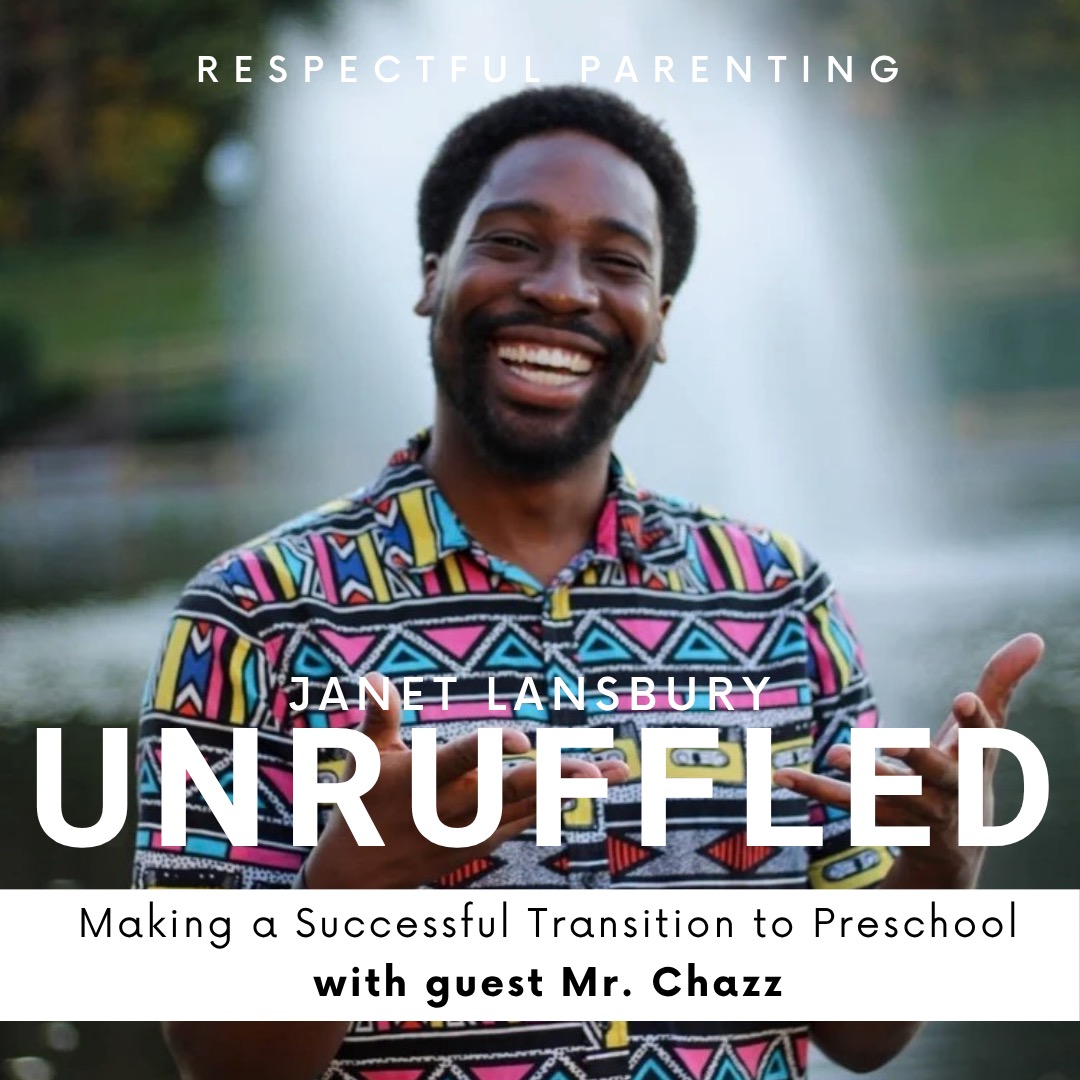
The transition from the secure environment of home to the bustling world of preschool or childcare is often fraught with anxiety for both children and parents. Addressing this timely seasonal challenge, renowned educator and early childhood specialist Chazz Lewis—widely known as "America’s favorite teacher"—recently joined parenting expert Janet Lansbury on her podcast, Unruffled. Together, they explored innovative ways to ease the separation process by anchoring it in trust, deep connection, and emotional co-regulation.
Lewis, a popular presence across digital platforms like TikTok and Instagram as well as through his podcast Learning Curve with Mr. Chazz, sat down with Lansbury to discuss his philosophy of early education. Beyond his digital footprint, Lewis has recently realized a long-held vision by opening his own in-home childcare and learning center, Birdhouse, located in Brooklyn, New York. The venture serves as a living model for what Lewis views as an overdue evolution in how society approaches early childhood development.
During their conversation, Lewis did not mince words about the state of traditional childcare. He noted that roughly 99 percent of existing childcare centers handle transitions in ways that prioritize adult convenience over the emotional well-being of the child, the family unit, or even the teachers.
To combat burnout and high turnover rates plaguing the early childhood education sector, Birdhouse reimagined the teacher’s role from the ground up. In Lewis’s Brooklyn facility, the head teacher lives directly upstairs, entirely rent-free. By alleviating basic survival stresses like housing costs, the school ensures that educators are cared for mentally and physically, allowing them to lend their prefrontal cortexes fully to the emotional needs of the children. Lewis emphasized a foundational truth of caregiving: adults cannot effectively care for children when they are depleted themselves. Furthermore, this structural stability fosters long-term consistency, building a reliable community fabric for the families enrolled.
Moving past traditional drop-off methods that resemble the rapid delivery of packages, Birdhouse has restructured the start and end of the school day, reframing them around the concepts of "arrival" and "reunion." In a traditional setting, parents are often encouraged to execute a swift goodbye and quickly exit the classroom. Lewis argues that this approach overlooks the vital psychological need to bridge the gap between home and school.
At Birdhouse, arrival is an intentional, unhurried process. Children and parents participate in a visual routine designed to foster autonomy and connection. The arrival sequence includes greeting staff members with individualized high-fives or fist bumps, hanging up personal belongings, changing out outdoor footwear for indoor shoes to maintain a clean environment, and washing hands together. Parents are not rushed out the door; rather, they are invited to linger and even participate in morning circle time until a designated communal goodbye song signals the transition. This deliberate pacing helps children ground themselves in the space, interact with peers, and build meaningful relationships with their caregivers—referred to at Birdhouse as "safekeepers."
Lewis stresses the importance of laying these relational groundwork weeks in advance. By allowing families to visit and experience the classroom environment before the formal start date, children establish a sense of safety. Consequently, when a parent eventually leaves, any resulting tears are met not by panicked distraction, but by pre-established safety and co-regulation. When children cry for their parents, safekeepers are already familiar faces who can offer calm, non-forced proximity, helping the child process big emotions organically.
Addressing the inevitability of intense emotional outbursts, Lewis shared a poignant classroom anecdote about a child who spent an entire morning circle time weeping for his mother. Rather than rushing to silence or distract the child, the educators maintained a calm, available presence while the rest of the day proceeded. The moment transformed into a powerful collective learning experience. When another child noticed the peer’s sadness, the class collectively took a deep breath to send supportive, loving energy across the room. Lewis highlighted that emotional regulation is contagious; by witnessing adults calmly navigate distress without panic or judgment, children learn resilience.
Both Lansbury and Lewis reflected on the internal pressure caregivers face when parenting in public or watching a child experience grief. Society trains adults to constantly do something—to fix, entertain, or distract a crying child. However, true connection often requires quiet receptivity. By observing what a child is noticing and meeting them at their level of interest rather than imposing an adult agenda, caregivers validate the child’s internal world. Lewis noted that children do not want to throw themselves on the floor and cry for extended periods; those heavy emotional releases are exhausting, serving as necessary purges of accumulated stress, fatigue, or stimulation.
For families navigating traditional programs that lack the flexibility of Birdhouse, Lewis recommends practical preparation at home. Parents can create visual routine cards to help children visualize the sequence of arrival, roleplay the separation using stuffed animals, and rehearse the goodbye routine ahead of time. Moreover, open communication with teachers during the first month is critical. Because educators face the immense task of decoding the unique personalities, home routines, and comfort preferences of an entire classroom of children, providing detailed context about a child’s habits—down to their naptime preferences or favorite comfort items—greatly aids the transition.
Reflecting on his decision to step away from national speaking engagements and return to daily classroom teaching, Lewis expressed profound fulfillment. Despite the heavy emotional labor inherent in early childhood education, he emphasized that the deep, transformative moments shared with young children and families offer unmatched rewards. Lansbury echoed this sentiment, noting that the classroom environment is a profound space of continuous learning where children teach adults the most essential aspects of human experience.
