As the calendar approaches a fresh year, millions of people find themselves facing the familiar cycle of setting ambitious New Year’s resolutions, only to watch them fade away within weeks. The traditional narrative of January 1st as a transformative threshold often sets an impossibly high standard, encouraging drastic lifestyle changes that can quickly lead to feelings of disappointment and fatigue. However, wellness experts and behavioral advocates are increasingly encouraging a shift away from rigid, perfection-driven goals toward a more compassionate, sustainable approach to self-improvement for 2027.
The common experience of abandoning a resolution—such as vowing to overhaul dietary habits entirely or committing to a punishing fitness schedule—highlights a fundamental flaw in how society approaches annual goal-setting. When an unexpected stressor arises, breaking a strict rule can trigger an immediate sense of failure, often causing individuals to abandon their positive intentions altogether. Recognizing this psychological trap, contemporary wellness strategies emphasize that resolutions do not need to be monumental setups for failure. Instead, they can function as manageable, mindful adjustments designed to support gradual growth across key areas of daily life, including personal relationships, professional environments, mental well-being, and physical health.
Rather than striving for an idealized version of perfection, experts suggest focusing on small, achievable habits that seamlessly integrate into existing routines. By reframing annual goals around flexibility and self-compassion, individuals can foster genuine personal development without the heavy burden of unrealistic expectations.
Cultivating Fulfilling Connections: Relationship Resolutions for the New Year
At the close of any given year, many individuals reflect on a pervasive sense of disconnection from friends, family members, and partners. The fast pace of modern life, professional demands, and daily distractions often cause important interpersonal bonds to dwindle over time. Rebuilding these networks requires deliberate effort, but the solutions do not require sweeping lifestyle overhauls.
Relationship experts recommend choosing a small handful of intentional habits rather than attempting to transform an entire social life at once. Central to this approach is the practice of dedicating uninterrupted quality time to loved ones, whether through regular family dinners, focused conversations, or intentional phone calls free from digital distractions. Active listening also plays a pivotal role in deepening bonds, requiring individuals to focus entirely on what another person is communicating rather than planning a response.
Expressing gratitude and affection regularly can also transform interpersonal dynamics. Simple gestures, such as offering sincere appreciation, saying "I love you" more frequently, or stepping in to help a struggling family member without waiting to be asked, build a resilient foundation of mutual support. Furthermore, maintaining relationships involves establishing healthy boundaries respectfully, resolving conflicts kindly with a focus on understanding, and offering genuine celebration for the successes of others. By approaching interpersonal connections with patience, empathy, and a willingness to apologize when mistakes happen, individuals can foster supportive networks that endure throughout the year.
Navigating Career Growth and Balance in the Workplace
The pursuit of professional fulfillment often presents a delicate balancing act. Many workers constantly strive for career advancement, greater productivity, and improved work-life balance, yet the sheer pressure of these aspirations can lead to chronic overwhelm and burnout. To combat this cycle, workplace wellness advocates suggest adopting sustainable professional resolutions that prioritize long-term growth over frantic busyness.
Establishing clear boundaries between professional duties and personal time remains one of the most effective strategies for preventing exhaustion. Defining specific working hours, setting goals to log off by a certain time, and refraining from checking emails during off-hours help protect personal energy. Within the workspace itself, reducing physical clutter and creating an inspiring environment can significantly enhance daily focus and mood.
To manage large, daunting projects effectively, professionals are encouraged to break complex tasks into smaller, manageable steps or utilize time-boxing techniques. Prioritizing the top three daily tasks, taking mindful micro-breaks, and avoiding the trap of constant multitasking further contribute to sustainable productivity. Additionally, intentional networking, seeking constructive feedback, and advocating for necessary resources or schedule flexibility allow individuals to cultivate fulfilling careers aligned with their core values and long-term aspirations.
Nurturing Mental Well-Being and Inner Calm
Mental health is foundational to overall wellness, yet when individuals experience chronic stress or cognitive fatigue, identifying actionable steps for improvement can feel exceptionally difficult. The pressure to instantly reduce stress can inadvertently amplify anxiety, making a compassionate and gradual approach essential for mental health resolutions.
Starting a daily journaling practice provides a valuable outlet for processing emotions, recognizing behavioral patterns, and cultivating gratitude. By acknowledging small positives—such as navigating a minor daily inconvenience without frustration—individuals can gently rewire their thought patterns to notice everyday sources of joy. Incorporating brief moments of mindfulness, whether through intentional deep breathing during a work break or observing the surrounding environment during a walk, fosters a greater sense of presence.
Prioritizing a consistent sleep schedule and spending regular time in nature further support neurological and emotional recovery. As individuals work to reduce daily stressors, learning to set boundaries, limiting screen time, and speaking to oneself with the same kindness offered to a close friend help quiet the inner critic. Engaging in creative outlets, moving the body in ways that feel nourishing, and deliberately limiting exposure to prolonged negativity create essential space for calm and mental resilience.
Prioritizing Physical Health Through Sustainable Habits
Physical health goals are frequently associated with rigorous fitness regimens and strict dietary rules, yet true physical wellness encompasses sustained energy, strength, and overall vitality. Because maintaining a rigorous workout schedule amidst a demanding lifestyle can be challenging, health experts advocate for flexible, manageable habits that make physical care approachable.
Daily movement does not require hours spent in a gym; instead, aiming for modest activities such as a ten-minute stretch or a brisk neighborhood walk allows individuals to honor their physical needs on a day-to-day basis. Proper hydration, achieved by carrying a reusable water bottle and aiming for consistent water intake, supports overall bodily function and alertness.
Nutrition can also be approached with mindfulness rather than restriction. Incorporating a variety of colorful whole foods, planning balanced meals, and swapping heavily processed items for nourishing snacks help sustain energy levels over time. Small lifestyle adjustments—such as taking the stairs when able, standing up periodically from a desk, or establishing a calming bedtime routine to ensure quality sleep—contribute significantly to long-term physical health. By celebrating small victories, tracking incremental progress, and approaching physical wellness with flexibility, individuals can build lasting habits that support their overall well-being throughout the year.
At a time when societal polarization increasingly threatens America’s corporate suites and storefronts, leaders who possess the skills to bridge deep-seated divides in the workplace are becoming indispensable. This capability is no longer viewed merely as a nice-to-have cultural bonus, but rather as a critical competency that offers a tangible competitive advantage.
One of the most complex and sensitive issues that workplace leaders must navigate today is religion, and the diverse religious identities of their employees. This challenge often becomes particularly acute toward the end of the calendar year, driven by the annual overlap of competing religious holidays, observances, and cultural festivities. Yet, within this complexity lies a valuable opportunity: successfully bridging divides across religious identity is a specialized skill that can be readily applied to navigating a wide array of other ideological and personal differences in the modern organization.
The evolving landscape of the contemporary workplace presents distinct operational contexts. With the rapid rise of hybrid work models, the integration of artificial intelligence, and the persistent blurring of boundaries between business, society, and technology, traditional management approaches are being tested. These rapid changes and diverse workforce expectations demand innovative methodologies. Interfaith leaders, who are naturally adept at engaging diverse religious and secular traditions, offer a proven model for navigating differences that can significantly enhance organizational culture and drive measurable business outcomes.
Business experts point to several key management strategies that employers can learn from interfaith leaders to help successfully navigate conflicting viewpoints, foster resilience, and maintain productivity in an unpredictable future.
Disentangle Beliefs from Behaviors
Modern workplaces bring together unprecedented levels of diversity. With as many as six generations currently active in the workforce, organizations encompass a vast mosaic of geographies, cultures, perspectives, values, and work styles that directly influence how they function. In an era marked by increasing division and social fragmentation—where individual values frequently guide conduct and decision-making—business leaders face the ongoing challenge of building an organizational foundation that counters the urge to polarize and instead fosters an inclusive culture.
While these challenges are undoubtedly daunting, organizations already possess the key to the solution. However, this process requires vigilance regarding workplace conduct. Some exchanges between colleagues regrettably cross the line into unacceptable behavior. Industry studies show that approximately 30 percent of Americans report being bullied at work, while microaggressions continue to impact marginalized groups, and the frequency of antisemitic and anti-Muslim incidents continues to grow globally. To maintain a safe and productive environment, organizational leaders emphasize that there is simply no room for these behaviors in the workplace.
At the same time, it is remarkably easy for managers and team members alike to fall into the trap of conflating a person’s religious or ideological beliefs with their direct behaviors. In a diverse workforce, employers should naturally expect that employees will hold opposing views on a wide spectrum of contentious issues. When a colleague’s beliefs conflict with our own, it is tempting to view their actions with suspicion.
When organizations learn that colleagues hold differing beliefs regarding immigration policy, sexuality, eternal salvation, or complex geopolitical situations like the conflict in the Middle East, maintaining distinction is vital. Leaders must separate an individual’s right to hold a personal set of beliefs from the reasonable expectation that they uphold a shared, high standard of behavior while on the job.
This distinction becomes exceptionally clear when viewed through the lens of inter-religious difference. For example, a Hindu manager and their evangelical Christian teammate may hold not only different but foundationally opposing views on the nature of the divine. Despite these profound theological divergences, both professionals can routinely adhere to their company’s non-proselytization standards and work collaboratively toward shared organizational goals.
Ultimately, a colleague’s beliefs are personal, complex, deeply held, and generally outside the purview of organizational leaders attempting to enact change. Conversely, people’s behavior at work is something management can and should monitor. When facing challenging situations involving employees with differing beliefs on sensitive topics, zooming out to evaluate whether the core concern is belief or behavior allows leaders to act appropriately and fairly.
Get Personal and Find Shared Values
In the professional environment, tensions between individuals with differing religious identities and divergent ideologies can quickly turn personal. However, workplace strategists suggest that this dynamic is not necessarily detrimental. According to the 2026 Edelman Trust Barometer, 34 percent of global survey respondents reported that they would actively reduce their effort on projects led by someone whose beliefs clash with their own.
Rather than avoiding necessary confrontation or sweeping disagreements under the rug, interfaith leaders focus on building positive professional relationships that are deeply rooted in common ground, while simultaneously acknowledging and respecting profound differences. As Eboo Patel, founder and president of Interfaith America, frequently notes, in a religiously diverse democracy, people must be able to agree on some fundamental things while disagreeing on others.
Meaningful relationships forged across worldview differences tend to cultivate a deeper respect for other people’s identity groups. This process strengthens social capital, which in turn fosters a greater sense of empathy and trust among teammates, ultimately yielding a more productive workplace. Research from Teleskope’s 2025 Fortune 500 ERG Benchmark Report underscores this impact, finding that Employee Resource Group participants exhibit longer tenure and stronger performance, with 57 percent reporting that ERGs directly influenced business innovation.
To translate this into daily practice, interfaith leaders start by identifying shared values across diverse religious and philosophical traditions, such as a mutual commitment to compassion and service to others. A prominent example is FaithConnect, Equinix’s Interfaith Employee Connect Network, where members from diverse religious traditions unite to drive awareness and raise funds for A21, an organization dedicated to combating human trafficking. It can be safely assumed that FaithConnect members likely disagree on a wide array of theological and political issues; nevertheless, they unite around their shared commitment to ending modern slavery.
Managers looking to address ideological divides can similarly lean into this focus on personal relationship-building rooted in shared values. For instance, two employees who strongly disagree about abortion access might both care deeply about volunteering in their local schools. While their fundamental difference is real, it does not have to define their entire professional relationship.
Getting personal is also deeply pragmatic. Anchoring professional relationships to a set of superordinate goals that colleagues are working toward together helps ground interactions in shared deliverables, properly sizing conflicting beliefs. Furthermore, bringing diverse perspectives around the table frequently leads to more nuanced and effective business solutions. Teams can successfully collaborate, build and maintain relationships, and execute deliverables despite divergent perspectives.
Offer a Guiding Framework and Prioritize Skill-Building
Achieving high impact in a complex operational environment requires successful leaders to first align their organizations around a shared vision. Interfaith America utilizes a foundational three-part framework centered on the concepts of respect, relating, and cooperating. The objective is to build an organizational environment characterized by active respect for diverse religious and non-religious identities, mutually enriching relationships across diverse communities, and effective cooperation around shared operational goals.
This framework is equally useful when cultivating an inclusive and collaborative culture that extends far beyond religious diversity alone. However, an inclusive culture does not simply materialize; employees require the proper skills to make it a reality. The essential interpersonal skills required for organizations to build a welcoming environment are frequently drawn from the shared values found in the world’s diverse religious, spiritual, and secular traditions, serving as the bedrock for constructive engagement and problem-solving.
Companies can actively support this upskilling process by embedding a focus on these core competencies into mandatory onboarding workflows, ongoing professional development opportunities, or through concise, accessible tools shared during quarterly all-hands meetings. By aligning teams on a shared vision and prioritizing continuous skill-building, organizational leaders can foster resilient, cohesive units capable of enhanced innovation and adaptability in an unpredictable future.
By leaning into an organization’s core values, businesses allow for the healthy expression of diverse ideas and perspectives while aligning individual actions with the collective corporate mission. Anchoring to a shared set of values drives consistency through periods of change and social division, while clearly defining behavioral expectations and setting transparent standards for accountability. As organizations continue navigating the modern landscape of leadership through crisis, experts suggest it may be an opportune moment to reevaluate company values while identifying interfaith leaders and internal champions capable of modeling constructive behaviors for their peers.
The article was authored by Sumreen Ahmad, Managing Director of Talent and Organization at Accenture, alongside Amber Hacker, Managing Director, and Megan Johnson, Senior Director of Corporate Strategy at Interfaith America.
When parents envision the future of their children, they often map out milestones years in advance—selecting neighborhoods, schools, and extracurricular programs that will lay the foundation for a lifetime of growth. For one family living in Duvall, Washington, that foundational vision was centered entirely around the Wilderness Awareness School (WAS). Relocating to the area was not just a housing choice; it was a deliberate lifestyle decision designed to weave the school’s unique philosophy deeply into the fabric of their son Brayden’s childhood.
From the earliest stages of his development, Brayden’s parents intended for him to experience the immersive, nature-based education that the school is widely known for providing. As an educator herself, Brayden’s mother holds a deeply intentional perspective regarding the formative years of a child’s youth. Understanding the profound impact that extended time spent outdoors can have on shaping a young mind, building self-efficacy, and fostering resilience, she carefully structured the family’s weekly routines, schooling decisions, and daily activities around Brayden’s participation in the program’s signature Foxes class.
The journey began years ago with the school’s early childhood offerings, including the Roots and Wings program. The long-term family plan has always been straightforward: keep Brayden enrolled in the Wilderness Awareness School’s continuous School Year Programs until he eventually graduates from both high school and the Community School. For this family, the school is not merely an occasional weekend activity or a supplemental hobby; it is viewed as an essential pillar of Brayden’s comprehensive education and holistic childhood development.
However, life possesses a well-documented tendency to diverge from even the most carefully crafted blueprints. Unexpected personal and financial hardships can materialize without warning, testing the resilience of families and forcing difficult recalculations. Recovery from such periods often takes significantly longer than initially anticipated. For Brayden’s family, a sudden convergence of life challenges meant that the dream they had meticulously planned before he was even born suddenly collided with severe economic constraints. The specialized, immersive nature education they so deeply valued for their son was placed in jeopardy by financial realities that briefly made regular tuition costs unattainable without outside assistance.
This is where the broader community network surrounding the Wilderness Awareness School stepped into the picture. Through the availability of donor-funded financial aid and scholarship programs, the family found a vital lifeline that prevented their son’s educational trajectory from being abruptly derailed. Rather than having to withdraw Brayden from the community and the curriculum that was shaping his character, the scholarship ensured that financial barriers did not block his access to the programs.
The impact of community philanthropy extends far beyond simply covering the cost of tuition. Support provided by donors plays a critical, tangible role in building meaningful community connections, fostering genuine interpersonal relationships, and instilling lasting life skills. For growing children, these programs offer real-world opportunities to test personal boundaries, confront challenges head-on, and engage with authentic rites of passage designed to support youth as they navigate the transition into their own independence and identity.
For Brayden, these opportunities have manifested in a deeply transformative environment. The weekly immersion in nature, combined with the guidance of dedicated mentors and the companionship of peers, has played an instrumental role in shaping the remarkable young person he is actively becoming. His mother emphasizes that as an educator, she recognizes the irreplaceable value of these experiences—experiences that might otherwise have been entirely out of reach if not for the generosity of scholarship donors.
While navigating the ongoing process of restoring personal health and stability, Brayden’s family lives with a profound sense of gratitude for the individuals and entities who contribute to the scholarship funds. Looking ahead, a primary personal and professional goal for his mother is to regain full health and financial footing so that she might one day transition from a scholarship recipient to a donor, thereby paying forward the exact kind of life-changing assistance her family received during their time of need.
In the meantime, Brayden continues to attend his classes, build friendships, and explore the natural world around Duvall, insulated from the financial stressors that adults shoulder behind the scenes. The family’s experience highlights a broader narrative about the quiet, powerful impact of educational philanthropy. By bridging the gap between aspiration and economic reality, scholarships ensure that transformative childhood experiences remain accessible to children based on their potential and curiosity, rather than restricted by temporary financial hardship.
Founded in 2003 with a clear and urgent mission to care for orphans by engaging the Church and reducing barriers to adoption, the organization Show Hope has spent more than two decades evolving to meet the complex needs of vulnerable children and families. Established through the personal adoption journey of its founders, Mary Beth and Steven Curtis Chapman, the organization’s initial focus was simple yet profound: to identify and bridge the financial gaps standing between waiting children and families longing to welcome them home through the miracle of adoption via Adoption Aid grants.
Over the years, that initial vision expanded significantly, leading to diverse programmatic areas aimed at creating lasting change in the lives of children around the world. As the organization looks back on its storied history and prepares for its next chapter, it continues to address the shifting landscape of orphan care, transitioning from its legacy international initiatives to innovative domestic support structures designed to champion families long after finalization.
A Legacy of Care: Remembering Maria and the Care Centers in China
More than fifteen years ago, Show Hope broadened its scope by launching its second major programmatic area, supporting the vital work of the New Hope Foundation and the Care Centers in China. This initiative was born from a deep, calling-like desire to care for little ones in China who faced acute medical and special needs.
The mission took on profound personal significance in 2009, following the tragic passing of the Chapmans’ daughter, Maria Sue Chapman, who went to be with Jesus. In the wake of this immense personal loss, a beacon of hope emerged in Luoyang, China—a facility affectionately known as the "Big Blue Building." Adorned with painted white clouds and a flower beautifully drawn by Maria herself, the building began shining brightly against the skyline, symbolizing resilience and boundless love.
Supported by Show Hope alongside a dedicated community of loving family members, friends, and even compassionate strangers, Maria Sue Chapman’s legacy stood tall, providing comprehensive care to vulnerable children who otherwise might have gone without specialized medical attention.
During nearly fifteen years of sustained love, operational support, and community backing, more than 2,700 children received critical care at the Care Centers in China. Furthermore, through the combined efforts of the centers and adoption networks, more than 800 of those children were welcomed home into the love, security, and permanency of a forever family through adoption.
A Season of Transition and Reflection
At the beginning of 2020, after much prayer, careful consideration, and strategic evaluation, Show Hope made the difficult announcement that it would be concluding its financial support of the New Hope Foundation and the Care Centers in China at the close of its fiscal year on June 30, 2020.
While the conclusion of this chapter was undeniably marked by deep sadness, the leadership recognized that certain seasons must naturally transition and be set aside—planted deep into the heart of the organization’s mission—in order to allow new avenues of support to grow and flourish.
Reflecting on the core ethos of how the Care Centers program originally began—driven by an unwavering commitment to address the complex medical needs of children who had been orphaned—leadership took a deliberate step back to listen, dream, and hope for the future. This period of reflection sparked a vital question: What if the organization could further journey with children and families long after an adoption has been finalized, offering targeted Medical Care grants to help offset mounting healthcare expenses?
Addressing New Barriers: The Launch of Medical Care Grants
Casting this bold vision with Show Hope’s executive leadership and the broader team proved to be an inspiring and collaborative process. Building directly upon the organization’s extensive expertise and the intricate administrative processes already established through its long-running Adoption Aid grants, Show Hope was uniquely and strategically positioned to expand its financial assistance portfolio to include Medical Care grants.
By introducing this new initiative, Show Hope is once again tackling head-on not just one, but two enduring barriers to adoption: financial constraints during the placement process and ongoing medical hurdles after a child joins a family.
Following diligent research, numerous in-depth conversations with pediatric healthcare professionals, and drawing upon years of direct organizational experience, leadership became thoroughly convinced that adoptive families would benefit immensely from additional support. Accessing quality, specialized care for the complex medical and mental health needs of children impacted by adoption often places a tremendous financial strain on households.
The overarching hope behind this expansion is straightforward: as families come to realize that these vital financial resources are readily available, they will feel profoundly more supported in their ongoing journeys to love and nurture the children who have been entrusted to them through adoption.
Looking Ahead to the Next Chapter of the Great Adventure
As the Show Hope family continues to grow, welcoming new generations of children and families into what the founders describe as a masterpiece painted by God, the organization looks forward with eager anticipation. Leadership frequently poses reflective questions about the road ahead: Who are the next precious children they will meet, and how many more families can they ultimately reach?
Even on the most imaginative days, the founders dare to dream about what the future might hold, wondering aloud if there could one day be another "Big Blue Building" located right in the United States—covered with painted white clouds and Maria’s signature flower. While acknowledging the importance of staying grounded in the present, leadership remains anchored in the magnitude of their faith, leaning on, trusting in, and looking to God to guide them through what they fondly refer to as their "Great Adventure."
Describing the journey thus far as the wildest and most rewarding of rides, the founders express deep gratitude to the wider community of supporters, donors, and advocates whose dedication has sustained the mission through every twist and turn.
With eyes firmly fixed on the horizon and a steadfast commitment to serving waiting children and adoptive families, the leadership team invites supporters near and far to saddle up and join the trail for this next chapter, encouraging all who share their passion to explore how they can become actively involved in the ongoing mission of Show Hope and its expanding Medical Care grants program.
For many educators and parents navigating the intricate world of alternative education, a familiar phantom often looms large in the background. In the minds of many homeschooling mothers and fathers, an idealized version of an educator exists—a standard often referred to simply as "The Best."
This mental archetype effortlessly manages all educational responsibilities with unwavering grace. In this imagined ideal, children progress in a straight, forward-moving line of academic and personal achievement. The idealized parent remains permanently organized, entirely unfazed by emotional turbulence, internal doubt, shifting outward circumstances, or the inevitable mood swings of growing children. For many who carry the daily weight of instruction, this archetype serves as both a towering hero and a source of quiet frustration.
Yet, beneath the surface of these high expectations lies a more nuanced reality defined by the fluctuating rhythms of everyday life. Jamie C. Martin, an experienced educator, author, and co-founder of the educational resource Simple Homeschool, recently addressed this pervasive pressure in an essay examining the dichotomy between striving for an unattainable standard of perfection and offering a genuine, personal best.
According to Martin, while fleeting moments of effortless inspiration occasionally emerge—aligning stars that create a harmonious flow for a few hours or a couple of days—real life inevitably interrupts. The daily demands of managing a household, addressing personal limitations, and navigating unexpected challenges quickly return educators to the realm of human imperfection. Yet, Martin emphasizes, remaining on track does not require achieving perfection; rather, it requires offering one’s authentic best, even amid difficult and unpredictable circumstances.
Understanding the Seasons: Crossing a Field Versus Climbing a Wall
To better understand the shifting capacities of parents throughout the academic year, Martin draws upon a visual distinction shared by her colleague and friend, Lisa Grace Byrne. This perspective categorizes the various seasons of family life and education into distinct geographical metaphors.
In certain periods, parenting and teaching resemble walking through a flat, grassy meadow. During these expansive phases, families cover substantial ground, making measurable, steady progress one predictable step at a time. Routines are easily maintained, lessons flow smoothly, and the educational trajectory feels straightforward and rewarding.
However, other seasons bring families to the sudden borders of that flat landscape, revealing a steep, sheer rock wall towering directly before them. In these moments, turning back is neither practical nor desirable. The only way to continue moving forward is to climb—requiring slow, deliberate, and sometimes shaky grips and footholds for every inch gained. While progress still occurs, it looks entirely different from the effortless pace of the grassy field.
This realization highlights a fundamental truth about modern education: the capacity and energy a parent can offer during a season of smooth sailing in the meadows will vary drastically from the resilience they must muster when actively scaling walls. Whether dealing with sudden crises or long-term adjustments, educators across the country frequently find themselves navigating these demanding vertical seasons.
Redefining Success Through Personal Strengths
In addressing the heavy burden of responsibility often felt by conscientious parents, Martin highlights the wisdom of various educational and spiritual thinkers who advocate for grace over unrealistic expectations. Quoting Mother Teresa’s reminder that humanity is called to faithfulness rather than guaranteed success, the discussion encourages educators to embrace their current realities rather than measuring their worth against flawless standards.
A personal best inevitably shifts from day to day and hour to hour. It looks vastly different for an educator managing a chronic health condition, welcoming a newborn into the family, or guiding a newly enrolled student through the transition into home-based learning. Similar demands apply to those raising children with specialized needs, supporting teenagers through emotional transitions, or processing personal grief and loss.
While the temptation to compare oneself to idealized educational figures remains strong, seasoned educators suggest turning toward established resources and personal strengths during challenging phases. Revisiting meaningful literature, reflecting on foundational educational philosophies, and reviewing past insights can help replace self-doubt with reassurance. Furthermore, recognizing that parents in traditional school settings experience their own distinct anxieties helps normalize the weight of responsibility inherent in guiding a child’s development.
Ultimately, the unique contributions of an individual parent—ranging from specialized emotional support to natural creative strengths—provide children with an environment tailored to their specific needs. By leaning into these innate gifts rather than pursuing an impossible ideal, educators can foster a sustainable, authentic learning environment where both parent and child can thrive.
WASHINGTON — Each person’s experience and expression of grief is as unique as their relationship with the person who died. Within families and closely connected communities, this profound truth can sometimes present unexpected challenges, particularly when others’ grief experiences differ vastly from our own. Compounding these interpersonal dynamics are shared, societal "myths" regarding the proper duration, expression, and intensity of grief. As a result, many bereaved individuals feel deeply isolated and struggle to find a sense of validation during their darkest moments.
Recognizing the different ways people may experience and express grief is therefore critical to ensuring compassion and understanding for those who are mourning. Experts emphasize that making space for diverse coping mechanisms can bridge the emotional gaps that often form between grieving family members, friends, and colleagues.
The Framework of Grieving Styles
To help demystify these varied reactions, grief specialists Ken Doka and Terry Martin offer a comprehensive model for understanding different styles of grieving in their seminal book, Grieving Beyond Gender: Understanding Diverse Grieving Styles. They posit that cultivating a better understanding of an individual’s unique grief style can prevent misguided assumptions, misinformation, and unnecessary conflict among families, friends, and communities impacted by profound loss.
The Doka and Martin model presents three primary types of grieving styles: intuitive, instrumental, and blended.
According to the authors, intuitive grievers process the feelings and emotions of grief verbally or through outward expression. Their external behavior mirrors their internal feelings, often manifesting through crying, emotional sharing, or angry outbursts. Instrumental grievers, on the other hand, process their grief cognitively or behaviorally. Rather than relying primarily on emotional venting, instrumental grievers lean into tasks, problem-solving, and "doing" as a way to navigate their sorrow. Meanwhile, some individuals find themselves somewhere between these two poles, operating with a blended approach that encompasses both intuitive and instrumental styles.
Crucially, experts stress that no single style of grieving is superior to any of the others. They are simply different, equally valid ways of experiencing and expressing the profound human reality of grief.
Fostering Connection Through Peer Support
Recognizing that others do not have to grieve in the exact same way we do provides an essential foundation for how communities can come together, offer meaningful support, and receive understanding in return. Organizations like The Compassionate Friends, a national non-profit supporting families after the death of a child, rely heavily on a peer support model that functions best when space is made for each person to grieve in the way that is most natural to them.
To accommodate these diverse styles, support networks often offer a wide variety of opportunities for connection. Whether individuals prefer engaging online through private social media groups and live chats, participating in virtual support group meetings, or attending in-person chapter meetings and regional conferences, the core message remains consistent: come as you are, and grieve in your own way.
Within family units specifically, acknowledging these differences and allowing others to grieve in their own unique fashion helps create a far more understanding and supportive domestic environment. Rather than attempting to "fix" other family members or pressuring them to respond to a loss in the exact same manner, listening with the heart and walking alongside one another with patience and empathy leads to significantly stronger relationships. These resilient bonds can help sustain individuals during their most desperate moments when the reassurance that they are not alone is most urgently needed.
Expert Insights on Coping and Loss
To further assist families in navigating these complexities, grief professionals continue to develop educational resources aimed at decoding different coping mechanisms. Andy McNiel, MA, a prominent author, trainer, and bereavement support professional, recently addressed these dynamics in a specialized webinar titled Understanding Others in My Family: The Different Ways We Cope and Grieve.
McNiel, who currently serves as the Chief Executive Officer of The Compassionate Friends, brings three decades of experience facilitating support groups and providing individual care to bereaved people of all ages. His extensive professional background spans hospice care, regional and national grief organizations, and the ongoing creation of safe spaces where bereaved individuals can connect with peers who truly understand their pain.
Widely regarded as a thought leader, educator, and presenter on bereavement support, McNiel lectures and keynotes extensively on topics relating to grief, loss, and personal wellness. He is the author of Understanding and Supporting Bereaved Children: A Practical Guide for Professionals, in addition to numerous book chapters and articles addressing grief and loss across the human lifespan.
Furthermore, McNiel contributes his expertise to several national organizations, serving as a member of the Tragedy Assistance Program for Survivors (TAPS) Advisory Board, a national trainer for the American Foundation for Suicide Prevention, and a member of the International Workgroup on Death, Dying, and Bereavement. He holds a Bachelor of Arts in Religion and a Master of Arts in Counseling. Through ongoing educational initiatives and community resources, professionals like McNiel continue to champion the message that understanding diverse grieving styles is an indispensable step toward healing families and communities affected by loss.
For years, the team behind the popular parenting and literacy platform The Read-Aloud Revival has faced a recurring request from parents, educators, and community leaders alike: the demand for curated, virtue-based book lists. Parents searching for ways to instill moral character, empathy, and integrity in their children frequently ask for recommendations specifically tailored to teach values like kindness, honesty, and perseverance. However, the response from the platform’s leadership has consistently been a polite, yet firm, refusal.
In a recent episode of the podcast, titled "Our Favorite Reads for Forming Virtue in Our Kids," host and founder of The Read-Aloud Revival sat down with her eldest daughter and the platform’s Creative Director, Audrey, to unpack the philosophy behind this decision. The discussion delves deeply into the mechanics of storytelling, the psychology of childhood reading habits, and why books designed expressly to teach a moral lesson often fall short of their intended goal. Instead, the creators argue that the most impactful literature is written not to instruct, but to immerse readers in a compelling narrative.
Why Instructional Books Often Miss the Mark
To understand the hesitation surrounding virtue-based book lists, one must examine the fundamental nature of how children interact with stories. According to the hosts, when an author sets out with the primary objective of teaching a specific lesson—such as sharing, telling the truth, or overcoming prejudice—the artistic integrity of the narrative can sometimes become compromised. The characters risk transforming into mere mouthpieces for a moral agenda rather than complex, relatable human beings experiencing genuine conflict and growth.
Children are remarkably perceptive readers and listeners. When a story feels overly didactic or preachy, young audiences often detect the underlying sermon and disengage from the emotional reality of the plot. The platform’s core argument is that virtue is not effectively instilled through prescription or moralizing instruction. Rather, it is absorbed naturally through empathy. When children read or listen to a well-crafted story, they step into the shoes of characters who face difficult choices, make mistakes, experience consequences, and ultimately strive to do what is right. This vicarious living allows young readers to exercise their moral imagination in a safe environment, internalizing lessons about human nature without feeling as though they are sitting through a lecture.
The discussion highlights that all genuinely good books possess a powerful, inherent capacity to inspire readers toward virtue. The most effective stories are those that prioritize rich character development, engaging plots, and authentic human experiences over a checklist of moral traits. By focusing purely on telling a good story, authors create an organic space where virtue can be modeled rather than mandated.
The Power of Formational Storytelling in Family Life
During the broadcast, the hosts explored the distinction between books that merely entertain and those that prove truly formational for a family’s culture. Formational stories are those that linger in the minds and hearts of children long after the final page is turned. They become part of a family’s shared language, often referenced during real-life conflicts or moments of decision-making.
Audrey, speaking from her perspective as both a former child listener in the family and the current Creative Director, shared insights into how these literary experiences shaped her own upbringing. Rather than remembering specific titles assigned to teach a particular virtue, she recalled the profound emotional impact of overarching narratives that explored courage, loyalty, and sacrifice within the context of a gripping plot.
The conversation emphasizes that shaping virtue through literature is a holistic, long-term endeavor rather than a targeted checklist. Parents do not need to hunt for specialized curricula or niche publications to guide their children’s moral development. Instead, the focus should remain on sharing rich, high-quality literature that engages the imagination and fosters a deep love for reading. As children encounter diverse characters navigating complex moral landscapes, their internal compasses develop naturally through the universal power of story.
While the platform continues to decline requests for traditional virtue-based reading lists, the hosts used the episode to highlight several of their own family’s favorite books—works that have quietly and powerfully played a formative role in their lives over the years. Through these shared examples, the episode aims to encourage parents to look beyond surface-level themes and trust in the transformative magic of a truly great story.
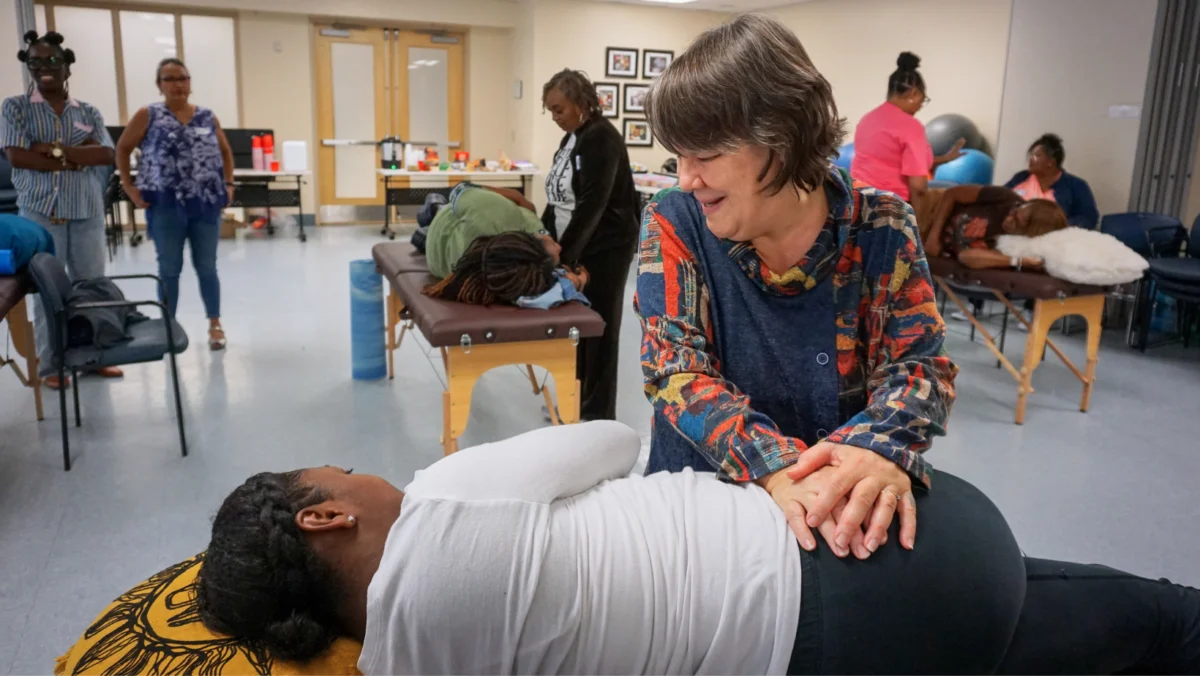
The journey of a baby through the birth canal is a complex mechanical process, one heavily influenced by the positioning of the fetus within the pelvis. When a baby enters the world in an optimal position, the descent is often characterized by a smoother, more efficient progression. Recently, a new study published in the European Journal of Midwifery has provided fresh insight into how specific maternal movements and positioning techniques—collectively known as the Spinning Babies® approach—may assist in encouraging babies to rotate into an ideal anterior position when they begin labor in a less favorable orientation.
Investigating the Mechanics of Labor
In the context of childbirth, the terms "occiput-posterior" and "occiput-transverse" refer to positions where the back of the baby’s head is directed toward the mother’s back or side, rather than toward her front. These positions are frequently associated with more challenging, and sometimes longer, labor experiences, as the baby must navigate the pelvic curves in a way that is less mechanically advantageous. For years, practitioners and expectant parents have sought methods to encourage these babies to rotate into an anterior position—where the baby faces the mother’s spine—to facilitate a more straightforward birth.
To better understand whether targeted interventions could influence this rotation, a team of midwives in Italy conducted a comprehensive study involving 244 births. Each of the pregnancies involved in the study began with the fetus in an occiput-posterior or occiput-transverse position. The research team sought to determine if the application of the Spinning Babies® approach—a set of techniques designed to balance the pelvis and create space for the fetus—would result in a higher rate of successful rotation compared to standard care without these specific interventions.
Key Findings and Statistical Significance
The results of the study offer a compelling look at the potential impact of these techniques. Among the group of birthing parents who utilized the Spinning Babies® approach, researchers observed that 93% of the babies successfully rotated to an anterior position before birth. In contrast, the group that labored without the use of these specific activities saw a rotation rate of approximately 64%.
When the researchers adjusted for other variables that could influence labor progression, the data indicated that the use of the Spinning Babies® approach was associated with a 45% higher likelihood of the baby rotating to the anterior position during labor. These findings suggest that the techniques may play a meaningful role in encouraging fetal rotation, though the researchers were careful to emphasize that further studies are necessary to confirm these results and fully understand the scope of the benefits.
The Role of Fetal Positioning in Birth
While the study provides significant data regarding fetal rotation, it is important to note the scope of the research. The investigation focused specifically on the frequency of rotation rather than broader outcomes such as the duration of labor, the perceived comfort of the mother, or specific birth outcomes. Nevertheless, the position of the baby remains a fundamental component of the labor experience. The mechanical alignment of the fetus within the pelvis dictates how the baby descends, and by extension, how the labor progresses.
For many parents, the ability to engage in active, gentle measures to support this process can have a profound psychological effect. Beyond the physical mechanics, utilizing techniques that encourage the baby’s movement can help parents feel more involved, empowered, and confident during the intense experience of labor. It shifts the narrative from one of passive waiting to one of active, physiological support, fostering a greater sense of agency during a critical life event.
The philosophy underpinning the Spinning Babies® approach is built upon three core principles: Balance, Gravity, and Movement. The framework operates on the premise that by balancing the muscles and ligaments of the pelvis, and by utilizing gravity and specific movements, one can create the necessary space and ease for the baby to navigate the birth canal. This is further supported by the "Pelvic Levels Solutions" framework, which acts as a guide for when and how to implement these movements. By identifying which part of the pelvis requires more space at specific stages of labor, the framework helps birthing parents and their support teams make informed choices about movement and positioning. This recent research serves as an early, encouraging piece of evidence that these physiological principles align with the body’s innate capacity for birth.
Considerations for Expectant Parents
As with any study in the medical field, it is essential to contextualize the findings within the broader spectrum of maternity care. Every pregnancy is a unique experience, and every birth follows its own trajectory. The authors of the study have encouraged the scientific community to continue investigating these results, as a single study is rarely the final word on clinical practice.
Furthermore, it is vital for expectant parents to understand that these techniques are intended to be a complementary aspect of maternity care. They are designed to work in harmony with the guidance and expertise of midwives, obstetricians, and other healthcare providers, rather than serving as a replacement for professional medical oversight. Communication with one’s care team remains the most important step for anyone interested in incorporating specific movement techniques into their birth plan.
Future Research and Ongoing Evidence
The medical community’s interest in physiological birth and the impact of maternal positioning continues to grow. As more practitioners and researchers recognize the value of supporting the body’s natural processes, the need for robust, evidence-based research becomes increasingly clear. The current findings from the Italian midwife-led study represent a positive step forward in validating the use of these techniques in clinical settings.
Teams around the world are already engaged in further research, exploring the long-term implications of these methods and how they might be integrated into standard labor care. As the body of evidence grows, so too does the opportunity to refine how we support parents during the transition of birth. For those interested in tracking these developments, the Spinning Babies® organization maintains a dedicated research portal, which provides access to current studies, collaborative projects, and emerging findings. This repository highlights the evolving evidence base supporting the integration of balance, gravity, and movement into the modern birthing environment.
As we look toward the future of maternity care, the emphasis remains on fostering environments where both physiological birth and evidence-based interventions can coexist to support the best possible outcomes for parents and babies alike. This study serves as a hopeful indicator that, by understanding the mechanics of the pelvis and the movement of the fetus, we can continue to refine the care we provide during the transformative process of labor.
As the holiday season approaches, a noticeable shift is taking place in households celebrating the Festival of Lights. Increasingly, parents are moving away from purchasing large, extravagant showstopper gifts for Hanukkah, opting instead for smaller, thoughtful items that will genuinely be appreciated, actively used, and kept to a minimum to prevent household clutter. This evolving trend focuses on practical, low-profile items that resonate with children ranging from ages 3 to 11, balancing the joy of gift-giving with the realities of modern family life.
For parents navigating the ever-shifting landscape of children’s toy fads, finding items that have lasting appeal can feel like a moving target. According to parents who have experienced the cycle firsthand, small-ticket items that avoid the worst of fleeting trends provide a reliable way to bring excitement to each of the eight nights without overwhelming the home.
Among the trends capturing the attention of kids
and parents alike this season are sensory toys, which continue to hold a strong grip on school-age children and tweens. The market for tactile items shifts rapidly, with specific novelties gaining popularity almost daily. For instance, unique sensory toys like potato-shaped squishies offer a playful, themed twist on current classroom crazes, even if the exact craze evolves by the time the menorah is lit. Alongside these tactile novelties, classic plush items continue to hold their ground, offering comforting familiarity for younger children.
Humor also plays a significant role in keeping kids engaged during the holiday season. Silly card games designed to lean into children’s endless fascination with goofy humor provide an outlet for lighthearted entertainment during family gatherings. These games allow children to enjoy a bit of playful silliness while keeping holiday traditions light and fun. Similarly, novelty items that lean into everyday foods and playful imagery offer a whimsical addition to the gift exchange, appealing to kids with a quirky sense of humor.
Educational and creative engagement remains a cornerstone for thoughtful holiday gifting. Compact activities such as thoughtfully illustrated themed puzzles offer quiet, focused entertainment for younger children, encouraging problem-solving skills without taking up excessive space. For slightly older kids with a creative streak, pocket-sized scientific tools or guided journals rooted in cultural questions and rituals provide opportunities for exploration and personal reflection. These items encourage curiosity and self-expression, making them keepsakes that children can return to long after the holiday ends.
Books and classic reading materials also remain perennial favorites that easily survive the annual toy purges. Miniature editions of timeless literary classics have proven their staying power across generations, remaining on children’s "keep" shelves through countless bedroom clean-outs. Pairing these reading materials with interactive family experiences, such as introducing children to new dining traditions with specialized training chopsticks during a festive family dinner, helps transform gift-giving into a memorable shared activity.
For the youngest participants, even everyday items can feel remarkably special when wrapped for the holiday. Novelty cereals featuring popular characters or fun treats that are usually reserved for special occasions serve as delightful surprises for little ones. Meanwhile, older children often appreciate fun cosmetic items, such as uniquely packaged lip balms, which combine practicality with playful presentation.
To help families navigate the eight nights with a sense of anticipation, pre-wrapped surprise prompt packages have also emerged as a popular choice. These collections offer daily interactive activities, such as decorating dreidels and participating in family-friendly games, ensuring that the focus remains on shared experiences and connection rather than material accumulation.
This growing preference for smaller, meaningful gifts reflects a broader conversation among modern families about how to celebrate traditions intentionally. By focusing on items that bring genuine utility, humor, and connection, parents are finding ways to keep the magic of Hanukkah alive while maintaining a balanced, clutter-free home environment.
The everyday realities of marriage—balancing household responsibilities, navigating financial expectations, managing children, and resolving interpersonal conflict—often test the patience of modern couples. However, contemporary spouses seeking guidance for these challenges frequently look back across the centuries to the foundational accounts of Islamic history. The life of Prophet Muhammad (peace and blessings be upon him) offers a detailed blueprint for domestic life, presenting him not only as a spiritual guide and messenger of God, but as an engaged, empathetic husband and father.
Long before he received the first divine revelations, the Prophet was already a family man, intimately familiar with the complexities of managing a household. His biography, preserved through the extensive collections of the Seerah and Hadith literature, provides vivid examples of how he interacted with his wives and responded to domestic disputes. This comprehensive record serves as a practical resource for believers, underscored by a verse from the Quran (33:21) which states: “Indeed, in the Messenger of Allah you have an excellent example for whoever has hope in Allah and the Last Day, and remembers Allah often.”
To truly understand how the Prophet handled marital friction, historians and scholars turn to the accounts narrated by his wives, collectively known as the Mothers of the Believers. These women experienced the full spectrum of human emotions, including jealousy, disappointment, and frustration, proving that their elevated religious status did not exempt them from the emotional hurdles common to all marriages. Access to these historical narrations offers a rare, transparent look into how the household of the Prophet functioned during times of peace and periods of tension.
The foundational marriage of the Prophet’s life was his union with his first wife, Khadijah. The couple remained married for approximately twenty-five years, and he did not take another wife during her lifetime. Their relationship was forged before marriage when he successfully managed her commercial business. The bond they shared was so enduring and profound that his later wife, Aisha, famously recounted feeling a sense of jealousy toward Khadijah long after she had passed away, a sentiment documented in Sahih al-Bukhari (6004).
Following Khadijah’s passing, the Prophet entered into multiple marriages with women from various backgrounds, including Sawdah bint Zamah, Aisha bint Abi Bakr, Hafsah bint Umar, Zaynab bint Khuzaymah, Umm Salamah, Zaynab bint Jahsh, Juwayriyah bint al-Harith, Umm Habibah bint Abi Sufyan, Safiyyah bint Huayy, and Maymunah bint al-Harith (may Allah be pleased with them all). Through their collective accounts, subsequent generations inherited specific instances of household conflicts and, crucially, the measured methods by which the Prophet addressed them.
When caring for children makes alone time difficult
Among the documented instances is a scenario familiar to many modern parents: the challenge of carving out privacy and quality time as a couple while simultaneously managing the demands of childcare. When the Prophet married Umm Salamah, she entered the marriage as a widow with young children, which included her nursing infant daughter, Zaynab.
Historical hadith accounts describe how Umm Salamah would routinely place young Zaynab in her lap to nurse whenever the Prophet came to visit. Out of modesty and consideration, the Prophet would feel shy and quietly excuse himself from the room. Recognizing the newlyweds’ need for private time, Umm Salamah’s maternal brother, Ammar ibn Yasir, eventually intervened by taking the child into his care. This intervention provided the couple with the necessary space to spend uninterrupted time together as husband and wife, a dynamic recorded in Musnad Ahmad (hadith 26669).
Scholars note that this account highlights the Prophet’s profound patience and respect for his wife’s maternal responsibilities. Rather than displaying annoyance or frustration at the interruption of his visits, he accommodated the needs of the child and his wife, demonstrating that domestic harmony often relies on mutual accommodation and external support systems.
When a spouse acts out of jealousy
Interpersonal friction driven by natural human emotions is another theme addressed in the biographical records. In one notable incident, a dish of food was sent to the Prophet by one of his wives while he was visiting the home of another. Overcome by a moment of intense jealousy, the wife hosting him struck the hand of the servant delivering the meal, causing the dish to fall, shatter, and spill its contents across the floor.
Rather than reacting with anger or disciplining his wife—a reaction that might easily escalate a tense situation in front of witnesses—the Prophet responded with remarkable grace. He calmly gathered the broken ceramic pieces and collected the spilled food, offering the simple explanation to those present: “Your mother (my wife) felt jealous.” Furthermore, he ensured that the damaged property was fully compensated by arranging for an intact dish from his own household to replace the broken one, as documented in Sahih al-Bukhari (5225).
This response offers a powerful lesson in emotional regulation. By acknowledging the root cause of the behavior without shaming his wife and by rectifying the material damage, the Prophet prevented a minor emotional outburst from spiraling into a severe domestic dispute.
When there is suspicion or mistrust
Trust and communication form the bedrock of any sustainable marriage, and the historical records show that even the prophetic household was not immune to moments of suspicion. On one occasion, Aisha experienced a spike of jealousy and chose to follow the Prophet after he quietly left her quarters during the night. She trailed him all the way to the cemetery of al-Baqi before hurrying back home in an attempt to reach her bed before his return.
When the Prophet re-entered the room, he noticed her heavy, rapid breathing and immediately questioned her about her suspicious behavior. Rather than dismissing her feelings or avoiding the confrontation, he addressed the underlying mistrust directly, asking her firmly, “Did you think that Allah and His Messenger would deal unjustly with you?” He then provided full transparency regarding his movements, explaining that the Angel Jibril had brought a divine command instructing him to visit al-Baqi to pray for the deceased, and that he had departed quietly because he assumed she was asleep and did not wish to wake her (Sahih Muslim 974b).
This exchange emphasizes the necessity of direct communication. By addressing the suspicion head-on and offering a clear explanation, the Prophet dismantled the mistrust rather than allowing it to fester, highlighting how transparency can resolve anxieties in a relationship.
When there is disagreement about financial expectations
Broader domestic disputes concerning financial provisions and material expectations also arose during the Prophet’s lifetime. A significant period of tension occurred when his wives collectively requested greater material provisions than what was readily available. Faced with this pressure, the Prophet chose to temporarily withdraw from his household duties and separate himself from his wives for a period of twenty-nine days.
The separation caused considerable anxiety among his companions, some of whom feared that he had divorced his wives. When Umar (may Allah be pleased with him) inquired directly about the status of the marriages, the Prophet clarified that he had not issued a divorce, but had merely taken a temporary oath to maintain distance for a month, as noted in Sahih Muslim (1478) and Sahih al-Bukhari (5203).
During this interim, divine verses were revealed granting the Prophet’s wives a clear choice: they could either opt for the comforts and luxuries of worldly life, in which case the Prophet would provide for them and part ways honorably, or they could choose Allah, His Messenger, and the eternal reward of the Hereafter (Quran 33:28–29).
The episode illustrates the value of strategic pauses during high-stakes arguments. By stepping back and giving both parties time for reflection, the dispute was managed without impulsive reactions, allowing the individuals involved to evaluate their long-term commitments and expectations with clarity.
When a spouse is upset
Beyond managing overt conflicts, the biographical accounts reveal a deep attentiveness to subtle shifts in emotional expression. In a narration recorded in Sahih al-Bukhari (5228), Aisha recounted how the Prophet was acutely aware of her emotional state, noting that he could discern whether she was pleased with him or upset simply by listening to her choice of words.
When she asked how he could tell the difference, the Prophet explained that when she was content with him, she would swear by saying, "No, by the Lord of Muhammad." Conversely, when she was frustrated or displeased, she would shift her phrasing to say, "No, by the Lord of Abraham." Acknowledging his accuracy, Aisha responded with characteristic candor, confirming that even during moments of displeasure, she only distanced herself from mentioning his name while keeping her underlying commitment intact.
This intimate detail underscores the importance of emotional intelligence and attentiveness in marriage. Recognizing subtle changes in behavior or communication patterns allows spouses to identify underlying issues before they erupt into larger conflicts. Furthermore, these historical accounts collectively illustrate that experiencing frustration, jealousy, or disagreement does not negate love and commitment within a marriage.
Ultimately, scholars and commentators note that while these accounts detail how the Prophet navigated conflict, the broader lessons extend to both husbands and wives in contemporary settings. The manner in which an individual responds to domestic friction serves as a direct reflection of their personal character. Even when faced with provoking circumstances, individuals remain individually accountable for their reactions.
(Note: The historical examples preserved within these texts refer strictly to everyday domestic disagreements and ordinary marital friction, and do not apply to instances involving abuse or violence, which are entirely unacceptable and require immediate intervention and reporting to appropriate legal and social authorities.)