It’s an Easy Way to Access the Wisdom of Ernest Holmes Each Day »
We are excited to bring our readers a checklist to help you catch up on “The Science of Mind” textbook and inject daily inspiration into your lives. For readers seeking a deeper connection to spiritual philosophy and daily enrichment, structured reading programs have long served as a transformative bridge. By breaking down monumental philosophical works into manageable daily portions, individuals can integrate profound teachings into their modern, fast-paced routines without feeling overwhelmed by the sheer volume of text.
This comprehensive list was compiled with love by Rev. Dr. Edward Viljoen of the Center for Spiritual Living, Santa Rosa. Rev. Dr. Viljoen’s thoughtful curation of the material ensures that students of New Thought philosophy can navigate the intricate and inspiring passages of Ernest Holmes’s foundational work with clarity and consistent momentum. Through careful organization, the reading schedule allows participants to track their progress, catch up if they happen to fall behind, and maintain a steady rhythm of personal reflection
and spiritual study throughout the annual cycle.
For those looking to dive straight into the current schedule or catch up on previous milestones, you can find the entire year of readings here. The availability of these archived readings ensures that no reader ever feels permanently left behind, providing an open invitation to re-engage with the curriculum at any point during the calendar year. Whether used as a morning meditation prompt or an evening review, the structured approach provides a steady anchor for daily contemplation.
» November 2026
As the year progresses into its late autumn phase, the November 2026 reading schedule offers a fresh wave of contemplative passages designed to align with the reflective nature of the season. Readers following the program this month will find carefully selected excerpts that resonate with themes of gratitude, inner peace, and spiritual resilience. The November curriculum, like the rest of the annual program, is designed to be easily accessible, allowing participants to download the specific monthly module directly for convenient offline reading or digital tracking. You can access the November schedule directly through the provided resource link to ensure you stay fully aligned with the community of readers traversing the text together.
The enduring relevance of Ernest Holmes’s teachings continues to draw new generations of seekers to “The Science of Mind.” First published in the early twentieth century, the textbook remains a cornerstone of the New Thought movement, offering principles centered on the power of thought, the nature of the divine, and the infinite potential inherent in every human being. By engaging with these concepts on a daily basis, readers are encouraged to shift their perspectives, cultivate a positive mental attitude, and recognize the interconnectedness of all life.
The collaborative effort behind this reading checklist reflects a broader commitment within the spiritual community to make profound philosophical texts accessible and actionable. Rev. Dr. Edward Viljoen’s dedication to organizing the curriculum highlights the value of guided study in personal transformation. Rather than treating the textbook as a dense academic volume to be read once and set aside, the daily reading approach transforms it into a living manual for everyday living.
Readers are encouraged to bookmark the provided links, share the resources with fellow spiritual travelers, and incorporate the daily readings into their regular routines. Whether you are revisiting the text for the tenth time or opening “The Science of Mind” for the very first time, this structured path offers a welcoming and supportive environment for spiritual growth and intellectual exploration.
When the Israelites successfully crossed the Jordan River, biblical accounts describe how God instructed Joshua to stack twelve stones along the riverbank. The purpose of this monument was deliberate: so that when future generations inquired about the meaning of the stones, parents would have a ready narrative to share about divine faithfulness. For many contemporary homeschool families, seasonal holidays function in much the same way. The quiet lighting of an Advent candle, the reading of a Psalm ahead of a Thanksgiving feast, and the daily placement of an ornament on a December tree serve as intentional touchstones, inviting children to ask questions and parents to answer them.
Derived from the Latin traditio, meaning "a handing over," the concept of tradition offers every household something of lasting value to pass to the next generation. Between the demands of travel plans, seasonal baking, and community holiday concerts, the calendar fills rapidly, leaving families to realize that the traditions with the greatest endurance are often the simplest ones. By incorporating thoughtfully chosen practices into Thanksgiving, Advent, and Christmas, families create a succession of memorial stones designed to last a lifetime.
Establishing Meaningful Thanksgiving Traditions
Thanksgiving, observed annually on the fourth Thursday in November, traces its formal recognition as a national holiday back to 1789, when George Washington issued the first national proclamation under the new Constitution. For classical homeschool families, holiday activities often draw upon familiar educational and spiritual pillars. When repeated year after year, simple practices transform from ordinary activities into cherished household traditions.
Among these practices is the creation of an Ebenezer gratitude jar, inspired by the biblical account in which Samuel set up a stone after the Israelites defeated the Philistines, naming it Ebenezer to signify that God had helped them up to that point. Families can adapt this by giving each member a smooth stone and a paint pen on Thanksgiving to record a brief word or phrase noting how God provided during the past year. Dropped into a glass jar, these stones accumulate over time, offering younger children a tangible record of years they might otherwise be too young to remember.
Alongside gratitude jars, families frequently turn to shared recitations, such as reading through Psalm 100. Because the passage contains only five verses, it offers an approachable text for memorization throughout November, culminating in a joint recitation before the holiday meal. Similarly, reading historical texts aloud—such as George Washington’s 1789 proclamation or Abraham Lincoln’s 1863 address issued during the Civil War—connects modern dinner tables to foundational American history. Older students can engage with these primary sources through historical analysis and dialectic discussion, examining the language and context of the documents.
Literary selections also anchor the holiday. Excerpts from classical literature and poetry, such as John Greenleaf Whittier’s poem "The Pumpkin," capture the atmosphere of harvest celebrations and family gatherings. By reading these selections annually by candlelight, families build a shared literary heritage.
Hospitality remains another central pillar of the season. Setting an extra place at the table for a neighbor, a widow from church, a college student far from home, or a newly relocated family member offers children a practical lesson in sharing holiday blessings. Furthermore, maintaining a family gratitude journal—a single letter written collectively each year recording the events, guests, and quotations of the day—creates a primary source document that grows richer with each passing decade.
The Season of Advent and Anticipation
Following closely on the heels of Thanksgiving is Advent, the four-week period preceding Christmas. The term derives from the Latin adventus, meaning "coming" or "arrival." Beginning on the fourth Sunday before Christmas, Advent directs attention in two directions simultaneously: backward to the historical birth of Christ in Bethlehem and forward to His promised return. The season introduces children to the discipline of patient waiting, echoing the centuries Israel spent anticipating the Messiah.
To mark this period, families often incorporate specific household traditions that bridge November’s gratitude with December’s anticipation. One widely practiced custom is the Jesse Tree, an interactive Advent journey that traces the lineage of Jesus from Creation to the manger using a daily sequence of symbolic ornaments.
The lighting of an Advent wreath provides another visual marker of the season. Composed of four outer candles and often a central Christ candle, the wreath grows brighter week by week as families gather for dinner to read prophecies from the Old Testament, such as the passages found in the book of Isaiah. Children take turns lighting and extinguishing the flames, visually tracking the approach of Christmas Day.
As Christmas Eve arrives, reading aloud the nativity account from Luke 2 gives family members an opportunity to recite memorized passages, ranging from the angel’s announcement to the shepherds to the opening verses of the Gospel of John. These recitations merge academic habit with a worshipful setting. Additionally, studying the history behind traditional carols—such as the ancient roots of "O Come, O Come, Emmanuel" or the scriptural basis of Isaac Watts’s "Joy to the World"—connects musical worship to biblical theology and literary history.
Service projects also define the month for many households. Observing St. Nicholas Day on December 6 by quietly meeting a need in the local community, packing humanitarian shoeboxes, or singing carols at local residential care facilities allows families to put their faith into practice. These shared experiences are often paired with seasonal read-alouds, such as classic holiday stories and poems that families revisit year after year.
Connecting the Jesse Tree to Historical Timelines
For households engaged in classical education, the Jesse Tree tradition aligns naturally with historical study. Taking its name from Isaiah 11:1—which speaks of a shoot coming forth from the stump of Jesse, the father of King David—the Jesse Tree mirrors the early historical progression of foundational timeline studies. As families hang a daily ornament representing biblical events from Creation through the prophets, they can review corresponding historical and biblical milestones.
While standard Jesse Tree symbols cover major biblical narratives, students can expand the tradition by researching historical events that lack traditional ornaments, such as the fall of Israel to Assyria or the rebuilding of the temple. By designing custom ornaments and presenting the historical context to the family, older students integrate creative arts with historical research.
Rather than attempting to adopt every available practice, educators frequently advise families to select a manageable number of traditions—focusing on a balanced approach that includes
teaching, worship, and community gathering. By recording these choices and maintaining them consistently, parents establish a lasting legacy of faith and memory for the generations to follow.
The familiar scene plays out in homes across the globe every school day afternoon: a backpack hits the floor with a heavy thud, a parent or caregiver asks, “How was your day?” and the response is a single, closed-off word: “Fine.” Children and adolescents do not always readily articulate what is on their minds or the complex social and academic pressures they navigate. However, dedicated time, attentive listening, and gentle engagement can create the safe space they need to open up.
As communities look toward Friday, November 20, 2026, World Children’s Day arrives as an important moment for parents, caregivers, and educators to intentionally ask children how they are feeling—and, crucially, to listen without immediately trying to fix or solve whatever problem is presented. Established to honor children’s fundamental rights, including the vital right to be heard, the global observance provides a framework for addressing both the public standing of youth and their internal emotional well-being.
Organized globally by UNICEF, World Children’s Day serves as a major annual day of action for youth. The theme designated for 2026, “My day. My rights. My future,” invites children and teenagers to speak directly to world leaders, expressing their unique perspectives on the kind of world they want to build and inherit.
Beyond policy discussions and advocacy, the day is marked by widespread celebrations that place children at the forefront of society. In numerous countries and municipalities, young people temporarily “take over” high-profile roles across media outlets, sporting organizations, and government institutions. Meanwhile, iconic global landmarks and public buildings are illuminated in bright blue to signal international solidarity and support for children’s rights.
The significance of the November 20 date is rooted in two foundational milestones in the history of international human rights. On this exact date in 1959, the United Nations General Assembly adopted the Declaration of the Rights of the Child, establishing a universal set of shared ideals and protections for minors. Exactly thirty years later, on November 20, 1989, the UN adopted the Convention on the Rights of the Child, transforming those ideals into a formal, binding international treaty that nations could commit to following.
The Convention outlines the comprehensive rights belonging to every child, encompassing the right to physical safety, the opportunity to play, and the guarantee that their opinions will be taken seriously by adults and authorities. Having achieved near-universal ratification, it stands as the most widely accepted human rights treaty in history, with nearly every country on Earth formally agreeing to uphold its standards.
While World Children’s Day is observed globally on November 20, many nations also observe separate national or international children’s days. Most notably, International Children’s Day is widely celebrated on June 1. Other nations have designated entirely different dates tailored to their own cultural calendars, such as Turkey celebrating on April 23 and India observing Children’s Day on November 14. Despite the varying dates across different jurisdictions, the underlying mission remains uniform: dedicating a specific period to recognize, support, and honor the youngest members of the community.
Marking World Children’s Day does not require elaborate public events or large-scale productions. Psychological and educational research indicates that fostering emotional literacy in children yields substantial long-term benefits. A comprehensive meta-analysis focusing on children and adolescents has linked a strong understanding of one’s own emotions with superior social skills and a lower incidence of behavioral challenges. Children can develop this emotional awareness through simple, everyday interactions within their homes and classrooms.
One foundational approach involves exploring children’s rights with them directly. Many young people are unaware of the specific protections and entitlements guaranteed to them, but those who learn about their rights often develop greater confidence in speaking up for themselves and others. UNICEF provides child-friendly versions of the Convention on the Rights of the Child, translating complex legal terminology into plain, accessible language that families and educators can read together to discuss which principles resonate most strongly with the child.
Another effective avenue for expression is creative arts, particularly for children who may lack the extensive vocabulary required to articulate complex internal emotional states. Inviting children to sketch their daily experiences, from morning routines to evening wind-downs, and subsequently walking adults through their drawings provides a tangible anchor for conversation. When children can point to a specific visual element on a page, discussing what parts of their day felt joyful or challenging becomes significantly less daunting than answering broad, open-ended inquiries like “How are you feeling?” In home environments, these drawings can be displayed on refrigerators as an open invitation for ongoing dialogue, while classrooms often utilize shared display spaces where students can voluntarily highlight moments they experienced or share commonalities with their peers.
Navigating emotional outbursts or behavioral meltdowns also offers opportunities to look beneath the surface behavior and help children label their feelings accurately. Rather than dismissing strong reactions with well-intentioned but invalidating phrases like “You’re fine,” adults can help children put language to their internal states by observing underlying frustrations and inviting confirmation. Research indicates that when adults model this empathetic approach, children naturally internalize the practice, learning to identify and communicate their own emotional states more effectively over time.
Establishing regular emotional check-ins during routine gatherings, such as family dinners or morning classroom circles, further normalizes the discussion of feelings. When participants share a high point, a low point, and something they feel grateful for—with adults participating transparently alongside children—a culture of mutual respect and active listening is cultivated. Academic and psychological studies suggest that children manage difficult emotions more successfully when met with warmth and validation rather than dismissal.
Incorporate mindfulness and meditation practices can also offer a soothing mechanism for children seeking to slow down and center themselves. Mindfulness sessions tailored for younger audiences can center on breathing techniques, physical body awareness, gratitude, or kindness, accommodating a wide range of developmental stages and personal interests. Practices such as belly breathing, where a child lies down with a small comfort object on their abdomen to observe its rise and fall, provide accessible entry points into self-regulation.
Finally, shared reading offers a natural bridge for connection and emotional exploration. Reading stories aloud allows children to examine difficult feelings experienced by characters in a narrative context, which often feels safer than discussing their own personal struggles directly. By pausing during a story to discuss a character’s emotional state, caregivers and educators can spark meaningful conversations that integrate seamlessly into bedtime routines or end-of-day classroom transitions. Through these modest, consistent efforts, World Children’s Day extends far beyond a single calendar date, reinforcing a continuous commitment to listening to, respecting, and supporting the next generation.
Spending time on social media platforms around the volatile ecosystem of an election cycle is inherently fraught with tension. Whether scrolling through feeds days before voters head to the ballot boxes or wading through the digital aftermath as results are tallied, the experience can frequently feel like walking through a minefield. It is an environment where algorithms are
optimized for outrage and polarization, yet every once in a while, a post appears on a timeline that cuts through the noise entirely, stopping a user dead in their tracks and forcing a moment of profound reflection.
This was the exact reality for one social media user in the days following a recent midterm election. Scrolling through Facebook, the user encountered a post shared by an old acquaintance from decades past—someone with whom they had shared childhood pews in their hometown church. The shared content featured a striking visual grid composed of four distinct maps of the United States.
The political and cultural commentary embedded in the graphic was unmistakable. The first map was colored entirely in solid red. The second map was rendered entirely in solid blue. The third map featured a vibrant American flag stretching from coast to coast. The fourth and final map was cloaked entirely in solid black, designed to mimic the stark and terrifying aesthetic associated with the Islamic State.
Accompanying the four-panel image was a bold, divisive caption that laid bare the underlying intent of the post. "Some want this. Others want this. I want this," the caption read, pointing directly toward the patriotic American flag map. It then added a harsh condemnation: "Not this!" referring directly to the map cloaked in black. For the user viewing the post, the implication was clear: it served as a not-so-subtle reaction and warning regarding the electoral victory of Abdul El-Sayed, who achieved a historic milestone as a Muslim candidate winning a prominent legislative seat.
For the person reading the post, the encounter carried a deeper, more personal weight. The man who shared the inflammatory graphic and the user scrolling past it shared a foundational bond rooted in the Christian faith. This shared religious background immediately brought to mind one of the most enduring and radical teachings of Jesus—the parable of the Good Samaritan.
In the biblical narrative, when Jesus is explicitly asked the foundational question, "Who is my neighbor?", he bypasses religious elites and traditional expectations to choose a Samaritan as the ultimate hero of the story. In the historical and cultural context of Jesus’ time, Samaritans belonged to a religious community marked by deep-seated historical divisions, theological disputes, and intense animosity with the Jewish community. By lifting up a Samaritan as a moral exemplar, the teaching challenges listeners to radically redefine who they consider their neighbor, urging them to cross dangerous social and cultural divides.
Reflecting on this foundational text, the user recognized a timeless mandate that resonates just as powerfully in the modern political climate: humanity is called to love our neighbors across religious, cultural, and political differences, but this calling is never more vital—or more difficult—than when those differences actively challenge our comfort zones and worldview.
We are called to love our neighbors across religious, cultural, and political differences — but especially when those differences challenge us.
At the heart of this reflection lies a crucial distinction that often gets lost in the heated rhetoric of modern political debates. It is essential to carefully distinguish religious extremism from the everyday reality of Muslim neighbors, who are every bit as American as Christians, Jews, Hindus, atheists, agnostics, and individuals from every other walk of life. To the user who paused on that Facebook post, the patriotic American flag displayed in the middle of the graphic should be big enough, broad enough, and inclusive enough to authentically represent every single person living beneath it, regardless of their background.
Choosing how to respond to divisive rhetoric online is a frequent dilemma for internet users. Many people choose the path of least resistance, scrolling past offensive or exclusionary posts to avoid confrontation or the deterioration of digital relationships. The user who encountered the map graphic is not someone who typically wades into hot-button political issues or ideological battlegrounds on social media platforms.
However, looking at the post shared by a figure from their formative religious years, a decision was made to break that silence. Choosing to respond, the user operated in the spirit of "calling in" rather than "calling out." Drawing directly upon the shared Christian faith that connected them, the user formulated a response explaining why they interpreted the four-map image through a fundamentally different lens.
The objective of the response was not to win a petty argument on a public forum or to publicly shame an old acquaintance. Instead, the goal was to offer an alternative perspective—a different way of viewing Muslim neighbors within the fabric of society, and a broader way of thinking about what it truly means to be an American citizen in a pluralistic republic.
This philosophy of engagement extends directly into how the user evaluates the broader results of the recent election cycle. In a healthy democracy, it is entirely possible to disagree profoundly with a candidate’s political platform, legislative agenda, or ideological alignment while still celebrating the historic nature of a representative government. The recent election cycle yielded one of the most diverse groups of leaders in the history of the nation, spanning across traditional party lines and challenging homogenous expectations of political power.
For instance, the political landscape saw landmark moments, such as conservative leaders achieving historic representation, alongside figures like El-Sayed securing groundbreaking victories in states like Michigan. An observer does not need to agree with every policy proposal or political stance put forward by these diverse leaders to recognize the profound hope embedded in such milestones. These victories represent a shifting landscape where civic participation is expanding to include voices that have historically been marginalized or excluded from the halls of power.
Ultimately, this perspective points toward a hopeful vision for the future of the United States. The core aspiration is not that three hundred million citizens will suddenly achieve total uniformity in thought, belief, or political ideology. Total agreement is neither realistic nor desirable in a free society.
Instead, the true goal is that Americans can learn to live together peaceably, love their neighbors genuinely, and recognize that people of diverse faiths, those with no faith at all, individuals of every racial background, and citizens holding vastly different political beliefs are all indispensable authors of the ongoing American story.
The patriotic flag, much like the constitutional framework of the nation itself, remains big enough to cover us all.
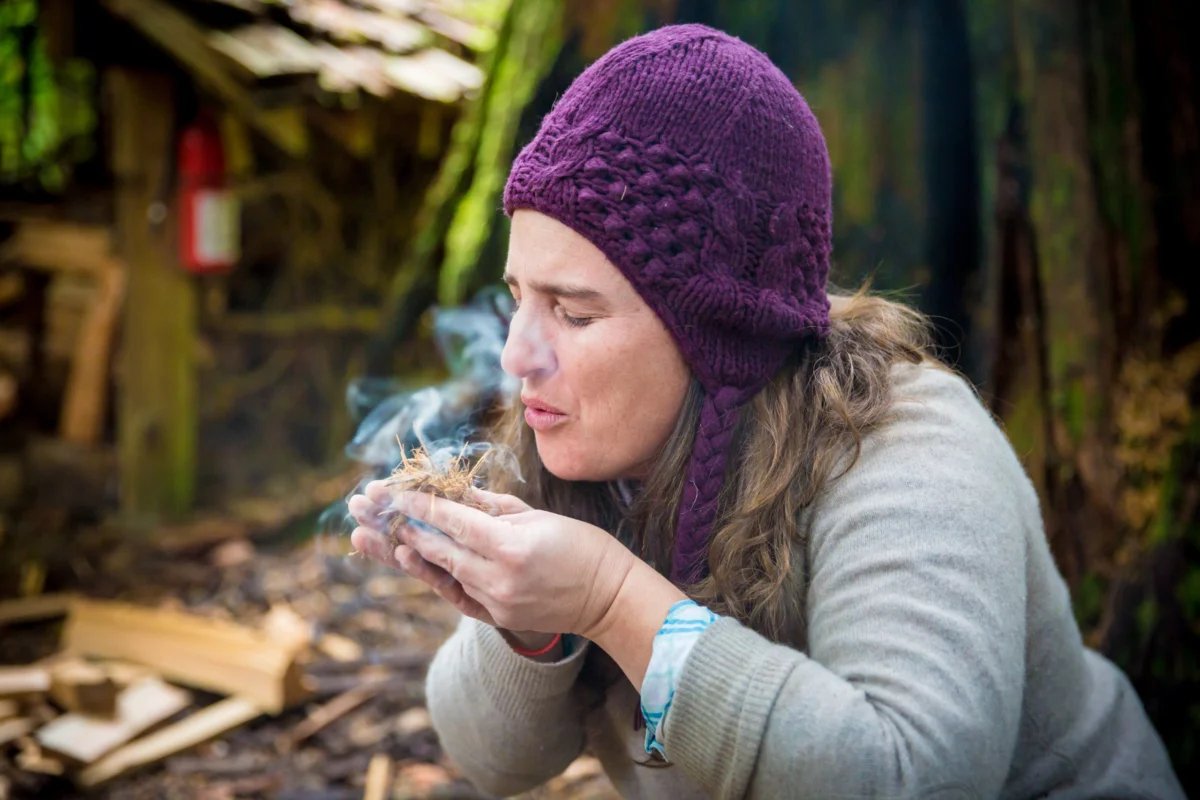
For many participants, the realization arrives quietly, often disguised as the rustle of leaves or the sudden silence of a forest canopy. For one Seattle-based mother, the path to the Wilderness Awareness School—and its flagship training initiative, The Immersion—was a journey that unfolded over more than a decade, weaving together family struggles, personal growth, and a profound redefinition of what it means to truly pay attention to the world.
Looking back on the day she finally registered for the intensive program, she often reflects on the choices that might have unfolded differently had she graduated from the life-changing curriculum decades earlier. Yet, rather than dwelling on timing, she finds solace in the advice of poet Galway Kinnell in his renowned work, Wait: "Distrust everything if you have to. / But trust the hours. Haven’t they / carried you everywhere, up to now?" In retrospect, she entered The Immersion program at precisely the right juncture in her life—at a moment when she was uniquely prepared to receive its deep, foundational teachings.
The family’s relationship with the school first took root in 2010 through a series of summer camps. That initial season proved to be the catalyst for many more summers of outdoor education, eventually paving the way for her son to enroll in the Friday Community School program during a particularly difficult juncture in his life. As a sixth grader, he had found himself woefully uninspired and underwhelmed by the rigid environment of his new middle school. The weekly immersion in nature—spending Fridays out on the land—provided a fierce, restorative joy that acted as a protective buffer, sustaining him through the remainder of the academic year.
That experience was nothing short of life-saving for her son. Witnessing the transformative power of those weekly outdoor sessions planted a seed, creating a strong desire to experience that same connection to the land and community for herself. That personal aspiration eventually led her to enroll directly in The Immersion at the Wilderness Awareness School, stepping onto a path that would fundamentally alter her daily perception of the natural and social worlds.
Through the curriculum, participants cultivate a specific philosophy that alters how they navigate everyday life. A core mantra emerged from her time in the program: "Just because I didn’t know about something until now, doesn’t mean it wasn’t there all along."
In practice, that realization could refer to any number of hidden realities—a barred owl resting quietly on a limb just above head height, a cougar silently stalking the distant edge of a pond, a teenager subtly and desperately calling out for emotional connection, or even a deeply ingrained, harmful pattern of privilege that a community member gently asks her to examine and let go of. Learning how to practice this heightened level of awareness required dedication and humility. While acknowledging that she remains imperfect in applying these lessons, she notes that the training continually nudges her back toward active curiosity and self-reflection.
After graduating from The Immersion in 2018, her commitment to the institution deepened rather than waned. She chose to continue her education through the Youth Nature Instructor Training program, stepped into a role as an active member of the school’s Equity Council, and regularly volunteered for both summer and school-year programs. Her dedication to fostering these learning environments expanded further when she joined the Adult Nature Instructor Training program, stepping into a supportive mentorship role for subsequent cohorts of Immersion students.
This enduring pull toward the community begs a fundamental question: What is it about this specific program and its surrounding network that consistently draws people back? The answer, according to long-term participants and mentors, centers on two core concepts: awareness and camouflage.
Navigating daily life in an urban center like Seattle involves balancing a multitude of diverse circles and responsibilities. Her schedule includes serving on the board of a local outdoor preschool, participating actively as a philanthropist, engaging in parent-teacher associations at her children’s schools, and sitting on the equity committees of three separate organizations. Furthermore, she maintains a deep personal commitment to anti-racism work, engaging in continuous self-reflection through white caucus groups and mixed-race communities of practice and action.
Above all else, however, she identifies primarily as a mother of three emerging adults. In that role, she has found that her children are best served when she actively notices, listens, and protects them for life’s challenges, rather than trying to shield them from those inevitable experiences.
Before undergoing training at Wilderness Awareness School, her understanding of camouflage was strictly conventional, limited to clothing patterned in splotches of green, brown, and tan, paired with similarly colored face paint caked on for concealment in the woods.
Her perspective shifted dramatically through the curriculum. Following her time in The Immersion, she came to realize that she is frequently in full camouflage when wearing entirely different attire—such as a formal black dress paired with a string of pearls. Her instructors taught her that true camouflage is about blending seamlessly into the baseline of any given environment.
Whether that means remaining nestled quietly in a clump of sword fern beneath a towering Western Red Cedar, sitting unobtrusively by a campfire surrounded by a circle of teenagers, or using a salad fork with effortless discretion at an upscale dinner inside the Four Seasons Hotel, the underlying principle remains the same. By mastering the art of blending into the baseline, an individual can accomplish meaningful, impactful work without causing unnecessary ripples or concentric rings of disturbance in their surroundings.
Reflecting on more than a decade of shared learning, mentorship, and the tight-knit community she and her son discovered through the Wilderness Awareness School, she expresses profound appreciation. As she looks ahead, she carries the lessons of awareness and baseline integration forward, eagerly anticipating the decade of growth and connection yet to come.
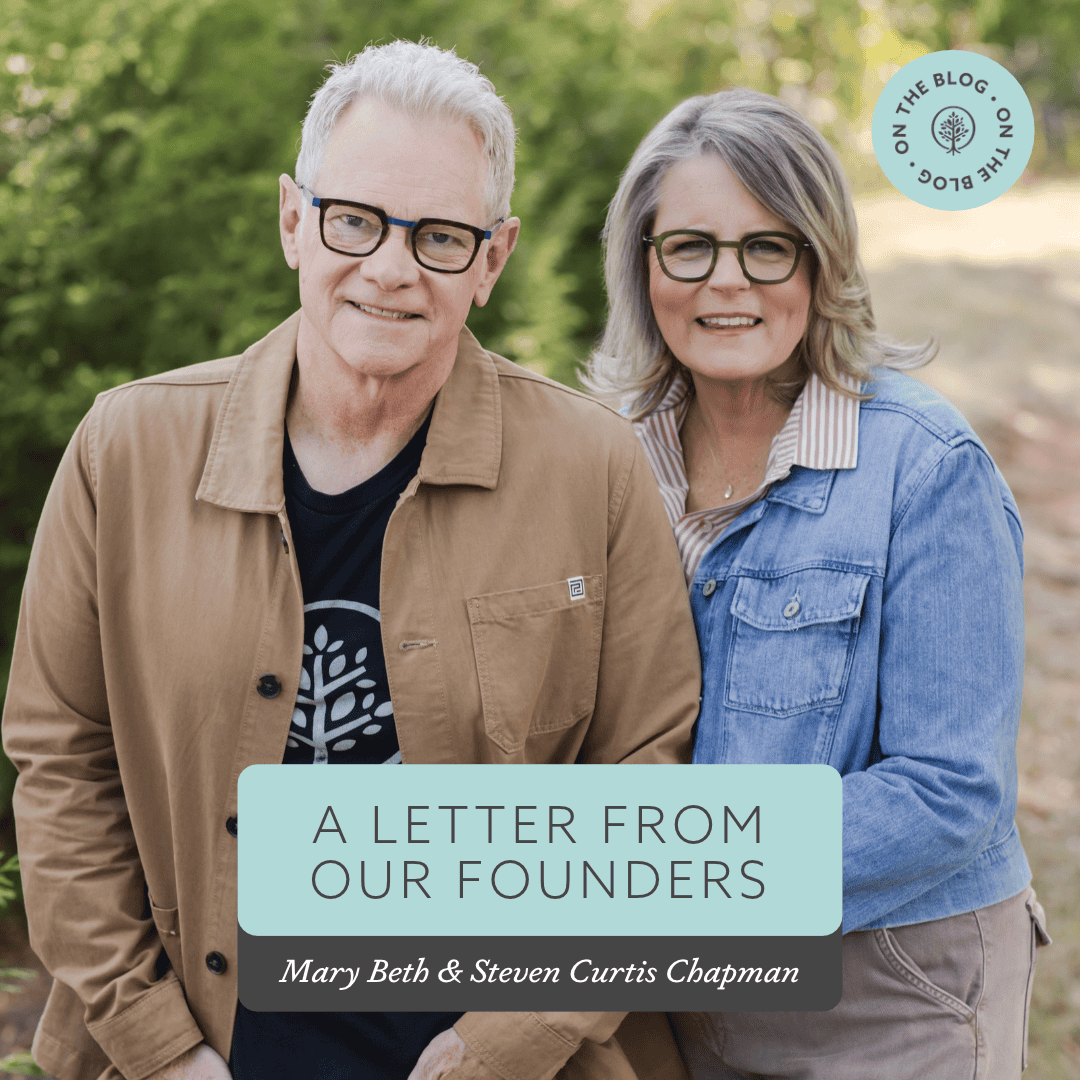
More than two decades after its founding, the adoption and orphan care advocacy organization Show Hope has reached a historic and deeply emotional milestone. Co-founders Mary Beth and Steven Curtis Chapman announced that the organization’s Adoption Aid grants have now positively impacted 10,000 children, helping them find the love, security, and permanency of a family.
When the organization was first established more than twenty years ago, the founders and their early supporters held a modest and hopeful aspiration. At the time, the primary dream was to see just 100 children impacted through the grant program. That initial goal felt both significant and attainable within the landscape of domestic and international adoption. Reaching that milestone would have been considered a massive success. Yet, through years of sustained community support, generous giving, and unwavering dedication, that original vision has been multiplied one hundredfold, culminating in 10,000 children experiencing the transformative reality of a forever family.
In a heartfelt message addressed to friends, donors, and supporters, Mary Beth and Steven Curtis Chapman reflected on the magnitude of the achievement, emphasizing that the milestone belongs entirely to the community that has rallied around the mission. They noted that every single one of those 10,000 children represents a profound reason to hope, a reason to believe in the goodness
of people, and a reason to express deep gratitude for enduring love and faithfulness.
Despite the celebration of this remarkable achievement, the leadership of Show Hope was quick to point out that the journey is far from over. The reality of child welfare globally and domestically means that countless children continue to wait for families, while prospective parents continue to long for the opportunity to bring them home. From its earliest days, Show Hope has maintained a clear and unwavering mission: to reduce the financial and logistical barriers that often stand between waiting children and the families eager to welcome them. The organization’s leadership emphasized a continued commitment to walking deeply alongside families throughout their adoption journeys, standing ready to serve whenever called upon.
As the organization looks toward the future, this milestone coincides with the broader seasonal shift toward gratitude and giving. Show Hope is utilizing this moment to invite its community of supporters into a renewed commitment to the cause, offering fresh opportunities to create more reasons for hope, belief, and praise. The founders expressed a profound sense of awe regarding the generosity of individuals who have prayed for the organization and its leadership, as well as those who have selflessly poured their time, energy, and resources into the work of orphan care.
Reflecting on the unseen, long-term impact of these collective efforts, the founders shared a biblical sentiment of enduring encouragement, looking forward to a time when the full harvest of today’s kindness and generosity will be completely visible. Until that day arrives, the organization continues to draw strength from communal bonds of affection and shared purpose, echoing the timeless encouragement found in 1st Thessalonians to increase and abound in love for one another.
Looking ahead with optimism and resolve, Mary Beth and Steven Curtis Chapman signed off their announcement with a forward-looking rallying cry that sets the tone for the organization’s next chapter: "Here’s to the Next 10,000!"
The late-night struggles of parenting often arrive quietly, catching educators and caregivers off guard during hours when solutions feel furthest away. For Jamie C. Martin, an experienced homeschooling mother and author, a persistent behavioral and emotional hurdle with one of her children recently led to a sleepless night filled with reflection, prayer, and eventually, a call for help.
Facing a roadblock she could not quite diagnose, Martin reached out to a trusted friend and homeschooling mentor. In a matter of a couple of sentences, she outlined the dilemma and asked for insight. The mentor’s response was immediate and concise, offering a perspective that would completely shift the dynamic in the household: "What’s your child’s love language?"
While the concept of the five love languages is widely recognized in the context of adult relationships and marriage, Martin realized it was a framework she had rarely applied intentionally to her children, particularly within the daily routine of home education. Intrigued by the suggestion, she began to research her child’s specific relational needs and adjusted her daily approach to provide targeted emotional attention. The transformation was striking. What had previously been labeled as a stubborn behavioral issue dissolved almost entirely, highlighting a powerful connection between emotional fulfillment and academic harmony.
The theory behind the five love languages was originally articulated years ago by relationship experts Gary Chapman and Ross Campbell. In their foundational work, they posit that every individual—child and adult alike—expresses and receives emotional love best through one of five distinct communication styles. While parents strive to provide unconditional love across all avenues, children, much like adults, possess unique emotional profiles and personalities. Recognizing these nuances, Martin discovered, can fundamentally alter the health, productivity, and emotional well-being of a homeschooling environment.
To help identify these distinct preferences, Martin utilized an online preference quiz, noting that older children such as Trishna, Jonathan, and Elijah also engaged with the process and found value in understanding their own relational styles. Understanding these categories allows educators to tailor their approach, ensuring that every student feels secure and valued throughout the school day.
The first of these categories, physical touch, centers on the profound need for non-verbal affirmation. A child whose primary love language is physical touch relies heavily on hugs, kisses, and supportive physical gestures like a gentle pat on the shoulder. Without regular physical reassurance, these children often internalize routine corrections, mistakenly believing they have done something wrong or that their caregiver is displeased with them. Incorporating physical connection into the school day can bridge the gap between correction and security.
For others, communication relies primarily on words of affirmation. In a modern culture where verbal encouragement is frequently overshadowed by criticism or silence, intentional spoken affirmation carries immense weight. Carefully chosen words do not damage children; rather, they build resilience and fill them with confidence. For a child or adult whose main love language is verbal praise, these expressions serve as a vital emotional anchor, transforming academic challenges into opportunities for growth.
The third category, receiving gifts, often suffers from a misunderstanding of what a "gift" entails. Drawing from insights in Chapman and Campbell’s literature, Martin realized that gifts do not require frequent shopping trips or significant financial expenditures. Instead, the concept can be expanded by reframing everyday essentials in a more thoughtful, celebratory manner. For instance, rather than simply handing out newly purchased seasonal clothing, transforming the presentation—such as placing garments inside a decorative pillowcase with a ribbon and a personal note—can completely change how a child perceives the gesture, shifting a mundane necessity into a profound expression of care.
Quality time represents the fourth love language and presents a unique challenge for homeschooling families. Many parents assume that spending all day, every day in close proximity guarantees a sense of closeness. However, shared physical space does not automatically equate to emotional connection. If a parent is distracted, stressed, or focused heavily on administrative tasks, children who crave quality time do not register that interaction in their emotional bank accounts. True quality time requires focused attention, whether that involves chatting while preparing a meal together or engaging in a shared activity without distractions, keeping emotional reserves fully replenished.
The final category, acts of service, is frequently misinterpreted as enabling or doing everything for a child while removing personal accountability. In reality, understanding this love language means recognizing that a child feels deeply valued when practical assistance is offered, particularly with tasks they find overwhelming. Knowing that service is a primary love language allows parents to step in and ease the burden during moments of academic frustration or difficult daily duties, serving as a tangible expression of unconditional support.
Exploring these concepts offers a deeper appreciation for the unique structure of home education. The extended hours spent together each day provide a distinct advantage, allowing parents the time necessary to truly understand their children’s inner workings and demonstrate affection in ways that resonate most profoundly. Beyond improving daily academic cooperation, this intentional approach teaches children how to extend love to others, creating a positive generational impact. As writer Isabel Allende observed, accepting children with the same gratitude and unconditional appreciation given to trees—loving them for who they are without rigid expectations—remains central to nurturing a thriving family life.
As the holiday season approaches, individuals and families who have experienced profound personal loss often face a complex emotional landscape where sorrow and thankfulness exist side by side. For those carrying the heavy weight of grief, particularly parents who have suffered the death of a child, the traditional emphasis on gratitude and celebration can feel less like an experience of joy and more like an arduous task. Acknowledging this delicate emotional balance, bereavement experts and national support organizations are offering guidance and resources to help people navigate the upcoming months with self-compassion and understanding.
The challenge of balancing opposing emotions is a universal aspect of the human experience during times of deep mourning. In a widely recognized reflection on the subject, Rick Warren, founder of Saddleback Church in California, described life not as a sequence of alternating hills and valleys, but rather as two parallel rails on a railroad track. According to Warren, human beings frequently carry both something good and something bad in their lives simultaneously. He drew upon this perspective during his own profound personal struggles, which included balancing the grief of losing his son with his wife’s cancer diagnosis, alongside the persistent reality that there remained much in his life for which to be thankful.
This duality has long been documented by psychological thinkers as well. Viktor Frankl, the renowned twentieth-century psychotherapist and Holocaust survivor, wrote extensively about the human capacity to find meaning even in the midst of unbearable suffering. Frankl articulated this profound phenomenon after discovering that he and a single sister were the only members of his immediate family to survive the horrors of World War II.
According to Andy McNiel, Chief Executive Officer of The Compassionate Friends and a prominent bereavement support professional with three decades of experience, holding space for both grief and gratitude simultaneously is entirely possible, though it is rarely easy. McNiel notes that profound grief often depletes whatever emotional and physical strength an individual might possess. There are moments during the grieving process—particularly within the first few years following a devastating loss—when a person is simply struggling to find the strength to take the next breath and hang on.
During these intense periods, the surrounding darkness can become so thick that abstract concepts like gratitude and meaning feel heavily strained. McNiel explains that acknowledging gratitude is frequently a hard-fought experience. Crucially, forcing oneself to acknowledge gratitude does not necessarily mean that a person will immediately feel a sense of emotional warmth or thankfulness. However, experts emphasize that there remains deep psychological importance in acknowledging gratitude even when it cannot be actively felt.
Because grief impacts every individual differently, bereavement specialists stress that there is no single right or wrong way to navigate the holiday season. Individuals are encouraged to consider the insights of thinkers like Warren and Frankl, attempting to hold gentle space for both their sorrow and any fragments of gratitude that may manage to surface. At the same time, professionals underscore the importance of self-grace. If a grieving person simply cannot reach a place of thankfulness, they are urged to permit themselves to remain precisely where they are emotionally.
Experts recommend leaning heavily into available support systems, which may include understanding family members, trusted friends, or specialized outside resources. Pacing oneself and exercising the permission not to participate in traditional holiday gatherings or festivities is also highlighted as a valid choice for those who find social obligations overwhelming during this time of year.
Crucially, organizations like The Compassionate Friends emphasize to the public that nobody needs to navigate these challenging emotions in isolation. The national non-profit maintains an extensive network of support designed to connect bereaved families, offering local in-person gatherings, private online communities through platforms like Facebook, and a variety of digital resources.
To provide further assistance as the holiday season unfolds, organizations are continuing to roll out educational and supportive programming. This builds upon recent initiatives, such as a webinar hosted earlier in November titled "Crying Out Loud: A Path Through Grief into a Life Reimagined," presented by Dr. Laura Berman. Additionally, The Compassionate Friends has scheduled a forthcoming holiday webinar titled "Surviving the Holidays: Asking for the Support You Need," which is set to be presented by Colin Campbell.
Through these ongoing educational efforts, professional counseling resources, and peer-to-peer support networks, individuals coping with the loss of a child or loved one are continually reminded of the collective understanding and empathy available within their communities as they seek paths toward healing and reimagined lives.
Once you have heard a story a thousand times, can it ever truly feel new again? For millions of people across the Western world and beyond, the narrative of the Nativity is so deeply ingrained that both Christians and non-Christians alike know virtually every detail by heart. From the journey of the Wise Men bearing their traditional gifts to the guiding Star over Bethlehem and the humble shepherds watching their flocks by night, the events surrounding the birth of Christ are foundational cultural touchstones. Yet, precisely because of this profound familiarity, the story can occasionally risk losing its inherent wonder and awe, slipping into the realm of routine background noise during the bustling holiday season.
In an effort to counter this holiday fatigue and breathe new life into a centuries-old tradition, the organizers behind Read-Aloud Revival’s popular initiative, RAR Premium, have taken a remarkably creative approach for this year’s Christmas School program. Rather than relying solely on traditional retellings that mirror standard holiday programming, the curriculum curators decided to handpick a selection of books designed to help families experience the story of the Nativity through fresh eyes. By stepping outside conventional storytelling frameworks, these titles aim to renew a sense of awe by shifting the narrative lens away from standard perspectives and offering entirely unique vantage points.
This year’s carefully curated selection explores the Nativity through three distinct and imaginative viewpoints: the quiet, patient hopes of trees waiting in the forest, the innocent and curious eyes of a very endearing mouse, and the profound, transformative grief of a particular woodcarver. These unconventional angles allow young readers and adults alike to pause, reflect, and engage with the familiar holiday narrative in a deeply emotional and intellectually stimulating way.
To discuss this innovative approach to holiday literature, a recent episode of the Read-Aloud Revival podcast brought together a panel of distinguished creative voices. Hosted by the program’s leadership, the discussion featured renowned children’s book author Karma Wilson, RAR Premium Coordinator Leilani Curtis, and acclaimed illustrator P.J. Lynch. Together, the panel delved into the artistic and emotional process behind these wonderful stories, exploring how carefully crafted literature can bridge the gap between ancient traditions and modern family engagement.
The conversation sheds light on why parents and educators continuously seek out new ways to present classic tales during the month of December. The modern holiday season is frequently characterized by a relentless rush of commercialism, packed schedules, and endless to-do lists. In response to this seasonal chaos, many families actively search for meaningful, grounding traditions that foster genuine connection and peaceful moments of reflection.
This desire for a more intentional holiday season forms the core philosophy behind Christmas School, a three-week family book club initiative designed to bring households together. By utilizing shared reading experiences, the program aims to help parents connect with their children while creating lasting memories during one of the most special times of the year. Through a combination of thoughtfully selected picture books, companion discussion guides, and engaging multimedia resources, participating families are encouraged to slow down and immerse themselves in the quiet magic of the season.
The inclusion of creators like Karma Wilson and P.J. Lynch in the recent podcast episode highlights the immense craftsmanship that goes into producing literature capable of reframing a universally known narrative. Illustrators and authors working within the holiday genre face a unique challenge: they must honor the sacred and traditional elements of the story while simultaneously offering something entirely original to capture the imaginations of contemporary readers. Through rich storytelling, evocative artwork, and unexpected narrative vehicles—such as woodland creatures and observant artisans—these creators demonstrate that even the most well-worn tales retain an infinite capacity to surprise, move, and inspire.
As families navigate the busy weeks leading up to Christmas, resources like the Read-Aloud Revival’s seasonal curriculum provide a welcome reminder of the power of storytelling. By encouraging audiences to look past the familiar surface details of the Nativity and view the event through the eyes of unexpected participants, these picture books ensure that the wonder of the season remains as vibrant and stirring today as it has ever been.
On November 24, The New York Times published a significant report titled “These Hospitals Figured Out How to Slash C-Section Rates,” shedding light on the national conversation surrounding the rising frequency of surgical births. The article highlighted the transformative experience of Rochester General Hospital in New York, which successfully curtailed its cesarean delivery rates through a deliberate shift in clinical culture. Among the methodologies cited for this success was the integration of the Spinning Babies® approach—a physiology-centered framework designed to support the body’s innate capacity for birth. In the wake of this report, the team behind Spinning Babies® has offered a broader reflection on the implications of these findings and the critical importance of fostering environments that prioritize patience, movement, and physiologic alignment.
A Shift Toward Patience and Physiologic Care
The success story at Rochester General Hospital provides a compelling case study for maternity care facilities across the United States. Managing approximately 1,800 births annually, the hospital’s obstetrics department once faced a concerning trend: high rates of cesarean sections, particularly among healthy, first-time parents. Over a period of years, these numbers dropped dramatically, not through the acquisition of expensive new medical technologies or the implementation of complex, invasive interventions, but through a fundamental change in the clinical philosophy of the staff.
The pivot at Rochester General centered on the belief that birth is a natural physiologic process that benefits from patience, strong provider-patient relationships, and thoughtful support. By expanding midwifery-led care and encouraging laboring parents to utilize positions that create space within the pelvis, the hospital team moved away from a culture defined by rigid timelines and toward one that honors the unique rhythm of every labor. This shift requires clinicians to move beyond purely diagnostic metrics and consider how external pressures—such as time constraints, institutional expectations, and the subconscious beliefs of the care team—can unintentionally derail the natural progression of birth. For many parents, this approach feels both revolutionary and deeply intuitive, aligning with the long-held belief that birth unfolds most effectively when the birthing person feels safe, respected, and given the time necessary to find their own rhythm.
The Hidden Influences Behind Rising Cesarean Rates
The New York Times report touched upon a complex reality that many families and providers navigate daily: the factors influencing a cesarean birth are often as much social and institutional as they are medical. While surgery is a life-saving tool that remains a vital component of modern obstetric care, the data suggests that non-medical influences play a significant role in how frequently it is chosen.
Research into maternity care outcomes has long pointed to a variety of external pressures that can skew clinical decision-making. These include the varying comfort levels of individual obstetricians with the physiological process of labor, fears surrounding potential malpractice or complications, the time of day, staffing ratios, and even the financial structures of hospital systems. When a system is under pressure, the temptation to intervene—to "hurry" the process along—can become the default. However, acknowledging these influences does not diminish the necessity of the cesarean section; rather, it underscores that birth is a deeply relational event. It is a process shaped by the environment, the presence of supportive advocates, and the physical freedom afforded to the laboring person. When the space is configured to allow for movement and the staff is trained to trust the process, the dynamic between the body and the baby can function with greater harmony.
Why This Matters to Spinning Babies® Families
For years, families and birth workers have advocated for a more "body-aware" approach to labor, observing that when the pregnant person is supported and the body is allowed to find balance, the process often proceeds with fewer complications. The core philosophy of Spinning Babies®—that babies are more likely to navigate the pelvis easily when they have the necessary space and time—is increasingly being validated by the outcomes seen in hospitals like Rochester General.
In the New York Times report, families described their experiences with labor in ways that mirrored these principles. They highlighted that comfort measures, steady emotional support, and the ability to change positions were pivotal in helping them navigate long labors without the need for surgical intervention. Nurses and midwives at the facility reported that once they were given the tools and the freedom to offer position changes specifically designed to support labor progress, they observed a tangible difference in birth outcomes. By integrating Spinning Babies® techniques, the nursing staff gained a practical, non-invasive toolkit that allowed them to actively participate in helping the baby navigate the birth canal. These strategies, which prioritize anatomy and physiology, transformed the role of the nurse from a passive observer of labor to an active, supportive partner in the birthing process.
Balancing Safety and Trust
While the shift toward physiologic care is a positive development, it is essential to maintain a balanced perspective. Medical professionals and birth advocates alike recognize that for many families, health challenges are a reality that makes cesarean birth the safest and most appropriate path. The clinicians featured in the report were clear about this, noting that they are seeing an increasing number of pregnancies involving complex health conditions that require highly attentive, medicalized care. There is no desire to return to a time when birth was unsupported by modern medicine; rather, the goal is to reserve surgical intervention for instances of medical necessity, rather than institutional habit.
The report serves as a critique not of surgeons or hospitals, but of the patterns that have historically led to unnecessary interventions. When maternity care is properly resourced—when midwives and nurses are empowered, when birth is allowed to unfold at its own pace, and when families are encouraged to be partners in their care—the result is often a significant reduction in the push toward surgery. This creates a culture of safety that is built on trust rather than fear, ensuring that when a cesarean is performed, it is because it is truly the best path for the health of the parent and the baby.
A Gentle Takeaway for Families
Ultimately, the takeaway from the experience at Rochester General is one of hope and empowerment. This reflection is offered not as an indictment of any specific care model, but as a source of reassurance for expectant parents. It is a reminder that the human body possesses a deep, inherited wisdom and that babies are active participants in their own birth. When the care team trusts the physiology of birth and provides support with patience and skill, it fosters an experience that is not only safer but often more confident and transformative.
For families, this conversation serves as an invitation to engage more deeply with their healthcare providers. It encourages individuals to ask questions, explore the various options available to them, and advocate for care that respects their needs and their body’s natural processes. Whether a birth involves a standard, unmedicated delivery or requires the life-saving intervention of a cesarean section, every parent deserves to feel a sense of partnership, respect, and steady support throughout the journey. The shifting landscape of hospital care suggests that the industry is beginning to recognize what families have known all along: that when we trust the process, we provide the best possible start for the next generation.