New Study Suggests Spinning Babies® Techniques May Facilitate Optimal Fetal Positioning During Labor
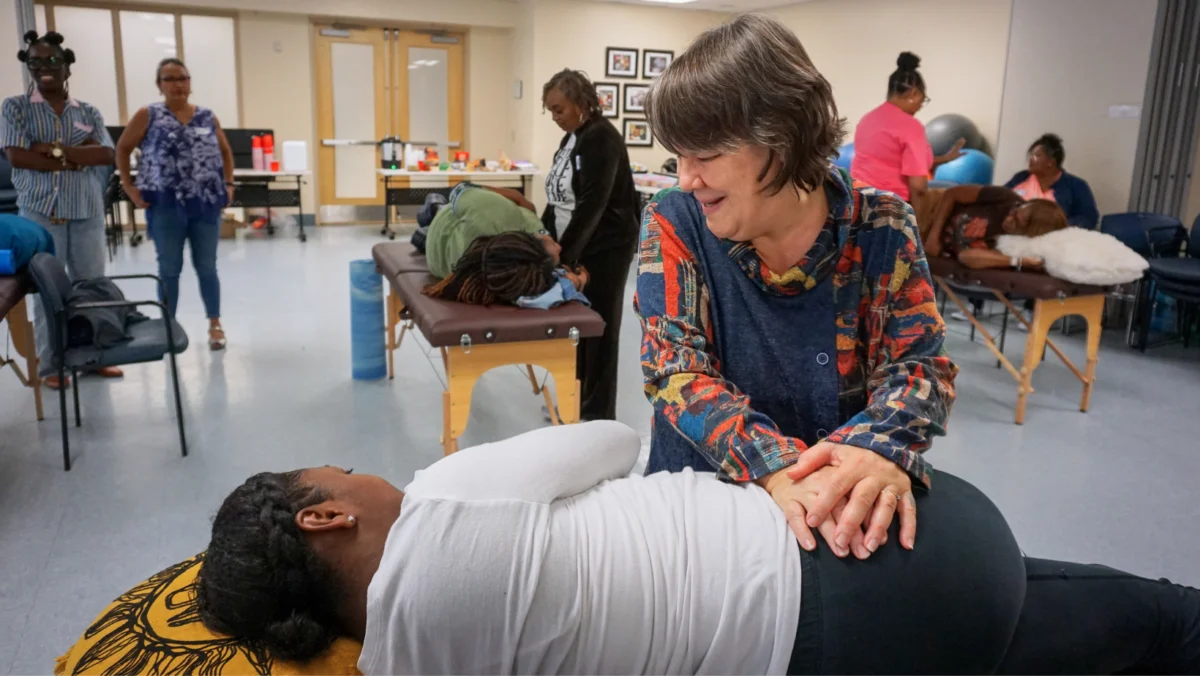
The journey of a baby through the birth canal is a complex mechanical process, one heavily influenced by the positioning of the fetus within the pelvis. When a baby enters the world in an optimal position, the descent is often characterized by a smoother, more efficient progression. Recently, a new study published in the European Journal of Midwifery has provided fresh insight into how specific maternal movements and positioning techniques—collectively known as the Spinning Babies® approach—may assist in encouraging babies to rotate into an ideal anterior position when they begin labor in a less favorable orientation.
Investigating the Mechanics of Labor
In the context of childbirth, the terms "occiput-posterior" and "occiput-transverse" refer to positions where the back of the baby’s head is directed toward the mother’s back or side, rather than toward her front. These positions are frequently associated with more challenging, and sometimes longer, labor experiences, as the baby must navigate the pelvic curves in a way that is less mechanically advantageous. For years, practitioners and expectant parents have sought methods to encourage these babies to rotate into an anterior position—where the baby faces the mother’s spine—to facilitate a more straightforward birth.
To better understand whether targeted interventions could influence this rotation, a team of midwives in Italy conducted a comprehensive study involving 244 births. Each of the pregnancies involved in the study began with the fetus in an occiput-posterior or occiput-transverse position. The research team sought to determine if the application of the Spinning Babies® approach—a set of techniques designed to balance the pelvis and create space for the fetus—would result in a higher rate of successful rotation compared to standard care without these specific interventions.
Key Findings and Statistical Significance
The results of the study offer a compelling look at the potential impact of these techniques. Among the group of birthing parents who utilized the Spinning Babies® approach, researchers observed that 93% of the babies successfully rotated to an anterior position before birth. In contrast, the group that labored without the use of these specific activities saw a rotation rate of approximately 64%.
When the researchers adjusted for other variables that could influence labor progression, the data indicated that the use of the Spinning Babies® approach was associated with a 45% higher likelihood of the baby rotating to the anterior position during labor. These findings suggest that the techniques may play a meaningful role in encouraging fetal rotation, though the researchers were careful to emphasize that further studies are necessary to confirm these results and fully understand the scope of the benefits.
The Role of Fetal Positioning in Birth
While the study provides significant data regarding fetal rotation, it is important to note the scope of the research. The investigation focused specifically on the frequency of rotation rather than broader outcomes such as the duration of labor, the perceived comfort of the mother, or specific birth outcomes. Nevertheless, the position of the baby remains a fundamental component of the labor experience. The mechanical alignment of the fetus within the pelvis dictates how the baby descends, and by extension, how the labor progresses.
For many parents, the ability to engage in active, gentle measures to support this process can have a profound psychological effect. Beyond the physical mechanics, utilizing techniques that encourage the baby’s movement can help parents feel more involved, empowered, and confident during the intense experience of labor. It shifts the narrative from one of passive waiting to one of active, physiological support, fostering a greater sense of agency during a critical life event.
The philosophy underpinning the Spinning Babies® approach is built upon three core principles: Balance, Gravity, and Movement. The framework operates on the premise that by balancing the muscles and ligaments of the pelvis, and by utilizing gravity and specific movements, one can create the necessary space and ease for the baby to navigate the birth canal. This is further supported by the "Pelvic Levels Solutions" framework, which acts as a guide for when and how to implement these movements. By identifying which part of the pelvis requires more space at specific stages of labor, the framework helps birthing parents and their support teams make informed choices about movement and positioning. This recent research serves as an early, encouraging piece of evidence that these physiological principles align with the body’s innate capacity for birth.
Considerations for Expectant Parents
As with any study in the medical field, it is essential to contextualize the findings within the broader spectrum of maternity care. Every pregnancy is a unique experience, and every birth follows its own trajectory. The authors of the study have encouraged the scientific community to continue investigating these results, as a single study is rarely the final word on clinical practice.
Furthermore, it is vital for expectant parents to understand that these techniques are intended to be a complementary aspect of maternity care. They are designed to work in harmony with the guidance and expertise of midwives, obstetricians, and other healthcare providers, rather than serving as a replacement for professional medical oversight. Communication with one’s care team remains the most important step for anyone interested in incorporating specific movement techniques into their birth plan.
Future Research and Ongoing Evidence
The medical community’s interest in physiological birth and the impact of maternal positioning continues to grow. As more practitioners and researchers recognize the value of supporting the body’s natural processes, the need for robust, evidence-based research becomes increasingly clear. The current findings from the Italian midwife-led study represent a positive step forward in validating the use of these techniques in clinical settings.
Teams around the world are already engaged in further research, exploring the long-term implications of these methods and how they might be integrated into standard labor care. As the body of evidence grows, so too does the opportunity to refine how we support parents during the transition of birth. For those interested in tracking these developments, the Spinning Babies® organization maintains a dedicated research portal, which provides access to current studies, collaborative projects, and emerging findings. This repository highlights the evolving evidence base supporting the integration of balance, gravity, and movement into the modern birthing environment.
As we look toward the future of maternity care, the emphasis remains on fostering environments where both physiological birth and evidence-based interventions can coexist to support the best possible outcomes for parents and babies alike. This study serves as a hopeful indicator that, by understanding the mechanics of the pelvis and the movement of the fetus, we can continue to refine the care we provide during the transformative process of labor.
