In correctional facilities across the country, individuals navigating the darkest and most challenging periods of their lives are finding a vital source of hope, guidance, and personal transformation. Through a dedicated outreach initiative, Guide for Spiritual Living: Science of Mind magazine continues to extend its reach far beyond traditional readers, delivering complimentary one-year subscriptions to incarcerated individuals and correctional center study groups who are actively seeking a path toward rehabilitation and inner peace.
This powerful prison ministry relies entirely on the generosity of supporters who recognize the profound impact that spiritual principles and practical teachings can have on individuals trying to rebuild their lives. At a cost of just $48.95, a donor can sponsor a full annual subscription, directly placing the publication into the hands of someone behind bars who has requested the material. For many participating in the program, these pages offer more than just reading material; they provide a lifeline to a constructive, principled, and transformative process designed to help disrupt the cycle of crime and incarceration.
Make a Difference in the Life of an Incarcerated Person
The core mission of the outreach effort centers on the belief that positive internal change is a foundational step toward successful reentry and societal healing. Science of Mind magazine has long championed the study and practical application of spiritual principles, encouraging readers to reframe their thoughts, take personal accountability, and foster a deeper sense of connection and purpose. When introduced into correctional environments, these teachings serve as practical tools for conflict resolution, emotional regulation, and personal accountability.
Correctional facilities often present immense psychological and emotional hurdles. Isolation, institutional stress, and the weight of past decisions can easily trap an individual in cycles of despair or resentment. Outreach programs like this one aim to counter those challenges by introducing constructive mental frameworks. By focusing on personal growth, self-reflection, and spiritual resilience, incarcerated readers are given alternative ways to process adversity, confront internal battles, and envision a genuinely different future for themselves once they complete their sentences.
Give the Gift of Hope: Support the Incarcerated Persons Subscription Program
The mechanics of the donation program are designed to be straightforward and impactful. Supporters who wish to contribute can visit the designated donation page to fund a one-year subscription. Once processed, the publication is mailed directly to an incarcerated individual from a waiting list of people who have specifically requested the resource. Furthermore, the organization accommodates donors who wish to personalize their contribution. Individuals who already know a specific person within a correctional facility whom they would like to receive the publication can coordinate the gift directly by contacting [email protected].
This personalized approach ensures that family members, friends, or mentors outside prison walls can maintain a meaningful connection with their incarcerated loved ones through shared reading and spiritual study. Correctional center study groups also benefit from these sponsored subscriptions, utilizing the articles and essays as focal points for group discussions, peer support, and collective healing within the facility.
A Personal Testimony of Resilience and Recovery
The true measure of the ministry’s success is best understood through the voices of those who receive the publication. The daily realities of prison life involve navigating continuous hurdles, emotional fatigue, and moments of profound vulnerability. For many, a single timely message can alter their emotional and mental trajectory.
Reflecting on the impact the publication had during one of the most difficult chapters of his life, an incarcerated reader named Jonathon shared his personal experience with the ministry.
"Science of Mind magazine was ordered from a friend of my father’s for me after my father passed away," Jonathon recalled.
Dealing with the grief of losing a parent while simultaneously enduring the stark realities of incarceration created an overwhelming burden. Yet, the arrival of the publication offered a steadying presence amid the turbulence.
"I’ve gone through so many battles while here in prison, but this little magazine has always shown up just in time and helped bring my spirits along with my focus back to where it should be," Jonathon said. Expressing his gratitude to the community of supporters who make the outreach possible, he added, "I want to say ‘thank you’ to all."
Stories like Jonathon’s underscore the broader mission of the publication’s outreach efforts. By fostering mental clarity, emotional stabilization, and spiritual grounding, the initiative provides a quiet yet enduring form of rehabilitation. As correctional systems continue to seek effective ways to support rehabilitation and reduce recidivism, community-driven programs that nurture the human spirit remain an essential component of holistic justice and healing.
Homeschooling in Canada stretches from sea to sea, with families learning together at kitchen tables from the Pacific coast to the Atlantic shore. Far from being a modern educational anomaly, home education is legally recognized and protected in every province and territory across the nation. For families navigating this path, the journey often spans decades, generations, and immense cultural shifts.
Among those who have witnessed the modern evolution of Canadian home education firsthand is Dawna Ferguson. Living just outside Calgary, Alberta, Ferguson has been a homeschooling parent since 1993. As a mother of seven and the International Representative for Classical Conversations Canada, she has watched the organization expand from a humble network of just 5 communities to an established nationwide footprint of 53 communities, now serving approximately 2,000 students.
In reflecting on her family’s decades-long educational journey, Ferguson shares how they managed to finish strong with a large family, what makes the classical model uniquely adapted to the Canadian landscape, and why she believes these students represent the future leaders of the nation. For Ferguson and many others, it all began with a single, life-altering yes.
A Nation Defined by Its Roots: A Mari Usque Ad Mare
Canada’s national motto, A Mari Usque Ad Mare, translates directly to "from sea to sea." The phrase is rooted in Latin translations of Scripture, specifically drawing from Psalm 72:8, which reads in the King James Version, "He shall have dominion also from sea to sea, and from the river unto the ends of the earth." During Canadian Confederation, statesman Samuel Leonard Tilley is widely believed to have drawn inspiration from this same biblical verse when he proposed the title "Dominion of Canada." From its administrative and cultural founding, the nation’s identity has been linguistically tied to imagery of a sovereign reign reaching every shore.
For Christian families embedded in the homeschool community, these historical connections run deep. Each time Canadian children recite the national motto or trace the winding coastlines of the country on a map, they are unknowingly repeating words first written in an ancient psalm regarding the reign of God.
The name Canada itself carries a rich historical tapestry, originating from kanata, a St. Lawrence Iroquoian word meaning "village" or "settlement." When French explorer Jacques Cartier first documented the term, he expanded its usage beyond a single localized settlement, applying it broadly to the surrounding territory. Over generations, the designation grew alongside the land until July 1, 1867, when Confederation formally established the Dominion of Canada. Today, the nation stands as a unique bilingual society, bridging French and English official languages across a vast geography that spans from the Pacific Ocean, over the rugged peaks of the Rocky Mountains, across the expansive Prairies, past countless freshwater lakes and islands, all the way to the Atlantic coast.
The Evolution and Resilience of Canadian Homeschooling
The modern homeschooling movement in Canada was not always met with the legal protections and widespread cultural acceptance it enjoys today. It took firm root during the turbulent landscape of the 1970s and 1980s, when pioneering families faced significant administrative and legal resistance. In some instances, early homeschooling families encountered severe pushback from local authorities, with extreme cases involving children temporarily removed from their homes due to educational choices.
The turning point for educational freedom came through grassroots organization and legal advocacy. Ferguson and her contemporaries frequently express deep gratitude for the foundational support provided by the Home School Legal Defense Association (HSLDA), and specifically the establishment of the Home School Legal Defence Association of Canada in 1991. The tireless efforts of these advocacy groups helped secure the legal freedoms and regulatory clarity that modern Canadian families rely on today.
Ferguson’s personal journey into home education began in 1993, when she and her husband made the decision to bring their two eldest daughters home for their education. At the time, the household consisted of three girls learning and growing together under one roof. Several years later, four more children joined the family, making the continuation of homeschooling an easy decision, even if the specific pedagogical approach remained open to exploration.
Finding a Sustainable Path to Finish Strong
As her family grew, Ferguson faced a common challenge among large-family educators: maintaining the energy, enthusiasm, and academic rigor necessary to teach children across multiple age groups without burning out. Having watched other large families grow weary by the time they reached their youngest children, Ferguson sought a cohesive program that would carry her family all the way through graduation.
An invitation to a local information meeting introduced her to Classical Conversations, a Christ-centered classical homeschool program. Though she admits she initially had little idea what committing to the program would entail, she recognized it as an answered prayer and a clear step forward.
The integration of the program into their daily lives proved transformative. In the early years, the family focused on Foundations memory work at home, utilizing songs, games, and rhythmic repetition to master historical timelines, scientific facts, and geography. As the children grew, older siblings tackled Essentials, parsing and diagramming sentences while younger toddlers played nearby. The structured academic framework, combined with the built-in accountability and positive peer pressure of a local community day, provided the exact support system the family needed.
Decades later, the fruit of that early decision is visible. Ferguson and her husband have successfully graduated six of their children through the program, with their youngest currently progressing through the Challenge levels. The adult children have grown into articulate, community-minded individuals capable of engaging thoughtfully with the world around them, frequently speaking in church settings, on mission trips, and within local leadership circles.
Cultivating a Uniquely Canadian Classical Education
While Classical Conversations maintains a consistent pedagogical vision shared by families internationally, the Canadian branches incorporate distinct regional elements to honor their national heritage. Canadian families utilize tailored history sentences and geography curricula during Foundations Cycle 3, allowing students to study local history ranging from Indigenous peoples and early European exploration through to the patriation of the Constitution in 1982.
Furthermore, as students advance into the high school levels, such as Challenge I, they engage in comparative studies that examine foundational American political texts alongside Canada’s own constitutional and historical documents. By learning the specific rivers crossing the Prairies, the capitals of northern territories, and the legislative milestones of Ottawa, students engage in the classical discipline of observing and naming the world around them.
The growth of these communities mirrors the broader expansion of alternative education models across the country. When Classical Conversations established its first Canadian community outside the United States in Mississauga, Ontario, in 2005, it marked the beginning of a steady upward trajectory. By the 2012/13 academic year, the network had grown to 5 communities serving 88 students. By the 2025/26 academic year, those numbers expanded significantly to 53 active communities serving approximately 2,000 students nationwide.
This expansion is largely driven by parent-led dedication to educational freedom and community support. Because educational regulations in Canada are determined provincially, the administrative experience of homeschooling varies slightly between provinces like Ontario and Alberta. Despite regional differences in registration and reporting requirements, the core experience of families gathering weekly for community days remains uniform.
Throughout her travels visiting communities from Ottawa to Edmonton, Ferguson has observed firsthand the deep bonds forged within these groups. From children practicing their first public presentation to teenagers participating in formal graduation ceremonies, these local chapters function as mutual aid networks. In moments of crisis—such as when a young student in a local community faced a severe heart condition requiring frequent emergency surgeries—the response from fellow homeschool families manifested in organized meal trains, continuous prayer, and practical support that underscored the community’s commitment to one another.
A Continuing Legacy from Sea to Sea
At the heart of the movement lies a guiding motto embraced by participants: To know God and to make Him known. Operating across diverse Christian traditions and varying stages of personal faith journeys, the communities offer a collaborative environment where parents share their strengths and support one another through the complex responsibilities of home education.
As these educational communities continue to expand across the provinces and territories, the underlying mission remains focused on preparing the next generation to engage thoughtfully with society. Whether studying historical documents at a kitchen table or celebrating graduation milestones alongside peers, Canadian homeschooling families continue to live out a modern chapter of a story that stretches, faithfully, from sea to sea.
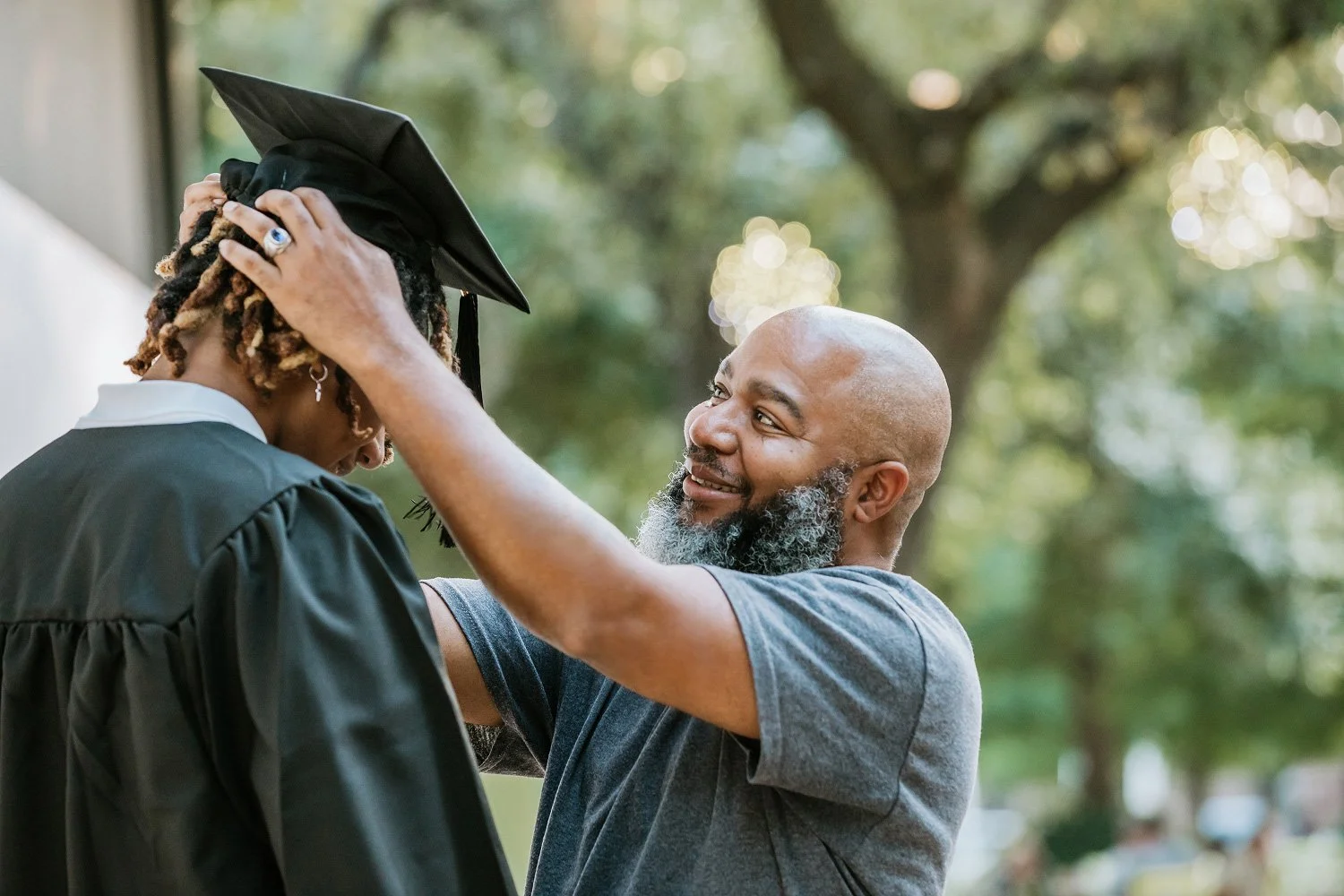
Graduation season marks far more than the simple receipt of a diploma or the conclusion of a formal academic chapter. For many young adults and returning students alike, it serves as the threshold of a profound, and often daunting, transition into the unknowns of adulthood, a new career path, and a lifestyle vastly different from the structured environment of a classroom. While some graduates approach this major life shift with unbridled excitement, others experience a deep sense of uncertainty, and a significant number navigate a complex mix of both emotions.
When a loved one reaches this milestone, friends and family members frequently feel a strong desire to craft a message that genuinely honors their journey. The goal is typically to create a note that feels personal, thoughtful, and inspiring, yet the actual process of finding the right vocabulary can present a surprising challenge. Society often defaults to familiar, comfortable tropes, relying heavily on generalized expressions like wishing someone "all the best" or declaring that "the future is yours." On the surface, these sentiments are undeniably sweet, but they rarely reflect the emotional depth of the relationships built over years of shared experiences.
The reality is that crafting a meaningful sentiment does not require poetic brilliance or profound philosophical musings. A simple, warm message that genuinely acknowledges both the specific moment and the unique individual behind the achievement is more than enough to make an impact. Whether an individual is writing to a high school senior stepping onto a university campus for the first time, a college graduate entering a competitive job market, or a dedicated scholar finishing a rigorous doctorate, offering messages that remain grounded, thoughtful, and adaptable to personal voice can transform a standard greeting card into a treasured keepsake.
Understanding What Makes a Meaningful Graduation Wish
The most impactful graduation wishes share a common thread: they make the recipient feel truly seen and deeply loved. Rather than adding external pressures or unrealistic expectations about what the future must hold, a truly supportive message recognizes the intense effort, late-night studying, and personal resilience the graduate invested to reach the finish line.
A well-crafted graduation wish typically incorporates several key elements. First, it offers genuine congratulations without immediately pivoting to interrogation about future career plans or life goals. Many graduates are still actively figuring out their next steps, and a celebratory day should focus primarily on honoring past perseverance rather than demanding future blueprints. Second, a great message often highlights a specific quality or strength observed in the graduate, such as their compassion, perseverance through academic pressure, or ability to overcome personal hurdles.
Furthermore, striking the right tone is essential, particularly when incorporating humor. While lighthearted jokes regarding student loans, heavy reliance on caffeine, or the shared trauma of frustrating group projects can certainly bring a smile to a graduate’s face, they must stem from a place of warmth and genuine affection. Sarcasm or comparisons that inadvertently diminish a graduate’s unique path should be strictly avoided to ensure the message remains affirming and supportive.
Tailoring Messages Across Relationships and Academic Stages
Different relationships and educational stages naturally call for distinct tones. For parents watching a child graduate, the occasion frequently evokes deep emotional resonance, marking decades of nurturing, growth, and quiet pride. Sibling relationships, on the other hand, often harbor a unique perspective, having witnessed the late-night essay writing, bouts of self-doubt, and frantic exam preparations firsthand. This shared history allows for messages that blend playful nostalgia with profound heartfelt support.
Similarly, friendships that have weathered various seasons of life provide a rich foundation for honest, warm acknowledgment. Whether celebrating a close friend, a supportive cousin, a proud grandparent, a romantic partner, or a dedicated professional peer in the workplace, the most resonant messages remain rooted in authentic appreciation. Teachers and mentors who have had the privilege of guiding students through their academic evolution also play a critical role, offering validation that can profoundly influence a young person’s confidence as they step into professional spheres.
The emotional landscape shifts depending on the specific educational milestone as well. Preschool and kindergarten graduations call for light, joyful celebration of early social development and curiosity, while middle school or junior high completion marks a crucial, often overlooked transitional phase into adolescence. High school graduation broadens the horizon exponentially, introducing a vast array of possibilities alongside the emotional weight of leaving behind familiar surroundings and childhood routines.
Higher education brings its own unique complexities. College graduates frequently grapple with identity shifts and career anxieties, making validation of their endurance exceptionally valuable. Meanwhile, individuals completing trade schools, vocational programs, or continuing education certificates often balance rigorous hands-on skill acquisition with demanding family or caregiving responsibilities, requiring messages that explicitly honor their extraordinary determination and time management. Finally, scholars earning advanced degrees such as a PhD, MD, or JD have invested years of intense research, personal sacrifice, and intellectual stamina into their credentials, deserving deep recognition for the profound scale of their achievement.
Ultimately, whether a note is delivered through a heartfelt conversation, a quick text message, or a handwritten card, the fundamental rule of congratulating a graduate remains consistent. Acknowledge their hard work plainly, name something specific that you admire about their character, and allow them the grace to celebrate their current victory without the heavy burden of answering what comes next.
When news broke of the passing of legendary civil rights icon Dolores Huerta at the age of 96, it prompted deep reflection among advocates, organizers, and community leaders across the nation. For many who have dedicated their lives to social change, Huerta was not merely a historical figure from the textbooks; she was the architect of a framework for justice that continues to guide modern advocacy.
Before transitioning to her current role at Interfaith America, an author and longtime environmental advocate spent more than a decade fighting on the front lines for the health of both people and the planet. Reflecting on those years of organizing, the writer noted that Huerta was the one who taught a generation of activists how to see the vital connections that others routinely missed. In an era where social movements are frequently siloed into distinct categories, Huerta’s life and career serve as a masterclass in holistic, interconnected advocacy.
Justice in Practice
Long before intersectionality became a widely accepted academic and political term, Dolores Huerta was living it out in the fields, city streets, and legislative halls. She fundamentally understood that workers’ rights, environmental health, economic opportunity, voting rights, and basic human dignity could never be treated as separate, isolated issues. Instead, she viewed them all as inextricably linked components of a single, unified fight for comprehensive justice.
To the general public, Huerta is universally recognized as the co-founder of the United Farm Workers alongside Cesar Chavez, and as the visionary woman who gifted the movement its enduring rallying cry: "Sí, se puede"—"Yes, we can." Yet, as time passes and the challenges facing social justice movements evolve, contemporaries and younger generations alike appreciate her legacy not only for her monumental accomplishments, but equally for the profound moral courage it required to achieve them.
Huerta dedicated every waking decade of her life to standing shoulder-to-shoulder with people who had been systematically exploited, overlooked, or dismissed by the power structures of society. She fought tirelessly for agricultural laborers toiling under dangerous and inhumane conditions, for women demanding an equitable voice in public life, for immigrants striving to build a future and pursue opportunity, and for marginalized communities demanding fundamental dignity and respect.
Through every campaign, she maintained a steadfast understanding that true justice is never something graciously handed down from those in positions of power. Rather, she taught that justice is something people must build together through relentless perseverance, personal sacrifice, and unyielding solidarity. She organized communities, she listened to the grievances of the working class, she openly challenged entrenched institutional authorities, and most importantly, she helped ordinary, everyday people recognize and wield their own collective power.
Hope in Cooperation
Even as she fundamentally altered the course of American history and labor relations, Huerta never divorced the arduous work of pursuing justice from the vital presence of hope. She spent decades confronting staggering, entrenched inequities yet never seemed to lose faith in the inherent goodness of people or the ultimate possibility of transformative societal change. Her optimism was not rooted in a naive belief that progress was somehow inevitable; rather, it stemmed from her profound trust that ordinary people were always fully capable of creating progress themselves.
At Interfaith America, leaders frequently emphasize the critical importance of building strong relationships across deep lines of difference. Experience has shown that a healthy, functioning democracy depends entirely on human beings finding practical ways to work together, even when they do not share the same cultural background, religious beliefs, or personal life experiences. In many profound ways, Huerta spent her entire life modeling precisely that ethos. She skillfully brought together laborers, faith leaders, university students, secular activists, and diverse community members around a shared, inclusive vision of justice and economic opportunity.
Her enduring example serves as a powerful reminder that all meaningful social change begins with the simple yet radical act of recognizing one another’s inherent human dignity. That change grows organically when societies refuse to accept systemic injustice as simply "the way things are" and instead commit themselves to building something better through collective action.
As communities remember Huerta’s remarkable life, deep gratitude is expressed for the clear path she forged for the countless advocates, grassroots organizers, and community builders who followed in her footsteps. Her life remains an indelible reminder that genuine courage and deep-seated compassion must always belong together, and that the tireless pursuit of justice is, at its core, an ultimate expression of hope.
Respect for Diversity
At their absolute best, religious and philosophical faiths call humanity to recognize the sacred dignity of every single person and to accept our mutual responsibility toward one another. Huerta intuitively understood that true solidarity goes far beyond a calculated political strategy. For her, it was a profound moral commitment to stand firmly with our neighbors, particularly those whose voices have been systematically excluded from the halls of power.
In a modern world often defined by deep political and social divisions, her legacy reminds humanity that lasting, systemic change is never built overnight. Instead, it is constructed slowly and deliberately through human relationships, a shared sense of purpose, and the foundational belief that our communities are infinitely stronger when every individual truly belongs. As the nation mourns her passing, supporters are called to honor her memory by actively carrying forward that shining spirit of justice, hope, and solidarity.
Reflecting on her lifelong philosophy, Dolores Huerta once left the world with words that continue to inspire new generations of change-makers: "Every moment is an organizing opportunity, every person a potential activist, every minute a chance to change the world."
For those wishing to learn more about her enduring impact and the ongoing mission of her organization, further information is available through the Dolores Huerta Foundation.
Before a single word of introduction was spoken at the Wilderness Awareness School’s Wild Women’s Weekend last October, the gathering’s host symbolically passed a hypothetical torch to Marina Rivera. Her task was to perform the first ceremonial fire of the weekend, a foundational ritual designed to set the tone for the days ahead.
Wordlessly, Marina stepped forward with slow, dancer-like precision toward a piece of wood held steady by one bare foot. She paused, taking several long, measured breaths, and closed her eyes. When she opened them, the work began. With one hand, she pressed a wooden spindle into a board resting on the ground. Taking a hand-carved bow, she began to saw back and forth, driving the spindle into rapid rotation and generating intense friction against the lower board. Every few moments, she paused to take deliberate, intentional breaths.
Before long, wisps of thin grey smoke began to rise from the friction point, revealing a glowing coal. Carefully lifting a soft tuft of shredded cedar tree bark, she nestled the fragile ember inside.
Kneeling close to the ground, Marina directed soft, measured breaths into the bark. As delicate flames flickered upward, she transferred the burgeoning fire to a specially prepared piece of wood—a feather stick featuring thin, curled ribbons of wood cascading from the main shaft. Once the feather stick caught, the flame was moved into a small pile of tinder nestled within the center of the central stone fire pit. And, just like that, there was fire—albeit briefly, as Marina promptly extinguished the flames to comply with an active local fire ban.
Throughout the silent demonstration, the audience of roughly 50 attendees remained completely transfixed, the only sounds being the steady rhythm of Marina’s breathing and the eventual crackle of the wood. For many observers, including myself, the tools themselves were entirely unfamiliar, yet the impact of the performance extended far beyond practical survival mechanics. It carried an unmistakable, almost spiritual resonance.
Acknowledging that sentiment can feel slightly uncomfortable, particularly within the context of a back-to-the-land journey. Describing primitive skills through a spiritual lens risks leaning too heavily into romanticized clichés. Yet, watching Marina conjure fire seemingly from thin air, observing her steady respiration, and noting her ability to tune out the gaze of more than a hundred focused eyes, it became evident that fire-making is not merely a mechanical task. Beneath the physical mechanics lies a softer, highly intuitive core.
That observation was reinforced later in the day when attendees divided into smaller groups for hands-on workshops. Marina led the session on primitive fire-making, introducing the participants to the fundamental tools of the trade: the bow drill, cedar bark, feather sticks, and tinder. Excitement grew as the reality set in that, by the close of the session, participants might actually succeed in producing fire using exclusively the organic materials found directly in the surrounding environment.
Then came a perspective-shifting revelation from the instructor. Marina explained that while carrying modern tools or mechanical fire-starters can be convenient, those items ultimately serve as a direct compensation for a fundamental lack of familiarity with one’s local environment. As a person grows more deeply acquainted with the land, carrying such implements becomes unnecessary, though she quickly noted that mastering that level of ecological fluency takes far longer than a brief afternoon workshop.
During the workshop’s preparatory phase, Marina walked the group through the requisite safety protocols—essential when handling sharp knives and hatchets—before demonstrating the necessary physical steps. These included wood-chopping, fuel gathering, feather-stick preparation, and finally, striking a spark with a ferro rod and a knife. Watching the demonstration made it immediately apparent just how much labor, planning, and raw physical exertion must occur before an individual even attempts to ignite a flame.
Notably, Marina consistently used the phrasing "getting fire" rather than "making fire." When asked about this distinction, she explained that drawing flame from the landscape requires both technical skill and deep emotional attunement. In her view, fire is fundamentally ingrained in human physiology and history, serving not merely as a practical center for community, but as a reflection of human identity itself.
Approaching the task as "getting fire" reframes the element not as something forced into existence through sheer exertion, but as a presence that is already waiting, provided the practitioner remains sufficiently open and attuned. Reflecting on Marina’s graceful opening demonstration in front of the gathered women, it became clear how critical that mind-body connection is when performing under pressure.
This realization bridged a conceptual gap regarding the broader pursuit of survival readiness. The division between "hard skills"—quantifiable, objective abilities built through repetitive practice—and "soft skills"—qualitative, subjective capacities like critical thinking, listening, and presence—begins to dissolve. While building a primitive fire relies on specific technical steps, such as gathering the correct volume and type of bark, handling a ferro rod, or splitting kindling to precise dimensions, theoretical knowledge alone guarantees nothing. The final act of ignition relies entirely on patience, intuition, and presence.
By the end of the workshop, I successfully produced fire. I split wood, crafted functional if somewhat unrefined feather sticks, harvested a fluffy tuft of inner cedar bark using a hatchet, and struck a spark with a ferro rod that caught a small piece of charred denim. After nurturing the spark within the cedar bark with gentle breaths, I transferred the flame to my makeshift feather stick and placed it into the fire pit. I had made fire.
However, during a subsequent timed challenge requiring participants to produce a flame using a single match within five minutes, the psychological pressure proved overwhelming. Heart racing and frustrated by the sudden lack of success, I began to question my own capabilities.
Reflecting on the experience later brought to mind another of Marina’s core tenets: if a fire does not manifest, the practitioner must alter their approach. The failure under pressure was ultimately instructive. Marina had noted earlier that it is far better to remain calm without a fire than to panic and force one into existence. True success requires inviting the fire to come rather than demanding it through anxiety. No amount of technical preparation or correct tool usage could compensate for a mental state unsuited to receiving the flame.
This dynamic underscored the deeper philosophy woven into the Wilderness Awareness School’s programming. The weekend balanced sessions focused on mindfulness and nature play with those centered on traditional bushcraft and plant identification. Yet every workshop, regardless of its technical complexity, ultimately demanded an acute awareness of both the natural world and the self.
For those hesitant to engage with the hyper-masculine, strictly mechanical frameworks often associated with traditional preparedness communities, this holistic approach offers an alternative model. By framing skill-building as an ongoing calibration of intuition rather than a rigid race toward mastery, the program recognizes that human capabilities exist along a diverse spectrum. In an unpredictable world, developing that inner awareness may prove to be just as critical as any physical tool.
Elizabeth Doerr is a published author and writer for her blog and future book, Cramming for the Apocalypse. She attended the fall session of Wild Women’s Weekend as part of her ongoing research and personal journey.
In today’s interconnected society, navigating a single day without encountering digital technology or the internet has become nearly impossible. For children and adolescents, the digital world represents a space for learning, socialization, and entertainment, fueling an ever-increasing demand for online access. Yet, for parents and caregivers, granting that access is frequently met with hesitation and careful deliberation.
This hesitation is often magnified for families caring for children impacted by adoption and foster care. Many children in these circumstances have already weathered early adversity, trauma, loss, or broken trust. Consequently, the online environment can introduce unique risks and overwhelming emotional responses that hit these vulnerable youths harder than their peers.
Rather than shunning technology entirely, the core responsibility for caregivers lies in helping children and teens establish healthy boundaries and digital habits. This involves walking alongside them as they learn to navigate online spaces in ways that prioritize physical and emotional safety while maintaining strong relational connections within the family. To address these modern parenting challenges, child welfare advocates and family support networks have outlined four essential strategies to help households establish balanced technology routines.
Choose devices and access based on your child’s needs, not just their age
Child development specialists emphasize that there is no universal, one-size-fits-all approach to managing technology within a household. When evaluating what kind of digital access is appropriate, parents must look beyond chronological age to consider maturity levels, behavioral patterns, and the genuine functional need for a device. While a young child has no need for unmonitored smartphone access, an older teenager who has achieved a degree of independence and drives a vehicle may require reliable communication tools for safety and coordination.
For children who have experienced early trauma and loss, factoring in developmental age is particularly crucial. A teenager who is fourteen years old chronologically may still struggle significantly with self-regulation, impulse control, and critical judgment due to the lasting impacts of early adversity. This developmental lag is not a reflection of failure, but rather a normal manifestation of their personal history. It serves as an important reminder that such children require heightened support, structure, and ongoing guidance, particularly during their initial encounters with digital independence.
To bridge this gap, many families choose to introduce technology gradually through specialized devices designed specifically with younger users in mind. Often referred to colloquially as "dumb phones," these alternative communication devices frequently lack internet browsing capabilities while allowing connectivity exclusively with pre-approved phone numbers. Alternatively, caregivers often deploy comprehensive parental control applications that permit granular monitoring and restrictions over specific software applications, web browsers, and device settings.
Create screen-free zones and times—and provide needed support during transitions
Establishing clear, predictable boundaries regarding when and where electronic devices are permitted forms a foundational layer of digital safety. Common designated "no-phone zones" typically include private spaces such as bedrooms and bathrooms, as well as shared family gathering areas like the dinner table. To enforce these physical boundaries, many households implement a centralized charging station—often described as a "phone home"—mounted on a wall near a main charger. Keeping personal devices anchored in a common area overnight effectively transforms modern smartphones into traditional landlines with fixed physical boundaries.
Setting explicit operating hours, such as requiring all devices to be powered down and stored from bedtime through breakfast, supports healthy sleep hygiene. Sleep remains a vital biological necessity for every growing child and adolescent, and it is exceptionally critical for youths whose brains and neurological systems are continuously working to process safety and emotional regulation.
At the same time, caregivers must recognize that compelling a child to disconnect from a screen represents a behavioral transition. Transitions are notoriously difficult for many children impacted by trauma, often triggering anxiety or behavioral outbursts. Providing proactive verbal cues, such as giving a five-minute warning before a device must be plugged in, or offering gentle choices—such as asking whether the child prefers to place the phone on the charger themselves or hand it to a parent—can preempt meltdowns. These strategies empower children and help them feel respected rather than arbitrarily controlled.
Normalize monitoring and rules
Transparency remains a cornerstone of effective digital parenting. Experts advise letting children and teens know from the outset that device content, including text messages, contact lists, social media activity, and installed applications, will be actively monitored. Framing this supervision as a tool for safety and trust-building rather than a punitive measure helps reframe the dynamic. When monitoring is established predictably and discussed openly, it cultivates an environment of security rather than fear.
For adolescents engaging with social media platforms, standard protective measures often include requiring accounts to be set to strict privacy settings. Caregivers frequently maintain active awareness regarding who their children interact with, including the identities of followers and accounts their children choose to follow. Sharing these expectations transparently before handing over a device reinforces a shared commitment to household safety. Furthermore, experts remind parents that enforcing digital standards naturally requires adults to model healthy technology habits through their own daily behavior.
Keep discussions open around tech use
Rather than treating digital safety as a one-time conversation, families are encouraged to integrate discussions about technology into everyday dialogue. Ensuring that children and teens know they can approach caregivers without fear of harsh consequences if they encounter something strange, uncomfortable, or unsafe online is paramount. Ultimately, a strong, trusting relationship between parent and child serves as the most effective protective shield available.
Parents are encouraged to stay informed about shifting online trends, popular applications, and digital culture, checking in regularly with their children to evaluate whether certain platforms are safe and appropriate. Moreover, when children approach caregivers with reasoned compromises or requests to adjust existing family guidelines, experts suggest welcoming the dialogue. Fostering an environment where young people can negotiate respectfully and work through problems collaboratively helps them develop essential life skills while validating the importance of their voices.
As families continue to navigate the complexities of modern parenting, organizations such as Show Hope and initiatives like the Hope for the Journey program continue to provide resources, educational content, and community support designed to help caregivers nurture resilient, healthy children in an increasingly digital world.
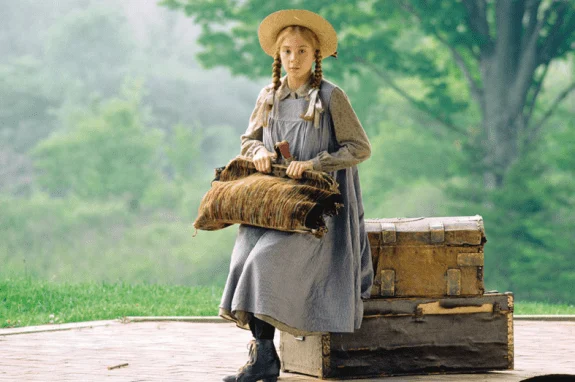
For generations, readers around the world have fallen under the spell of a talkative, red-headed orphan with an overflowing imagination and an unapologetic penchant for drama. Written by Canadian author L.M. Montgomery, Anne of Green Gables has long been celebrated as a timeless classic of children’s and young adult literature. But for many readers, the relationship with Anne Shirley—always insistent on the "e" at the end of her name—extends far beyond childhood nostalgia. For Jamie C. Martin, editor of Simple Homeschool, revisiting the beloved novel as an adult with three children of her own sparked a profound shift in her approach to parenting and education, offering a timely reminder to loosen up and let the natural magic of maturation take its course.
Reflecting on her early years, Martin recalls spending countless hours influenced by the spirited heroine. Those formative reading sessions did more than just provide a series of exciting fictional adventures; they planted seeds that would eventually shape her real-world trajectory. Looking back, Martin notes that the character helped foster deep-seated personal values, including a love for books, a passion for writing, a future path toward adoption, and an enduring disposition as a starry-eyed dreamer.
As a teenager and young adult, Martin devoured the entire Anne of Green Gables series multiple times, alongside virtually any other title by L.M. Montgomery she could find. The author’s unique voice and vivid descriptions resonated deeply with her youthful worldview. However, years later as a newly married adult, Martin experienced an even deeper literary impact when she turned to the published journals of L.M. Montgomery across five extensive volumes.
Unlike the whimsical optimism of her fictional works, Montgomery’s personal journals offered a starkly grown-up perspective. They revealed a complex tapestry of life where profound joy intersected with deep sorrow, and happiness existed side-by-side with heartbreak. For a reader who had grown up idealizing the world of Green Gables, encountering the author’s real-life struggles meant she could never look at Anne quite the same way again. Yet, even through the lens of adult reality, Anne Shirley proved she still had valuable lessons to impart.
Drawing on literary advice suggesting that readers approach classic texts with a specific life question in mind, Martin decided to re-read Anne of Green Gables through the eyes of a parent. With three children to raise and the daily responsibilities of homeschooling, she posed a direct question to the text: What can a parent learn from this enduring story about a famously mischievous orphan?
The answer she discovered, and one she has actively tried to implement in her own home ever since, centers on a simple yet challenging concept: loosening up and allowing maturity to do its work.
Throughout the novel’s early chapters, a young Anne is a constant source of commotion, frequently finding herself embroiled in various forms of trouble. From inventing elaborate fictional stories to accidentally dyeing her hair an unintended shade of green, tumbling off a roof’s ridgepole, or inadvertently intoxicating her bosom friend, Diana Barry, with homemade currant wine, Anne’s childhood is defined by a whirlwind of high-spirited misadventures.
Alongside her mischief, Anne possesses a fierce, unbridled temper. This explosive side is famously on display when she shatters her school slate over the head of classmate Gilbert Blythe after he mocks her signature red hair. Although Gilbert immediately attempts to make amends, Anne demonstrates a stubborn streak and an absolute refusal to forgive quickly. In one memorable scene, Gilbert slips a pink candy heart bearing the message "You are sweet" under Anne’s arm at school. Rather than accepting the gesture, Anne gingerly picks up the candy with the tips of her fingers, drops it to the floor, grinds it to powder beneath her heel, and completely ignores him.
Yet, the core of the narrative relies on the gradual transformation fostered by her adoptive guardians, the stern and introverted Marilla Cuthbert and her gentle brother, Matthew. Despite Anne’s frequent behavioral outbursts, Marilla gradually softens. Following the slate-breaking incident, Marilla takes practical advice from the community and permits Anne to temporarily stay home from traditional school—effectively pioneering an early form of homeschooling—allowing her to learn her lessons domestically, complete her chores, and spend autumn evenings playing with Diana.
Beneath Anne’s turbulent behavior and continuous mishaps lay genuine genius: a boundless imagination, fierce creativity, sharp intelligence, and a resilient character. These traits simply required time and patience to find their proper expression. In the fullness of time, that chaotic energy blossomed into brilliance.
Reflecting on this gradual transformation, Martin connects Anne’s fictional upbringing to modern insights on child development, such as those found in the book Unschooling Rules: 55 Ways to Unlearn What We Know About School and Rediscover Education. As noted in the book’s chapter on the power of maturation, the erratic and often irrational behavior of teenagers naturally transitions into focus and calmness over time. Childhood is inherently characterized by alternating cycles of equilibrium and disequilibrium, driven by internal developmental clocks that rarely align neatly with rigid societal structures and expectations.
For modern parents and educators, particularly those navigating the intense daily environment of homeschooling, the comparison offers a compelling mirror. It raises an important question for families feeling the strain of educational pressure: Has the pursuit of academic and behavioral standards made parents too tense or overly stern?
By choosing to trust the developmental process, parents might find the emotional space to relax, share a laugh amidst the inevitable daily mischief, and truly enjoy the journey of raising children. As the underlying philosophy of the narrative suggests, a little genuine appreciation can often achieve just as much positive growth as all the conscientious upbringing in the world.
For decades, society has leaned on a comforting idiom to describe the aftermath of profound loss: "Grief is just a season." It is a phrase meant to offer reassurance, suggesting that sorrow is temporary, that it possesses a definitive expiration date, and that time will eventually restore a person to the exact identity they held before tragedy struck.
However, for those who have navigated the deepest waters of bereavement, that well-intentioned cliché collapses under the weight of reality. Among them is author, master coach, and speaker Melissa Hull, who lost her young son, Drew, in a tragic drowning accident twenty-five years ago. Looking back across a quarter-century of living with that absence, Hull understands that grief is not a passing weather pattern or a temporary phase of life. Instead, she articulates a radically different perspective: grief is a language.
It is a complex, demanding dialect that individuals are forced to learn the moment their world splits apart. It comprises a vocabulary of silence, ache, surrender, memory, and enduring presence—a language that fundamentally shapes how a person navigates the world for the rest of their days. Much like any foreign tongue, becoming fluent in grief requires immense time, patience, and practice. It demands learning how to speak it consciously rather than constantly feeling swallowed by its overwhelming current.
The First Words We Learn in Grief
In its earliest stages, grief does not arrive with polite phrasing, profound wisdom, or neat philosophical realizations. It arrives as a primal scream.
In the immediate aftermath of a child’s death, sorrow lacks the structure of traditional language. It manifests as a roar—a guttural, breathless, bottomless wail that defies the limitations of human speech. Hull recalls that exact sensation in the hours after Drew died, noting that the sound which escaped her body was entirely unfamiliar, something she did not recognize within herself. It was raw, unfiltered, and absolute. It was the undeniable truth of a shattered reality, marking the very first lesson in a linguistic landscape she never wanted to enter.
When the World Speaks a Different Language
One of the most profound isolation factors in deep grief is the realization of how few people in daily society share that fluency.
A bereaved parent can walk through a standard grocery store with a broken heart, surrounded by strangers discussing weekend plans, upcoming holidays, and birthday parties. Returning to the workplace often brings an unspoken societal expectation to "be okay" once more, as if checking boxes and resuming a normal routine equates to the restoration of a former self.
This disconnect rarely stems from malice or a lack of empathy; rather, it highlights a profound linguistic barrier. The surrounding world continues to operate in the language of tasks, goals, productivity, and surface-level conversation. Meanwhile, the grieving individual remains tuned to entirely different frequencies. They listen for the faint echoes of a child’s voice in an empty room, decipher hidden meanings in passing songs, familiar scents, or flickers of light, and continue holding onto everyday items like a favorite cup or a leftover toothbrush. They are speaking the language of grief, often in a vacuum where it feels as though no one else can decipher the words.
Finding the Words to Stay Alive
At a certain juncture in the grieving process—one that arrives at a uniquely different time for every individual—a subtle shift occurs. The focus slowly transitions from merely fighting to survive the blinding pain to attempting to understand it.
This pivotal transition marks the moment when grief begins to evolve from chaotic noise into a form of internal communication. The screaming slowly gives way to a whisper; the overwhelming force that once flattened a person transforms into a dialogue, provided there is a willingness to listen.
Reflecting on her own healing journey, Hull remembers picking up a journal when she had nothing profound or poetic to record. Her early entries were sparse and utilitarian: "I got out of bed today. I fed the dog. I cried in the car." Yet, even those minimal sentences represented crucial progress. They provided a tangible shape to her sorrow, establishing a rudimentary rhythm within the emotional storm and allowing her to interpret the language of grief one fragile word at a time.
The Language Evolves
As time marches forward, the tone and delivery of grief naturally shift. In the beginning, the vocabulary is composed entirely of raw pain. Eventually, that vocabulary expands to incorporate memory. From memory, it deepens into perspective, and in unexpected moments, it circles back to love.
This love, however, is distinct from the physical reality once known. It no longer involves physical cuddles, morning giggles, or hand-holding. Instead, it matures into a spiritual, infinite, and deeply knowing connection—one that transcends traditional boundaries of time and space, reaching the individual during quiet moments of reflection. For Hull, reminders of Drew still emerge unexpectedly, carried by a breeze moving through a room, the lyrics of an unprompted song, or the cadence of a stranger’s laugh. These occurrences represent grief taking on a new dialect, and love answering back.
Grief Fluency in the Real World
Achieving fluency in grief does not mean the process eventually stops entirely. Rather, it means learning how to grieve effectively and constructively.
It involves developing the capacity to let sorrow move through the body and mind without allowing it to assume total control. It teaches individuals discerning judgment regarding when to voice their pain and when to hold it in reverent silence, as well as how to participate in moments of genuine joy while still carrying the weight of loss with grace. This balance defines fluency—living fully within the complex language of grief while actively building a life that remains worth living.
This fluency also transforms interpersonal relationships. Understanding one’s own grief equips individuals to communicate more honestly with others, providing the courage to articulate needs and state "I’m not okay" without offering apologies. Furthermore, it fosters an inner capacity to hold space for the pain of others without feeling an immediate pressure to fix them, sitting comfortably in discomfort and bearing witness with authentic presence. Hull notes that this journey ultimately shaped her into a more attuned mother to her surviving children, a stronger partner, a reliable friend, and a steady guide for others navigating similar paths—not because she found a way to bypass her loss, but because she learned how to stay present with it, with herself, and with life.
You Don’t Have to Be Fluent Yet
For anyone currently trapped in the initial, deafening phase of grief where words fail and the world makes no logical sense, Hull offers a reassuring message: you are not broken, and you are simply learning.
Grief arrives without a standardized dictionary, phrasebook, or simplified translation guide. True fluency builds gradually, earned through the courage of meeting oneself within the pain. In time, those navigating loss often discover they can articulate their experiences in a way that helps another suffering soul feel seen. Eventually, they begin to notice beauty in the world once more, often with a depth that grief itself taught them to recognize.
Ultimately, this ongoing journey demonstrates that moving forward does not mean getting over a loss or letting go of a loved one. It means mastering their language, ensuring that grief is no longer viewed as a force to be silenced, but as a sacred vocabulary that, once understood, teaches us how to live again.
For twelve years, the popular literacy platform Read-Aloud Revival has championed the magic of sharing books with children. Yet, across more than a decade of discussions covering everything from classic literature to poetry and young adult novels, one foundational format has largely remained unexamined: the humble board book.
That oversight is finally coming to an end. In a recent deep-dive episode, the platform turned its attention entirely to board books—the sturdy, thick-paged volumes that introduce infants and toddlers to the world of literature. To unpack the significance of these early reading tools, host Sarah Mackenzie welcomed bestselling author, illustrator, and speech-language pathologist Tabitha Paige for an extensive conversation on what board books truly accomplish for the youngest generation of readers.
While older children and adults often focus on chapters, plots, and complex character arcs, board books occupy an entirely unique space in child development. For babies and toddlers, a book is not merely something to look at; it is a multisensory object to be explored. Board books are frequently the very first texts that infants can physically manipulate, allowing them to get their hands—and often their mouths—on the material. Through this tactile interaction, children learn how to touch pictures, feel different textures, and independently turn pages long before they can comprehend the written alphabet.
Tabitha Paige brings a specialized perspective to this discussion. As both a trained speech-language pathologist and a creator of visually stunning board books, Paige understands the intricate connection between early book handling and cognitive development. During the episode, she shared professional insights into how carefully designed board books can actively support language acquisition, vocabulary building, and communication skills in babies and toddlers. Furthermore, she provided guidance for parents and caregivers on what specific elements to look for when selecting high-quality board books, ensuring that time spent reading together is as developmentally enriching as possible.
The conversation underscores a broader truth about early childhood education: long before children learn to decode letters on a page, they are learning how stories work. Board books serve as the initial bridge between spoken language and printed text, establishing a positive, engaging association with reading from the earliest months of life. By introducing infants to rhythm, repetition, and imagery, these durable books lay the critical groundwork for a lifelong literacy journey.
As part of its ongoing mission to foster meaningful connections through literature, Read-Aloud Revival also offers additional resources for families seeking to deepen their engagement with books. Among these offerings is a complimentary guide designed to help parents facilitate rich, natural conversations with their children about the stories they encounter. Created by Sarah Mackenzie, the guide outlines simple yet effective strategies for talking about books—even those parents may not have personally read—proving that the dialogue surrounding a story can be just as impactful as the text itself.
Through this latest episode, the platform highlights the profound value of starting early, reminding families that the thickest pages often hold the most weight in a child’s educational development.
For years, the Spinning Babies® approach—a method focused on fetal positioning and maternal movement to facilitate smoother labor—was primarily supported by anecdotal evidence and clinical observation. However, the landscape of evidence surrounding this approach has shifted dramatically in recent years. Today, a growing body of published research is beginning to examine the impact of these techniques on professional education, Cesarean section rates, fetal rotation, and real-world clinical outcomes. As the first randomized controlled trial specifically designed to evaluate the approach moves forward, the medical community is moving closer to understanding both the promise and the complexities of these techniques.
Yet, despite this surge in data, the medical community is finding that the question "Does Spinning Babies® work?" does not yield a simple yes-or-no answer. Birth is an inherently complex physiological process, and outcomes are influenced by a myriad of factors, including parity, the specific fetal position, the setting of the birth, the model of care, and the timing of any intervention. As researchers and clinicians navigate these findings, the conversation is shifting toward more nuanced questions: For whom is this approach most effective? In what clinical context? Compared to what alternative care? And which specific outcomes are being measured? This distinction is central to the accurate interpretation of the studies currently entering the literature.
Why Study Design Shapes Our Understanding of Birth Research
To interpret birth research accurately, one must first understand that different study designs are built to answer different types of questions. Observational studies, for instance, provide valuable insights into what occurs in real-world clinical environments. They are excellent at identifying patterns, associations, and potential areas for further investigation. However, they carry inherent limitations. Even when researchers strive for neutrality, it is difficult to account for the differences between groups who choose an intervention and those who do not.
In the context of labor and delivery, this "selection bias" is particularly significant. Clinicians are often more inclined to introduce additional positioning or movement techniques precisely when a labor has begun to stall, when the fetal position is suboptimal, or when the clinical situation is becoming increasingly complex. If these cases are later compared to straightforward, uncomplicated births where no such intervention was deemed necessary, the groups were fundamentally different before the intervention even began.
Randomized controlled trials (RCTs) are designed to mitigate this issue by randomly assigning participants to either an intervention or a control group. By creating groups that are statistically similar at the baseline, researchers can more effectively isolate whether observed differences are a direct result of the intervention itself. While both observational studies and RCTs contribute to the evidence base, they allow for different levels of certainty. As Máira Libertad Soligo Takemoto, a midwife, researcher, and Spinning Babies® Approved Trainer, notes, current studies help identify vital clinical questions, but the study design is the primary factor in determining how confidently an effect can be attributed to the approach.
Professional Education, Confidence, and Safety Knowledge
Recent studies have begun to focus on the impact of professional education on labor and delivery staff. A 2024 study, for example, evaluated 109 labor and delivery nurses and certified nurse-midwives across three hospitals, measuring their performance before and after an eight-hour Spinning Babies® training session. The findings showed statistically significant improvements in both the participants’ confidence in implementing the techniques and their clinical knowledge regarding safety in labor positioning.
For hospital administrators and clinical leaders, these metrics are significant. Increased professional confidence and a deeper understanding of physiological safety are considered positive outcomes in their own right. However, it is important to note that this specific study did not track whether these improvements in staff knowledge led to changes in patient-level birth outcomes. The focus remained firmly on the educational efficacy rather than the clinical result.
Cesarean Rates and the Shift in Care Models
The search for measurable impacts on birth outcomes has led to studies like the 2024 analysis by Dr. Bridget Funk, which examined a metropolitan hospital before and after the introduction of Spinning Babies® education and a revised labor-support model. Among 51 nurses with a full year of data both before and after the training, the average Nulliparous, Term, Singleton, Vertex (NTSV) Cesarean rate dropped from 27.2% to 13.96%. During this same period, nurses’ self-efficacy scores also saw a significant increase.
While these results are compelling, they must be interpreted with an understanding of the study’s "quasi-experimental" design. Because this was a before-and-after study rather than a randomized comparison, external factors cannot be entirely ruled out. A year had passed; nurses had gained further experience, and hospital culture, staffing ratios, and other clinical practices may have evolved in tandem with the training. Consequently, while the study documents a substantial decrease in NTSV Cesarean rates following the implementation of the new model, it cannot definitively conclude that Spinning Babies® was the sole cause. This distinction is critical when applying such findings to broader clinical policy.
Fetal Rotation and Real-World Complexity
The role of fetal positioning has also been a target of recent research. A 2025 Italian retrospective study focused on 244 vaginal births where the fetus began labor in an occiput-posterior or occiput-transverse position. The study found that anterior rotation occurred in 93.3% of births where the Spinning Babies® approach was documented, compared to 63.6% in the control group. After adjusting for variables like parity and epidural use, the use of the approach was associated with a 45% greater likelihood of anterior positioning.
However, as an observational study, the findings demonstrate an association rather than a direct cause. Because Cesarean births were excluded and the groups were not identical at baseline, the results serve as a promising indicator rather than a definitive proof. Similar challenges are found in a 2026 Swedish retrospective study, which reviewed 2,182 term singleton births. While Spinning Babies® was documented in 139 cases, the researchers noted that the techniques were most frequently used in induced or augmented labors—those that were already clinically complex. This is a classic example of "confounding by indication," where the severity of the case influences both the use of the intervention and the final outcome. The authors rightly cautioned against interpreting these results as a negative effect of the approach, highlighting instead the necessity of prospective research in clearly defined populations.
The Path Toward Randomized Controlled Trials
The current evidence base has clearly expanded, yet several questions remain regarding the independent effect of Spinning Babies® on Cesarean rates, its scalability across diverse hospital populations, and the specific mechanisms that contribute most to its outcomes. Naming these limitations does not diminish the value of the findings; rather, it places them in their proper context.
Two other notable examples—a 2023 study by Dr. Darlene Sears regarding labor duration in low-risk women, and a hospital-wide initiative led by Lisa Acosta at South Miami Hospital—have both shown positive correlations with reduced Cesarean rates following staff training. These examples serve as powerful motivators for the next phase of research: the randomized controlled trial.
In May 2026, researchers published the protocol for an open-label, two-arm randomized controlled trial in a large public university maternity hospital in Southern Brazil. This trial, involving nulliparous women in spontaneous labor, is designed to compare standard intrapartum care against a standardized Spinning Babies® protocol involving the "Three Balances": the Jiggle, Forward-leaning Inversion, and Side-lying Release. By standardizing the intervention and applying it within a controlled environment, this trial aims to provide more reliable data on labor duration, fetal malposition, and mode of birth. While no single study will provide a universal answer, this trial represents a significant step in addressing the methodological gaps of earlier research.
For clinicians and hospital leaders, the current evidence suggests that Spinning Babies® is a practice worth following. Formal education is linked to higher staff confidence and improved knowledge, and various studies show positive associations between the use of the techniques and desired clinical outcomes. Moving forward, the focus remains on maintaining curiosity and rigor. As the evidence base grows, the goal of the medical community is to carefully examine the methods alongside the results, ensuring that every finding is communicated accurately—for what it can tell us, and nothing more.