As families and educators navigate the complexities of incorporating the Catholic liturgical year into daily life, resources designed to simplify the process continue to emerge. Co-created by Angie of Real Life at Home and contributors to the Catholic Icing Monthly Membership, a new initiative aims to bring the rich tradition of the saints directly into homes and classrooms through decorative and practical printables. Each month, organizers design fresh themed sets intended for home altars, prayer tables, and general educational spaces, helping bridge the gap between faith and everyday routines.
To assist those seeking to enrich their late-summer educational and spiritual environments, the platform has announced the release of a complimentary August Saint of the Day Calendar. Originally featured in the August 2024 monthly membership package, the calendar is now being made widely available to the public as a free download for newsletter subscribers. The release comes at a time when educators and parents are preparing for the transition from summer schedules to the upcoming academic year, making it an opportune moment to introduce structured faith-based learning.
August holds a distinct place in the liturgical calendar, rich with numerous saint feast days and a dedicated monthly focus on the Immaculate Heart of Mary. Organizers emphasize that celebrating these occasions with children does not require overwhelming effort. By examining the lives of various saints and holy figures, families can seamlessly integrate creative activities, traditional foods, and meaningful discussions into their daily routines, transforming abstract theological concepts into tangible experiences for young minds.
The newly released August calendar set includes two distinct U.S. Letter-sized pages featuring a comprehensive Litany of Saints for the month, assigning one holy figure to each calendar day. To accommodate different aesthetic preferences and readability needs in classrooms or home settings, the download provides two separate font choices. Users can easily display the pages by mounting them on clipboards, placing them in standard 8.5×11-inch frames, or attaching them to refrigerators, keeping the lives of the saints prominent in daily living spaces. Furthermore, educators and parents can utilize the daily listings as a springboard for extended learning, encouraging children to research the background of each day’s designated saint or blessed individual.
Despite the availability of occasional free resources, the primary vehicle for these seasonal offerings remains the Catholic Icing Monthly Membership. Designed specifically to alleviate the common hurdles families face—such as time constraints, a lack of preparation materials, or the simple busyness of modern life—the subscription service provides a steady stream of curated content before the start of each month. Members receive comprehensive packages that include home altar decorations, themed recipes accompanied by matching printables, children’s activity pages, coloring sheets, and specialized craft guides.
The initiative addresses a widespread sentiment among Catholic parents who desire to live the liturgical year fully but frequently feel overwhelmed by the planning involved. Many families start strong at the beginning of the calendar year only to find themselves falling behind as daily life intervenes. By delivering ready-to-print materials directly to subscribers, the platform aims to remove logistical barriers, allowing parents and teachers to maintain a dynamic and visually engaging liturgical environment without the burden of extensive preparation.
Beyond monthly membership perks and seasonal calendar downloads, the community’s broader educational catalog includes supplementary resources for long-term planning. Among these is the Weaving the Faith liturgical living binder and ebook, structured to help families organize their seasonal traditions, celebrate sacrament anniversaries, and systematically build a permanent library of Catholic resources over the years. Designed to be reused annually, the binder serves as a central repository for households seeking a cohesive strategy for passing down religious traditions.
In addition to saint commemorations, August brings a specific devotional focus within the Catholic tradition: the Immaculate Heart of Mary. The monthly dedication opens up a variety of creative avenues for children, ranging from thematic crafts to end-of-summer hands-on projects. Among the popular activities highlighted for the month are Immaculate Heart tie-dyed shirts, which offer a festive seasonal craft, and simplified rosary and chaplet-making projects tailored for younger participants. These tactile activities are intended to foster a deeper personal connection to Marian devotion while keeping children actively engaged during the final weeks of summer vacation.
Those interested in obtaining the free August Saint of the Day Calendar can request the digital download through the platform’s weekly newsletter subscription service. While the download requires signing up for the weekly mailing list, subscribers retain the flexibility to manage their communication preferences at any time. Through these ongoing offerings, organizers hope to continue supporting families and educators in their efforts to make liturgical living an accessible, enriching, and joyful part of daily life.
If you are wearing a bra right now, you owe a debt of gratitude to a trailblazing Jewish immigrant named Ida Cohen Rosenthal. Long before the modern intimate apparel industry became a multi-billion-dollar global enterprise, Rosenthal helped transform undergarments from restrictive, shape-flattening constraints into supportive, form-enhancing garments that celebrated the natural human body.
The remarkable story of Maidenform—a company built on innovation, bold marketing, and resilience—began in the bustling garment district of 1920s Manhattan. At a time when women were breaking free from traditional Victorian constraints only to adopt the stark, boyish silhouettes of the flapper era, the undergarment industry reflected those shifting aesthetic trends. Contemporary bras of the period, which closely resembled modern bandeaus, were deliberately engineered to flatten rather than support the breasts, smoothing out the female form to align with current fashion ideals.
Working as a dressmaker at Enid Frocks, a Manhattan dress shop owned by Enid Bissett, Russian-Jewish immigrant Ida Rosenthal and her employer quickly realized that this flattened look was deeply unflattering and uncomfortable for many women. Refusing to accept the limitations of the era’s fashion standards, the two women began tinkering with undergarment designs in their spare time, striving to create a piece that would provide genuine support while working in harmony with a woman’s natural curves.
The result of their creative experiments was a revolutionary cupped brassiere designed to enhance, rather than erase, the natural shape of the human body. Initially, these innovative undergarments were intended merely as a functional secondary offering—a way to help their dresses drape better on customers who visited the shop. However, the response from everyday shoppers was overwhelmingly positive. Customers loved the comfort and silhouette provided by the cupped bras so much that the business partners soon found themselves shifting their primary business model to focus squarely on the production and sale of undergarments.
By 1925, Ida’s husband, William Rosenthal, had joined the enterprise, bringing his own tailoring and business expertise to the expanding operation. Together, Ida, William, and Enid opened a dedicated manufacturing factory in New Jersey to keep up with surging consumer demand. They chose a cheeky, deliberate name for their new brand: Maiden Form, a direct and witty counterpoint to the prevailing "boyish form" and flattened bandeau bras that dominated the contemporary market.
As the business grew, Ida Rosenthal established herself as an exceptional corporate leader and visionary. According to the Smithsonian Institution, she was an innovative businesswoman who helped launch aggressive advertising campaigns that propelled the brand—now known globally as Maidenform—into history as the very first American lingerie company to advertise its products. Throughout her career with the firm, Rosenthal wore many hats, serving capably as treasurer, president, chief executive officer, and eventually chairman of the board. When her husband William passed away in 1958, Ida seamlessly assumed the presidency, leading the corporation during an era when female corporate executives were still an extreme rarity in the American business landscape.
Beyond their foundational work on the modern brassiere, Ida and William Rosenthal are also widely credited with inventing the nursing bra, addressing a crucial, previously ignored physical need for mothers. Furthermore, when the United States entered World War II and industrial manufacturing shifted dramatically to support the war effort, the Maidenform factories pivoted to produce specialized military vests for soldiers. These unique garments included custom pockets specifically designed to safely transport homing pigeons into combat zones.
Perhaps most famously, Maidenform proved that its leadership was never afraid to inject creativity, irony, and a little bit of fun into their product marketing. Beginning in 1949, the company launched its legendary and iconic "I Dreamed" advertising campaign. The striking print ads featured women wearing nothing above the waist except their Maidenform bras while engaging in everyday, empowering activities such as shopping, working in professional offices, and even running for political office.
Despite the initial societal scandal of depicting women without traditional outer shirts—a move that caused quite a stir of public pearl-clutching at the time—the groundbreaking campaign endured for two full decades. It ultimately cemented itself as one of the most recognizable and analyzed advertising initiatives in American marketing history. Pop culture fans often recall the campaign through television homages, such as a famous season two episode of the critically acclaimed drama series "Madmen," titled "Maidenform," in which a rival advertising agency scrambles to enlist Don Draper and his team to capture the unique magic and cultural impact of the original Maidenform ads.
Beneath the glittering surface of this mid-century advertising empire lay a deeply rooted, classic Jewish immigrant narrative. Born Ida Kaganovich in 1886 in a region that is now part of Belarus, she was the eldest of seven children in a bustling household. Her father made his living as a Torah scholar and scribe, while her mother managed a small general store to help support the family. From an early age, Ida demonstrated a strong work ethic, working as a dressmaker while continuing her education. During her youth, she also became politically active, engaging in radical socialist causes. Indeed, historical accounts note that potential legal complications and political persecution stemming from these radical beliefs served as a primary catalyst behind Ida and William’s momentous decision to immigrate to the United States.
After marrying in 1905 and watching their modest dressmaking venture blossom into a corporate powerhouse over the ensuing decades, the Rosenthals remained steadfastly connected to their heritage and deeply committed to philanthropic Jewish causes. They directed significant financial support toward prominent organizations, including the Anti-Defamation League and the United Jewish Appeal—an essential historical precursor to the Jewish Federation that played a critical role in helping European Jews escape persecution and flee the continent following Kristallnacht in 1939.
The enduring cultural and historical footprint of the family can still be seen in major academic and historical repositories today. New York University houses a specialized collection preserving the family’s extensive collection of Judaica and Hebrew books, while the Smithsonian Institution maintains a comprehensive Maidenform corporate archive. These collections speak volumes about the profound personal, cultural, and professional influence the family exerted on 20th-century American life, commerce, and industry.
Ida Rosenthal passed away in 1973 at the age of 87, leaving behind a transforming industry and a legacy of female corporate leadership. The company she helped build and nurture continued to operate as a successful family-run enterprise for many decades following her passing. Over subsequent years, the brand has been bought and sold through various corporate acquisitions, and today it operates under the corporate umbrella of Hanes, continuing the long-standing tradition of creating supportive undergarments and shapewear designed for people of diverse backgrounds, shapes, and sizes.
The scene plays out quietly in households across the country. A son comes home from school, quiet and withdrawn. At the dinner table, he pushes his rice around the plate, avoiding eye contact. Then, quietly, without looking up, he speaks: "A boy at recess kept saying, ‘Hello, Muhammad,’ and everybody laughed."
For many Muslim families, this scenario is not hypothetical; it is an impending reality in a climate marked by rising, politically motivated Islamophobia. Recent public rhetoric has frequently crossed into mainstream political discourse, where figures on public stages make disparaging remarks or jokes targeting Middle Eastern names and identities. When such rhetoric is broadcasted from the top, it quickly trickles down to the schoolyard, where children bear the brunt of normalized prejudice. Simultaneously, educational controversies—such as curriculum debates in states like Texas concerning how historical figures and prophets are framed in social studies classrooms—add another layer of tension for Muslim students navigating public spaces.
The children facing these environments did not ask for this burden. Yet, as anti-discrimination advocates point out, they will inevitably encounter it, and parents must be prepared to help them navigate it. Child educators, school counselors, and anti-bullying organizations emphasize a foundational principle: children handle hurtful words and bias much better when a calm, loving adult has prepared them ahead of time and established an open line of communication.
The urgency of this preparation is underscored by stark data. Bullying based on religion is significantly more common than many parents realize. According to the 2022 American Muslim Poll conducted by the Institute for Social Policy and Understanding (ISPU), a staggering 48 percent of Muslim families with school-age children reported experiencing a religion-based bullying incident within the preceding year. Furthermore, approximately one in five respondents indicated that these incidents occurred nearly every school day. Notably, the data reveals that such hostility does not always originate solely from peers; in some instances, children have reported facing bias from adults within the school system itself.
Given these statistics, experts urge parents not to wait for their children to bring up the subject. Many children, out of fear, shame, or a desire not to burden their parents, never mention the incidents they face at school.
For parents of young children aged four to seven, the approach requires laying a foundation of emotional security and self-worth. At this developmental stage, children are just beginning to understand social dynamics and group identity. Experts advise parents to focus on reinforcing positive self-image, teaching children basic assertiveness, and ensuring they know they have a safe harbor at home where they can express their feelings without judgment.
As children transition into the eight-to-twelve age bracket, the nature of peer interactions shifts, and teasing regarding names, cultural backgrounds, and faith frequently begins to surface. During these years, children are developing a stronger sense of social belonging, making targeted remarks particularly painful. Parents are encouraged to engage in proactive conversations about identity, helping pre-teens understand that teasing is often a reflection of the aggressor’s ignorance rather than any shortcoming in themselves. Role-playing potential scenarios at home can also empower children of this age to respond calmly and walk away from provocative situations.
For teenagers, the challenges evolve. Teens possess a broader worldview and are capable of comprehending the sociopolitical context behind the discrimination they may face. High schoolers and middle schoolers need spaces to discuss the bigger picture—to process media narratives, political rhetoric, and systemic biases. Open dialogues allow teens to articulate their frustrations and develop critical thinking skills regarding how media and political discourse impact daily life.
To fortify children against external negativity, educators often suggest grounding them in their faith and heritage within the domestic sphere. A child who deeply knows and appreciates their religious heritage and historical figures will not be easily shaken by a passing playground taunt. Simple domestic practices—such as exploring the character, patience, and kindness of the Prophet Muhammad through storytelling and family discussions—help internalize positive values. When children see these traits embodied in their daily family life through gentle and patient parenting, the teachings transition from abstract concepts into lived realities.
This cultural grounding applies directly to a child’s given name, particularly the name Muhammad. For families choosing this name, the intention is often to honor one of the most revered figures in Islamic history and to instill a sense of pride. Authors and cultural commentators have emphasized that a child should understand the deliberate choice and rich history behind their name rather than viewing it as a burden. Experts generally advise against altering, shortening, or westernizing a child’s name to preempt teasing unless the child explicitly expresses a desire to do so, reinforcing instead that their identity is something to be celebrated.
When playground teasing crosses the line into persistent harassment or discrimination, parents must know when and how to intervene with school administration. Documenting incidents, maintaining a paper trail of communications with teachers and principals, and understanding school district anti-bullying policies are critical steps. However, intervention should be strategic, balancing the need to protect the child with the child’s own comfort level and desire for privacy among peers.
Equally important is teaching children empathy and the responsibility of standing against injustice. The foundational ethics taught at home must extend outward, ensuring that Muslim children never participate in mocking others. Drawing from foundational texts such as the Quranic injunction against defaming others or using offensive nicknames, parents can guide their children to become defenders of classmates who are targeted—whether for their names, skin color, physical disabilities, or religious beliefs. A child who stands up for a peer is not only living out ethical values but is also building resilience and character.
Ultimately, the political rhetoric and social tensions that originate on public stages can find their way to a school playground in a matter of hours. Yet, a reassuring word, a listening ear, and a calm environment provided by a parent can travel just as quickly into a child’s heart. When a child returns home bearing the weight of a difficult day, the most vital tool a parent can offer is not a flawless solution, but a safe, steady space where questions can be asked and comfort can be found.
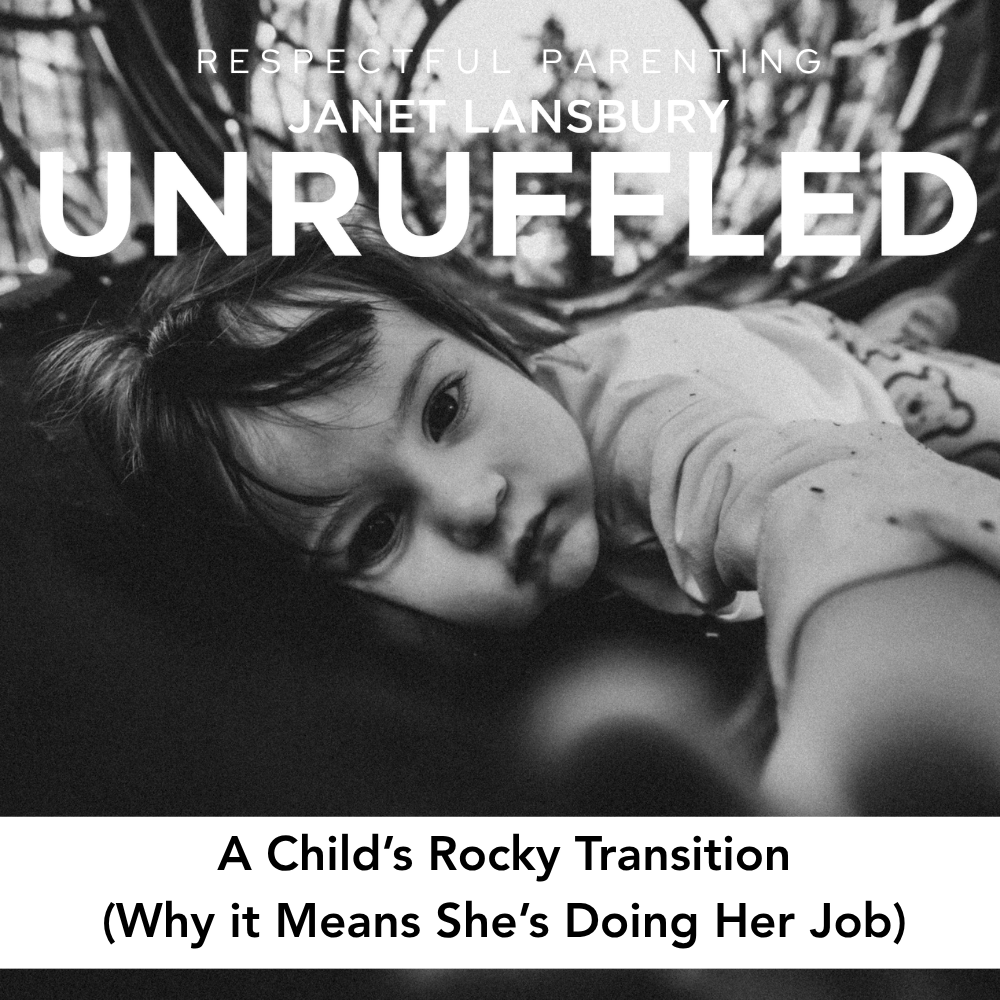
For many parents and early childhood educators, entering a new childcare environment can be an emotional trial-and-error process. While adults frequently view tears and resistance as signs that a placement is failing, renowned parenting expert and author Janet Lansbury suggests that a difficult adjustment period often indicates a child is doing precisely what they are supposed to do to feel secure.
In a recent episode of her Unruffled podcast, Lansbury addressed a challenging scenario submitted by a stay-at-home mother who recently launched a small in-home learning group. Operating Monday through Thursday, the provider hosts one to three children alongside her own two toddlers, who recently turned three and two. While the group has largely been a rewarding venture, one particular participant—a two-and-a-half-year-old girl attending two days a week—has been struggling deeply with the transition, prompting widespread reflection on how caregivers interpret toddler behavior.
The childcare provider, who has no formal early childhood background but relies heavily on Lansbury’s philosophies, described a draining dynamic. The young girl cries through much of her eight-hour day, flits restlessly from one activity to another within seconds, and repeatedly seeks emotional reassurance by asking, “Do you like me?” Despite the provider’s genuine affection and consistent kindness toward the child, the constant distress has begun taking a heavy toll on the provider’s own nervous system, leaving her feeling overwhelmed and contemplating whether the girl might be happier elsewhere or back at home.
The situation highlights a common phenomenon in early childhood education: the intense pressure caregivers feel to immediately "fix" children’s distress. Lansbury notes that while this urge is entirely natural and stems from a place of deep empathy, reacting with worry or attempting to eliminate negative emotions can inadvertently hinder a child’s natural adaptation process.
Reflecting on the nature of early childhood transitions, Lansbury emphasizes that leaving home and familiar surroundings to spend extended hours in a new environment is a massive undertaking for any toddler. Because young children lack the advanced cognitive ability to fully understand and articulate their complex needs, these major adjustments frequently manifest as behavioral distress, frequent crying, and restlessness. While some children possess temperaments that handle environmental shifts with relative ease, nearly all young children experience some degree of turbulent adjustment.
Interestingly, Lansbury offers a counterintuitive perspective on the frequency of the girl’s attendance. While conventional wisdom might suggest that reducing a struggling child’s hours—such as limiting attendance to just two days a week—would ease their burden, Lansbury argues the opposite. For a two-and-a-half-year-old, two days a week is often insufficient time to build lasting familiarity. With long gaps between sessions, the environment can feel like a brand-new, unpredictable situation every time the child arrives. Increasing attendance might actually help the child establish a routine and feel more deeply rooted in the setting, though such a change would require the agreement of both the provider and the child’s parents.
Addressing the girl’s frequent questioning—asking repeatedly if the provider likes her—Lansbury provides critical context about toddler psychology. While such a targeted search for validation might seem precociously complex for a two-and-a-half-year-old, Lansbury suggests it does not stem from a genuine, deep-seated emotional deficit. Instead, children often latch onto specific phrases or themes that they sense register a reaction from the adults around them. When an adult feels momentarily thrown off balance, worried, or slightly uncomfortable, perceptive toddlers frequently pick up on that subtle vulnerability and return to it repeatedly as a way of exploring relational boundaries.
Rather than viewing the question as proof of underlying insecurity or perceived rejection, Lansbury encourages caregivers to respond with calm, steady, and lighthearted validation. By meeting the inquiry with an unruffled attitude—such as offering a simple, cheerful reminder that she is loved and welcome—the adult removes the emotional charge from the interaction. Once the caregiver stops feeling intimidated or anxious about the questioning, the child typically loses interest in probing that particular pressure point.
The provider’s observation of the child rapidly cycling through activities is similarly interpreted as a natural stress-release mechanism. Just as an animal circles repeatedly before settling down to rest, children often need space to flit, release tension, and express their discomfort before they can truly settle into an activity on their own internal timeline. Trying to artificially manage or cater to every fleeting impulse can disrupt this natural self-regulation process.
Lansbury also touches on the provider’s broader contemplation of ending the arrangement or suggesting a larger preschool setting. Lansbury cautions against recommending a larger group environment for a child already struggling with transitions, noting that smaller, intimate settings offer a safe space for children to express their frustrations and vent their emotions freely. A child who feels secure enough with a secondary caregiver to be entirely "a mess" is often demonstrating a deep, albeit turbulent, sense of trust.
Ultimately, Lansbury emphasizes that the core challenge in these scenarios is often the adult’s own comfort level rather than the child’s capability. By putting the child’s healthy, natural feelings into proper perspective, caregivers can step off the emotional rollercoaster of trying to fix the unfixable. Trusting a child to navigate their own rocky transition allows the adult to provide a truly stable, anchored presence—ultimately offering the most effective support a young child can receive during their early years of growth and discovery.
For many home cooks seeking a transition toward whole-ingredient meals, breaking free from the gravitational pull of fast-food takeout can prove to be a significant hurdle. Years ago, one dedicated culinary creator faced this exact challenge, moving away from heavily processed, Americanized versions of Asian cuisine commonly found at nationwide chains like Panda Express. What followed was a long-term culinary experiment centered on developing fresh, nutrient-dense alternatives that capture the complex, vibrant profiles of traditional Asian cooking without relying on refined additives, excessive sodium, or MSG.
The latest result of this kitchen experimentation is a dish designed to bridge the gap between heavy comfort food and light, vegetable-forward dining: sesame ginger cabbage rolls. Packed with lean protein and fresh produce, these rolls deliver familiar flavor notes—such as toasted sesame oil, pungent ginger, and savory coconut aminos—in a format that requires minimal hands-on preparation. Whether served as a savory appetizer or integrated as the centerpiece of a larger evening meal, the dish offers a streamlined approach to home-cooked meals that can easily be scaled up for batch cooking and meal prep.
Sesame Ginger Cabbage Rolls
For individuals who appreciate the taste profile of traditional dumplings or potstickers but prefer to avoid the tedious labor of rolling individual wrappers, these cabbage rolls offer a practical alternative. While commercially prepared wonton wrappers certainly save time in the kitchen, they often contain refined ingredients that do not align with a whole-foods philosophy. Napa cabbage, by contrast, transforms dramatically after a brief blanching process, becoming remarkably tender, pliable, and easy to manipulate. Furthermore, substituting cabbage for traditional flour-based wrappers introduces an extra serving of vegetables directly into the meal without compromising the savory integrity of the filling.
When selecting proteins for the filling, home cooks have considerable flexibility, though lean ground chicken stands out as an optimal choice. Because chicken has a relatively neutral profile, it readily absorbs surrounding aromatics like fresh garlic and ginger rather than overpowering them, all while providing a substantial source of protein. To ensure the lean poultry remains succulent throughout the cooking process, finely diced shiitake mushrooms can be folded directly into the meat mixture. The mushrooms not only contribute a deep, earthy umami flavor but also help retain moisture within the filling as the rolls cook.
The culinary anchor of the dish, however, is the accompanying dipping sauce. By combining coconut aminos—a naturally soy-free alternative that mirrors the deep, savory profile of traditional soy sauce with a hint of natural sweetness—alongside earthy ginger, aromatic sesame, and chili crisp for heat, the dish achieves layers of complex flavor. Every bite offers a robust taste experience completely detached from the ultra-processed condiments typically associated with fast-food dining.
Tips for the Best Cabbage Rolls
Achieving optimal results with this recipe relies heavily on proper ingredient selection and handling, starting with the cabbage itself. Napa cabbage is specifically favored for its soft, flexible leaves, which roll smoothly around a filling once blanched. If a leaf features a thick, stiff white stem at the base, simply trimming it away prior to filling and rolling prevents the leaf from tearing and makes the assembly process seamless.
Portion control during the wrapping phase is another critical factor. Maintaining a modest portion of filling—approximately one-third of a cup per leaf—ensures that the rolls remain manageable and do not burst during cooking. Should a leaf split unexpectedly, the fix is straightforward: simply overlapping a secondary piece of cabbage around the compromised area reinforces the structure. Once steamed, any structural imperfections disappear entirely, leaving a cohesive, neat package.
Cooking techniques also play a role in the final texture of the dish. After initially browning the bottoms of the rolls in a skillet for a couple of minutes to develop flavor and color, adding a small amount of liquid and covering the pan allows the cabbage to steam while the chicken filling cooks through completely. Removing the lid for the final moments of cooking encourages any residual moisture to evaporate, yielding a lightly textured base.
Easy to Customize
The inherent adaptability of the recipe makes it well-suited for a variety of dietary preferences and pantry inventories. Ground turkey or shredded pork can easily substitute for chicken, while the addition of finely shredded carrots introduces natural sweetness and color. For diners who prefer added textural contrast, folding finely chopped water chestnuts into the raw filling mixture provides a pleasant crunch.
The practical nature of the rolls extends well beyond initial preparation, as the finished product holds up exceptionally well in storage. Storing leftovers in an airtight container in the refrigerator for up to three days makes the dish a viable option for weekly meal prep. Reheating is easily accomplished by placing the rolls in a covered skillet with a splash of water on the stovetop, restoring their original texture and warmth for a quick lunch or weeknight dinner.
Ultimately, these sesame ginger cabbage rolls serve as a functional shortcut for households seeking homemade comfort food without the added labor of traditional dumpling making. By substituting processed wrappers with tender, nutrient-dense cabbage leaves, home cooks can enjoy familiar savory flavors while maintaining a commitment to whole-food ingredients.
For generations, readers of Guide for Spiritual Living: Science of Mind magazine have turned to its pages not only for philosophical exploration, but for a daily anchor. Among the publication’s most cherished offerings are the Daily Guides, a staple section that continues to offer fresh, profound spiritual insights month after month. Authored by esteemed members and leaders within the Centers for Spiritual Living communities, these daily reflections provide lifelong spiritual wisdom that cannot be found anywhere else. As the publication prepares for the upcoming release of the November 2026 Daily Guides—penned by Rev. Ryan Alexander—subscribers and spiritual seekers alike are once again reminded of the enduring impact of daily, grounded inspiration.
The format of the Daily Guides is designed to gently guide a reader’s mind and heart into alignment each morning. Every single day brings a carefully curated pairing of two distinct quotes from various wisdom teachers, a deeply personal and reflective guide drawn from the author’s own lived experience, and a powerful, affirmative statement meant to anchor the reader’s consciousness throughout the day. This routine of daily inspiration has profoundly impacted generations of readers, offering a steady harbor in an increasingly complex and fast-paced world. For those who may not yet subscribe to the magazine, a special look inside the upcoming November 2026 edition reveals the profound depth, practical wisdom, and transformative power embedded in Rev. Alexander’s daily entries.
My Perspective Isn’t the Only One?
At the heart of one of Rev. Alexander’s standout November entries is a deceptively simple question: "My Perspective Isn’t the Only One?"
The immediate, straightforward answer provided in the reflection is succinct: "Nope." Yet, as the author points out, while the intellectual realization is easy to state, life is often significantly simpler in word than in deed. Human beings naturally view the world through the singular lens of their own sensory experiences, cognitive patterns, and emotional histories. Moving past that automatic reflex requires conscious intention.
To explore this further, the reflection examines one of the foundational tenets of empathy: perspective-taking. At its core, the baseline unit of perspective-taking relies entirely on the basic awareness that our own individual experience of life is not the universal blueprint or the only reality operating in the room. While this sounds straightforward and universally understood in theory, putting it into daily practice can frequently prove to be a challenging hurdle in human relationships.
This understanding—that every human being is a unique, unrepeatable expression of the divine with their own distinct set of thoughts, lingering fears, formative life experiences, inherent strengths, unique gifts, hidden traumas, and specific ways of interacting with the world—was a cornerstone of the teachings of Ernest Holmes, a foundational figure in the Science of Mind philosophy. Holmes consistently expressed this principle to anyone who would listen, emphasizing that recognizing this multiplicity of experience is the absolute pinnacle of human oneness and wholeness.
When individuals truly grasp this concept, it grants them the capacity to step outside the familiar confines of their own subjective experiences and genuinely imagine what it might feel like to walk in someone else’s shoes. This cognitive and spiritual leap opens the vital door to understanding how our everyday actions, casual words, and deeply held beliefs ripple outward and impact other people far beyond our own immediate self-interest.
Empathy as an Active Spiritual Adventure
As the November 2026 guide elaborates, any authentic adventure into empathy must start right here, at the acknowledgment of multiple realities. And as Rev. Alexander notes, true empathy is very much an adventure. It calls individuals into a much deeper, more rigorous understanding not only of their own internal landscapes, but also of the vast, interconnected world moving around them.
Empathy, in this context, is defined simply as love in action. It aggressively breaks the isolated mold of the old idea that human beings create, think, and feel entirely in a vacuum. Every thought and action has social and spiritual consequences.
When we finally begin to truly see the world through the eyes, histories, and hearts of another person, we simultaneously activate both a profound power and an inescapable responsibility. That power and responsibility lie in our collective ability to help forge a world rooted in genuine justice and authentic belonging—a world where we consistently remind ourselves that our own perspective is never the only one governing reality. In doing so, the narrative suggests, humanity as a whole becomes vastly better for the shift in consciousness.
Wisdom Through the Ages
Rooting these modern reflections in a long-standing tradition of philosophical thought, the November Daily Guides pair Rev. Alexander’s contemporary insights with timeless words from historical thinkers. Highlighting the necessity of continuous inner evolution, the writings draw upon the words of acclaimed author Virginia Woolf, who famously observed that a self that goes on changing is a self that goes on living.
This sentiment of fluid, dynamic spiritual growth echoes the core tenets of the Science of Mind tradition. It is bridged directly with the teachings of Ernest Holmes himself, who wrote in his Beverly Hills Lectures, on page 16.4, that "our whole theory is that every person individualizes God." Through these interwoven quotes, the Daily Guides continue to bridge the gap between individual psychological awareness and expansive spiritual truth, offering readers a steady companion for daily contemplation throughout November 2026 and beyond.
Classical education has long relied on a distinct, time-tested pattern of learning: building a rich store of knowledge in a child’s earliest years, training them to reason with those facts as they grow, and ultimately equipping them to express wisdom gracefully. To help homeschooling families visualize this developmental design unfolding week by week, Classical Conversations has introduced a brand-new YouTube series titled What’s the Point?.
Designed specifically for Foundations parents, the series walks viewers through each week of Cycle 3 memory work. Every episode uncovers surprising and intricate connections between different subjects, demonstrating precisely where individual facts will reappear later in the Challenge program. By bridging the gap between early childhood memorization and advanced academic analysis, the series offers families a vivid, comprehensive picture of why the classical model shapes students so effectively.
Why Classical Education?
At its core, classical education mirrors a natural human pattern of learning: knowledge first, followed by understanding, and finally wisdom. Young children possess a natural delight in names, numbers, songs, and Scripture, absorbing this information with remarkable ease and profound joy.
In the debut episode covering Week 1 of the curriculum, the series describes this formative season of childhood as a storehouse with its doors wide open. It is a vital window of time dedicated to filling the shelves with foundational truths while the act of gathering still feels like play. Later in their academic journey, when students are mature enough to think deeply and argue well, they will possess a tangible, robust storehouse of knowledge to draw from. As the episode aptly notes, a student cannot analyze a fact that was never given to them in the first place.
Classical Conversations deliberately integrates this historical educational method with a biblical worldview. During the Week 1 episode, the hosts examine the science memory work focusing on the four types of human tissue, pausing to reflect on connective tissue—the biological component whose primary function is to hold the physical body together. Within a classical Christian educational framework, God serves as the ultimate connective tissue of every academic subject. History, mathematics, Latin, geography, and science are not viewed as isolated silos, but rather as pieces of a single, unified story unfolding for His glory. Drawing from Colossians 1:17, which affirms that "He is before all things, and in him all things hold together," the series emphasizes that the ultimate purpose of this rigorous study is to know God and to make Him known.
Furthermore, classical education thrives within a vibrant community. Families chant together on Community Day, Tutors draw conceptual connections across subjects on whiteboards, and parents embark on the learning journey right alongside their children.
The Trivium in Plain Words
The foundational framework of classical education is the trivium, a Latin word meaning "three ways" that historically describes the meeting point of three roads. In an educational context, it represents three distinct arts that guide a student progressively from basic knowledge to deep understanding and, eventually, to wise expression.
To understand the trivium, educators often point to the imagery of a well-stocked pantry. The first art, grammar, fills the shelves with names, facts, definitions, and foundational rules. The second art, dialectic, explores the purpose of each ingredient and how they interact with one another. Finally, the third art, rhetoric, prepares a meal worth sharing by expressing what is true with clarity, eloquence, and grace. Classical Conversations frequently summarizes these three stages with memorable biblical archetypes: name like Adam, question like Jesus, and persuade like Paul.
Students practice these foundational arts through fifteen distinct skills. Five core habits of grammar—naming, attending, memorizing, expressing, and storytelling—build the pantry of the mind. Five common topics of dialectic—definition, comparison, relationship, circumstance, and testimony—teach students how to ask probing, intelligent questions. Five canons of rhetoric—invention, arrangement, elocution, memory, and delivery—shape how students articulate their thoughts in speech and writing.
How the What’s the Point? Series Works
Each week, a new installment of What’s the Point? breaks down the Cycle 3 Foundations memory work across every subject, including history, science, English, Latin, geography, math, timeline, and fine arts. Along the way, the hosts illuminate the invisible threads tying one subject to another, offering a glimpse into where those facts will resurface in the Challenge years.
These interdisciplinary threads explain why Foundations students are encouraged to memorize across numerous subjects simultaneously. For instance, the Week 9 episode observes how the political and social conditions surrounding a historical event rarely reside neatly within the history subject alone. During that specific week, students skip count by 15s in mathematics, while historical records show that in the year 1850, the United States maintained exactly 15 free states and 15 slave states—a delicate balance on the verge of being shattered by California’s petition for statehood. A child equipped only with a history sentence can recount what happened, but a student who simultaneously holds the mathematics, geography, and historical timeline begins to comprehend the complex mechanics of how it was possible.
Each episode concludes with practical, straightforward ideas for reviewing memory work at home, reinforcing the gentle reminder that classical learning is not merely a checklist, but a sustainable lifestyle.
A Journey Through the Trivium, One Week at a Time
A consistent viewing pattern emerges across the series: while each week’s memory work firmly belongs to the foundational art of grammar, every episode quietly previews the dialectic and rhetoric stages awaiting students in the future.
The series delights in illustrating the profound value of simply possessing a fact. In the Week 1 episode, the grammatical definition of an infinitive serves as a metaphor for all early memory work: unconjugated, full of inherent meaning, and patiently waiting for the day it is put to active use. Similarly, Christopher Columbus set sail across the Atlantic without knowing the full historical magnitude his voyage would ultimately achieve.
Another perspective is offered in the Week 4 episode, which highlights that a memorized fact represents a unique form of knowledge requiring zero travel time. Consider two children tasked with arranging chairs in rows: one instantly recalls the multiplication product, while the other laboriously calculates the sum through repeated addition, expending mental energy on basic arithmetic. Only the first child retains the cognitive bandwidth to notice a wobbly chair in need of repair. The same episode reminds families of historical figures like Homer and Confucius, who left behind no original manuscripts of their own, yet whose words outlasted collapsed empires simply because devoted individuals memorized them word for word.
As students transition into dialectic reasoning, the series models the critical questions they will soon learn to ask. In the Week 4 episode, the principal parts of an English verb become an unexpected lesson in personal responsibility. Children quickly discover that passive phrasing like "it is broken" reports mechanical damage while neatly omitting the speaker from the narrative. Restoring the verb to its active past tense restores accountability, sequence, cause, and a complete story capable of fair judgment.
Similarly, the Week 9 episode explores the common topic of circumstance—the analytical tool examining what made an event possible. When gold was discovered in California in 1848, local merchant Sam Brannan had already stocked his shelves with essential mining equipment, whereas John Sutter, the owner of the land where the gold was found, ultimately lost nearly everything. Identical historical circumstances yielded vastly divergent outcomes. Even a simple musical note demonstrates this principle: a quarter note placed on the bottom line of a treble staff is an E, whereas the exact same note placed on the top line becomes an F, its auditory identity entirely dictated by its immediate circumstances.
Looking further ahead, the series points toward the ultimate destination of rhetoric: the moment when accumulated knowledge hardens into lifelong conviction, expressed both in word and deed. The Week 6 episode examines the historical courage of Davy Crockett, the lone member of the Tennessee congressional delegation to vote against the Indian Removal Act of 1830, standing resolute against his president, his peers, and many of his own constituents. Crockett’s unwavering stance stemmed from deeply rooted convictions instilled long before he entered public office, proving resilient precisely when it mattered most.
Where Foundations Memory Work Leads in Challenge
One of the primary benefits of the What’s the Point? series is its ability to grant parents a clear, unobstructed view of the academic road ahead. By connecting early grammar-stage memory work directly to advanced Challenge-level coursework, the series reassures families that the facts chanted today provide the essential raw materials students will use to reason, debate, and write tomorrow.
New episodes of the series continue to release throughout the academic semester on the official Classical Conversations YouTube channel. Whether families utilize the videos as a preview before Community Day or as an engaging review tool at home, the series offers a renewed appreciation for the patient, deliberate architecture of a classical Christian education—one fact at a time, and one week at a time.
In an era where capturing a child’s milestone is often simultaneous with posting it to the internet, the phenomenon known as "sharenting"—the practice of parents and caregivers sharing details, photographs, and videos of their children on social media—has become more common than ever. From a first lost tooth to humorous dinner table quotes, documenting childhood online feels entirely natural to millions of families. Yet, this widespread habit raises profound questions about digital footprints, consent, and the boundary between private family memories and public consumption.
Research reviews indicate that approximately three in four parents routinely share photos, stories, or videos of their children online, with the majority utilizing their children’s real names. While previous generations shared family updates via holiday letters, birth announcements, and mailed prints, contemporary social media has vastly amplified the audience. Furthermore, it has made posts far more public and significantly harder to remove, fundamentally altering how a child’s personal history is recorded and distributed.
The motivations behind sharenting are almost universally rooted in positive intentions. Parents are proud of their children and naturally desire to share their lives with friends, family, and extended support networks. Studies examining parental posting habits point to a desire to stay connected, celebrate milestones, and build community with other parents. For many caregivers navigating the isolation of early parenthood, online spaces offer a vital sense of shared experience and reassurance.
However, child safety advocates and privacy experts point out that sharing a child’s life online carries distinct risks that warrant careful consideration. Chief among these concerns is the creation of a lasting digital footprint. Screenshots, reshares, and archived web pages mean a digital artifact can easily outlive the original post. Consequently, many children accumulate years of documented history online long before they are old enough to understand who has access to view it.
Privacy and consent form another critical dimension of the debate. Young children lack the developmental capacity to weigh in on what is shared about them. Their public image begins to take shape long before they can grant informed consent, a trajectory that can be difficult to reverse as they grow older. Additionally, piecing together a scattering of individual posts over time can inadvertently expose sensitive personal information, such as a child’s full name, birth date, hometown, and specific school.
Background details and location tags pose further vulnerabilities. House numbers, distinctive school logos, or frequently visited neighborhood parks can inadvertently broadcast a child’s daily routine to strangers on public accounts. Moreover, the evolution of digital technology has introduced new variables, including facial recognition software and artificial intelligence tools. Photos shared on public accounts can be saved, scanned, and collected by automated systems, with some advanced tools capable of generating unauthorized and misleading imagery from ordinary photographs.
Despite these challenges, experts emphasize that parents do not necessarily need to abandon social media entirely to protect their children. Instead, many advocate for a balanced, mindful approach to sharing that preserves connection while safeguarding privacy. Adopting deliberate habits—such as taking a mindful pause before posting, verifying privacy settings regularly, and omitting identifying details like full names or specific locations—can substantially reduce potential risks.
Additional protective measures include withholding real-time location updates by delaying posts by a day or two, seeking a child’s input as they grow older, and evaluating whether a post might feel overly revealing if viewed by the child years into the future. Reviewing past social media accounts to archive or remove overly detailed older posts can also help mitigate long-term exposure. Because extended family members and caregivers often share photos out of affection and pride, having open conversations about family boundaries regarding online sharing helps ensure a unified approach to a child’s digital safety.
Ultimately, the conversation surrounding sharenting reflects a broader societal adjustment to a rapidly digitizing world. As parents continue to navigate the tension between community connection and personal privacy, adopting mindful, intentional habits allows families to celebrate childhood moments while respecting the future autonomy and safety of the next generation.
For families embarking on the profound journey of adoption, the financial landscape can often present a daunting hurdle. Recognizing these economic challenges and seeking to ease the burden for prospective parents, the adoption advocacy organization Show Hope has outlined a comprehensive set of recommendations designed to streamline the application process for its widely sought-after Adoption Aid grants.
Show Hope’s financial assistance program has long served as a vital resource for families committed to bringing children into safe, loving environments. The organization’s grants typically range between $8,000 and $12,000 per family, directly covering approximately 20% to 30% of the total costs associated with the adoption process. The impact of this initiative has been substantial over the years. To date, Show Hope has awarded more than $52 million through its Adoption Aid program, directly impacting the lives of 10,000 children who have found stability and permanence in adoptive homes.
However, because the demand for financial support remains high and the application review process requires rigorous attention to detail, organization leadership emphasizes the importance of preparation. Before prospective applicants dive into the formal submission process, understanding the nuanced requirements and administrative expectations can mean the difference between a seamless review and frustrating delays.
The foundational requirement for any family hoping to secure a grant through Show Hope is confirming the fundamental eligibility of their adoption pathway. Show Hope Adoption Aid grants are specifically designated for adoptions facilitated exclusively through a licensed, 501(c)(3) nonprofit placing agency. Ensuring that an agency meets this strict legal and structural definition is the critical first step for any applicant before investing time into compiling documentation or drafting personal statements.
Complications often arise for families who choose to partner with adoption consultants or utilize multiple agencies simultaneously during the early phases of their search. For those navigating the process through a consultant or keeping options open across several different agencies, Show Hope advises holding off on submitting an application until an official match with a specific placing agency has been secured. Conversely, families who are already exclusively partnered with a single placing agency do not need to wait and are encouraged to submit their applications whenever they feel fully prepared to do so.
Beyond structural agency requirements, alignment with the organization’s core values plays a significant role in the review framework. Prospective applicants are strongly encouraged to take time to thoroughly review Show Hope’s Statement of Faith before initiating the application process. This step ensures that applying families fully understand the organizational ethos and foundational beliefs that guide Show Hope’s mission and daily operations.
Preparation of documentation represents another critical phase where administrative bottlenecks frequently occur. Gathering all necessary personal, financial, and legal documents ahead of time can drastically reduce the stress of the application period. While applicants assemble their files, organization representatives emphasize an important privacy precaution: families should securely black out their social security numbers on all financial and personal documents before uploading them to the portal. Taking this proactive security measure protects sensitive data while still allowing reviewers to verify the necessary financial information.
Once all documentation is gathered and eligibility is confirmed, the focus shifts to the quality and thoroughness of the written application. Organization administrators stress that applicants must complete every single section of the form thoroughly. While the reminder to be thorough and deliberate might evoke memories of academic assignments, the underlying principle is practical. Taking the time to provide complete, thoughtful, and accurate answers allows the review committee to gain a holistic understanding of the family’s situation, motivations, and readiness, ultimately making the review process smoother and more efficient for everyone involved.
Equally important is a careful final review before submission. Applicants are strongly urged to double-check that all required documents are successfully attached and uploaded to their digital file before officially hitting the submit button. Missing attachments or corrupted files are among the most common reasons for administrative delays, and verifying these details beforehand prevents unnecessary back-and-forth communication.
Life during an adoption journey is rarely static, and circumstances can shift rapidly. Show Hope encourages applicant families to maintain open lines of communication and promptly inform the organization if any significant changes occur after their application has been submitted. Whether there are updates to financial circumstances, changes in timelines, or adjustments within the adoption plan itself, keeping the organization informed ensures that family files remain current and that staff can continue to serve and support them effectively.
For families who encounter questions or uncertainties along the way, comprehensive resources are readily available. The organization maintains an extensive FAQ section on its digital platform to address common inquiries regarding the grant process, timelines, and criteria.
Recognizing that the entire adoption journey can occasionally feel overwhelming, Show Hope has also developed broader educational initiatives to support parents well beyond the grant application phase. Through platforms like HowToAdopt.org, the organization aims to walk alongside families continuously, offering guidance and resources from the earliest pre-adoption stages all the way through post-adoption life.
For families who have reviewed the criteria, gathered their documentation, and are ready to take the next step in funding their adoption journey, applications and further information can be accessed directly through the Show Hope adoption aid portal.
For years, the digital landscape of parenting blogs, Facebook status updates, and Instagram feeds was dominated by a specific type of idealized motherhood: the "yes mom." Pioneered by lifestyle and mom bloggers, the concept urged parents to resist the instinctual urge to say no to their children whenever a "yes" was remotely possible. Whether it was allowing ice cream before dinner, embracing spontaneous jumps into muddy puddles, or dropping everything to play an impromptu board game, the movement was heralded as a blueprint for creating magical childhood memories.
Among the practitioners and chroniclers of this trend was Kris Bales, a veteran homeschooling mother and the voice behind Weird, Unsocialized Homeschoolers. Bales admits to having penned and snapped numerous posts celebrating these high-engagement parenting moments herself, acknowledging that the philosophy yielded genuinely wonderful experiences with her children. However, as the cultural pendulum swings and the realities of modern parenting catch up with these intensive ideals, a vital counter-narrative is taking root. Bales, alongside a growing chorus of exhausted parents, is reminding families of a fundamental truth that often gets lost in the quest for perfection: it is entirely okay to say no.
The pressure to say yes to every request, opportunity, and societal expectation has left countless mothers and fathers facing severe exhaustion, emotional overwhelm, and outright burnout. At its core, this movement toward perpetual accommodation forgets a basic reality that parents are human beings, too. Adults require rest, personal hobbies, quiet downtime, and unstructured mental space to function. For introverted parents, particularly those who shoulder the relentless demands of homeschooling and educating their children around the clock, that psychological white space is not merely a luxury—it is an absolute necessity.
This tension between the desire to enrich a child’s life and the absolute necessity of self-preservation plays out across several common battlegrounds of modern family life, beginning with the heavy cultural push toward community volunteering.
The Heavy Burden of Volunteering
In many homeschooling and community circles, volunteering is frequently championed as a cornerstone of childhood development, offering a powerful way to give back to neighborhoods and instill the value of service in young minds. Yet, when these commitments are undertaken without careful discernment, they can quickly become overwhelming. This vulnerability is especially acute for parents who are assumed to possess an abundance of free time simply because they are home during the day.
Reflecting on her own early parenting years, Bales recalls working in her church nursery on Sunday mornings during a time when few others volunteered, save for one steadfast senior parishioner and the mothers of infants. Back then, an hour of nursery duty provided a welcome respite where someone else could cuddle the babies while she recharged.
As her children grew, however, the societal assumptions shifted. Because she was a homeschooling mother, people naturally presumed she would be the ideal candidate to lead children’s church every Sunday morning. Yet, after spending the entire week teaching her own children, she experienced little desire to step into another classroom on her day of rest—a boundary she struggled to articulate in her earlier years. Over time, experience brought the wisdom to gracefully and firmly decline service roles that induce personal stress. Ironically, now that her children are grown, Bales has returned to volunteering in the church nursery by choice, motivated by a desire to offer modern mothers of little ones the same safe harbor and peace of mind she once appreciated.
Reevaluating the Co-Op Culture
Beyond volunteering, modern educational choices—particularly within the homeschooling community—present another major arena for parental pressure. Organized cooperatives, or co-ops, have become a staple for many families seeking group learning environments, social opportunities, and external academic support.
Despite spending over fourteen years homeschooling her children, Bales and her family never participated in a traditional, organized co-op. Aside from a brief, informal nature study group shared with a single family during her children’s younger years and a later government study group with a couple of teenagers, their educational journey remained largely independent. Invited to join a co-op during her very first year of homeschooling, she declined, choosing instead to protect that foundational year to find the family’s footing at home. Subsequent discussions about other co-ops never gained traction because her children simply lacked interest, and they ultimately emerged as well-adjusted young adults without a traditional co-op background.
The perspective emerging from these experiences is one of pragmatic balance. If joining a co-op actively serves a family’s educational or social needs, it remains a viable and valuable option. However, parents are increasingly warned against enrolling in such programs merely out of outside pressure, societal expectation, or unfounded guilt over perceived educational deficiencies. Children are widely believed to fare far better at home in the care of a calm, stress-free parent than they would traveling to a forced co-op class alongside an overextended and exhausted adult.
Managing the Exhaustion of Fun Outings
The breaking point for many parents often arrives not from major obligations, but from the accumulation of everyday, seemingly positive outings. The reality of modern family logistics frequently transforms what should be joyful activities into grueling endurance tests.
Illustrating this dynamic, Bales shares a recent weekend experience when her teenage daughter requested a shopping trip to spend newly acquired birthday money. Having spent the entire preceding week functioning as a full-time chauffeur, organizer, and host, the response was a firm, guilt-free refusal.
The preceding days had included navigating the Department of Motor Vehicles for a successful learner’s permit test, running errands for an older daughter, chauffeuring to and from photography classes, managing fast-food dinner runs between commitments, and delivering her daughter to church worship team practice. The following day involved an exceptionally lengthy medical appointment for her oldest child, followed by intensive house cleaning, cookie baking, and hosting a birthday party complete with an indoor trampoline park visit—all while battling severe traffic congestion that delayed the attendees. The subsequent day brought grocery shopping, rushing home to unpack, transporting teenagers to an academic group, delivering a forgotten item from the previous day’s festivities, dropping children off at a concurrent birthday party, and squeezing in personal errands.
Faced with this whirlwind of activity, the decision to decline a Saturday shopping trip required no second thoughts. Recognizing that no disaster could compel a return to the road, the weekend remained quiet, proving that setting firm boundaries is essential for maintaining household harmony.
Ultimately, the overarching message for parents is that it is impossible to say yes to every single opportunity without sacrificing personal well-being. While embracing the spirit of a "yes mom" or dad can create unforgettable memories, it should never come at the cost of chronic stress, severe burnout, and the neglect of basic self-care. Learning to say no—and feeling entirely comfortable with that choice—allows parents to protect their energy, ensuring that the moments they do say yes are met with genuine presence and joy.