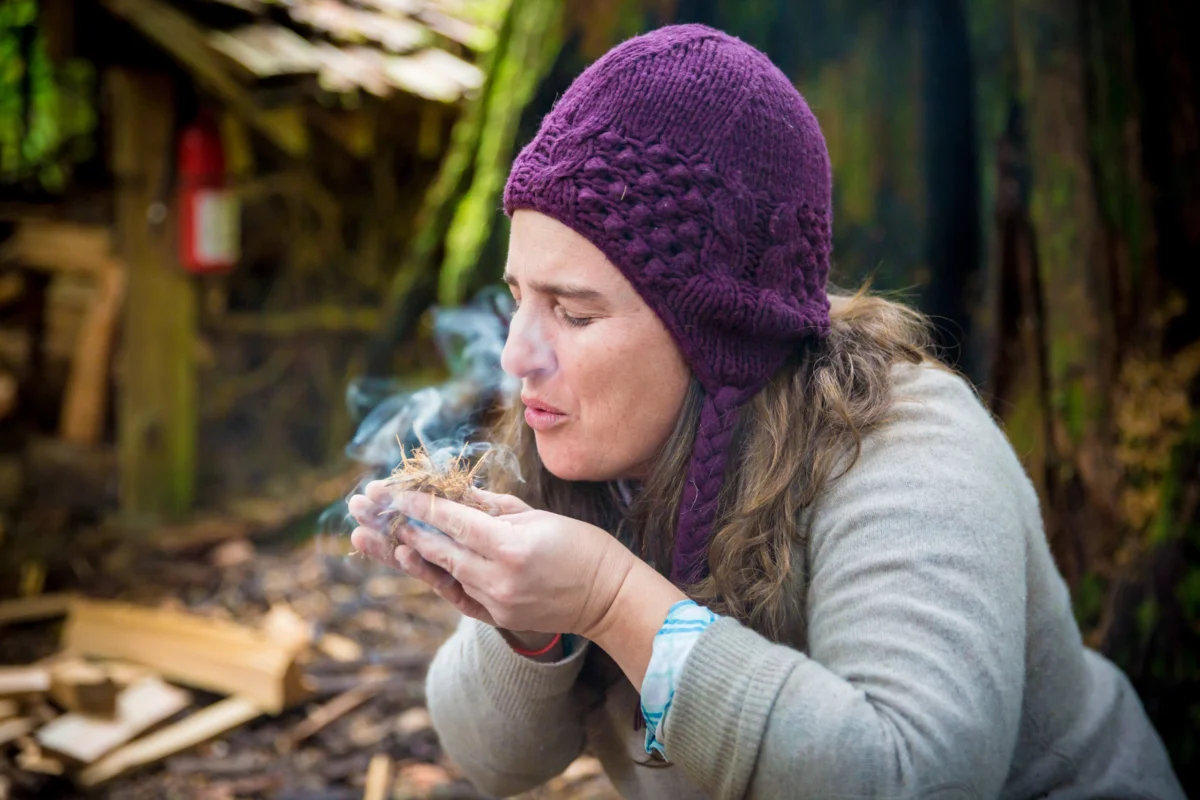
For many participants, the realization arrives quietly, often wrapped in the rustle of a Western Red Cedar or the sudden, sharp shift in the behavior of local wildlife. "Better late than never!" That is how one dedicated alumnus describes the day she finally registered for The Immersion program at the Wilderness Awareness School. Occasionally, graduates reflect on choices they might have made differently had they completed such a life-changing curriculum decades earlier. Yet, they often heed the timeless advice found in Galway Kinnell’s poem, Wait: "Distrust everything if you have to. / But trust the hours. Haven’t they / carried you everywhere, up to now?" In truth, entering The Immersion program happens at precisely the right juncture—at a specific point in an individual’s life when they are fully prepared to receive its profound teachings.
The relationship between this family and the school stretches back to the summer camps of 2010. That initial summer season served as a gateway to many more engagements with the organization over the years. Most notably, it included a pivotal year when the alumnus’s son participated in the Friday Community School program while he was in the sixth grade. At the time, he felt woefully underwhelmed and unchallenged by his standard middle school environment. However, those Fridays spent out on the land filled him with a joy fierce enough to protect and sustain him through the remainder of the regular school year. It proved to be a transformative, almost life-saving experience for the young student—and it sparked a desire in the parent to seek out that exact same connection for herself, ultimately leading her to enroll in The Immersion at the Wilderness Awareness School.
One of the enduring philosophies absorbed during the program centers on a vital awareness mantra: "Just because I didn’t know about something until now, doesn’t mean it wasn’t there all along." That perspective can apply to a multitude of scenarios in both the natural world and human society. It might refer to a barred owl perched quietly on a limb just overhead, a cougar silently stalking along the edge of a pond, a teenager subtly and desperately calling out for adult attention, or even a harmful pattern of privilege and unconscious bias that someone gently—or firmly—asks an individual to recognize and release. Developing this heightened state of perception is a core pillar of the time spent in The Immersion. While practitioners readily admit they remain imperfect in their application of these skills, the practice continually nudges them forward, fostering a deeper sense of curiosity, humility, and connection to their surroundings.
After successfully graduating from The Immersion in 2018, this alumnus did not step away from the community. Instead, she deepened her involvement by continuing into the Youth Nature Instructor Training program, becoming an active and contributing member of the school’s Equity Council, and regularly volunteering for both summer programs and school-year offerings. More recently, her dedication to the institution expanded further as she joined the Adult Nature Instructor Training program, stepping into a supportive role for the incoming cohorts of Immersion students.
This deep, ongoing dedication naturally raises a question: What is it about this specific program and community that continues to draw participants back year after year? The answer, veterans note, invariably comes down to two foundational concepts: awareness and camouflage.
Navigating daily life in an urban environment like Seattle involves balancing a diverse array of circles and responsibilities. This particular alumnus wears many hats within her local community: she serves on the board of a local outdoor preschool, remains active as a philanthropist, participates in parent-teacher associations at her children’s schools, and sits on the equity committees of three distinct organizations. Furthermore, she maintains a deep personal commitment to anti-racism work through ongoing self-reflection, participation in white caucus groups, and engagement in mixed-race communities of practice and action. Above all else, she identifies as a mother to three emerging adults—young people who are ultimately best served when she actively notices, listens deeply, and protects them for life’s challenges rather than trying to shield them from those inevitable experiences.
Before embarking on The Immersion, her understanding of camouflage was entirely conventional, bringing to mind clothing printed in splotches of green, brown, and tan, paired with similarly colored face paint caked onto the skin for tactical concealment. However, her perspective underwent a radical shift through her training. Today, she wryly notes that she considers herself to be in full camouflage when she is wearing a classic black dress and a string of pearls. Her instructors taught her that true camouflage is about blending seamlessly into the baseline of any given environment. Whether she is nestled quietly in a clump of sword ferns beneath a Western Red Cedar, sitting unobtrusively by a campfire surrounded by a circle of teenagers, or handling a salad fork with understated grace at a formal dinner inside a high-end hotel, the underlying principle remains the same. By mastering this art of blending in, an individual can accomplish remarkable, impactful work without causing unnecessary ripples or concentric rings of disturbance in their social or natural ecosystems.
Looking back across a decade of active participation, learning, mentoring, and community-building, the gratitude for the spaces found at the Wilderness Awareness School remains profound. It is a shared journey that began with a mother and her son, evolved through years of outdoor education and equity work, and continues to shape professional and personal endeavors alike, with many more years of growth and connection anticipated on the horizon.
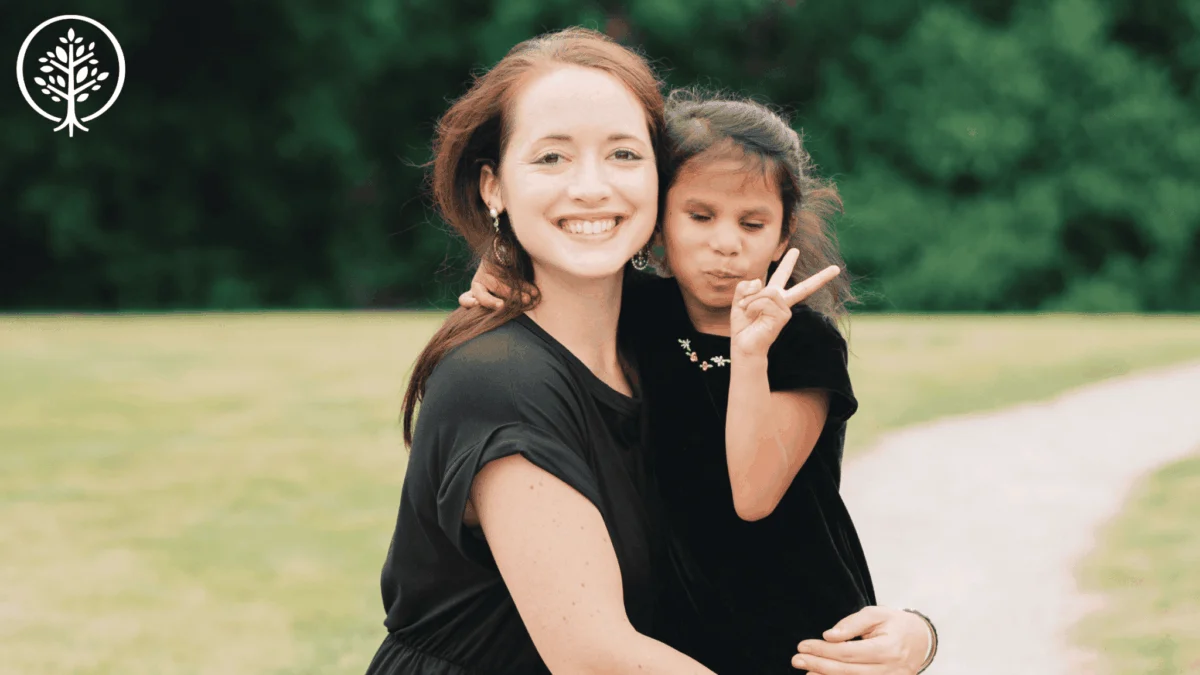
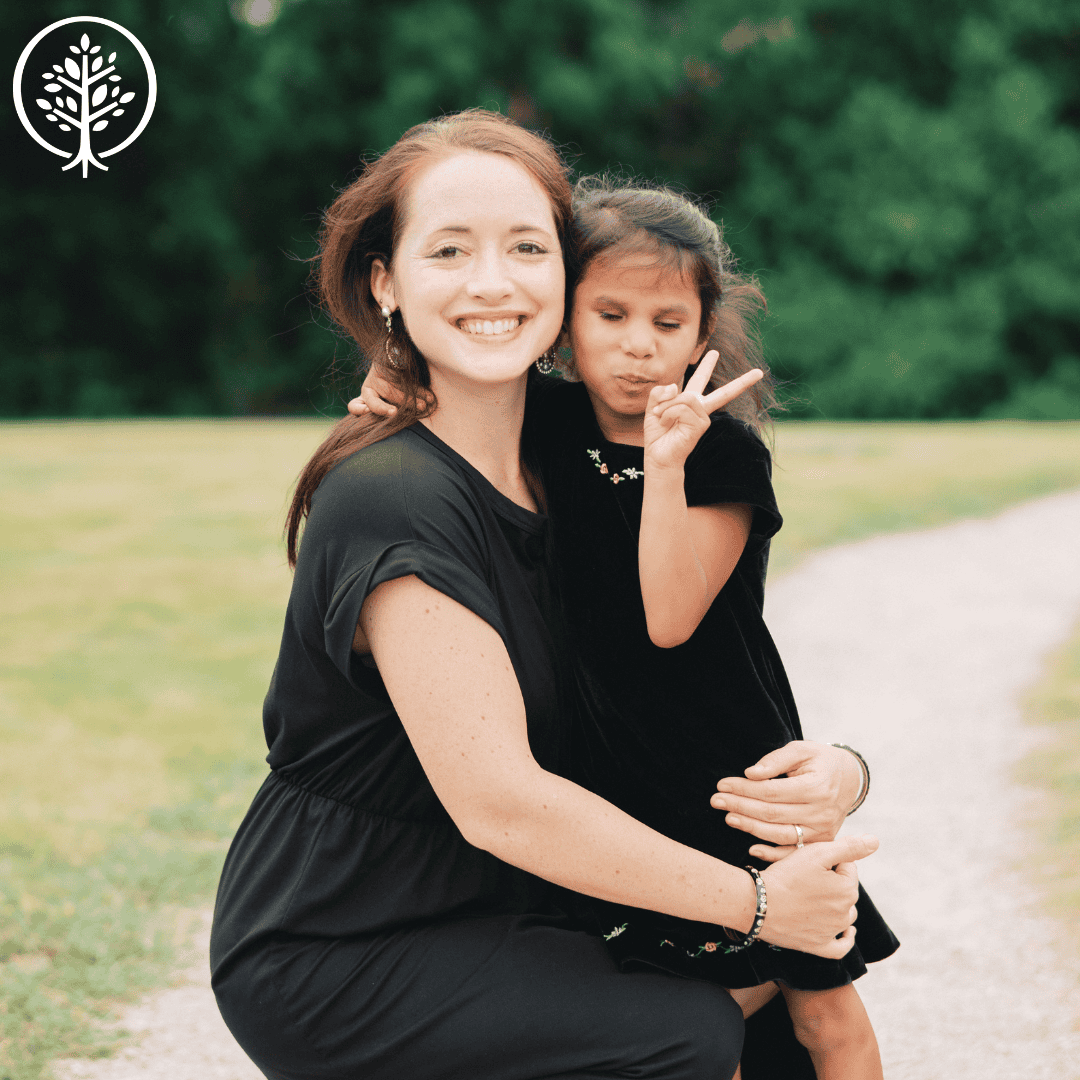
For many adoptive parents, the moment an adopted child finally crosses the threshold of their home is often envisioned as the triumphant conclusion of a long and arduous process. From mountains of paperwork and home studies to international travel, court dates, and waiting periods, the path to bringing a child home can test the limits of a family’s emotional, physical, and financial reserves. However, organizations that work closely with the adoption community frequently emphasize a vital perspective that often catches new parents by surprise: bringing a child home is not the end of the adoption journey; in truth, it is merely the beginning.
Recognizing the complex, evolving needs of families as they transition into post-adoption life, organizations like Show Hope continue to expand their support systems to ensure that parents do not have to navigate the road ahead in isolation. Among these critical support mechanisms are Show Hope’s Medical Care grants, which are specifically designed to alleviate the heavy financial burdens associated with specialized healthcare, medical treatments, and therapeutic interventions for adopted children.
The reality for many families welcoming children through adoption—particularly those involving international adoption, older child adoption, or children with special needs—is that medical histories can be complex, incomplete, or entirely unknown. Once a child is integrated into a family, parents often encounter a wave of new medical discoveries, ranging from untreated congenital conditions and developmental delays to the long-term impacts of early childhood trauma and institutionalization. Addressing these needs often requires immediate access to specialized pediatric care, surgeries, medical equipment, and therapeutic services that can quickly overwhelm a family’s household budget.
To combat these challenges, Show Hope’s Medical Care grants provide substantial financial relief, ranging from $7,000 to $10,000 per award. These funds are structured to be versatile, addressing a wide array of medical and developmental necessities that standard health insurance policies may partially cover, deny, or exclude altogether. Families can utilize the grant funding for a broad spectrum of medical expenses, including necessary clinical procedures, complex surgeries, specialized medical devices, and approved mental health care.
Mental health care, in particular, plays a monumental role in the post-adoption landscape. Children who have experienced early trauma, neglect, or the disruption of primary attachment figures often require specialized therapeutic support to process their past and build secure, trusting relationships with their new families. Accessing qualified trauma-informed therapists and mental health professionals can be prohibitively expensive, making financial assistance grants an essential lifeline for parents striving to provide comprehensive, holistic care for their children.
As prospective applicants prepare to seek financial assistance, organizations like Show Hope emphasize the importance of approaching the application process with thorough preparation and care. While the application procedure is designed to be accessible, taking proactive steps can ensure a smooth experience for families who are already balancing the daily demands of parenting a child with specialized medical requirements. Ensuring that all necessary documentation, medical evaluations, and financial records are accurately compiled ahead of time can significantly ease the administrative burden on parents, allowing them to focus their energy where it matters most: on the well-being and integration of their child.
The overarching philosophy guiding these support programs is rooted in the belief that families should feel supported long after the adoption finalization papers are signed. The transition from the adoption phase to the lifelong parenting phase involves continuous adjustments, medical appointments, educational advocacy, and emotional healing. By reducing the financial friction caused by unexpected medical bills and specialized care costs, programs like the Show Hope Medical Care grants aim to stabilize households and foster environments where children can truly thrive.
Ultimately, the journey of adoption is a profound commitment that extends far beyond legal placement. For families navigating the intricate realities of post-adoption medical and mental healthcare, knowing that external resources exist can provide immense comfort and practical relief. Organizations committed to adoption aid continue to stand alongside parents, reinforcing the message that bringing a child home is just the beginning—and that families do not have to navigate what comes next alone. Those seeking more information regarding the Medical Care grants, eligibility requirements, and application details can visit showhope.org/medicalcare.
After seven years of navigating the multifaceted world of alternative education, veteran homeschooler and author Shawna Wingert is marking a significant milestone. As her oldest son prepares to graduate high school and transition into young adulthood, and her youngest prepares to embark on the very same educational tier, Wingert has taken time to reflect on a journey that has proven to be as rewarding as it is challenging.
Reflecting on the passage of time, Wingert notes that her oldest child was just eleven years old and her youngest was eight when they first began chronicling their experiences on the educational platform Simple Homeschool. Looking back on the last seven years, she describes the experience as a wonderful, joyful, occasionally stressful, and ultimately worthwhile endeavor. Now, standing at the precipice of a major family transition—with just six weeks remaining in her oldest son’s K-12 education—she finds herself looking back at a phase of parenting and teaching that shattered many of her initial preconceptions.
While the high school years flew by much faster than the earlier stages of education, Wingert emphasizes that they also turned out to be remarkably engaging. Because her children grew older, their shared interests began to align more closely with her own, transforming daily discussions about current events, history, and art into deeply stimulating intellectual exchanges. Preparing her eldest for life after high school prompted Wingert to compile a list of insights she wishes she had possessed at the outset of her high school homeschooling journey—lessons designed to reassure parents who might currently find themselves standing where she stood seven years ago.
Homeschooling High School Doesn’t Have To Be Totally Different From The Younger Years
When Wingert and her son initially prepared for his freshman year of high school, a wave of apprehension set in. Like many parents, she carried the preconceived notion that high school education needed to undergo a radical transformation to be considered legitimate. The societal expectation that ninth grade onward must look entirely rigorous, formal, and far less enjoyable weighed heavily on her preparations.
However, reality proved to be quite different. Her son’s high school experience ultimately mirrored his earlier years, relying heavily on interest-led, hands-on, and project-based learning. By the time her son reached the end of his senior year, Wingert realized that this personalized approach had not only worked, but it had honored the way her child naturally learned best. Rather than forcing her student into a conventional, rigid mold dictated by traditional schooling standards, she maintained a flexible, engaging environment, proving that effective high school education does not require abandoning individualized learning methods.
Don’t Be Afraid Of High School Transcripts and Course Credits
For many parents stepping into the realm of home education for older teens, administrative tasks can loom large. Wingert admits she was initially terrified at the prospect of compiling official high school transcripts and calculating course credits. The terminology felt formal, intimidating, and far removed from the day-to-day rhythms of family learning.
Yet, as she navigated the process, Wingert discovered that transcript management was far more manageable than anticipated. Once she established a system that worked for their specific needs, tracking and organizing credits actually became a satisfying task. Rather than remaining a bureaucratic hurdle, the transcript transformed into a tangible, observable measure of academic progress—something that can occasionally elude parents who teach outside traditional classroom walls. Gaining confidence in this area allowed Wingert to relax and better appreciate her son’s academic achievements as they accumulated semester by semester.
Your Role Will Change Over The Four Years
One of the more surprising developments during the high school phase was the natural evolution of Wingert’s daily responsibilities. Early on, she anticipated remaining the primary instructor directing every facet of her son’s daily schedule and academic output. Instead, she watched as her role shifted significantly over the course of four years.
Rather than acting as the central figure of direct instruction, Wingert found herself transitioning into a supportive facilitator—managing logistics, securing necessary learning materials, and driving her student to various commitments and activities. While this shift felt slightly disconcerting at first, she quickly realized it was a necessary and healthy evolution. This changing dynamic fostered a profound sense of academic ownership and independence in her son, allowing him to take charge of his own educational path. Looking back, she notes that acting as an administrator and driver was a worthwhile trade-off for witnessing her child’s growing self-reliance.
Your Child Will Have More Opinions
As children mature into teenagers and young adults, their developing autonomy naturally brings forth strong personal perspectives. Wingert experienced this firsthand when her son formed definitive opinions regarding his post-secondary plans—specifically his desire to apply to four-year colleges, a path she initially questioned as a potential mismatch for his unique learning profile.
Navigating these robust discussions required a delicate balance of guidance and letting go. Wingert acknowledges that while parenting a high schooler inevitably involves moments of emotional adjustment, these differing viewpoints are a natural part of growing up. Steering a high school homeschooler ultimately mirrors the broader experience of raising a teenager, which requires parents to respect developing voices and embrace the gradual process of granting independence.
The Memories Are Irreplaceable
Perhaps the most poignant realization from Wingert’s journey is the enduring value of the memories created during the high school years. As her son matured into an adult, the nature of their daily interactions evolved, yielding moments and shared experiences that felt distinct from—and deeply cherished compared to—the earlier stages of childhood.
Wingert notes that these high school years represent the phase when the combination of home education and constant family proximity truly flourished. The intellectual discussions, collaborative projects, and shared milestones formed a rich tapestry of memories that she would not trade for anything. As she prepares to close this chapter with her eldest son and simultaneously embark upon it with her youngest, Wingert reflects on the experience with profound gratitude. While the road ahead brings the bittersweet anxiety of seeing her child step out into the world of higher education, her overarching sentiment remains one of deep appreciation for the journey of homeschooling high school.
Every human experience of grief is as distinctive and singular as the relationship shared with the person who has died. Yet, within families, close-knit friend groups, and broader communities, navigating these deeply personal emotions can frequently introduce unexpected interpersonal friction and emotional strain. When the way one person expresses their sorrow clashes with the expectations or behaviors of another, misunderstandings often arise. Compounding this dynamic are pervasive, shared societal "myths" regarding how long grief should last and how intensely it ought to be felt. Consequently, many bereaved individuals find themselves feeling profoundly isolated, misunderstood, and lacking the vital validation they need during their darkest hours. Recognizing and honoring the diverse ways in which human beings experience and express grief is therefore paramount to cultivating genuine compassion and community support.
To better understand these varying approaches, grief specialists Ken Doka and Terry Martin introduced a foundational framework in their influential book, Grieving Beyond Gender: Understanding Diverse Grieving Styles. The authors posit that developing a clearer comprehension of an individual’s unique grief style helps dismantle misguided assumptions, harmful misinformation, and unnecessary conflicts among families, friends, and communities grappling with profound loss. Rather than viewing grief through a rigid, one-size-fits-all lens, Doka and Martin’s model categorizes coping mechanisms into three primary grieving styles: intuitive, instrumental, and blended.
According to this psychological model, intuitive grievers typically process their emotions verbally or through outward expression. Their external behaviors closely mirror their internal emotional landscape, often manifesting through visible signs such as crying, vocal sadness, or angry emotional outbursts. Conversely, instrumental grievers tend to process their grief cognitively and behaviorally. Instead of focusing primarily on emotional release, instrumental grievers channel their energy into tasks, problem-solving, physical action, and "doing." Meanwhile, many individuals operate somewhere in the middle of this spectrum, adopting a blended approach that incorporates elements of both intuitive and instrumental styles. Crucially, the authors emphasize that no single grieving style is superior to any other; they simply represent different, equally valid pathways for processing heartbreak and loss.
Accepting the reality that others do not need to grieve in the exact same manner as ourselves establishes a vital foundation for mutual support. This philosophy forms the bedrock of peer support frameworks like the one championed by The Compassionate Friends, an organization dedicated to supporting families after the death of a child. The organization’s support model thrives when communities deliberately make space for every individual to mourn in the way that feels most natural to them. To foster these connections, the organization provides a wide variety of touchpoints, ranging from private online spaces and live virtual chats to virtual support group meetings, local in-chapter gatherings, and national conferences. The guiding ethos remains steadfast: come as you are, and grieve in your own way.
Within family units specifically, acknowledging these intrinsic differences and granting loved ones the grace to mourn on their own terms helps cultivate a far more understanding and supportive environment. Human instinct often drives us to try and "fix" a grieving partner, sibling, or parent, or to pressure them into responding to tragedy in the exact same way we do. However, letting go of these expectations in favor of listening with empathy, exercising patience, and walking side by side through the pain ultimately builds much stronger interpersonal bonds. These resilient relationships are precisely what sustain people during their most desperate moments, reminding them that even in the depths of sorrow, they do not have to walk alone.
To expand upon these concepts and help communities better navigate the complexities of bereavement, bereavement support professionals continue to develop educational resources. Among these is a recent webinar hosted by Andy McNiel, Chief Executive Officer of The Compassionate Friends, titled Understanding Others in My Family: The Different Ways We Cope and Grieve. The presentation explores the intricate dynamics of family coping mechanisms, offering practical insights into how relatives can bridge the gaps created by differing emotional responses.
Andy McNiel, MA, brings three decades of extensive professional experience to his leadership role, having spent his career facilitating support groups and providing direct care to bereaved individuals of all ages. As a respected author, trainer, and non-profit leader, McNiel has dedicated his life’s work to creating safe spaces where those mourning profound losses can connect with others who truly understand their pain. His extensive executive leadership background spans hospice care, regional and national grief organizations, and public advocacy.
Widely regarded as a thought leader, educator, and engaging presenter in the field of bereavement support, McNiel lectures and delivers keynotes extensively on topics concerning grief, loss, and personal wellness. In addition to his leadership duties, he is the author of Understanding and Supporting Bereaved Children: A Practical Guide for Professionals and has contributed numerous book chapters and articles examining grief and loss across the human lifespan.
McNiel’s deep commitment to the field is further reflected in his active involvement with prominent national and international organizations. He serves as a member of the Advisory Board for the Tragedy Assistance Program for Survivors (TAPS), works as a national trainer for the American Foundation for Suicide Prevention, and is a dedicated member of the International Workgroup on Death, Dying, and Bereavement. He holds a Bachelor of Arts in Religion and a Master of Arts in Counseling, credentials that underpin his compassionate and knowledgeable approach to supporting families through life-altering losses.
Modern motherhood often comes packaged with an invisible, infinitely expanding to-do list. Beyond the physical tasks written down on paper or tracked on digital applications—the meal planning, the laundry, the professional commitments, and the household maintenance—lies a massive, unspoken catalog of mental burdens. These are the endless "shoulds" and "supposed-tos" that continuously churn in the minds of parents, creating a pervasive sense of inadequacy and exhaustion before the day has even truly begun.
While discussing the overwhelming nature of daily life might occasionally sound like a cliché, acknowledging the physical and mental toll of this relentless pace remains a vital step toward wellness. The reality is that the vast majority of contemporary mothers are operating at or near total burnout. They feel fried, stretched thin across multiple domains, and constantly pressured to perform every role flawlessly. This dynamic raises a fundamental question that many parents rarely pause to ask themselves: Why do we continually inflict this pressure upon our own lives, and why do we keep piling more responsibilities onto plates that are already overflowing?
A closer examination of these overloaded schedules reveals a profound underlying truth. Beneath the frantic pace of the daily routine, the root cause of this relentless busyness is rarely inefficiency or poor time management; rather, it is rooted entirely in relationships. Schedules swell because parents deeply love their children and want them to feel cherished, supported, and secure. Every task—from teaching and cooking to cleaning, organizing, and working outside the home—stems from a foundational desire to nurture and provide.
However, after nearly twenty-five years of navigating the complex terrain of motherhood, a difficult yet transformative truth emerges: restless, frantic busyness can frequently backfire. Instead of strengthening family bonds, perpetual exhaustion often makes it significantly harder to engage in the very activities that truly nurture children, foster meaningful relationships with them, and model a peaceful approach to daily life. When parents are perpetually running on empty, the patience required to resolve conflicts, listen deeply, and share genuine moments of joy diminishes rapidly.
Addressing this widespread struggle requires looking beyond traditional time-management strategies and focusing instead on finding rest amidst the daily mess. The goal is not to achieve an impossible standard of perfection, but rather to discover pathways that allow mothers to show up in all of their relationships with a renewed sense of peace and, ultimately, genuine joy.
To explore this vital topic, a recent episode of the Read-Aloud Revival podcast focuses entirely on helping parents navigate the chaotic intersections of modern parenting and personal well-being. Rather than offering superficial hacks or unrealistic productivity standards, the episode dives deep into the heart of what it means to parent from a place of emotional and spiritual stability. Listeners are invited into a reflective space that examines the pressures of motherhood and offers practical, grace-filled perspectives on letting go of unnecessary burdens.
As part of this exploration, the episode highlights some of the most resonant and impactful moments from "Circle With Sarah" over the past year. Circle With Sarah has established itself as one of the most valued offerings for members of the Read-Aloud Revival Premium community. Designed specifically to support mothers in the intentional journey they have chosen for their families, the program features a private podcast feed, live virtual events, and biannual virtual retreats. These resources aim to create a supportive network where mothers can find encouragement, share common experiences, and gain the tools necessary to sustain their parenting journey over the long term.
The conversation naturally connects to broader resources that have resonated deeply within the parenting community over the years, such as the influential book Teaching from Rest: A Homeschooler’s Guide to Unshakable Peace. Written to address the underlying anxiety that frequently plagues home educators and parents alike, the work emphasizes that effective teaching, nurturing, and leading do not spring from frantic effort or perpetual motion. Instead, genuine fruitfulness and lasting impact flow from a foundation of internal peace and intentional rest.
By revisiting these foundational principles, mothers are encouraged to step back from the brink of exhaustion and evaluate their daily rhythms with fresh eyes. Letting go of the unspoken, overwhelming expectations that drive modern burnout does not mean abandoning responsibility; rather, it means prioritizing the quality of connection over the quantity of completed tasks. Through thoughtful reflection, supportive community networks, and a commitment to seeking rest within the everyday mess of family life, parents can rediscover the peace and joy at the heart of their calling.
On November 24th, The New York Times published a significant report titled, “These Hospitals Figured Out How to Slash C-Section Rates.” The article examined the persistent trend of rising cesarean section rates across the United States and highlighted the transformative experience of a hospital in New York that has successfully bucked the national trend, significantly lowering its surgical intervention rate in recent years. Among the strategies employed by Rochester General Hospital, the report explicitly cited the integration of the Spinning Babies® approach—a physiology-centered framework—as a key component of their success. In the wake of this national conversation, the Spinning Babies® team has offered a reflection on the themes raised by the report, exploring how the shift toward physiologic care is fundamentally changing the landscape of modern obstetrics.
A Shift Toward Patience and Physiologic Care
The success story at Rochester General Hospital serves as a compelling case study for medical facilities grappling with high surgical intervention rates. Welcoming approximately 1,800 births annually, the hospital once mirrored the national trend of high cesarean rates, particularly among healthy, first-time parents. Over a period of dedicated cultural and clinical adjustment, those numbers fell dramatically. Crucially, the catalyst for this change was not the acquisition of expensive new medical technologies or the implementation of complex, invasive interventions. Instead, the turning point was a profound shift in the institutional philosophy regarding how staff viewed the process of birth and, consequently, how they supported birthing families.
The hospital’s transformation emphasized the virtues of patience, the importance of the clinician-patient relationship, and the necessity of thoughtful, non-urgent support during the labor process. By expanding midwifery care and actively encouraging maternal positions that create pelvic space and ease, the facility helped its staff embrace a physiology-first approach. This model requires providers to look beyond the clock and consider how environmental factors—such as institutional time pressure, rigid expectations, and deep-seated beliefs about the “ideal” speed of labor—can inadvertently shape the birthing experience in ways that necessitate surgical intervention. For many parents and birth advocates, these ideas feel less like a radical innovation and more like a return to the understanding that birth unfolds most effectively when families feel respected, supported, and given the time to find their own natural rhythm.
What Influences Rising Cesarean Rates
The New York Times report touched upon a critical, often uncomfortable reality: while medical necessity is a legitimate driver for cesarean birth, many factors influencing the decision to operate are entirely non-medical in nature. The data suggests that a provider’s individual comfort level with the nuances of birth, a pervasive fear of potential complications, the time of day a birth occurs, existing staffing patterns, and even complex institutional payment structures can significantly sway how often surgery is chosen as a primary outcome.
Acknowledging these external influences is not an indictment of cesarean birth itself. As a life-saving medical procedure, the cesarean remains an essential and vital option in modern obstetrics. However, identifying these non-medical variables illustrates that birth is an inherently relational event. It is shaped by the subtle dynamics of the room: how the birthing person feels, the level of trust they have in their providers, and the physical space and movement allowed that enable the body and baby to work in tandem. When the culture of a hospital shifts from one of intervention-based management to one of physiologic support, the reliance on surgical alternatives often naturally declines.
Why This Matters to Families
For years, families and birth workers have consistently reported that when the body finds balance and the pregnant person feels emotionally and physically supported, labor often flows with greater ease. From a physiologic perspective, babies are more likely to navigate the birth canal and move toward more comfortable, optimal positions when they are granted the necessary space and time to do so. The recent reflections shared by parents and clinicians in the Times report echo these long-held observations within the birth community.
Parents interviewed for the piece described how simple comfort measures, freedom of movement, and steady, unwavering emotional support were the primary tools that helped them navigate long labors without the need to rush toward surgical intervention. Nurses and midwives working within the Rochester General model noted that when they were given the professional autonomy to suggest positions that support maternal physiology, they witnessed babies finding their way through the pelvis with much greater facility. The report specifically noted that the hospital incorporated Spinning Babies® education to train nursing staff on these specific positioning strategies, and clinicians reported that these techniques made a tangible difference in their day-to-day birth outcomes. These reflections provide a clear, empirical look at what many have long observed: when physiology is prioritized and care is responsive rather than reactive, labor often unfolds with increased confidence and success.
Balancing Safety and Trust
While the movement toward lower cesarean rates is a positive development, it is essential to maintain a balanced perspective. Some parents do face complex health challenges that render a cesarean birth the safest and most prudent path. Providers who contributed their expertise to the Times article spoke with commendable honesty about the rising number of pregnancies involving underlying health conditions that require highly attentive, specialized care. There is no “one-size-fits-all” approach to birth, and safety must always remain the cornerstone of any clinical practice.
At the same time, the article underscored that a significant portion of cesarean sections are influenced by institutional culture, timing, and expectations rather than absolute medical necessity. This is the arena where a supportive birth culture proves most transformative. When parents feel empowered, when midwifery and nursing services are adequately resourced, and when the institutional policy allows birth to unfold according to the individual’s own timeline, fewer people feel pushed toward surgery. It is a matter of fostering an environment where clinical safety and patient-centered trust can coexist.
A Gentle Takeaway for Families
The reflection offered by the Spinning Babies® team is not intended as a critique of healthcare providers nor as a platform to elevate one specific institution over others. Rather, it is offered as a message of reassurance to expectant parents everywhere. The process of birth is an extension of human physiology, and the body possesses a deep, inherent wisdom. Similarly, the baby has instincts and innate abilities that play a major role in the birthing process. When those caring for a birthing person truly believe in the physiology of birth and support that process with patience, expertise, and skill, it creates a significantly more confident and empowering experience for the entire family.
This national conversation serves as a timely reminder that patients are not passive observers in their own births. Families have the agency to ask questions, explore the various options available to them, and collaborate with their care teams to ensure that their care aligns with their individual needs and the natural physiology of labor. Regardless of the path a birth ultimately takes, every family deserves a sense of partnership, mutual respect, and steady support from the moment they arrive at the hospital until they go home. By fostering a culture that trusts the process of birth, hospitals and families alike can work toward a future where cesarean sections are reserved for when they are truly necessary, and where the birthing experience is defined by dignity and support.
With some gentle guidance, our children can soar to success, yet the daily reality of parenting remains a complex and demanding balancing act. There are no formal prizes for good parenting, even though modern mothers and fathers shoulder an almighty job every single day. As parents, we are tasked with a contradictory and challenging objective: bringing a fragile human being into the world, keeping them not only alive and thriving, but also ensuring we manage our own physical health, mental wellbeing, and the myriad responsibilities in between.
As universal as the sentiment sounds, parents universally hope for the absolute best for their children. We want them to grow up healthy, happy, and empowered. Every single sparkle in a child’s eye serves as a quiet consolation for the countless sleepless nights, frantic days, and emotionally draining moments we endure. And while parents generally do a commendable job, certain figures in education and child psychology have managed to raise the bar of successful child-rearing to an even higher level.
Popular teacher, author, and speaker Esther Wojcicki is one of those figures. Based in the United States, she has frequently been dubbed in the media as the mother “who raised two Silicon Valley CEOs and a doctor.” Her published works offer a direct, no-nonsense approach to modern family life, and she remains adamant that certain essential qualities have been missing from contemporary households. By reinstating these core values, she argues, families can provide their children with the optimal foundation for future success.
Reflecting on her extensive background, Wojcicki notes that decades of experience as a mother, grandmother, and educator have shaped her perspective. She has identified five fundamental values that help individuals become capable, successful people, framing them as a vital antidote to common parenting and teaching problems. According to Wojcicki, these values serve as an effective defense against rising childhood anxiety, classroom discipline issues, power struggles, intense peer pressure, and the pervasive fear surrounding modern technology.
Wojcicki distills her comprehensive formula into an acronym she calls TRICK, which stands for trust, respect, independence, collaboration, and kindness. In her widely read book, How to Raise Successful People: Simple Lessons for Radical Results, she provides numerous real-world examples demonstrating how placing genuine trust in her children’s abilities allowed them to flourish personally and professionally. She points out that the process often begins with small, manageable steps, such as letting a teenager shop for school supplies independently or giving a toddler the autonomy to pick out their own daily clothing.
Ultimately, Wojcicki’s framework fosters an empowering mindset that avoids dismissing children purely on the basis of age. Her own adult daughters have openly acknowledged that their mother consistently treated them almost like mini-adults, an approach that delivered a substantial boost to their self-confidence during their formative years. At the same time, Wojcicki reminds families that children still rely heavily on responsible, capable parents to handle the heavy lifting. Nonetheless, by granting children greater autonomy over matters that are unrelated to health and safety, parents can help them learn the vital art of personal decision-making.
Other prominent professionals in the field share the perspective that value-based parenting lays the groundwork for lifelong achievement. Ashley Vigil-Otero, a Harvard-educated psychologist with a dedicated focus on teaching resilience, emphasizes that children thrive when adults learn to champion not only their direct accomplishments but also their inevitable failures. From a developmental standpoint, young children typically exhibit robust confidence in their own capabilities until roughly the age of seven. However, self-confidence frequently experiences a noticeable decline between the ages of eight and twelve, marking a critical developmental window where children require targeted adult support.
When considering how best to provide that support, Vigil-Otero advises teaching children that success is very frequently built upon a foundation of prior failure. She stresses that everyday actions should be viewed as part of an ongoing developmental process rather than a quest for a single, flawless outcome. Instead of merely praising high academic marks or polished results, parents and educators should reinforce positive habits and the effort of trying one’s absolute best. Furthermore, families can establish shared mantras to lean on during moments when a child feels defeated or overwhelmed by a setback.
By actively fostering these master skills—including independent decision-making, genuine trust in one’s own abilities, kindness, resilience, and psychological flexibility—families enable children to unlock the gateway to a more fulfilled and successful life.
Complementing these philosophies, various science-backed formulas have emerged to guide parents aiming to raise resilient and successful individuals. Research conducted at Harvard University underscored that maintaining a warm, responsive, and nurturing relationship with parents stands out as one of the single most reliable predictors of long-term adult success, overall wellbeing, and enduring life satisfaction.
Mastering emotional regulation represents another cornerstone of effective family dynamics. Renowned psychologist Laura Markham observes that children naturally act as sensitive barometers for adult moods and underlying tensions. When parents maintain their composure during temper tantrums and other high-stress episodes, children observe that self-regulation is entirely achievable. By permitting children to experience upset feelings without immediate dismissal, parents validate their emotions and gradually teach them how to self-soothe.
According to prominent psychologist John Gottman, the true success of emotional regulation is rooted deeply in empathy. Adults should actively strive to understand a child’s underlying feelings before offering unsolicited advice, rushing into problem-solving mode, or hastily establishing behavioral limits. In many cases, once a child feels genuinely understood, their challenging behavior shifts organically.
Balancing kindness, firmness, and respect is another pillar of conscious, mindful parenting, a practice widely credited with fostering long-term happiness and success in children. Far from being contradictory concepts, kindness and firmness work in tandem, allowing parents to communicate behavioral boundaries with absolute respect while enforcing them consistently. Counselors note that authoritative parenting is effectively captured in the sentiment of expressing love while simultaneously maintaining a firm boundary, reminding the child of unwavering parental affection while clearly holding the line.
Finally, modeling positive social skills plays an indispensable role in shaping well-rounded individuals. Navigating intimate friendships, neighborhood dynamics, and professional workplaces with kindness and empathy makes daily life significantly smoother. Teaching fundamental manners ensures that children develop positive social experiences, while demonstrating acts of politeness—such as offering a seat to someone in need, holding a door open, or maintaining the habit of writing handwritten thank-you notes—helps children grow into individuals whom others naturally enjoy being around.
COLORADO SPRINGS, Colo. — As the crisp autumn air settles over the Rocky Mountains, bringing with it the cooling temperatures and the iconic golden aspens that define the Colorado landscape, leadership and staff at Focus on the Family are pausing to reflect on the year 2026. In a recent seasonal address to supporters, ministry president Jim Daly shared a message of deep gratitude, highlighting the profound ways donor-backed initiatives have impacted families, marriages, and communities nationwide over the past year.
Against the backdrop of a cultural climate that often presents significant hurdles to maintaining traditional family structures, the ministry is emphasizing the enduring resilience of faith-based communities. Daly noted that while the current cultural landscape is not always friendly to strong marriages and intentional parenting, history demonstrates that supportive frameworks and spiritual foundations have continually sustained individuals through challenging eras.
According to the ministry, the core strategy for navigating cultural friction relies on nurturing thriving marriages and intentional parenting rooted firmly in Scripture. Focus on the Family maintains that faith is most commonly spread through families who act as a positive presence in their local neighborhoods, schools, workplaces, and broader communities. This philosophy guides a wide array of ongoing initiatives designed to protect, defend, and strengthen family units across the United States.
Among the cornerstone programs highlighted in the ministry’s 2026 overview are the Hope Restored marriage intensive sites, which operate around the country to rescue couples facing severe marital crises. Other prominent efforts include the Option Ultrasound program, which provides vital support and medical imaging to women facing unplanned pregnancies, and the Wait No More foster care and adoption outreach. Additionally, media and cultural offerings—such as the flagship broadcast Focus on the Family with Jim Daly, various podcast platforms, and newer initiatives like Truth Rising—continue to reach millions with biblical encouragement and practical guidance.
Daly emphasized that the collective generosity of faithful donors directly fuels these diverse programs. Rather than existing merely as abstract concepts, the ministry’s offerings are designed to produce tangible, real-world results that touch the lives of husbands, wives, parents, and children on a daily basis. To illustrate this ongoing impact, the organization shared several personal testimonies from individuals whose lives have been altered by the resources provided throughout the year.
In the realm of marriage and parenting support, personal correspondence from across the country underscores the day-to-day value of the ministry’s broadcasts. Brenda, a resident of Texas, reached out to share her story of navigating a critical juncture in her life as a wife and mother. She recounted how, just before the birth of her second child, her husband announced his intention to leave the marriage. During that period of profound trial, Brenda found solace through the ministry’s audio broadcasts, which she frequently listened to while driving. She credited those daily teachings with helping to sustain her faith and keep her marriage intact through its hardest moments.
Similarly, everyday family life is continually supported even outside of acute crises. Sara, a mother from Illinois, wrote to explain how her family integrates the ministry’s daily programming into their routine. She and her husband, Eric, start every weekday by listening to the broadcast, subsequently implementing the shared strategies into their marriage, parenting approach, and professional lives. Such feedback highlights the ongoing, preventative role that consistent resources play in strengthening family dynamics before fractures occur.
Evangelism remains a primary pillar of the organization’s mission, spanning multiple generations of listeners. While the flagship daily show continues to reach adult audiences, legacy programming demonstrates long-term cultural and spiritual resonance. The audio drama Adventures in Odyssey, which has been on the air for nearly forty years, continues to build bridges between parents and children.
One recent testimonial came from Jacey, a mother in Pennsylvania, whose young daughter declared herself to be the program’s biggest fan. Jacey shared that her family frequently discusses the show’s characters as if they were personal friends, mapping the fictional situations and moral choices onto their own real-life experiences. The most significant milestone, however, occurred when their daughter chose to give her life to Jesus Christ after listening to a specific salvation-themed episode featuring the long-running character Connie. Interestingly, the family’s connection to the show spans generations; the husband grew up listening to the program during his own childhood, while the mother discovered it later in life and subsequently subscribed to the app to explore the extensive archive.
Beyond spiritual and marital encouragement, the sanctity of life remains a central focus of the ministry’s outreach through the Option Ultrasound program. A powerful account shared by the organization detailed the experience of a woman referred to as Nicole, who faced an overwhelming crisis when confronted with the prospect of raising three children as a single mother. Initially considering abortion and convinced she could not manage another child, Nicole visited a pregnancy medical center where a patient advocate gently offered an ultrasound examination.
Upon seeing the detailed images of her active baby during the scan, Nicole’s perspective shifted dramatically. The medical center’s advocate spent considerable time helping her process her emotions and evaluate her alternatives. Ultimately, Nicole chose to carry the pregnancy to term, later remarking that she could no longer imagine her life without her daughter. Today, Nicole balances caring for her infant and her two older children while pursuing a career in real estate—a demanding path, but one she acknowledges is validated every day by her decision for life.
These accounts, according to Focus on the Family leadership, serve as practical examples of the broader mission being carried out through donor contributions. Whether assisting a couple on the brink of divorce, supplying parents with actionable relationship tools, introducing children to the Christian faith, or encouraging expectant mothers to choose life, the collective effort aims to produce lasting cultural and spiritual results.
As the year draws toward its conclusion and families begin to look ahead to the upcoming holiday season, the leadership at Focus on the Family expressed profound appreciation for the steadfast partnership of its supporters. In his closing remarks, Daly encouraged constituents to view these snapshots of transformation as a direct reflection of their faithful stewardship, while offering an open invitation for the ministry to continue serving its audience in the coming months.
Ezra Frech has already established himself as a formidable force across multiple arenas, balancing a reputation as a Paralympic champion, a passionate disability advocate, and a breakout star on reality competition television. Yet, during a recent episode of "Dancing With the Stars," the 21-year-old athlete displayed an entirely different dimension of his character, putting his deep devotion as a son on full public display and capturing the hearts of both the studio audience and the viewing public at large.
The unforgettable moment took place during the program’s special dedication episode. Alongside his professional dance partner, Daniella Karagach, Frech delivered a deeply emotional contemporary routine designed to honor his mother, acclaimed actress Bahar Soomekh. Ahead of the performance, Frech opened up during rehearsal packages about the immense sacrifices his mother made for his sake during his childhood. He reflected on her career at its peak, noting how she starred in Academy Award-winning films before ultimately stepping away from the Hollywood spotlight entirely to focus on raising him and managing the unique challenges he faced growing up with limb differences.
Frech recalled the difficulties of his early years, describing how strangers would routinely stare, point fingers, and whisper whenever he walked into a room. He credited his mother with working tirelessly to instill unshakeable self-confidence in him from a very young age. Visibly holding back tears during the interview, the young athlete shared that his mother never attempted to hide his prosthetic leg or hand. Instead, she armed him with a powerful daily mantra, teaching him to walk into every single room with his chin held high, his chest pushed out, and an unmistakable presence that let the world know he had arrived.
When it came time to translate that powerful life narrative onto the ballroom floor, Frech truly arrived in spectacular fashion. The performance began with Bahar Soomekh standing right by her son’s side, creating a striking visual metaphor as the two took turns literally and symbolically lifting each other up against the backdrop of Mon Rovüa’s evocative song "Bloodline." Shortly thereafter, Karagach seamlessly stepped in, guiding Frech across the stage through a series of elegant leaps, graceful turns, and impeccably synchronized step sequences that highlighted the intense training and partnership the duo had cultivated over the course of the season.
However, it was the routine’s very first lift that instantly cemented the performance into the history books of the competition series. In a breathtaking maneuver that Frech later confirmed was a first for the long-running show, Karagach executed what is known as a "blade stand." As Frech leaned forward, his professional partner climbed directly up his prosthetic leg and onto his back before he lifted the prosthetic completely off the ground. The routine came full circle as it ended precisely how it had begun, with Bahar returning to the stage to share a powerful, tearful embrace with her son.
The emotional resonance of the performance was immediately felt throughout the entire ballroom. Tears flowed freely among the audience members, the production crew, and the dancers themselves, with Karagach visibly overwhelmed by the profound nature of the story they had just told through movement.
Beyond its emotional weight, the routine demanded extraordinary athleticism, physical endurance, and artistic precision from Frech, qualities that the judging panel was quick to recognize and reward. The judges awarded the pair an impressive score of 37 out of 40 points. Notably, guest judge Kym Johnson handed down the very first perfect 10 score of the entire season to the partnership, propelling Frech and Karagach into second place in the night’s overall leaderboard standings, sitting just one single point behind fellow Team USA athlete and figure skater Amber Glenn, who was competing alongside professional partner Pasha Pashkov.
Following the conclusion of the broadcast, Bahar Soomekh spoke with Entertainment Tonight to share her thoughts on the extraordinary tribute. She described the experience as the absolute honor of her life, noting that while she used to dance with Frech when he was just an infant, getting the opportunity to share the ballroom floor with him as a grown man was profoundly moving. She also offered high praise for Karagach, commending her love, beauty, and choreographic vision for successfully capturing the true essence of their family’s journey.
CHICAGO — Sound Vision, a pioneering North American Islamic multimedia and educational organization, has officially ushered in a new era of leadership. Taha Ghayyur has taken over the role of president, stepping into the position as part of a carefully orchestrated succession plan. Imam Abdul Malik Mujahid, who founded and shaped the organization over decades, will transition to his new role as the Chairperson of the Sound Vision Board of Directors, ensuring that the organization continues to benefit from his extensive experience, guidance, and vision.
The leadership transition marks a significant milestone for Sound Vision, an institution with production studios and offices spanning both the United States and Canada, and boasting a profound global reach. For Ghayyur, assuming the presidency is not merely a career progression or a symbolic title, but a deeply personal continuation of a lifelong journey inspired by the organization’s mission.
Reflecting on his early days with the organization, Ghayyur shared memories from roughly three decades ago when he attended his first-ever Islamic youth camp held at a large local mosque. Describing it as an unconventional sleepover, it was during this gathering that he first encountered Imam Abdul Malik Mujahid live in person. As a teenager, Ghayyur was immediately captivated by the clarity of the Imam’s vision and the palpable passion behind his mission. He recalls vividly a lecture delivered during that camp centered on the Quranic mandate of being "Shuhada alannas"—serving as witnesses unto humanity—a foundational responsibility that would shape Ghayyur’s trajectory for years to come.
Throughout the 1990s, Ghayyur witnessed firsthand how Sound Vision put this mission of witness and service into active practice. True to its guiding motto of "helping tomorrow’s Muslims today," the organization established itself as a true pioneer in utilizing multimedia tools to educate, equip, and empower successive generations of American and Canadian Muslims. Millions grew up engaging with Sound Vision’s iconic creative output, from the beloved children’s series Adam’s World to the inspiring Islamic songs and spiritual hymns of Dawud Wharnsby. Furthermore, the organization provided cutting-edge content focused on practical Islamic living that became essential resources utilized globally by imams, khateebs, educators, Muslim Student Association (MSA) leaders, and parents alike.
The profound impact of these early experiences forged a lasting connection. Before even stepping foot on a university campus to pursue higher education and formal Islamic studies, Ghayyur knew he wanted to work for Sound Vision and actively contribute to its compelling mission of creative outreach and education. Over the subsequent two decades, Alhamdulillah (praise be to God), that aspiration became reality. Ghayyur had the unique privilege of working closely with Imam Mujahid, traveling extensively by his side, and shadowing his leadership for over twenty years.
Over time, Imam Mujahid demonstrated deep trust in Ghayyur’s capabilities, entrusting him with multiple leadership responsibilities across various initiatives. Ghayyur’s extensive organizational track record includes serving as the Chairperson of MuslimFest, the Development Manager of Sound Vision, the Executive Director of Justice For Canada, and, most recently, the Senior Vice President of Sound Vision.
Last week, following through on a strategic succession plan formulated by the leadership and the Sound Vision board, Ghayyur was officially appointed as the new president of the iconic organization. He steps into the role with the full backing of experienced internal leadership, including Brother Khaled Alsadi, who serves as the Vice President in the Chicago office and has dedicated more than 14 years of service to the organization.
While Ghayyur recognizes the magnitude of his new position, viewing it as a lofty responsibility that he does not take lightly, he draws comfort and strength from the continued presence of the organization’s founder. As Imam Mujahid transitions into his new capacity as the Chair of the Sound Vision board, the leadership team will continue to rely heavily on his expert advice. Ghayyur emphasizes that the incoming administration will stand firmly on the generous and broad shoulders of Imam Mujahid to build the next vital chapter of Sound Vision, In sha Allah (God willing).
As the organization looks toward the horizon, Ghayyur and the Sound Vision leadership team are actively envisioning and planning for the year 2027 and beyond. To ensure that the organization remains deeply connected to its community, Ghayyur plans to spend the coming days and weeks reaching out to stakeholders, supporters, and community members across North America to listen, gather feedback, and collaborate on future directions.
This forward-looking approach comes at a critical juncture for North American Muslims. While Sound Vision has celebrated unique and historic milestones over the years through signature projects such as Adam’s World and Muslim Network TV, the leadership is acutely aware that significant challenges remain on the road ahead. The contemporary landscape for Muslims in the United States and Canada presents complex and overlapping difficulties, ranging from skyrocketing incidents of domestic Islamophobia and global humanitarian crises to economic shifts, trade wars, the unpredictable and rapidly evolving impact of artificial intelligence, and deep-seated societal struggles surrounding family integrity and disintegration. Additionally, the rising tide of secularism and the onslaught of atheism present unique philosophical challenges to young Muslims.
Given the gravity and scale of these contemporary issues, Ghayyur stresses that Sound Vision cannot afford to operate under a "business as usual" mindset. Instead, the organization recognizes an urgent need for collective, bold, innovative, and long-term thinking and tactical execution. The ultimate goal remains focused on fostering success and positive impact both in this worldly life and the hereafter, Insha Allah.
As Sound Vision embarks on this fresh chapter under new presidential leadership, the organization continues to honor the tireless efforts of its founder. Prayers are offered asking God to continue blessing Imam Mujahid with his ever-flowing energy to serve humanity, while empowering the current team to build upon his formidable legacy and elevate the organization to unprecedented new heights, Ameen.
As he officially assumes office, Taha Ghayyur remains grounded and firmly in need of the continuous prayers, community support, and wise counsel of the broader public as Sound Vision charts its course for the future.