Reimagining Birth: A Reflection on the National Movement to Reduce Unnecessary Cesarean Rates
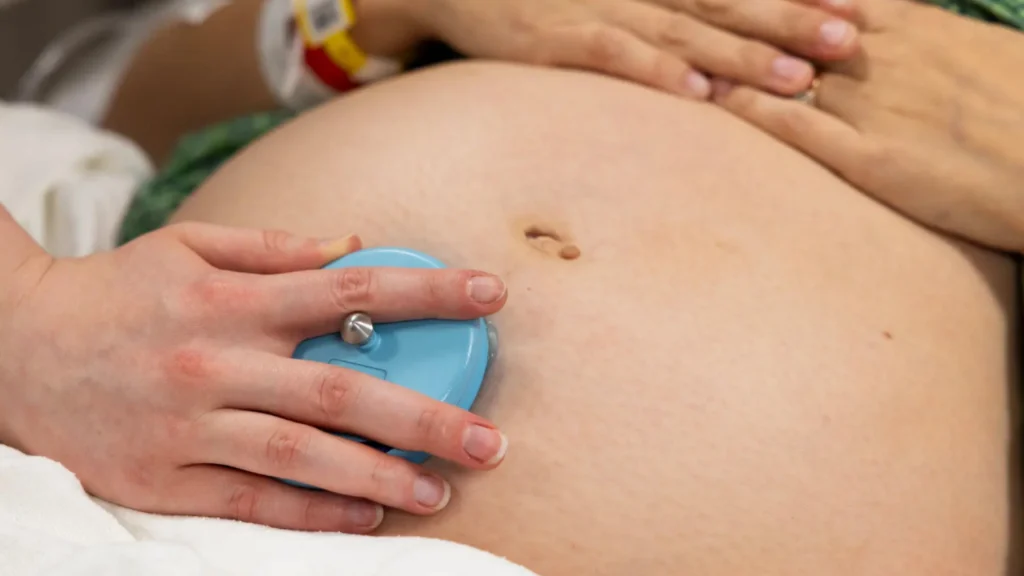
On November 24th, The New York Times published a significant report titled, “These Hospitals Figured Out How to Slash C-Section Rates.” The article examined the persistent trend of rising cesarean section rates across the United States and highlighted the transformative experience of a hospital in New York that has successfully bucked the national trend, significantly lowering its surgical intervention rate in recent years. Among the strategies employed by Rochester General Hospital, the report explicitly cited the integration of the Spinning Babies® approach—a physiology-centered framework—as a key component of their success. In the wake of this national conversation, the Spinning Babies® team has offered a reflection on the themes raised by the report, exploring how the shift toward physiologic care is fundamentally changing the landscape of modern obstetrics.
A Shift Toward Patience and Physiologic Care
The success story at Rochester General Hospital serves as a compelling case study for medical facilities grappling with high surgical intervention rates. Welcoming approximately 1,800 births annually, the hospital once mirrored the national trend of high cesarean rates, particularly among healthy, first-time parents. Over a period of dedicated cultural and clinical adjustment, those numbers fell dramatically. Crucially, the catalyst for this change was not the acquisition of expensive new medical technologies or the implementation of complex, invasive interventions. Instead, the turning point was a profound shift in the institutional philosophy regarding how staff viewed the process of birth and, consequently, how they supported birthing families.
The hospital’s transformation emphasized the virtues of patience, the importance of the clinician-patient relationship, and the necessity of thoughtful, non-urgent support during the labor process. By expanding midwifery care and actively encouraging maternal positions that create pelvic space and ease, the facility helped its staff embrace a physiology-first approach. This model requires providers to look beyond the clock and consider how environmental factors—such as institutional time pressure, rigid expectations, and deep-seated beliefs about the “ideal” speed of labor—can inadvertently shape the birthing experience in ways that necessitate surgical intervention. For many parents and birth advocates, these ideas feel less like a radical innovation and more like a return to the understanding that birth unfolds most effectively when families feel respected, supported, and given the time to find their own natural rhythm.
What Influences Rising Cesarean Rates
The New York Times report touched upon a critical, often uncomfortable reality: while medical necessity is a legitimate driver for cesarean birth, many factors influencing the decision to operate are entirely non-medical in nature. The data suggests that a provider’s individual comfort level with the nuances of birth, a pervasive fear of potential complications, the time of day a birth occurs, existing staffing patterns, and even complex institutional payment structures can significantly sway how often surgery is chosen as a primary outcome.
Acknowledging these external influences is not an indictment of cesarean birth itself. As a life-saving medical procedure, the cesarean remains an essential and vital option in modern obstetrics. However, identifying these non-medical variables illustrates that birth is an inherently relational event. It is shaped by the subtle dynamics of the room: how the birthing person feels, the level of trust they have in their providers, and the physical space and movement allowed that enable the body and baby to work in tandem. When the culture of a hospital shifts from one of intervention-based management to one of physiologic support, the reliance on surgical alternatives often naturally declines.
Why This Matters to Families
For years, families and birth workers have consistently reported that when the body finds balance and the pregnant person feels emotionally and physically supported, labor often flows with greater ease. From a physiologic perspective, babies are more likely to navigate the birth canal and move toward more comfortable, optimal positions when they are granted the necessary space and time to do so. The recent reflections shared by parents and clinicians in the Times report echo these long-held observations within the birth community.
Parents interviewed for the piece described how simple comfort measures, freedom of movement, and steady, unwavering emotional support were the primary tools that helped them navigate long labors without the need to rush toward surgical intervention. Nurses and midwives working within the Rochester General model noted that when they were given the professional autonomy to suggest positions that support maternal physiology, they witnessed babies finding their way through the pelvis with much greater facility. The report specifically noted that the hospital incorporated Spinning Babies® education to train nursing staff on these specific positioning strategies, and clinicians reported that these techniques made a tangible difference in their day-to-day birth outcomes. These reflections provide a clear, empirical look at what many have long observed: when physiology is prioritized and care is responsive rather than reactive, labor often unfolds with increased confidence and success.
Balancing Safety and Trust
While the movement toward lower cesarean rates is a positive development, it is essential to maintain a balanced perspective. Some parents do face complex health challenges that render a cesarean birth the safest and most prudent path. Providers who contributed their expertise to the Times article spoke with commendable honesty about the rising number of pregnancies involving underlying health conditions that require highly attentive, specialized care. There is no “one-size-fits-all” approach to birth, and safety must always remain the cornerstone of any clinical practice.
At the same time, the article underscored that a significant portion of cesarean sections are influenced by institutional culture, timing, and expectations rather than absolute medical necessity. This is the arena where a supportive birth culture proves most transformative. When parents feel empowered, when midwifery and nursing services are adequately resourced, and when the institutional policy allows birth to unfold according to the individual’s own timeline, fewer people feel pushed toward surgery. It is a matter of fostering an environment where clinical safety and patient-centered trust can coexist.
A Gentle Takeaway for Families
The reflection offered by the Spinning Babies® team is not intended as a critique of healthcare providers nor as a platform to elevate one specific institution over others. Rather, it is offered as a message of reassurance to expectant parents everywhere. The process of birth is an extension of human physiology, and the body possesses a deep, inherent wisdom. Similarly, the baby has instincts and innate abilities that play a major role in the birthing process. When those caring for a birthing person truly believe in the physiology of birth and support that process with patience, expertise, and skill, it creates a significantly more confident and empowering experience for the entire family.
This national conversation serves as a timely reminder that patients are not passive observers in their own births. Families have the agency to ask questions, explore the various options available to them, and collaborate with their care teams to ensure that their care aligns with their individual needs and the natural physiology of labor. Regardless of the path a birth ultimately takes, every family deserves a sense of partnership, mutual respect, and steady support from the moment they arrive at the hospital until they go home. By fostering a culture that trusts the process of birth, hospitals and families alike can work toward a future where cesarean sections are reserved for when they are truly necessary, and where the birthing experience is defined by dignity and support.
