Paralympic Champion Ezra Frech Delivers Historic, Tear-Jerking Routine on "Dancing With the Stars" Dedicated to His Mother
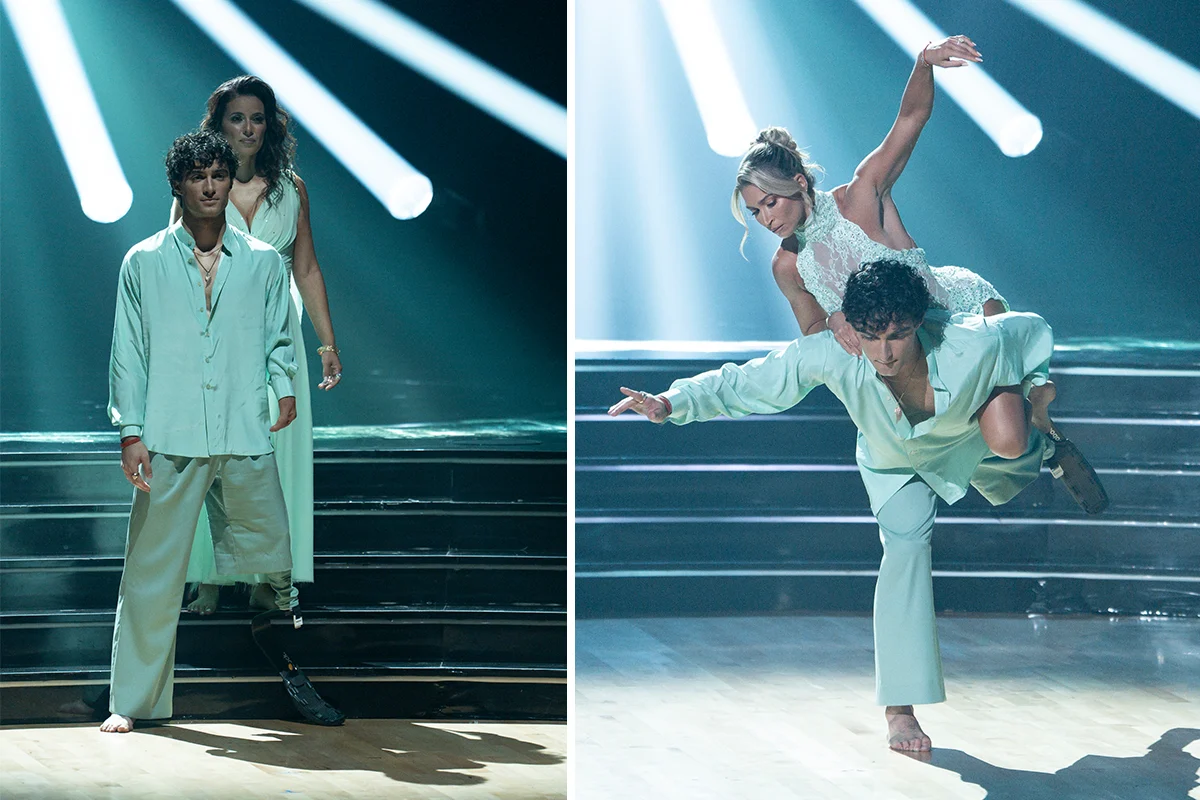
Ezra Frech has already established himself as a formidable force across multiple arenas, balancing a reputation as a Paralympic champion, a passionate disability advocate, and a breakout star on reality competition television. Yet, during a recent episode of "Dancing With the Stars," the 21-year-old athlete displayed an entirely different dimension of his character, putting his deep devotion as a son on full public display and capturing the hearts of both the studio audience and the viewing public at large.
The unforgettable moment took place during the program’s special dedication episode. Alongside his professional dance partner, Daniella Karagach, Frech delivered a deeply emotional contemporary routine designed to honor his mother, acclaimed actress Bahar Soomekh. Ahead of the performance, Frech opened up during rehearsal packages about the immense sacrifices his mother made for his sake during his childhood. He reflected on her career at its peak, noting how she starred in Academy Award-winning films before ultimately stepping away from the Hollywood spotlight entirely to focus on raising him and managing the unique challenges he faced growing up with limb differences.
Frech recalled the difficulties of his early years, describing how strangers would routinely stare, point fingers, and whisper whenever he walked into a room. He credited his mother with working tirelessly to instill unshakeable self-confidence in him from a very young age. Visibly holding back tears during the interview, the young athlete shared that his mother never attempted to hide his prosthetic leg or hand. Instead, she armed him with a powerful daily mantra, teaching him to walk into every single room with his chin held high, his chest pushed out, and an unmistakable presence that let the world know he had arrived.
When it came time to translate that powerful life narrative onto the ballroom floor, Frech truly arrived in spectacular fashion. The performance began with Bahar Soomekh standing right by her son’s side, creating a striking visual metaphor as the two took turns literally and symbolically lifting each other up against the backdrop of Mon Rovüa’s evocative song "Bloodline." Shortly thereafter, Karagach seamlessly stepped in, guiding Frech across the stage through a series of elegant leaps, graceful turns, and impeccably synchronized step sequences that highlighted the intense training and partnership the duo had cultivated over the course of the season.
However, it was the routine’s very first lift that instantly cemented the performance into the history books of the competition series. In a breathtaking maneuver that Frech later confirmed was a first for the long-running show, Karagach executed what is known as a "blade stand." As Frech leaned forward, his professional partner climbed directly up his prosthetic leg and onto his back before he lifted the prosthetic completely off the ground. The routine came full circle as it ended precisely how it had begun, with Bahar returning to the stage to share a powerful, tearful embrace with her son.
The emotional resonance of the performance was immediately felt throughout the entire ballroom. Tears flowed freely among the audience members, the production crew, and the dancers themselves, with Karagach visibly overwhelmed by the profound nature of the story they had just told through movement.
Beyond its emotional weight, the routine demanded extraordinary athleticism, physical endurance, and artistic precision from Frech, qualities that the judging panel was quick to recognize and reward. The judges awarded the pair an impressive score of 37 out of 40 points. Notably, guest judge Kym Johnson handed down the very first perfect 10 score of the entire season to the partnership, propelling Frech and Karagach into second place in the night’s overall leaderboard standings, sitting just one single point behind fellow Team USA athlete and figure skater Amber Glenn, who was competing alongside professional partner Pasha Pashkov.
Following the conclusion of the broadcast, Bahar Soomekh spoke with Entertainment Tonight to share her thoughts on the extraordinary tribute. She described the experience as the absolute honor of her life, noting that while she used to dance with Frech when he was just an infant, getting the opportunity to share the ballroom floor with him as a grown man was profoundly moving. She also offered high praise for Karagach, commending her love, beauty, and choreographic vision for successfully capturing the true essence of their family’s journey.