As the holiday season approaches, households around the world frequently find themselves swept up in an elaborate cycle of preparation. Between coordinating schedules, purchasing gifts, and crafting picture-perfect celebrations, modern parents often carry a mental to-do list that feels as daunting as a trek from Nazareth to Bethlehem. Yet, according to family advocates and parenting educators, the moments that children truly carry into adulthood are rarely the grand, expensive spectacles. Instead, they are the quiet, unassuming fragments of everyday life: frozen yogurt eaten for dinner instead of a home-cooked meal, a handwritten note left on a bathroom mirror, or the single, reliable variety of cookie baked every December.
The core of what children and parents alike desire during the festive season—and indeed throughout the entire year—is not structural perfection or visual glitter, but genuine time spent together. While Christmas and other major holidays naturally invite families to slow down, savor the season, and embrace peace and rest, complex plans for memory-making frequently get in the way. Experts suggest that prioritizing tranquility over expense can fundamentally shift the domestic atmosphere, proving that holiday traditions do not need to be flashy to leave a permanent mark on a growing child.
This dynamic of seeking grandeur while missing small-scale magic often reveals itself in unexpected ways. Parents frequently observe that toddlers bypass expensive toys to play with car keys, sunglasses, or simple packaging. A similar realization struck parents years ago during a visit to a public aquarium in Tacoma, Washington. Anticipating a magnificent display, an adult stood ready by a glass viewing pane, waiting for a massive walrus to glide past. Instead, the young child accompanying them became utterly captivated by a small group of ants on a nearby sidewalk, intently watching one insect carry a crumb larger than itself. The experience underscored a broader truth about human development: the largest, flashiest attraction is rarely the one that sparks true wonder.
Instead, lasting memories are frequently forged in the quietest connections. To explore how these simple moments manifest across different families, parenting networks and community teams often reflect on their own childhoods and parenting journeys. The collective experiences of these families reveal recurring themes that challenge the pressure modern parents put on themselves to orchestrate perfection.
In many cases, the most resonant memories involve parents stepping out of their usual supervisory roles to genuinely participate in play. One family coordinator recalled an Easter season from her youth when her household abandoned traditional individual egg hunts in favor of a competitive team structure. Competing alongside her siblings, her parents raced across the yard to find hidden eggs, filling the afternoon with laughter and allowing the children to see their parents in a playful, relaxed dynamic. Though the event occurred only once, it remains a vivid and cherished point of reference decades later, highlighting the profound impact of parents simply joining in on the fun.
The element of surprise also plays a surprisingly potent role in shaping childhood memory. Rather than relying exclusively on heavily anticipated, scheduled holiday events, spontaneous gestures often leave the deepest impressions. Staff members recall coming home from school to find an unannounced, perfectly matched outfit waiting in a closet, simply because a mother had thought of her daughter during the day. In another instance, children discovered a brand-new basketball hoop waiting in the garage after following a misplaced ball out of the house on Christmas morning. These unprompted acts of kindness, executed without a desire for recognition, demonstrate that the most thoughtful moments often arise completely detached from formal holidays or birthdays.
Similarly, ordinary moments of culinary comfort frequently anchor a child’s understanding of home. When surveyed about their favorite childhood recollections, family members often point directly to food routines. One director of operations discovered that her adult son’s fondest memories of growing up centered entirely around simple food traditions: getting donuts on the very first day of the school year, assembling easy holiday treats like peppermint bark, or baking peanut butter cookies topped with chocolate candies. Coupled with evening drives to view neighborhood lights while listening to music, these accessible, low-stress rituals formed the bedrock of the family’s holiday identity.
For many, the physical location of a celebration matters far less than the shared presence of loved ones. Extended family gatherings that shift from year to year—incorporating impromptu nativity plays, simple meals of chili and cornbread, or quiet moments listening to classical music—prove that stability is found in people rather than places. Children often look back not on where they traveled, but on who sat beside them and the cooperative spirit of the day.
Small daily rhythms further cement these bonds. Morning routines, such as a young child sneaking downstairs to join a parent at the kitchen table for a miniature cup of coffee loaded with cream and sugar, can lay the groundwork for a lifetime of positive associations. When parents take a brief pause from their own routines to make a child feel welcome and included in adult spaces, it communicates a powerful message of being seen and valued. This philosophy extends naturally to manageable family practices, such as dedicating short, consistent intervals to reading aloud together. Maintaining a rhythm of brief, shared reading sessions throughout the week provides a sustainable way to connect across various age groups, including teenagers, without imposing burdensome schedules.
Ultimately, these varied recollections point to a singular conclusion: the small, unpretentious moments of daily life are what stick with children as they grow. Families already possess everything necessary to build meaningful, lasting relationships without needing elaborate productions or commercial perfection. By letting go of exhaustive to-do lists and embracing simplicity, parents can focus on what matters most, trusting that ordinary connections will leave an extraordinary legacy.
For expectant parents, the final months of pregnancy are often characterized by a mixture of profound anticipation and a desire to understand the silent, shifting movements occurring within the womb. To bridge the gap between this mystery and tangible understanding, Gail Tully, the founder of the renowned organization Spinning Babies®, has officially released her latest resource: The Belly Mapping® Method book. This new publication serves as the culmination of two decades of professional practice, clinical observation, and educational advocacy aimed at empowering families through a gentle, tactile approach to understanding fetal positioning.
The launch of this book marks a significant milestone for the Spinning Babies® philosophy, which has long advocated for the importance of physiological alignment in labor and birth. By providing parents with a structured yet intuitive way to track how their baby is situated, Tully’s work aims to transform the often-passive experience of late-stage pregnancy into an active, collaborative journey between the parent, the baby, and their healthcare providers.
The Evolution and Significance of Belly Mapping®
At its core, The Belly Mapping® Method is a gentle, hands-on technique that allows parents to feel for the contours and movements of their baby to determine their position in the womb. While modern medicine relies heavily on ultrasound technology to provide clinical snapshots of fetal orientation, Tully’s method offers a consistent, daily, and intimate alternative. Over the past twenty years, this method has been refined through practical application, with evidence suggesting that when performed correctly, it offers a level of accuracy that aligns with clinical imaging.
The significance of fetal positioning cannot be overstated, particularly as a pregnancy approaches the third trimester. The way a baby is oriented—specifically whether the head is well-flexed and the body is curled—has a direct influence on the biomechanics of labor. When a baby is in an optimal position, the labor process often unfolds with greater ease and efficiency. Conversely, when a baby is positioned in a way that creates friction or resistance, it can lead to longer, more challenging labors.
By teaching parents to identify these positions, the Belly Mapping® Method acts as a tool for proactive comfort. If a baby is found to be in a less-than-ideal position, the knowledge gained allows parents to work alongside their midwives, obstetricians, or doulas to explore movements and positions that might encourage the baby to settle into a more favorable alignment. This transition from being a passive observer to an active participant in birth preparation is a cornerstone of the Spinning Babies® approach, designed to foster confidence and reduce the anxiety often associated with the unknown aspects of labor.
Empowerment Through Education and Connection
The newly released book is more than a technical manual; it is designed to be an accessible, beautifully illustrated resource that families can engage with together. Tully has distilled her years of wisdom into a format that emphasizes not only the functional aspects of fetal positioning but also the emotional benefits of the practice. By spending time each day mapping the baby’s movements—identifying the location of kicks, nudges, and rolls—parents are encouraged to build a deeper, more personal connection with their child before birth even begins.
This focus on bonding is a central theme of the publication. The process of tracking a baby’s position serves as a quiet, mindful ritual that invites parents to slow down and acknowledge the developing life within. It provides a unique opportunity for partners to participate in the pregnancy journey, offering a tangible way to support the birthing person and feel a direct connection to the baby.
The book is structured to guide readers through the process of observation, helping them distinguish between various fetal movements and interpret what those movements signify in terms of orientation. It demystifies the terminology of pregnancy and birth, replacing clinical detachment with a sense of clarity and empowerment. By providing these simple, effective tools, the book ensures that families feel well-equipped to navigate the weeks leading up to birth, regardless of whether their baby is already in a perfect position or requires a bit more room to adjust.
For those who find that they need more personalized guidance, the text serves as a gateway to the broader Spinning Babies® network. The organization maintains a robust community of Certified Parent Educators who can offer one-on-one support, helping families tailor the Belly Mapping® techniques to their specific physical needs and pregnancy circumstances. This layered approach—starting with the self-paced, accessible resource of the book and supported by professional mentorship—ensures that every family has access to the information they need to approach birth with peace of mind.
Integrating Creativity and Safety into Pregnancy
One of the more playful and celebrated aspects of the Belly Mapping® tradition is the inclusion of belly painting. As families learn to identify the various parts of their baby—the back, the limbs, the head—many choose to map these locations visually on the skin. The new book encourages this practice as a way to celebrate the pregnancy journey, offering a creative outlet that reinforces the bond between parent and child.
However, in line with the professional standards of the Spinning Babies® organization, the book also emphasizes the importance of safety and mindfulness when engaging in such activities. The guidance provided on belly painting is rooted in caution regarding the materials used. Because the skin is a porous organ, the book advises parents to be highly selective about what they apply to their bodies.
The recommendations highlight the use of high-quality, non-toxic face paints, water-soluble crayons, or non-toxic markers specifically designed for skin contact. The text serves as a gentle reminder that not all products labeled as "art supplies" are safe for use on the human body, particularly during pregnancy. It warns specifically against inexpensive pigments that may contain hidden heavy metals, such as lead, which are often not disclosed on product packaging. By encouraging parents to verify the safety and ingredients of their chosen materials, the book ensures that the joyful, creative experience of belly painting remains a healthy and secure practice.
A New Chapter for Birth Preparation
The release of The Belly Mapping® Method book comes at a time when many expectant families are seeking more agency in their birth experiences. As the healthcare landscape continues to evolve, the desire for evidence-based, low-intervention, and empowering information remains high. Tully’s work meets this demand by providing a resource that honors the natural physiological process of birth while providing the practical skills necessary to navigate it.
Ultimately, the book is framed as an invitation. It invites parents to step into a space of curiosity and celebration, turning the unknowns of the third trimester into a series of discoveries. By understanding the language of their baby’s movements, families can cultivate an environment of ease and preparation that extends beyond the birth itself. As readers move through the chapters, they are encouraged to view the practice not as a chore or a medical necessity, but as a celebratory ritual of connection.
Whether utilized as a primary tool for birth preparation or as a supplementary resource alongside prenatal care, the book stands as a comprehensive, accessible guide for the modern parent. It bridges the gap between the clinical and the personal, offering a pathway toward a more confident, connected, and joyful birth experience. With its publication, Gail Tully continues her long-standing commitment to the philosophy that when parents are informed, empowered, and connected to their babies, they are better prepared to handle the transformative journey of bringing new life into the world. Families interested in integrating these practices into their own birth preparation are encouraged to explore the resource as they approach their due dates, armed with the tools to listen to, understand, and bond with their babies.
For individuals identified as highly sensitive persons, navigating the daily demands of life requires a deliberate commitment to personal wellbeing, a challenge that becomes profoundly amplified within the context of parenthood. Being a highly sensitive person involves experiencing the full spectrum of human existence with heightened intensity—ranging from profound joys and deep connections to acute distress and sensory overload.
Professionals working within the psychological sector note that this trait operates simultaneously as a remarkable gift and a complex burden. Because sensitive individuals process environmental and emotional stimuli more deeply, everyday experiences resonate with greater vibrancy and weight. While this allows for deep empathy and rich emotional engagement, it also means that the pressures of modern life and family management can lead to rapid emotional and physical exhaustion. Consequently, maintaining emotional equilibrium requires proactive, intentional self-care, a necessity that is particularly acute for parents who must manage their own sensitive nervous systems while simultaneously tending to the demands of raising children.
To understand why intentional wellbeing strategies are so vital, it helps to examine the biological foundations of the trait. Sensitivity, scientifically referred to as sensory processing sensitivity, represents a biologically based temperament trait distributed along a continuum from low to high within the general population. Empirical research, including a landmark study conducted in 2018, indicates that approximately 31 percent of the population exhibits high sensitivity, while 40 percent display moderate sensitivity, and the remaining 29 percent fall into the low sensitivity category.
At a physiological level, individuals with high sensitivity possess a more reactive nervous system. This biological architecture causes them to process sensory information with greater depth, leaving them more susceptible to sensory overstimulation, heightened emotional intensity, profound empathy, and an elevated capacity for noticing subtle environmental details and shifts. Because the brain of a highly sensitive person processes these inputs so thoroughly, the threshold for feeling overwhelmed is reached much more quickly than it is for others. For instance, common environments such as a brightly lit, loud children’s game arcade or a crowded shopping center can trigger complete overstimulation within a matter of minutes.
Crucially, researchers emphasize that high sensitivity is an innate temperament present from birth, reflecting the natural genetic diversity found in human populations. Far from being a psychological disorder, a character flaw, or a personal weakness, high sensitivity is simply a facet of neurodiversity. Furthermore, evolutionary biologists have documented similar neurological variations across more than one hundred non-human animal species, pointing toward a distinct evolutionary survival advantage associated with the trait. Studies consistently demonstrate that when placed in optimal, highly supportive environments rather than harsh, unsupportive ones, highly sensitive children and adults can thrive and frequently outperform their less-sensitive peers across various domains, including social interactions and academic competence.
Achieving this state of flourishing, however, demands that sensitive individuals structure their lives around their specific neurological needs. Mental health professionals specializing in this temperament emphasize the necessity of developing deliberate frameworks for self-nurturing. Designing an effective approach to managing high sensitivity involves addressing several foundational areas of daily life, beginning with the fundamental redistribution of attention and energy within the family unit.
Prioritizing Personal Wellbeing in Parenting
A foundational principle for sensitive parents involves addressing their own baseline needs before attempting to manage the complex emotional landscapes of their children. Because highly sensitive individuals are naturally compassionate and empathetic, they frequently default to placing the needs of others ahead of their own. However, experts point out that sustaining a nurturing family environment requires parents to care for themselves with equal diligence.
This dynamic is frequently compared to standard airline safety briefings instructing passengers to secure their own oxygen masks before assisting dependents. Far from being an act of selfishness, tending to one’s own wellbeing is viewed as a functional necessity; an individual cannot effectively support others when their own emotional and physical reserves are depleted. Investing in personal health and recovery functions as an act of care that ultimately benefits the entire household, reinforcing the principle that sustainable caregiving relies on maintaining one’s own energetic reserves.
To monitor and protect these reserves effectively, many sensitive individuals utilize conceptual tools such as the spoon theory, a metaphor originally developed by Christine Miserandino to describe available physical and mental capacity for daily tasks. In this framework, individual units of energy are represented as spoons, offering a visual method for measuring stamina before depletion occurs. For parents navigating the unpredictable demands of raising children, this model serves as a practical gauge for daily and weekly planning. By evaluating upcoming commitments—such as accepting social invitations or taking on additional professional responsibilities—against their current energetic inventory, sensitive adults can better anticipate overstimulation and protect themselves from burnout.
Alongside energy management, establishing and maintaining firm personal boundaries remains an essential practice for preserving mental health and relational stability. While discussions surrounding boundaries have gained widespread traction in contemporary self-help circles, their application is particularly critical for those with reactive nervous systems. Understanding personal limits and consistently enforcing them allows sensitive individuals to protect their emotional bandwidth. Whether this involves limiting social interactions at professional gatherings to a strictly defined timeframe, protecting scheduled rest days from external social obligations, or taking deliberate, structured breaks from digital devices and social media, boundary-setting acts as a vital shield against chronic stress and anxiety. Reducing exposure to constant digital stimulation offers an immediate pathway to calming an overactive nervous system and lowering overall anxiety levels.
Cultivating Optimal Environments for Sensitivity
Beyond personal boundaries and energy tracking, research underscores the profound impact that physical and social environments exert on highly sensitive people. Because these individuals are biologically wired to be more deeply affected by their surroundings—experiencing both the positive and negative aspects of their environment more acutely—identifying and cultivating optimal conditions is paramount.
Determining what constitutes an optimal environment requires sensitive parents to tune inward and observe how their nervous systems react to various situations, people, and locations. By paying close attention to physiological and emotional cues—recognizing the internal signals that indicate acceptance versus those that signal distress—individuals can make informed choices about where and how they spend their time. Actively steering daily routines toward environments that elicit a positive neurological response helps ensure greater emotional balance and sustained wellbeing over the long term.
As the winter season approaches and communities prepare to celebrate the Festival of Lights, the holiday fashion landscape continues to embrace a particularly cozy and joyful tradition: the Hanukkah sweater. For many families, the eight-night celebration offers an annual opportunity to showcase festive knitwear that blends Jewish pride with maximum warmth. While ugly holiday sweaters were once dominated entirely by Christmas motifs and office party tropes, the cultural footprint of Hanukkah apparel has expanded significantly, offering everything from DIY crafting kits for children to pop-culture collaborations for adults and matching garments for household pets.
Lior Zaltzman, a senior writer at Kveller, notes that the appeal of the Hanukkah sweater spans generations, bringing together kids, pups, and adults who appreciate the intersection of heritage and comfort. Growing up in Israel, Zaltzman did not experience the distinct Christmas party connotations that often accompany tacky holiday knitwear in other parts of the world. Instead, wearing fashionable holiday sweaters became a beloved multi-day celebration of identity and coziness, embraced year after year.
The phenomenon has grown well beyond basic blue-and-white pullovers featuring simple dreidel prints. Today’s market reflects a playful approach to Jewish culture, incorporating clever puns, television nostalgia, and high-profile brand collaborations that appeal to both longtime holiday traditionalists and contemporary pop-culture enthusiasts.
Kids’ Sweaters and Creative DIY Projects
Engaging younger generations in holiday traditions often starts with interactive and playful clothing. For children, the options range from ready-to-wear seasonal sweatshirts to creative projects that allow kids to personalize their own holiday wardrobe. Among the standout choices for younger celebrants is the "Llamakkah" DIY sweater kit available on Etsy. This crafting project provides a plain sweater base alongside materials to construct a llama-themed Hanukkah garment, offering an engaging holiday activity that culminates in a wearable piece of festive art.
The emphasis on youth apparel reflects a broader trend of making Hanukkah accessible, humorous, and visually engaging for children. By turning apparel into an activity, families can incorporate arts and crafts into their holiday preparations, bridging the gap between traditional storytelling and modern festive expression.
Adult Sweaters, Vests, and Pop Culture Nostalgia
When it comes to adult fashion during the Festival of Lights, humor and nostalgia often take center stage. The adult market has increasingly embraced tongue-in-cheek designs that playfully acknowledge the quirks of mass-produced holiday merchandise. One such item drawing attention is the "Happy Challah Days" Hanukkah vest. Featuring a lighthearted holiday pun and dreidels with letters arranged in unconventional orders, the vest offers a unique alternative to traditional long-sleeved pullovers, appealing to those who appreciate vintage-style holiday apparel and the rare appearance of seasonal vests in the modern market.
Television nostalgia also plays a prominent role in contemporary holiday fashion. Given the cultural impact of classic holiday television specials, items like the "Rugrats" Hanukkah sweater tap into fond childhood memories. Inspired by the beloved animated special "A Rugrats Chanukah," the sweater connects generations who grew up watching Tommy, Chuckie, and friends celebrate the holiday on screen, cementing its place as a staple of modern festive knitwear.
In addition to nostalgic television references, major brands have begun entering the Jewish holiday fashion space with notable crossovers. Mattel’s introduction of the Barbie Hanukkah Blue Ugly Sweater allows fans of the recently launched Hanukkah Barbie doll to coordinate outfits with the popular toy. Designed for collectors, children, and adults alike, the matching knitwear highlights the growing mainstream visibility of Hanukkah traditions in contemporary retail spaces.
Hanukkah Pet Sweaters
As the holiday season becomes an inclusive celebration for the entire household, pets have not been left out of the seasonal wardrobe rotation. The market for animal apparel has expanded to include specialized garments designed to keep dogs warm and festive throughout the eight nights. While traditional holiday imagery has historically focused on human gatherings, the inclusion of canine-friendly sweaters ensures that pets can participate in family photos, holiday card sessions, and neighborhood walks while displaying their own share of blue-and-white seasonal spirit.
The enduring popularity of Hanukkah knitwear underscores a shift in how families celebrate the winter season. By blending comfort, humor, representation, and a touch of nostalgia, these garments have transformed from niche novelty items into a beloved fixture of modern Jewish holiday culture.
The 2026 midterm elections have officially drawn to a close, marking a chapter of intense mobilization, historic victories, and profound reflections on the nature of American democracy. Across the country, citizens engaged deeply in the electoral process. Millions cast their ballots, contributed financial support to various campaigns, and dedicated countless hours to grassroots organizing. From knocking on doors and making phone calls to driving neighbors to polling places and serving as election day volunteers, the American public demonstrated a remarkable commitment to civic participation. Yet, as political analysts and community leaders emphasize, the conclusion of voting does not signal a time to rest. Instead, it marks the beginning of a critical phase of governance and accountability.
A Historic Milestone: The First Muslim in the United States Senate
Among the most significant developments of the 2026 midterms is the election of Dr. Abdul El-Sayed of Michigan to the United States Senate, making him the first Muslim ever elected to the chamber. Dr. El-Sayed’s victory represents a watershed moment in American political history, achieved despite formidable financial and political hurdles.
Throughout the campaign, substantial resources were deployed in an effort to defeat him. The Israeli lobby AIPAC and various corporate-backed political action committees poured tens of millions of dollars into opposition efforts, accompanied by a wave of Islamophobic rhetoric from prominent political figures, including presidential and vice-presidential voices. Despite this coordinated opposition, Michigan voters chose to look past the financial saturation and fear-mongering campaigns, instead evaluating Dr. El-Sayed on his record and his platform.
This outcome highlights the underlying fairness of everyday American voters, who ultimately rejected appeals to bigotry and division. It serves as a powerful reminder that hate does not have the final say in the United States when ordinary citizens mobilize and make their voices heard. Alongside this senatorial milestone, communities across the nation celebrated the election of numerous candidates to school boards, city councils, state legislatures, and other congressional seats.
To Those Who Lost: Today’s Loser Can Be Tomorrow’s Winner
While the spotlight often shines brightest on the victors, the 2026 midterms also involved numerous candidates and campaigns that fell short of victory. For every contender who lost and every volunteer who dedicated their time and energy to those efforts, political veterans emphasize that the work was far from wasted.
History provides ample precedent for resilience in public service. Dr. El-Sayed himself faced a defeat in his 2018 bid for Michigan governor, only to return eight years later to secure a seat in the U.S. Senate. Similarly, Abraham Lincoln famously endured multiple electoral defeats, including two races for the Senate, before ultimately being elected president.
Every political campaign serves as a foundational building block. It establishes a network of supporters, trains dedicated volunteers, elevates pressing issues that may have previously been overlooked, and introduces candidates to an electorate that will remember them in future cycles. Community leaders advise unsuccessful campaigns to maintain their contact lists, stay connected with the individuals they met along the way, and continue their ongoing service to the community.
Why the Work Continues Beyond Election Day
Political participation does not conclude when the polls close; rather, Election Day functions as the starting line for governance. The officials who were recently elected will immediately begin making consequential decisions affecting local schools, civil rights, neighborhoods, and economic policy. Furthermore, these leaders will determine how public tax dollars are allocated, influencing whether government resources are directed toward international conflicts or humanitarian needs. Treating a vote as a one-time event without subsequent engagement is akin to planting a seed and neglecting to water it.
The landscape of American public life has shifted significantly, with Muslim Americans stepping away from the margins and into central roles in civic leadership. Prior to the 2026 midterms, a directory compiled by the Council on American-Islamic Relations (CAIR) identified a record 255 Muslim elected officials nationwide, alongside a record-breaking number of Muslim candidates on the ballot. However, community advocates stress that true representation extends beyond seeing individuals of a specific faith hold office. It requires all elected officials, regardless of their party or religious background, to genuinely know, trust, and honor the commitments they made to their diverse constituents. Maintaining these relationships requires ongoing dialogue, prayer, critical reflection, and active engagement.
Reflecting on Public Trust and Civic Responsibility
In the wake of the elections, community reflections emphasize gratitude and accountability. Traditional teachings and scriptural reminders often anchor these discussions, noting that appreciation for blessings—including the ability to participate in civic life—serves as the foundation for future progress. Public office is viewed not merely as a career, but as a profound trust placed in the hands of elected officials by the public. Similarly, the act of casting a ballot is understood as a trust that requires diligent follow-up to ensure accountability.
Scholars and community spokespersons frequently point out that offering sincere advice and constructive feedback to those in authority is a vital component of civic and ethical responsibility. Rather than representing an interference in politics, engaging with leadership is seen as an essential element of public stewardship. Furthermore, community relationships with elected officials must remain principled and transparent, focused consistently on the public good rather than the acquisition of private favors.
As the nation transitions from the campaigns of 2026 to the realities of governance, citizens of all backgrounds are encouraged to sustain their involvement. Whether through ongoing dialogue with local representatives, participation in school board meetings, or collaborative efforts with neighbors of diverse faiths, the collective focus remains on fostering justice, mercy, and wisdom in public affairs. Observers note that the true measure of an election’s success is found not just in who wins, but in how effectively communities hold their leaders accountable in the months and years that follow.
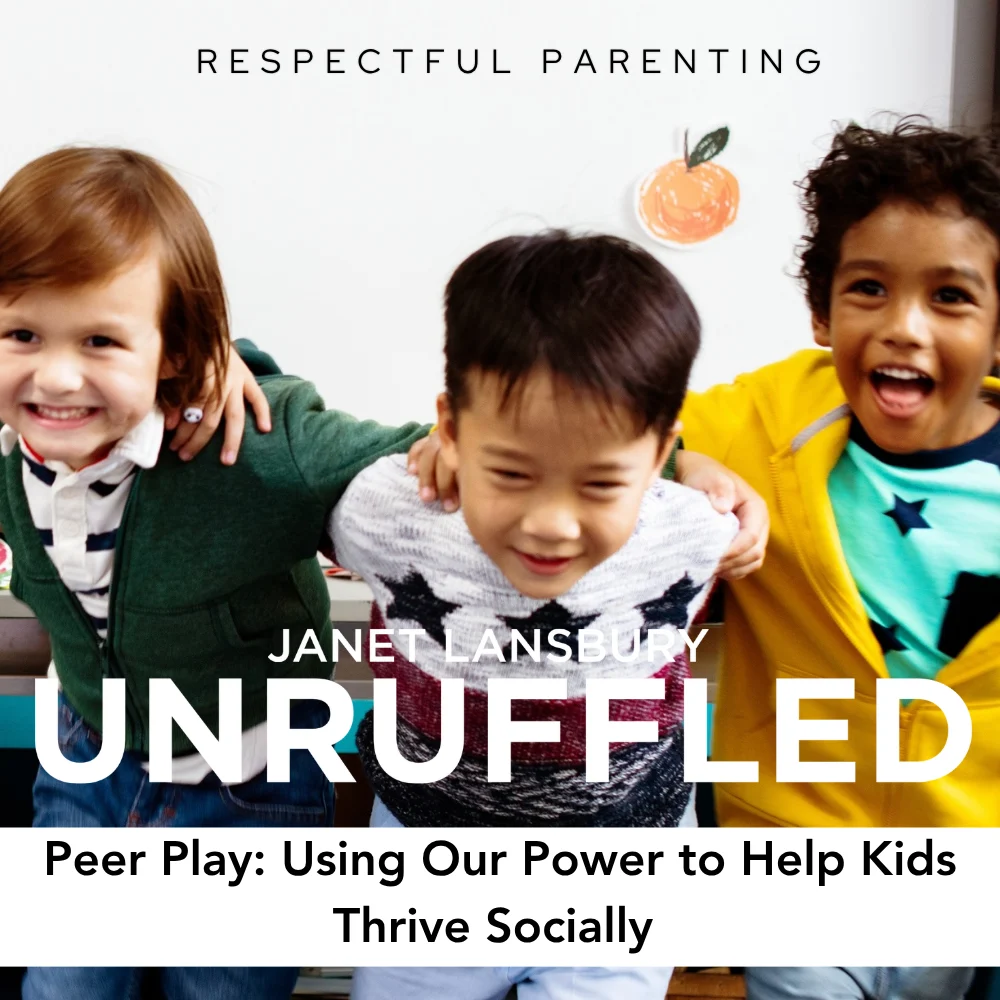
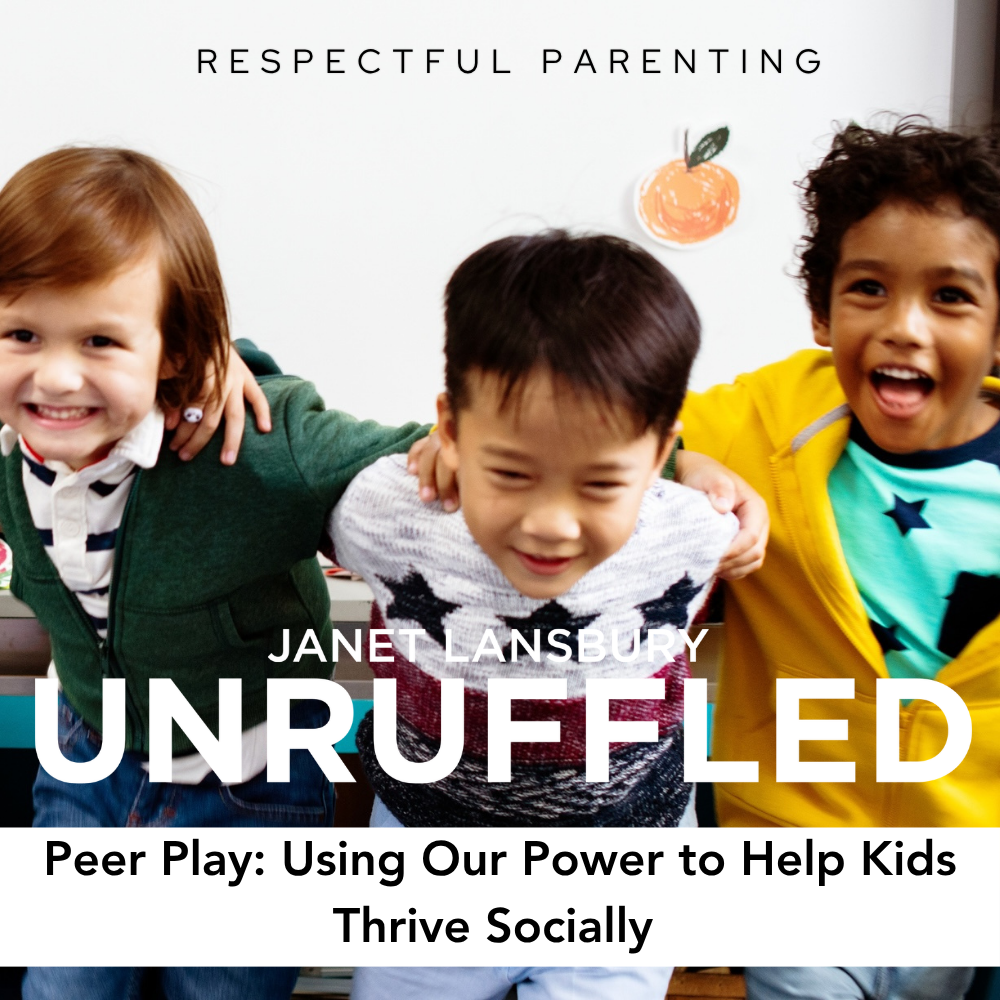
Renowned parenting expert and author Janet Lansbury recently turned her focus toward the intricate and often frustrating social hurdles young children face, examining how parents can unintentionally exacerbate or alleviate these dynamics. In an episode of her parenting podcast, Unruffled, Lansbury addressed three distinct reader-submitted dilemmas involving preschoolers: a four-year-old demanding rigid script adherence during pretend play, a four-and-a-half-year-old experiencing group exclusion at a playground, and a reserved three-year-old struggling to feel comfortable around others.
Rather than offering quick fixes or surface-level behavioral interventions, Lansbury emphasized that parents wield significant power in shaping their children’s social development, not merely through direct modeling, but through the establishment of healthy personal boundaries and the vital practice of trusting a child’s individual developmental process.
The discussion opened with a detailed look at a submission titled "Help! Pretend play disaster." A parent wrote in describing a four-year-old child who immerses herself in character play for a substantial portion of the day. While the mother appreciated the child’s rich imagination—fueled by books, podcasts, and audio stories—she expressed exasperation over the girl’s strict demands during pretend play. The child constantly dictates dialogue, assigning specific lines and actions to participants, and reacts with anger or tears if anyone deviates even slightly from her script.
According to the parent, this rigid behavior has spilled over into interactions with longtime peers and neighbors. Despite attempts to explain that the dynamic is not fun for others, and despite a year of allowing the situation to play out naturally in hopes that rejection by peers would alter the behavior, the pattern has persisted. The mother questioned whether she was failing to see a deeper issue, noting the dynamic began before the birth of her second child, now one year old.
Analyzing the situation, Lansbury suggested that the root of the problem often lies in the relationship between the child and her parents. When children make unreasonable, escalating demands during play, it frequently signals that they are seeking a solid, reasonable boundary from the adults in their lives. Lansbury explained that well-meaning parents attempting to respect and encourage their children can inadvertently hand over too much control, striving endlessly to please them.
Instead of treating play as a mandatory parental duty or striving to meet impossible theatrical demands, Lansbury argued that adults should step back, decline to participate in rigid scripts, and allow children to experience frustration and disappointment. By setting reasonable boundaries, parents provide a healthy model for relationships, demonstrating that other people do not simply bend to one’s every command. Furthermore, Lansbury noted that these intense demands and subsequent emotional outbursts often serve as a safe outlet for children to release underlying tension, stress, or the complex feelings associated with growing up and navigating family changes, such as sibling rivalry.
The second scenario examined by Lansbury focused on group dynamics and the label of bullying. Another parent wrote to ask how respectful parenting approaches bullying and unkind social dynamics, describing a situation where her four-and-a-half-year-old daughter was regularly excluded or cast as a "monster" and avoided by a group of older peers at the playground. While the child maintained positive one-on-one friendships with these girls, she struggled significantly within the broader group setting. The parent noted that the other children were a year ahead in preschool, resulting in a noticeable gap in social-emotional development.
While some parents in the friend group had begun intervening—with one father stepping in to demand that the older girls include the younger child—the submitting parent questioned whether such interventions aligned with respectful parenting principles, or if she should simply seek out different play environments entirely.
Lansbury cautioned against immediately categorizing typical preschool exclusion as bullying, arguing that the term is often misapplied to young children and casts the child unnecessarily in the role of a victim. She highlighted the developmental age gap as a major factor, explaining that children a year apart in preschool often operate on entirely different social wavelengths, making seamless group play unlikely.
Rather than viewing the exclusion as a problem that requires adult fixing—such as a parent forcing other children to play—Lansbury advocated for trusting the child’s process. She suggested that parents should prepare their children with realistic expectations about group dynamics, allowing them to choose whether to approach the group while fully accepting that it might not work out. Rejection and exclusion, while uncomfortable, serve as critical life experiences from which children learn what works and what does not work in social interactions. Interventions by adults to force inclusion, while well-intentioned, ultimately deprive children of the opportunity to navigate these social realities on their own terms.
The final scenario addressed a brief inquiry submitted via social media regarding a reserved three-year-old struggling to feel comfortable around other people. Lansbury underscored that the guiding principle for handling introverted or cautious behavior remains the same: trust.
According to Lansbury, parents must avoid pushing, coaxing, or managing their child’s comfort level as if it were a defect that needs correcting. When children sense that their parents are anxious for them to socialize, it often increases their hesitation. Instead, adults should remain a calm, steady presence, establishing boundaries regarding their own space while trusting children to engage with the social world entirely at their own pace and on their own timetable.
Concluding her analysis across all three situations, Lansbury reiterated that while parenting a socially struggling child can trigger a strong urge to fix the problem, true help comes from self-awareness, appropriate personal boundaries, and patience. By shifting focus inward to examine how boundaries and trust operate within the parent-child relationship, caregivers can offer meaningful support without overriding the natural, experiential learning process essential to childhood development.
Rather than relying on last-minute convenience purchases, the curated selection emphasizes items that men will genuinely use and appreciate in their daily lives. The approach prioritizes high-grade, durable goods that help reduce consumer waste and keep unnecessary items out of landfills, aligning holiday traditions with broader eco-friendly and natural living standards. While homemade and DIY gifts hold a special place during the holiday season, certain specialty items—such as portable water filtration systems or specialized wellness technology—require professional manufacturing. Consequently, this comprehensive gift resource spans more than 45 distinct items divided into logical categories, ranging from culinary equipment and outdoor gear to skincare, fitness accessories, and sentimental keepsakes.
The food and drink category specifically targets culinary enthusiasts, ranging from amateur grill masters to everyday food lovers. These selections focus on enhancing the kitchen or outdoor cooking experience with durable tools and provisions that elevate home cooking. In parallel, the wellness section introduces products geared toward overall health and daily vitality, acknowledging a growing interest among men in maintaining physical well-being through targeted lifestyle upgrades.
For men who lean toward adventure, the outdoors and travel category provides equipment tailored for camping, hiking, traveling, or simply relaxing on a back porch. These durable, travel-ready selections emphasize rugged functionality and reliability for those who spend significant time outside. Meanwhile, the skincare category addresses a demographic that traditionally overlooks personal care routines, introducing streamlined, high-quality products that easily integrate into a simplified daily regimen.
Fitness and physical recovery form another major pillar of the collection, offering gear designed for active workouts, daily movement, and post-exercise muscle relaxation. For those seeking a more personal touch, the sentimental category highlights heartfelt, meaningful presents intended to express appreciation and affection. Additionally, a "just because" category captures unique items that defy traditional classification but remain practical and engaging choices for holiday giving.
Completing the seasonal collection, a dedicated selection of stocking stuffers offers smaller, thoughtful items that avoid the impersonal nature of standard plastic novelties. By emphasizing longevity, utility, and mindful consumption, this comprehensive gift guide provides a practical blueprint for holiday shopping, ensuring that every present serves a genuine purpose long after the holiday season has passed. Observers and holiday shoppers alike are encouraged to share their own most successful gift ideas and traditions as the seasonal shopping period unfolds.
The story of how these two creative minds first crossed paths, detailed in a recent feature by GQ magazine titled "Panda Bear’s Long Road Home," sheds light on the formative environments that can nurture lifelong artistic partnerships. Long before the global tours, critical acclaim, and decades of boundary-pushing albums that would eventually define their careers as Panda Bear and Deakin, Lennox and Dibb were navigating the unique educational ecosystem of a school dedicated to fostering early imagination, individuality, and uninhibited artistic exploration.
The Waldorf School of Baltimore provided a distinct backdrop for their childhoods, prioritizing creative expression over rigid, conventional academic structures. For Lennox, the memories of those early years remain vivid, anchored in a daily routine that blurred the lines between academics and artistic mediums. Reflecting on his time at the institution, Lennox described an atmosphere where creative outlets were woven into the very fabric of the curriculum. There was a continuous flow of drawing, painting, and music throughout the day. He also recalled unique pedagogical elements characteristic of the Waldorf philosophy, such as eurhythmy—a movement art created by Rudolf Steiner—noting that the educational approach successfully allowed children to remain comfortably immersed in a dream world of imagination for as long as possible.
This imaginative sanctuary served as the crucible for a friendship that would eventually alter the trajectory of underground and independent music. According to the reporting in GQ, Josh Dibb’s entry into this world happened at the conclusion of second grade. Up until that point, Dibb had been homeschooled, making the transition into a traditional yet unconventional school environment a significant milestone in his young life. It was within those halls that he encountered Lennox, setting the stage for a creative bond that has endured across decades of personal and professional evolution.
Looking back on their initial meeting, Dibb vividly remembers the impression his future bandmate and lifelong collaborator left on him. Lennox struck him as someone truly special—acknowledging that while "special" can sometimes be a generic descriptor, Lennox undeniably possessed a constellation of attractive qualities that set him apart. Dibb recalled that Lennox was naturally athletic, exceptionally smart, and already exhibiting early evidence of a distinct creative spark. While Lennox was gifted at virtually anything physical, Dibb humorously admitted that he felt he had "two left feet" by comparison, highlighting the contrasting yet complementary personalities that would eventually translate into a dynamic musical partnership.
The narrative of Panda Bear and Deakin is, at its core, a story about the enduring power of friendship, the willingness to take profound artistic risks, and the development of a shared creative language that manages to withstand the test of time. In an industry where musical collaborations often burn out quickly under the pressures of touring, creative friction, and shifting personal priorities, the longevity of the connection between Lennox and Dibb stands out as a testament to foundations laid in their earliest years.
For the broader community of Waldorf educators, current parents, and alumni, the trajectory of these two musicians serves as a compelling and resonant reminder of how the intangible seeds planted during early childhood education can ultimately shape lifelong paths. While few schoolyard friendships culminate in the formation of an internationally influential band like Animal Collective, the story highlights the profound impact that nurturing environments can have on young minds, giving them the confidence and space to explore unorthodox paths. As detailed in the GQ feature, the journey from the classrooms of the Waldorf School of Baltimore to the global stages of experimental pop is a long and winding road, but one whose earliest milestones remain firmly rooted in the shared imagination of two childhood classmates.
Thanksgiving, Advent, and Christmas traditions provide homeschooling families with a meaningful way to pass faith, wonder, and the narrative of God’s faithfulness down to the next generation. Drawing parallels to biblical accounts, such as when Israel crossed the Jordan River and God instructed Joshua to stack twelve stones by the riverbank so future generations would inquire about their meaning, modern family rituals serve a similar educational and spiritual purpose. A candle lit each Sunday of Advent, a Psalm read before a Thanksgiving meal, or a symbolic ornament hung on a small tree each December evening invite children to ask foundational questions and parents to provide historical and theological answers.
Amid the seasonal rush of pie crusts, travel itineraries, and holiday concerts, the traditions that endure are typically the simplest ones. The English word "tradition" originates from the Latin traditio, meaning "a handing over," and every household possesses heritage worth imparting. Incorporating structured Thanksgiving observances, Advent practices, and chronological teaching tools like the Jesse Tree allows families to establish lasting markers of memory for their children.
Establishing Meaningful Thanksgiving Traditions
Thanksgiving falls annually on the fourth Thursday in November, tracing its national roots back to 1789 when George Washington proclaimed the first national day of thanksgiving under the new Constitution. For classical and homeschooling families, Thanksgiving activities often draw on classical, Christian, and community pillars, utilizing repetition to transform simple holiday events into enduring family traditions.
Among these practices is the Ebenezer gratitude jar, inspired by the biblical account where Samuel set up a stone named Ebenezer to signify divine help. Families can use smooth stones and paint pens during Thanksgiving to record how God helped them throughout the year, adding them to a glass jar that accumulates a chronological record of faithfulness over time. Similarly, reciting short scriptural passages like Psalm 100 before the holiday meal allows children of varying ages to participate through choral recitation and memorization.
Families also incorporate historical literacy by reading aloud presidential proclamations from leaders like George Washington in 1789 or Abraham Lincoln in 1863, the latter written during the height of the Civil War. Older students engage in critical analysis and dialectic discussions at the dinner table using these primary sources. Literature further enriches the holiday, with curated historical stories and seasonal poetry—such as John Greenleaf Whittier’s poem "The Pumpkin"—read aloud by candlelight. Furthermore, extending hospitality by setting an extra place at the table for a neighbor, widow, or college student far from home teaches children the biblical call to hospitality. Writing an annual collaborative family thankful letter in a dedicated notebook creates a primary source document for future generations.
The Significance of Advent and Christmas
Advent marks the four-week preparatory season leading up to Christmas, originating from the Latin word adventus, meaning "coming" or "arrival." Beginning on the fourth Sunday before Christmas, the season encourages a dual perspective: looking backward to Christ’s historical incarnation in Bethlehem and forward to His promised future return. It also fosters the spiritual discipline of waiting, mirroring Israel’s centuries-long anticipation of the Messiah through weekly candles, readings, and carols.
Families translate this sense of gratitude and anticipation into December through structured Christmas traditions. The Jesse Tree traces biblical history from Creation to the manger using daily readings and ornaments. An Advent wreath, featuring four peripheral candles and an optional central Christ candle, allows families to mark the growing light of Christ week by week through prophetic readings from Isaiah. On Christmas Eve, families traditionally read Luke 2 aloud, with children reciting memorized passages ranging from the angelic announcements to the prologue of the Gospel of John.
Historical hymnody plays a vital role in the season, with families studying carols like "O Come, O Come, Emmanuel" and "Joy to the World" alongside their scriptural and theological origins. Service projects, such as marking St. Nicholas Day on December 6 by meeting local needs or packing shoeboxes for charitable organizations, put Christian faith into action. Additionally, reading seasonal literature—such as L. M. Montgomery’s "Christmas at Red Butte" or Clement Clarke Moore’s "A Visit from St. Nicholas"—provides children with narratives centered on sacrifice, generosity, and historical continuity.
Connecting the Jesse Tree to Historical Timelines
The Jesse Tree tradition aligns naturally with historical chronologies, specifically matching the early weeks of foundational history curricula. Drawing its name from Isaiah 11:1—which speaks of a shoot coming forth from the stump of Jesse, the father of King David—the tradition utilizes daily symbols and scriptures to trace the lineage of Jesus from Creation through the Old Testament prophets.
As families hang ornaments representing figures like Noah, Abraham, and King David, they integrate historical timeline events. Connections naturally emerge when reading accounts like the Christmas narrative in Luke 2, which references the decree of Caesar Augustus and the Pax Romana. Older students can extend these studies by researching historical gaps in traditional Jesse Tree ornaments, designing their own symbols for events like the fall of Israel to Assyria or the rebuilding of the temple, and presenting these historical narratives to their families.
By selecting a few sustainable traditions that teach, worship, and gather communities together, homeschooling parents can successfully anchor their holiday seasons in historical depth and spiritual continuity.
In an era defined by relentless digital connectivity, demanding professional environments, and complex personal responsibilities, daily stress has become a ubiquitous part of the human experience. Whether individuals are confronting sudden professional pressures, managing unexpected family obligations, or navigating personal crises, the accumulation of daily friction frequently manifests as physical tension and mental exhaustion.
When stress builds up and modern life feels overwhelmingly difficult, people often forget one of the most accessible and powerful tools available to them: the breath. According to health and wellness experts, slowing down to focus intentionally on respiration offers a straightforward, scientifically grounded method to interrupt the cycle of stress, calm the physical body, and restore a sense of personal control.
Breathing exercises provide immediate, portable tools to manage acute stress, ease chronic anxiety, and even regulate mood. These techniques require no specialized equipment, take very little time to learn, and can be practiced seamlessly across diverse environments. Whether an individual is sitting in congested traffic, preparing for sleep, or grabbing a brief operational pause during a hectic workday, targeted breathwork serves as a reliable anchor for mental stability.
To better understand how these practices function and how individuals can integrate them into their routines, wellness specialists have outlined ten distinct breathing exercises, detailing their structural mechanics and primary applications for everyday health.
Understanding Breathing Exercises and Their Physiological Impact
At their core, breathing exercises are deliberate techniques designed to help individuals regain control over their autonomic respiratory patterns. During periods of high stress or acute anxiety, natural breathing typically accelerates, becoming shallow and rapid. This physiological shift often triggers a feedback loop that intensifies feelings of panic, signaling the nervous system that the body is under threat.
Implementing focused, slow breathing interrupts this cycle, engaging the parasympathetic nervous system to naturally lower the heart rate and calm both body and mind. While a variety of techniques exist, each approach utilizes a unique structural pattern tailored to specific objectives. Some methods prioritize the rapid reduction of anxiety, while others focus on enhancing cognitive concentration, easing musculoskeletal tension, or preparing the body for restorative sleep.
Rather than serving as a cure-all for complex external problems—such as completing professional projects or managing personal administrative burdens—these techniques act as foundational support mechanisms for overall physical and mental resilience. Incorporating them into daily routines helps keep chronic stress at bay, facilitates better sleep hygiene, and maintains steady cognitive focus throughout demanding schedules.
Ten Core Breathing Techniques for Stress Management and Health
When daily responsibilities multiply, having a diverse repertoire of breathing exercises ensures that individuals can select the most appropriate method for their immediate circumstances. Familiarity with multiple techniques allows people to effectively navigate varying degrees of stress, fatigue, or sleep disruption.
Deep belly breathing stands as one of the most foundational and effective methods for calming the nervous system. Particularly useful for relieving stress, promoting a sense of grounding, or preparing for sleep, the technique involves finding a comfortable seated or lying position and placing one hand on the abdomen. Practitioners inhale deeply through the nose, allowing the stomach to rise as the lungs fill, pause briefly, and then slowly exhale through the mouth while observing the abdomen fall. This rhythmic pattern encourages deep relaxation.
Diaphragmatic breathing shares similarities with belly breathing but places a primary emphasis on strengthening the diaphragm and optimizing oxygen intake. This approach is frequently utilized by individuals managing respiratory concerns or seeking to alleviate persistent physical tension. By placing one hand on the chest and the other just below the ribs, practitioners breathe in deeply through the nose, directing the movement primarily to the diaphragm so that the stomach rises while the chest remains relatively still. A slow exhale through pursed lips completes the cycle.
Box breathing, also recognized as square breathing, is widely favored by individuals who require effective stress management while on the move. By balancing oxygen levels and slowing the heart rate, box breathing swiftly transitions the body into a state of composure during high-pressure scenarios. Practitioners visualize a square, inhaling for a count of four along one side, holding the breath for four along the top, exhaling for four down the opposite side, and pausing for a final count of four to complete the perimeter.
The four-seven-eight breathing technique is explicitly engineered to calm the nervous system and mitigate anxiety, making it a popular choice for evening wind-down routines. The practice requires inhaling quietly through the nose for a count of four, holding the breath for a count of seven, and exhaling completely and audibly through the mouth for a count of eight. Repeating this sequence several times facilitates a smooth transition into rest.
Alternate nostril breathing, known in traditional practices as Nadi Shodhana, focuses on balancing energy, reducing stress, and sharpening mental clarity. It serves as an effective reset when individuals feel mentally or physically depleted. While seated comfortably, practitioners use the right thumb to gently close the right nostril, inhaling deeply through the left. They then close the left nostril with the ring finger, release the right, and exhale fully. The sequence reverses to complete the alternating pattern.
Pursed lip breathing is another technique that enhances airflow to the lungs, proving beneficial for those experiencing respiratory strain or shortness of breath. By inhaling through the nose for a shorter duration and exhaling slowly and gently through pursed lips—mimicking the action of blowing out a candle—practitioners create gentle airway resistance that regulates breathing rhythm.
Lion’s breath offers an energizing release of physical tension, particularly around the face, jaw, and throat, while helping to dispel mental fatigue. The practice involves taking a deep inhalation through the nose, followed by a wide opening of the mouth, an extension of the tongue, and a forceful, audible exhale accompanied by a clear sound. This expressive release helps reset mood and alertness during sluggish moments.
Resonant breathing, or coherent breathing, targets heart rate variability—an important marker of the body’s physiological resilience and stress recovery capacity. By maintaining a slow, steady rhythm of equal-length inhalations and exhalations, typically lasting five seconds each, practitioners achieve an optimized breathing rate of approximately six breaths per minute, supporting long-term stress regulation.
Humming bee breath, or Bhramari, utilizes auditory vibration to soothe frustration and nervous tension. Practitioners sit comfortably, close their eyes, take a deep inhalation, and produce a gentle, steady humming sound on the exhale. Focusing inward on the vibrations generated within the head and face helps quiet racing thoughts, making it particularly useful before sleep or during high-stress episodes.
Breath counting provides a direct mindfulness anchor designed to draw wandering attention into the present moment. By mentally noting numbers sequentially with each inhalation or exhalation—counting from one up to ten before restarting—individuals can quiet mental chatter, alleviate stress, and cultivate sustained concentration.
Practical Considerations and Long-Term Integration
Health professionals emphasize that consistency is the primary determinant of success when utilizing breathing exercises. Establishing a daily practice, even if restricted to a few minutes, helps individuals build emotional resilience and prepares the nervous system to handle unexpected stressors more effectively. Morning sessions can establish a grounded tone for the day ahead, whereas evening practices facilitate the necessary physiological unwinding required for deep sleep.
While these techniques offer profound benefits for managing everyday stress, mitigating anxiety, and supporting physical endurance by optimizing oxygen utilization, experts note that they function best as part of comprehensive self-care routines. Organizations such as the Calm application continue to provide accessible digital resources and guided programs to help individuals integrate these foundational wellness practices into their daily lives, making mental health support readily available whenever and wherever it is needed.