Parenting Expert Janet Lansbury Addresses Common Childhood Social Struggles and Parental Influence
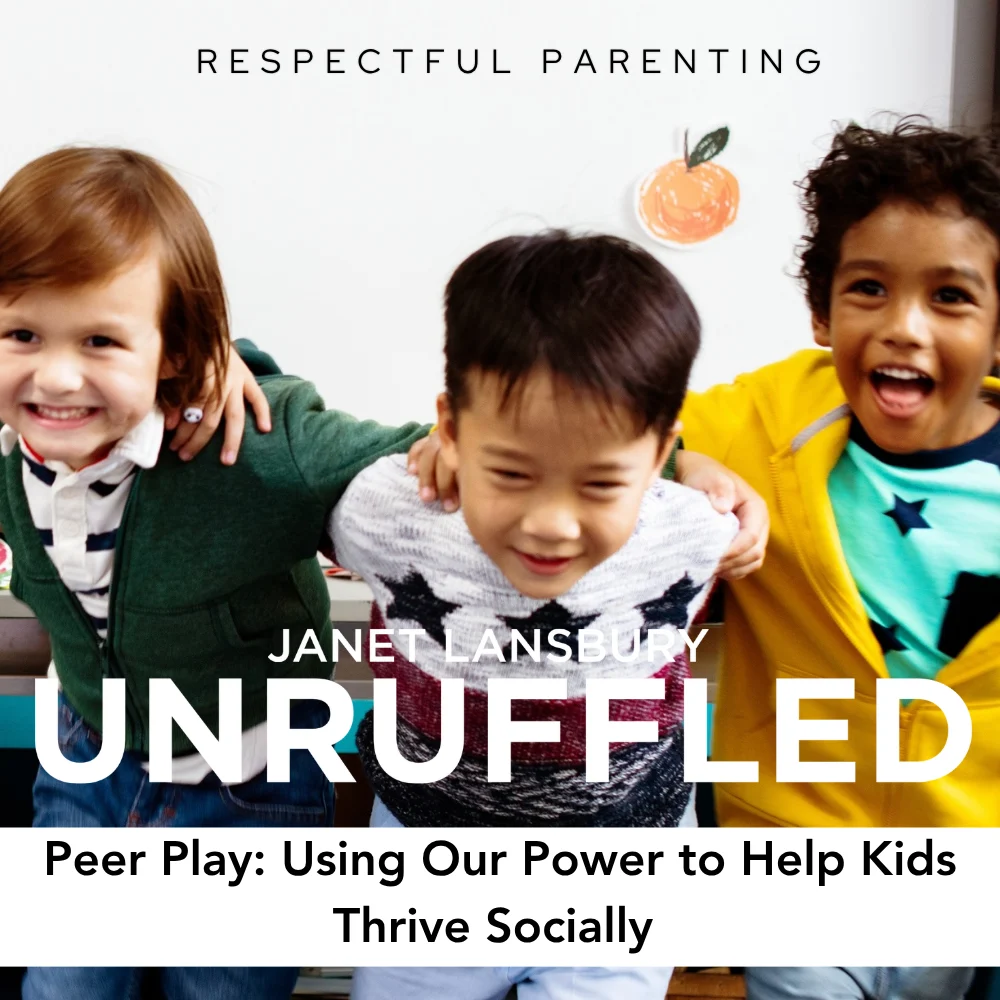
Renowned parenting expert and author Janet Lansbury recently turned her focus toward the intricate and often frustrating social hurdles young children face, examining how parents can unintentionally exacerbate or alleviate these dynamics. In an episode of her parenting podcast, Unruffled, Lansbury addressed three distinct reader-submitted dilemmas involving preschoolers: a four-year-old demanding rigid script adherence during pretend play, a four-and-a-half-year-old experiencing group exclusion at a playground, and a reserved three-year-old struggling to feel comfortable around others.
Rather than offering quick fixes or surface-level behavioral interventions, Lansbury emphasized that parents wield significant power in shaping their children’s social development, not merely through direct modeling, but through the establishment of healthy personal boundaries and the vital practice of trusting a child’s individual developmental process.
The discussion opened with a detailed look at a submission titled "Help! Pretend play disaster." A parent wrote in describing a four-year-old child who immerses herself in character play for a substantial portion of the day. While the mother appreciated the child’s rich imagination—fueled by books, podcasts, and audio stories—she expressed exasperation over the girl’s strict demands during pretend play. The child constantly dictates dialogue, assigning specific lines and actions to participants, and reacts with anger or tears if anyone deviates even slightly from her script.
According to the parent, this rigid behavior has spilled over into interactions with longtime peers and neighbors. Despite attempts to explain that the dynamic is not fun for others, and despite a year of allowing the situation to play out naturally in hopes that rejection by peers would alter the behavior, the pattern has persisted. The mother questioned whether she was failing to see a deeper issue, noting the dynamic began before the birth of her second child, now one year old.
Analyzing the situation, Lansbury suggested that the root of the problem often lies in the relationship between the child and her parents. When children make unreasonable, escalating demands during play, it frequently signals that they are seeking a solid, reasonable boundary from the adults in their lives. Lansbury explained that well-meaning parents attempting to respect and encourage their children can inadvertently hand over too much control, striving endlessly to please them.
Instead of treating play as a mandatory parental duty or striving to meet impossible theatrical demands, Lansbury argued that adults should step back, decline to participate in rigid scripts, and allow children to experience frustration and disappointment. By setting reasonable boundaries, parents provide a healthy model for relationships, demonstrating that other people do not simply bend to one’s every command. Furthermore, Lansbury noted that these intense demands and subsequent emotional outbursts often serve as a safe outlet for children to release underlying tension, stress, or the complex feelings associated with growing up and navigating family changes, such as sibling rivalry.
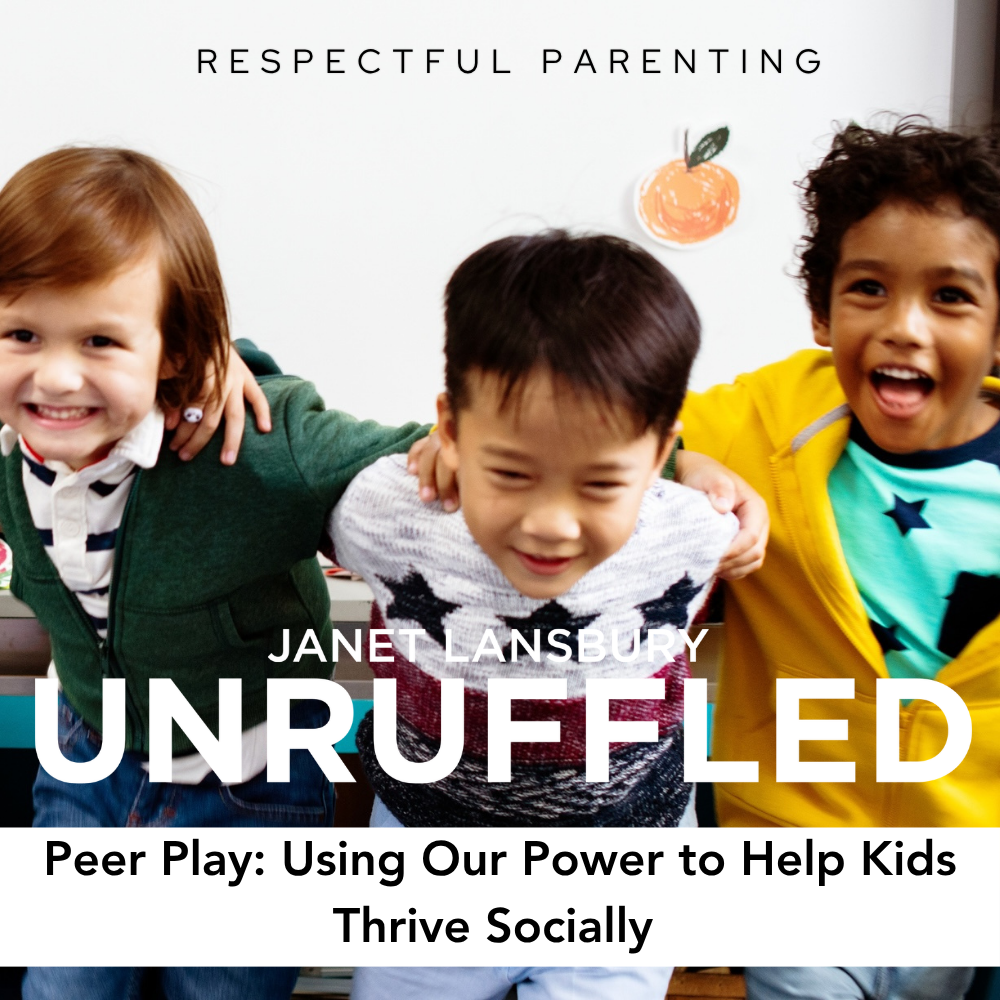
The second scenario examined by Lansbury focused on group dynamics and the label of bullying. Another parent wrote to ask how respectful parenting approaches bullying and unkind social dynamics, describing a situation where her four-and-a-half-year-old daughter was regularly excluded or cast as a "monster" and avoided by a group of older peers at the playground. While the child maintained positive one-on-one friendships with these girls, she struggled significantly within the broader group setting. The parent noted that the other children were a year ahead in preschool, resulting in a noticeable gap in social-emotional development.
While some parents in the friend group had begun intervening—with one father stepping in to demand that the older girls include the younger child—the submitting parent questioned whether such interventions aligned with respectful parenting principles, or if she should simply seek out different play environments entirely.
Lansbury cautioned against immediately categorizing typical preschool exclusion as bullying, arguing that the term is often misapplied to young children and casts the child unnecessarily in the role of a victim. She highlighted the developmental age gap as a major factor, explaining that children a year apart in preschool often operate on entirely different social wavelengths, making seamless group play unlikely.
Rather than viewing the exclusion as a problem that requires adult fixing—such as a parent forcing other children to play—Lansbury advocated for trusting the child’s process. She suggested that parents should prepare their children with realistic expectations about group dynamics, allowing them to choose whether to approach the group while fully accepting that it might not work out. Rejection and exclusion, while uncomfortable, serve as critical life experiences from which children learn what works and what does not work in social interactions. Interventions by adults to force inclusion, while well-intentioned, ultimately deprive children of the opportunity to navigate these social realities on their own terms.
The final scenario addressed a brief inquiry submitted via social media regarding a reserved three-year-old struggling to feel comfortable around other people. Lansbury underscored that the guiding principle for handling introverted or cautious behavior remains the same: trust.
According to Lansbury, parents must avoid pushing, coaxing, or managing their child’s comfort level as if it were a defect that needs correcting. When children sense that their parents are anxious for them to socialize, it often increases their hesitation. Instead, adults should remain a calm, steady presence, establishing boundaries regarding their own space while trusting children to engage with the social world entirely at their own pace and on their own timetable.
Concluding her analysis across all three situations, Lansbury reiterated that while parenting a socially struggling child can trigger a strong urge to fix the problem, true help comes from self-awareness, appropriate personal boundaries, and patience. By shifting focus inward to examine how boundaries and trust operate within the parent-child relationship, caregivers can offer meaningful support without overriding the natural, experiential learning process essential to childhood development.
