Spinning Babies® Founder Gail Tully Releases Comprehensive Guide to The Belly Mapping® Method
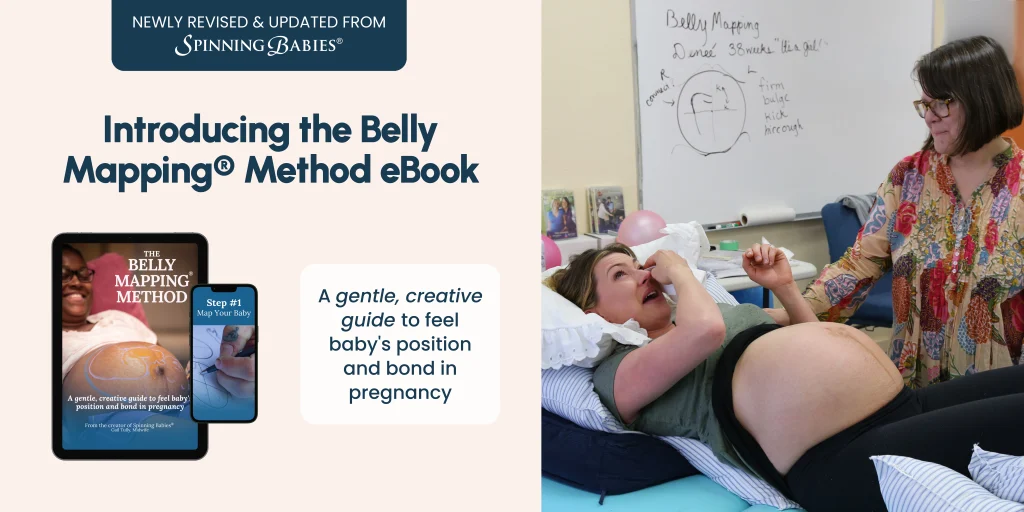
For expectant parents, the final months of pregnancy are often characterized by a mixture of profound anticipation and a desire to understand the silent, shifting movements occurring within the womb. To bridge the gap between this mystery and tangible understanding, Gail Tully, the founder of the renowned organization Spinning Babies®, has officially released her latest resource: The Belly Mapping® Method book. This new publication serves as the culmination of two decades of professional practice, clinical observation, and educational advocacy aimed at empowering families through a gentle, tactile approach to understanding fetal positioning.
The launch of this book marks a significant milestone for the Spinning Babies® philosophy, which has long advocated for the importance of physiological alignment in labor and birth. By providing parents with a structured yet intuitive way to track how their baby is situated, Tully’s work aims to transform the often-passive experience of late-stage pregnancy into an active, collaborative journey between the parent, the baby, and their healthcare providers.
The Evolution and Significance of Belly Mapping®
At its core, The Belly Mapping® Method is a gentle, hands-on technique that allows parents to feel for the contours and movements of their baby to determine their position in the womb. While modern medicine relies heavily on ultrasound technology to provide clinical snapshots of fetal orientation, Tully’s method offers a consistent, daily, and intimate alternative. Over the past twenty years, this method has been refined through practical application, with evidence suggesting that when performed correctly, it offers a level of accuracy that aligns with clinical imaging.
The significance of fetal positioning cannot be overstated, particularly as a pregnancy approaches the third trimester. The way a baby is oriented—specifically whether the head is well-flexed and the body is curled—has a direct influence on the biomechanics of labor. When a baby is in an optimal position, the labor process often unfolds with greater ease and efficiency. Conversely, when a baby is positioned in a way that creates friction or resistance, it can lead to longer, more challenging labors.
By teaching parents to identify these positions, the Belly Mapping® Method acts as a tool for proactive comfort. If a baby is found to be in a less-than-ideal position, the knowledge gained allows parents to work alongside their midwives, obstetricians, or doulas to explore movements and positions that might encourage the baby to settle into a more favorable alignment. This transition from being a passive observer to an active participant in birth preparation is a cornerstone of the Spinning Babies® approach, designed to foster confidence and reduce the anxiety often associated with the unknown aspects of labor.
Empowerment Through Education and Connection
The newly released book is more than a technical manual; it is designed to be an accessible, beautifully illustrated resource that families can engage with together. Tully has distilled her years of wisdom into a format that emphasizes not only the functional aspects of fetal positioning but also the emotional benefits of the practice. By spending time each day mapping the baby’s movements—identifying the location of kicks, nudges, and rolls—parents are encouraged to build a deeper, more personal connection with their child before birth even begins.
This focus on bonding is a central theme of the publication. The process of tracking a baby’s position serves as a quiet, mindful ritual that invites parents to slow down and acknowledge the developing life within. It provides a unique opportunity for partners to participate in the pregnancy journey, offering a tangible way to support the birthing person and feel a direct connection to the baby.
The book is structured to guide readers through the process of observation, helping them distinguish between various fetal movements and interpret what those movements signify in terms of orientation. It demystifies the terminology of pregnancy and birth, replacing clinical detachment with a sense of clarity and empowerment. By providing these simple, effective tools, the book ensures that families feel well-equipped to navigate the weeks leading up to birth, regardless of whether their baby is already in a perfect position or requires a bit more room to adjust.
For those who find that they need more personalized guidance, the text serves as a gateway to the broader Spinning Babies® network. The organization maintains a robust community of Certified Parent Educators who can offer one-on-one support, helping families tailor the Belly Mapping® techniques to their specific physical needs and pregnancy circumstances. This layered approach—starting with the self-paced, accessible resource of the book and supported by professional mentorship—ensures that every family has access to the information they need to approach birth with peace of mind.
Integrating Creativity and Safety into Pregnancy
One of the more playful and celebrated aspects of the Belly Mapping® tradition is the inclusion of belly painting. As families learn to identify the various parts of their baby—the back, the limbs, the head—many choose to map these locations visually on the skin. The new book encourages this practice as a way to celebrate the pregnancy journey, offering a creative outlet that reinforces the bond between parent and child.
However, in line with the professional standards of the Spinning Babies® organization, the book also emphasizes the importance of safety and mindfulness when engaging in such activities. The guidance provided on belly painting is rooted in caution regarding the materials used. Because the skin is a porous organ, the book advises parents to be highly selective about what they apply to their bodies.
The recommendations highlight the use of high-quality, non-toxic face paints, water-soluble crayons, or non-toxic markers specifically designed for skin contact. The text serves as a gentle reminder that not all products labeled as "art supplies" are safe for use on the human body, particularly during pregnancy. It warns specifically against inexpensive pigments that may contain hidden heavy metals, such as lead, which are often not disclosed on product packaging. By encouraging parents to verify the safety and ingredients of their chosen materials, the book ensures that the joyful, creative experience of belly painting remains a healthy and secure practice.
A New Chapter for Birth Preparation
The release of The Belly Mapping® Method book comes at a time when many expectant families are seeking more agency in their birth experiences. As the healthcare landscape continues to evolve, the desire for evidence-based, low-intervention, and empowering information remains high. Tully’s work meets this demand by providing a resource that honors the natural physiological process of birth while providing the practical skills necessary to navigate it.
Ultimately, the book is framed as an invitation. It invites parents to step into a space of curiosity and celebration, turning the unknowns of the third trimester into a series of discoveries. By understanding the language of their baby’s movements, families can cultivate an environment of ease and preparation that extends beyond the birth itself. As readers move through the chapters, they are encouraged to view the practice not as a chore or a medical necessity, but as a celebratory ritual of connection.
Whether utilized as a primary tool for birth preparation or as a supplementary resource alongside prenatal care, the book stands as a comprehensive, accessible guide for the modern parent. It bridges the gap between the clinical and the personal, offering a pathway toward a more confident, connected, and joyful birth experience. With its publication, Gail Tully continues her long-standing commitment to the philosophy that when parents are informed, empowered, and connected to their babies, they are better prepared to handle the transformative journey of bringing new life into the world. Families interested in integrating these practices into their own birth preparation are encouraged to explore the resource as they approach their due dates, armed with the tools to listen to, understand, and bond with their babies.
