For many television viewers, the entry point into the brilliantly eccentric world of comedian Nathan Fielder arrived suddenly with the internet-breaking trailer for his documentary project exploring Elizabeth Holmes, titled “You Can See Everything.” Eager to understand the cultural fuss surrounding the release and to decode the unique brand of deadpan sociological probing that has become Fielder’s signature, viewers tuned into his acclaimed HBO series, including season two of “The Rehearsal.”
Yet, for Rabbi Tori Greene, watching Fielder’s unorthodox methods sparked a realization that went far beyond mere entertainment. Fielder’s trademark comedic tendencies—his relentless exploration of seemingly obvious questions, his willingness to push everyday arguments to entirely absurd conclusions, and his uncanny ability to sit comfortably with the deep discomfort of uncertainty—bore a striking, undeniable resemblance to the ancient debates and intricate legal reasoning used to map out Jewish law in the Talmud.
It may sound like an unlikely cultural crossover, but Greene suggests that Nathan Fielder’s distinctive brand of comedy is, at its core, deeply Talmudic. Because Talmudic reasoning inherently subjects every underlying premise to rigorous cross-examination, examining Fielder’s work through specific traditional patterns reveals a fascinating bridge between modern absurdist comedy and ancient rabbinic discourse.
Two Seemingly Contradictory Statements Can Be True Under Specific Circumstances
In the tradition of Jewish legal study, ukimta is a specialized analytical technique used to establish the precise, narrow circumstances under which two seemingly contradictory statements can both be held as true. This pattern emerges vividly in Fielder’s work with Elizabeth Holmes in “You Can See Everything.” Throughout the project, Fielder goes back and forth with the disgraced Theranos founder regarding her persistent claims that her proprietary blood-testing machine could perform a vast, revolutionary range of diagnostic tests. Fielder calmly points out the objective reality that the machine never successfully performed those tests in practice, yet Holmes stubbornly insists that it can.
In a meticulous effort to understand how Holmes can seemingly and wholeheartedly believe she is telling the truth despite mountains of contradictory evidence, Fielder shows her the famous Abbott and Costello “Who’s on First?” comedy routine. Holmes laughs in response, though she notes that she does not entirely understand why the routine is funny, only that she recognizes it as humor. In that classic comedy sketch, both performers use the exact same word—“who”—but they operate under fundamentally different cognitive frameworks: one understands it as a proper name, while the other hears it as an interrogative question.
Watching this exchange, one cannot help but wonder if something structurally similar is happening in Holmes’s mind. When Holmes asserts that the machine can perform those tests, is she describing a theoretical capability or a future state she believed it was eventually capable of reaching, while Fielder is asking a pragmatic question about what it has actually accomplished?
Fielder’s line of questioning functions precisely like an ukimta. By meticulously examining the surrounding circumstances and hidden assumptions behind each conflicting claim, he reveals how two individuals can utilize the exact same vocabulary while understanding those terms in radically different ways. This conceptual distinction helps observers comprehend Holmes’s internal perspective without blindly accepting her demonstrably false claims as objective truth. The machine still could not do what she promised investors and patients, but the audience gains a rare glimpse into how she might have successfully convinced herself of her own vision.
If Something Is True in a Low-Stakes Situation, It Is Even More True in a High-Stakes Situation
Another foundational pillar of rabbinic argumentation is kal v’chomer, a form of a fortiori reasoning that argues if a specific rule or principle applies in a less significant circumstance, how much more so must it apply when the stakes are dramatically raised. In many ways, this exact philosophical premise drives the narrative engine of season two of “The Rehearsal.”
While investigating the complexities and safety protocols of aviation crashes, Fielder identifies a remarkably common and dangerous problem: a distinct breakdown in effective communication between pilots and co-pilots. If clear, uninhibited communication matters deeply during an ordinary, routine flight, how much more so does it matter when something goes catastrophically wrong thousands of feet in the air?
True to form, Fielder explores this grave safety issue through increasingly ridiculous, highly elaborate scenarios. In one segment, he constructs a surreal singing competition where co-pilots serve as the judges, testing whether these professional aviators can comfortably deliver an uncomfortable rejection to a contestant. By taking the professional discomfort out of the cockpit and translating it into an absurd musical contest, Fielder creates controlled, low-stakes opportunities for pilots to practice telling someone something they genuinely do not want to hear, all in the hopeful anticipation that the communication skill will carry over into the cockpit when safety matters most.
Suddenly, the layers of comedy peel back to expose something profoundly serious. The underlying consequences of failing to speak up in a high-stakes environment can ultimately mean the difference between life and death. The logical leap from a talent show stage to an airplane cockpit mirrors the exact structural movement of kal v’chomer.
Sometimes the Obvious Question Helps You Get to the Deeper Conclusion
In the vast architecture of Talmudic study, hava amina and maskana represent a dynamic pattern of reasoning that systematically moves an inquiry from an initial, surface-level assumption to a deeply considered conclusion through continuous questioning, rigorous debate, and careful examination. This trajectory feels remarkably similar to the overarching premise of “You Can See Everything.”
Audience members typically enter the cinematic experience knowing Elizabeth Holmes primarily for her federal crimes and the high-profile corporate deception of Theranos, perhaps knowing little beyond those sensationalized headlines. Yet, Fielder demonstrates that regardless of preconceived assumptions, entrenched biases, or public outrage, it remains immensely worthwhile to ask the most basic, obvious questions and genuinely explore Holmes’s unique understanding of reality.
Some of the audience’s biggest laughs during screenings come precisely when Fielder asks these seemingly simple, blunt questions. But an important question arises: Were viewers laughing simply because the questions were inherently funny, or were they laughing because Fielder was bravely naming the proverbial elephants in the room that everyone else preferred to ignore?
For many viewers, including rabbis and casual comedy fans alike, Fielder unexpectedly becomes a catalyst for an unexpected emotional response, stirring genuine compassion for a figure widely vilified in the public square. A viewer’s fundamental conclusion regarding Holmes’s legal guilt and the damage she caused does not necessarily change, but the viewing experience invites a deeper sense of shared humanity. Engaging with the absurdities of human psychology does not negate the reality of crimes committed, but it complicates the flat narratives of modern media consumption.
Admittedly, comparing the sacred, millennia-old study of the Talmud to the television output of Nathan Fielder—a contemporary comedian who has carved out an entire career by leaning into pure awkwardness and the ridiculous—carries a certain inherent absurdity. But that very contradiction is arguably the entire point.
The Talmud itself is famously populated with elaborate, seemingly absurd hypotheticals, highly unlikely scenarios, and everyday questions pushed to their absolute limits. If observant and secular audiences alike can find the spirit of the Talmud hidden within Nathan Fielder’s eccentric humor, perhaps it serves as a reminder that we can also rediscover the profound, self-aware humor that has been present within the Talmud all along.
In an era defined by rapid digital communication and polarizing political rhetoric, civic engagement has increasingly become a vital frontline defense against discrimination and hostility. Across the globe, Muslim communities, scholars, leaders, and everyday citizens find themselves navigating rising tides of anti-Muslim sentiment and political scapegoating. Yet, rather than retreating in the face of prejudice, many are transforming hostility into opportunities for meaningful dialogue, education, and bridge-building. Time and again, when confronted with Islamophobia and malicious disinformation, Muslims respond with resilience, patience, and eloquence—capturing public attention and opening pathways to genuine understanding.
This dynamic of peaceful resistance and proactive outreach is rooted deeply in the principles of faith and civic duty. As believers often remind one another, while divine protection provides ultimate reassurance, communities must also take active responsibility for dispelling harmful stereotypes, defending their fundamental rights, and practicing their faith openly. This active participation takes many forms, ranging from political advocacy and community education to artistic expression, literary contributions, and digital awareness campaigns on social media. Crucially, these efforts frequently become family endeavors. When children witness their parents standing up to prejudice with grace and resilience, they learn invaluable lessons about self-advocacy, dignity, and civic responsibility on behalf of their families and neighborhoods.
Putting Civic Engagement into Practice
For Wendy Díaz, a Puerto Rican Muslim writer, poet, and educator based in Maryland, the challenge of combating anti-Islam sentiment recently hit very close to home. What began as a series of bizarre and hostile social media posts protesting the construction of a new mosque in the municipality of Mayagüez gradually escalated into a full-scale propaganda campaign targeting Islam and Muslims across the island of Puerto Rico.
For observers of contemporary political tensions in the United States, such rhetoric may sound distressingly familiar. However, the surge of hostility felt starkly out of character for the people of Puerto Rico, a population historically renowned for its vibrant hospitality, cultural warmth, and widespread solidarity with marginalized global communities, including the Palestinian cause. Because Díaz’s extended family still resides on the island and is largely non-Muslim, the attacks resonated deeply on both a personal and emotional level.
To understand the current climate, it is necessary to examine the long and complex history of Muslims in Puerto Rico, which stretches back centuries. Islamic influences on the island trace their roots to the era of Spanish colonization and the arrival of enslaved Africans, a portion of whom practiced Islam. While contemporary Puerto Ricans widely celebrate their rich tapestry of Indigenous, European, and African heritage, the specific Islamic threads woven into that cultural history are frequently overlooked.
Subsequent waves of migration, spanning from the nineteenth century to the modern day, brought Muslims from diverse global backgrounds to the Caribbean territory. Over generations, Arab Muslims and Christians established enduring, successful businesses and integrated seamlessly into the civic life of the island. Local Muslim residents eventually founded permanent Islamic institutions, highlighted by the establishment of the first freestanding mosque in Puerto Rico, built in 1981 in Río Piedras. Given this history of coexistence, the sudden emergence of aggressive anti-Muslim propaganda prompted critical questions about its origins and drivers.
Analyzing the Roots of Hostility
Analysts and community advocates note that there is no single, straightforward explanation for the recent wave of anti-Muslim hostility in Puerto Rico. Contemporary political rhetoric, amplified by social media algorithms and unverified rumors regarding a supposed demographic "invasion," can easily stoke fear and suspicion among populations with limited daily exposure to Islam. Muslims currently account for an estimated 0.1 percent of Puerto Rico’s overall population, meaning that Islamic communities and places of worship remain largely invisible to residents living outside the specific municipalities where mosques are located.
Beyond religious unfamiliarity, experts suggest that anti-Muslim sentiment must be viewed through the broader lens of socioeconomic and political anxiety. Puerto Rico has faced severe structural challenges in recent years, including concerns over displacement, public access to beaches, escalating housing costs, fragile infrastructure, and the privatization of essential public services. These chronic pressures have left many residents feeling uncertain, frustrated, and vulnerable to economic distress.
In such turbulent environments, scapegoating vulnerable minorities often proves politically and socially potent. Determining the exact forces behind the anti-social media campaigns—and whether organized actors are financing them for strategic gain—remains a subject requiring deeper investigation. Nevertheless, faced with a relentless stream of digital misinformation, Díaz chose to mount a direct, constructive response using the tools at her disposal.
Rather than remaining silent, Díaz turned to digital civic engagement, utilizing Instagram and Facebook to counter falsehoods with accurate education. Having already established a digital footprint to promote her literary works, she recognized that each platform offered a distinct audience: Instagram facilitated broad connections with younger and more diverse demographics outside her immediate circle, while Facebook provided a direct channel of communication with her extended family and peers in Puerto Rico.
Drawing on her cultural background and professional skills, Díaz began producing short-form video reels in Spanish. Some videos utilized gentle humor and satirical skits to highlight the glaring inaccuracies of the ongoing misinformation campaigns, while others focused squarely on educating viewers about core Islamic beliefs, practices, and the historical presence of Muslims in Puerto Rico. Complementing these videos, she shared informative articles, historical snapshots, and educational stories across her platforms. Within days, the content generated thousands of views, replays, and encouraging commentary from viewers expressing newfound understanding.
Many Ways to Show Up
Díaz’s experience highlights a broader truth for parents, educators, and community leaders seeking to counter Islamophobia: effective advocacy does not require a single, rigid approach. Every individual possesses unique talents, professional skills, and creative outlets that can foster meaningful human connections. As a Spanish-speaking Latina convert, Díaz leveraged her specific cultural fluency and linguistic background to engage an audience that shared her heritage. Others may contribute through visual arts, technical expertise, public speaking, or compelling storytelling.
By identifying and leaning into these individual strengths, families can transform feelings of frustration or helplessness into purposeful, collective action. Whether through digital literacy initiatives, community dialogue, or creative expression, preparing younger generations to navigate and push back against discrimination builds lasting confidence and resilience. Ultimately, when individuals and families consistently show up to champion justice, share accurate information, and serve their neighbors, civic engagement transcends mere advocacy to become a profound expression of communal responsibility and faith.
In the modern kitchen, the pursuit of simpler, cleaner ingredients has transformed how home cooks approach everyday cooking. Among the most effective strategies for making healthy eating both accessible and flavorful is the practice of keeping homemade culinary staples on hand. While store shelves are lined with countless pre-packaged options, a growing number of consumers are turning away from commercial spice blends in favor of simple, do-it-yourself alternatives. These homemade mixtures require very little effort to assemble, yet they offer a level of vibrancy and customization that mass-produced products rarely match.
One standout pantry staple experiencing a surge in popularity is classic Greek seasoning. Long valued for its ability to add profound depth and aromatic complexity to a wide range of dishes, this Mediterranean-inspired blend has become a go-to for home cooks looking to elevate basic proteins, vegetables, sauces, and marinades. By combining traditional regional herbs like oregano, basil, dill, garlic, and rosemary, this savory seasoning achieves a dynamic flavor profile that adapts effortlessly to countless recipes.
The motivations behind this shift toward homemade pantry staples are rooted in a desire for transparency and quality. Many pre-made seasoning blends found in grocery stores rely on hidden fillers, preservatives, added sugars, and anti-caking agents that many consumers prefer to avoid in their home kitchens. Furthermore, commercial spices often sit on distribution shelves and store corridors for months, losing their essential oils and aromatic punch. By contrast, mixing batches at home allows cooks to take absolute control over every ingredient, ensuring that only the freshest components make it into the final jar.
At the heart of a traditional Greek seasoning blend is oregano, an herb renowned for its robust, pungent taste that extends far beyond the familiar boundaries of Italian cooking. To build a well-rounded flavor profile, cooks layer in complementary herbs such as basil, parsley, dill, thyme, and rosemary, ensuring that the blend touches upon multiple savory and herbal notes. A foundational base of garlic powder and onion powder provides the deep, umami-like savory undertones that make the mixture so versatile, while a subtle pinch of cinnamon introduces an unexpected layer of warmth.
Beyond culinary appeal, incorporating these specific herbs into everyday meals offers a connection to ancient culinary traditions. For thousands of years, civilizations have utilized culinary herbs not merely to enhance the taste of food, but because of the rich profile of micronutrients, antioxidants, and antimicrobial compounds they naturally possess. Integrating these ingredients into daily cooking is viewed by many as a practical, flavorful way to support overall wellness through whole foods.
The economic and practical advantages of making one’s own seasoning mixes have also contributed to this culinary trend. Purchasing individual dried herbs in bulk and blending them at home offers a cost-effective solution for households, particularly larger families where pantry staples are consumed quickly. Seasoning blends represent one of the most frictionless entry points into scratch cooking, taking only minutes to prepare and maintaining their quality for months when stored properly.
Having a jar of custom Greek seasoning ready in the pantry offers an instant culinary upgrade for simple, weeknight meals. Basic ingredients like plain chicken breasts, roasted root vegetables, or a standard green salad are instantly transformed with a generous dusting of the herb blend. Moreover, the inherent flexibility of homemade recipes allows for continuous experimentation. Cooks who lean toward bold savory notes can easily increase the proportion of garlic, while those who favor herbaceous brightness can adjust the levels of oregano, dill, or basil to suit their personal palates.
The versatility of this Mediterranean blend makes it an invaluable asset for both rapid weeknight dinners and more deliberate cooking projects. The seasoning can be sprinkled directly over poultry before grilling, folded seamlessly into ground meat for burger patties, or tossed over a sheet pan of assorted vegetables such as zucchini, summer squash, and asparagus. One particularly popular preparation involves tossing diced potatoes in olive oil, sea salt, and a generous amount of Greek seasoning before high-heat roasting, yielding a crispy, richly seasoned side dish that easily rivals restaurant preparations.
Beyond solid foods, the blend adapts fluidly to liquid mediums and dressings. Home cooks frequently whisk the mixture into homemade vinaigrettes, dust it over morning eggs, or stir it directly into plain Greek yogurt to create a fast, wholesome dipping sauce. This multifunctionality eliminates the need for complicated sauces or additional specialty ingredients, streamlining the process of adding dynamic flavor to everyday cooking. For streamlined meal preparation, the seasoning also serves as an ideal foundation for a rapid Mediterranean marinade. By combining the herb blend with extra-virgin olive oil and fresh lemon juice, cooks can create a vibrant soak for chicken prior to cooking, resulting in tender, succulent meat infused with bright citrus and herbal notes.
Nutritional analyses of homemade Greek seasoning highlight its clean profile. A standard single-teaspoon serving contains approximately four calories and a negligible amount of fat, alongside trace amounts of beneficial minerals such as calcium, iron, and potassium. Because the blend relies entirely on dehydrated herbs and spices rather than heavy sodium compounds or artificial flavor enhancers, it provides a powerful punch of flavor without the heavy caloric or chemical footprint associated with many commercial condiments. When stored properly in a sealed, airtight container, a batch of homemade Greek seasoning maintains its aromatic integrity and potency for up to six months, providing an enduring resource for the home kitchen. As more individuals discover the ease, economic benefits, and superior taste of blending their own spices, kitchen staples like this enduring Mediterranean mixture continue to redefine the landscape of modern home cooking.
The rapid acceleration of artificial intelligence technologies has transformed global industries, revolutionized daily tools, and sparked widespread debate regarding the future of human labor, safety, and society. Yet, beneath the veneer of technological progress and efficiency, a subtler psychological phenomenon has taken root across populations: AI anxiety. Characterized by a pervasive sense of worry, unease, and existential uncertainty, this modern psychological stressor reflects the complex emotional landscape that accompanies a rapidly shifting technological reality.
According to Dr. Chris Mosunic, Chief Clinical Officer at the mindfulness and mental health platform Calm, individuals experiencing a complex mix of emotions regarding artificial intelligence are far from alone. While technological advancements in machine learning, generative art tools, and conversational chatbots have been in development for decades, the velocity of recent breakthroughs has introduced unprecedented challenges to human adaptability.
Public sentiment surrounding these rapid changes reflects a deep societal division. Data gathered from a nationally representative survey conducted by Calm in March 2023 revealed that nearly one in three adults in the United States—approximately 29 percent—felt genuinely anxious about the expansion of artificial intelligence. Furthermore, 18 percent of respondents described their emotional response explicitly as fear or dread. Conversely, the survey also captured the dual nature of public perception: 31 percent of participants reported feeling optimistic about AI, while an equal 31 percent felt excited. Many respondents articulated a contradictory emotional state, reporting simultaneous feelings of amazement and profound nervousness.
This tension has not subsided in the years following the initial generative AI boom. Subsequent findings from a Pew Research Center survey illustrate a persistent and growing wariness among the public. In the June survey data, 52 percent of U.S. adults reported feeling more concerned than excited about the presence of artificial intelligence in their daily lives. That figure represents a substantial increase from 37 percent in 2021, underscoring a long-term hardening of public skepticism. By contrast, only 9 percent of surveyed adults stated they felt more excited than concerned about daily AI integration.
The roots of AI anxiety are multifaceted, spanning both immediate pragmatic worries and long-term philosophical concerns. On a practical level, individuals frequently grapple with the destabilization of traditional career paths, the threat of widespread job displacement through automation, and the proliferation of sophisticated AI-powered scams. On a broader scale, existential apprehensions regarding autonomous systems surpassing human control or eroding interpersonal connections contribute significantly to the collective unease. Because the ultimate trajectory of artificial intelligence remains fundamentally unknown, human psychology struggles to find secure footing. When uncertainty feels insurmountable, anxiety, hypervigilance, and a sense of powerlessness become natural, albeit exhausting, responses.
Psychologists note that when this anxiety crosses the threshold into an overwhelming state, it can severely disrupt foundational aspects of daily well-being, including sleep architecture, general mood regulation, and cognitive focus. To combat these pressures, mental health experts emphasize the importance of recognizing AI anxiety not as an isolated clinical disorder, but as a culturally pervasive manifestation of modern technophobia and stress over the unknown.
Managing the psychological toll of artificial intelligence requires confronting the underlying cognitive distortions that amplify distress, such as catastrophizing and polarized thinking. When individuals peer into an uncertain future, the human mind frequently defaults to imagining the worst possible outcomes, often lacking empirical evidence to support such catastrophic trajectories. This pattern of thinking can cause minor apprehensions to rapidly spiral out of control, turning daily news cycles into sources of acute psychological distress.
Experts suggest that building resilience against AI-related stress involves leaning into nuance and accepting the coexistence of contradictory emotions. Popular culture often frames artificial intelligence through a binary lens—either as a utopian savior or a dystopian terminator. In reality, modern technological development occupies a vast, complex middle ground. Mental health professionals argue that it is entirely normal for individuals to experience opposing emotional responses simultaneously, such as feeling fascinated by technological capabilities while remaining deeply anxious about their societal implications. Acknowledging that multiple truths can exist at once helps alleviate the cognitive friction of trying to force a complex reality into a simplified framework.
Another critical dimension of managing AI anxiety involves addressing the fear of overdependence on technology by deliberately anchoring oneself in human experiences. As machines assume increasingly complex cognitive and creative burdens, existential concerns regarding the value of human labor and identity come to the forefront. Engaging in tactile, offline activities—such as reading physical books, practicing mindfulness exercises, or taking undistracted walks in nature—serves as a vital grounding technique that reinforces personal agency and the intrinsic value of human existence.
At the same time, mental health advocates issue an important warning regarding the limitations of artificial intelligence itself, particularly concerning its application in emotional and psychological support. Recent industry incidents have highlighted the risks associated with general-purpose AI tools and conversational models responding inappropriately or unsafely to vulnerable users experiencing acute mental health crises. Experts stress that artificial intelligence lacks genuine consciousness, empathy, and the capacity to accurately evaluate human risk or crisis situations. While guided digital programs designed and monitored by licensed clinical professionals can offer supplementary mental health resources, unmoderated chatbots and large language models are fundamentally incapable of replacing authentic human therapeutic care.
For individuals struggling with the relentless pace of technological change or the broader anxieties of modern life, professionals emphasize that accessible, compassionate support remains essential. Whether through community health resources, professional counseling, or evidence-based mindfulness tools, navigating the anxieties of an automated future does not have to be an isolating journey.
Embarking on the adoption journey represents one of the most significant and transformative decisions a family can make. For many prospective adoptive parents, the process begins long before a child ever comes home, starting with a foundational choice that will shape the entire experience: selecting an adoption agency. While some families choose to navigate the complex legal and logistical landscape through an attorney or an independent adoption consultant, the vast majority of prospective adoptive parents work directly through a licensed, child-placing agency.
Because this partnership dictates everything from the timeline and financial requirements to emotional preparation and legal compliance, understanding how to evaluate and choose the right agency is a critical first step. Industry organizations and family advocacy groups emphasize several key pillars that prospective parents should carefully evaluate during their search. These core considerations range from regulatory accreditations and transparent financial structures to comprehensive pre- and post-placement educational resources and ongoing family support systems.
Look for Hague Accreditation
One of the primary safeguards for families entering the adoption process is ensuring that the chosen organization maintains Hague Accreditation. This formal accreditation serves as a vital guarantee that the agency strictly meets both international and federal standards as established by the Hague Convention on Protection of Children and Co-operation in Respect of Intercountry Adoption.
For prospective parents beginning their search, navigating the myriad of available organizations can be overwhelming. Experts recommend utilizing established professional directories that allow users to filter specifically for Hague-accredited agencies. Trusted resources include the National Council for Adoption directory as well as the Christian Alliance for Orphans member directory. Utilizing these specialized platforms helps families narrow their focus to established, vetted organizations that adhere to rigorous operational and ethical standards.
Choose an Agency That Is Transparent About the Process
Every adoption journey is uniquely shaped by individual circumstances, state or international laws, and the specific needs of the children awaiting placement. However, a reputable and reliable agency should be capable of clearly and comprehensively explaining each step of the process before prospective parents ever sign a contract or commit funds.
Uncertainty can breed anxiety during an already stressful time, making transparency a paramount virtue for any child-placing organization. Detailed timelines provided by experienced adoption ministries and agencies—such as the step-by-step breakdowns offered by Christian Adoption Services—help demystify the journey. These resources outline the trajectory from the initial application phase all the way through to finalization, giving families a realistic expectation of what lies ahead at each milestone.
Get a Clear Breakdown of Costs Upfront
Financial planning is universally recognized as one of the most daunting aspects of expanding a family through adoption. Consequently, the agency a family chooses must be completely upfront and transparent regarding the total financial commitment involved.
A trustworthy agency should be able to provide prospective parents with a comprehensive and itemized list of costs from the very beginning of their relationship. This transparent accounting should encompass all anticipated expenses, including home study fees, necessary administrative costs, in-country or domestic travel expenses, and final agency placement fees. Having a precise, unvarnished financial picture at the outset allows families to plan, budget, and seek appropriate fundraising or grant opportunities accordingly, mitigating the risk of unexpected financial strain down the road.
Prioritize Education Resources
Adoption is not merely a legal transaction or a bureaucratic process; it is the formation of a permanent family through unique circumstances that often involve trauma, loss, and distinct transitional challenges. Because of this, education is widely regarded as a critical component of successful adoption preparation, particularly before a child arrives in the home.
Prospective parents are encouraged to look closely at the educational opportunities provided by an agency, assessing whether they offer robust training both pre- and post-adoption. Organizations that invest in equipping parents with specialized knowledge regarding trauma-informed care and attachment strategies provide an invaluable resource for the entire family. Comprehensive learning experiences, such as the online educational programs offered by Lifeline Children’s Services, serve as exemplary models of how agencies can thoroughly prepare families for the realities of parenting adopted children.
Look for Thorough Agency Support
The responsibilities of a quality adoption agency extend far beyond the initial placement of a child. Comprehensive, long-term agency support designed to care for the adoptive parents, the adopted child, and the child’s birth parents is a crucial factor that demands careful consideration during the selection process.
The emotional and psychological dynamics of adoption continue to unfold long after the legal finalization takes place. Specialized programs, such as the Post Adoption Connection Center offered through Nightlight Christian Adoptions, illustrate the kind of continued, dedicated support systems that help all members of the adoption triad navigate long-term adjustment, identity questions, and relational health. Finding an agency committed to lifelong support ensures that families do not feel abandoned once the placement is finalized.
Adoption Agency and Show Hope Eligibility
For many families navigating the financial hurdles of adoption, external funding sources such as grants play an instrumental role in making their dreams a reality. Organizations like Show Hope offer vital financial assistance through their Adoption Aid grants, helping to bridge the gap for families committed to bringing waiting children into permanent homes.
However, organizations that provide financial grants often maintain strict eligibility criteria to ensure accountability and compliance. For families planning to apply for a Show Hope Adoption Aid grant, a fundamental requirement is that they must be working directly with a licensed, child-placing agency that operates as a recognized 501(c)(3) nonprofit organization. Furthermore, program guidelines dictate that families who find themselves on the waiting list with multiple agencies or who are currently working with an independent adoption consultant must wait to apply for a Show Hope grant until they have been officially matched through a licensed placing agency.
Choosing an adoption agency is undeniably one of the most consequential decisions a prospective parent will make, setting the tone for a deeply emotional and legally intricate journey. Organizations like Show Hope remain committed to walking alongside families through every phase of this complex process, offering resources and guidance from the initial agency search all the way home.
For generations of students, the mere mention of William Shakespeare evokes memories of high school English classrooms, tedious line-by-line translations, and the daunting task of decoding Early Modern English from textbooks. For many adults, these academic hurdles left a lasting impression that the world’s most famous playwright is synonymous with dry, academic obligation rather than entertainment.
However, cultural advocates and literary experts argue that this traditional approach fundamentally misses the point of the material. Shakespeare’s works were never intended to be pored over in silence on a page; they were written to be experienced, performed, seen, heard, and felt in a communal setting. Sharing that theatrical experience with children can transform what is often viewed as a chore into one of the most genuinely joyful and engaging activities families can undertake together.
In an effort to reshape how families approach classical literature, a recent installment of the "Read-Aloud Revival" series turns its attention back to this very topic, revisiting a popular conversation with celebrated playwright and Shakespeare aficionado Ken Ludwig. Ludwig, widely recognized as one of the most successful and frequently performed playwrights of the modern era, has dedicated a significant portion of his career to demystifying the Bard for younger audiences. His plays are performed on stages across the globe every single night of the year, and his infectious enthusiasm for Elizabethan drama forms the core of his book, How to Teach Your Children Shakespeare.
During the featured discussion, Ludwig and the podcast hosts dive deep into the mechanics of making classical literature accessible. Rather than treating the texts as intimidating relics of the past, the conversation focuses on how parents and educators can break down the barriers of language and meter to make teaching Shakespeare a true delight for both adults and children alike. The dialogue explores favorite plays, memorable characters, and the practical mindset shifts required to help young minds connect with the rhythm, emotion, and humor embedded in the verse.
The broader conversation touches upon a common pedagogical challenge: the fear that children are incapable of understanding complex literary themes or archaic vocabulary. Ludwig argues the exact opposite, noting that children possess a natural affinity for rhythm, rhyme, and dramatic storytelling. By introducing them to the cadence of the language before they ever encounter it on a printed page, parents can lay a foundation of familiarity and comfort. When children eventually encounter the full plays in performance or in print, they no longer see an impenetrable wall of text, but rather a familiar story filled with high stakes, comedy, and vibrant characters.
This philosophy aligns with a growing movement among educators and parents who advocate for oral storytelling and shared reading as primary educational tools. By prioritizing the auditory and visual elements of drama—such as reciting famous monologues aloud, acting out dramatic scenes in the living room, or listening to audio adaptations—families can bypass the frustration of silent reading comprehension and dive straight into the heart of the narrative.
Ken Ludwig’s background as a master craftsman of comedy and theatrical structure uniquely positions him to bridge the gap between classical literature and modern audiences. His theatrical works, which often blend wit, farce, and deep emotional resonance, reflect his profound appreciation for the classical dramatic tradition established during the Renaissance. In his writing and speaking engagements, he consistently emphasizes that Shakespeare’s comedies and tragedies were originally written for the general public, designed to entertain the groundlings just as much as the nobility. Restoring that sense of accessible entertainment is central to his mission of bringing the plays into contemporary households.
As families continue to look for meaningful ways to engage with literature beyond standard school curricula, discussions like the one featured on "Read-Aloud Revival" offer a refreshing perspective. By stripping away the intimidation factor and focusing on the shared joy of performance and language, parents can open up a centuries-old literary treasure chest for the next generation. Through enthusiasm, playful engagement, and a focus on the living, breathing nature of the theater, Shakespeare’s timeless works can reclaim their rightful place as a source of shared family delight.
Pregnancy and birth represent a profound transition for every family, yet the journey remains unique to each individual. Whether an expectant parent is preparing for their first child or their fifth, the need for accessible, evidence-based, and compassionate guidance remains a priority. In a significant development for prenatal education, Spinning Babies® has announced a major redesign of its flagship educational resource. The organization has launched "Spinning Babies® Birth Preparation in 60 Minutes," an online course meticulously crafted to be more accessible, both in terms of time commitment and cost, ensuring that a broader spectrum of families can approach their birth experience feeling informed, empowered, and supported.
The decision to overhaul the course curriculum was driven directly by feedback from families who expressed a clear need for a more flexible, efficient, and affordable preparation method. Modern life is often characterized by busy schedules and competing priorities, and traditional, time-intensive childbirth classes are not always feasible for every household. By condensing the core tenets of their approach into a concise, one-hour format, Spinning Babies® aims to meet families exactly where they are. Priced at $29.95, this updated course is designed as an accessible investment in a parent’s physical well-being, their baby’s positioning, and overall peace of mind throughout the transformative process of labor and delivery.
Why Choose the Spinning Babies® Approach?
For over two decades, Spinning Babies® has been at the forefront of supporting families and birth professionals worldwide. The organization distinguishes itself through a steadfast commitment to "physiological birth," a philosophy that prioritizes the natural capabilities of the human body. Rather than relying solely on medical intervention or rigid planning, the Spinning Babies® methodology focuses on the intricate relationship between body balance, fetal positioning, and maternal comfort. The underlying premise is that birth can unfold with greater ease and efficiency when parents are provided with the tools to support these physiological elements.
This approach has garnered significant trust within the global birthing community. Midwives, doulas, chiropractors, and countless parents have adopted these techniques, reporting a measurable reduction in prenatal and labor-related stress, alongside a marked increase in confidence. By emphasizing the body’s innate wisdom, the organization provides a bridge between clinical care and the personal, intuitive experience of bringing a new life into the world.
The Core Principles of Birth Preparation
The newly redesigned "Spinning Babies® Birth Preparation in 60 Minutes" is built upon three foundational principles: Balance, Gravity, and Movement. The course moves away from the traditional, often overwhelming reliance on rote memorization or complex birth plans, instead fostering a deeper, real-time understanding of how a parent can work in harmony with their body and their baby.
The curriculum encourages parents to cultivate a supportive daily rhythm. This is not about achieving a "perfect" birth, but rather about developing a repertoire of techniques that can be used to navigate the nuances of labor as it unfolds. By internalizing these movements and breathing patterns, parents are better equipped to respond to their body’s signals during the various stages of pregnancy and the labor process itself.
Integrating Practical Support into Daily Life
The self-paced nature of this course is intended to seamlessly integrate into a parent’s daily life, regardless of their current stage of pregnancy. Among the core lessons provided is the focus on mindful breathwork, specifically techniques such as "Aware Breathing" and "Breathe to Your Baby." These practices are designed to promote a state of calm and strengthen the bond between parent and child.
For those looking to incorporate these practices, experts suggest that consistency is more beneficial than duration. Integrating fifteen minutes of mindful breathing into a morning or evening routine—similar to routine tasks like brushing one’s teeth—can be highly effective. For those who find fifteen minutes daunting, even five minutes of dedicated focus can serve as a gift to the nervous system. The course advocates for a gentle rhythm, where the practitioner aims for a steady five-second inhale followed by a five-second exhale. This rhythmic pattern serves to ground the expectant parent, helping to manage stress and foster a sense of presence throughout the pregnancy.
Beyond breathwork, the course highlights the importance of daily physical activity designed to promote alignment. One such exercise is the pelvic tilt performed on all fours, a movement widely recognized in yoga as the "Cat-Cow." This simple, rhythmic motion is an effective tool for releasing muscular tension and hydrating the spine. By performing these fluid, rhythmic tilts—inhaling while lifting the face and tailbone, and exhaling while rounding the back—parents can foster greater connection between the upper and lower body. This practice is framed as a "moving meditation," creating necessary space and flow along the spine from the base of the skull down to the tailbone.
Mastering Balance for Optimal Positioning
A significant portion of the course is dedicated to the "Three Balances," a set of techniques including the Jiggle, the Forward-leaning Inversion, and the Side-lying Release. These methods are designed to restore balance to the pelvic structures, thereby creating more room for the baby to navigate the birth canal.
The Forward-leaning Inversion, which can be practiced as early as the second trimester, is particularly emphasized for its ability to lengthen supporting ligaments and align the uterus. This position helps alleviate tension in areas that might otherwise obstruct the baby’s descent. Because safety is paramount, the course emphasizes that these exercises should be performed with a spotter—a partner or support person—who can assist the parent in moving into and out of the position slowly. A short, thirty-second hold while breathing deeply is considered sufficient for these sessions.
Notably, these techniques are not limited to the prenatal period. When labor begins, the Forward-leaning Inversion can serve as a source of comfort and a way to support labor progress, particularly during periods where the process may seem to plateau. By using these techniques under the guidance provided, parents can help their baby rotate more effectively into an optimal position.
The Importance of Rest and Alignment
Finally, the course addresses "Rest Smart," focusing on how everyday postures—sitting, sleeping, and resting—can impact a baby’s position and the mother’s comfort. A key recommendation is to sit with the hips positioned higher than the knees. This simple adjustment encourages pelvic balance and softens tension in the lower body. Whether using a bolster, a cushion, or a physio ball, the goal is to maintain stability while keeping the feet flat and the heels directly under the knees.
This seated posture is not merely for comfort; it serves to support the pelvic floor and engage the leg muscles while maintaining an open, relaxed environment for the baby. By combining this physical alignment with the previously learned "Aware Breathing," even moments of rest become an intentional practice of preparing the body for the challenges of birth.
As Spinning Babies® continues to evolve its educational offerings, it remains committed to the principle that every parent deserves to feel capable and prepared. By providing these physiologically-based tools in a more accessible format, the organization hopes to empower families to approach the birth experience with greater confidence and connection. The journey to birth is a significant, meaningful transition, and through these simple, actionable techniques, parents are better positioned to advocate for their own comfort and well-being throughout the entire experience.
Some of author Judy Batalion’s earliest and most vivid memories are rooted in sudden, overwhelming waves of panic. Long before she could articulate what anxiety meant, her body reacted to the world as if it were a persistent threat. When she was just three years old, her family frequently visited Bonimart, a discount department store distinguished by a bubbly orange logo. While other children might have focused on the toys or the displays, Batalion’s heart would hammer against her ribs with a terror that the heavy doors would lock and she would be trapped inside forever.
At day camp, her extreme fear of water meant she spent swimming lessons doggie-paddling dry on the concrete deck, unable to bring herself to step into the pool. In kindergarten, a paralyzing dread of abandonment triggered daily stomach cramps before dismissal as she envisioned being stranded, alone and forgotten, for eternity. Her father tried to help her navigate these overwhelming emotions by explaining the difference between possible versus probable outcomes. Outside the doors of Bonimart, he developed an informal, gradual exposure program to help her cope. Each week, holding tightly to his hand, Batalion would take one more step inside the intimidating store. Through these exercises, she began to understand a fundamental premise: there was nothing truly to fear, except the fear disorders themselves.
Yet Batalion was not an isolated outlier in her family, nor was she simply the trembling black sheep. Anxiety was woven deeply into her biological and historical inheritance. She comes from a lineage of Holocaust survivors, meaning that constant worry and hyper-vigilance literally saved her genetic line. Her grandmother had successfully sniffed out unfolding danger in Europe; soon after Nazi forces occupied Warsaw, she overheard neighbors reporting on who was Jewish in the apartment building. Recognizing the immediate peril, her grandmother knew it was time to run instantly. Her parents and sisters who chose to stay behind were ultimately murdered.
That raw, life-saving trauma trickled down through generations of blood and memory. It established a household culture built entirely on being perpetually on alert. Stress and vigilance had undeniable evolutionary benefits, and her family clung to them for dear life. Years later, Batalion’s college roommates would crack up with amusement at her mother’s frantic answering machine messages warning them to sit at the very back of airplanes, declaring that cutting cuticles causes botulism, or demanding confirmation that lip gloss contained zero petroleum products.
Given this background, it was perhaps unsurprising that at the age of 12, Batalion developed a severe stomach condition during her very first trip to New York City. While standing near the Statue of Liberty and looking out onto a bustling horizon of possibility, she was suddenly overcome by nausea. That night, running a fever, she began vomiting relentlessly and racing to the bathroom. Although her acute physical illness eventually abated, the underlying symptoms lingered, leading to a formal diagnosis of ulcerative colitis.
This pivotal health crisis raised a lingering question that medicine has long debated: was this merely a classic "nervous stomach"? The exact medical causes of colitis have historically remained elusive. For decades, the condition was frequently considered psychosomatic, incorrectly pinned on individuals possessing what medical professionals at the time labeled a "neurotic psychological profile." By the 1990s, autoimmune theories gained mainstream scientific vogue, and her doctors heavily stressed that ulcerative colitis was categorically not caused by stress alone, even if Batalion found that difficult to fully accept.
Currently, modern medical consensus embraces a more nuanced view involving the complex, two-way mind-gut connection. Science notes that roughly ninety percent of the body’s serotonin, the hormone that regulates mood, is actually produced in the gastrointestinal tract. Consequently, psychological stress triggers physical gastrointestinal symptoms, while gut inflammation simultaneously releases chemical signals that trigger neurological stress. It is a feedback loop that offers little immediate comfort to those caught within it.
Eventually, through the heavy use of steroids, Batalion’s condition went into remission, where it remained until her grandfather, her Zaidy, passed away. The emotional blow triggered a severe colitis flare-up, and this time, her medications failed to work. Faced with worsening symptoms and growing medical concerns about the long-term risk of cancer, doctors made the definitive decision to remove her entire colon. Following the painful organ amputation, she felt physically better, expressing immense relief.
However, her lifelong anxiety was not so neatly excised alongside her digestive tract. While she could now leave a party without constantly monitoring the proximity of a restroom, a deeper question remained: did she even know how to live without worry? Anxiety abhors a vacuum. The phantom terrors of Bonimart’s doors morphed into fears of turbulence, heights, and eventually mutated into severe health anxiety—an ultra-sensitive bodily fear alarm.
Individuals who experience health anxiety are hyperaware of their internal sensations, remaining permanently convinced that any minor physical symptom is the direct harbinger of a life-threatening disease. Batalion would panic intensely before routine doctor visits and even faint when a blood test result returned the slightest fraction out of bounds. She remained entirely certain that cancer was coming for her next, operating under the assumption that she needed to stay vigilant even without a colon. After all, perpetual alertness was the mechanism that had kept her ancestors alive.
While she intellectually recognized that these catastrophic thoughts were absurd, she kept her deep-seated fears strictly secret. That defensive wall began to crumble during a routine family trip to a local pharmacy for flu shots. Her fourth-grader, a child who was otherwise ultra-mature and graceful, suddenly went berserk, staging a hysterical rampage through a midtown CVS that required family members to physically hold her down. In that chaotic moment, Batalion realized a sobering truth: despite her best efforts to bottle up her internal panic, her anxiety was unintentionally leaking out and passing down to her children, teaching them subconsciously that the world was fundamentally unsafe.
"I get it," Batalion told her daughter later, attempting to bridge the emotional divide. "I once fainted trying to put in contact lenses."
Her daughter countered with razor-sharp logic: "Why wouldn’t I be scared? A stranger with a bad haircut in a dingy drugstore was going to painfully poke through my skin with a needle!"
Her child’s perspective hit home, forcing Batalion to confront a fundamental parenting dilemma: how could she teach her daughter, and herself, to remain alert without descending into panic? How could they learn to calmly acknowledge a genuine threat, accurately assess it, and take appropriate action without catastrophic escalation? And threaded quietly beneath those questions was another anxiety-inducing thought: what if her daughter eventually develops colitis too?
Recognizing that the cycle had to break, Batalion dove into reading about trauma and actively sought out therapeutic support. She consciously worked to rewrite her family narrative, shifting the perspective from one of inherited weakness to one of profound resilience. Instead of viewing her lineage through the lens of permanent damage, she reframed it: her family was so remarkably strong that they survived the Holocaust. She reminded herself of physical endurance, noting that she had experienced the agonizing sensation of internal distress while chasing toddlers around the Coney Island aquarium, and she was still standing strong.
She even attempted to pass this reframed perspective on to her daughter, telling her that her body was intelligent enough to recognize a harmless faux virus and produce protective antibodies—though the comment was met with an eye-roll.
Batalion acknowledges that these intellectual and cognitive realizations have not miraculously halted her occasional doom spirals or completely erased the visceral, physical sensations of unease. Witnessing her young children navigate their own vulnerability forced her to confront her own youthful helplessness, making her realize that she needed to face the lingering fear and underlying anger toward her chronic illness that she had long repressed in her rush to simply move forward. Healing required confronting the very fear that was partially caused by the illness itself.
While she may no longer stand outside a discount department store having worst-case-scenario palpitations, she views herself as still working through her father’s metaphorical twelve steps, while fiercely hoping she will never need to design a similar program for her own children. Her grandmother’s vigilance successfully preserved her life during humanity’s darkest hours, but Batalion’s ultimate goal is clear: may the passing down of crippling, generational anxiety finally end with her.
While most voters treat Election Day as the final chapter of their civic involvement, seasoned government relations professionals and political strategists view it as merely the opening bell. For experienced advocates, the weeks immediately following an election represent the most valuable window of an entire legislative term. During this critical transition period, newly elected officials are busy hiring staff, establishing policy priorities, and remembering which community members, organizations, and volunteers stepped up to help them secure victory.
Those who show up during this formative window—bringing expressions of genuine gratitude, clear and constructive policy requests, and practical offers of assistance—frequently establish themselves as trusted advisors. These are the individuals and community groups that legislative offices will call upon for years to come when shaping policy, drafting bills, or seeking ground-level feedback from the district.
For any citizen who has cast a ballot, made a financial contribution, or volunteered their time on a campaign, a legitimate and earned place at the governance table awaits. Understanding how to leverage this transition period is essential for ensuring that campaign promises transform into tangible legislative action.
The First 72 Hours: The Power of Gratitude
The immediate aftermath of an election is a whirlwind for a victorious candidate and their inner circle. Amidst the flurry of concession calls, media interviews, and logistical planning, the first 72 hours offer a fleeting window to establish a positive tone for the upcoming term. Reaching out quickly with sincere congratulations and heartfelt thanks sets a collaborative tone.
Campaigns are grueling endeavors, and candidates rarely forget the faces of those who showed up in the rain to knock on doors, organized phone banks, or offered quiet encouragement when the polls looked tight. Sending a prompt note of congratulations reminds the newly elected official of their grassroots roots before they become entirely consumed by the institutional bubble of government offices. This initial interaction should be entirely devoid of heavy lobbying or immediate demands; instead, it should focus purely on acknowledging the hard work of the campaign and affirming a shared commitment to the community’s future.
The First 30 Days: Navigating the Transition Window
As the dust settles from election night, the focus shifts to the first month of the transition period. This is when the foundational architecture of a legislative office is built. Newly minted lawmakers are actively selecting committee assignments, outlining their legislative agendas for the upcoming session, and—most importantly—hiring their staff.
During these first 30 days, engaging with the transition team is vital. Government offices are heavily shaped by the personnel chosen to run them, and building rapport early with incoming chiefs of staff, legislative directors, and schedulers can dictate the accessibility an organization will enjoy for years. This window allows constituents to introduce their organizations, present key community concerns before priorities are set in stone, and offer local expertise to help onboard the new administration.
The First 100 Days: Translating Promises into Priorities
The traditional 100-day benchmark is frequently used to measure the early effectiveness of an executive or legislative body, but for community advocates, it represents the critical phase where campaign rhetoric must be converted into concrete legislative priorities. Campaign trails are filled with broad, sweeping promises designed to appeal to a wide electorate. The hard work of governance, however, requires specificity.
During this period, effective advocates work to bridge the gap between generalized campaign commitments and actionable policy. A vague promise to improve local infrastructure or support education must be translated into specific budgetary line items, upcoming bill numbers, scheduled committee hearings, or targeted regulatory changes. By engaging officials during their first 100 days, constituents help anchor the administration to the pledges it made on the stump, ensuring that accountability begins long before the next election cycle rolls around.
Sustaining the Full Term: Building Lasting Relationships and Accountability
While the opening months of a new term set the trajectory, true political influence is forged over the course of the full term through consistent engagement and mutual accountability. A healthy relationship with an elected official is not built on a single transactional meeting; it requires a steady rhythm of communication, community check-ins, and ongoing dialogue.
Maintaining this connection means celebrating victories when an official delivers on a promise, providing constructive feedback when legislation falls short, and consistently showing up to public forums, town halls, and district meetings. Elected officials respond to sustained presence. When a community remains visible and engaged throughout the entire multi-year term—rather than merely appearing when an election is imminent—their voice carries undeniable weight in the halls of power.
Strategies for Helping Officials Keep Their Promises
Elected officials are far more likely to fulfill their campaign commitments when specific conditions are met. Broadly speaking, politicians tend to keep promises when they actively remember the pledge they made, when they believe their constituents are paying close attention, when they are provided with a clear and viable path to deliver, and when they expect that fulfilling the promise will be publicly recognized and appreciated.
To ensure accountability, effective advocates document every commitment made during the campaign or subsequent meetings, keeping a detailed file of the date, the source, and the exact phrasing used. This documentation can be brought to initial meetings as a constructive reminder of what the local community is counting on. Furthermore, transforming general goals into specific targets—such as a specific bill number, a targeted budget allocation, or a scheduled public statement with a clear timeline—prevents initiatives from stalling in bureaucratic limbo.
Numbers and narratives matter immensely in the legislative process. Bringing organized groups of constituents, mobilizing district phone calls, and driving strong turnout at local town halls demonstrate tangible electoral interest. Yet, statistics alone rarely move a hardened politician as much as compelling local stories. Presenting a real family or a local business directly affected by an issue, with their explicit permission, humanizes abstract policy debates and resonates deeply with lawmakers and their staff.
Collaboration amplifies these efforts significantly. When a policy request is backed by a broad coalition representing diverse interests—such as faith communities, labor organizations, civil rights groups, student associations, and neighborhood coalitions—it becomes exceedingly difficult for an office to ignore.
Advocates can also ease the burden on overworked legislative offices by doing much of the heavy lifting. Offering draft legislative language, relevant data, expert contacts, and community-level support helps legislative staff do their jobs more efficiently. Once a goal is achieved, it is equally important to publicly thank the official, celebrate the outcome alongside the community, and share the credit. Conversely, holding officials accountable through public town hall questions, published scorecards, community op-eds, and a remembered record at the ballot box ensures that accountability remains a continuous reality.
Navigating Meetings with Officials and Staff
Engaging directly with elected representatives or their professional staff requires a delicate balance of preparation, diplomacy, and firmness. Successful meetings are built on thorough research regarding the official’s voting record, committee assignments, and stated positions. Advocates should arrive with a precise, concise ask—knowing exactly whether they are seeking a vote, a letter of support, a meeting, or a specific amendment. It is vital to respect time constraints, listen actively to the official’s perspective, and always follow up with a written thank-you note that summarizes the key points discussed and any commitments made.
Conversely, professional pitfalls can quickly derail advocacy efforts. Meetings should never devolve into personal attacks, shouting matches, or partisan posturing, as alienating an official or their staff guarantees a closed door in the future. Advocates should avoid making vague, unmanageable requests, monopolizing the conversation during group meetings, or showing up unprepared without a clear understanding of the legislative process. Treating the interaction as a professional negotiation rather than an outlet for generalized frustration yields far superior results.
The Vital Role of Legislative Staff
One of the most common mistakes made by novice advocates is treating legislative staff merely as gatekeepers standing between them and the elected official. In reality, staff members are the intellectual engine and operational backbone of any government office. Legislative directors, policy analysts, schedulers, and district representatives draft the bills, brief the members, and manage constituent services.
Crucially, today’s junior staffers are frequently tomorrow’s elected officials. An entry-level intern, a front-desk clerk, or a legislative assistant answering phones today may well be running for public office a decade from now, and they invariably remember who treated them with dignity and professional respect when they held no official title.
Political history is replete with examples of this trajectory. As a teenager, former President Bill Clinton famously met President John F. Kennedy at the White House through a youth leadership program, and later worked as a congressional clerk for Senator J. William Fulbright’s Senate Foreign Relations Committee while attending university. Those formative experiences on Capitol Hill helped shape a political career that ultimately led to the presidency. Many current members of Congress began their public service journeys in the exact same manner, writing memos and managing constituent correspondence for someone else.
Building authentic, respectful, and communicative relationships with staff members ensures that a community’s concerns are consistently understood, prioritized, and elevated to the decision-maker’s desk, ensuring a lasting and effective voice in government.
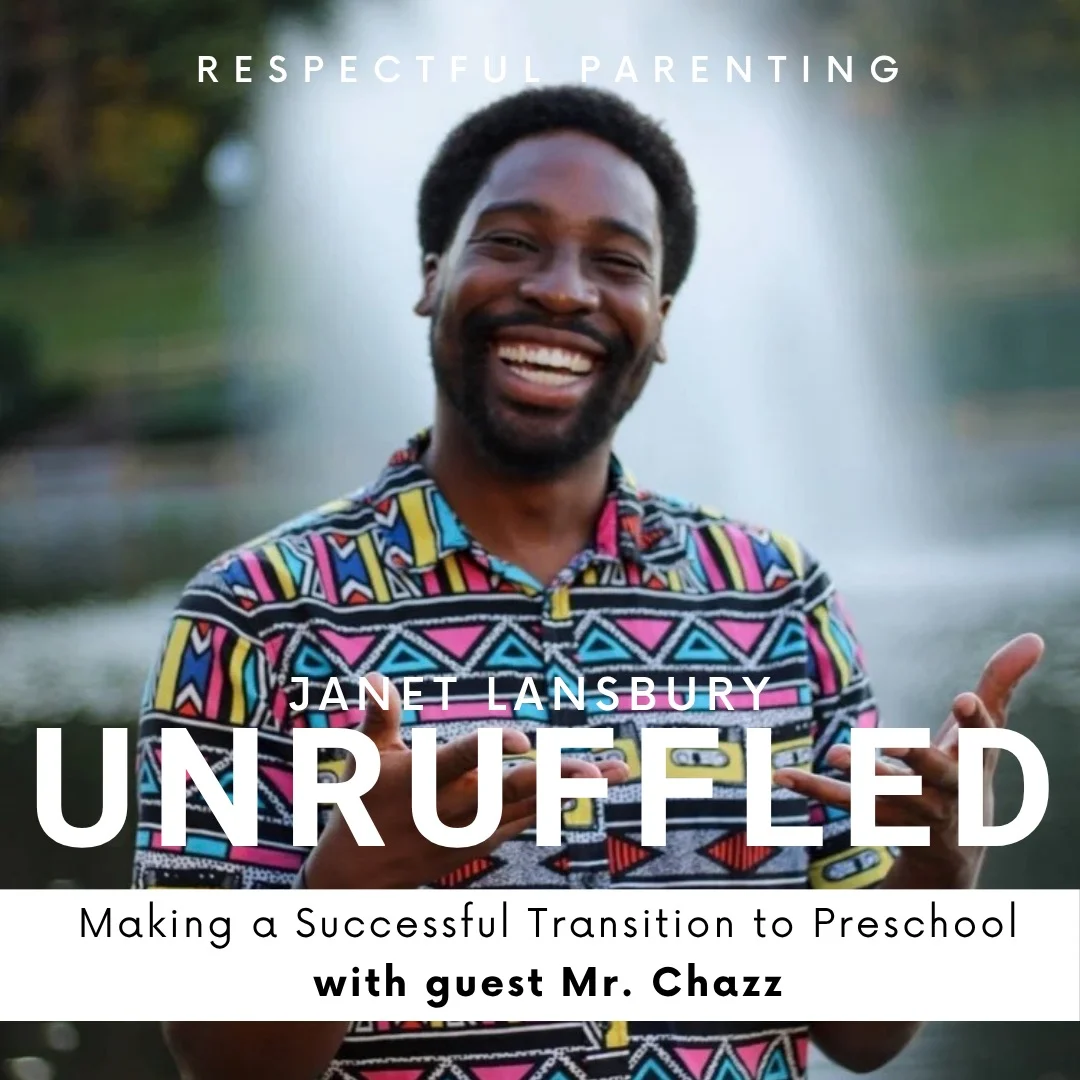
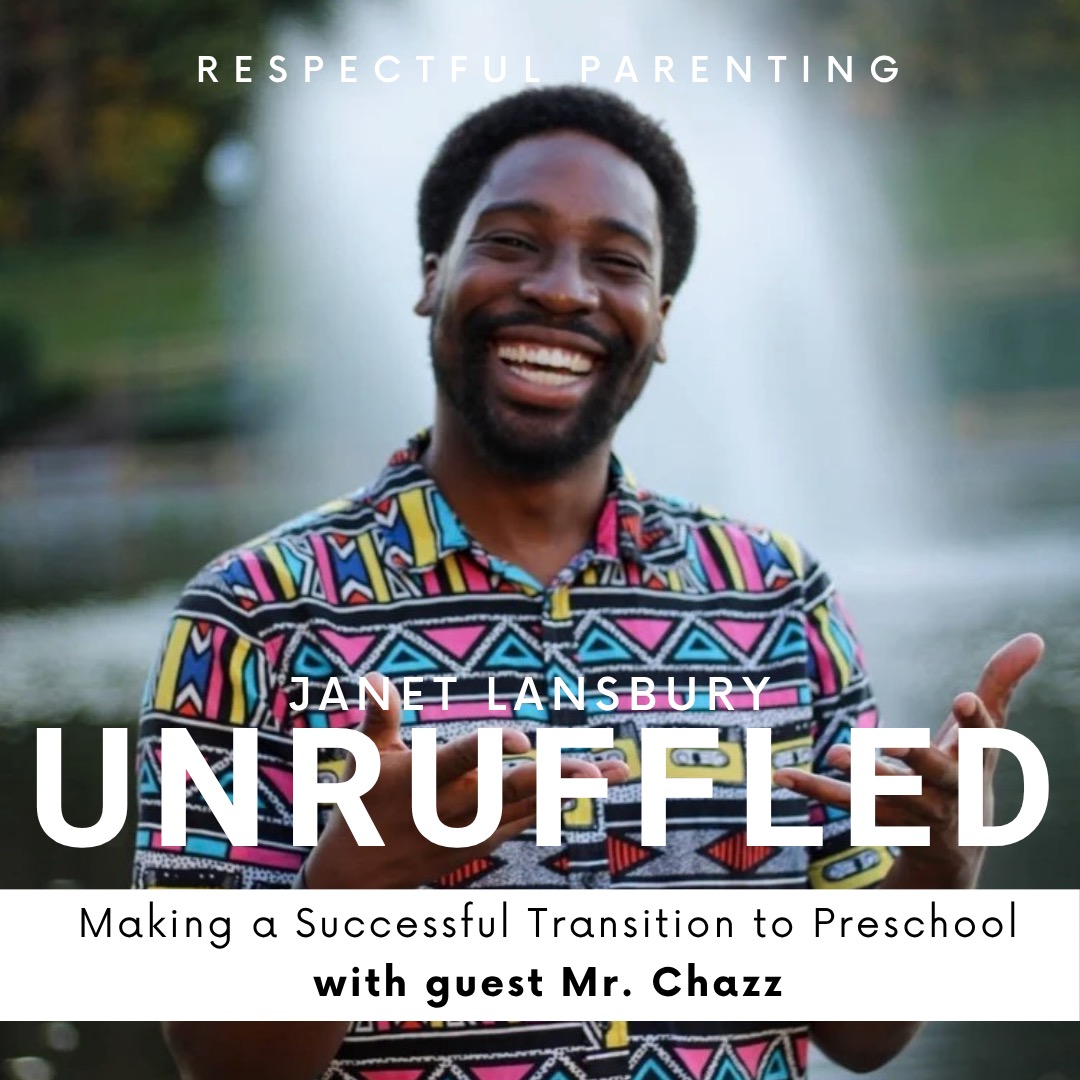
As families navigate the annual milestone of starting or returning to school, early childhood expert and educator Mr. Chazz recently joined parenting specialist Janet Lansbury on her podcast, Unruffled, to discuss how parents and teachers can ease the transition into preschool and childcare. Known widely across digital platforms for his engaging and empathetic approach to child development, Mr. Chazz shared insights from both his broader educational background and his latest venture, a Brooklyn-based learning and childcare center called Birdhouse.
The conversation centered on cultivating trust, redefining the separation process as an integrated routine of connection, and viewing big emotional moments not as failures, but as valuable opportunities for growth and co-regulation for both children and adults.
Reimagining the Early Childhood Environment
During the discussion, Mr. Chazz and Lansbury addressed the traditional challenges of early childhood transitions. Mr. Chazz noted that standard drop-off procedures in many childcare facilities often prioritize adult convenience over the emotional needs of the children, teachers, and families involved. He described typical drop-offs as rushed interactions where children are quickly ushered into classrooms while parents hurried away, a dynamic he likened to dropping off packages.
In contrast, Mr. Chazz’s newly established school, Birdhouse, aims to model a more supportive infrastructure starting with the educators themselves. By providing the head teacher with living quarters directly above the school to eliminate rent burdens, the program seeks to prevent educators from operating in a survival state. According to Mr. Chazz, when teachers feel genuinely cared for and supported, they possess the emotional bandwidth and prefrontal capacity required to properly care for young children. Lansbury emphasized that this model also fosters greater staff retention, providing the consistency that children and families desperately need.
From Drop-Off to Arrival: Shifting Language and Practice
To foster a greater sense of security, Birdhouse has replaced traditional terminology and practices around the start of the day, shifting from "drop-off" and "pick-up" to "arrival" and "reunion." The arrival process is designed to honor both the separation from the parent and the integration into the school community. Rather than a swift exit, the routine involves specific, structured steps supported by visual cues to help children navigate the transition with confidence.
Upon entering the facility, children engage in a personalized greeting, such as a high-five, fist bump, or hug, tailored to their individual preferences with the option to pass if they choose not to connect. Children then place their belongings in their cubbies, remove their outdoor footwear to maintain cleanliness, and wash their hands with the assistance of a parent or caregiver. Parents are also invited to participate in circle time before a formal goodbye song marks the transition for family members to leave. Additionally, the school encourages families to visit the space weeks in advance so children can familiarize themselves with the environment and build trusting relationships with the educators—whom they call "safekeepers"—before regular attendance begins.
Reframing Emotional Outbursts as Learning Opportunities
Even with thorough preparation, separation can sometimes trigger intense emotional responses. Mr. Chazz and Lansbury discussed how to handle days when a child experiences prolonged distress after a parent departs. Rather than viewing a crying child as an indication of failure or rushing to distract them, the educators at Birdhouse practice a calm, receptive presence. They remain nearby, offering available comfort without forcing physical touch, allowing the child to express their sadness fully.
Mr. Chazz shared an instance where a child cried through an entire circle time while missing his mother. Rather than ignoring the behavior, the teachers acknowledged the child’s feelings openly with the rest of the class. The other children responded by taking collective deep breaths and sending supportive energy toward their classmate. This approach turned a difficult moment into a powerful lesson in empathy, emotional awareness, and peer regulation. Once the child’s big feelings subsided, he was able to self-regulate, seek comfort, and rejoin the group’s activities.
Lansbury noted that parents often experience anxiety during such moments, worrying that bystanders or teachers might judge their parenting or the child’s distress. Both experts emphasized that caregivers should release these self-critical thoughts and allow emotions to run their natural course. Crying serves as an outlet for built-up energy, fatigue, or stimulation, and children inherently know how to process these feelings when provided with a safe and patient environment.
Practical Strategies for Families
Recognizing that most families do not have access to alternative models like Birdhouse, Mr. Chazz offered actionable strategies that parents can implement within more traditional school settings. He recommended creating visual routine cards that outline the sequence of arrival steps, helping children anticipate what comes next and reducing friction during busy mornings. Families can also review schedules, read photo books about the new school, or roleplay the arrival and departure routine using stuffed animals to build familiarity before the school year begins.
Furthermore, Mr. Chazz stressed the importance of communication between parents and teachers during the initial transition period. Because educators are learning the unique personalities, cues, and soothing preferences of multiple children simultaneously, providing detailed information about a child’s habits—such as naptime routines or comforting items from home—can significantly aid teachers in building secure attachments.
Concluding the conversation, both educators reflected on the profound rewards of working directly with children. Mr. Chazz highlighted that despite the emotional labor involved in teaching, witnessing moments of connection and breakthrough makes the daily challenges deeply meaningful. Lansbury echoed these sentiments, noting that young children consistently teach adults valuable life lessons through their honesty, resilience, and capacity to feel deeply.