As the holiday season approaches, families engaged in home education are turning their attention toward meaningful ways to celebrate. The best homeschool gift ideas invite a family to keep learning together: beautiful books to read aloud, simple instruments and games that sharpen young minds, and small reminders of the faith and friendships that shape each day at home. Curated specifically for classical educators, this year’s seasonal recommendations offer options organized by program for Foundations, Essentials, and Challenge students, alongside selections chosen especially for homeschool moms, stocking stuffers, and splurge items for every budget.
Homeschool Gift Ideas by Program
Every season of a child’s education invites its own kind of gift. Little ones love to touch, sing, and repeat. Middle schoolers love to sort, compare, and ask why. Teens love to wrestle with big ideas and put them into words.
In the Foundations program, children ages four to twelve practice the art of grammar through the Five Core Habits of Grammar: Naming, Attending, Memorizing, Expressing, and Storytelling, which lead them to wonder at the world God made. Gifts that invite singing, reading aloud, and hands-on discovery fit beautifully here, such as the classic key of D tin whistle.
Essentials students sharpen their command of English grammar, writing, and math, building habits of careful analysis that strengthen the art of dialectic. Gifts that make studying feel personal and orderly, including specialized highlighters and supply kits, are a happy match for this stage.
In Challenge, students grow from questioning to persuading as they practice the arts of dialectic and rhetoric through seminars, debate, and great books. Gifts for this program honor both their growing independence and their deepening convictions, featuring apparel and items that reflect their dedication to rigorous academic pursuits.
Clothing and Apparel for the Community
New clothes under the tree are a Christmas tradition in many homes. Classical Conversations favorites let the whole family wear their love of learning, faith, and community spirit. Caps and cozy layers include traditional baseball caps as well as ponytail baseball caps made just for mothers and daughters, featuring a hidden ponytail opening for easy, all-day wear and serving as a reminder of the mission to know God and to make Him known. Timeline socks feature the historical cards that many families sing through each week, offering a playful gift for anyone who can recite history from Creation forward.
Sweatshirts and t-shirts include the Keepers of the Books sweatshirt, drawn from Leigh Bortins’s charge to homeschool parents to celebrate families who choose timeless literature and the rich tradition of learning through the written word. Officially licensed pullover hoodies with roomy front pockets keep hands warm on Community Day, while long-sleeve t-shirts feature the foundational mission statement. Additionally, adult and youth t-shirts printed with Scripture in Latin bring the early church’s language to the dinner table, making matching shirts a sweet sibling gift.
Jewelry and accessories complete the apparel offerings. Stretchy unisex friendship bracelets celebrate community and connection, while silver-tone dangling earrings with navy blue hearts make sweet gifts for students, mothers, or tutors. Women’s charm necklaces serve as delicate keepsakes for directors and tutors, and soft Croc charms along with collectible enamel pins allow children to add personalized homeschool flair to their footwear, backpacks, and lanyards.
Books That Cultivate Wonder and Wisdom
Ask anyone within the classical education community, and they will emphasize a deep affection for literature. Books make some of the best Christmas gifts because they invite students into conversation with the greatest minds and ideas in history while cultivating wonder, wisdom, and virtue.
For young learners, the Copper Lodge Library offers Tanglewood Tales, in which Nathaniel Hawthorne retells great Greek myths for children, and The American Experience Storybook, featuring tales from American history for cozy evenings by the tree. Gladys Hunt’s Honey for a Child’s Heart serves as a guide for parents seeking to build a family culture around good stories.
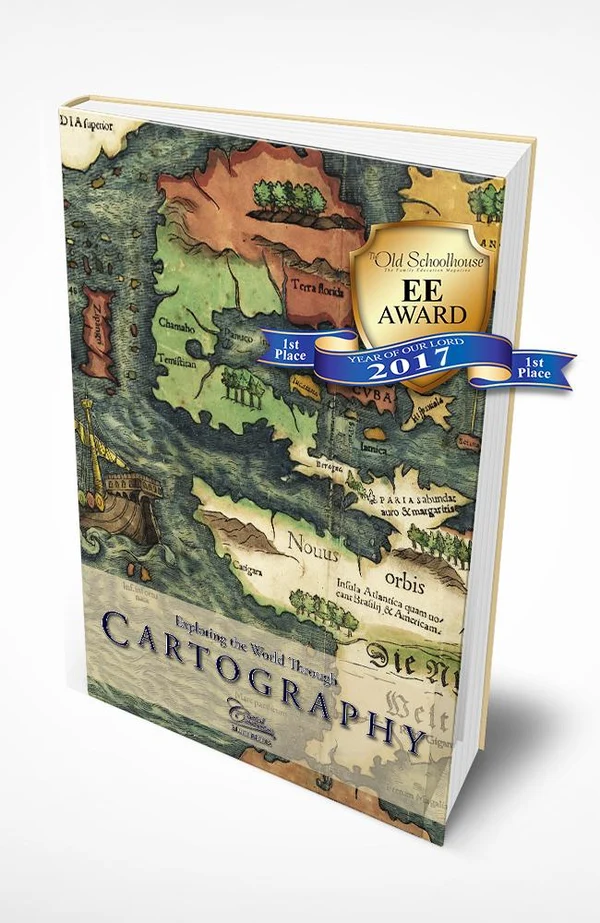
Home libraries and coffee tables benefit from museum-quality art collections like Marvelous to Behold and visually stunning volumes like Exploring the World Through Cartography, which reveals the art and science of mapmaking. Classic collections from the Copper Lodge Library, such as the Echoes trilogy covering ancient, old, and new worlds, provide poetry, myths, and legends that parents can read weekly. The Roman history series, tracing the empire from its legendary kings through the republic and into the age of emperors, offers rich family reading over the Christmas break.
Timeless literature for tweens and teens includes editions of The Secret Garden, Pride and Prejudice, The Lion, the Witch, and the Wardrobe, The Hobbit, and The Call of the Wild, all of which encourage young readers to explore virtue, courage, and human nature.
Educational Supplies and Everyday Gear
Practical learning supplies support the daily rhythms of classical education, from memory work review to nature study sketches. Latin John 1:1 pencils printed with Scripture are ideal for stockings, alongside fun vinyl sticker multi-packs for laptops and water bottles. The Lead Learner Supply Kit provides a zippered pouch filled with writing instruments in a calming blue palette, serving as a thoughtful thank-you gift for tutors and directors. Wooden bookmarks, embossed journals, and stainless steel insulated tumblers in various sizes support long hours of Latin review and read-aloud sessions. For carrying materials to Community Day, rugged backpacks and utility totes offer durable storage solutions, while bookstore gift certificates allow educators to choose items suited to their specific needs.
Gifts for Homeschool Moms and Spiritual Growth
Homeschool mothers generally treasure three things: time to rest, encouragement for their calling, and resources that feed their own minds. Books such as The Habits of a Classical Education: Practicing the Art of Grammar, Classical Christian Education Made Approachable, Stratford Caldecott’s Beauty for Truth’s Sake, and Neil Postman’s Amusing Ourselves to Death provide intellectual refreshment. These are complemented by physical comforts like cozy pajamas, blankets, warm beverages, and meal assistance that grants parents the gift of time.
In alignment with the mission to know God and to make Him known, gifts promoting spiritual growth include Bibles suited for various age groups, Donald Whitney’s Praying the Bible, and John Bunyan’s classic allegory The Pilgrim’s Progress. These resources help families root all academic pursuits in the worship of God.
Toys, Games, and Experiences
Classical Conversations favors simple learning tools that cultivate strategic thinking, patience, memory, creativity, and face-to-face conversation. Branded playing cards, chess, backgammon, dominoes, and memory-matching games strengthen logical thinking and pattern recognition. Building toys like blocks, Lincoln Logs, and Tektones develop spatial reasoning and architectural appreciation, while puzzles, balls, dolls, and woodworking kits foster physical health, creativity, and craftsmanship.
Shared experiences provide lasting memories that reinforce historical and scientific studies. Gifting classes in arts or crafts, outdoor activities like rock climbing or ice skating, theater tickets, or trips to national parks and historical sites transforms textbook facts into lived reality. Similarly, family memberships to zoos, aquariums, museums, fitness centers, and state parks establish regular rhythms of exploration and physical well-being throughout the year.
Subscription boxes, magazines, and streaming platforms such as RightNow Media offer continuous learning opportunities and family-friendly programming. From stocking stuffers under ten dollars to splurge-worthy masterwork books, these holiday selections aim to extend the spirit of Christmas and learning well into the new year.
Following a historic week for the United States, citizens across the country are reflecting on the profound outcomes of a defining election cycle. As campaigns draw to a close and the results are certified, the stark reality of the democratic process remains evident: elections are, by their very nature, zero-sum contests. This week has brought moments of profound celebration for some, while leaving others to grapple with disappointment. Yet, in the face of these deep-seated political divides, organizations dedicated to civic cohesion and civil discourse are emphasizing a broader, more enduring mission—building a nation expansive enough to embrace all of its people, regardless of how they cast their ballots.
Interfaith America, a prominent nonpartisan organization dedicated to fostering cooperation across deep differences, has highlighted the extraordinary nature of the recent electoral outcomes. Operating on the core principle that pluralism requires active engagement and mutual respect across partisan, religious, and cultural lines, the organization points out that democracy functions best when all citizens feel a sense of ownership and representation within the system.
Americans Elected One of the Most Diverse Groups of Leaders in Our Country’s History
At the heart of the national conversation surrounding this election is a remarkable milestone: American voters have elected one of the most diverse groups of leaders in the nation’s history. This historic achievement spans across partisan lines, bringing together Democrats and Republicans whose backgrounds, expertise, and personal identities reflect the complex tapestry of modern America.
For advocates of pluralism, this diversity is a treasure to be celebrated. The underlying philosophy of interfaith and cross-cultural bridge-building is rooted in the belief that a healthy democracy requires a culture where people can live and lead together despite profound disagreements. Whether Tuesday’s results left individual citizens feeling elated or deflated, the framework of pluralism offers a larger, stabilizing truth: American democracy is fundamentally strengthened when individuals from diverse races, religions, generations, and political traditions are able to participate fully in public life—and when members of those identity communities are chosen by their peers to lead.
These history-making selections demonstrate that voters, through the ballot box, are increasingly willing to affirm the qualifications, professional expertise, and lived experiences of candidates from a wide array of backgrounds. These successes carry heightened significance during a historical moment when the very definition and boundaries of American identity are actively contested in the public square.
Throughout the campaign season, several high-profile races brought underlying societal tensions to the forefront. The Michigan Senate race, for instance, laid bare the ongoing struggle against Islamophobia within American politics, while antisemitic tropes surfaced as a troubling dynamic in multiple contests across the country. Furthermore, political campaigns such as those of Senator-elect James Talarico in Texas and Senator-elect Adam Hamilton in Kansas highlighted ongoing negotiations over what constitutes authentic religious expression and public leadership, particularly regarding Christian identity in the public sphere.
Navigating these complex cultural and religious dynamics requires a steadfast commitment to healing once the ballots are counted. A vital component of pluralism is the uncompromising respect for individual identities, ensuring that the United States remains a nation where religious and cultural identity is never weaponized to diminish a person’s fundamental humanity or their rightful place within the civic community.
Elections Determine Who Governs, Not Who Belongs
As political analysts and community leaders evaluate the road ahead, a fundamental distinction continues to guide civic organizations: elections determine who governs the nation, but they do not—and cannot—determine who belongs.
Reflecting on this sentiment during a staff discussion this week, Interfaith America Founder and President Eboo Patel captured the essence of the national moment. He observed that the election revealed a public—united not by a single ethnicity, religion, or language—expressing a profound comfort with the country’s multifaceted identity. Patel noted that citizens demonstrated a collective affection for the diverse people around them, showcasing the enduring decency of the American people when they affirm their shared identity across differences.
This election serves as a powerful reminder of why pluralism and intentional bridge-building are indispensable to the health of the republic. By helping Americans navigate the immediate emotional and political fallout of electoral outcomes, bridge-building initiatives make it possible for citizens to remain in constructive relationships across political divides and discover meaningful opportunities to act together, even in the midst of sharp disagreement.
The work of healing and fostering national unity does not end when the polling places close. As the nation looks toward the future, the challenge for leaders and citizens alike will be to sustain a culture of pluralism that honors individual dignity, respects the complexities of a diverse populace, and ensures that the American experiment remains welcoming to all.
— Amber Hacker and Mary Ellen Giess, Managing Directors, Interfaith America
For Carlin Gettliffe, the turning point did not arrive with a strategic breakthrough or a major funding round. It came in the form of bone-deep exhaustion, the hum of fluorescent office lights, and the relentless pressure of a startup environment defined by ten to fifteen phone calls a day and endless hours hunched over a computer screen.
Like many professionals navigating the hyper-connected demands of the modern digital economy, Gettliffe reached a breaking point. The antidote he chose, however, was as radical as it was traditional: he walked away from the screen and stepped straight into the woods.
That leap led him to Duvall, Washington, where he enrolled in a demanding nine-month adult immersion program at the Wilderness Awareness School. Tucked quietly near the end of the curriculum, Gettliffe encountered something that would fundamentally alter the trajectory of his life: wilderness rites of passage.
It was not the cinematic, highly romanticized encounter often packaged for modern consumers seeking a weekend adventure. Instead, Gettliffe describes his introduction to ancient threshold work as gritty, strange, and deeply uncomfortable, though quietly threaded through with unexpected moments of grace. Stripped of creature comforts for days and nights on end in the deep forests of the Pacific Northwest, the rigid scaffolding of modern life—plans, schedules, and strategic schemes—began to dissolve.
In their place, a more primal rhythm emerged. When he was cold, he moved. When he was tired, he curled up in the damp moss. When he was hungry, he ate. When fear tightened his chest, he paused to listen. His body reclaimed the role of navigator, communicating through the immediate, unfiltered language of belly grumbles, shivering muscles, tension, and release.
That visceral shift opened the door to experiences entirely foreign to the urbanized mind. Gettliffe recalls a night spent laying his head directly on the earth after a long, dark wander through the trees. Hovering on the fragile border between wakefulness and sleep, he heard a family of mice softly chattering and cooing to one another in the nearby grass. Paralyzed by the fear of startling them, he lay completely still for what felt like hours, feeling mysteriously tethered to those tiny, unseen lives by a fragile universe of shared sound.
Yet the journey into the wild was not merely a romantic idyll of gentle woodland creatures. At other moments, his psyche felt as though it were free-falling through empty, terrifying space. Deeply held personal assumptions and old psychological armor cracked and crumbled. Fear seized him, shaking him awake. He found himself swallowed, both literally and figuratively, by the dark.
Yet in surrendering to that darkness—in letting go of the white-knuckled struggle for control, comfort, and intellectual understanding—a profound space opened up for something entirely different to emerge.
Articulating that presence defies easy language. Gettliffe suggests words like presence, resonance, or the quiet vulnerability of belonging, though noting it is just as accurate to simply call it oak tree, owl, water, and wind. More than anything, it is an act of remembering—a long-awaited return to what poet Mary Oliver famously termed our "place in the family of things."
True wilderness rites of passage, Gettliffe discovered, are rarely tests of raw physical endurance or survivalist skill. Instead, they serve as a rigorous test of an individual’s willingness to be pierced—by beauty, by grief, by fear, and by the profound realization of how desperately humans need the living world, and how much the living world, in its own silent way, needs us in return.
Through this crucible, participants often uncover something far more enduring than individual ambition, corporate recognition, or status: a deep-seated kinship and devotion to life itself. This devotion does not spring from a high-minded, intellectual desire to "do good," but rather from a connection grounded quite literally in the dirt under one’s fingernails, the texture of moss beneath the cheek, and the haunting, solitary call of a saw-whet owl cutting through the midnight air.
This kind of remembrance offers no tangible currency for modern life. It provides no notches for a resume belt, no professional credentials, and no marketable skills for the contemporary gig economy. It will not lead to riches, nor will it bring fame. In fact, far from making a person happier, it is likely to put them directly in touch with reservoirs of buried grief they never knew they carried. It functions as a psychological trust fall, offering zero guarantees, no safety nets, and no easy paths.
What it does dismantle, however, is the stubborn modern illusion that individuals are meant to navigate existence entirely on their own—a notion that Gettliffe firmly rejects. It shatters the ego-driven belief that a person’s private scramble for comfort and control sits at the center of the universe, while replacing it with an undeniable awakening: the realization that every human life is desperately needed by the whole.
When those truths finally land, they arrive simultaneously as an immense, exhaling relief and as an urgent new call to devotion. Our first and last responsibility as human beings, Gettliffe argues, is to the intricate web of relationships and wholeness that not only contains us, but fundamentally depends upon our care.
Rites of passage, viewed through this lens, are the ancient cultural technologies through which humans tend to that web and repair the fraying edges of contemporary society. They do not exist merely for the personal edification of the individual; rather, they exist for the health of the village. Modern culture, Gettliffe notes, rarely pauses to recognize or honor moments of genuine transformation and import in a person’s life.
To help bridge that cultural deficit, Gettliffe now serves as the lead instructor for the Shadowcraft Intensive and the Sacred Dark weekend program at the Wilderness Awareness School. Shadowcraft is designed as a deliberate modern ode to ancient rites of passage—an offering to the wild spaces waiting to meet individuals willing to step off the beaten path. True thresholds, he observes, are remarkably rare, and most people can count the genuine turning points of their lives on one hand. Through programs like Shadowcraft, participants are given a rare structured opportunity to traverse those thresholds within, alongside, and in humble service to both human community and the wider, more-than-human world.
Raising children often involves guiding them through expected childhood milestones and occasional behavioral hurdles. However, many families find themselves facing deeper, more complex challenges that require professional intervention. Issues such as persistent anxiety, clinical depression, severe family conflict, and sudden emotional or behavioral shifts can signal that a child is struggling beneath the surface. For children and adolescents who have been impacted by adoption or foster care, these struggles are very frequently connected to past trauma. Recognizing this root cause is a crucial step for families, and experts emphasize that trauma-informed therapy can make a profoundly meaningful difference in helping a child begin a sustainable path toward healing.
To understand why specialized care is so critical, it is first necessary to examine what sets trauma-informed therapy apart from conventional approaches. In a trauma-informed therapeutic setting, a trained clinician understands how early or complex trauma impacts the whole child, shaping every aspect of the treatment plan around that comprehensive understanding. Rather than looking at a struggling child and asking the traditional question of "What is wrong with this child?", a trauma-informed therapist approaches the situation with curiosity and compassion, asking instead, "What has this child experienced, and what do they need to feel safe?"
Within this framework, a qualified therapist is trained to recognize the often-subtle signs and symptoms of trauma and work actively toward supportive solutions. Throughout the therapeutic process, the clinician takes meticulous care to avoid re-traumatizing the child. Furthermore, these specialists actively equip both children and their parents or caregivers with practical regulation activities—tools that can be seamlessly integrated into daily life at home to manage emotional surges and foster a sense of security.
The distinction between trauma-informed therapy and traditional therapeutic methods is significant. While conventional talk therapy may be completely appropriate and effective for many individuals, certain traditional methods can inadvertently be more harmful than helpful for young people carrying deep-seated trauma. For instance, traditional approaches might involve asking a child to recount their traumatic experiences in detailed chronological order or sharing sensitive histories within a group counseling setting. For children and teenagers who have already endured profound instability or abuse, these demands can easily trigger a fight-or-flight response, reinforcing fear and anxiety rather than promoting true healing.
In contrast, trauma-informed therapy moves carefully at the child’s individual pace. It places safety, trust, and relational connection at the very forefront of the healing process. By establishing a secure therapeutic alliance first, the therapist ensures that the challenging emotional work of healing takes place on a foundation that the child can reliably trust.
This specialized lens remains vital even for children who were welcomed home through adoption during infancy. It is a common misconception to assume that an infant has not experienced trauma because they are too young to remember it. However, the early disruption and separation from a birth parent—even in the first days or weeks of life—can result in significant attachment trauma. The psychological and neurological effects of this early separation may not manifest until much later in a child’s development, often surfacing during toddlerhood, middle childhood, or the turbulent teenage years. This delayed onset underscores why maintaining a trauma-informed perspective is essential for families navigating adoption and foster care at any stage.
For parents and caregivers seeking specialized support for children and teens with adoption or foster care histories, experts recommend looking for counselors who possess specific training in adoption-competent care. Directories such as the National Directory provided by the Center for Adoption Support and Education offer valuable resources to help families locate qualified professionals in their regions.
Organizations deeply rooted in the adoption and foster care community continue to champion holistic, evidence-based frameworks to aid in this work. Show Hope, a prominent organization dedicated to supporting families, partners closely with the Karyn Purvis Institute of Child Development (KPICD) to champion Trust-Based Relational Intervention, widely known as TBRI. According to the KPICD, TBRI offers a practical, highly compassionate approach designed to help the whole child heal. Grounded in best practices drawn from modern neuroscience, attachment theory, and developmental research, TBRI assists caregivers in systematically addressing a child’s physical, emotional, and developmental needs. Proponents note that this approach offers what traditional, punitive disciplinary models cannot: authentic connection, emotional regulation, and lasting neurological change.
While TBRI principles are immensely helpful when implemented within the home environment, families can also access specialized support by seeking out certified TBRI Practitioners. These specialized therapists work collaboratively with parents and children to incorporate these relational principles directly into clinical sessions, reinforcing safety and healing across all areas of the child’s life.
Despite the proven benefits of specialized mental health care, financial barriers frequently deter families from seeking the help they need. Recognizing that costs should never stand in the way of a child receiving appropriate care, organizations like Show Hope have established financial assistance programs. Show Hope offers dedicated Medical Care grants distributed to select mental health providers, specifically designed to help lower the financial barriers associated with adoption-related care and counseling.
As families walk this complex, often demanding journey together, professionals emphasize that there should be no shame or stigma attached to seeking out therapy or counseling. Children and adolescents—particularly those whose lives have been touched by adoption and foster care—often carry unique and intricate needs that require professional guidance to navigate successfully. Mental health professionals continually remind parents that needing outside help is in no way a reflection of their capabilities, dedication, or love as caregivers. Embracing this truth is a vital part of the healing process for the entire family as they seek out the professional resources necessary to support their child’s well-being.
When veteran educator and author Jamie C. Martin posed a simple question to the readership of Simple Homeschool several months ago, she expected a wide variety of responses. She asked hundreds of parents to identify their single greatest challenge and source of anxiety when it comes to educating their children at home. What she discovered, however, was an overwhelming consensus that cut across geographic boundaries, family sizes, and educational philosophies. More than 75 percent of the replies pointed to the exact same persistent insecurity: the haunting, nagging fear that they are simply not doing enough.
It is a sentiment that keeps many parents awake during the quiet hours of the night. Despite the deep diversity among homeschooling families—ranging from eclectic learners and traditional classical homeschoolers to unschoolers and hybrid online students—the psychological burden remains remarkably uniform. As a new academic year gets underway, educators and parents alike are being forced to confront this elusive concept of "enough," examine why it exerts such a powerful hold over modern education, and explore practical ways to break free from the cycle of self-doubt.
To understand the psychology behind this anxiety, Martin suggests examining another domain where society fixates on the exact same word: personal finance. Across nearly every demographic, individuals rarely feel as though they possess an abundance of money. Regardless of household income levels, there is a pervasive tendency to hope for just a bit more to achieve comfort and security. Yet, extensive economic and psychological research into happiness and wealth has revealed a distinct threshold—often cited around the annual income mark of $75,000, where basic needs and standard desires are fully met. Beyond that specific financial baseline, accumulating additional cash does not yield a proportional increase in human joy or life satisfaction.
This economic parallel offers a vital lesson for educators: the concept of "enough" has a definitive set point. When a household falls below that threshold, the lack is felt acutely through stress and disorganization. However, continuing to pile on endless tasks, supplemental assignments, and rigorous extracurricular checklists yields diminishing returns. It fails to enhance the educational experience and instead breeds exhaustion. The ultimate objective for families navigating the homeschool journey is not endless accumulation, but rather identifying and settling into that optimal, balanced set point.
This realization challenges how educators approach planning. Families often spend countless hours reviewing digital spreadsheets, colorful planners, and curriculum catalogs at the desk, searching for a flawless routine. Yet, experience shows that the most meticulously designed schedule will never feel sufficient if the person implementing it does not believe in their own inherent worth. No checklist, no matter how comprehensive, can validate an educator’s value. Daily homeschool achievements and lesson plans do not define a parent’s character or determine their worth as a guide.
Interestingly, this anxiety is not exclusive to domestic classrooms. Public school educators wrestle with the exact same doubts. When Martin posed the question to a dear friend who teaches within the local public school system—asking if she ever felt like she was falling short—the response was immediate and affirmative. The teacher admitted to feeling that way constantly, explaining that whenever a student struggles to grasp a concept or faces personal hurdles, she always carries the lingering burden of wondering if she could have done more.
Recognizing that dedicated teachers—whether operating within a traditional institution or at a kitchen table—wrestle with these identical insecurities offers a profound sense of comfort. Furthermore, a closer look at the reality of traditional school systems reveals that they are far from the relentlessly efficient, high-output machines they are often imagined to be.
This perspective was recently reinforced when Martin observed her niece returning home from the first day of the eleventh-grade year. While reviewing the paperwork provided for an Advanced Placement Psychology syllabus, a surprising detail emerged on the reverse side of the document. Alongside the rigorous course objectives was a list of over a dozen feature films scheduled to be watched in class over the course of the semester as part of the formal curriculum, including mainstream titles like Groundhog Day and What About Bob.
The point of highlighting such a curriculum is not to critique public education, but rather to illuminate a stark reality: parents frequently hold themselves and their home environments to an unrealistic, impossible standard of productivity that does not actually exist anywhere in the professional educational world.
Instead of attempting to replicate a struggling institutional model within the domestic sphere, educators have a unique advantage that traditional schools can never match: the inherent power of home. Rather than transforming a living space into a rigid institution, parents are encouraged to calibrate their definition of "enough" around what their specific children genuinely need in any given moment, regardless of their age. For families who anticipate long-term homeschooling commitments, shedding artificial, arbitrary grade-level boxes opens the door to authentic, flexible learning tailored to individual pacing.
Conversely, for families who must keep the option open to reintegrate children into traditional schooling environments down the road, easing these fears of inadequacy can be achieved through slow, steady, and incremental progress in foundational subjects. Integrating even a modest amount of daily reading instruction, writing practice, and arithmetic can provide structural reassurance without overwhelming the daily rhythm.
Many families achieve this balance by utilizing structured workbooks corresponding to a child’s current academic level, completing a small handful of targeted pages each school day. By breaking larger assignments into manageable portions—sometimes even separating individual pages so that students are not overwhelmed by the visual expanse of an entire book—learners can approach their studies with confidence. Once these foundational tasks are completed, the remainder of the day can be filled with the rich, expansive experiences that make home education unique.
Rather than isolating children with endless schoolwork, the balance of the day can embrace the natural rhythms of family life: shared reading and discussions, cooking and baking together, navigating sibling dynamics, pursuing creative projects with building blocks, watching educational documentaries, playing strategic board games, and exploring passion-driven co-op classes. These are the elements that foster a lifelong love of learning and strengthen family bonds.
Ultimately, arriving at a sustainable definition of "enough" allows parents and children alike to step off the treadmill of hyper-productivity. By honoring the unique advantages of the home environment and releasing the pressure to match an impossible ideal, families can transform education from a source of chronic anxiety into a shared journey of discovery and connection.
For nearly eight years, a special terracotta dish garden occupied the center of a potting bench on a patio in California’s Inland Empire. Created shortly after the October 2018 death of 22-year-old Mia—who lost her life to addiction and the trauma surrounding a failed adoption reunion—the memorial was deeply personal. Alix Wright had carefully assembled the arrangement using succulents from a floral tribute sent for her daughter’s memorial service. Over the years, the terracotta bowl had aged beautifully, darkening from its original bright hue, while the arrangement of succulents and miniature accessories remained a steadfast tribute.
That steady routine changed abruptly in April 2026. In an effort to give a rose-shaped succulent more sunlight, Wright moved the dish garden to a small table elsewhere on the patio. As she turned to water neighboring plants, she inadvertently bumped the table. The entire dish garden tumbled onto the concrete below, shattering into pieces. Potting soil, plants, and carefully chosen accessories were scattered across the patio and yard.
The immediate reaction was visceral. Frustrated and grief-stricken by the accident, the moment carried a profound symbolic weight for Wright. Beyond the physical destruction of the memorial, the accident felt like a devastating emotional failure—a reflection of an inability to hold her daughter together during her tragically short life, compounded now by an apparent failure to protect her memory. The heavy presence of her late husband, Oliver, seemed to loom over the accident, amplifying the self-reproach.
Driven by an urgent need to rectify the mistake without leaving a trace of the mishap, Wright initially searched for a replacement container. A local garden store yielded a new terracotta dish, but it lacked the character and history of the original. More importantly, something brand-new and unblemished could not authentically capture the depth of love and memory invested in the first garden.
Faced with this dilemma, Wright drew upon an experience from a bereavement support group attended nearly a year earlier. During one of the sessions, the group facilitator had introduced the ancient Japanese art of kintsugi, the traditional method of repairing broken pottery using lacquer dusted with powdered precious metals, most commonly gold. Although the group’s hands-on experiment with basic epoxy kits and broken mugs had resulted in messy, imperfect creations rather than museum-quality art, the shared consensus had resonated deeply: life itself is messy, and creations do not need to be flawless to carry profound meaning.
Recognizing her own lack of formal artistic training—reminiscent of the cinematic determination of characters undertaking seemingly impossible tasks—Wright decided to embrace kintsugi to reconstruct the shattered memorial dish.
The restoration process proved to be an extensive, metaphorical journey. Most of the terracotta fragments were large enough to fit back together like a puzzle, joined using epoxy. Where gaps were too wide, Wright utilized epoxy sculpting clay, accompanied by the audiobook of Ozzy Osbourne’s Last Rites. The labor transformed into a poignant parallel for her daughter’s life and the collective, ultimately unsuccessful efforts of loved ones trying to keep her from falling apart.
True to the challenges of creative restoration, the path was rarely smooth. The standard kintsugi gold powder looked dull and brassy against the deep orange-red of the terracotta. The joined pieces failed to align neatly, leaving thick, scar-like seams and two large halves that refused to meet properly at the base.
Ingenuity eventually met every obstacle. The epoxy-clay combination smoothed out awkward seams and filled structural gaps, while the largest structural failures at the bottom of the container were bridged using copper wire, stitched together after learning drilling techniques via online video tutorials. The dull, brass-like lines were painted over with a brilliant, vibrant shade of gold, and stencil work added symbolic final touches to the exterior.
After nearly a month of painstaking labor, the terracotta container was fully reconstructed. The project restored more than just a garden accessory; it returned a sense of agency and self-respect, proving that persistence and ingenuity could yield unexpected artistic capability.
Today, Mia’s reconstructed succulent garden rests safely back on the patio. Though the replacement container bought during the initial panic remains unused in the back seat of a car, the restored original vessel—marked by its repaired fractures and vibrant gold seams—carries an imperfect beauty that reflects the truth of Mia’s life far better than an unbroken dish ever could. Wright finds herself embracing a moment of grace, finding a quiet, hard-won resolution to a poignant chapter of remembrance.
Today marks a special occasion for literature enthusiasts and young readers alike as acclaimed author Kate DiCamillo makes a highly anticipated return to the show. Having previously visited both the main program and RAR Premium multiple times over the years, DiCamillo remains a cherished guest whose insights into storytelling consistently captivate audiences.
For millions of readers, DiCamillo needs little introduction. She is the creative force behind some of the most beloved and enduring children’s literature of the past two decades. Her extensive bibliography includes the delightful Mercy Watson series, which has introduced countless early readers to the joys of independent reading, as well as modern classics such as The Tale of Despereaux and Because of Winn-Dixie. Now, she returns to the conversation to discuss a major milestone for one of her most emotionally resonant works: the brand-new, exquisitely crafted 20th-anniversary edition of The Miraculous Journey of Edward Tulane.
For fans of fine bookmaking and collector’s items, this new release holds a special appeal. The updated edition features a gorgeous presentation that elevates the timeless story of the porcelain rabbit. Book lovers who appreciate maintaining a "keeper’s shelf" of treasured volumes will undoubtedly find a prominent place for this commemorative release in their home libraries.
During the interview, DiCamillo delves deep into the creative process behind her enduring body of work. Listeners are treated to a thoughtful discussion on the philosophy of writing to serve the story itself rather than striving to please external audiences or meet commercial expectations. Such uncompromising dedication to the narrative arc has been a hallmark of DiCamillo’s career, allowing her to craft stories that resonate deeply with readers of all ages, cutting across generational lines to explore complex themes of love, loss, and redemption.
The conversation also sheds light on the surprising, real-life origins of The Miraculous Journey of Edward Tulane. DiCamillo shares the fascinating background behind the creation of the arrogant porcelain rabbit who learns the true meaning of the human heart through a series of unexpected trials and separations. Understanding the personal inspiration that sparked the novel adds a rich layer of appreciation for a book that has touched the lives of so many readers since its initial publication.
As the conversation unfolds, DiCamillo’s warmth, wisdom, and profound respect for young readers shine through. Her reflections on the enduring power of a well-told story remind us why children’s literature holds such a vital place in the cultural landscape. Whether discussing the intricate mechanics of plot development or the emotional resonance of her characters’ journeys, DiCamillo offers listeners a rare glimpse into the mind of a master storyteller who continues to shape the literary experiences of new generations.
The episode provides an inspiring look into the artistic journey of a writer who has dedicated her life to honoring the intelligence and emotional depth of her readers. With the arrival of the 20th-anniversary edition of The Miraculous Journey of Edward Tulane, old fans and new readers alike have a wonderful opportunity to revisit a modern classic and appreciate anew the magic of DiCamillo’s prose.
There is a singular, suspended moment in the delivery room that Kara, a midwife and Continuing Education Manager for Spinning Babies®, says has never become routine. "Just before a newborn’s first cry, everyone in the room seems to hold their breath," she reflects. Despite years of experience navigating the complexities of labor and delivery as both a nurse and a midwife, that threshold between gestation and new life remains profoundly significant. It is this unique intersection of clinical precision and human connection that leads Kara to define midwifery as "the perfect mix of science and art."
Midwives have served as the bedrock of maternal and newborn care for generations, providing essential support through pregnancy, birth, and the postpartum period. While their core mission—to protect and guide families through the transition to parenthood—has remained consistent, the landscape of the profession has shifted dramatically. Today, the practice of midwifery is as diverse as the healthcare systems in which it operates, defined by a complex tapestry of clinical training, institutional policy, and cultural heritage.
Through insights from three dedicated practitioners—Venus, a hospital-based nurse-midwife in the United States; Kara, who has practiced in both the United States and the Netherlands; and Claire, a homebirth midwife based in New Zealand with extensive teaching experience across Europe—we can examine how the profession is evolving, the systemic challenges midwives navigate, and how they continue to redefine the standards of maternity care.
Midwifery’s Roots: Skilled Care Across Generations
The history of midwifery is deep and pre-dates the rise of modern hospital systems and professional licensing by millennia. For most of human history, the knowledge required to assist in birth was transmitted through familial lines, community observation, and hands-on apprenticeship. Indigenous and traditional midwives developed practices deeply attuned to the specific needs, cultural beliefs, and environmental realities of their communities. The International Confederation of Midwives (ICM) emphasizes this legacy, tracing the threads of midwifery tradition across Africa, Asia, Europe, and the diverse Indigenous nations of the world.
As medicine became increasingly institutionalized, the integration of midwives into healthcare systems varied wildly by region. In some parts of the world, midwifery was incorporated into formal clinical pathways, gaining professional autonomy and standardized education. In others, midwives faced marginalization, legal restrictions, and the systematic displacement of community-based wisdom.
In the United States, the legacy of Black midwives is particularly poignant. During eras of segregation, when Black families were frequently barred from hospitals or subjected to discriminatory care, "granny midwives"—the matriarchs of their communities—provided essential, lifesaving support. Their contributions, often documented by institutions like the Smithsonian National Museum of African American History and Culture, highlight a vital era where traditional knowledge served as the primary line of defense for maternal health in rural and underserved areas.
However, the current tension between formal clinical standards and traditional wisdom remains a subject of active debate. The question of whose expertise is officially recognized continues to ripple through the global community. At the ICM’s June 2026 Congress in Lisbon, for instance, Indigenous midwives and their advocates protested the organization’s decision to temporarily suspend its position statement regarding partnerships between Indigenous and non-Indigenous practitioners. This friction highlights a broader concern: when professional definitions are tethered strictly to modern licensing and academic degrees, what happens to the recognition of ancestral and community-carried knowledge? The ICM has acknowledged these concerns, with a revised statement expected in 2027, signaling that the conversation regarding the inclusivity of the profession is far from over.
What Does It Mean to Be a Midwife Today?
To ask three different midwives about their "typical" day is to receive three distinct snapshots of modern healthcare. Venus, working as a nurse-midwife in North Carolina, operates within a high-acuity environment. Her schedule is a rigorous cycle of prenatal clinical appointments paired with overnight hospital shifts. In this setting, the midwife’s autonomy is frequently defined by the intersection of state regulations and the institutional policies of the hospital system.
Kara’s experience offers a contrast in global practice. Her training in the United States and subsequent experience in the Netherlands highlight how deeply the local healthcare model shapes the midwife’s role. In the Netherlands, midwifery is a foundational component of the national maternity system. For low-risk pregnancies, the midwife is the primary provider, with obstetricians serving as consultants for complications. In contrast, Kara notes that in the U.S., she often spends significant time educating families and colleagues on the fact that midwives can—and do—attend hospital births, providing care alongside physicians even when medical interventions are required.
Claire, practicing in New Zealand, illustrates a third model: continuity of care. In this system, the midwife often walks with a family from early pregnancy through the initial weeks of the postpartum period. This model allows for a deep, longitudinal relationship that encompasses health education, clinical screening, and the ability to recognize subtle complications before they escalate.
Despite these differences in environment, the core definition remains consistent. As defined by the ICM, the midwife is a responsible, accountable professional whose scope spans the entire childbearing cycle. For parents, understanding these nuances is critical. Choosing a midwife is not an automatic rejection of medical intervention or pain management; rather, it is a choice to work with a practitioner whose education and philosophy are explicitly centered on the holistic care of the family unit throughout the transition to parenthood.
Beyond Birth: Caring for the Whole Person
For Venus, Kara, and Claire, the scope of their work extends far beyond the moment of birth. Venus, in particular, challenges the prevailing medical metric that equates a successful birth solely with a healthy parent and a healthy baby. While physical safety is the prerequisite, she argues that families deserve to be heard, respected, and emotionally supported throughout the entire experience.
During their conversations, the question "Who is holding the mom?" emerged as a central pillar of their practice. In a clinical environment that naturally fixates on the newborn’s vitals and transition, the person who has just given birth is often left to navigate recovery and the onset of new parenthood in relative isolation. Midwifery care, at its best, "holds space" for both.
This relational approach is what drew many to the field. Claire describes the integration of pregnancy into the broader life of the family, often involving siblings, partners, and extended family in prenatal visits. By observing the relationships and dynamics surrounding the parents, midwives can provide more personalized care that respects the dignity of the entire family. It is a reminder that excellent maternity care must synthesize clinical, evidence-based physical care with an acute sensitivity to the emotional and social experience of the birthing person.
The Challenges Behind the Calling
The profession is not without significant, often systemic, hurdles. Venus notes that while she has managed to find a sustainable schedule, many midwives face the brutal reality of long, irregular hours, high emotional labor, and the financial pressures inherent in under-resourced healthcare systems.
Beyond the physical toll, there is the persistent issue of professional recognition. Venus recalls the pressure she faced in nursing school, where a mentor warned her that as a Black woman, she would need to be "twice as good" to be considered "half as good" as her peers. This reality underscores the intersection of systemic racism and professional identity. In 2023, North Carolina took a step toward greater equity by expanding independent-practice eligibility for experienced certified nurse-midwives, a move that reflects the ongoing, slow-moving evolution of the regulatory landscape.
For practitioners like Kara and Claire, the lack of widespread public and professional understanding of the midwife’s scope can also be a barrier. When healthcare systems do not fully integrate midwives, it creates silos that hinder communication and can leave midwives feeling isolated. They emphasize that the sustainability of the profession requires more than personal resilience; it requires systemic support, including better access to continuing education, greater professional autonomy, and a culture that values the collaborative, multidisciplinary approach to maternity care.
Protecting Physiology Through Knowledge and Collaboration
The common ground for many modern midwives is the commitment to protecting the physiology of birth. This does not mean a dogmatic avoidance of intervention; rather, it requires a deep, evidence-based understanding of when to wait and when to act. As Claire succinctly puts it, the challenge is knowing, "When do I need to step in and when do I need to step away?"
This is where frameworks like the Spinning Babies® approach have become invaluable to many practitioners. By focusing on fetal positioning, maternal body balance, and the biomechanics of the pelvis, midwives can provide a more nuanced level of care. Instead of defaulting to medical intervention when labor slows, a midwife using this approach might first assess the fetal position and suggest specific movements to facilitate the baby’s descent.
Kara describes how this shift in perspective changes the questions she asks in the delivery room. "Where is baby?" becomes a diagnostic starting point that informs the clinical path forward. Importantly, this physiology-first approach is not an "all-or-nothing" philosophy; it is a set of tools that can be used alongside epidurals, induction, or monitoring to enhance comfort and improve outcomes. Venus notes that when she teaches these concepts to nursing staff, it creates a shared language that allows for more collaborative, informed, and individualized decision-making.
The Future of Midwifery
As the World Health Organization (WHO) continues to advocate for a global transition toward midwifery-led models of care, the profession stands at a critical juncture. For the midwives interviewed, the path forward is clear: it must be built on mutual respect, systemic integration, and the preservation of the "presence" that defines their practice.
Venus calls for a future where bias is actively addressed and the contributions of all midwives are fully acknowledged by their colleagues in nursing and medicine. Kara hopes for a future where the pathway into the profession is more accessible and where midwives are provided with the time and community support necessary to prevent burnout. Claire remains focused on the individual—reminding all birth workers that even in the most demanding, high-pressure environments, the simple, profound acts of listening, touching, and respecting consent remain the most vital tools in their kit.
The future of midwifery is already being shaped by these practitioners. As they continue to advocate for their profession, they are not only changing the clinical environments in which they work but are also ensuring that the ancient, essential art of midwifery remains a cornerstone of human health. Whether in a hospital, a birth center, or the home, these midwives demonstrate that by combining the best of scientific innovation with the deepest human traditions, they can provide care that is as enduring as it is essential.
When couples realize their marriage is in need of restoration, finding a pathway back to connection can feel daunting, but many are discovering that they can always turn to faith. Asking God to heal key aspects of a relationship—such as commitment, communication, connection, and intimacy—can refocus partners on what truly matters. For couples facing distress, the power of prayer offers not only hope for a better future, but also the courage to seek professional help when traditional efforts have fallen short.
The emotional toll of a struggling relationship can leave partners feeling completely depleted. Scott, a participant in a Focus on the Family Hope Restored marriage intensive retreat, shared the profound despair he felt before experiencing a breakthrough.
“I came here feeling hopeless, broken-hearted, with no emotion,” Scott said, reflecting on a turning point in his life. “I felt this was our last chance to heal our marriage. The presence of God in the room was truly felt. It was amazing to feel the love of God come back into our lives and those around us. I’m looking forward to returning home a changed man, loving and caring for myself and my wife. I am departing with my most heartfelt emotion—I love my wife.”
Stories of restored marriages like Scott’s highlight a recurring theme among faith-based support programs: the belief in a God who actively restores. Scriptural narratives frequently emphasize renewal, presenting restoration not just as isolated events, but as a central theme of divine reconciliation, such as the principles outlined in passages like 2 Corinthians 5:18-20.
Scripture explicitly addresses the theme of renewal, with passages such as Zechariah 10:6 noting, “I will restore them because of My compassion,” and Joel 2:25 promising, “I will restore to you the years that the swarming locust has eaten.”
When marriages encounter severe distress, individuals frequently turn to prayer as a foundational step toward healing. Engaging in prayers for marriage restoration involves asking for the literal revitalization of the relationship—seeking to rebuild, heal, cure, renew, transform, mend, and perfect a partnership that has suffered from emotional distance or conflict.
Understanding the Essential Traits of Healthy Marriages
The journey toward healing often involves examining the fundamental building blocks of a healthy relationship. Based on extensive research, Dr. Greg and Erin Smalley of Focus on the Family have identified ten essential traits of healthy marriages. Among these is the core understanding that marriage is a lifelong commitment, created by God and meant to be permanent.
Data collected in a Focus on the Family marriage study revealed that couples who prioritized lifelong commitment consistently outperformed other couples across multiple indicators of marriage health. Navigating periods of intense struggle requires resilience, prompting experts to advise couples against giving up prematurely.
Scott Stanley, co-director of the Center for Marital and Family Studies at the University of Denver, emphasizes that commitment serves as the foundational bedrock for a deeply connected marriage. From that secure foundation, couples can begin the difficult work of restoring communication, connection, and intimacy.
Prayer 1: Restore Our Lifelong Commitment
When couples reach an impasse, articulating their pain through structured prayer can help reorient their focus. A common prayer for restoring lifelong commitment often sounds like this:
“Lord Jesus, we feel like giving up. We know you honor marriage, but we are both hurting and frustrated, and we just don’t know the answers to our problems. God, even though we don’t know what to do, remind us to keep our eyes on You. Renew our commitment to each other and to You. Help us abandon the ‘divorce’ word and take the next step toward healing in our marriage, even if we’ve taken many steps that have led nowhere.
“Oh Lord, we desperately need You to restore our broken relationship. Reveal to us what needs healing in our relationship, what needs healing in each of our hearts. Help us remember our wedding vows, because You’ve joined us together and do not want us to separate. We ask You to protect us from Satan’s attacks on our commitment and marriage. Keep our focus on You and not the world that tells us to take the ‘easy way’ out. We know that nothing’s impossible with You. As we seek Your face, show us the way forward. Increase our faith in You and Your power to restore.”
The impact of addressing foundational commitments can be profound. Kiera and Daniel, participants who attended a Hope Restored intensive, described a dramatic shift in their dynamic.
“Our home felt like World War Three,” they shared. “We came broken, nervous, skeptical, but this past week has truly been an amazing journey. Our marriage has transformed in the past four days. The closeness we feel with each other now, we have never felt before.”
Prayer 2: Restore Our Communication and Connection
Beyond commitment, repairing damaged patterns of interaction requires addressing how partners speak to and hear one another. Conflict often leads to emotional withdrawal, turning partners into adversaries rather than allies.
A prayer focused on restoring communication and connection reflects these deep challenges:
“God, we’ve said hurtful things and have injured each other. It seems so easy to argue and find fault, and now we’ve grown distant from each other. We can’t seem to agree, and we’ve spent a lot of time treating each other as the enemy. Don’t let us fall into Satan’s trap. Satan doesn’t want us to communicate at a deep level. He doesn’t want us to understand each other and be emotionally open with each other.
“God, please show us how to love each other—to forgive, to give grace, to be humble. We know it’s the right way, but it’s so hard to do. Remind us that our goal is to understand each other, not be the one who is ‘right.’ Slow down our speech and our tempers, so we can really hear each other. Help us see that we are both broken and need Your healing touch.
“Oh God, we need You to guide us step by step when we talk, so we treat each other with gentleness and patience. Point out our pride and selfishness where necessary. Please reveal any logs we need to take out of our own eyes so we can be unified. Direct us to helpful teaching and counsel so we can learn to manage our conflicts well. We believe You can do all things, so we offer our prayers for marriage restoration. God, thank you that You are a God of communication and connection. Open our ears so we hear You! Speak Lord, for your servants are listening.”
For many couples, breaking the cycle of miscommunication requires external guidance. Jeff, another intensive participant who attended a program in Branson, noted the shift in trajectory: “We attended the intensive in Branson. It was life changing. I was convinced that nothing could change what was going on in our marriage. We are on a much different course now, and I believe we received a miracle.”
Prayer 3: Restore Our Intimacy
As communication improves, couples frequently turn their attention toward restoring physical, emotional, and sexual intimacy. When trust has been eroded, partners may feel like strangers, making it difficult to feel safe.
A prayer dedicated to restoring intimacy acknowledges these vulnerabilities:
“Dear God, You want husbands and wives to be close in every way—physically, emotionally, sexually. But we feel so far apart from each other, like we’re strangers. We want to trust each other and feel safe with each other, but we don’t. Please give us the wisdom and courage to deal with any obstacles to our intimacy so we can truly be one flesh. Reveal those obstacles, whether they’re sin or temptation, issues with past relationships or trauma, anger or unforgiveness, lies of the Enemy, or wrong expectations of each other.
“Lord, we need to take the walls down between us. Replace our fear of being real with each other with courage to share how we really are, what our true fears and dreams are. You know both of us intimately, all of our faults and weaknesses, and yet You accepted us as we were and loved us while we were still sinners. You don’t reject us, so show us how to be like You—to accept each other and not reject each other. Help us be patient, knowing that rebuilding trust and growing in intimacy takes time.”
The slow process of rebuilding trust often yields encouraging results for couples who persist through counseling and intentional effort. One participant recalled arriving at a retreat center after a two-and-a-half-month separation, having cycled through four different marriage counselors over fifteen years.
“My husband had told me that he had little hope and that if God didn’t do something big it would be time for ‘formal separation,’” the participant shared. “I am thrilled to say that we both have hope and now have some great tools to start operating in a ‘safe place’ with each other.”
Prayer 4: Restore Our Hope for a Better Marriage
Maintaining long-term perspective requires anchoring faith in the belief that difficult circumstances are not permanent. A concluding prayer centered on hope reinforces resilience:
“Father, Your Word reminds us that You are the God of hope! Fill us with Your hope as we lift these prayers for marriage restoration to You. You are the Alpha and the Omega, the Almighty God, the God who is Faithful and True. Nothing is too hard for You. Lord, we ask You to renew our hope for our marriage as we read aloud the words of Lamentations 3:21-24.”
The referenced passage declares: “But this I call to mind, and therefore I have hope: The steadfast love of the Lord never ceases; his mercies never come to an end; they are new every morning; great is your faithfulness. ‘The Lord is my portion,’ says my soul, ‘therefore I will hope in him.’”
While organizations like Focus on the Family are dedicated to bringing healing and restoration to couples struggling in their relationships, experts emphasize that supportive interventions assume a safe environment. God’s design for marriage does not include abuse, violence, or coercive control, and emotional abuse can severely harm an individual’s well-being.
Individuals currently in abusive relationships are advised to seek immediate help from professionals. Those facing domestic difficulties can reach out to a safe place or contact the National Domestic Violence Hotline or visit them online for confidential support.
As families and educators prepare to transition into the final months of the calendar year, resources for observing the Catholic liturgical calendar at home and in the classroom are seeing fresh demand. In anticipation of the November 1st weekend, the popular faith-based resource platform Catholic Icing has announced the release of a free, downloadable November Saint of the Day Calendar.
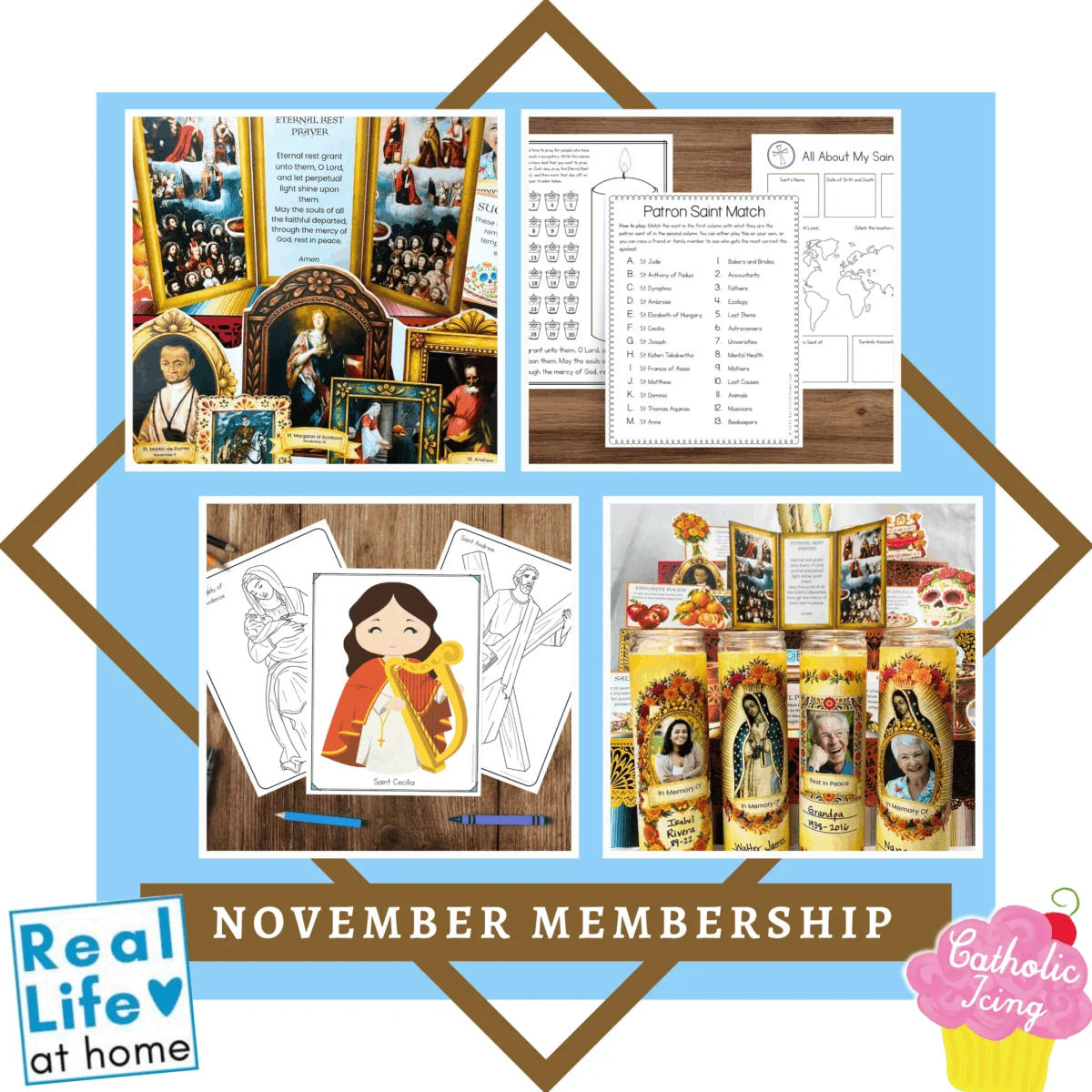
The newly available printable is designed to help children and adults keep the saints front and center throughout a month that holds profound significance within the Catholic tradition. Originally featured as part of the subscription-based Catholic Icing Monthly Membership in November 2023—a collaborative project between Catholic Icing and Angie from Real Life at Home—the decorative calendar has been selected for free public distribution to support families seeking accessible ways to practice liturgical living.
Liturgical living involves incorporating the rhythms, feasts, and seasons of the Church calendar into everyday domestic and educational life. Creators of the monthly membership note that while the desire to celebrate these traditions is widespread among parents and teachers, the execution can often feel overwhelming. Busy schedules, a lack of preparation time, or simply not knowing where to begin frequently leave families struggling to keep pace with the ecclesiastical year. The monthly membership initiative was designed to alleviate these hurdles by providing ready-to-use printables, home altar decorations, recipes, coloring pages, and saint-themed crafts.
By making the November Saint of the Day Calendar available free of charge, the platform aims to give a broader audience a practical entry point into these devotions. The resource includes two distinct 8.5 x 11 U.S. letter-sized pages featuring a litany of saints for November, assigning one holy figure to each day of the month. To accommodate different preferences for home and classroom environments, the package includes two font choices. Families can display the pages in standard frames, pin them to refrigerators, or place them on home altars and prayer tables to encourage daily reflection.
November is a particularly rich month within the Catholic calendar, offering a dense succession of major feast days and special observances. The month opens with the Solemnity of All Saints on November 1st, followed immediately by the Commemoration of All the Faithful Departed, commonly known as All Souls’ Day, on November 2nd. Throughout the remainder of the month, the Church marks the feast days of notable figures such as Saint Martin de Porres and Saint Cecilia, alongside traditional observances like Martinmas and the gradual transition into the season of Advent.
In addition to its calendar of saint feast days, the month of November carries specific traditional devotions. The Catholic Church dedicates the entire month of November to the holy souls in purgatory, encouraging the faithful to offer prayers and sacrifices on behalf of the departed. Furthermore, November is recognized as Black Catholic History Month, an observance established in 1990 to highlight the contributions and heritage of Black Catholics, noting that a significant number of saints of African descent share feast days during this period while acknowledging broader representation within canonized history.
For educators and parents looking to expand upon the daily calendar, the creators suggest pairing the printable with extended activities, such as researching the background of the designated saint or blessed each day. To assist families further in organizing these practices, supplementary resources are available, including comprehensive month-by-month liturgical guides and a dedicated liturgical planning binder titled "Weaving the Faith," which helps households customize and archive their faith-based traditions over the years.
The free November Saint of the Day Calendar set is available to subscribers of Catholic Icing’s weekly newsletter. Interested individuals can request the download link through the platform’s digital sign-up portal, with options to remain subscribed for ongoing weekly liturgical ideas or to adjust subscription preferences at any time.