The Evolving Art and Science of Midwifery: Bridging Tradition, Innovation, and Clinical Excellence
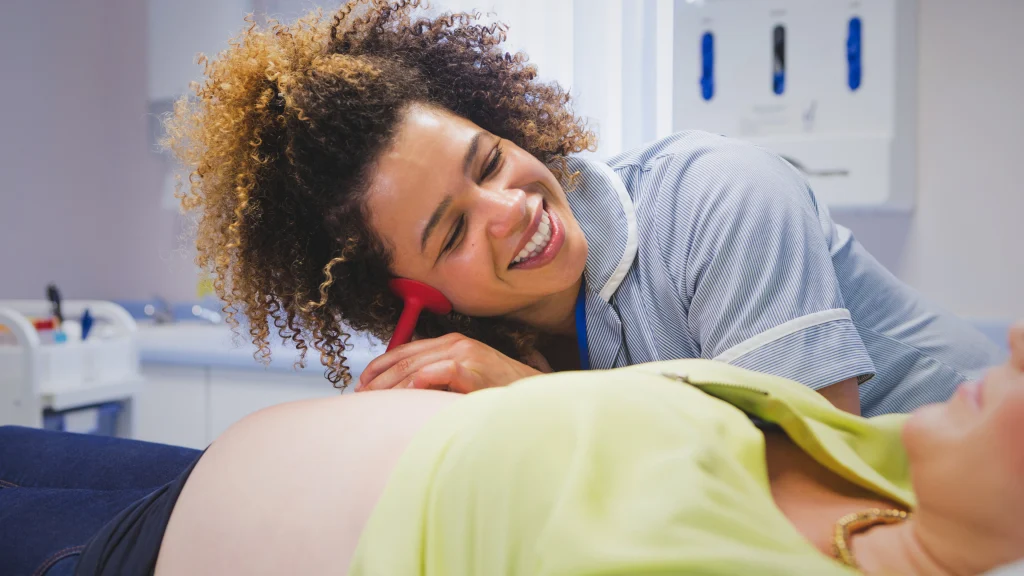
There is a singular, suspended moment in the delivery room that Kara, a midwife and Continuing Education Manager for Spinning Babies®, says has never become routine. "Just before a newborn’s first cry, everyone in the room seems to hold their breath," she reflects. Despite years of experience navigating the complexities of labor and delivery as both a nurse and a midwife, that threshold between gestation and new life remains profoundly significant. It is this unique intersection of clinical precision and human connection that leads Kara to define midwifery as "the perfect mix of science and art."
Midwives have served as the bedrock of maternal and newborn care for generations, providing essential support through pregnancy, birth, and the postpartum period. While their core mission—to protect and guide families through the transition to parenthood—has remained consistent, the landscape of the profession has shifted dramatically. Today, the practice of midwifery is as diverse as the healthcare systems in which it operates, defined by a complex tapestry of clinical training, institutional policy, and cultural heritage.
Through insights from three dedicated practitioners—Venus, a hospital-based nurse-midwife in the United States; Kara, who has practiced in both the United States and the Netherlands; and Claire, a homebirth midwife based in New Zealand with extensive teaching experience across Europe—we can examine how the profession is evolving, the systemic challenges midwives navigate, and how they continue to redefine the standards of maternity care.
Midwifery’s Roots: Skilled Care Across Generations
The history of midwifery is deep and pre-dates the rise of modern hospital systems and professional licensing by millennia. For most of human history, the knowledge required to assist in birth was transmitted through familial lines, community observation, and hands-on apprenticeship. Indigenous and traditional midwives developed practices deeply attuned to the specific needs, cultural beliefs, and environmental realities of their communities. The International Confederation of Midwives (ICM) emphasizes this legacy, tracing the threads of midwifery tradition across Africa, Asia, Europe, and the diverse Indigenous nations of the world.
As medicine became increasingly institutionalized, the integration of midwives into healthcare systems varied wildly by region. In some parts of the world, midwifery was incorporated into formal clinical pathways, gaining professional autonomy and standardized education. In others, midwives faced marginalization, legal restrictions, and the systematic displacement of community-based wisdom.
In the United States, the legacy of Black midwives is particularly poignant. During eras of segregation, when Black families were frequently barred from hospitals or subjected to discriminatory care, "granny midwives"—the matriarchs of their communities—provided essential, lifesaving support. Their contributions, often documented by institutions like the Smithsonian National Museum of African American History and Culture, highlight a vital era where traditional knowledge served as the primary line of defense for maternal health in rural and underserved areas.
However, the current tension between formal clinical standards and traditional wisdom remains a subject of active debate. The question of whose expertise is officially recognized continues to ripple through the global community. At the ICM’s June 2026 Congress in Lisbon, for instance, Indigenous midwives and their advocates protested the organization’s decision to temporarily suspend its position statement regarding partnerships between Indigenous and non-Indigenous practitioners. This friction highlights a broader concern: when professional definitions are tethered strictly to modern licensing and academic degrees, what happens to the recognition of ancestral and community-carried knowledge? The ICM has acknowledged these concerns, with a revised statement expected in 2027, signaling that the conversation regarding the inclusivity of the profession is far from over.
What Does It Mean to Be a Midwife Today?
To ask three different midwives about their "typical" day is to receive three distinct snapshots of modern healthcare. Venus, working as a nurse-midwife in North Carolina, operates within a high-acuity environment. Her schedule is a rigorous cycle of prenatal clinical appointments paired with overnight hospital shifts. In this setting, the midwife’s autonomy is frequently defined by the intersection of state regulations and the institutional policies of the hospital system.
Kara’s experience offers a contrast in global practice. Her training in the United States and subsequent experience in the Netherlands highlight how deeply the local healthcare model shapes the midwife’s role. In the Netherlands, midwifery is a foundational component of the national maternity system. For low-risk pregnancies, the midwife is the primary provider, with obstetricians serving as consultants for complications. In contrast, Kara notes that in the U.S., she often spends significant time educating families and colleagues on the fact that midwives can—and do—attend hospital births, providing care alongside physicians even when medical interventions are required.
Claire, practicing in New Zealand, illustrates a third model: continuity of care. In this system, the midwife often walks with a family from early pregnancy through the initial weeks of the postpartum period. This model allows for a deep, longitudinal relationship that encompasses health education, clinical screening, and the ability to recognize subtle complications before they escalate.
Despite these differences in environment, the core definition remains consistent. As defined by the ICM, the midwife is a responsible, accountable professional whose scope spans the entire childbearing cycle. For parents, understanding these nuances is critical. Choosing a midwife is not an automatic rejection of medical intervention or pain management; rather, it is a choice to work with a practitioner whose education and philosophy are explicitly centered on the holistic care of the family unit throughout the transition to parenthood.
Beyond Birth: Caring for the Whole Person
For Venus, Kara, and Claire, the scope of their work extends far beyond the moment of birth. Venus, in particular, challenges the prevailing medical metric that equates a successful birth solely with a healthy parent and a healthy baby. While physical safety is the prerequisite, she argues that families deserve to be heard, respected, and emotionally supported throughout the entire experience.
During their conversations, the question "Who is holding the mom?" emerged as a central pillar of their practice. In a clinical environment that naturally fixates on the newborn’s vitals and transition, the person who has just given birth is often left to navigate recovery and the onset of new parenthood in relative isolation. Midwifery care, at its best, "holds space" for both.
This relational approach is what drew many to the field. Claire describes the integration of pregnancy into the broader life of the family, often involving siblings, partners, and extended family in prenatal visits. By observing the relationships and dynamics surrounding the parents, midwives can provide more personalized care that respects the dignity of the entire family. It is a reminder that excellent maternity care must synthesize clinical, evidence-based physical care with an acute sensitivity to the emotional and social experience of the birthing person.
The Challenges Behind the Calling
The profession is not without significant, often systemic, hurdles. Venus notes that while she has managed to find a sustainable schedule, many midwives face the brutal reality of long, irregular hours, high emotional labor, and the financial pressures inherent in under-resourced healthcare systems.
Beyond the physical toll, there is the persistent issue of professional recognition. Venus recalls the pressure she faced in nursing school, where a mentor warned her that as a Black woman, she would need to be "twice as good" to be considered "half as good" as her peers. This reality underscores the intersection of systemic racism and professional identity. In 2023, North Carolina took a step toward greater equity by expanding independent-practice eligibility for experienced certified nurse-midwives, a move that reflects the ongoing, slow-moving evolution of the regulatory landscape.
For practitioners like Kara and Claire, the lack of widespread public and professional understanding of the midwife’s scope can also be a barrier. When healthcare systems do not fully integrate midwives, it creates silos that hinder communication and can leave midwives feeling isolated. They emphasize that the sustainability of the profession requires more than personal resilience; it requires systemic support, including better access to continuing education, greater professional autonomy, and a culture that values the collaborative, multidisciplinary approach to maternity care.
Protecting Physiology Through Knowledge and Collaboration
The common ground for many modern midwives is the commitment to protecting the physiology of birth. This does not mean a dogmatic avoidance of intervention; rather, it requires a deep, evidence-based understanding of when to wait and when to act. As Claire succinctly puts it, the challenge is knowing, "When do I need to step in and when do I need to step away?"
This is where frameworks like the Spinning Babies® approach have become invaluable to many practitioners. By focusing on fetal positioning, maternal body balance, and the biomechanics of the pelvis, midwives can provide a more nuanced level of care. Instead of defaulting to medical intervention when labor slows, a midwife using this approach might first assess the fetal position and suggest specific movements to facilitate the baby’s descent.
Kara describes how this shift in perspective changes the questions she asks in the delivery room. "Where is baby?" becomes a diagnostic starting point that informs the clinical path forward. Importantly, this physiology-first approach is not an "all-or-nothing" philosophy; it is a set of tools that can be used alongside epidurals, induction, or monitoring to enhance comfort and improve outcomes. Venus notes that when she teaches these concepts to nursing staff, it creates a shared language that allows for more collaborative, informed, and individualized decision-making.
The Future of Midwifery
As the World Health Organization (WHO) continues to advocate for a global transition toward midwifery-led models of care, the profession stands at a critical juncture. For the midwives interviewed, the path forward is clear: it must be built on mutual respect, systemic integration, and the preservation of the "presence" that defines their practice.
Venus calls for a future where bias is actively addressed and the contributions of all midwives are fully acknowledged by their colleagues in nursing and medicine. Kara hopes for a future where the pathway into the profession is more accessible and where midwives are provided with the time and community support necessary to prevent burnout. Claire remains focused on the individual—reminding all birth workers that even in the most demanding, high-pressure environments, the simple, profound acts of listening, touching, and respecting consent remain the most vital tools in their kit.
The future of midwifery is already being shaped by these practitioners. As they continue to advocate for their profession, they are not only changing the clinical environments in which they work but are also ensuring that the ancient, essential art of midwifery remains a cornerstone of human health. Whether in a hospital, a birth center, or the home, these midwives demonstrate that by combining the best of scientific innovation with the deepest human traditions, they can provide care that is as enduring as it is essential.
