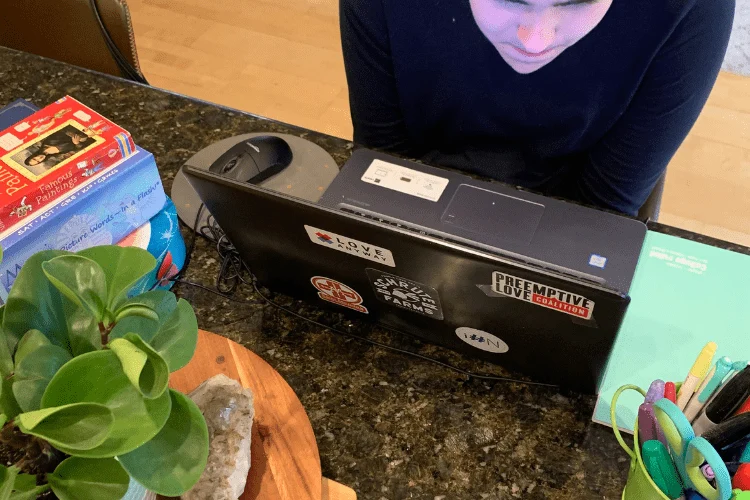
As the academic calendar draws to a close for families across the country, veteran educator and author Shawna Wingert finds herself at a bittersweet milestone familiar to many parents. After seven years of sharing her family’s educational journey publicly, Wingert is simultaneously helping one son graduate high school while preparing to guide her younger son through the very same four-year threshold. With only six weeks remaining in her older son’s K-12 education, Wingert has taken time to reflect on the realities, surprises, and emotional shifts that defined the high school phase—an era of home education she admits went by in a blur, yet proved to be surprisingly rewarding.
Writing for educational platforms and drawing from her extensive background in special education and alternative learning environments, Wingert notes that the high school years were fundamentally different from what she originally anticipated. When she first faced the prospect of her oldest son entering the ninth grade seven years ago, she felt the familiar anxieties shared by many parents stepping outside traditional institutional education. However, looking back from the vantage point of senior year, she has identified five key insights that transformed her understanding of homeschooling through the upper grades.
Homeschooling High School Doesn’t Have To Be Totally Different From The Younger Years
When preparing for her oldest son’s freshman year, Wingert initially assumed that high school required a stark departure from their established routine. Culturally ingrained expectations suggest that high school must inherently become more rigorous, rigid, and serious—leaving behind the flexible, exploration-heavy methods of childhood.
Instead, her son’s high school experience closely mirrored his earlier education, remaining rooted in interest-led, hands-on, and project-based learning. Having already identified the specific ways her son absorbed information best, Wingert chose to trust their established routine rather than forcing a conventional institutional model. By the end of senior year, that personalized approach had proven successful, validating the decision to prioritize individual learning styles over traditional expectations.
Don’t Be Afraid Of High School Transcripts and Course Credits
For many parents transitioning into the high school phase of home education, administrative requirements represent a significant source of intimidation. The formal nature of transcripts and course credits can initially feel threatening to educators accustomed to flexible progress tracking.
However, Wingert discovered that the process was far more manageable than anticipated. Once she established a clear system for recording completed work, organizing credits actually became a satisfying task. Rather than remaining a bureaucratic burden, the transcript emerged as a tangible, observable measure of academic progress—a milestone that can occasionally prove elusive for educators working outside traditional classrooms.
Your Role Will Change Over The Four Years
As her son progressed through the upper grades, Wingert experienced a notable evolution in her daily responsibilities. The shift happened faster than expected, moving her from a hands-on daily instructor to a logistical coordinator—handling administrative details, purchasing specialized materials, and transporting her student to various educational and extracurricular commitments.
While the transition initially felt disconcerting, Wingert recognized it as a necessary evolution. This changing dynamic fostered a profound sense of independence and active engagement in her son’s education that had not been visible in earlier years. Embracing the role of administrator and facilitator, rather than traditional teacher, ultimately served the student’s growing autonomy.
Your Child Will Have More Opinions
Navigating high school education inevitably intersects with the broader reality of parenting adolescents. As students develop stronger personal identities, their opinions regarding their education, future plans, and daily schedules become more pronounced.
Wingert observed that accommodating these independent viewpoints—such as her son’s strong desire to pursue four-year colleges despite initial reservations about the fit—required letting go of strict parental control. This developmental milestone mirrors standard parenting transitions, highlighting the importance of stepping back and trusting the young adult as they begin charting their own course.
The Memories Are Irreplaceable
Perhaps the most prominent takeaway from Wingert’s journey is the unique emotional value of the upper-grade memories. As children mature into young adults, the dynamic within the home education environment shifts into something deeper and more conversational. Shared discussions regarding current events, historical developments, and artistic endeavors create an engaging intellectual partnership between parent and student.
Wingert notes that these high school years represent the period when home education truly matured into its most rewarding phase. The collaborative projects, mature discussions, and shared milestones formed a collection of memories that she would not trade for anything, offering a fitting conclusion to an era of intense, daily mentorship.
As she prepares to watch her oldest son take the next major step toward college in the fall, Wingert reflects on the entire experience with profound gratitude. Having navigated the anxieties of transcripts, changing roles, and shifting dynamics, she approaches the upcoming four-year cycle with her younger son equipped with perspective and confidence, ready to experience the journey all over again.
For decades, society has introduced people to the complex reality of loss through a familiar framework: the "Five Stages of Grief." Comprising denial, anger, bargaining, depression, and acceptance, this concept has become so deeply embedded in modern culture that many grieving individuals mistakenly believe they are supposed to experience loss in a rigid, sequential order. Under this traditional model, the ultimate destination is expected to be a final state called acceptance, after which the grieving process is presumably complete. However, mental health advocates, grief support professionals, and bereaved families increasingly point out that human grief rarely, if ever, works that way.
For many bereaved parents, grandparents, and siblings who have lived through profound and life-altering losses, the five-stage model can feel frustrating, misleading, and occasionally even harmful. Instead of providing comfort or a framework for understanding their pain, the model frequently creates unrealistic expectations about what grief should look like, how it should manifest, and how long it should take to resolve. The underlying truth is that grief is not a series of orderly boxes to check off. It is not a process that follows a predictable, uniform path, and it is certainly not a condition that can be neatly cured or completed.
The origins of this pervasive framework trace back to psychiatrist Elisabeth Kübler-Ross, who introduced the five stages in her seminal 1969 book, On Death and Dying. It is a crucial historical distinction that Kübler-Ross originally formulated these stages by observing individuals facing their own terminal illnesses, rather than bereaved individuals coping with the death of a loved one. Over time, however, the model was broadly generalized and applied to all forms of loss and grief across society. Unfortunately, as the decades passed, the public and various institutions began interpreting these psychological observations as a universal roadmap that every grieving person was expected to follow step-by-step.
This widespread misunderstanding has left countless individuals grappling with heavy emotional burdens, frequently questioning their own mental and emotional states when their personal experiences do not align with the textbook definitions. The simple, yet often overlooked, answer to their confusion is that grief is not a linear process. Anyone who has lived through significant loss knows intimately that grief is profoundly unpredictable. An individual might feel relatively stable and grounded one day, only to find that the next day brings overwhelming sadness triggered by something as simple as a familiar song, an old photograph, an upcoming birthday, or even a fleeting, ordinary moment. Years after a major loss, unexpected tears can still arrive without warning, while moments of genuine joy frequently coexist with deep heartbreak. Experts emphasize that experiencing this emotional volatility does not mean something is broken or wrong with the individual; it simply means they are human.
Families who navigate profound losses often share that grief behaves much like moving waves rather than rigid stages. While those emotional waves may gradually become less intense and more manageable over time, they can still return without warning. Anniversaries, milestone celebrations, major holidays, and ordinary life transitions frequently reopen emotional chambers that never completely disappear. A parent whose child died twenty years ago may still experience tears when speaking their child’s name aloud. A sibling may still feel the sharp, echoing ache of an empty chair at family holiday gatherings. A grandparent may still wonder quietly about what milestones their grandchild would have reached had they lived. Professionals emphasize that these enduring experiences are not signs of unfinished or unhealthy grief, but rather profound signs of enduring love.
One of the most damaging and persistent misconceptions fostered by the stage model is the societal notion that grief has a definitive finish line. Many grieving people report feeling intense pressure from friends, colleagues, and society at large to "move on," "find closure," or simply "get over it." The popular perception of the five stages can unintentionally reinforce the harmful belief that there should eventually be a clear point at which grief is completely resolved, put behind us, and left in the past. But mental health advocates remind the public that grief is not a logistical problem waiting to be solved. Grief exists because love exists.
When someone truly important dies, the nature of the relationship changes fundamentally, but it does not simply disappear. Survivors continue to carry memories, unfulfilled hopes, shared dreams, and deep emotional connections with those they have lost. The physical absence of the loved one becomes an indelible part of the survivor’s life story. For bereaved parents, in particular, no emotional stage can ever remove the stark reality that their child is missing from the world. No level of intellectual acceptance can completely erase the deep longing to hold them again. Instead of coming to an end, grief typically evolves as time passes. Individuals learn to carry the weight differently, discovering ways to integrate the loss into the fabric of their ongoing lives. They create personal meanings, cherished memories, comforting rituals, and new connections that allow them to move forward while simultaneously continuing to honor the person who died.
Another significant challenge associated with the stage model is its implicit suggestion that grief should look remarkably similar from one person to the next. In daily reality, grief is deeply personal and subjective. Some individuals cry frequently and openly, while others rarely shed a tear on the surface. Some people need to talk about their deceased loved one constantly to keep their memory vibrant, while others require long, quiet periods of internal reflection. Some find profound comfort and validation in organized support groups, whereas others discover personal healing through creative writing, spiritual faith, artistic expression, engagement with nature, community service, or private remembrance. There is no universal timeline governing these experiences, no standard progression to achieve, and no checklist for successful grieving. What truly matters is not whether an individual’s grief matches a theoretical framework, but whether they are finding healthy ways to navigate their loss while honoring their unique emotional landscape.
Rather than viewing grief as a series of developmental stages to successfully complete, mental health professionals suggest it is often far more helpful to conceptualize grief as a lifelong journey of adaptation. Over time, many bereaved individuals discover that they possess the capacity to experience profound grief and genuine joy simultaneously. They learn that they can laugh again without loving the deceased any less, and they can build meaningful, productive lives while continuing to miss the person who has passed away. The ultimate goal of the healing process is not to stop grieving altogether, but rather to learn how to carry the reality of grief alongside the daily flow of life. Some days, grief may take center stage in a person’s emotional life, while on other days, it quietly accompanies them in the background. Both of these experiences are entirely normal parts of the human condition.
What many bereaved individuals eventually come to understand is that true healing does not mean forgetting the past. It does not mean achieving a neat and tidy closure, nor does it mean reaching a final stage where grief vanishes entirely. Healing ultimately means learning to live with a persistent love that no longer has a physical place to reside in the world.
Perhaps the greatest gift individuals can offer themselves during times of bereavement is the explicit permission to grieve in their own individual way. People do not need to force their complex emotional experiences into five rigid categories, nor do they need to measure their personal progress against an imaginary societal timeline. They certainly do not need to feel a sense of guilt when grief resurfaces unexpectedly years down the road. Experts reiterate that grief is never a psychological disorder that requires a cure, nor is it merely a task to be completed and checked off a list. It is simply a natural, profound response to loving someone deeply and subsequently losing them from the physical world.
Professionals working in grief support recount frequent encounters with individuals who feel alienated because their personal trajectories do not match cultural expectations. For instance, a bereaved mother speaking with support staff three years after the death of her son expressed deep distress because she still found herself crying daily and experiencing lingering waves of anger and rage. Being reassured that she was moving along precisely as she needed to, entirely on her own terms, provided an eye-opening shift in perspective for her.
The overarching reality remains that grief continuously changes, grows, and transforms throughout the course of a human life. It may soften with time and become quieter in the background, but for many people—particularly those who have suffered the devastating loss of a child, sibling, or grandchild—it never completely disappears. And counselors emphasize that this reality is entirely acceptable. Grief is never evidence that an individual is failing to heal; rather, it stands as enduring, powerful evidence that someone deeply loved truly mattered, and that the love remains unbroken.
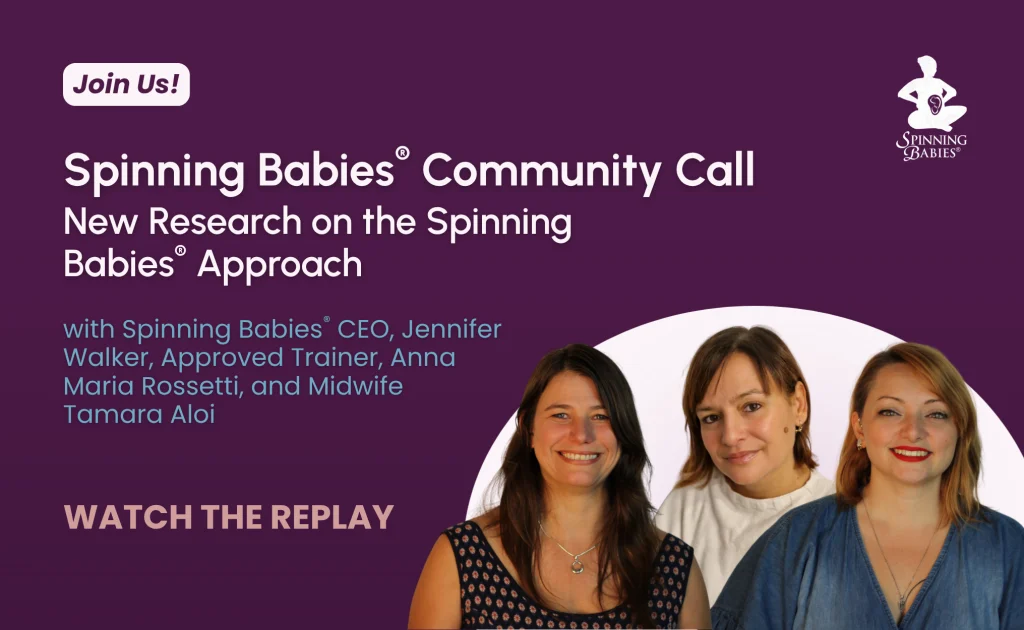
On November 5, 2025, the global birth community gathered for a significant virtual event hosted by Spinning Babies®. The session, conducted via Zoom, featured CEO Jennifer Walker, Approved Trainer Anna Maria Rossetti, and midwife Tamara Aloi. The primary focus of this international assembly was to discuss a landmark study recently published in the European Journal of Midwifery, which serves as one of the first peer-reviewed investigations specifically examining the efficacy of the Spinning Babies® framework in facilitating fetal rotation during the labor process.
For many professionals in the field, this publication represents a pivotal milestone. It provides formal, academic validation for the patterns and outcomes that birth workers have observed in clinical settings for years. By applying the principles of "Balance before Force" and the "Pelvic Levels Solutions™" framework, midwives, obstetricians, and doulas have long advocated for a shift in how we perceive the mechanics of birth. This new research offers a scientific bridge between those intuitive, observed practices and evidence-based medicine, providing a shared language for practitioners worldwide to discuss the complexities of fetal positioning.
A Collaboration Rooted in Real-World Practice
The study itself is the result of a profound professional collaboration. Anna Maria Rossetti, whose work at the Scuola Elementale di Arte Ostetrica (SEAO) in Italy is highly regarded, has been a central figure in advancing midwifery-led education and the promotion of physiological birth. Her partnership with Tamara Aloi is deeply rooted in a shared history; the two are contemporaries who navigated midwifery school together. Their enduring commitment to the physiology of birth has not only shaped their individual careers but has also driven their collective desire to bring structured, evidence-based improvements to clinical practice.
The journey toward this study began in a very practical, clinical environment. After attending one of Rossetti’s workshops, Aloi began to integrate the Spinning Babies® techniques into her own hospital-based practice. The results she witnessed—a noticeable difference in the progression of labors and the comfort of the birthing people she cared for—served as the primary catalyst for the study. Recognizing that their observations could offer valuable data to the broader medical community, the pair set out to formalize their findings, resulting in a project that emphasizes the importance of physiological support in modern maternity care.
During the community call, Jennifer Walker provided a broader perspective on the significance of this work. She noted that the research aligns perfectly with a growing global movement that prioritizes physiology over the premature application of force. This shift encourages practitioners to view the fetus not as a passive object to be moved by external intervention, but as an active participant capable of navigating the pelvic canal when provided with the correct environmental and structural conditions. The interaction in the Zoom chat throughout the call served as a powerful testament to this, with participants from various countries echoing a common sentiment: "Yes, this is what we see too."
What the Study Shows
The publication in the European Journal of Midwifery marks a turning point in the discussion of fetal rotation. Specifically, the study examined cases where the fetus was in occiput-posterior (OP) and occiput-transverse (OT) positions. In many clinical settings, these positions are often associated with longer labors and a higher likelihood of medical interventions. By applying the Spinning Babies® approach, which focuses on pelvic mobility and maternal positioning to facilitate the baby’s movement, researchers observed a significantly higher rate of rotation to the anterior position compared to control groups who did not receive these specific interventions.
This finding provides critical support for the "Balance before Force" philosophy. The core tenet of this approach is that by addressing the soft tissue and pelvic balance of the birthing person, practitioners can create the necessary space for the fetus to rotate and descend efficiently. The "Pelvic Levels Solutions™" framework provides a systematic way to identify where a baby might be encountering resistance and offers targeted movements to resolve those barriers. For years, this has been an anecdotal strength of the Spinning Babies® community; now, it is supported by a peer-reviewed dataset that highlights the efficacy of these methods in clinical labor management.
For providers, this study serves as a validation of the time and care they invest in supporting physiological birth. It reinforces the idea that clinical outcomes are not solely dependent on technological intervention but can be profoundly influenced by techniques that support the inherent capabilities of the human body. As the medical community continues to navigate the balance between safety and autonomy, research like this offers a pathway to integrating traditional knowledge with modern clinical requirements.
Engaging with the Research and the Community
Recognizing that many members of the global community were unable to attend the live Zoom session, Spinning Babies® has made the recording accessible for those who wish to delve deeper into the research and the discussion. The full recording is available for viewing, featuring the original conversation in Italian with English captions to ensure that the insights shared by Rossetti and Aloi are accessible to a worldwide audience. Additionally, a shortened version focusing on English-language highlights has been prepared to allow for a quick review of the key takeaways.
The organization has also provided clear instructions for those who wish to engage with these videos, specifically regarding the use of closed captioning and automated translation tools. By navigating the settings on the video player, viewers can enable captions and select their preferred language for real-time translation, ensuring that the dialogue remains inclusive and accessible across linguistic boundaries.
The event concluded with an expression of gratitude from the leadership team. The growth of the Spinning Babies® community is viewed not just as an increase in the number of trained professionals, but as a strengthening of a global conversation regarding the future of physiological birth. By fostering an environment where research, clinical experience, and real-world outcomes can be discussed openly, the community continues to move toward a model of care that honors the complexity of the birthing process.
For those who participated in the call, as well as for those engaging with the materials after the fact, the message remains clear: the integration of evidence-based, physiological techniques is essential to the future of maternity care. As more research emerges and more practitioners share their experiences, the "Balance before Force" approach continues to evolve, grounded in the reality of clinical practice and supported by a commitment to the well-being of the birthing person and the baby. The collaboration between Rossetti and Aloi stands as an example of how dedicated individuals, driven by their observations at the bedside, can contribute to meaningful, peer-reviewed advancements in the way we understand and support the birth process.
Parenting is arguably one of the most complex, demanding, and high-stakes responsibilities a human being can undertake. Across the globe, mothers and fathers navigate the delicate balance of nurturing a fragile life, fostering an environment where a child can thrive, and simultaneously attempting to preserve their own physical and mental well-being. Despite the monumental effort required day in and day out, there are no medals handed out for a job well done. Yet, millions of parents quietly shoulder the immense task of raising the next generation, driven by the universal hope that their children will grow up to be healthy, happy, and empowered individuals.
For most parents, catching a fleeting glimpse of joy or a spark of confidence in a child’s eyes serves as the ultimate consolation for endless sleepless nights, frantic daily schedules, and moments of exhaustion. While families everywhere are doing an admirable job navigating the modern landscape of child-rearing, certain figures have managed to capture global attention by demonstrating exceptional results. Among them is Esther Wojcicki, a renowned American educator, writer, and mother who has frequently been spotlighted in international media as the woman who successfully raised two Silicon Valley chief executive officers and a medical doctor.
Wojcicki’s approach to parenting leaves little room for superficial trends or fleeting fads. Instead, she remains a staunch advocate for foundational values that she believes have grown increasingly absent in contemporary society. By intentionally reinstating these core principles, she argues, parents can provide their children with the optimal foundation required to navigate a complex world and achieve lasting success. Drawing from decades of multifaceted experience as a mother, grandmother, and classroom educator, Wojcicki has identified five fundamental values that she considers essential for cultivating capable and resilient individuals. According to her perspective, these values serve as a vital antidote to common modern parenting challenges, offering a constructive way to combat rising anxiety, behavioral discipline problems, exhausting power struggles, intense peer pressure, and the pervasive fear surrounding technology.
To make her philosophy accessible and memorable, Wojcicki summarizes her core formula using the acronym TRICK, which stands for trust, respect, independence, collaboration, and kindness. Throughout her published works, including the book How to Raise Successful People: Simple Lessons for Radical Results, she provides numerous real-world examples demonstrating how intentionally trusting in the intrinsic abilities of children allows them to flourish naturally across various stages of development. For Wojcicki, fostering trust does not require monumental gestures; rather, it often begins with simple, everyday acts of autonomy. This might involve allowing a teenager the freedom to shop for their own school supplies without interference, or giving a toddler the opportunity to independently select their daily clothing.
Ultimately, Wojcicki’s framework centers on building an empowering mindset that avoids diminishing children’s capabilities simply due to their youth. Her own daughters have frequently noted that their mother consistently treated them more like mini-adults from an early age, an approach that provided their self-confidence with a substantial and lasting boost. At the same time, Wojcicki readily acknowledges that children still fundamentally require responsible, capable adults to handle the heavy lifting of parenting. However, by granting youngsters greater autonomy over matters that do not directly involve health or physical safety, parents can effectively teach them the critical life skill of making their own choices.
Wojcicki’s emphasis on value-based parenting finds strong alignment with the perspectives of other developmental experts in the field. Ashley Vigil-Otero, a Harvard-educated psychologist with a professional focus on teaching resilience, emphasizes that children experience optimal psychological growth when caregivers actively celebrate not just their ultimate achievements, but also their inevitable failures. From a psychological standpoint, young children generally possess robust confidence in their own capabilities up until approximately the age of seven. However, developmental research indicates that self-confidence often experiences a notable dip between the ages of eight and twelve, making this specific developmental window a critical time for targeted parental support.
Addressing how caregivers can effectively navigate this vulnerable stage, Vigil-Otero stresses the importance of reframing failure as a fundamental stepping stone rather than a dead end. She advises teaching children that success is almost invariably built upon a foundation of trial and error, and that every action they take is part of a broader developmental process rather than a standalone outcome destined for perfection. Rather than showering children with praise exclusively for high test scores or polished results, parents are encouraged to reinforce positive habits, persistence, and the effort of trying one’s absolute best. Additionally, families can develop shared mantras to rely upon during moments when a child feels defeated or overwhelmed by a setback.
By intentionally nurturing these core competencies—including effective decision-making, trust in personal agency, genuine kindness, resilience, and behavioral flexibility—parents can help unlock a pathway toward a more fulfilled and successful life for their children.
Other Science-Backed Formulas to Raise Successful Kids
Beyond the frameworks popularized by educators and psychologists, contemporary developmental science continues to uncover additional evidence-based strategies that contribute to long-term positive outcomes in children.
Research conducted at Harvard University highlights the profound impact of parental warmth and responsiveness. In longitudinal studies, investigators discovered that nurturing, supportive relationships between children and their parents consistently serve as one of the most reliable predictors of adult success, overall psychological well-being, and long-term life satisfaction.
Another critical dimension of healthy child development involves the mastery of parental emotional regulation. Noted psychologist Laura Markham points out that children function essentially as sensitive barometers for the moods, tensions, and emotional states of the adults around them. When parents develop the capacity to remain calm during childhood tantrums and other high-stress domestic situations, they provide a living example that self-regulation is entirely possible. Allowing children space to experience and express upset emotions validates their internal states while simultaneously teaching them how to self-soothe.
Renowned psychologist John Gottman further elaborates that successful emotional regulation is deeply rooted in empathy. According to Gottman’s research, adults should actively strive to understand a child’s underlying feelings before rushing in to offer unsolicited advice, attempt immediate problem-solving, or establish rigid behavioral limits. Frequently, when a child feels genuinely understood, their behavior shifts organically without the need for heavy-handed intervention.
Conscious, mindful parenting has also garnered significant recognition as a practice strongly correlated with long-term happiness and success in children. This balanced approach relies on the integration of kindness, healthy authority, and mutual respect. Maintaining kindness while holding firm boundaries is far from contradictory; rather, it entails communicating limits with warmth and respect, and subsequently reinforcing those boundaries consistently. While striking this delicate balance requires ongoing practice, family counselors note that the long-term benefits are substantial. For instance, parenting professionals often highlight authoritative responses—such as telling a child, "I love you and the answer is still no"—as an effective way to reaffirm deep affection while simultaneously maintaining necessary structural limits.
Finally, the intentional modeling of positive social skills plays a vital role in childhood development and future interpersonal success. Demonstrating kindness and empathy as a friend, neighbor, and community member enables individuals to thrive within both personal and professional spheres. Teaching children basic manners and consideration for others—such as offering a seat to someone in need, holding a door open, or cultivating the habit of expressing gratitude through thank-you notes—helps ensure they grow into well-rounded individuals who build positive social connections and are welcomed in any community.
The journey to starting a family is often imagined as a joyous and straightforward milestone, but for many couples, it can quickly transform into a complex and emotionally taxing ordeal. Beyond the biological mechanics of conception, the process of trying to get pregnant frequently places an immense strain on marital relationships. Experts note that understanding both the physical realities and the emotional pitfalls of trying to conceive is essential for couples navigating this often unpredictable path.
The emotional toll of infertility is a reality explored in the book Making Your Marriage a Fortress by Gary Thomas. In the text, a couple named Joe and Janelle share the profound difficulty they experienced while trying to have children. Janelle candidly describes the emotional fallout, noting that the ongoing struggle made them both feel inadequate. Over time, the strain led to mutual blame, battles with depression, and physical hurdles, including surgery for Joe. Their experience highlights a broader truth recognized by medical professionals: the process of trying to conceive can take a severe toll on a marriage if couples are not prepared for the potential roadblocks.
To help couples navigate these challenges, Dr. W. David Hager, a gynecologist and longtime member of Focus on the Family’s Physicians Resource Council, offers practical guidance for prospective parents. Drawing from years of clinical experience, Hager emphasizes that while the physical aspects of conception are critical, safeguarding the emotional well-being of the relationship is equally important.
Managing Stress and Understanding Timelines
One of the primary factors Hager addresses is the impact of stress. It is entirely natural for couples to worry when conception does not happen immediately, but Hager points out that stress has a physical impact on the human body. High anxiety levels can alter ovulation in women and lower sperm counts in men, inadvertently working against the couple’s goals.
He advises couples to try their best to relax and avoid rushing the process. Statistically, the odds remain favorable for many; even among couples facing documented infertility issues, roughly 50 percent of those seeking treatment are eventually able to conceive, though a portion of those pregnancies may not be carried to full term.
When it comes to determining when medical intervention is necessary, time serves as the primary indicator. Hager explains that if a woman of reproductive age is unable to conceive after trying for one full year without using contraception, she and her husband should consult a physician. For women over the age of 35, that timeline is shortened to six months due to natural declines in age-related fertility.
However, Hager notes that the one-year mark should be viewed as a helpful guideline rather than an absolute rule. Medical evaluations may reveal no underlying issues, and a couple might simply need eighteen months. He frequently sees patients who arrive anxious after fourteen or fifteen months of unsuccessful attempts, only to conceive naturally a couple of months later after receiving reassurance.
Optimizing Chances Through Timing and Lifestyle Factors
For couples actively trying to conceive, understanding the biological windows of opportunity is critical. Hager stresses the importance of timing intercourse around ovulation, which occurs when a woman’s ovaries release an egg. Because menstrual cycles vary—some women experience a standard 28-day cycle while others have a 35-day cycle—knowing individual patterns is vital. Ovulation typically takes place approximately fourteen days before the start of the next menstrual period.
Women can track their cycles using several methods, including monitoring basal body temperature with a specialized basal body thermometer. Hager explains that just prior to ovulation, basal body temperature dips slightly before rising a few tenths of a degree on the day of ovulation. Alternatively, over-the-counter ovulation predictor kits available at pharmacies can simplify the process of timing intercourse accurately.
At the same time, Hager cautions against overexertion. Having sexual intercourse more than once a day can dilute sperm counts, counteracting the couple’s efforts.
Beyond timing, everyday medications can play an unexpected role in fertility. Routine prescriptions taken by either partner can inadvertently hinder the reproductive process. For instance, a husband taking certain blood pressure medications might experience altered or diluted sperm counts, while a wife taking medication for a hyperthyroidism condition might find her ovulation affected. Consulting a primary care physician to review current medications can often reveal simple adjustments, such as switching prescriptions or temporarily discontinuing certain drugs during the conception window.
Trusting the Medical Process
When initial efforts do not yield results, most obstetricians and gynecologists are well-equipped to handle the general management of infertility. The medical evaluation typically begins with basic laboratory tests to assess overall health and identify conditions that could impact fertility, such as diabetes, hypertension, or disorders affecting the heart, liver, or kidneys. If initial tests are clear, physicians evaluate ovarian function, the hypothalamus and pituitary glands, and perform a semen analysis.
Hager describes this approach as a stepwise management process. He encourages patients to remain patient, trust the procedure, and ensure they are working with a reliable physician. Diagnostic testing is highly specific and occasionally uncovers manageable health conditions. Discovering an underactive thyroid, for example, and treating that underlying issue can frequently restore normal fertility.
When standard primary care and gynecological evaluations are insufficient after a certain period, physicians will typically refer couples to a reproductive endocrinologist for specialized care.
Supporting Each Other Through the Journey
Maintaining a strong, positive relationship throughout the fertility journey requires deliberate effort. Hager stresses that mutual encouragement and positivity are vital, while placing blame on one another only deepens marital wounds. He strongly recommends that couples attend doctor appointments together, noting that husbands should be actively involved in the medical process as it unfolds.
Support is particularly crucial for men who may face diagnoses such as low sperm counts. Hager observes that male patients are often deeply discouraged by such news, frequently grappling with feelings of inadequacy. Offering understanding and maintaining a unified front can prevent stress from fracturing the relationship. Couples are encouraged to continuously monitor their stress levels to ensure the pressure to conceive does not jeopardize their marriage.
Exploring Alternatives When Conception Proves Unsuccessful
While the majority of couples eventually succeed in having biological children, Hager acknowledges that medical treatments do not work for everyone. For those who exhaust their options—including multiple trials of in vitro fertilization—conception may ultimately remain out of reach. In those situations, Hager points patients toward alternative paths to building a family, such as foster care and adoption.
Emphasizing that a closed biological door does not mean the end of a family’s purpose, Hager reminds patients that thousands of children are waiting for loving homes. He notes that adoption allows couples to raise children birthed by another mother within a devout home environment, offering a profound and meaningful alternative for those whose journey takes an unexpected turn.
Every holiday season, Jewish parents around the world navigate the familiar annual ritual of gift-giving for Han
ukkah. There are the items specifically requested on carefully curated wish lists, the toys guaranteed to spark immediate delight upon unwrapping, and inevitably, that one novel gadget or game that receives intense adoration for three days before disappearing into the back of a closet, never to be seen again.
For Karen Cinnamon, creator of the Jewish Joy Journal and the Jewish Joy Journal for Kids, the joy of giving these material tokens remains a cherished part of parenting. However, as her children grow older, her perspective on what constitutes a meaningful gift has evolved. Beyond the wrapped boxes and festive paper, she finds herself reflecting on the intangible assets that children often crave more than anything else: a deep sense of feeling seen, safe, loved, and entirely comfortable in their own skin.
These deeper attributes—confidence, resilience, and an intrinsic pride in one’s heritage—cannot be found on a commercial wish list. They represent the freedom to walk into any room without the mental calculation of whether one needs to shrink or conform to belong. Reflecting on her own upbringing, Cinnamon notes that these are precisely the gifts she wishes she had received much earlier in life.
In her professional work speaking with Jewish women about identity, Cinnamon frequently addresses the pressure to minimize oneself to meet the expectations of others. She emphasizes that Jewish women deserve to live fully, boldly, and joyfully. Time and again, following her public talks, audience members approach her to share a common regret: wishing they had received such empowering advice during their formative childhood years.
This sentiment resonates deeply with Cinnamon, who grew up in London attending a school where the vast majority of her peers were not Jewish. While her family maintained rich traditions at home—celebrating holidays, hosting Shabbat dinners, and attending synagogue—Judaism often felt compartmentalized. It was something her family practiced at specific times rather than an organic, seamless thread woven into the fabric of everyday life.
Her childhood summers in Israel offered a stark contrast. Surrounded by her mother’s large, warm extended family, Cinnamon experienced a culture where Jewish identity was effortless, ubiquitous, and deeply embedded in the daily rhythm of society in a way that simply did not exist back in London.
In her British school environment, her status as a distinct minority loomed large in her consciousness. At a young age, she internalized a heavy burden, deciding that she needed to act as a flawless ambassador and representative of the Jewish people at all times. Looking back, the notion that an entire community’s reputation might rest on the behavior of a single preteen sounds absurd, yet it reflects how seriously she approached the desire to please those around her and keep the peace.
While this hyper-vigilance was partly tied to her awareness of being a minority, it also stemmed from an inherent personality trait of wanting to accommodate others and maintain comfort. Nevertheless, she reflects on how much mental energy she expended worrying about how she was perceived, wishing she had felt the liberty to simply exist as her authentic self.
That early dynamic brings into sharp relief an anecdote shared by a non-Jewish friend regarding Cinnamon’s older daughter, Sacha. The friend, who frequently drove Sacha to her weekly drama classes, remarked that those Monday car rides had become a highlight of his week. Unprompted, Sacha would chat effortlessly about Jewish holidays, traditions, and stories.
When the friend mentioned, "I can tell she’s really proud of her family," Cinnamon experienced a mixture of delight and astonishment. Unlike Cinnamon’s own childhood experience, Sacha did not overanalyse her Jewish identity or weigh whether discussing her heritage outside the home was socially acceptable. She was simply sharing something she loved, free from the pressure of making a political statement or managing external perceptions. Her Jewishness was part of the conversation because it was an organic part of her life.
This natural confidence sparked a larger question for Cinnamon: Why should children have to wait until adulthood to learn how to fully own who they are?
Having already launched the Jewish Joy Journal to help adult women cultivate gratitude, resilience, and self-belief, Cinnamon realized that these foundational messages were equally vital for younger minds. However, she was determined to avoid a top-down approach. She did not want to simply miniaturize adult concepts or lecture children on resilience and pride. Instead, her goal was to create an interactive space where children could discover these traits independently.
That vision materialized as the Jewish Joy Journal for Kids. Developed in close collaboration with her younger daughter, Zara, who served as an active and discerning creative consultant, the project benefited from genuine youth input. Zara evaluated concepts to determine what genuinely excited children, what felt tedious, and what elements would appeal to a younger audience, a process supplemented by testing with numerous other children.
The journal features dedicated sections such as a page titled “What Makes Me, ME!”, designed to help children explore the people, places, and cultural traditions that shape their identities. Other guided prompts encourage young readers to reflect on moments when they displayed bravery despite fear, acknowledge personal achievements, or identify sources of daily joy.
These accessible, reflective questions are designed to gradually alter how children perceive themselves. While parents frequently offer verbal reassurance regarding their children’s capability and resilience, young people must ultimately discover their internal strengths, recognize the value of their own voices, and learn to trust their instincts over time.
Ultimately, Cinnamon hopes that when children close the journal, they carry forward a lasting sense of self-assurance. She envisions a generation of Jewish children who can navigate social spaces—interacting with peers they might perceive as older, cleverer, or more established—without automatically subordinating their own worth. The core message is one of balanced dignity: understanding that they are inherently no better than anyone else, but that no one else is superior to them, either.
By fostering these habits early, she hopes to spare the next generation the complex mental arithmetic she once performed regarding what parts of her identity to display, how to behave, and how to manage external impressions. While a journal cannot magically erase every adolescent insecurity or eliminate the natural challenges of growing up, it can provide a valuable head start in self-awareness, self-trust, and communal pride.
As the holiday season unfolds, Cinnamon remains committed to the tradition of buying festive presents for her children. Yet the most enduring gift she wishes to offer them is one that defies traditional gift-wrapping: a profound, unwavering understanding of who they are, paired with the unshakeable confidence to express every part of it without hesitation or compromise.
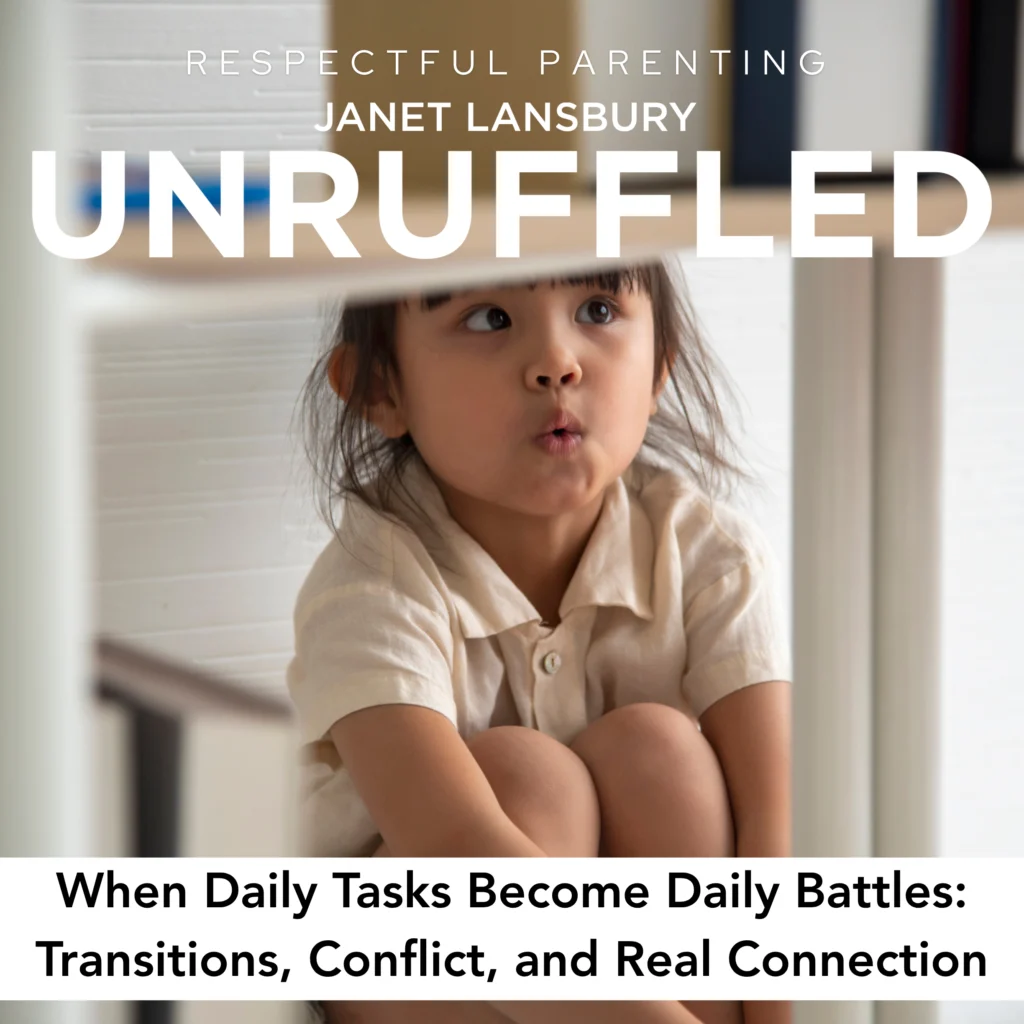
In the landscape of modern parenting, few daily scenarios are as universally exhausting as the morning and evening routines. For many families, straightforward tasks like getting dressed, brushing teeth, washing hair, or taking a bath routinely spiral into prolonged standoffs. Recently, parenting expert and author Janet Lansbury addressed this widespread challenge on her podcast, Unruffled, responding to a heartfelt plea from a single mother struggling with her five-year-old daughter’s daily resistance to transitions and basic hygiene tasks.
The mother, a busy nurse navigating a demanding career and a co-parenting arrangement with her daughter’s father, described how what should be simple routines frequently dissolve into hour-long conflicts. Despite
implementing an array of conventional parenting strategies—such as timers, countdowns, reward charts, playful competitions like the "Get Dressed Race," and even punishments—the mother found herself and her child perpetually overwhelmed, with the tasks often left unfinished. She shared her concern that her daughter’s intense pushback seemed to grow rather than improve with age, leaving the mother questioning whether she was inadvertently falling into unhelpful patterns despite her best efforts to maintain an unruffled, respectful approach.
In her response, Lansbury commended the mother’s deep self-awareness and dedication to fostering a respectful relationship. Rather than viewing the child’s behavior as simple defiance or stubbornness, Lansbury reframed the daily battles as a manifestation of deeper emotional processing. Young children, she noted, experience continuous internal transitions of growth, which are frequently compounded by external disruptions such as moving between two different households with separated parents. When a child approaches a major milestone like entering first grade—even if they present outwardly as confident, social, and vibrant—the underlying stress of constant change often emerges during minor, predictable moments like getting dressed or brushing teeth.
Lansbury pointed out that well-intentioned external fixes—such as reward charts, timers, and games designed purely to bypass resistance—can sometimes create a barrier to genuine, person-to-person connection. When parents rely heavily on these tools to side-step conflict, children can sense that adults are attempting to manage their behavior rather than truly accepting their emotional reality. Instead of performing cheerfulness or deploying tricks to force cooperation, Lansbury advocated for a model of honest presence where parents welcome the messiness of emotions rather than attempting to avoid or extinguish them.
Addressing the mother’s core dilemma about how to balance holding firm boundaries while providing emotional support, Lansbury emphasized that these two concepts are not mutually exclusive. True leadership, according to Lansbury, does not require authoritarian force or emotional detachment. Instead, it involves standing firm in the practical reality that certain tasks must be completed while offering a safe, non-judgmental container for the child’s frustration, whining, and overwhelm. When a child realizes that a parent is not rattled, intimidated, or angered by their resistance, the emotional buildup naturally begins to dissipate, paving the way for what Lansbury terms "confident momentum."
The discussion also touched on generational patterns in parenting. The mother noted that as a millennial, she often finds herself working to unlearn approaches from her own upbringing, which frequently focused on correcting behavior and discouraging uncomfortable emotions. Lansbury validated this struggle, explaining that many adults were raised to believe that connection was conditional upon pleasing behavior and the suppression of negative feelings. By shifting away from behavior-focused tactics and toward an acceptance of messy, authentic communication, parents can forge a deeper sense of trust and security with their children.
Ultimately, Lansbury encouraged parents to let go of the pressure to maintain a perpetually peaceful, conflict-free household. Daily tasks do not need to be transformed into effortless games to be successful, nor do parents need to resort to punishment or rigid control when resistance arises. By embracing conflict as a natural opportunity for connection and remaining steady in their leadership, parents can guide their children through daily transitions while strengthening their relationship for the long term.
As the holiday season approaches, shoppers and families are increasingly turning their attention toward intentional purchasing, early planning, and sustainable living. Embracing an organized approach to holiday preparation not only helps mitigate the perennial stress of last-minute shopping but also ensures that gifts arrive on time amid shifting global supply chains and extended shipping windows. For many households, the shift away from mass-produced plastic goods toward eco-friendly,
health-promoting, and organic items has become a central priority.
Reflecting this growing consumer shift, the newly released 2026 Ultimate Holiday Gift-Giving Guide offers a comprehensive curation of natural, sustainable, and thoughtfully manufactured products designed for every member of the family, spanning all age groups and specialized interests.
The philosophy behind this year’s top selections centers on durability, non-toxic manufacturing, and minimal environmental impact. Rather than relying on low-quality plastic novelties that quickly end up in landfills, the curated selection emphasizes items that foster creativity, enhance personal wellness, and support family-owned businesses committed to clean ingredients.
Among the standout brands featured in the 2026 guide are several wellness innovators that have garnered widespread attention for their dedication to health and sustainability. BON CHARGE leads the list with its advanced wellness technologies, including portable infrared sauna blankets, pulsed electromagnetic field (PEMF) mats, and innovative personal care devices such as red light therapy toothbrushes, facial masks, and hair-growth hats. These tools reflect a broader consumer trend toward integrating clinical-grade wellness therapies into daily home routines.
Skincare and personal care also feature prominently, with brands like Toups & Co and Annmarie Gianni anchoring the natural beauty selections. Toups & Co, a family-owned operation specializing in simple, clean ingredients, has gained a loyal following for products like its signature tallow balm and liquid foundation. Similarly, Annmarie Gianni continues to be recognized for its wildcrafted and organic skincare formulations, offering consumers chemical-free alternatives that align with rigorous clean-living standards.
The comprehensive guide is methodically structured to address the specific needs of diverse demographics, moving from core family members to specialized categories.
For women, the gift selections focus on bridging the gap between practical utility and genuine pampering. Recognizing how preferences evolve over time—often shifting from decorative novelties to high-performance kitchen essentials and restorative self-care products—the guide highlights items that bring daily joy and long-term utility to mothers, wives, sisters, and friends.
Shopping for men has traditionally presented a challenge for many gift-givers, often resulting in repetitive purchases like neckties or standard loungewear. The 2026 guide deliberately steers clear of these clichés, offering alternative selections tailored to modern interests, travel, and outdoor lifestyles.
Navigating gifts for older children and teenagers requires striking a delicate balance between maturity and engagement. The recommendations for big kids and teens focus on items that have successfully passed the rigorous test of youth approval, steering clear of fleeting trends in favor of lasting quality.
For younger children, the guide emphasizes the importance of durability and developmental value. By consciously avoiding cheap plastic toys that break easily and offer limited play value, the selections for young kids focus on open-ended play materials that encourage creativity, withstand the test of time, and align with environmental stewardship.
Babies and expecting parents represent another significant category where safety and non-toxic materials are paramount. With countless commercial options flooding the market, many of which contain endocrine-disrupting plastics or remain unused, the curated recommendations focus on items proven essential over years of parenting experience.
Specialized interests are also heavily represented in the comprehensive collection. For the chef and culinary enthusiast, the guide features high-performance kitchen tools that elevate the cooking experience. For grandparents, the selections aim to express deep appreciation through items that celebrate family bonds, often complemented by handmade mementos from grandchildren.
To accommodate the social obligations of the holiday season, the guide includes a dedicated selection of inexpensive "just in case" and hostess gifts. Keeping these versatile items wrapped and on hand provides a practical solution for unexpected guest visits or party invitations.
Outdoor enthusiasts and active families are catered to with gear designed to encourage exploration and reduce indoor sedentary time. Meanwhile, selections for white elephant and Dirty Santa exchanges offer humorous and entertaining options guaranteed to generate laughs during holiday gatherings.
Family-centric gifts designed for shared household enjoyment, alongside a curated section of books spanning inspirational, educational, and fictional genres, round out the extensive offering. Drawing from a deep appreciation for reading and continuous learning, the book recommendations provide thoughtful avenues for personal enrichment.
As retailers roll out holiday promotions earlier than ever, and with major shopping milestones like Black Friday and Cyber Monday approaching, resources like the 2026 Ultimate Holiday Gift-Giving Guide aim to streamline the shopping experience. By prioritizing sustainability, transparency, and family well-being, consumers can navigate the festive season with greater peace of mind and reduced environmental impact.
Waldorf education has stepped into the national conversation following a feature in the August issue of Parents magazine, prompting educational leaders to clarify long-standing philosophies regarding child development, school entrance timing, and the structure of early childhood learning. The article, titled "How Boys May Benefit From ‘Redshirting’ in Kindergarten," explores the growing trend of delaying formal schooling for young children—particularly boys—to give them an advantage in social, emotional, and academic maturity.
Within the piece, the publication asserts that Waldorf schools actively advocate for "redshirting," a term traditionally used in athletics and later adopted in education to describe the practice of holding children back a year before entering kindergarten so they are older, larger, and more mature than their peers. However, educators and representatives from the Waldorf community are emphasizing a crucial distinction. According to pedagogical experts, framing the Waldorf approach as "redshirting" misses the fundamental philosophy of the curriculum, which does not view starting school later as a delay or a retention strategy, but rather as the standard, developmentally appropriate timeline for a child’s educational journey.
Beverly Amico, the executive director of advancement at the Association of Waldorf Schools of North America, points out that the core of the Waldorf method is built around aligning education with the natural phases of human development. Rather than taking a standard educational model designed for older children and forcing younger children to wait before entering it, the Waldorf system is deliberately structured so that formal academics do not begin until a child reaches first grade, typically around age seven.
"Research shows that starting formal schooling closer to age seven supports stronger self-regulation, social skills, and cognitive readiness," Amico explains, shedding light on the pedagogical foundation that has guided Waldorf schools for over a century. "This is not about holding children back, but about ensuring that each student is ready to learn without undue stress at a young age. This is one factor in supporting the love of learning."
The distinction between redshirting in conventional public or private schools and the structural design of Waldorf education is significant. In mainstream educational settings, redshirting is often a reactive choice made by parents who feel their child—frequently a boy with a summer birthday—might struggle with the rigorous academic and behavioral expectations of modern kindergarten, which has increasingly mirrored the structured testing and sedentary environments once reserved for older grades. Parents often agonize over whether to give their child an extra year in preschool or at home to catch up to peers or to meet arbitrary administrative cutoff dates.
In contrast, Waldorf early childhood education is explicitly designed for children from birth to age seven without an emphasis on early academics, desk work, or formal reading and writing instruction. Instead, the curriculum focuses heavily on experiential learning, imaginative play, artistic expression, practical domestic tasks, and oral storytelling. The environment is carefully cultivated to nurture the physical body and sensory system during the early years, operating on the belief that intellectual growth naturally follows healthy physical and emotional development.
Because the entire educational model assumes that children will enter first grade around age seven, the concept of redshirting does not apply in the traditional sense. A child entering a Waldorf first grade at age six or seven is simply following the intended trajectory of the school, eliminating the stigma or anxiety that can sometimes accompany the decision to hold a child back in a conventional school system. There is no sense of being left behind or repeating a grade, because the early childhood years are viewed as a distinct, valuable phase of life dedicated to foundational growth rather than a race toward academic milestones.
The discussion highlighted in Parents magazine comes at a time when educators, pediatricians, and parents across the United States are increasingly debating the appropriate age and readiness markers for formal schooling. In recent decades, kindergarten classrooms have shifted dramatically, often requiring children to sit still for longer periods, grasp early literacy concepts, and navigate complex social dynamics earlier than previous generations. This shift has fueled the rise of redshirting as parents and educators look for ways to protect childhood and mitigate academic burnout.
By participating in the broader dialogue around school readiness, advocates for Waldorf education hope to shift the narrative away from simply holding children back and toward a more holistic view of child development. The emphasis remains on creating environments where children can thrive naturally, building internal resilience, emotional regulation, and a genuine, lifelong enthusiasm for learning that extends well beyond their elementary school years. Readers interested in exploring the full discussion on kindergarten redshirting and the nuances of early childhood development can find the original story and related resources directly through Parents magazine.
Communities around the world are increasingly seeking deeper connections, meaningful dialogue, and spaces where individuals can explore profound life questions together. In response to this growing desire for authentic community engagement, the Centers for Spiritual Living has introduced an accessible initiative designed to bring people together through shared philosophical reading. The Spiritual Living Circles program offers a straightforward yet impactful way for individuals to foster conscious conversations
within their own local networks, neighborhoods, and friend groups.
The underlying premise of the initiative is remarkably straightforward, emphasizing grassroots connection over complex organizational structures. Anyone with an interest in philosophy, personal growth, and reflective dialogue can participate as a host. The concept revolves around inviting a circle of friends, acquaintances, or neighbors to gather regularly and discuss ideas centered on living a spiritual life. These conversations draw their primary inspiration and material from the pages of Guide for Spiritual Living: Science of Mind magazine, a long-standing publication dedicated to exploring universal spiritual principles, practical metaphysics, and holistic personal development.
To ensure that hosts feel fully supported and equipped to lead these gatherings without the burden of extensive preparation, the organizers provide complimentary monthly discussion guides. These resources are specifically crafted to support and facilitate engaging conversations, helping participants navigate complex or subtle concepts with ease and mutual understanding. Whether a group meets in a cozy living room, a local coffee shop, or via an online video conference, these monthly guides serve as a reliable roadmap for meaningful dialogue, ensuring that every participant has the opportunity to share their perspectives and reflect on the month’s chosen themes.
As an added incentive and to ensure that all participants have direct access to the source material, the program offers a tangible benefit for those who register. Once a host signs up and registers their group, both the organizer and their Circle members receive an exclusive email containing a link for a complimentary, six-month digital subscription to Science of Mind magazine. This digital access allows every member of the circle to engage directly with the essays, articles, and thought-provoking columns featured in the publication, enriching their personal study as well as their collective discussions.
While the magazine and its corresponding monthly discussion guides are currently made available exclusively in English, the organizers note that accessibility remains a priority for diverse groups. Participants who may prefer or require reading materials in other languages can easily utilize the many translation options available online, ensuring that language barriers do not prevent anyone from joining an awakened conversation within their community.
The launch of the Spiritual Living Circles program highlights a broader cultural shift toward intentional community building and localized conversation circles. In an era where digital communication often risks leaving individuals feeling isolated or overwhelmed by superficial interactions, programs that encourage face-to-face or intimate group discussions about core values and spiritual living provide a vital counterweight. By leveraging the insights found within Guide for Spiritual Living: Science of Mind magazine, participants are given a shared vocabulary and a supportive framework to explore topics that truly matter to them.
Organizers emphasize that getting started with the program requires very little administrative effort, keeping the barrier to entry remarkably low for prospective hosts. Those interested in learning more about how to establish a circle, obtain the monthly discussion guides, and access the complimentary digital magazine subscriptions are encouraged to reach out directly to the program coordinators. For further information and to initiate a simple start, individuals can contact [email protected], where support staff are available to assist new hosts in launching their own community conversation circles.