Unlocking Social Success: Janet Lansbury Explores How Boundaries and Trust Shape Children’s Peer Relationships
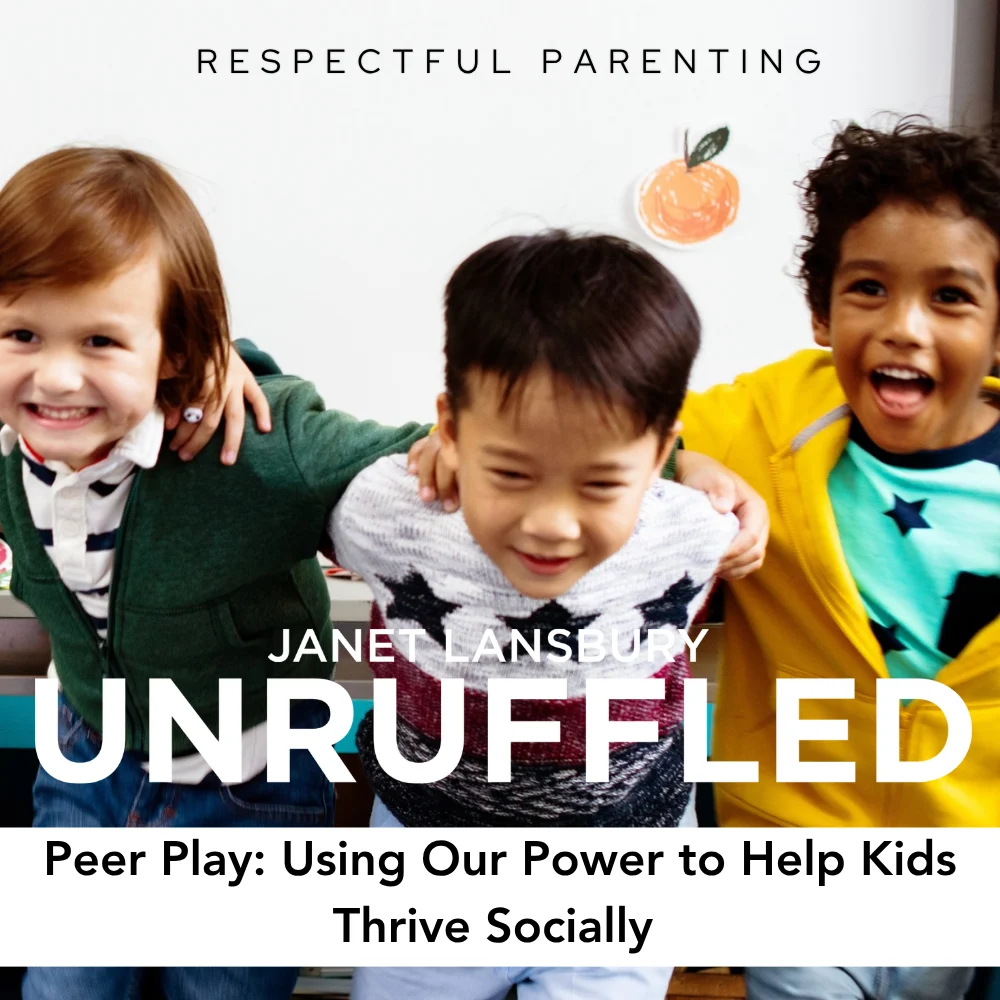
Parenting a young child often involves navigating complex social landscapes where everyday interactions can quickly turn into emotional challenges. In a recent episode of her parenting podcast Unruffled, early childhood expert and author Janet Lansbury addressed three distinct reader-submitted dilemmas concerning childhood socialization. Ranging from a four-year-old child who struggles when friends fail to follow her rigid play scripts to a reserved three-year-old uncomfortable around strangers, these scenarios highlight the hidden role that parents play in shaping their children’s social development.
Rather than focusing solely on the mechanics of making friends, Lansbury’s insights suggest that parents possess a powerful, often overlooked influence over peer dynamics. Through thoughtful boundary-setting and radical trust in a child’s natural process, caregivers can help kids build genuine resilience, emotional regulation, and confidence.
The Rigid Director: Navigating Pretend Play Disasters
The first scenario tackled by Lansbury involved a four-year-old girl whose imaginative play habits had begun to create friction at home and within her peer group. According to the mother’s submission, titled "Help! Pretend play disaster," the child spends roughly 80 percent of the day immersed in character roles inspired by books, podcasts, and audio stories. However, her preferred method of play is strictly dictatorial.
The mother explained that when playing with family members or neighborhood friends, the four-year-old frequently demands verbatim adherence to a script: "Okay, you are Anna. You say X, Y, Z, then I do X, Y, Z." If a participant says even a single word out of turn, the child immediately halts the activity and restarts from the beginning. While her parents have tried explaining why this approach is unenjoyable for others, the child remains baffled by the lack of cooperation. The issue has persisted for a year, occasionally culminating in tears, anger, and social exclusion when peers refuse to follow her instructions.
Lansbury pointed out that this behavior often signals an underlying need for parental boundaries rather than more direct instruction or lengthy explanations. When children make unreasonable demands during play, they are frequently testing the waters to see where the boundaries lie.
"A lot of times children will just go further and further and further into the ridiculousness of a demand on us," Lansbury noted, explaining that this dynamic often serves as an outlet for unexpressed feelings—such as sibling rivalry with a younger sister or the general frustrations of a four-year-old attempting to individuate and gain control over a world where they actually control very little.
Crucially, Lansbury emphasized that parents serve as the primary model for interpersonal relationships. When adults bend over backward to appease impossible play demands out of a desire to be supportive, they inadvertently teach the child that others will—and should—comply with their every whim. By contrast, establishing a reasonable boundary—such as declining to participate in overly scripted pretend play and expressing genuine discomfort—models healthy relationship behavior. This teaches children that other people have their own independent wishes and boundaries, a lesson that naturally translates into healthier peer interactions.
Playground Dynamics and the Mislabeling of Bullying
The second inquiry addressed by Lansbury examined a more complex group dynamic at a local playground. A mother of a four-and-a-half-year-old girl wrote in to ask how respectful parenting approaches bullying, noting that her daughter was frequently excluded or cast as a "monster" and chased away by a group of older peers. The other children were a year ahead in preschool, creating a noticeable gap in social-emotional development. While the child maintained positive one-on-one friendships with these girls individually, she consistently found herself on the outside looking in during group settings.
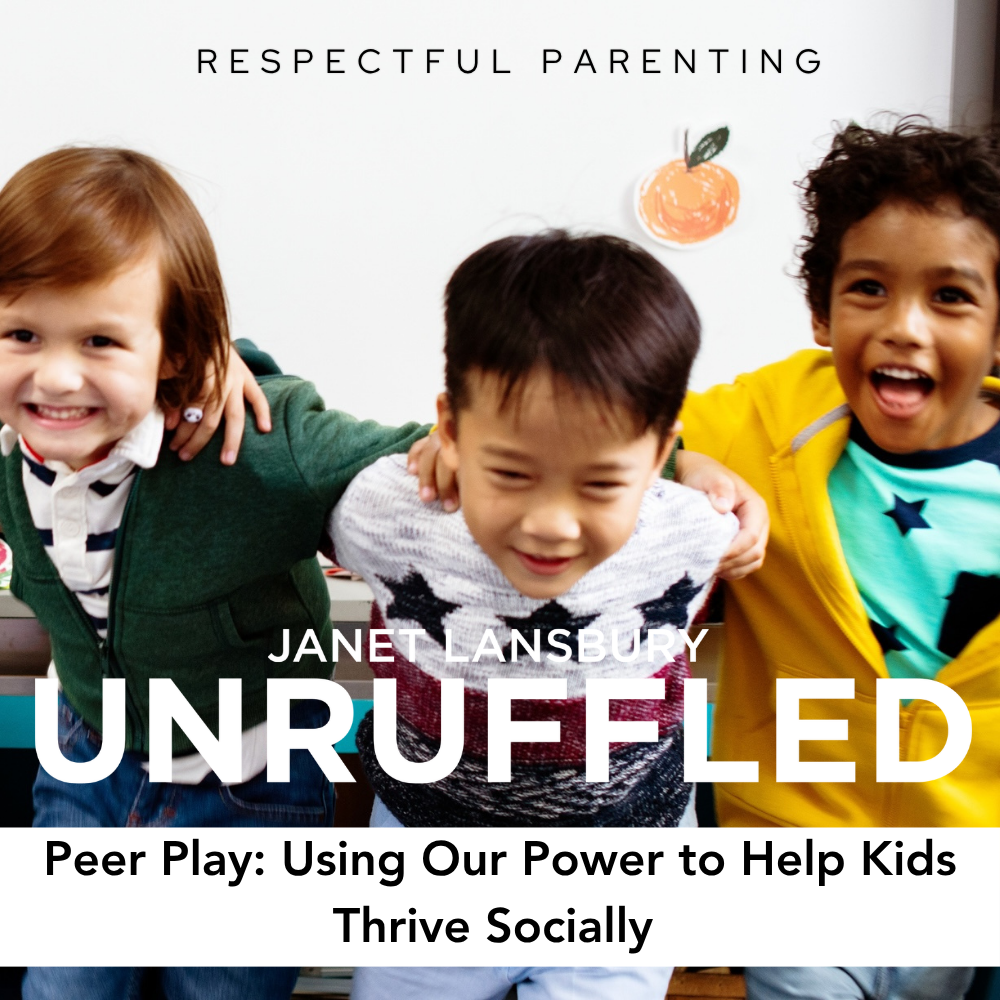
The situation had drawn the attention of other parents, leading to well-intentioned interventions. In one instance, the father of another child stepped in and instructed his daughter to include the younger girl, threatening to go home otherwise. While this temporary fix resulted in a positive experience, the parents remained uncertain about the best long-term approach and whether they should actively steer their child toward different play environments.
Lansbury cautioned against labeling normal childhood exclusion as "bullying," arguing that the term is frequently overused and misapplied to preschoolers. She emphasized that a one-year developmental gap at this age is significant, making it entirely natural that older children might gravitate toward peers on a similar wavelength.
Rather than viewing the exclusion as a problem that requires fixing—or casting the child as a victim—Lansbury advocated for trusting the child’s own capacity to navigate the situation. While comforting a child who feels left out is a natural parental instinct, stepping in to force inclusion can rob children of the opportunity to learn from natural social friction.
"Learning isn’t comfortable and, as both these families seem to realize, rejection is a really important experience to learn from," Lansbury stated. She suggested that parents can best support their children by discussing the realities of the situation beforehand—acknowledging that the older girls might play differently in a group—and then trusting the child’s decision on whether to join, followed by a safe space to vent if things do not go as planned.
The Reserved Three-Year-Old
Concluding her broadcast, Lansbury addressed a brief question submitted via Instagram regarding a reserved three-year-old struggling to feel comfortable around other people.
Addressing this common concern, Lansbury stressed that shyness or reserve is not a weakness or a behavioral defect that requires active management. Coaxing, prompting, or pushing a reserved child to socialize often has the opposite effect, heightening their anxiety. Instead, she advised parents to trust the child’s internal timeline and unique process.
By maintaining a calm, unruffled presence and allowing the child to participate at their own pace—whether that means sitting close to a parent or observing from a distance—caregivers provide the foundational security children need to eventually branch out independently.
Throughout the episode, Lansbury reiterated that while parenting socially struggling children can feel overwhelming, the solutions rarely lie in direct behavioral manipulation. By focusing on firm, respectful personal boundaries and an abiding trust in a child’s experiential learning process, parents can effectively guide their children toward lasting social confidence.
