Unlocking Connection: How Understanding the Five Love Languages Can Transform Your Homeschooling Dynamic
For many parents navigating the intricate world of education at home, late nights are occasionally consumed by the puzzling behaviors of a child. Long after the textbooks have been closed and the house has grown quiet, the mind of a dedicated parent often races to decode subtle shifts in mood, sudden bouts of defiance, or inexplicable emotional distance. For Jamie C. Martin, a veteran homeschooling mother and author behind the educational resource Simple Homeschool, a persistent issue with one of her children recently led to just such a sleepless night filled with reflection, prayer, and quiet tears.
Desperate for insight, Martin eventually reached out to a trusted friend and homeschooling mentor. In a brief message, she outlined the core of the problem and asked for guidance. The response came back just as swiftly, delivered in a single, probing question that fundamentally shifted her perspective: "What’s your child’s love language?"

Reflecting on the advice, Martin realized that while the concept of "love languages" was a familiar psychological framework often discussed in the context of marriage, it was a tool she had rarely applied intentionally to her relationships with her children. Intrigued by the suggestion, she began to research her child’s specific emotional needs and consciously focused on addressing them. Within a remarkably short period, the perplexing behavioral issue evaporated, demonstrating the profound impact that targeted emotional connection can have on the daily rhythm of a homeschool environment.
The concept of love languages originally popularized by Gary Chapman and Ross Campbell posits that every individual—whether adult or child—expresses and receives love best through one of five distinct communication styles. While parents naturally strive to express unconditional love in a myriad of ways, recognizing that each child possesses a unique emotional vocabulary akin to their distinct personality can dramatically alter the health and harmony of a household, particularly within an intensive educational setting.

To help identify these preferences, online assessment tools, such as the love languages quiz recommended for children ages nine and older, have proven invaluable for families seeking to better understand one another. Through careful observation and intentional application, parents can navigate the five primary love languages—physical touch, words of affirmation, receiving gifts, quality time, and acts of service—and integrate them seamlessly into their daily homeschool lives.
Physical Touch
For children whose primary emotional currency is physical touch, the need for tactile reassurance is constant. These youngsters desperately thrive on frequent hugs, kisses, and reassuring pats on the shoulder. Without these physical expressions of affection, they may internalize minor missteps, quickly developing an underlying anxiety that they have done something wrong or that their parent is displeased with them. In a homeschool setting, integrating physical touch can be as simple as sitting close while reading together, offering a comforting hand during a frustrating math lesson, or starting the school day with a warm embrace.

Words of Affirmation
In a modern culture that has largely lost the art of giving deliberate, meaningful affirmation, spoken encouragement carries immense weight. Carefully chosen words do not damage children; rather, they fill them with the confidence needed to tackle difficult academic challenges and social hurdles. For individuals whose primary love language is words of affirmation, verbal expressions of pride and affection powerfully communicate unconditional love. Parents teaching a child with this preference can intentionally weave spoken praise, handwritten notes left inside textbook pages, and specific compliments about effort rather than just achievement into the daily academic routine.
Receiving Gifts
The concept of receiving gifts often carries a superficial connotation of commercialism or excessive spending, but a broader understanding reveals that gifts can be powerful symbols of thoughtfulness and care. Rather than making frequent trips to the store, parents can reframe everyday essentials or seasonal items in a more special, intentional light. For instance, presenting new school clothing or supplies with a decorative bow, a quick handwritten note, or an unexpected placement in the child’s bedroom can transform a practical necessity into a memorable expression of love that resonates deeply with a gift-oriented child.

Quality Time
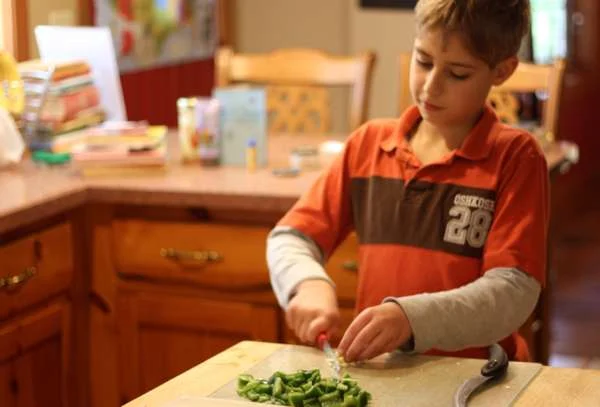
For families engaged in homeschooling, the sheer amount of time spent together under one roof can sometimes create a false sense of security regarding emotional connection. Parents of children whose primary love language is quality time often find their work cut out for them, as physical proximity does not automatically equate to focused attention. If a parent is distracted by grading papers, household chores, or digital devices, it fails to register in the child’s emotional bank account. Fulfilling this need does not require elaborate outings or grand gestures; simple, undivided attention—such as chatting while preparing a meal together or pausing lessons to engage in a shared interest—goes a long way toward keeping emotional tanks filled.
Acts of Service
Acts of service within a family dynamic do not mean performing every task for a child and stripping them of personal responsibility. Instead, it involves recognizing that through intentional acts of assistance, a parent communicates deep affection. When caregivers understand that a child’s main love language is service, they can channel extra effort into helping them navigate the academic duties or daily chores they struggle with most. By stepping in to assist with a particularly daunting project or organizing a chaotic workspace as an unexpected kindness, parents can demonstrate love in a language that speaks directly to the child’s heart.

Exploring these five communication styles highlights an often-overlooked benefit of homeschooling: the extended hours families share each day provide a unique opportunity to truly understand children on a profound level. This ongoing closeness allows parents to consistently demonstrate unconditional love in ways that resonate most deeply with each individual child. Furthermore, by modeling love effectively within the home, parents inadvertently teach their children how to extend that same grace to others, creating a generational impact. As author Isabel Allende famously observed, children are blessings to be accepted with gratitude much like trees—loved simply for who they are without demanding unnecessary transformation.
