CHICAGO — In a significant leadership transition for one of North America’s most prominent pioneering Islamic multimedia organizations, Sound Vision has announced that Taha Ghayyur has been appointed as its new president. The leadership shift marks the beginning of a new chapter for the organization, which has spent nearly three decades producing educational, cultural, and spiritual content for Muslims in the United States, Canada, and around the world.
Imam Abdul Malik Mujahid, the visionary founder and long-time leader of Sound Vision, will transition to the role of Chair of the Board of Directors, ensuring that the organization continues to benefit from his decades of institutional knowledge and strategic oversight. The announcement was shared publicly in a reflective note penned by Ghayyur, detailing his personal journey with the organization, the enduring legacy of Imam Mujahid, and the strategic vision guiding Sound Vision toward 2027 and beyond.
Reflecting on his earliest encounters with the organization, Ghayyur recalled attending an Islamic youth camp at a large mosque roughly thirty years ago. For a teenager at the time, the gathering was far from a typical weekend hangout; it was a formative spiritual experience where he first heard Imam Mujahid speak live. What captivated the young Ghayyur was the absolute clarity of the speaker’s vision and an unmistakable passion for community service and religious duty. He vividly recalls a lecture centered on the Quranic mandate of being "Shuhada alannas"—witnesses unto humanity—a theological and civic responsibility that would define the trajectory of his life’s work.
During the 1990s, Ghayyur witnessed firsthand how Sound Vision put that mission into practice. Staying true to its guiding motto of “helping tomorrow’s Muslims today,” the organization emerged as a true pioneer in the utilization of multimedia, television, and audio production to educate, equip, and empower the next generation of American and Canadian Muslims. Through groundbreaking projects like the beloved children’s series Adam’s World, the spiritually uplifting songs and hymns of artist Dawud Wharnsby, and cutting-edge resources focused on practical Islamic living, Sound Vision created tools that were widely relied upon by Imams, religious educators, teachers, Muslim Student Association leaders, and parents globally.
That early exposure ignited a deep admiration for Imam Mujahid’s body of work. Even before entering university and pursuing formal Islamic education, Ghayyur knew he wanted to dedicate his professional life to Sound Vision and contribute to its compelling mission of creative outreach and community education. Over the subsequent two decades, that aspiration materialized into a dedicated career. Ghayyur had the privilege of working closely alongside Imam Mujahid, traveling with him, and shadowing his leadership across numerous initiatives.
Over the years, Imam Mujahid entrusted Ghayyur with multiple high-level leadership responsibilities within the broader ecosystem of community service and advocacy. Ghayyur served as the Chairperson of MuslimFest, Development Manager of Sound Vision, Executive Director of Justice For Canada, and, more recently, as the Senior Vice President of Sound Vision. This extensive institutional track record made him a natural choice for the presidency as part of a carefully structured leadership succession plan formulated by Imam Mujahid and the organization’s board of directors.
Last week, the formal appointment was made official, placing Ghayyur at the helm of an iconic organization that maintains physical offices and production studios in both the United States and Canada, alongside a vast international reach. For Ghayyur, stepping into the role is far more than a ceremonial title or a routine administrative transition; it is a profound and lofty responsibility that he approaches with deep humility and gravity.
To ensure stability and continuity, Ghayyur will be supported by Brother Khaled Alsadi, who serves as Vice President in the Chicago office and brings more than 14 years of dedicated service to the organization. Meanwhile, as Imam Mujahid assumes his new responsibilities as Chair of the Board, the leadership team plans to lean heavily on his expert advice. Ghayyur noted that the organization will continue to stand on his generous and broad shoulders to build the upcoming chapter of Sound Vision’s history.
As Sound Vision looks toward the horizon of 2027 and beyond, the incoming leadership team is preparing to engage extensively with the community. In the coming days and weeks, Ghayyur plans to reach out to stakeholders, donors, supporters, and community leaders across North America to listen, gather feedback, and collaborate on the organization’s future direction.
This forward-looking approach comes at a critical juncture for North American Muslims. While Sound Vision has celebrated unique milestones over the decades through signature projects like Adam’s World and Muslim Network TV, the leadership acknowledges that the organization still has significant ground to cover in addressing the evolving needs of the community. The contemporary landscape presents a complex array of overlapping challenges for Muslims living in the United States and Canada, ranging from skyrocketing incidents of domestic Islamophobia and global conflicts to the economic pressures of trade wars and the rapid, largely unknown societal impacts of artificial intelligence. Additionally, families grapple with internal dilemmas regarding integrity and disintegration, while young Muslims face the constant intellectual onslaught of aggressive secularism and atheism.
Given these formidable realities, Ghayyur emphasized that Sound Vision cannot afford to operate under a "business as usual" framework. Instead, the organization recognizes an urgent need for collective, bold, innovative, and long-term thinking and tactics designed to secure success both in this life and the hereafter.
Concluding his inaugural statement as president, Ghayyur offered prayers for Imam Mujahid, asking Allah to continue blessing him with his characteristic energy to serve humanity. He expressed hope that the current generation of leaders will be enabled to build securely upon that established legacy to reach unprecedented heights. Calling for the continued prayers, support, and advice of the community, Ghayyur officially steps forward to lead Sound Vision into its next decades of educational and cultural service.
For many parents of young children, the morning routine or the bedtime transition can quickly transform from a simple household task into a stressful, hour-long confrontation. A parent recently reached out to renowned parenting expert and podcast host Janet Lansbury to share her exhaustion over daily battles with her five-year-old daughter regarding basic tasks like getting dressed, brushing teeth, combing hair, and taking a bath. Despite attempting a wide array of strategies ranging from timers and reward charts to silly games and punishments, the mother found that both she and her daughter frequently ended up overwhelmed, with the tasks still unfinished.
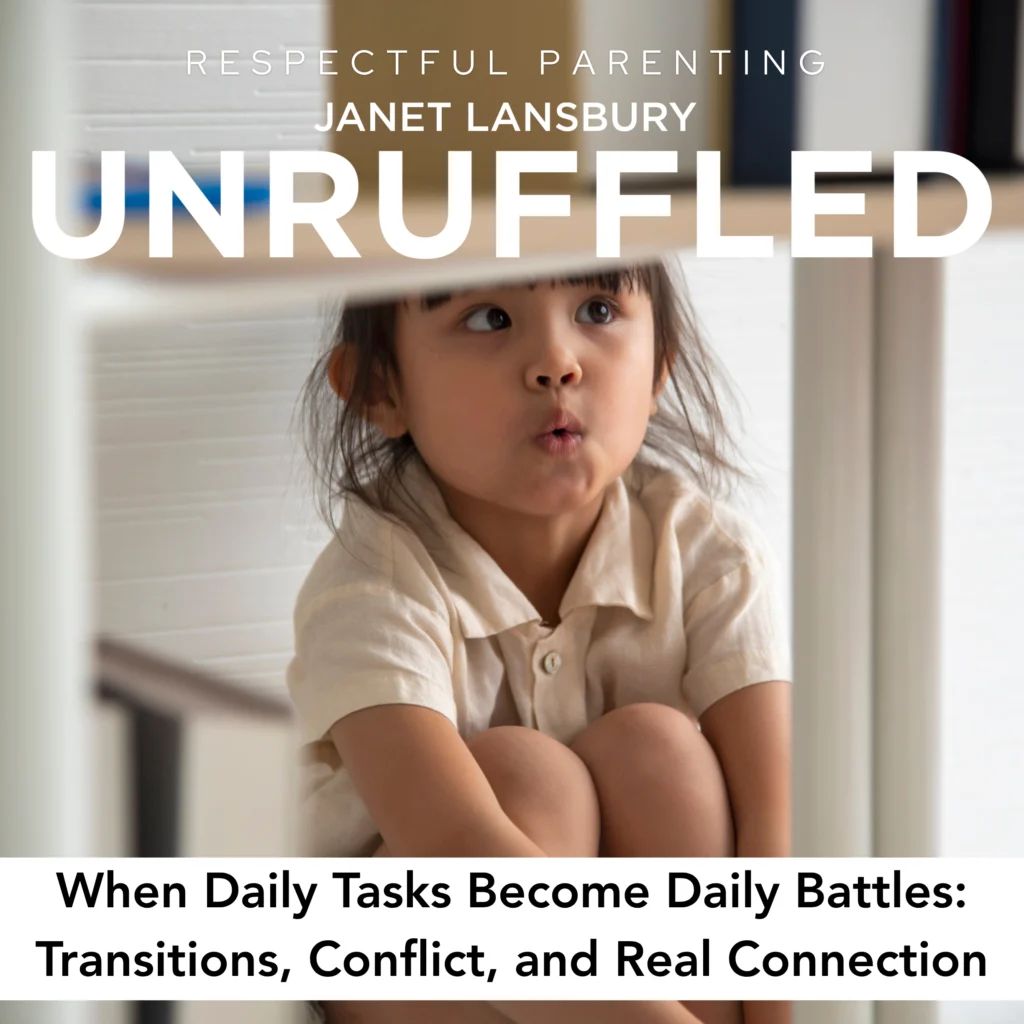
In a recent episode of her Unruffled podcast, Lansbury addressed this common family dilemma, offering a fresh perspective on how well-meaning external tactics can sometimes hinder genuine connection. Rather than viewing a child’s resistance as sheer defiance or a behavior problem to be fixed, Lansbury reframed these everyday struggles as a deeper cry for emotional support during challenging transitions, providing parents with a roadmap built on authentic confidence and honest communication.
The parent who wrote to Lansbury described herself as a busy single mother working as a nurse, with minimal involvement from her daughter’s father and primary support coming from her own mother. While her five-year-old daughter is preparing to enter first grade as a sweet, affectionate, and social child, the household often experiences the unpredictable transitions associated with a demanding work schedule and a complex co-parenting arrangement. The mother noted that while she imagined a slower, more peaceful family life, her reality requires her daughter to navigate numerous shifts that can feel inconsistent.
Since her daughter turned three, these friction points have centered around essential daily routines. The mother explained that she had exhausted nearly every standard parenting tool available. She tried timers, countdowns, a "Get Dressed Race" game, silly outfits routines, reward charts, and even punishments, alongside verbally acknowledging her daughter’s resistance by saying, "I see you don’t want to get dressed right now. Let me help you." Yet, simple transitions continued to devolve into protracted struggles, leaving the mother to wonder if she was inadvertently getting stuck in an unhelpful pattern or if she needed to hold a firmer boundary.
Reflecting on her own upbringing as a millennial, the mother observed that her generation’s parenting style was largely rooted in suppressing uncomfortable emotions and correcting behavior. While her upbringing was filled with love, struggles were approached primarily through a behavior-focused lens. Striving to provide her daughter with a compassionate inner voice, the mother admitted that she frequently found herself second-guessing her parenting approach, caught between wanting to remain respectful and connected and needing to ensure that non-negotiable tasks actually get done.
Lansbury praised the mother for her profound self-awareness and thoughtful reflection, emphasizing that recognizing these patterns is already more than half the battle. Addressing the root cause of the behavior, Lansbury pointed out that transitions are naturally difficult for young children because they are already undergoing internal transitions of rapid growth. When external disruptions like parental separation, moving between two different homes, or transitioning to a new school year are added to the mix, it is entirely expected for children to exhibit behavioral friction. The fact that the little girl handles her broader social life and school preparation with confidence is a testament to the strong love and trust she shares with her mother.
However, Lansbury explained that standard parenting tactics like timers, countdowns, reward charts, and punishments often act as outside fixes that create emotional distance rather than fostering real, person-to-person connection. Punishments, in particular, create the opposite of connection, while reward charts can feel like an attempt to manipulate a child’s behavior without addressing underlying emotional needs. Games and fun strategies, while sometimes helpful, can backfire if parents use them merely out of desperation to force compliance, leading to parental burnout and a sense of inauthenticity.
Lansbury stressed that parents never need to perform or rely on tricks. Instead, she advocates for meeting children with real, honest selves, even during frustrating moments. When a child resists getting dressed or brushing their teeth, they are rarely reacting to the task itself; rather, they are feeling overwhelmed by the broader emotional weight of having to transition. In those moments, children are silently asking whether their parents can remain steady and confident in the face of big, messy feelings.
Addressing the balance between holding boundaries and offering support, Lansbury challenged the premise that parents must choose between being respectful and enforcing non-negotiable tasks. She argued that these two concepts are actually one and the same. Respecting a child and acknowledging their voice does not mean avoiding discomfort; it means showing up as a steady leader who accompanies the child through the hard parts of life. When a parent meets resistance with honest acknowledgment—such as recognizing that a task is an unwelcome chore rather than trying to cheer the child out of their feelings—it creates a deep sense of safety.
Lansbury encouraged parents to let go of the pressure to keep everything calm and seamless, urging them to embrace what she calls "messy, messy connection." By dropping external gimmicks and openly communicating about the reality of daily routines, parents can guide their children through discomfort with confident momentum. Ultimately, Lansbury’s message reassures caregivers that true connection does not require a conflict-free household, but rather a willingness to stand beside a child with unwavering confidence when life demands that they move forward together.
As the holiday season approaches, shoppers are increasingly looking for ways to streamline their preparations while staying true to values of sustainability and wellness. For many families, recovering from the frantic pace of modern life means leaning into intentional planning, early purchasing to combat extended shipping times, and choosing items that prioritize health and the environment over cheap plastics and temporary novelty.
Curated with a focus on natural, organic, and health-promoting products, the newly released 2026 Holiday Gift-Giving Guide highlights tried-and-true favorites that have been tested and approved over years of family life. Moving away from disposable plastic items and clutter, this year’s top recommendations emphasize durability, creativity, and wellness across every age group and interest level.
Early Planning and Sustainable Choices
For those who love to stay ahead of the holiday rush, early preparation offers both practical advantages and peace of mind. Retailers are rolling out holiday deals earlier than ever to accommodate extended shipping windows, giving consumers an opportunity to secure thoughtful items without the last-minute scramble.
While experiential gifts remain a popular choice for families seeking to reduce physical clutter, there is still immense value in receiving a well-chosen, tangible item. The key is ensuring those items align with a holistic lifestyle. This year’s guide centers heavily on eco-friendly alternatives that limit plastic and promote everyday well-being, whether through advanced wellness technology, clean beauty products, or durable outdoor gear.
2026 Top Gift Picks
Highlighting the best of the season, several standout brands have earned top spots for their commitment to quality, innovation, and clean ingredients. Many of these companies offer exclusive discounts, making it easier for shoppers to invest in premium wellness tools.
Leading the wellness category is BON CHARGE, a brand celebrated for its diverse line of health-optimizing devices. Among the favorites are the infrared sauna blanket, which brings the benefits of a sauna anywhere, and the PEMF mat. The brand also bridges the gap between technology and daily routines with innovative offerings like a red-light toothbrush that combines oral health with light therapy, a red-light face mask for clearer skin, and a red-light hat designed to support scalp and hair health.
In the realm of clean personal care, Toups & Co remains a family-owned staple known for its simple, highly effective ingredients. Founded on principles similar to homemade formulations, the brand creates reliable skincare essentials. The original tallow balm and the popular liquid foundation are favored by those who maintain strict standards for what goes onto their skin and their children’s skin, alongside deodorants, serums, and natural soap bars.
Another prominent skincare choice is Annmarie Gianni, recognized for its thoughtfully crafted organic and wildcrafted ingredients. Products such as the Aloe Herb Cleanser and Anti-Aging Serum meet rigorous quality standards while delivering luxurious results. Holiday promotions featuring curated trio samples and anti-aging facial oils provide an accessible entry point for those looking to gift high-end, toxin-free beauty items.
Tailored Recommendations Across Demographics
The guide breaks down selections across various categories, addressing the distinct challenges of shopping for different family members without resorting to generic clichés.
For women, the focus shifts toward practical yet pampering items that acknowledge the joys of everyday homemaking and self-care. Moving past traditional kitchenware that feels more like an obligation than a gift, modern selections for mothers, wives, and friends celebrate high-end culinary essentials alongside genuine luxuries.
Shopping for men often presents a unique challenge, but the guide bypasses standard ties and pajamas in favor of functional gear that has proven popular over the years. These items span practical daily tools as well as specialized equipment tailored for frequent travelers and outdoor enthusiasts.
For older children and teens, whose tastes can notoriously shift rapidly, the selected gifts focus on items that have earned genuine approval from adolescents. Meanwhile, the selections for younger kids deliberately avoid low-quality plastics that break easily and toys with a single, short-lived function. Instead, the emphasis is on durable items that stand the test of time and actively encourage imagination and creativity.
When it comes to babies and expecting parents, navigating the vast market of infant gear requires strict filtering to avoid endocrine-disrupting plastics and unused clutter. Drawing from extensive parenting experience, the recommended gear, toys, and essentials are those that have truly proven their utility in daily family life.
Special Interests: From Foodies to Outdoors Enthusiasts
Specialized categories within the guide cater to specific hobbies and roles within the family. For chefs and food enthusiasts, items are chosen to elevate time spent cooking and gathering in the kitchen.
Grandparents, who often hold a central role in family dynamics, receive thoughtful consideration through gifts that express deep appreciation for their ongoing support and involvement. While handmade creations from grandchildren remain a holiday tradition, complementary retail items provide additional ways to say thank you.
For social gatherings, inexpensive "just in case" and hostess gifts offer practical solutions for unexpected visitors or party invitations, ensuring a wrapped token of appreciation is always on hand. Outdoor enthusiasts are targeted with gear designed to inspire more time spent in nature, aligning with the broader family goal of balancing indoor routines with active outdoor adventures.
For those participating in lighthearted holiday traditions like Dirty Santa or white elephant gift exchanges, the guide features humorous items guaranteed to generate laughter. Meanwhile, family-oriented gifts focus on shared experiences and collective health improvements that everyone in the household can enjoy together.
Beauty, Books, and Finishing Touches
Natural beauty and home care products occupy a significant portion of the guide, offering safe alternatives for those who love the idea of handmade holiday gifts but lack the time to craft them from scratch.
Literature also plays a major role, featuring a curated selection of inspirational, educational, and fictional books drawn from years of podcast interviews and personal reading habits. These titles serve as thoughtful gifts for avid readers seeking new perspectives and storytelling.
As the holiday season progresses, many of these recommended items will see additional price reductions during Black Friday and Cyber Monday sales. By combining early organization with a focus on sustainable, health-conscious products, shoppers can navigate the festive period with significantly reduced stress and a greater sense of purpose.
Waldorf education has stepped into the national parenting spotlight, receiving prominent attention in the August issue of Parents magazine through an article titled "How Boys May Benefit From ‘Redshirting’ in Kindergarten." While the prominent parenting publication examines the growing trend of delaying kindergarten entry—a practice commonly referred to as redshirting—it touches upon the philosophy of Waldorf schools in a way that educators from the movement are eager to clarify. According to the recent feature, Waldorf schools are described as advocating for the practice of redshirting. However, Waldorf representatives point out that this characterization, while understandable from a conventional educational perspective, misses the fundamental philosophy that guides Waldorf pedagogy from early childhood through the primary grades.
Rather than participating in the modern trend of holding children back from a traditional starting line, Waldorf education operates on a completely different developmental timeline altogether. In a Waldorf setting, the question of redshirting does not quite apply in the way it does in mainstream public or private schools, because Waldorf curriculum and structural design are intentionally built around the natural progression of early childhood development. In traditional educational models, kindergarten is often expected to introduce formal, structured academics, including early reading, writing, and standardized testing preparation, often starting at age five or even younger. By contrast, Waldorf schools emphasize a play-based, imaginative, and experiential approach to early childhood education, deliberately deferring the introduction of formal academic instruction until children reach first grade, usually around the age of seven.
To understand why Waldorf schools might be misconstrued as advocating for redshirting, one must examine how conventional school timelines compare to Waldorf structures. When parents choose to redshirt a child in a traditional school system, they are typically holding their five-year-old back for an extra year—either keeping them home, in preschool, or in a transitional kindergarten program—so that they can enter standard kindergarten a year older, larger, and presumably more emotionally and cognitively mature than their peers. This strategy is frequently utilized for boys, who statistically mature at a slower rate than girls in areas concerning fine motor skills, self-regulation, and structured classroom compliance during early childhood.
In the Waldorf educational model, however, this extra year of preparation is not an artificial delay or an exception to the rule; it is the standard foundational design for every student who enters the school. Because the entire structure of a Waldorf education assumes that formal academics will not begin until approximately age seven, children do not need to be held back from a premature academic environment. Instead, they enter kindergarten at the developmentally appropriate age for that specific environment, allowing them to experience early childhood education designed entirely around movement, creativity, oral storytelling, and practical arts.
Beverly Amico, the executive director of advancement at the Association of Waldorf Schools of North America, offers essential insight into the philosophy that drives this approach. Addressing the distinctions raised in the Parents magazine discussion, Amico highlights the profound benefits of aligning formal schooling with the natural developmental milestones of growing children. Research consistently shows that starting formal schooling closer to age seven supports stronger self-regulation, social skills, and cognitive readiness, according to Amico. This foundational perspective underscores the core mission of Waldorf education, which prioritizes the holistic development of the child over the early acquisition of academic metrics.
Amico further emphasizes that the Waldorf approach to age and school readiness is fundamentally about alignment rather than restriction. This is not about holding children back, she explains, but about ensuring that each student is ready to learn without undue stress at a young age. In the view of Waldorf educators, forcing abstract intellectual concepts onto young children before their neurological and physical systems are fully prepared can create unnecessary anxiety and friction, potentially dampening a child’s natural enthusiasm for discovery. By honoring a slower, more deliberate pacing during the early years, educators aim to cultivate a lifelong passion for learning that sustains students as they progress into more rigorous academic subjects in the grades.
The discussion around kindergarten redshirting has gained significant traction in recent years, drawing intense interest from parents, educators, and child psychologists alike. As modern educational environments have become increasingly focused on early academic achievement, standardized testing benchmarks, and structured classroom expectations at younger ages, many families have begun to question whether traditional timelines serve the best interests of young children, particularly boys. Articles like the one featured in Parents magazine reflect a broader cultural anxiety regarding school readiness and the pressure placed on young learners to adapt to rigorous academic standards prematurely.
By featuring Waldorf education within this ongoing national conversation, the publication highlights an alternative educational paradigm that has championed age-appropriate learning for over a century. Founded by Rudolf Steiner in 1919, the Waldorf movement has long maintained that intellectual learning should follow an imaginative, physical, and emotional foundation. While modern educational trends grapple with the phenomenon of redshirting as a corrective measure for a system that may introduce academics too early, Waldorf schools present a model where the system itself is designed to meet the child’s developmental reality from the very beginning.
As families continue to navigate complex decisions regarding kindergarten enrollment, age requirements, and the best pathways for their children’s educational journeys, insights from organizations like the Association of Waldorf Schools of North America provide valuable perspective. The distinction between artificially delaying a child’s entry into a prematurely rigorous academic environment and choosing an educational philosophy designed specifically for the seven-year-old transition offers parents a new lens through which to view school readiness. Readers interested in exploring the broader discussion surrounding kindergarten redshirting, child development, and the experiences of families navigating these choices can find the full story in the August issue of Parents magazine or by visiting their official digital platform.
Global spiritual movement Centers for Spiritual Living continues to invite spiritual seekers and adventurers worldwide to connect through its network of more than 300 communities, offering a practical approach to spiritual living that bridges ancient wisdom and contemporary thought. Founded nearly a century ago by Dr. Ernest Holmes, the organization remains steadfast in its foundational vision of creating a world that works for everyone while providing accessible tools for personal and global transformation.
The organization traces its roots back to 1927, a significant year that also marked the inception of Science of Mind magazine under Dr. Holmes’ leadership. Since that time, Centers for Spiritual Living has expanded from a localized movement into a vast international network of spiritual communities. Operating in over 300 locations across the globe, these centers offer a welcoming environment designed for individuals seeking deeper meaning, personal growth, and connection with like-minded spiritual explorers.
At the heart of the movement is a distinct theological and philosophical framework. Much like Science of Mind magazine, the centers champion a practical spiritual teaching that draws inspiration from what leaders describe as the golden thread of truth found across all faith paths. By integrating these universal spiritual truths with New Thought principles, the communities aim to foster deep personal development and inner transformation. Central to the ethos of Centers for Spiritual Living is an uncompromising message of radical inclusivity, summarized by the guiding principle that everyone is included on the path to the divine.
The organization operates under a clearly defined purpose, vision, and mission. Its stated purpose is to awaken humanity to its inherent spiritual magnificence. This supports a broader vision of realizing a world that works for everyone, driven by a mission to provide practical spiritual tools designed to facilitate both individual and global transformation. Rather than adhering to rigid dogmas, the communities emphasize a warm, dynamic, and loving atmosphere intended to embrace, love, and accept individuals exactly as they are upon arrival.
To help newcomers and existing members better understand the scope and philosophy of the movement, the organization provides comprehensive informational resources. These include detailed overviews designed to introduce the core tenets and community offerings of Centers for Spiritual Living. For local centers, study groups, and community leaders, these informational materials are also made available in print-ready formats. A compressed digital folder containing printable PDF versions of the summaries can be downloaded directly, allowing local groups to easily share these resources with visitors and participants.
The availability of these overviews underscores the organization’s commitment to accessibility and community outreach. As global interest in holistic wellbeing and inclusive spiritual practices continues to evolve, Centers for Spiritual Living maintains its focus on providing physical spaces where people can gather, meditate, study, and support one another. The network serves individuals from diverse backgrounds who are looking for alternatives to traditional religious structures while still desiring a structured spiritual home and a supportive community of peers.
For those interested in experiencing the community firsthand, the organization encourages individuals to explore local chapters. With hundreds of communities operating globally, seekers are directed to utilize online mapping tools provided by the organization to locate the nearest center. By visiting these local chapters, individuals are invited to engage with dynamic services and claim the supportive, spiritually enriching life their souls are seeking within a global movement nearly one hundred years in the making.
As children transition from taking their very first tentative steps to striding across a graduation stage, families reach a profound milestone that merges cherished memories with bright hopes for the future. For homeschooling families, particularly those completing the rigorous Challenge program, this season of commencement naturally brings a series of practical questions. Parents often find themselves pondering what a graduation ceremony should truly include, how formal the celebration needs to be, and whether a parent-issued homeschool diploma carries the necessary weight with colleges, trade programs, and employers.
Leigh Bortins addresses this pivotal season directly in Chapter Twelve and the epilogue of her book, The Conversation. She offers reassuring guidance to parents, emphasizing that graduation—much like every other stretch of the high school journey—is simply one more educational milestone to approach with intentionality and excellence as a family. For decades, Classical Conversations families have celebrated these achievements in diverse settings, ranging from cozy living rooms and rented community halls to celebratory gatherings at sea. This collective experience has helped families determine what genuinely works when honoring a graduate.
Planning the Ceremony: Practical Ideas for a Meaningful Celebration
A homeschool graduation ceremony does not require a massive stadium, a marching band, or an extensive guest list to effectively mark the moment. Instead, the core ingredient is intention: a clear sense of purpose regarding the significance of the day and the individuals who belong in the room. Most families choose to build their ceremonies around a few simple, meaningful elements. These typically include the presentation of the diploma, a short reflection detailing the student’s academic journey, and dedicated time spent with the people who shaped those years—parents, Tutors, Directors, and community day friends who sat side by side through countless hours of memory work, essay writing, and debates.
Families often approach the scale of the event differently. Some prefer to keep the ceremony small and deeply personal, hosting it at home or folding it into their local Challenge community’s final gathering of the academic year. Others favor a larger, more traditional celebration. To accommodate this, Classical Conversations hosts a National Commencement, complete with academic regalia and a full formal ceremony, for families desiring to mark their graduate’s milestone on a broader scale alongside their larger community. Members looking to formalize the milestone can order official graduation packages, including diplomas, through authorized partners such as HomeschoolDiploma.com.
Reflecting on the Journey: What the Classical Model Built Over the Years
Graduation naturally serves as a time for reflection, prompting families to look backward at the foundation that made the achievement possible. Long before the cap and gown are fitted, the classical model is already at work across three distinct movements, which correspond directly to the three arts of the trivium.
In the Foundations stage, the grammar phase provides students with a robust body of knowledge, encompassing memory work in history, science, and Latin that is recited collectively with the entire family. As students move into Essentials and the early Challenge levels, the dialectic stage teaches them how to ask perceptive questions and critically sort through the knowledge they have acquired.
By the time students reach Challenge II, III, and IV, the rhetoric stage brings these elements together. Graduates learn to craft detailed papers, defend philosophical positions, and speak persuasively about what they have come to believe is true. From the age of four all the way to commencement, these students practice the liberal arts of grammar, dialectic, and rhetoric, steadily growing toward wisdom and freedom.
Alongside academic progression, most graduates also cultivate vital leadership qualities that may not appear directly on a standard transcript. Challenge students routinely lead learning strands, mentor younger classmates, and hone their public speaking skills through Policy Debate and Lincoln-Douglas Debate years before they ever wear graduation attire. Furthermore, they forge enduring friendships that persist long after the final ceremony concludes—relationships forged through years of singing songs, wrestling with complex philosophical concepts, and debating challenging issues together.
Looking Ahead: Encouragement for the Next Chapter
When a student finally receives their diploma, the path forward branches into numerous possibilities. Whether a graduate chooses to pursue higher education, enter a trade school, enlist in the military, or step directly into full-time employment, the fifteen core classical skills cultivated through Foundations, Essentials, and Challenge travel with them into every endeavor.
For parents, reaching this juncture feels like a graduation of their own. After years of managing memory work during the early years and mentoring through the complex Challenge levels, parents realize they have gained far more than they initially expected. They have learned how to ask effective questions, weigh complex options, and seek wisdom within a supportive community of fellow educators. This accumulated confidence directly aids them as they help their graduate evaluate colleges, programs, or early career opportunities.
Families looking forward to post-high school transitions can draw from a variety of supportive materials, including guides on homeschooling through high school, preparing for post-graduation endeavors, and documenting years of coursework through detailed homeschool transcripts.
Frequently Asked Questions about Homeschool Graduation
Questions frequently arise regarding the logistics and validity of homeschool graduations. Regarding the ceremony itself, most families find that a successful event includes a diploma presentation, a brief reflection on the student’s learning journey, and time spent with family, Tutors, Directors, and peers. While some prefer simple, intimate gatherings, others opt for formal events like the national commencement ceremonies.
Planning typically begins by deciding on the desired scale of the event, followed by setting a date, inviting key mentors, and determining whether to feature speeches or a formal reception.
A common concern among parents involves the validity of the credential itself. A parent-issued homeschool diploma is legally valid nationwide and is widely accepted by colleges, the military, and employers. While recognition can vary slightly depending on state regulations, admissions offices generally place the highest value on a well-documented transcript rather than the diploma document alone, making thorough record-keeping essential throughout high school.
Celebrating Your Homeschool Graduation Well
A homeschool graduation ceremony signifies the culmination of a dedicated season that began with small, uncertain steps and gradually expanded into rigorous memory work, sophisticated essays, deep debates, and late-night discussions around the kitchen table. By planning the day with clear intention, families can look back with profound gratitude at the knowledge, understanding, and personal growth achieved over the years. Although the commencement ceremony eventually concludes, the deeper formation it celebrates—a mind and heart shaped to seek truth—continues to guide the student into whatever future lies ahead.
Emotional flooding is a widespread psychological and physiological phenomenon that occurs when an individual becomes completely overwhelmed by intense emotions during a conflict or stressful situation. While it is a common experience in everyday relationships, many people fail to recognize the biological mechanisms driving it. To understand why emotional flooding happens and how individuals can better manage these intense moments, researchers and mental health professionals point to the intricate ways the human brain processes stress, danger, and interpersonal communication.
At the core of emotional flooding is the amygdala, an almond-shaped cluster of nuclei located deep within the temporal lobes of the brain. The amygdala functions as the brain’s primary alarm system, built specifically to detect potential danger and keep individuals safe from harm. When the amygdala senses a threat—whether physical or psychological—it immediately triggers the body’s innate stress response, commonly known as the fight, flight, freeze, or fawn response.
This rapid activation releases a sudden, powerful surge of stress hormones, including adrenaline and norepinephrine, directly into the bloodstream. These hormones instantly put the body on high alert, accelerating the heart rate, elevating blood pressure, and redirecting blood flow toward major muscle groups. At the same time, this neurochemical rush significantly alters cognitive function, narrowing an individual’s focus entirely toward the perceived threat. This biological narrowing of attention helps explain why listening to a partner or processing complex points of view becomes extraordinarily difficult during a heated argument.
Although everyday disagreements typically involve no physical danger whatsoever, the human brain often struggles to distinguish between a life-or-death situation and a routine interpersonal conflict. A suddenly raised voice, a sharp tone, or a fundamental difference of opinion can easily be interpreted by the amygdala as a direct threat. This misinterpretation sets off the exact same biological alarm bells and the identical rush of anger, defensiveness, or panic that would accompany a real physical emergency.
In close, committed relationships, emotional flooding frequently receives extra fuel from the deep emotional investments partners have in one another. Arguments in significant relationships often touch upon topics that matter profoundly to a person’s core sense of self, such as feeling respected, valued, or safe. Furthermore, old emotional wounds from past experiences, combined with an underlying fear of where a current argument might ultimately lead, can pile heavily on top of the present moment. This accumulation of history and vulnerability transforms a minor disagreement into an overwhelming emotional experience.
Navigating Safety in Relationships
Mental health experts emphasize a vital distinction when discussing emotional flooding: the strategies used to manage everyday arguments do not apply to relationships marked by abuse or chronic intimidation. While an occasional raised voice during a standard disagreement can trigger a false alarm in the brain, genuine fear caused by a partner’s controlling behavior or intimidation is not a false alarm. In situations where an individual feels unsafe or threatened by a partner, self-soothing techniques are entirely inappropriate, and personal safety must always take precedence. Resources such as the National Domestic Violence Hotline remain available around the clock for anyone facing an unsafe home environment, providing confidential support and guidance.
Recognizing and Responding to Emotional Flooding
While individuals cannot always prevent emotional flooding from occurring in the heat of the moment, they can learn to help their bodies calm down once they recognize that the response has been triggered. The overarching approach focuses first on physical regulation and calming the nervous system, and second on returning to the conversation only after the individual feels sufficiently settled to think clearly.
The initial phase of managing flooding involves acute self-awareness. The exact moment an individual notices physical symptoms—such as a racing heart, clenched fists, or scrambling thoughts—naming the experience internally by telling oneself that this is flooding can change the dynamic. Explicitly identifying the sensation serves as a reminder that the feeling is fundamentally physical and temporary. That brief moment of cognitive awareness creates psychological space, allowing a person to choose their next action consciously rather than reacting entirely on autopilot. Practices such as full sensory awareness exercises can further anchor an individual in the present moment, helping to interrupt the escalating cycle of the stress response.
Following recognition, physical interventions targeted at the nervous system can accelerate recovery. One of the most direct physiological pathways to calm the body involves regulating the breath, specifically by making the exhale longer than the inhale. Extending the exhale engages the parasympathetic nervous system, which acts as the body’s natural brake system, helping to slow the heart rate and promote rest and recovery. Scientific studies on breathing patterns, such as cyclic sighing—which involves taking two quick inhales followed by one long, controlled exhale—have demonstrated significant improvements in mood and physiological regulation compared to other relaxation techniques. For individuals who find structured breathing exercises uncomfortable or unhelpful, alternative methods of grounding and physical self-soothing can be utilized. Once the body’s alarm system has settled and clarity has returned, individuals are better equipped to re-engage with their partners, fostering healthier communication and effective relational repair.
In the immediate aftermath of the 2017 presidential inauguration, two friends sat down for lunch against a backdrop of deep national division. Before they even took their first bite, they began unpacking their worst fears about the shifting political climate. They worried aloud about the increasingly harsh language circulating in the public square, particularly the divisive rhetoric bubbling up around immigrants and people of color.
"We asked, ‘What are a minister and a professor of sociology supposed to do at this moment?’" recalled Roman Williams, the sociologist, who was teaching at Duke Divinity School at the time alongside the Rev. Michael Bos.
"We emptied the lint out of our pockets," Williams said, describing the feeling of helplessness shared by many citizens seeking answers. "We were not famous people or rich people, but we wanted to bring what we had to bear on this problem."
Before that lunch had ended, the two men had hatched a plan. They decided to harness a tool that most people already carried in their pockets—the cameras on their smartphones—to build genuine relationships and foster understanding between individuals who might not otherwise cross paths or engage in meaningful conversation.
They named their nascent initiative "Interfaith Photovoice," a clear nod to Photovoice, a well-established sociological research method developed back in the 1990s. Traditional Photovoice asks participants to share personal photographs with the ultimate goal of giving marginalized groups a voice in their communities. Interfaith Photovoice adapts this core concept, deploying it deliberately between individuals representing different religious traditions, spiritual beliefs, and cultural backgrounds.
"It’s the idea that contact across differences can create positive impacts on people," Williams explained. "It changes them. They begin to ask questions of genuine curiosity; to see through the lens of other people and imagine ways their community might need to change so everyone can flourish, everyone can experience belonging."
Williams recently offered a live demonstration of Interfaith Photovoice to student leaders and student affairs professionals from colleges and universities across the United States. The group had gathered in Chicago for Interfaith America’s annual Interfaith Leadership Summit. During the session, Williams asked each attendee to share a personal photograph that exemplified their own personal definition of hope.
Participants showed their chosen images to their tablemates, describing in detail what the specific photo meant to them. Once everyone at the table had shared their story, the floor opened up, allowing people to ask questions about the images and deeply explore the personal narratives hidden behind the pixels.
"A sense of unity"
Among the participants was Cameron Town, a 19-year-old Christian student attending the University of Northwestern, St. Paul. Town shared a memorable snapshot of himself and his best friend leaping directly into the frigid waters of Lake Superior on a day weather-wise better suited for polar bears than human swimmers.
"I chose this photo because all five friends I was with that day are some of my longest, most cherished friends, and yet many of us disagree on many levels about really important issues," Town told the two female students he was paired with during the exercise. "At the end of the day—none of it changes the fact of our love and kinship for one another."
Following the session, Town reflected on the profound impact of the exercise, noting that he felt "a surprising sense of unity" with the two women, both of whom practiced different faiths.
"That sense of togetherness—despite being strangers—really left an impact on me," he said.
Since its inception in 2018, Interfaith Photovoice sessions have expanded significantly, taking place in communities across the United States and reaching as far away as Oman. The very first workshops, made possible by an initial grant, brought together Muslims and Christians in Richmond, Virginia; New Brunswick, Nova Scotia; and Grand Rapids, Michigan, where Williams was then serving as a professor at Calvin College.
"We learned a ton about the method, a ton about the experience," Williams recalled. "By 2019, we realized we were on to something."
Then the COVID-19 pandemic struck, forcing gatherings around the globe to pivot to virtual formats. Rather than halting the initiative’s progress, Williams used the downtime to expand Interfaith Photovoice’s reach far beyond its original Christian-Muslim demographic, adapting the curriculum for people of diverse faiths, worldviews, and cultural backgrounds.
Today, Interfaith Photovoice routinely facilitates specialized workshops, retreats, and team-building exercises for higher education institutions, corporations, and non-profit organizations, primarily operating throughout the United States and Canada.
The photographs brought forward by participants run a wide emotional and visual gamut, ranging from the lighthearted to the profound. Workshop participants have shared images of college friends hanging out alongside a Teenage Mutant Ninja Turtle costume, sparkling sunsets cast over vast forest canopies, crowded family dinner tables, and goofy, lop-eared dogs.
During the live demonstration in Chicago, Williams presented a photograph of an Amazon delivery truck parked in front of a residential house, prompting a dozen different interpretations from the audience.
"How does this show hope to you?" he asked the room.
One participant saw the happy anticipation of a package containing an item they had long wished for. Another found reassurance in the truck’s official "green vehicle" emissions sticker affixed to the body. Someone else pointed out the striking, artistic reflection of light bouncing off the vehicle’s metal bumper.
Importantly, darker, more systemic issues were not brushed aside or avoided. More than one person voiced immediate concern regarding the driver’s working conditions, long hours, and the broader socioeconomic plight of low-wage delivery employees.
This dynamic inquiry represents the hidden strength of Interfaith Photovoice—leveraging the absolute ubiquity of personal smartphone photography combined with a shared human desire to imbue everyday images with personal and communal meaning.
"An invitation to wonder"
"Interfaith Photovoice is an invitation to wonder," said Kyle Kooyers, director of the Kaufman Interfaith Institute located in Grand Rapids, Michigan. "It brings us into a place of inquisitiveness about the person across from us and that really does bring us into a profound place of human connections."
In 2024, a vital grant provided by the Kaufman Institute helped underwrite a semester-long Interfaith Photovoice workshop series hosted at Grand Valley State University, a prominent public institution featuring multiple campuses across the Grand Rapids area. During one core exercise, a cohort of nine students representing Christian, Muslim, Hindu, Jewish, and secular backgrounds were tasked with capturing photographs that honestly expressed what it felt like to live out their spiritual and philosophical lives on the GVSU campus.
"We got into questions of where they were experiencing barriers to expressing their faith or feeling like they belonged on campus or in their communities," explained Liz English, campus program manager for the university’s interfaith center. "Those were some wonderful sessions."
A similar, semester-long Interfaith Photovoice program is currently active and running at the University of Maryland, Baltimore County. Much like other regional iterations of Interfaith Photovoice workshops, this program is designed to culminate in public photography exhibitions. These exhibits give student creators a platform to directly interact with community viewers, discussing their artwork and the intimate personal stories that informed every shutter click.
The ultimate hope, according to Williams, is that these public exhibitions will actively advance pluralism on college campuses in ways that traditional lectures, dense academic textbooks, or even the time-tested adage about "walking a mile in another’s shoes" simply cannot achieve.
"These days we need to learn to walk a mile in one another’s views so we can be prepared to live together in community called university life," Williams said. "That visual dimension opens a different side of us, and it allows us to think creatively and compassionately about ourselves and others so we aren’t just sitting in a circle and singing ‘Kumbaya.’"
For years, Jamie C. Martin was a familiar fixture in the online homeschooling and parenting community. As the co-founder of the popular resource Simple Homeschool and the founder of Introverted Moms, she spent over a decade writing books, managing online platforms, and building communities designed to support parents through the daily demands of educating their children at home. To the outside world, she was a prolific writer, a dedicated mother of three—including two children with special needs—and a steady anchor for thousands of readers navigating the complexities of alternative education.
However, behind the carefully curated exterior of productivity and public leadership, Martin was carrying an invisible weight. Five years ago, at the height of the COVID-19 pandemic, her internal world began a profound and painful unraveling. That hidden struggle, and the transformative healing process that followed, is a story she is only now beginning to share publicly.
The catalyst for this pivotal shift arrived unexpectedly during the pandemic. Like households around the globe, Martin’s family was grappling with the sudden isolation and unprecedented stress of lockdown living. Amid this collective disruption, her husband made a surprising decision to begin therapy—a move that felt entirely out of character for someone steeped in a traditional British "keep calm and carry on" mindset.
For the first six months, Martin observed her husband’s therapeutic process from the sidelines. Eventually, looking for tools to better manage the compounding pressures of homeschooling three teenagers and running multiple online platforms, she decided to schedule her own therapy sessions. What she anticipated as a routine check-in with stress management instead became the catalyst for a total dismantling and rebuilding of her worldview.
Reflecting on her early naivety, Martin recalls sharing what she always believed to be a typical, slightly humorous childhood memory with her therapist. Instead of a casual laugh, her therapist noted that the memory pointed to unusual and curious cognitive patterns for a preschooler, suggesting she explore the experience further with a trauma specialist.
Around the same time, while selecting reading material for her Introverted Moms book club, Martin chose Holley Gerth’s The Powerful Purpose of Introverts. Within its pages, she encountered a term she had never previously considered: "high functioning depression." As she read through the characteristics listed in the chapter, she was struck by how deeply they resonated with her own lived experience.
Accepting the reality of depression felt nearly impossible for someone maintaining Martin’s rigorous daily schedule. Every morning, she rose to get out of bed, homeschooled her children, authored books, penned blog posts, and led a thriving online community of women. Yet beneath the surface, her body frequently ached with deep, physical exhaustion, accompanied by bouts of insomnia, profound feelings of unworthiness, and a pervasive internal emptiness. She was holding her life together by sheer force of will, unaware that her psyche was signaling an urgent need for intervention.
What followed was a five-year arc of profound grief, a process Martin describes in terms of death and resurrection. Long-suppressed inner defenses and pain finally demanded to be heard. While navigating this heavy emotional terrain, she continued to show up for her final years of homeschooling, manage her writing commitments, and guide her online communities—though the toll was immense. At the end of one particularly grueling year, she confided in a friend that everything she created seemed to wound her.
The pressure eventually forced difficult professional concessions. In one of the most painful moments of her career, Martin had to pause work on a prospective book idea, sobbing through a Zoom call with her literary agent as it felt like every pillar of her professional identity crumbled. Recognizing that her platform was built on emotional authenticity, she wanted to share her reality with her audience, yet she initially lacked the vocabulary to articulate a nervous breakdown. Instead, she turned inward, relying heavily on personal journals to rewrite her life story entirely for herself.
As she slowly processed and cleared away repressed negative emotions, the transformation rippled outward. Friends and acquaintances who had known her for years began to notice physical and emotional changes, remarking on an inner confidence she had previously associated only with others.
Revisiting Holley Gerth’s checklist five years after her initial diagnosis, Martin discovered she no longer resonated with a single characteristic of high-functioning depression. While her pain has not vanished entirely, her relationship with it has fundamentally changed. She understands the origins of her burdens and recognizes that she is safe. Crucially, she has learned how to experience sadness without being consumed by it, allowing her to model emotional resilience for her children.
On the eve of her 50th birthday, Martin chose to permanently mark her transformation with a tattoo, symbolizing the resilience required to survive the journey. Rather than offering a neat, bulleted list of survival tips, she has chosen to share her narrative in its raw, unpolished form to offer a sense of solidarity to others.
For parents currently treading water through difficult inner or outer circumstances—those enduring the grief phase without any immediate promise of resolution—Martin’s story serves as a reminder of quiet endurance. In her view, simply showing up and attempting to make it through another day while homeschooling under the weight of trauma is not failure; it is courage, and it is survival.
For families navigating the profound loss of a child, the journey through grief rarely follows a straight line or a predictable pattern. It is an experience marked by shifting emotional landscapes, where profound sorrow and unexpected moments of peace can coexist in ways that defy conventional expectations.
Kay Barclay, a writer, mother, and grandmother living in Texas, understands this complex reality intimately. Since the passing of her daughter, Jennifer, in 2019, Barclay has turned to writing as a way to process her loss, honor her child’s memory, and connect with a broader community of grieving parents through organizations like The Compassionate Friends. In her recent reflections published by the organization, Barclay explores the delicate balance between enduring sorrow and the eventual permission to feel joy once again—a milestone that many bereaved parents struggle to navigate without guilt.
Reflecting on the unpredictable nature of bereavement, Barclay notes that there are days when grief feels like a quiet, manageable companion, and other days when it descends like a fog so thick that seeing a way forward becomes nearly impossible. Yet, what she ultimately discovered—and what many grief support specialists emphasize—is that sorrow and joy are not mutually exclusive emotions destined to take turns. Over time, they can learn to live side by side within the same human heart.
In the initial aftermath of losing Jennifer, Barclay describes moving through the motions of daily existence simply because life required it. For several months, she performed the routine tasks of talking, showing up where expected, and managing the external demands of the world while her internal reality had entirely shifted. Everything felt fundamentally different, and surviving each day meant consciously reminding herself to breathe and place one foot in front of the other. For a long time, managing that basic baseline of survival was all she could realistically manage.
Then, gradually and without a definitive calendar date, a shift occurred. Barclay recalls the moment she realized she was experiencing something other than sheer numbness. It was a quiet, unexpected sense of peace, akin to a physical body finally exhaling after holding its breath for several years. She felt fundamentally okay—not miraculously healed, not artificially happy, but simply okay.
Within that space of okay-ness, Barclay discovered a profound emotional capacity she had not anticipated. She found she could simultaneously feel the deep, piercing absence of her daughter while also experiencing genuine gratitude for Jennifer’s life and for the blessing of her children.
This realization dismantled a common misconception that many grieving individuals face: the belief that sadness and joy must take turns, or that experiencing happiness somehow signals a betrayal of the person who was lost. For a long time, Barclay admits, she believed that feeling joy again would diminish Jennifer’s memory. However, in that moment of quiet peace, she came to understand that joy is not about moving on from a loved one. Instead, it represents moving forward, allowing love to continue its internal work even when the heart remains fundamentally broken.
The emotional terrain of loss, however, is rarely linear. Barclay acknowledges that the metaphorical fog still rolls in. There remain difficult days when her daughter’s absence is felt as an acute, unbearable ache. Yet, those moments now share space with others where Jennifer’s presence feels palpable—caught in the breathtaking colors of a morning sunrise or echoed in the laughter of Jennifer’s own children. In those instances, she encounters the enduring gift of her daughter’s life, a gift that quietly invites her to continue living her own.
This evolving perspective has redefined Barclay’s understanding of healing. Rather than viewing recovery as a process of "getting over" a devastating loss, she now views healing as the art of learning how to carry it. It is about learning to live in a world that holds both enduring love and profound sorrow, and granting oneself permission to let joy in without pretending that the underlying pain has vanished.
By sharing these reflections, Barclay aims to offer reassurance to others walking similar paths of grief. She remains candid about her ongoing journey, noting that some days find her feeling steady while others do not. Ultimately, she has learned that allowing herself to experience joy—even in the smallest, most fleeting moments—is not an act of forgetting Jennifer. Rather, it is a way of honoring her legacy and carrying her forward into each new day.