Readers and subscribers can now dive into the latest content with the official release of the October 2026 issue, highlighted by the featured presentation Dancing in the Shadows. The new edition is currently available to the public and subscribers through multiple digital and print channels, offering immediate access to the publication’s newest offerings.
Dancing In The Shadows
The centerpiece of the October 2026 release is Dancing in the Shadows, a prominent feature that anchors this month’s publication. As readers open the latest issue, they will find this compelling work available immediately as part of the overarching release. The timing aligns with the scheduled rollout for October 2026, bringing fresh material directly to dedicated followers and casual readers alike who have anticipated the newest installment.
The presentation of Dancing in the Shadows marks a significant addition to the publication’s ongoing catalog, continuing a tradition of delivering timely and engaging features. With the October 2026 issue now officially out, audiences can explore the full scope of the release through the publication’s established reading platforms.
Access Your Online Issue Here
For digital readers and subscribers who prefer immediate, on-the-go access, the complete October 2026 issue is readily accessible online. Readers can view the current edition by navigating directly to the secure digital portal. By visiting the designated online access page at https://epub.pubservice.com/Login.aspx?PC=SC, subscribers and authorized users can log in to view Dancing in the Shadows and all accompanying content formatted specifically for digital screens. This online portal ensures that readers can engage with the publication seamlessly across various devices without waiting for physical mail delivery.
Get 12 Digital Issues for Just $19.95
Individuals interested in maintaining continuous digital access to the publication can currently take advantage of a specialized subscription offer. New readers and digital enthusiasts can secure a full year of content—comprising 12 digital issues—for a promotional rate of just $19.95. This option provides a cost-effective way to follow ongoing releases, ensuring that editions featuring works like Dancing in the Shadows arrive directly in the reader’s digital library month after month. Those wishing to opt for this digital package can sign up directly by visiting https://csl.dragonforms.com/loading.do?omedasite=SC_new to complete the online form and start their 12-issue subscription.
Subscribe Online to Receive the Print Issue in the Mail
For those who appreciate the tactile experience of reading a physical magazine or journal, print subscriptions are also open. Readers can subscribe online to receive the official print issue delivered directly to their mailing address. Furthermore, the publisher offers a combined subscription tier that bundles both the print and digital editions together for one low price. This dual format ensures that subscribers do not have to choose between traditional delivery and digital convenience. Interested individuals can secure the combined print and digital package by visiting the online subscription portal at https://csl.dragonforms.com/loading.do?omedasite=SC_new to set up their home delivery for the October 2026 edition of Dancing in the Shadows and all future issues moving forward.
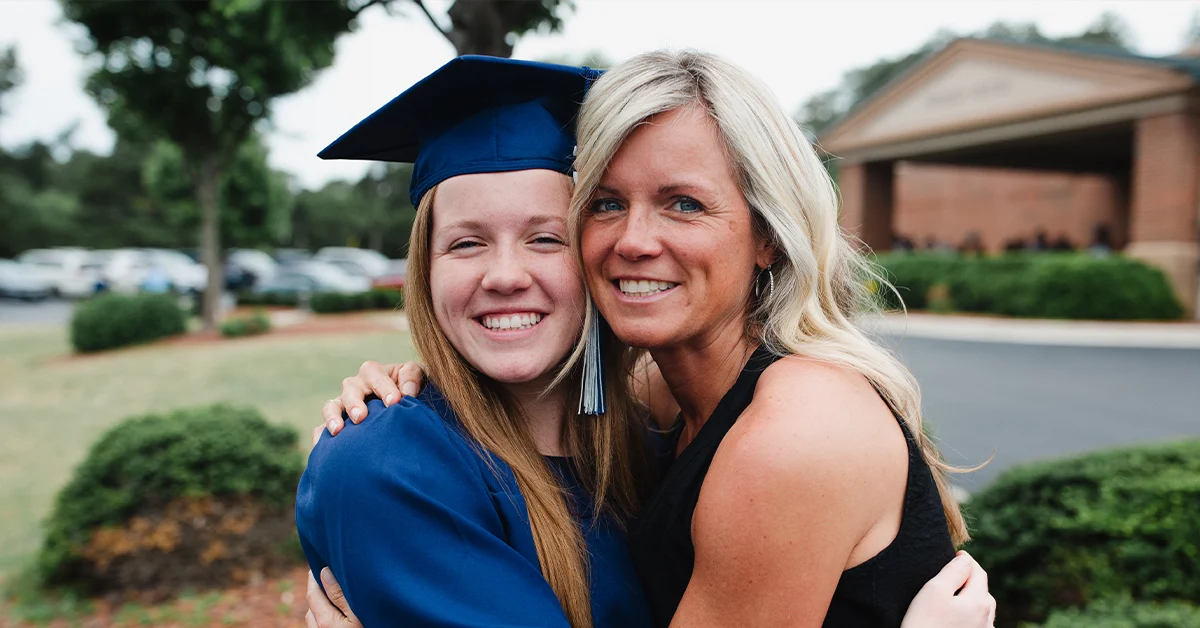
A homeschool graduation ceremony begins with the same intention that took root when a child first learned to take their steps. It is a milestone that brings memories and hope together in a blend of learning and love. Yet, as families finishing the Challenge program reach this significant juncture, they often carry practical questions into the season. Parents wonder what the ceremony should include, how formal the celebration needs to be, and whether a homeschool diploma carries legitimate weight with universities, colleges, and modern employers.
Leigh Bortins addresses this pivotal season directly in Chapter Twelve and the epilogue of The Conversation, reassuring parents that graduation—much like every other stretch of the rigorous high school years—is simply one more milestone to learn and execute well as a family. Classical Conversations families have celebrated this rite of passage for decades, hosting ceremonies in living rooms, rented community halls, and even at sea. This collective experience has helped gather what truly works for families navigating the transition from high school to the broader world.
Planning the Ceremony: Practical Ideas for a Meaningful Celebration
A homeschool graduation ceremony does not require a massive stadium, a marching band, or an extensive guest list to mark the moment properly. What it demands is intention: a clear sense of what the day represents and who belongs in the room. Most families build the ceremony around three core elements: a formal diploma presentation, a brief reflection on the student’s unique learning journey, and dedicated time with the people who shaped it. These individuals often include parents, Tutors, Directors, and community day friends who sat beside the graduate through years of memory work, intensive essays, and rigorous debate.
Some families prefer to keep the ceremony small and deeply personal, hosting it at home or folding it naturally into their local Challenge community’s final gathering of the academic year. Others opt for a broader celebration. Classical Conversations hosts a National Commencement, complete with traditional academic regalia and a full-scale ceremony, for families who wish to mark their graduate’s milestone on a larger scale alongside their wider community. For those organizing their own events, members can order official graduation packages, including diplomas, through authorized partners such as HomeschoolDiploma.com.
Reflecting on the Journey: What the Classical Model Built Over the Years
Graduation also serves as an ideal time to look backward and evaluate the educational path traveled. Long before the cap and gown are fitted, the classical model is already at work across three distinct movements, which correspond directly to the three arts of the trivium.
During the Foundations years, grammar provides the student with a foundational body of knowledge, encompassing memory work in history, science, and Latin, which is often recited together with the entire family. As students move into Essentials and the early Challenge levels, the dialectic stage teaches them how to ask perceptive questions and sort through that accumulated knowledge critically.
By the time students reach Challenge II, III, and IV, the rhetoric stage brings all these elements together. Graduates learn to write comprehensive research papers, defend positions through formal debate, and speak persuasively about what they have come to believe is true. From the age of four all the way to commencement, these students practice the liberal arts of grammar, dialectic, and rhetoric as they steadily grow toward wisdom and freedom.
Along this educational pathway, most graduates also acquire essential leadership qualities that a standard academic transcript cannot explicitly show. Challenge students lead educational strands, mentor younger classmates, and hone their public speaking skills through Policy Debate and Lincoln-Douglas Debate long before they ever wear graduation regalia. Furthermore, they forge lifelong friendships that endure long after the final ceremony concludes—bonds formed through years of singing songs, wrestling with deep intellectual topics, and debating complex issues together.
Looking Ahead: Encouragement for the Next Chapter
A graduate’s next step might involve higher education, a skilled trade, military service, or entering the workforce full-time. The fifteen core skills built through Foundations, Essentials, and Challenge travel purposefully with the student into whichever path they choose.
For parents, reaching this juncture represents a kind of graduation of their own. After years of managing memory work in Foundations and mentoring through Challenge, parents possess a refined set of capabilities: they know how to ask incisive questions, weigh complex options, and seek wisdom within a supportive community of fellow educators. This accumulated confidence carries directly into helping their graduate evaluate colleges, specialized programs, or initial career opportunities. Resources such as the Everyday Educator podcast episode titled Graduating Into a New Beginning offer targeted encouragement for families navigating this exact seasonal transition.
Families looking forward to post-high school life can also draw upon a variety of established guides, including resources on why to homeschool through high school, how the classical model prepares students and parents for future endeavors, and comprehensive transcripts guides designed to properly document years of diligent academic work.
Frequently Asked Questions about Homeschool Graduation
When planning these milestones, families frequently ask what a homeschool graduation ceremony should include. Most traditional ceremonies incorporate a diploma presentation, a brief reflection on the student’s academic trajectory, and shared time with family, Tutors, Directors, and community peers. While some prefer a simple, intimate gathering, others coordinate formal public events such as the Classical Conversations National Commencement.
Regarding logistics, planning usually begins with determining the desired scale of the event—whether a private home ceremony, a joint celebration with a local Challenge community, or a large formal assembly. Families then select a date, invite the mentors who guided the student, and decide whether to feature a keynote reflection, formal presentation, and reception.
A common concern among parents is whether a homeschool diploma carries the same weight as a public school credential. A parent-issued homeschool diploma is legally valid nationwide and is broadly accepted by colleges, military branches, and employers. While recognition can vary slightly depending on regional guidelines, admissions offices typically place the greatest weight on a well-documented academic transcript rather than the diploma document itself. Maintaining a clear, detailed transcript alongside the diploma remains an essential practice for this reason.
Celebrating Your Homeschool Graduation Well
A homeschool graduation ceremony marks the formal close of an educational season that began with uncertain first steps and expanded, year by year, into rigorous memory work, scholarly essays, structured debates, and late nights spent working around the kitchen table. Families approach the day with intention, using the occasion to look back with deep gratitude at the knowledge, understanding, and wisdom cultivated in their student over the years. Though the graduation ceremony eventually concludes, the formation it celebrates—a mind and heart shaped to understand the world—carries forward into whatever endeavors lie ahead.
It is 2:00 in the morning, the house is completely quiet, and yet sleep remains entirely out of reach. For millions of people, staring at the ceiling in the dead of night is not a rare occurrence caused by a temporary bout of worry, but rather the nightly reality of a biological clock operating entirely out of sync with the outside world. Whether dealing with the lingering, disorienting fog of a red-eye flight, the grueling demands of a rotating night shift, or a natural internal rhythm that simply refuses to align with societal expectations, the fundamental struggle is always the same: an internal clock and daily life are pulling in opposite directions.
These issues fall under the umbrella of circadian rhythm sleep disorders (CRSDs), medical conditions that occur when an individual’s internal sleep-wake cycle fails to synchronize with their environment, social schedule, or desired sleep times. Far more common than many realize, these disorders are frequently mistaken for ordinary stress, brushed off as a lifestyle inconvenience, or ignored until daily functioning begins to severely suffer. However, medical science increasingly recognizes CRSDs as distinct, diagnosable physiological conditions with specific causes and proven treatment protocols designed to help individuals get their sleep back on track.
To understand why these disorders occur, it helps to examine the human body’s master internal clock. Located in the brain, the circadian rhythm regulates the natural ebb and flow of sleepiness and alertness across a roughly 24-hour cycle. This internal pacemaker is constantly fine-tuned by external environmental cues, known as zeitgebers, with light exposure serving as the most powerful synchronizer. Temperature fluctuations and meal timing also play supporting roles in keeping the biological clock aligned with the Earth’s rotation. When this delicate alignment breaks down, a circadian rhythm sleep disorder develops, manifesting in several distinct ways depending on how the internal clock has drifted relative to the external world.
While symptoms can vary widely depending on the specific type of disorder an individual is experiencing, the core underlying problem remains consistent: sleep is happening at the wrong time. Affected individuals frequently report chronic difficulties falling asleep at conventional hours, severe struggles waking up when required, or waking up too early and being unable to return to sleep. This misalignment often leads to severe daytime fatigue, brain fog, impaired concentration, and irritability, severely impacting professional performance, academic success, and personal relationships. Over time, the chronic mismatch between internal biology and external demands takes a significant toll on overall health and well-being.
The roots of circadian rhythm sleep disorders are rarely singular, typically stemming from a complex interplay of lifestyle habits, environmental factors, and innate biology. Light exposure, or the lack thereof, remains a primary driver. Entering the eyes, light acts as the strongest external cue for the brain’s internal clock. Consequently, exposure to excessive bright light late at night—particularly the blue light emitted by smartphones, tablets, and computer screens—combined with a lack of natural sunlight in the morning, can actively push the internal clock in the wrong direction, delaying the onset of natural sleepiness.
Beyond environmental influences, genetics play a profound role in determining an individual’s natural sleep timing, often referred to as their chronotype. Specific genetic variations have been closely linked to differences in circadian timing, which may explain why some people possess a lifelong, hardwired tendency to function as late-night owls while others naturally wake up as early risers. Age also exerts a powerful influence on sleep architecture and timing. Teenagers naturally experience a biological shift toward later sleep and wake times, often clashing with early school start times, whereas older adults frequently find themselves feeling tired much earlier in the evening and waking up significantly earlier in the morning.
For workers engaged in night shifts or rapidly rotating schedules, the disruption is structural. Forcing the body to remain awake and alert during hours when biology demands sleep creates a persistent state of internal friction. Irregular eating patterns and mistimed exercise routines often compound this disruption, making it exceptionally difficult for the body to establish a stable rhythm. Furthermore, certain neurological conditions are intimately tied to an elevated risk of circadian disruption. Disorders such as Alzheimer’s disease, Parkinson’s disease, and a history of traumatic brain injury have been frequently correlated with fragmented, irregular sleep patterns and weakened circadian rhythms. While researchers continue to study the exact mechanisms, it remains an open question whether disrupted rhythms act as a primary cause, an early indicator, or both in the progression of these conditions. Additionally, individuals who are completely blind often experience severe circadian challenges because light cannot reach the eyes to provide the brain with its primary external cue for maintaining a 24-hour alignment.
Fortunately, medical science and sleep research have established a variety of effective strategies to help individuals correct these misalignments and reset their internal clocks. Managing light exposure is often the cornerstone of treatment. Bright daylight encountered early in the day helps advance the internal clock, making it a particularly valuable tool for those struggling with delayed sleep phase disorder. During darker winter months or in environments with limited natural sunlight, specialized bright light therapy boxes providing 10,000 lux for roughly 20 to 30 minutes shortly after waking can effectively substitute for natural sunlight. Because certain eye conditions can be sensitive to intense light therapy, consulting a healthcare professional beforehand is always recommended.
Conversely, reducing exposure to bright light two to three hours before bedtime helps ease the body into a natural sleep state. Dimming overhead lights and minimizing screen time prevents the artificial suppression of melatonin, the hormone responsible for signaling that rest is approaching. For travelers crossing multiple time zones, light management strategies can significantly accelerate adjustment. Travelers flying east are advised to seek bright light in the new morning and avoid it in the new evening, while those flying west should follow the reverse pattern. Properly timed light exposure over the course of a day or two can dramatically speed up adaptation and reduce the severity of jet lag.
Maintaining consistent sleep and wake times represents another vital pillar of circadian health. Establishing a rigid schedule—waking up at the same exact time every single day, including weekends—provides the body with a reliable, predictable anchor. While consistency can be challenging to maintain initially, the biological clock eventually responds to the steady repetition, naturally reinforcing the desired rhythm. For shift workers, consistency may look different, but the principle remains valid: anchoring sleep to the same designated block of hours on workdays and minimizing large schedule swings on days off helps stabilize the underlying biology.
For more severe or stubborn misalignments, more structured clinical approaches may be required. Chronotherapy involves the deliberate, gradual adjustment of sleep and wake times in a single direction day by day until the desired schedule is achieved. For individuals dealing with delayed sleep phase disorder, this might involve pushing bedtime slightly later each day until the schedule cycles all the way around to the target hour. Because this process is physically demanding and carries a risk of pushing the schedule further off track if not managed carefully, sleep specialists advise undertaking chronotherapy under professional guidance.
Behavioral interventions also play a crucial role in recovery. Sleep difficulties frequently generate secondary anxiety regarding the ability to fall asleep, which in turn triggers a physiological stress response that makes slumber even more elusive. Mindfulness practices, such as focused breathing exercises or brief guided meditations, can help quiet a racing mind and alleviate sleep-related anxiety. Even short periods of intentional relaxation can lower physiological arousal enough to allow natural sleep processes to take over.
Pharmacological tools, when used correctly, can support circadian realignment. Melatonin, a hormone naturally secreted by the pineal gland as evening approaches, serves primarily as a timing cue rather than a heavy sedative meant to force immediate unconsciousness. For individuals with delayed sleep phase disorders, taking a low dose ranging from 0.5 to 3 milligrams roughly three hours before the desired bedtime can gradually shift the biological clock forward. When dealing with jet lag, taking melatonin approximately an hour before the target bedtime in the new time zone helps synchronize the body more rapidly. Consulting a physician or sleep specialist ensures that both the dosage and timing are appropriately tailored to individual needs.
Persistent or severe circadian rhythm disorders often warrant professional medical evaluation. Sleep specialists utilize diagnostic tools such as actigraphy—a wrist-worn sensor that records movement and rest patterns over extended periods—to objectively assess an individual’s circadian profile. In many cases, cognitive behavioral therapy for insomnia is integrated with circadian-focused treatments to address the thoughts, behaviors, and environmental habits that perpetuate poor sleep.
Everyday disruptions, ranging from inconsistent schedules and caffeine intake to late-night screen use and stress, can readily challenge the body’s internal timing. While mild disruptions like jet lag often resolve independently within a few days, chronic circadian rhythm sleep disorders rarely correct themselves without deliberate changes to light exposure, daily habits, and sleep schedules. Distinguishing these disorders from general insomnia—where difficulty falling or staying asleep can occur at any hour, rather than simply happening at the wrong time on the clock—is essential for finding the right intervention. Through consistent lifestyle adjustments, targeted light therapy, and professional guidance when needed, individuals can successfully recalibrate their internal clocks and restore harmony to their daily lives.
As the 2026 midterm elections approach, organizational leaders across the United States are deepening their commitments to safeguarding free and fair elections. Faced with a complex political landscape marked by polarization, anxiety, and shifting local challenges, these leaders are actively working to protect democracy by respecting, relating, and cooperating across diverse community lines.
Ahead of the midterm season, Interfaith America connected with three leaders participating in the Vote is Sacred (VIS) fellowship. These fellows shared insights into the unique hurdles facing voters and election administrators this year, detailed how their organizations are working to safeguard democracy at state and local levels, and offered advice on how people of faith can effectively support and stabilize their communities.
Meeting the Challenges of the Midterm Season
This election cycle, Americans are grappling with widespread uncertainty and fear regarding the future of the democratic process. Although election concerns vary significantly from region to region and community to community, leaders emphasize that an essential component of fostering pluralism and building trust—both in the electoral system and in one another—is acknowledging these difficulties openly and directly.
Michele Dunne, executive director at the Franciscan Action Network, points out that the issues confronting voters this midterm season span a wide spectrum, ranging from the persistent threat of electoral sabotage to various forms of voter suppression that manifest differently at the local level.
"One thing I think that will be a concern everywhere is getting proper information, getting correct information," Dunne noted, highlighting the pervasive issue of misinformation and the difficulty everyday citizens face in sorting through competing narratives.
For Jane Andersen, the Arizona director at Mormon Women for Ethical Government (MWEG), voter apathy presents a profound and compounding challenge. As the political environment grows increasingly hostile and complex, many citizens are simply tuning out.
"I think our general everyday voters are completely overwhelmed by the quantity of news and quasi-news that comes their way," Andersen said. "People are becoming less and less willing to buck the trend of what politics looks like and dive into it. That’s what worries me the most, because as a citizen, we really do hold so much power."
Beyond information overload and fatigue, growing fear is actively discouraging democratic participation in certain vulnerable communities. Dunne highlighted anxieties surrounding the potential presence of law enforcement personnel—including Immigration and Customs Enforcement (ICE) and other agencies—deployed near polling places on election day, which could create a severe intimidating effect for immigrant communities and marginalized groups.
These concerns are echoed by Ria Chakrabarty, senior policy director at Hindus for Human Rights (HfHR). Chakrabarty identified escalating animosity toward South Asian communities, rising Islamophobia, and persistent anti-immigrant sentiment as major factors shaping the midterm season.
"[It] makes people really afraid to even want to participate in democracy," Chakrabarty said, pointing to recent vitriol directed against South Asian Americans and aggressive rhetoric targeting Haitian immigrants. "At that point, you just want to keep your head down and not really engage with anything. You just want to survive. That’s a huge problem."
Different Communities, Shared Democratic Commitments
In response to the multifaceted challenges facing the nation’s electoral infrastructure, Vote is Sacred fellows are actively mobilizing their respective constituencies to uphold free and fair elections. Just as local communities and diverse demographic groups face varied obstacles, the strategies employed by different faith-based and civic organizations reflect a wide range of creative approaches.
"We’re a diverse group in terms of our composition, even on the political spectrum," Andersen said of the fellowship cohort. "But it was so encouraging to see the work they’re doing and the creativity that they’re using to reach their audiences."
For Andersen and Mormon Women for Ethical Government, a primary focus has been demystifying the electoral process for everyday voters. In the months leading up to the midterms, MWEG initiatives have concentrated on familiarizing women within their constituency with the mechanics of running an election. This has been achieved through scheduled visits with elected officials, shared media literacy content, hosted educational trips to the Maricopa County Tabulation Office and Election Center, and community voter preparation parties designed to build confidence and competence.
Meanwhile, the Franciscan Action Network has dedicated its efforts to nonpartisan initiatives aimed at preserving the integrity of the voting process. This includes the recruitment and training of poll chaplains—individuals organized into teams of people of faith stationed outside polling locations.
"To help voters out in any way that they need, and to help create a peaceful and positive atmosphere, possibly to de-escalate conflict," Dunne explained, describing the vital, calming presence these chaplains provide during tense electoral windows.
At Hindus for Human Rights, election protection work involves drawing connections between threats to democracy and authoritarian tendencies observed both in the United States and abroad, particularly in India. Chakrabarty emphasized the importance of creating what she terms a "landing place" for individuals whose commitment to democracy compels them to act, even when facing the chilling effects of potential retaliation or deportation.
In Georgia, HfHR has focused on building local chapters and cultivating deep community ties, encouraging constituents to stay engaged far beyond the immediate cycle of a single election.
"After the elections, they’re able to continue talking about the issues that they care about, and then once the people that they’ve elected are in office, making sure that the elected officials in Georgia are hearing from HfHR in the Atlanta metro area throughout the next two years," Chakrabarty said.
Advice for Showing Up as People of Faith
As communities navigate the complexities of the upcoming midterm elections, leaders stress the importance of anchoring civic engagement in deep spiritual and moral foundations.
"It’s important for each organization or faith tradition to spend a little time discerning what is this spiritual grounding that they’re bringing to this work," Dunne advised. She noted that the Franciscan Action Network operates as a completely nonpartisan organization, guided steadfastly by "a commitment to nonviolence and to democracy as the system we have in the United States for resolving political differences."
Drawing on her membership in the Church of Jesus Christ of Latter-Day Saints, Andersen referenced a call from LDS President Dallin H. Oaks urging believers to "be agents of peacemaking in our culture." This religious mandate serves as a primary motivation for her civic involvement with MWEG.
"We want to empower people to recognize that, as people of faith, our principles are going to guide how we create specific impact, and it really separates us from people who are solely politically motivated," Andersen said. "Approaching politics from a viewpoint of faith really provides a new and needed perspective."
For Chakrabarty, the foundational first step in democracy work—particularly when reaching out to populations hesitant to make their voices heard—is remarkably straightforward. It requires "just showing up, listening and talking to people, and giving people the tools that they can use to feel in control." By providing tangible resources and clear pathways for involvement, organizations can empower everyday constituents to take meaningful action.
"Democracies are just as strong as the people who are involved in them," Chakrabarty emphasized.
Looking ahead to the challenges and opportunities of the 2026 midterms, Dunne maintains a steady sense of hope rooted in the dedication of ordinary citizens stepping forward into public life.
"People are stepping forward," she said. "And they’re saying, ‘I believe so much in the need for a peaceful and properly functioning democracy in this country, and I want to be there. I want to play a role.’"
Human beings are significantly more than the sum of their hardships. That is a vital truth that organizations such as the Christian Alliance for Orphans (CAFO) have continually highlighted, drawing from insights revealed in initiatives like the Global Flourishing Study. Organizations dedicated to supporting families, including Show Hope, firmly embrace this perspective. Yet, for children and adolescents who have been impacted by trauma, those very hardships frequently act as formidable barriers to thriving. Understanding this reality is what drives specialized pre- and post-adoption support work, particularly through Trust-Based Relational Intervention, commonly known as TBRI parenting.
Trauma Affects the Whole Child
Children and teens who join families through adoption or foster care have frequently experienced significant trauma, which often stems from early abuse, severe neglect, and profound loss. This trauma can manifest in complex, confusing, and sometimes disruptive ways that are frequently misconstrued by observers as simple defiance. In certain communities and environments, a genuine trauma response is even mistakenly labeled as nothing more than moral failing or sin, entirely lacking an understanding or addressing of the totality of the child’s internal experience. TBRI, however, approaches these challenges through a much deeper, holistic lens.
Trauma fundamentally impacts the whole self—affecting the brain, biology, physical body, core beliefs, and outward behaviors. This wide-ranging impact frequently leads to complex social, emotional, and behavioral challenges that require specialized care. According to experts at the Karyn Purvis Institute of Child Development (KPICD), TBRI offers a practical, compassionate framework designed to help the whole child heal. Grounded firmly in established best practices drawn from neuroscience, attachment theory, and developmental research, TBRI equips caregivers to address children’s physical, emotional, and developmental needs. In doing so, it offers something that traditional punitive approaches simply cannot provide: meaningful connection, emotional regulation, and lasting transformation.
As parents, foster parents, and primary caregivers, maintaining an acute awareness and deep understanding of a child’s complete emotional and psychological makeup is critical. This level of intentional care requires being deeply mindful of the complex early life experiences that have shaped their heart, soul, and mind. Resources such as the "Created to Connect" study guide summarize this mission effectively, noting that by loving and nurturing children in this comprehensive, holistic way, families can provide them with an authentic opportunity to heal and become whole, while simultaneously pointing them toward a source of enduring hope.
See the Need Behind the Behavior
A foundational saying within the TBRI community is both remarkably simple yet profoundly challenging to execute: "See the need behind the behavior."
The reality of daily family life is that it is often difficult to look beyond a child’s disruptive or challenging behaviors, particularly as children navigate the complex pre-teen and teenage years. However, looking past the surface is precisely what children and adolescents impacted by trauma require from the adults in their lives. More often than not, when children act out, they are operating from a place of deep, unexpressed need. Sometimes, those underlying needs are relatively straightforward and easy to identify, such as physical hunger, extreme exhaustion, or sensory overload resulting from a busy environment. At other times, the root causes are far more complicated, rooted in profound experiences of loss, abuse, or early abandonment that leave a child locked in persistent cycles of fear, confusion, or overwhelming shame.
Trauma inherently breeds shame, confusion, and fear, and these intense negative emotions frequently drive big, difficult behaviors. In those high-stress situations, if a caregiver’s immediate response is driven by anger, or if they quickly jump to punitive consequences and harsh punishment, the intervention rarely calms the emotional fire. Instead, reactive punishment tends to act as fuel, escalating the child’s distress and widening the emotional divide between the child and the parent.
Balancing Nurture and Structure
Some critics have occasionally dismissed TBRI parenting as being overly permissive, characterizing it as all nurture and no structure. However, the operational reality of TBRI is that it deliberately promotes a careful, intentional balance of both high nurture and clear structure.
Dr. Karyn Purvis, co-creator of TBRI, addressed this common misconception directly. In the "Created to Connect" curriculum, she addressed the question frequently posed by conscientious parents: Isn’t it a parent’s fundamental responsibility to teach a child right from wrong and administer discipline accordingly? Her answer is an unequivocal yes, but she prompts caregivers to examine the deeper question of what their primary objective is. If the primary, overarching goal of parenting is simply compliance and "good behavior," that narrow goal will inevitably dictate and distort every interaction a caregiver has with the child. Conversely, if the primary goal is building a strong, secure, and healthy relationship, both the daily approach and the ultimate relational results will look radically different.
The Gospel and Relational Connection
In biblical narratives, Jesus similarly looked beyond surface actions to see the need behind the behavior. In an account from the Book of John, Jesus encounters a Samaritan woman at a community well. As he engages her in conversation, details emerge regarding her fragmented relationships, which were likely an unsuccessful attempt to fill a deep emotional and spiritual void in her life. Much like many contemporary children impacted by trauma, she was actively seeking safe, close relationships and meaningful human connection. Yet, her outward behaviors were frequently hindering her from finding the very healing and fulfillment she truly required.
Jesus never excused her behavior, but he also refused to let those actions define her entire story or become her permanent identity. Instead, he looked beyond the behavior to address her actual underlying need: an authentic relationship and connection capable of changing her from the inside out.
Shifting from Correction-Driven to Connection-Driven Parenting
Children who have experienced early adversity also need to experience profound acceptance, unconditional love, and the peace found in supportive relationships. For children in adoptive and foster families, that experience of love is primarily mediated through the daily actions, patience, and presence of their parents and caregivers.
For families, this requires a fundamental paradigm shift from being correction-driven to becoming connection-driven. Caregivers must learn to understand the underlying needs behind a behavior first, developing the skills necessary to nurture those specific developmental needs. From that secure foundation—and from that relational place alone—caregivers can then appropriately move to correction, lovingly guiding their children toward a life of genuine flourishing.
Families seeking to explore these principles further can access specialized tools and strategic resources through initiatives like the Hope for the Journey program.
For many educators and parents working within alternative educational environments such as homeschooling, academic friction often reveals itself in unexpected places. While mathematics or reading can present challenges, a particularly distinct and daunting obstacle frequently emerges during foundational instruction: the profound aversion that certain children hold toward the physical act of writing.
According to observations shared by academic commentators and parents, this behavior goes far beyond a temporary reluctance or a fleeting desire to avoid daily assignments. Instead, educators describe a scenario where asking a resistant child to write simple sentences requires an immense expenditure of physical effort and mental stamina, comparable to intense physical exertion. For these students, the process is frequently accompanied by visible distress, including frustration, vocal resistance, and tears.
Child development experts and experienced instructors emphasize that these children are rarely feigning their difficulties. For young learners—particularly young boys—the physical mechanics of handwriting, combined with the cognitive load of organizing thoughts, can make writing genuinely arduous. The core challenge for parents, teachers, and academic coaches lies in preventing this localized disdain for pencil-and-paper tasks from metastasizing into a generalized hatred of school itself. This risk is particularly acute because traditional educational models require writing to permeate nearly every subject, from history and science to literature and mathematics.
Fortunately, educational experience indicates that most children who struggle with writing eventually outgrow the aversion naturally, typically by the fourth or fifth grade, even without formal therapeutic intervention. Until that developmental milestone is reached, however, parents and instructors face the daily task of bridging the gap between a child’s cognitive abilities and their physical capacity to produce written work. Managing this educational hurdle requires strategic patience and creative instructional adjustments designed to keep students engaged without overwhelming their developing motor skills.
To maintain academic momentum while accommodating a child’s aversion to handwriting, experienced educators recommend separating the physical act of writing from the mastery of core subject material. By decoupling the two, the primary educational goal remains focused entirely on understanding the concepts at hand rather than penalizing a student for underdeveloped fine-motor coordination or hand fatigue.
One of the most effective approaches involves shifting instructional delivery from written assignments to verbal communication. Rather than relying on traditional worksheets, educators often utilize oral drills for mathematics facts, phonetic exercises, language translations, and paragraph summaries. In some cases, students still interact with worksheet materials, but they complete the exercises entirely out loud, verbalizing their answers directly to an instructor. This method allows children to demonstrate comprehension and critical thinking skills without the physical barrier of a pencil.
Other instructional strategies focus on transforming required written responses into tactile or gamified activities. For instance, adults can prepare answers on small adhesive stickers in advance, allowing the student to select the correct sticker and place it in the appropriate spot on a worksheet. This technique reframes mundane question-and-answer exercises into a matching game, engaging the student’s sense of play while still reinforcing academic content. Similar tactile adaptations can be applied across various subjects, allowing children to match historical dates with events, states with capitals, or foreign language vocabulary with definitions through physical sorting rather than writing.
The accommodation of physical resistance also extends to fundamental subjects like spelling. Rather than requiring traditional lists written out on lined paper, instructors often encourage children to practice spelling words by tracing them with their fingers through shallow containers filled with sensory materials such as rice, sand, beans, or water. This approach satisfies the repetition required for spelling mastery while entirely eliminating the need for pencils and paper.
In instances where written output is strictly necessary, educators frequently act as a direct intermediary for the student. Often referred to in instructional settings as playing the role of secretary, the adult records while the child dictates their thoughts. This practice enables imaginative children to articulate complex stories, reading summaries, or science observations, bypassing the physical bottleneck of handwriting and transferring their thoughts directly from their minds to the documentation page.
Additionally, many families introduce alternative input methods at an early age. Some children who resist holding a pencil take readily to modern technology, initiating typing programs around the age of seven or even earlier, depending on their individual readiness and interest. Developing keyboard proficiency provides an alternative avenue for written expression, reducing the physical strain associated with traditional handwriting.
When writing tasks cannot be avoided entirely, educators emphasize the importance of equipping children with active coping mechanisms. Children often develop their own self-soothing behaviors to manage the stress of mandatory handwriting periods, such as physical movement like swinging, spinning, or running outdoors before and after writing instruction. Allowing for these physical breaks helps regulate their nervous systems and reduces the behavioral friction associated with difficult academic tasks.
Implementing these varied adaptations undoubtedly demands a higher level of preparation, creativity, and active involvement from the parent or educator. However, proponents of these flexible methods argue that preserving a child’s enthusiasm for learning—keeping them engaged and enthusiastic about school despite a temporary hurdle with handwriting—justifies the additional effort. As experienced educators and parents continue to share practical strategies for managing writing resistance, the overarching goal remains clear: supporting children through a challenging developmental phase while safeguarding their long-term academic curiosity and confidence.
There are few experiences in the human condition as isolating, misunderstood, and profoundly devastating as the loss of a child. Misconceptions about grief permeate society, and while they often stem from a place of social discomfort or ignorance, their impact is far from harmless. For bereaved parents, these persistent cultural misunderstandings do not simply perpetuate unhelpful narratives—they actively complicate an already torturous healing journey, adding layers of unnecessary isolation and judgment to a road that is already fractured by unimaginable pain.
The reality of this disconnect became glaringly apparent to my husband, Jeff, and me shortly after the accident that took our son, Colten. It had been just four weeks since we lost him, a blip of time in the grand scheme of an eternity of missing a child, yet we knew we needed outside support. As professional counselors ourselves, Jeff and I understood the critical importance of finding someone to simply hold space for us. We needed a professional who could guide us gently through the raw, uncharted, and terrifying territory of acute grief.
Instead, what we encountered was a catastrophic failure from a well-meaning mental health professional who fundamentally misunderstood the nature of what we were experiencing. In a moment that remains permanently etched in our memories, we were told with alarming bluntness that at some point we would need to "stop wallowing."
Wallowing. The word felt like a physical blow, a sudden and harsh slap in the face. Nothing could have been further from the truth. Jeff and I were not wallowing, nor were we indulging in self-pity or melodrama. We were simply grieving the most profound, earth-shattering loss imaginable. Furthermore, we had made deliberate, conscious choices to focus on our survival and our eventual, distant healing.
To navigate those terrifying early weeks, we had both taken intentional time off from work. This decision was not made lightly. Our profession as counselors demanded a level of emotional presence, active listening, and empathetic care that we simply could not provide while our own internal world was collapsing. More than that, we desperately needed space to process the shock and begin navigating the initial waves of our loss.
We chose to spend those first two months entirely within our home, cocooned by the presence of our adult children. Together, we created a safe, insulated space to grieve, to remember, and to slowly adjust to a fractured reality before we ever attempted to reenter the outside world. It was never about shutting ourselves away from reality or hiding from the passage of time. Rather, it was a deliberate decision to determine how we would adjust to our new reality on our own terms, shielding ourselves temporarily before allowing the outside world to impose its rigid expectations, timelines, and judgments upon us.
During those initial months, our home was filled with everything that reminded us of Colten. His personal belongings transformed instantly from everyday objects into precious artifacts of his brief life—tangible symbols of the memories we were desperate to preserve, touch, and hold onto. The experience was intensely bittersweet. There were moments of uncontrollable, shattering sadness, moments when the emotional pain felt so acute and physical that it literally brought me to my knees.
I wore my Fitbit during those early weeks out of a sort of detached scientific curiosity, and I noticed a startling physical metric: my resting heart rate was elevated by an average of 10 beats per minute, even when I was lying completely still and not moving at all. That data confirmed what my body was already screaming. Grief is never merely an emotional state or a mental abstraction; it is an all-consuming, systemic physical force that impacts every single cell, nerve, and organ in the body.
Yet, amidst the crushing devastation, there were also fleeting moments of unexpected joy and muted laughter. They were soft and ephemeral, like distant echoes of a language we used to speak fluently, but they existed. They served as vital glimmers of hope—tiny, fragile reminders that someday, life might evolve into something more than mere survival. In those moments, we shared stories about Colten, laughed at funny memories that brought sudden smiles through our tears, and found genuine comfort in simply being together as a family. We talked openly about how we could honor his short life and carry him forward with us in a way that felt authentic, meaningful, and intentional.
Looking back, those difficult months were the exact opposite of wallowing. They were a necessary, sacred time to begin carving out a horrifyingly new normal. They gave us the space to grieve deeply, yes, but they also allowed us to start slowly envisioning a future where we could carry Colten with us permanently in our hearts. Grief is fundamentally not something a parent "gets over." It is something one learns to carry, adapting the muscles of the heart to bear an unimaginable weight. Taking that protected time together as a family was undeniably one of the healthiest, most vital things we could have done for our collective and individual healing.
The truth, often hidden from those who have not walked this path, is that grief is utterly exhausting. It is physical, emotional, and relentless. Individuals who have never experienced this level of profound loss frequently fail to grasp how much sheer, unadulterated energy it takes simply to exist from one breath to the next in the wake of such a tragedy. But existing through it is not wallowing. It is survival. It is pure, fierce love translated into endurance. It is the necessary, grueling process of finding a fragile way forward while tightly holding onto the person you have lost.
As a Licensed Professional Counselor, I now recognize with painful clarity just how common it is for well-meaning individuals—including trained mental health professionals—to mislabel the hard work of grief as wallowing. But grief is a full-body experience that rewires our thoughts, disrupts our nervous systems, strains our relationships, and shatters our fundamental sense of self. It demands deep compassion, profound patience, and radical gentleness, never judgment or arbitrary timelines.
This agonizing personal experience taught me a profound truth: grief is a deeply personal journey, and no human being has the moral right to judge how another person walks it. Taking the time to grieve, to feel every jagged edge of the pain, to remember, and to mourn—these actions are not just important; they are essential for survival. For our family, it was the absolute first step toward true healing, regardless of how exhausting or agonizing the process proved to be.
If you have ever been told by a friend, family member, or professional that your grief looks like wallowing, please hear this: your grief is entirely valid. Your enduring love is valid. The time, space, and quiet you require to feel it are not signs of weakness—they are acts of profound courage. Giving yourself that unhurried space may well be one of the most loving choices you can make for yourself, for your surviving family, and for the child you will carry in your heart for all of your remaining days.
Melissa Caffrey is a Licensed Professional Counselor and bereaved parent who carries the memory of her sweet Colten, forever 6, in all she does. She shares her ongoing journey of grief and hope through writing, travel, and community projects like "Colten’s Tokens." Melissa’s heart remains dedicated to walking alongside other grieving families, offering comfort, connection, and the reminder that our children’s lives—messy, beautiful, and real—continue to shape us forever.
The fundamental essence of homeschooling often boils down to a single, powerful concept: relationships. For many families navigating the world of education at home, building meaningful and lasting connections is widely considered the true secret behind successful shared reading experiences and memorable academic milestones. However, proponents of alternative education argue that these vital connections are forged just as effectively outside the traditional classroom setting, particularly when families step away from their desks and spend quality time exploring the natural world together.
While the concept sounds remarkably straightforward—read books and go outside—modern families frequently find themselves struggling to balance an already overwhelming array of daily responsibilities. For parents managing packed schedules filled with domestic duties, curriculum planning, extracurricular activities, and community obligations, the prospect of adding outdoor excursions to an already bursting to-do list can feel less like a joyful opportunity and more like an added burden. The central challenge for many parents remains how to carve out meaningful time for nature within the confines of an already full day.
Addressing this widespread dilemma, a recent installment of the educational broadcast featuring Ginny Yurich, founder of the global 1000 Hours Outside movement, dives deep into the ways families can seamlessly integrate the transformative power of nature into their everyday routines. Yurich appeared as a featured guest to discuss the intersection of family life, education, and the great outdoors, offering listeners a candid look at her personal evolution from an indoors-oriented child to an overwhelmed mother searching for balance, all the way to that pivotal fall afternoon that ultimately planted the seed for the 1000 Hours Outside initiative.
During the conversation, Yurich shares the background of her movement, which has since grown into an international phenomenon encouraging parents and children to match the time spent staring at screens with hours spent breathing fresh air and exploring the environment. The discussion explores the myriad benefits associated with regular time spent in nature, ranging from improved emotional well-being and physical health to enhanced cognitive development and stronger family bonds. Furthermore, the episode addresses the practical hurdles that modern parents face, offering realistic strategies for increasing outdoor hours without completely upending structured family schedules.
The dialogue underscores a growing movement among educators and parents who recognize that childhood is increasingly being spent indoors, tethered to digital devices and rigid schedules. By reframing outdoor time not as an optional luxury or a chore to be checked off a list, but as a core component of healthy development and relational bonding, advocates hope to inspire a cultural shift back to the natural world. The conversation serves as both an encouragement and a practical resource for families seeking to slow down, prioritize genuine connections, and embrace the simplicity of the outdoors as a classroom without walls.
The journey of welcoming a new life is often categorized into distinct milestones: pregnancy, labor, birth, and the postpartum period. However, emerging research and clinical perspectives suggest that these phases are not merely a sequence of events but a continuous, interconnected physiological and emotional experience. Recent findings indicate that the quality of one’s birth experience can have a profound, lasting impact on subsequent chapters, most notably in the realm of breastfeeding.
A study analyzing the experiences of 3,080 mothers has shed light on the correlation between how a birth is perceived and the success of breastfeeding. The data reveals that individuals who describe their birth experiences in positive terms are statistically more likely to initiate breastfeeding and maintain the practice for a longer duration. While the study stops short of claiming that a positive birth is a direct, singular cause of breastfeeding success, it highlights a critical bridge between the two experiences. This suggests that the psychological and physical environment established during birth preparation may act as a foundation for the challenges and triumphs of the early postpartum days.
Redefining Birth Preparation
In light of this connection, experts are advocating for a more holistic approach to prenatal education. Rather than focusing exclusively on the mechanics of labor or the medical stages of delivery, comprehensive birth preparation should encompass a broader landscape: physiology, informed decision-making, postpartum recovery, and, perhaps most importantly, the cultivation of a secure connection between the parent and the baby.
When expectant parents engage in education that addresses these varied facets, they are often better equipped to enter the birthing space with a sense of confidence and agency. Antenatal education serves as a tool to bolster childbirth self-efficacy and mitigate the anxieties that often accompany the unknown. For those who prioritize breastfeeding, this preparation phase is an ideal time to consider the critical first hours of life—the role of skin-to-skin contact, the importance of early feeding initiation, and the necessity of proactive lactation care. By integrating these considerations into their birth plan, parents can create a smoother transition from the pregnancy phase through to the postpartum period.
What Defines a Positive Birth?
A common misconception in modern maternity care is the belief that a "positive" birth is synonymous with a specific type of delivery—such as an unmedicated vaginal birth. However, this is an oversimplification that fails to account for the nuance of individual experiences. The World Health Organization (WHO) provides a more robust definition, emphasizing that a positive childbirth experience is fundamentally rooted in respectful, individualized care, transparent communication, emotional support, and the parent’s meaningful involvement in decision-making.
A medical intervention—be it an induction, an epidural, an assisted birth, or a surgical procedure—does not inherently render a birth experience "negative." Conversely, a vaginal birth without interventions is not automatically positive if the parent felt unheard or disempowered. The core of a positive experience lies in whether the parent feels respected and informed throughout the process. Birth preparation plays a vital role here; by understanding potential contingencies, parents can nurture a deeper connection to their own intuition and their baby, allowing them to remain engaged in their care even when circumstances evolve unexpectedly.
The Continuity of the Physiological Transition
The postpartum period is frequently overlooked in the broader scope of birth preparation. Parents often spend months meticulously planning for the hours of labor while giving relatively little thought to the weeks that follow. Amara Cashion, a Spinning Babies® Certified Parent Educator, birth doula, and breastfeeding counselor, notes that this oversight is common. Many families realize too late that they have neglected to build a vision for the recovery and feeding stages. Developing an understanding of the immediate postpartum period can transform a potentially jarring transition into one that feels familiar and manageable.
Rhonda McGregor, a Registered Nurse and International Board Certified Lactation Consultant, views pregnancy, labor, birth, and lactation as a single, continuous physiological story. According to McGregor, physiology does not reach a terminus at the moment of birth; rather, birth is merely the turning of a page to the next chapter. For the breastfeeding parent, this chapter is defined by intense hormonal shifts. The body initiates milk production, and the infant’s suckling becomes the primary mechanism for maintaining that supply. During this time, closeness and physical connection are not just emotional benefits—they are physiological drivers of the feeding process.
The Role of Skin-to-Skin Contact
When medically safe, the WHO recommends immediate and uninterrupted skin-to-skin contact following birth. This practice is not merely about comfort; it is a clinical intervention that supports the initiation of breastfeeding and increases the likelihood of long-term success. Beyond the nutritional aspects, these early moments are instrumental in laying the groundwork for infant regulation and maternal-infant attachment.
Newborns possess innate instincts that guide them toward these early interactions. While these behaviors are reflexive, they can be influenced by the nature of the birth itself. Feeding cues—the subtle signals an infant gives when they are ready to nurse—are the baby’s way of communicating. While every child’s approach to these first hours is unique, the environment established by the birth team can either facilitate or hinder these instinctive behaviors.
Preparing for the Unknown
Even the most thorough preparation cannot guarantee a specific outcome. Situations often arise where birth and feeding deviate from the original plan. A parent might require a surgical delivery, or an infant might need time in the Neonatal Intensive Care Unit (NICU), necessitating a period of separation. In these instances, the focus of care must shift toward compassionate, practical guidance rather than adherence to a rigid, idealized birth script.
Missing immediate skin-to-skin contact does not signify a failure or a permanent loss of the opportunity for bonding. Connection can be cultivated in the days and weeks that follow. In cases where the parent and baby are separated, lactation professionals can provide essential support, such as teaching techniques for hand expression or pumping to maintain supply.
It is also crucial to acknowledge that birth-related trauma—even in births that appear straightforward to outside observers—can have a detrimental effect on breastfeeding. A 2025 systematic review confirmed that post-traumatic stress symptoms related to childbirth are consistently associated with poorer breastfeeding outcomes, including reduced confidence and shorter duration. For families navigating these challenges, emotional and mental health support is just as vital as clinical lactation advice.
Furthermore, it is essential to decouple the act of breastfeeding from the measure of the parental bond. For families who cannot or choose not to breastfeed, the capacity to provide love, comfort, and deep connection remains entirely intact. Whether through skin-to-skin contact, bottle feeding, or other methods of nourishment, the parent-child relationship is defined by responsiveness and care.
Finding Trusted Guidance
In an era where information is abundant but not always accurate, the challenge for expectant parents is distinguishing between helpful guidance and social media noise. Experts advise that parents should avoid the urge to consume every piece of available information. Instead, building a foundation of knowledge through a few trusted sources—and bringing specific questions to midwives, doctors, or doulas—can provide a more stable framework for decision-making.
Preparation is not intended to create a sense of certainty or a new standard to live up to. Rather, it is designed to offer a toolkit of options. By understanding the basics of fetal positioning, body balance, and the physiology of the postpartum transition, parents can feel more capable of navigating their own unique path. Ultimately, the goal of preparation is to ensure that when the unexpected happens, parents know where to turn for help and feel empowered to remain active participants in their own care, regardless of how their journey unfolds.
As her family has expanded, so too has her nutrition enterprise. For Gina Ulrich, mother to four children ranging from a newborn baby to a teenager, managing the delicate and often unpredictable dynamics of home life alongside a growing business requires a conscious commitment to practicing what she preaches. In a modern world where working parents are frequently pulled in multiple directions, Ulrich has carved out a sustainable path by keeping her priorities clearly aligned.
“Life as a modern, working mum can get busy—but if you have a passion, you find a way to make it work,” Ulrich reflects. For her, the framework of professional success is built entirely around domestic stability. “My family is my priority, and so my business has to work around them. But I constantly remind myself that I need to be as healthy as I can be. That means not overdoing it and checking in with how my workload is impacting my health and that of my family’s.”
The journey to establishing a thriving international practice began years ago when Ulrich decided to formalize her passion for wellness by pursuing higher education. Since graduating from the Endeavour College of Natural Health with a Bachelor of Health Science, she has not looked back. Armed with a rigorous academic foundation in natural health sciences, she launched her private practice, Nutrition by Gina Rose, turning a personal interest into a professional calling.
In the early days, Ulrich ran a busy and traditional physical clinic from the headquarters of the well-known natural skincare company Weleda. Operating out of a brick-and-mortar location allowed her to build deep, face-to-face connections with her local clientele, establishing a strong reputation for effective, natural healthcare solutions. However, like many business owners across the globe, the onset of the COVID-19 pandemic forced a rapid reevaluation of standard operating procedures and business models.
Rather than allowing the disruptions of the pandemic to hinder her enterprise, Ulrich adapted swiftly. She transitioned her practice model and now employs a dedicated team of natural health practitioners who conduct the vast majority of their client consultations entirely online. This pivot not only preserved the business during a time of global uncertainty but also unlocked unprecedented opportunities for geographical expansion.
“I always had loyal Australia and New Zealand clients, but COVID-19 helped legitimise online consultations, and we have quickly grown a global client base,” Ulrich explains, detailing how the digital shift transformed her business model. Today, her practice reaches far beyond local shores, helping individuals from Ireland to the United States and all the way to Dubai. Despite this vast international reach, the practice relies very little on traditional corporate advertising, with most clients discovering the service organically through word-of-mouth recommendations or social media platforms.
From the very beginning of her entrepreneurial journey, Ulrich has maintained a high degree of transparency with her audience. She regularly shares authentic glimpses into what is happening within her own busy household, alongside practical advice on how she supports other families. Her public messaging places a particular emphasis on women, guiding them through the often challenging phases of pregnancy, postpartum recovery, and raising young children.
Ulrich believes strongly in breaking the silence surrounding common health concerns that frequently go unaddressed in mainstream medical discussions. She is a vocal advocate for opening up public conversations about complex hormonal and reproductive conditions, such as polycystic ovarian syndrome (PCOS) and debilitating period pain. By addressing these topics openly, she aims to let women know that they are not alone and, more importantly, that there are safe, viable natural interventions available to them. In her view, extending natural health support to women naturally translates into supporting entire family units.
This holistic philosophy soon expanded into the realm of pediatric nutrition and family wellness. When Ulrich began speaking publicly in the media about critical child health topics—such as the ideal timelines and methods for introducing babies to solid foods, as well as strategies for supporting gut health and building childhood immunity—she quickly recognized a significant gap in the market. She realized that there were relatively few mainstream, accessible child health options that offered practical, evidence-based nutritional guidance for parents navigating the early years of feeding.
To address this need, Ulrich developed specialized educational resources, including the widely utilized guide titled “Tiny Human – what do I feed you?” This resource was designed specifically to provide nutrient-dense, accessible recipes and nutritional strategies for families striving to properly nourish their growing children. The creation of these resources marked another turning point in her career, proving that addressing everyday parental anxieties could yield impactful, widespread results.
Reflecting on the organic trajectory of her professional life, Ulrich notes how one milestone naturally paved the way for the next in what has felt like an ongoing, rewarding adventure. The continuous growth of Nutrition by Gina Rose has brought new ambitions, including the ongoing development of an upcoming product line designed to further assist families on their health journeys. While she acknowledges that expanding into physical products comes with its own unique set of professional pressures and operational challenges, she views it primarily as a meaningful opportunity to extend her reach and help even more families achieve optimal well-being.
This business expansion coincides with a broader, macroeconomic shift in consumer behavior. Ulrich points out that there is currently a massive, undeniable global movement toward preventative health and proactive wellness management. This widespread cultural shift is serving as a primary driver behind the surging modern demand for alternative and natural health services, clinical consultations, and wellness products.
As the natural health sector continues to experience unprecedented levels of public interest and professional recognition, Ulrich frequently finds herself speaking with aspiring practitioners and curious members of the public. Every week, individuals reach out to ask her for advice on where to study natural health and how to break into the industry. Having navigated the rigorous academic environment as a mother juggling numerous family responsibilities, she remains a passionate advocate for her alma mater, noting that she had such a positive, supportive experience at Endeavour College of Natural Health that she consistently recommends the institution to anyone looking to pursue a similar path in the wellness sector.