For many families navigating secondary education, the milestones of adolescence are often quantified by metrics that fit neatly onto a resume or a college application. Academic transcripts display grade point averages, extracurricular logs record hours spent fulfilling graduation requirements, and standardized test scores chart a course toward higher education. Yet, as parents watch their children approach graduation day, a deeper and more profound question frequently emerges: Beyond college acceptance, career readiness, and independence, what have we truly accomplished?
While academic rigor, vocational preparation, and life skills remain undeniably valuable, a growing segment of the educational community is looking toward a higher calling. For Christian parents, particularly within the homeschooling movement, the ultimate objective extends far beyond producing an educated student. The deeper aspiration is to disciple a young adult whose entire life reflects the teachings of Christ and actively advances His Kingdom, regardless of the specific vocation or professional path to which God eventually calls them.
This overarching educational philosophy forms the cornerstone of a collaborative effort between Christian educational networks and global outreach ministries, emphasizing that character development and spiritual formation must happen concurrently with academic instruction.
Finding Direction in the Everyday Moments of Parenting
For Lynda Casto, Manager of Children and Family Partnerships for Samaritan’s Purse through Operation Christmas Child, the realization of this educational mission began during a quiet evening at a local Panera Bread restaurant. Sitting alone with her thoughts, Casto faced a pivotal crossroads. Her son was six years old, and she had a brief window of eight weeks to determine the foundational direction for his formal education.
The weight of the decision felt immense at the time, carrying implications that would stretch across the remainder of her son’s formative years. Recognizing the need for divine wisdom and clarity, she prayed for guidance. In a moment she describes as providential, a close friend happened to walk into the same restaurant, learned of the educational dilemma, and introduced her to Classical Conversations, a classical Christian education community. The decision was made, and within weeks, her family became integrated into a local community centered around shared educational and spiritual values.
Reflecting on that defining moment, Casto notes that the decision to homeschool was never meant to be an end in itself. Instead, it served as the bedrock upon which she could teach her children to live a life reflective of Christ, equipped to serve regardless of geographic location or professional calling. While every parent may not experience a chance encounter at a local cafe, the underlying narrative resonates widely among families who must intentionally choose their children’s academic and spiritual trajectory. These deliberate, faith-directed choices ultimately foster lives marked by service, firmly rooted in the gospel, and lived out with a missional purpose.
Practical Ways Teens Learn to Live Missionally
The concept of living "missionally" derives from the Latin root missio, which translates to "sending." At its core, living missionally means recognizing that an individual is intentionally sent to represent Jesus Christ in the ordinary routines of everyday life. While contemporary culture frequently associates missionary work exclusively with international travel or specialized vocational callings later in adulthood, biblical principles suggest a different timeline. Every follower of Christ is called to act as an ambassador right where they are, today.
For middle and high school students, embracing a missional lifestyle does not require waiting for adulthood to create a tangible impact. The practice begins immediately within the familiar spheres of home, church, local neighborhoods, workplaces, and community organizations. Each day presents unique opportunities to cultivate habits that simultaneously shape personal character and strengthen spiritual faith.
A primary vehicle for this development is consistent service. While secular educational landscapes and future career paths often measure success through individual achievement and ambition, Christian teachings point toward a different definition of greatness. Jesus explicitly reminded His disciples that true influence is found in humility, noting that anyone desiring to become great must first adopt the role of a servant.
Consequently, serving others transcends the boundary of an occasional volunteer project required for a resume; it becomes an intentional lifestyle reflecting the heart of Christ. By emulating servant leadership—putting the needs of others ahead of personal comfort—students learn to look beyond their immediate academic bubbles. They begin to notice peers who require encouragement, neighbors facing practical hardships, younger children seeking mentors, and community organizations in need of willing hands. Parents play a crucial role in cultivating this mindset by establishing regular rhythms of family service or encouraging teenagers to identify and meet local needs independently.
Alongside service, the development of leadership represents another critical component of adolescent growth. Leadership within a Christian context is not restricted to adults or restricted to naturally outgoing personalities. Every teenager possesses daily opportunities to influence those around them through intentional words, positive attitudes, and proactive actions. Whether a student is organizing a local service project, leading a small Bible study, coordinating logistics for a family event, or simply taking initiative without being asked, these moments provide valuable practice in exercising influence through faithful service.
Furthermore, leadership development involves mastering fundamental responsibilities such as problem-solving, effective communication, and following through on commitments. These competencies prepare young adults not only for future workplaces but also for a lifetime of ministry within their homes, churches, and broader communities. Echoing this sentiment, the biblical writer Paul encouraged the young leader Timothy not to let others look down on him because of his youth, but instead to set an example in speech, conduct, love, faith, and purity. This timeless reminder assures teenagers that they do not need to delay making a meaningful impact until they reach a certain age.
Stewardship and Purposeful Planning
Another essential dimension of missional living is the practice of stewardship. This principle is built on the understanding that every resource entrusted to an individual—including time, natural talents, intellectual abilities, financial resources, and relational opportunities—ultimately originates from God. Effective stewardship encourages students to shift their perspective away from self-centered questions and instead ask how they can faithfully utilize what they have been given to serve divine purposes.
For some adolescents, stewardship manifests in prudent financial budgeting or choosing generosity over personal luxury. For others, it involves dedicating artistic, musical, athletic, or academic gifts to encourage others and bring glory to God. Even the management of time becomes an act of stewardship when students learn to balance rigorous academic responsibilities with intentional spaces set aside for helping others. Scriptural encouragement reinforces this diligent approach, reminding believers to work heartily in all tasks as if working directly for the Lord rather than for human approval.
To translate these values into action, students benefit greatly from learning how to plan and execute purposeful projects. Whether organizing a community service day through a local homeschool cooperative, coordinating a church-led fundraiser, or planning a family outreach initiative, teenagers gain practical experience in goal-setting, resource management, and project completion. These organizational skills serve a dual purpose, functioning simultaneously as workplace competencies and valuable tools for kingdom service throughout their lives.
Integrating Faith and Community Action
As Christian parents seek practical avenues to reinforce these principles outside the traditional classroom, many find that collaborative community efforts provide an ideal environment. Working collectively allows students to experience leadership, stewardship, planning, and Christlike service on a broader scale.
For numerous families and homeschool networks across the country, participation in charitable outreach initiatives—such as packing gift-filled shoeboxes through Operation Christmas Child—serves as a tangible bridge between classroom theory and real-world application. Through these projects, which are coordinated globally by Samaritan’s Purse to deliver gifts and the message of the gospel to children in need worldwide, students quickly realize that living on mission is a practical reality they can embrace right now, shaping their character and faith long after the final diploma is earned.
When a child loses their first tooth or utters a humorous remark at the dinner table, a parent’s instinct is often instantaneous. Before the laughter has even faded, the thumb is already reaching for the share button, eager to broadcast the milestone to family, friends, and the wider digital world. For millions of caregivers worldwide, documenting these fleeting moments of childhood on social media has become second nature, woven seamlessly into the daily routine of modern family life.
Yet, this widespread cultural habit has acquired a specific moniker: "sharenting." While posting pictures and updates is frequently a simple, well-intentioned way to maintain emotional connections with faraway relatives and combat the isolation that can sometimes accompany early parenthood, it also carries a profound consequence. It places a child’s personal story, image, and developing identity online long before they are old enough to understand the implications or choose to share those details themselves. As public awareness grows regarding digital footprints and data privacy, an increasing number of parents are taking a critical look at their online posting habits and evaluating what it means to share a child’s life in the digital age.
To understand the phenomenon, researchers and child safety advocates look at the sheer scale of the practice. Review studies indicate that approximately three in four parents routinely share photographs, anecdotes, or video clips of their children online, with the vast majority utilizing their children’s actual, full names. While parents of previous generations shared family news through traditional holiday letters, printed birth announcements, and physical photo albums mailed strictly to close relatives, contemporary social media has vastly amplified the audience. It has transformed private family memories into public records that are instantly accessible and notoriously difficult to completely remove.
The motivations driving parents to share their children’s lives online are deeply rooted in community, pride, and the desire for support. Sociological studies examining online parental behavior consistently point to common themes. Parents are proud of their children’s achievements and milestones, and sharing them serves as a natural celebration. Furthermore, the modern landscape of parenting can often feel isolating. Posting updates, asking for advice, or sharing the humorous struggles of daily childcare allows caregivers to connect with peers who understand the unique challenges of raising children, bridging geographical divides and fostering a sense of shared community.
However, child development experts and privacy specialists emphasize that sharing a child’s life online is not without tangible risks. While many posts are entirely benign, several critical factors warrant careful consideration by anyone who regularly posts images of minors.
Foremost among these is the creation of a lasting digital footprint. Screenshots, automated archives, and platform reshares mean that a digital artifact can easily outlast the original post or outlive the context in which it was created. Many children today accumulate a vast archive of photographs, videos, and personal anecdotes online years before they are old capable of comprehending who has access to that information or how it might be perceived by others.
Closely tied to the digital footprint is the issue of privacy and consent. Young children lack the developmental maturity to weigh in on what is shared about them. Their public image and digital identity take shape long before they can offer informed consent, a reality that can prove difficult to alter or undo as they mature into adolescence and adulthood.
Personal information represents another significant vulnerability. A seemingly harmless combination of a few posts across different platforms can allow an observer to piece together sensitive data, including a full legal name, exact birth date, hometown, and school affiliation. Over time, these compiled details can create risks related to identity theft and unwarranted surveillance.
Furthermore, location data and background details embedded within photographs can inadvertently compromise physical safety. Background elements such as unique house numbers, distinctive school logos, or frequently visited neighborhood parks reveal the specific environments where a child spends their time. On public accounts or poorly secured profiles, these details render a child’s daily routine visible to strangers.
The rapid advancement of technology has also introduced new and complex challenges, notably regarding facial recognition software and artificial intelligence. Photographs uploaded to public accounts can be saved, scanned, and harvested by AI tools and automated scrapers. Security agencies have increasingly warned that advanced technologies are sometimes exploited to manipulate ordinary family photographs into unauthorized or misleading digital imagery.
Recognizing these risks does not necessarily mean that parents must completely abandon social media or disconnect entirely from online communities. Instead, a growing movement focuses on mindful sharing—adopting subtle shifts in perspective and practice that protect a child’s privacy while still allowing families to celebrate meaningful moments.
A foundational approach to mindful sharing involves taking a deliberate pause before publishing content. Before hitting the share button, a momentary breath allows a parent to evaluate whether a particular image or story serves a genuine purpose or if it crosses into territory that feels overly revealing. Scanning captions and images for inadvertent disclosures—such as visible street signs, school badges, or full names—helps maintain a baseline of security.
Verifying and regularly auditing privacy settings is another critical safeguard. Because social media platforms frequently update their default settings and terms of service, accounts left public can expose personal content to a global audience without the user’s explicit awareness. Ensuring that profiles are strictly private, disabling automatic location tagging on mobile devices, and limiting sharing to trusted circles significantly reduces exposure.
Parents are also increasingly encouraged to omit identifying details whenever possible. Sharing the joy of a milestone without publishing birth dates, exact locations, or full names preserves privacy. Utilizing nicknames, first initials, or delaying posts by a day or two ensures that real-time tracking of a child’s whereabouts remains impossible.
As children grow older, incorporating them into the decision-making process marks an important evolution in digital parenting. Asking for a child’s opinion when they are old enough to understand the concept of sharing teaches them that their personal boundaries and opinions matter. For children who are too young to participate in such decisions, the guiding principle often relies on a simple mental exercise: imagining the child as an adult looking back at the post twenty years later. If a piece of content feels overly intimate, private, or potentially embarrassing for an adult, keeping it within a private family album or offline storage medium is often the most prudent choice.
Reviewing past social media history is equally valuable. Content that felt entirely appropriate years ago may no longer align with a parent’s current comfort level regarding privacy. Scrolling through historical posts to archive, delete, or restrict overly revealing content helps clean up a child’s digital footprint retroactively.
Finally, because parenting is rarely a solitary endeavor, communicating boundaries with extended family members and friends is essential. Grandparents, co-parents, babysitters, and close friends often share photographs of children out of genuine affection and pride, unaware of potential privacy implications. Establishing open, kind conversations upfront about family guidelines—such as requesting that no full names or location tags be used—ensures that everyone in a child’s support network remains aligned on safety and privacy standards.
For generations, the timeless stories of Laura Ingalls Wilder have captured the imaginations of young readers, transporting them to a simpler, albeit harsher, era of American frontier history. For Jamie C. Martin, editor of Simple Homeschool, the beloved Little House book series has been a guiding light since her own childhood. Having read the complete collection multiple times, Martin nurtured a lifelong dream: to retrace the Ingalls family’s footsteps, visit the actual locations where history unfolded, and share that immersive educational experience with her own children.
That long-held dream is now becoming a reality. This summer, Martin and her family are packing into a minivan—trading the iconic covered wagon for modern horsepower—to embark on an extensive cross-country road trip. Their itinerary spans historic Little House sites across Wisconsin, Minnesota, and South Dakota, offering a firsthand look at the landscapes that shaped some of the most celebrated children’s literature in American history.
However, Martin realized that while her own minivan has limited seating, the journey could easily be shared with a much larger audience. Recognizing the value of experiential learning for fellow educators and families, she has curated a comprehensive virtual field trip. Designed to be explored from a dining room table or a living room couch, the digital project allows parents and students alike to tour Laura’s historic homes and understand the geography behind the pages without leaving their houses.
Stop 1: Pepin, Wisconsin
The journey begins where Laura’s story started: the Big Woods of Wisconsin. Born there in 1867, Laura immortalized her earliest childhood memories in her very first book, Little House in the Big Woods. Interestingly, literary scholars and fans note that the Ingalls family actually lived in this region twice, and many of the specific memories recounted in the volume took place after the family returned from the Kansas prairie.
Today, satellite views of the original site reveal a landscape where only a fraction of the dense forest remains. However, visitors and virtual explorers will find a meticulously crafted replica cabin standing in its place, accompanied by an open picnic area. Through digital mapping tools like Google Earth and archival video footage, modern students can peer into the restored cabin, examine the surrounding terrain, and visualize the isolated wilderness that once dictated daily survival for the pioneer family.
Stop 2: Independence, Kansas
Moving further south and west, the next chapter of the Ingalls family saga unfolded on the Kansas prairie. In 1869, the family packed up and settled on land belonging to the Osage Nation, having received word that the territory would soon be opened legally to white settlers. Their stay, though brief, was defined by perseverance through severe hardships and escalating cultural tensions between Native Americans and incoming homesteaders. Ultimately, the family was forced to leave the territory.
That dramatic chapter serves as the backdrop for Little House on the Prairie. At the modern site in Independence, Kansas, a faithful replica cabin stands completely furnished according to Laura’s detailed descriptions in the book. Just a short distance away, visitors can still view the hand-dug well that Pa Ingalls labored to construct during their short tenure on the plains. Virtual visitors can examine the layout of the cabin and gain a deeper historical understanding of the complex socio-political dynamics of the late 19th-century American frontier.
Stop 3: Walnut Grove, Minnesota
Following their departure from Kansas and a brief return to Wisconsin, the Ingalls family headed north to Minnesota in 1874. Their initial arrival was marked by a harsh winter spent living in a crude sod house built into the banks of Plum Creek. Eventually, Pa Ingalls constructed a more permanent wood-framed dwelling on the property—a structure that Laura affectionately dubbed "the wonderful house" because it was the largest home she had experienced up to that point in her young life.
While the original structures have long since vanished, the natural landmark that defines the era remains entirely intact: Plum Creek itself. For Martin and countless fans, the opportunity to wade through the waters of Plum Creek connects modern readers directly to the sensory experiences of the young author. The local community in Walnut Grove has preserved the history of the region through a dedicated museum, marked the exact location of the original dugout home, and even preserved the historic church bell that Pa famously funded by sacrificing his own shoe money.
Stop 4: De Smet, South Dakota
After facing agricultural and financial setbacks in Minnesota and a brief interim in Iowa, the Ingalls family made a permanent migration further west to South Dakota. Pa Ingalls secured employment with the expanding railroad, a move that would mark the final major relocation of Laura’s childhood and youth before she, Mary, Carrie, and Grace reached adulthood.
De Smet serves as the primary setting for several foundational books in the series, including By the Shores of Silver Lake, The Long Winter, Little Town on the Prairie, These Happy Golden Years, and The First Four Years. This windswept prairie town was the site of the infamous blizzards documented in The Long Winter, the backdrop for Laura’s formative courtship with Almanzo Wilder, and the community where the couple eventually began their married life together. Through virtual and physical exploration, visitors can trace the expansion of the Dakota territory and examine the resilience required to build a permanent town on the open plains.
Stop 5: Malone, New York
While the core narrative follows Laura’s upbringing, the broader Little House universe also encompasses the early life of her husband, Almanzo Wilder. Born on a sprawling farm in upstate New York in 1857, Almanzo’s childhood is vividly brought to life in the companion novel Farmer Boy. His family maintained the expansive farm for nearly two decades before successive crop failures ultimately compelled them to abandon the enterprise and move west to Minnesota.
Unlike many of the childhood homes of the Ingalls family, Almanzo’s original farmhouse in Malone still stands today. The historic property has been carefully restored to reflect the exact period described in the book, offering a rare glimpse into the agricultural abundance and rigorous routines of 19th-century farming life in the Northeast.
Stop 6: Mansfield, Missouri
The final chapter of Laura and Almanzo’s pioneering journey took them to the Ozark Mountains of Missouri. Accompanied by their daughter, Rose, the couple arrived in Mansfield in 1894 in search of a fresh start in agriculture. They purchased a tract of rocky, difficult land and spent nearly twenty years transforming it into Rocky Ridge Farm, where they eventually built the white farmhouse that now operates as a museum dedicated to their enduring legacy.
It was within the walls of Rocky Ridge Farm that Laura Ingalls Wilder penned every single one of her famous Little House novels, drawing upon decades of childhood memories to cement her place in American literary history. Among the preserved artifacts on the farm are Pa Ingalls’ original fiddle, alongside the kitchen and parlor where Laura spent her later years reflecting on her frontier past. The property also features the site of the "Rock House," a stone home built nearby as a gift from Rose to her parents—a dwelling the couple briefly inhabited before realizing they were too homesick for their beloved farmhouse down the street.
Reflecting on the enduring legacy of the series, Wilder once noted the timeless nature of the lessons learned during her youth. "It has been years since I beat eggs with a fork or cleaned a kerosene lamp," she wrote. "Many things have changed since then, but the truths we learned from our parents and the principles they taught us are always true. They can never change."
Through family adventures and accessible virtual field trips, educators and families continue to pass those foundational principles down to the next generation, ensuring that the road forged by the Ingalls family remains open for exploration.
For generations, the mention of William Shakespeare has reliably conjured a very specific, collective memory: the fluorescent lighting of a high school English classroom, a heavy textbook open on a scarred wooden desk, and the arduous, line-by-line decoding of Julius Caesar. For many adults, reading the Elizabethan playwright is remembered less as an introduction to timeless literature and more as an academic hurdle cleared only through sheer persistence and heavily annotated study guides.
Yet, cultural critics, educators, and artists have long argued that this pedagogical approach misses the entire point of the material. Shakespeare’s plays were never intended to be silently scrutinized on a page; they were written to be experienced dynamically—performed by actors, seen in the flash of a stage light, heard in the rhythm of iambic pentameter, and felt in the visceral reactions of a live audience. When approached as a living, breathing art form rather than a test subject, encountering Shakespeare alongside children can transform from a chore into one of the most genuinely joyful and communal experiences families can share.
Exploring this philosophy is the focus of a recent feature from the Read-Aloud Revival podcast, where host and educators return to a deeply engaging conversation with one of the literary world’s most passionate advocates for the Bard: acclaimed playwright Ken Ludwig.
Ludwig, celebrated globally as one of the most widely performed playwrights of his generation—with his theatrical works staged somewhere in the world every single night of the year—brings a rare practitioner’s perspective to the subject. As the author of How to Teach Your Children Shakespeare, Ludwig has dedicated a significant portion of his career to dismantling the intimidation factor that so often surrounds classical drama. His infectious enthusiasm for the material cuts straight through the academic dust, offering a fresh lens through which both parents and children can appreciate the humor, drama, and humanity embedded in Elizabethan plays.
In the featured episode, titled "Shakespeare Is Not a School Subject," Ludwig and the podcast team dive deep into what it means to reclaim the playwright for everyday family life. Rather than treating the texts as intimidating historical artifacts reserved for higher education, the discussion centers on how families can nerd out over their favorite plots, characters, and dramatic turns, turning what is often perceived as an intimidating academic hurdle into a source of pure delight.
The conversation challenges the traditional hierarchy of literary instruction, suggesting that children possess an innate receptiveness to the musicality and emotional stakes of Shakespearean drama long before they are capable of parsing every archaic vocabulary word. By focusing on the rhythm, the physical comedy, the sweeping romances, and the high-stakes conflicts, parents can bypass the traditional classroom anxieties entirely.
Through video features embedded in the ongoing series, including "Best of RAR: The Joy of Shakespeare" and the full-length episode discussion, listeners and viewers are given a multimedia window into this philosophy. The discussions provide broad context and accessible entry points for families hoping to bring classical literature out of the textbook and into their living rooms. Ultimately, the dialogue serves as an invitation to look past the intimidating reputation of 16th-century English and rediscover the timeless, visceral joy that made Shakespeare’s works enduring hits in the first place.
In the landscape of modern prenatal care, the bridge between clinical assessment and the emotional experience of pregnancy is often narrow. However, a movement toward more intuitive, parent-centered education is gaining traction, spearheaded by the Belly Mapping® Method. Created by Gail Tully, the founder of the internationally recognized Spinning Babies® organization, this approach seeks to transform how expecting parents interact with their unborn children. By offering a tactile, hands-on framework, the method invites parents to step beyond the role of passive observers of their own pregnancies and into an active, informed, and deeply connected partnership with their baby.
At its core, the Belly Mapping® Method is designed as a joyful, practical guide that serves both the domestic sphere of the expecting family and the professional environment of birth workers. The method provides a structured yet gentle process that enables parents to identify their baby’s position within the womb. This practice is not merely about clinical accuracy; it is about fostering a sense of curiosity and play, encouraging parents to interpret the subtle movements, kicks, and flutters that define the third trimester. For childbirth educators, doulas, and midwives, the method acts as a complementary tool, facilitating more meaningful conversations regarding fetal positioning, maternal comfort, and the mechanical realities of labor.
Insights for the Expectant Parent
For many parents, the journey through pregnancy can feel like a series of clinical appointments where they are told about their baby rather than experiencing them directly. The Belly Mapping® Method seeks to correct this imbalance. By utilizing the Belly Mapping® Method book, parents gain the confidence to explore their own bodies, learning how to safely and gently palpate their abdomen to better understand how their baby is positioned.
The practice is recommended to begin in the third trimester, typically after 28 weeks of gestation, when the baby is larger and more clearly defined. While some parents may start earlier, the increased size of the fetus as the pregnancy progresses makes the subtle details of limbs and positioning more accessible. Safety remains the primary priority; the method emphasizes light, respectful touch using the pads of the fingers. It explicitly discourages aggressive poking or intense pressure, noting that if any discomfort arises, the practitioner should stop and adjust.
A common misconception is that this method acts as a replacement for professional medical imaging, such as an ultrasound. The Belly Mapping® Method is distinct in its intent and execution. While an ultrasound offers a two-dimensional, clinical snapshot of the fetus, Belly Mapping® provides a three-dimensional, sensory-rich experience that bridges the gap between imagination and reality. It is a tool for bonding. Many parents find that the estimates they arrive at through this tactile process are later confirmed by professional ultrasound scans. Even when the assessment is not perfectly precise, the process itself creates a lasting, joyful memory—often documented through artistic expression, such as painting or tracing the baby’s position on the belly.
Furthermore, the knowledge gained through these sessions has practical applications for the birthing room. Understanding whether a baby is posterior, breech, or engaged can significantly influence a family’s approach to labor. When parents are aware of their baby’s position, they are better equipped to discuss comfort measures, movement strategies, and labor positions with their healthcare providers. This awareness can turn a potentially daunting labor experience into one where the parents feel empowered and prepared. Should a baby be in a breech position, early identification through this method provides families the valuable time needed to explore body-balancing activities and consult with medical professionals about options such as External Cephalic Version (ECV) or other interventions.
Integrating the Method into Professional Care
The professional application of the Belly Mapping® Method represents a shift toward more holistic, patient-centered prenatal care. For birth professionals, the challenge has historically been bridging the gap between clinical palpation—such as Leopold’s Maneuvers—and the emotional, subjective experience of the patient. Leopold’s Maneuvers are essentially a provider-centered clinical tool used to document fetal position for medical records. In contrast, the Belly Mapping® Method is a collaborative, parent-centered practice.
Professionals who integrate this method into their practice find that it enriches the quality of their prenatal appointments. By asking parents to report on their own findings—what they feel, where the kicks occur, and how they perceive the baby’s movement—providers can synthesize these observations with their own clinical assessments. This collaborative approach does more than just improve the accuracy of a position assessment; it fosters a deeper sense of trust and shared responsibility between the caregiver and the family.
The integration of the method also aids in long-term labor management. When a birth worker is familiar with a family’s engagement with the Belly Mapping® process, they can more effectively guide them through labor. If a patient can recognize the signs of a baby in a less-than-ideal position, the provider and the family can proactively move through the stages of labor with a clear plan for repositioning. This is particularly relevant in cases where the baby has not yet engaged or is in a position that might otherwise lead to a prolonged or difficult labor.
However, professionals must also navigate the boundaries of the brand. The Belly Mapping® Method is a registered trademark of Spinning Babies®, and there are specific requirements for those wishing to teach it in a professional capacity. While any provider can discuss the concepts with their clients, the official instruction and presentation of the method as a formal service are restricted to those who have completed the necessary training, such as Spinning Babies® Certified Parent Educators and Approved Trainers. This structure ensures that the method is taught with consistency and safety, maintaining the integrity of the practice as it spreads within the global birth community.
The Value of Informed Awareness
Ultimately, the Belly Mapping® Method is about demystifying the fetal experience. Whether a parent is trying to distinguish a head from a bottom or a professional is explaining the mechanics of the pelvis, the method serves as a catalyst for communication. The challenges that beginners often face—such as mistaking an anterior placenta for a fetal limb or finding the head difficult to palpate—are all part of the learning curve. These moments of uncertainty are normal and are often resolved with repetition or through the guidance of a skilled educator.
As the body of knowledge surrounding birth physiology continues to grow, tools that promote maternal intuition and physical awareness are increasingly vital. By moving away from the idea that the pregnant body is a mystery to be solved only by technology, and toward an understanding that it is a space for connection and learning, the Belly Mapping® Method offers a path toward a more confident birth experience. For those looking to deepen their connection with their baby or to enhance the care they provide to expecting families, the method provides a structured, joyful, and deeply human approach to the final weeks of pregnancy. The continued popularity of the resource underscores a simple truth: parents want to know their babies, and professionals are increasingly seeking ways to honor and facilitate that desire.
Could mental models be the key to streamlining our hectic days?
Do you ever have those days when everything just spins out of control? When it feels completely impossible to fit in all the tasks you need to accomplish? Of course you do. You are human, and above all, you are a parent trying to navigate the unpredictable landscape of modern family life.
The reality of balancing professional responsibilities, household management, and the constant, fluctuating needs of children often results in moments of acute stress. For many working parents, the line between a smoothly running household and absolute disorder is remarkably thin, resting entirely on variables that are frequently beyond personal control.
That fragile balance was put to the test recently for one parent, whose typical workday quickly spiralled into a masterclass in domestic chaos. While working from home is usually a manageable routine, this particular day featured a high-stakes professional commitment: an invitation to present at an important international webinar that had required weeks of careful preparation.
The operational plan for the morning seemed straightforward and achievable. The initial strategy required a simple sequence of events: dress and feed the children, drop them off at school, and then proceed directly to the broadcast studio where the live webinar was scheduled to take place.
However, reality rarely adheres to a rigid schedule when children are involved. The morning began conventionally enough, but the first sign of trouble emerged when a routine check of the children’s bedrooms revealed an empty bed. Upon investigation, a daughter was discovered in the bathroom, having abruptly fallen ill with gastroenteritis. After tending to the immediate cleanup and comforting the child, the focus shifted to waking the remaining sibling to keep the morning moving forward.
The situation escalated during breakfast. Feeling that his ailing sister was receiving an unfair share of attention, the young son sought to shift the spotlight back onto himself. He began to cry inconsolably because his socks felt "too lumpy," a minor sensory grievance that suddenly assumed monumental proportions within the context of a rapidly closing timeline.
With the morning’s sock crisis eventually averted, the logistical puzzle remained daunting. There was still the challenge of getting the son safely to school, transporting an unwell daughter to Grandma’s house, and somehow arriving at the broadcast studio on time. The parent’s mind was tumbling like a washing machine, struggling to process the compounding complications. Even the most basic, routine tasks had begun to feel as futile and frustrating as trying to put toothpaste back into a tube.
Days of unexpected upheaval are an inevitable part of life, and they are practically an occupational hazard of parenting. Life is inherently complicated, requiring adults to constantly manage competing desires, shifting priorities, and sudden emergencies. The central question facing busy families is how to predictably achieve positive outcomes and maintain emotional equilibrium within such a complex and volatile environment.
Introducing Mental Models
Day to day, the sheer volume of information that the human brain must process can sometimes become entirely unmanageable. To deal with this cognitive burden and safeguard individuals against perpetual overwhelm, the human brain utilizes what cognitive scientists and researchers call mental models. These psychological frameworks subconsciously order incoming data using higher-order representations, helping brains to simplify what is otherwise overwhelmingly complex.
Mental models can be understood as cognitive shortcuts. They represent the accumulated wisdom that others have already figured out to improve efficiency in daily life, distilling the complexity of thousands of thoughts and actions into a simple, digestible explanation.
Shane Parrish, founder of the prominent self-improvement blog Farnam Street, has articulated this concept clearly. He notes that a mental model is simply a representation of how something works. Because humans cannot possibly keep all of the intricate details of the world active in their brains at any given moment, they rely on models to simplify the complex into understandable and organizable chunks. According to Parrish, the quality of human thinking is directly proportional to the models residing in the head and their practical usefulness in the specific situation at hand.
Being consciously aware of different mental models, and knowing how to apply them in the right situations, can significantly help individuals deal with complexity. Furthermore, these frameworks reduce the risks associated with rapid decision-making and provide a broader array of constructive options for emotional and behavioral responses.
Three Mental Models for Parenting
There are specific mental models that individuals can frequently utilize, particularly when navigating the turbulent waters of parenting, to bring a sense of order to domestic chaos. Invoking these models helps parents overcome acute overwhelm, maintain crucial perspective, and successfully achieve desired outcomes even under pressure.
The first framework is the 80/20 Rule, widely recognized as the Pareto principle. This principle states that for many complex outcomes, roughly 80 percent of the consequences originate from just 20 percent of the initial causes. This mathematical observation is remarkably useful for busy adults. It can be applied when juggling numerous competing priorities—which, for the average parent, is practically all the time—or when experiencing the suffocating weight of total overwhelm.
To put this model into practice during a crisis, an individual must pause and ask a clarifying question: out of all the tasks demanding attention, what are the one or two specific things that will produce 80 percent of the desired results? This simple mental exercise helps parents ruthlessly focus on just one or two critical actions, temporarily setting aside the rest, to produce the most significant and meaningful outcome possible under the circumstances.
The second framework involves analyzing bottlenecks and constraints. This mental model is frequently useful for identifying the upstream blockages that prevent children and teenagers from progressing or achieving their goals. When young people face a new challenge, it is a natural human tendency for parents to look at the situation strictly at face value. However, the root of the problem is often located much further upstream.
For example, a child might express intense nervousness about reading a passage aloud to a school classroom. A surface-level response might involve having the child repeatedly read that specific passage out loud at the kitchen table. However, applying the bottlenecks and constraints model encourages a deeper investigation further upstream. Often, the fundamental problem is not a lack of reading fluency, but rather an underlying issue with confidence and self-esteem. Recognizing that the reading difficulty is merely a symptom allows a parent to understand that coaching the reading is only a temporary band-aid solution to a much deeper challenge.
The third framework is the circle of competence. In the professional practice of psychology, the primary aim is always to best serve patients by understanding the exact boundaries of professional capability. That requires practitioners to know precisely where their competence begins and ends with respect to a patient’s specific needs, and to refer individuals to outside specialists as required.
As parents, adults are routinely required to perform across an extraordinarily diverse range of domains. In some areas, parental performance has minimal long-term implications for the young people involved, while in others, the stakes are exceptionally high. Knowing the difference between these domains is critical, and the circle of competence mental model serves as the ideal tool to differentiate areas of genuine competence from areas of unfamiliarity. Recognizing precisely where competence is lacking allows a parent to bridge that knowledge gap, either by actively improving their own understanding or by seeking external guidance and input from qualified professionals.
Mental models are by no means a universal cure-all for the daily trials of family life. Just like any other cognitive strategy, they are open to interpretation and possess their own inherent limitations. However, many busy adults find that these frameworks provide the capacity to see the broader picture in any given circumstance. This elevated perspective highlights precisely where effort and attention need to be directed. For overwhelmed parents, that clarity can significantly reduce stress and anxiety, offering a welcome sense of relief amid the daily demands of raising a family.
For many Christian couples, the daily demands of life—juggling demanding careers, raising children, managing households, and navigating the endless maintenance of modern existence—can gradually eclipse the foundational connection of marriage. Just as believers understand that maintaining a close walk with God requires intentional time, spiritual reflection, and active effort, relationship experts and experienced couples suggest that a similar level of commitment is required to keep a marriage vibrant and prevent partners from quietly drifting apart.
Reflecting on decades of shared life, many couples recall phases where the daily grind reduced their relationship to logistical coordination. Between changing car oil, shuttling teenagers to extracurricular activities, and managing weekend meal preparations, the original spark that brought them together can easily be extinguished by the sheer weight of routine. However, rather than accepting distance as an inevitable consequence of time and busyness, relationship advocates point to spiritual patterns of intentionality as a viable template for renewing marital intimacy.
Drawing parallels from spiritual principles, couples are finding that revitalizing a long-term relationship does not require drastic life overhauls, but rather a deliberate return to foundational relational habits. By focusing on personal reflection, quality time, shared novel experiences, and mutual acts of service, partners can actively bridge the gap that builds over years of domestic management and career pressures.
1. Examine Yourself
The journey toward renewal often begins inward. In spiritual life, regular self-examination and repentance are viewed as pathways to receiving a renewed sense of refreshment and closeness to God. While spouses certainly do not occupy a divine role, the same principle of humility and self-reflection can profoundly impact a struggling marriage.
Relationship veterans note that external upgrades, such as buying new wardrobe items or planning elaborate gestures, often fail to bridge emotional distance if unaddressed personal attitudes or lingering resentments stand in the way. True intimacy requires individuals to pause and honestly evaluate their own contributions to a stagnant or tense home environment.
Asking difficult introspective questions—such as whether one has fallen into habitual complaining, taken a partner for granted, or reduced a spouse merely to a functionary on a household chore list—can shift the dynamic of a relationship. By inviting deeper self-awareness and acknowledging personal shortcomings, individuals often discover a renewed capacity for grace, forgiveness, and connection with their partner.
2. Spend Quality Time Together
As families grow and years pass, scheduling uninterrupted time together becomes increasingly challenging. Even as children age and households transition, couples frequently fall into separate routines, pursue distinct independent interests, and allow the space between them to widen.
Just as spiritual disciplines emphasize regular prayer, scriptural study, and dedicated communion with God to maintain a strong faith, the health of a marriage relies heavily on consistent, protected time shared exclusively by the partners. Couples who successfully navigate busy seasons often report that intentional scheduling is critical. Whether it involves carving out a daily routine like a morning walk, protecting weekly date nights, or utilizing unexpected windows of free time during the day, maintaining dedicated connection points allows partners to engage in meaningful conversation about their inner lives rather than merely discussing logistics.
Throughout various phases of family life, from managing a bustling home with multiple teenagers to adjusting to an empty nest, maintaining these intentional touchpoints helps ensure that partners remain emotionally attuned to one another.
3. Have Adventures Together
Psychological research increasingly supports the idea that introducing novelty and shared challenges into a long-term relationship can significantly boost marital satisfaction, commitment, and love. Engaging in activities that are new, interesting, challenging, and exciting promotes greater relationship quality by breaking monotonous routines and allowing partners to experience each other in fresh contexts.
Whether through traveling to unfamiliar destinations, taking up a new hobby such as pickleball, learning a shared skill, or stepping out of their comfort zones to lead community or church groups together, couples find that shared adventures create lasting memories and deepen their bond. Stepping away from familiar routines encourages mutual discovery, offering partners a chance to see one another through a renewed lens outside the standard pressures of daily domestic life.
4. Serve Your Spouse
Love, particularly in the context of a long-term marriage, is frequently understood not merely as an emotional state, but as an active choice demonstrated through behavior. Clinical psychology and relationship research indicate that engaging in loving, supportive actions toward a partner can actually cultivate and restore loving feelings, even during seasons of emotional fatigue or frustration.
Acts of service—ranging from small, everyday considerations like folding laundry with care to larger efforts aimed at easing a partner’s daily stress—can dramatically shift the atmosphere within a home. By asking partners directly how they feel best supported, such as providing a quiet transition period after a stressful workday, couples can build mutual empathy and reduce tension. Approaching daily routines with an attitude of active service helps transform mundane tasks into meaningful expressions of care, ultimately reigniting warmth and affection within the relationship.
5. Keep Rekindling Your Relationship
Maintaining a thriving marriage requires the ongoing recognition that a shared life cannot simply run on autopilot. When couples commit to regular self-reflection, carve out dedicated time for one another, embrace new adventures, and actively serve each other’s needs, they create an environment where emotional connection can continually be renewed. Rather than allowing a relationship to grow cold under the weight of busyness and routine, intentional effort serves as the enduring spark that keeps a partnership warm and vibrant over the decades.
Despite a demanding press tour schedule for the latest season of "Nobody Wants This," Tohn recently took time to share a lighter, deeply personal side of her life. Speaking with culture writers, she reflected on the items, memories, and cultural touchstones that bring her a sense of Jewish joy. Known for her warm, effervescent personality and genuine connection to her heritage—qualities that previously shone through in interviews where she kvelled proudly about her father—Tohn curated a delightful selection of eight distinct things that capture her unique brand of Jewish happiness, ranging from childhood nostalgia to quirky art pieces and linguistic appreciation.
At the top of Tohn’s list of cherished possessions is a custom-painted portrait of her dog, Glen, depicted as a rabbi. The unique artwork came to be after her close friend and collaborator, Kristen Bell, was working on a film project portraying a painter around the time Tohn was settling into a new home. As a thoughtful housewarming present, Bell commissioned the film’s on-set consulting artist to paint Tohn’s beloved dog dressed in traditional rabbinical attire, creating an item that remains one of her most prized personal belongings.
Tohn’s appreciation for the arts extends into the microscopic realm through her longstanding collection of Jewish miniatures, a hobby she has pursued since she was a young child. Among her most treasured items in this category are a tiny menorah and a plate of miniature black-and-white cookies. Highlighting the incredible attention to detail in these artisanal pieces, she notes that the tiny plate of iconic New York bakery treats is actually smaller than a quarter.
Language and cultural expression also hold a prominent place in Tohn’s daily life, specifically her fondness for Yiddish. Growing up, she listened to her mother speak the language with her grandparents, fostering a lifelong affection for its distinct cadence and character. Tohn observes that Yiddish reflects the very people who speak it—funny, quick-witted, and refreshingly direct—expressing a wish that she used it more frequently in her everyday conversations. Among her favorite traditional expressions is a vivid idiom about juggling multiple commitments, which translates to the notion that with a single body, one cannot dance at two weddings at the same time.
When it comes to celebrating Jewish traditions, Tohn recently upgraded her ritual objects while holding onto the sentimental favorites of her past. After years of lighting the candles for Hanukkah using what she describes as the world’s kitschiest menorah, she decided it was time to transition to a more contemporary aesthetic. Last year, she acquired a minimalist, sleek design from the Judaica brand Via Maris, marking a shift toward a more modern look for the holiday season.
However, her retirement of the older holiday fixture did not mean parting with its memories. The retired piece—a New York City skyline menorah—was thrifted for her by her mother roughly a decade ago as an immaculate piece of holiday art. Only when unboxing the item to retire it did Tohn discover the name of its designer printed on the packaging. She noted with characteristic humor that the designer, Shepsil Scheinberg, holds the title for her favorite Jewish name of all time, observing that the combination of words reads like the ultimate tribute to traditional heritage.
Tohn’s wardrobe also reflects her cultural pride, specifically through a collection of Yiddish dad hats that she wears on an almost daily basis. Featuring embroidered words such as schlepping, schvitzing, and kvelling, the baseball caps have become a subtle way for her to connect with fellow travelers and fans while navigating airports. She describes the frequent nods of recognition she receives from strangers as an unspoken acknowledgment among those who understand the cultural references.
Continuing her affinity for miniature art and historical preservation, Tohn highlights a delicate fire escape ornament inspired by the Lower East Side’s Tenement Museum. Having visited the historic institution for the first time last year, she fell in love with its mission and atmosphere, making the tiny architectural replica a natural addition to her collection of scaled-down treasures.
Rounding out her list of joyful artifacts is another remarkable thrift store find gifted by her mother: a miniature trinket box shaped precisely like a bowl of matzah ball soup. True to the whimsical nature of her collection, the small container opens up to reveal an even tinier, perfectly sculpted matzah ball that rolls around loose on the inside. For Tohn, the playful object represents the ultimate convergence of humor, familial affection, and cultural nostalgia, wrapping up a collection that mirrors her own vibrant and multidimensional presence in the entertainment world.
Imagine a household where faith has long served as the foundational anchor. For many Muslim parents living in predominantly non-Muslim societies, preserving cultural heritage and religious identity is a daily, intentional labor of love. Children are raised according to Islamic teachings: they pray regularly, fast through the long days of Ramadan, study the Quran, attend supplementary Islamic studies classes, and participate actively in the local Muslim community. By all outward metrics, the upbringing is a success.
Then, often seemingly overnight, the dynamic shifts. A once-obedient child begins to question long-standing household rules, pressing for greater privacy and personal independence. Hours are swallowed up behind closed doors or illuminated by the glow of a smartphone screen, accompanied by unfamiliar music leaking from headphones. The child begins spending time with peers whom parents may not know well or entirely trust.
While parents recognize their teenager’s intelligence and capability, they are also acutely aware of their emotional vulnerability. When gently—or sometimes anxiously—interrogated about where they are going, who they are speaking with, or what they are listening to, the teenagers respond with short, defensive answers. Panic sets in. A parent thinks to themselves, “This cannot be happening. I raised my child upon the Deen. They should know better!”
This scenario plays out in communities across the globe, forcing families to confront a critical juncture. How a parent reacts in these initial moments often dictates the trajectory of the parent-child relationship for years to come.
When faced with sudden rebellion or withdrawal, a parent’s initial response frequently involves jumping to conclusions or imagining the worst-case scenario. The immediate urge is often to confront or reprimand the adolescent before pausing to understand what they are actually experiencing. According to family counselors and community leaders, reacting this way reveals a common pitfall in modern parenting: lecturing before listening.
The Challenge of Learning to Listen
Unfortunately, cultivating a listening ear is remarkably difficult when dealing with an adolescent who appears irritable, disrespectful, dismissive, or overtly rebellious. Understandably, a parent’s first instinct is often to rely on "tough love"—raising their voice, speaking over their child, or immediately imposing punitive measures to correct the behavior. After all, it requires tremendous emotional self-restraint to remain calm when a teenager challenges parental authority or seemingly disregards the core values their family has worked so hard to instill.
Yet, reacting too quickly often backfires, causing the teenager to withdraw further or stop communicating altogether. Child development experts emphasize that listening does not mean condoning disrespect or abandoning reasonable boundaries. Rather, it requires immense patience, self-restraint, and regular practice—much like building muscle memory.
Parents must practice listening repeatedly until pausing, asking questions, and hearing their teenager’s perspective become natural responses rather than a last-minute resort deployed only after a conflict has dangerously escalated. Developing these listening skills not only makes individuals more effective parents but also shapes their broader character as human beings and believers.
Historical wisdom offers profound guidance on this front. Hasan al-Basri, a renowned early Islamic scholar, famously remarked, “The intelligent man has his tongue behind his heart. If he intends to say something, he consults his heart whether he should say it or be silent. The foolish man has his tongue in front of his heart. If he intends to say something, he lets his tongue speak first.”
As contemporary parents navigate these turbulent waters, they are reminded of the need to consult their hearts before addressing their children. Behavioral shifts are rarely isolated events; they are symptoms of complex underlying factors. While external social pressures undoubtedly influence teens, internal struggles are frequently present and entirely invisible to the naked eye. Hormonal fluctuations, disordered eating patterns, sleep deprivation, anxiety, and other physical or emotional health concerns can drastically alter a teenager’s daily behavior and academic performance.
Some of these contributing factors can be addressed through practical lifestyle adjustments, such as establishing healthier sleep schedules, improving access to nutritious foods, incorporating regular physical exercise, or seeking formal medical evaluations. Other challenges may require ongoing professional support. However, parents will never accurately diagnose what their teenagers need unless they take the time to listen to what their children are attempting to communicate.
Fostering Meaningful Conversations
To bridge the communication gap, parents must intentionally draw their teenagers back into dialogue. Getting an adolescent to open up can feel nearly impossible, particularly if they have come to expect that every conversation will inevitably devolve into a lecture, an interrogation, or a punishment. The primary role of the parent in these moments is to create low-pressure opportunities for connection, choose the right psychological and physical moments, and build a genuinely supportive environment where children feel safe enough to speak with complete honesty.
Creating this environment involves rethinking traditional approaches to discipline and communication. Rather than demanding direct eye contact across a dinner table—a setup that often mimics an interrogation room—meaningful breakthroughs frequently occur during shared physical activities. A car ride, preparing a meal together, taking a walk in the neighborhood, shopping, or running routine errands can provide the casual backdrop necessary for natural conversation. These shared experiences strip away the intimidation factor, allowing guards to drop.
Parents must also be vigilant to ensure they are not disguising a lecture as a casual conversation. Teenagers possess a sharp radar for hidden agendas and will quickly recognize when an invitation to talk is merely a trap designed to correct their behavior or highlight their mistakes. Spending time with an adolescent without constantly offering corrections or steering the narrative toward their perceived flaws creates a sense of psychological safety. When children feel secure from immediate criticism, they are far more inclined to open up and eventually consider their parents’ perspectives.
When questions are asked, framing matters immensely. Instead of launching into accusations, parents are encouraged to utilize open-ended inquiries that invite reflection rather than defense. Asking questions such as, "How have you been feeling lately?", "What do you enjoy about your new friends?", or "Is there something you wish I understood better?" signals a genuine desire to comprehend the teenager’s internal world. Crucially, parents must listen carefully to the answers before rushing to formulate a response.
Respecting a teenager’s growing independence is another vital component of navigating this transitional phase. As children approach adulthood, the fundamental role of parenting evolves rather than ends. Adolescents require safe spaces to make their own decisions and, occasionally, to learn valuable lessons from their own mistakes. Parents can maintain reasonable limits while simultaneously respecting their teenager’s developing judgment and growing individuality.
Building a Safe Haven at Home
Ultimately, the goal is to ensure that both the physical home and the parent’s heart remain safe havens for the child. Teenagers need consistent reminders that they are loved unconditionally, that their accomplishments are recognized, and that their parents will stand by them through difficult seasons. When a teenager inevitably makes a mistake, they should feel confident that they can return to their family without fearing immediate humiliation, harsh judgment, or emotional rejection.
This philosophy extends to how parents view their teenagers’ peer groups. While positive friendships rooted in Muslim community involvement—such as youth groups, mosque activities, or Muslim Students Association chapters—provide invaluable support, experts advise parents against automatically condemning non-Muslim friends out of fear or unfamiliarity. Examining personal assumptions is critical: parents must ask themselves whether their concern stems from observed harmful behavior or simply from the fear of the unfamiliar.
Instead of passing immediate judgment, welcoming a teenager’s diverse group of friends, learning about their backgrounds, and listening to their stories can offer profound insight. Staying actively involved helps parents discern genuine negative influences from harmless differences.
Behavioral resistance and poor decision-making during adolescence do not mean that years of careful moral instruction have been erased. By continuing to offer steady guidance, building positive memories, strengthening self-esteem, and modeling the values they hope to see embraced, parents can weather the storm. Giving teenagers appropriate space while teaching them effective communication skills lays the groundwork for a mature relationship. Listening begins with the parent; by treating both themselves and their adolescents with care and respect, families model the very dynamics they wish to sustain.
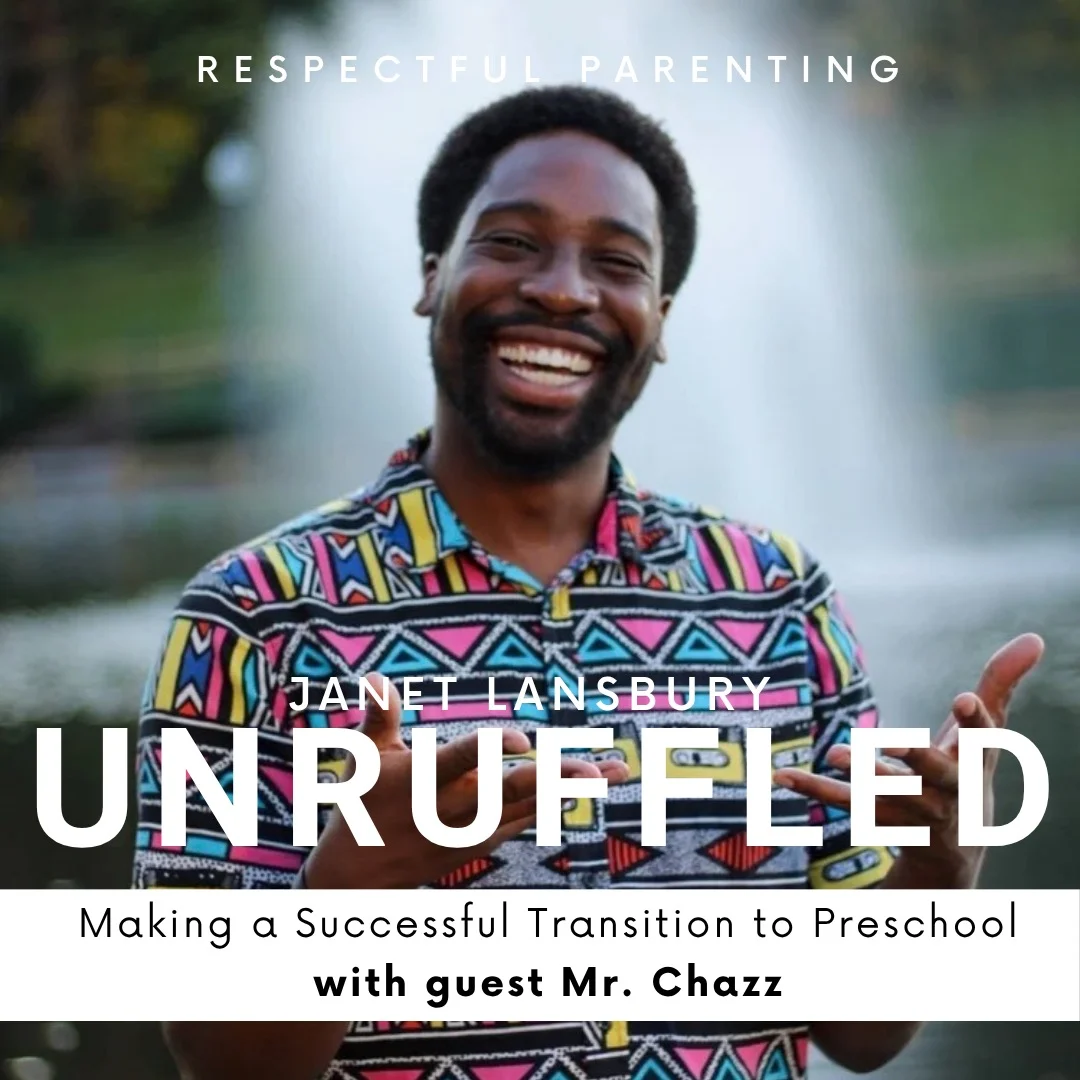
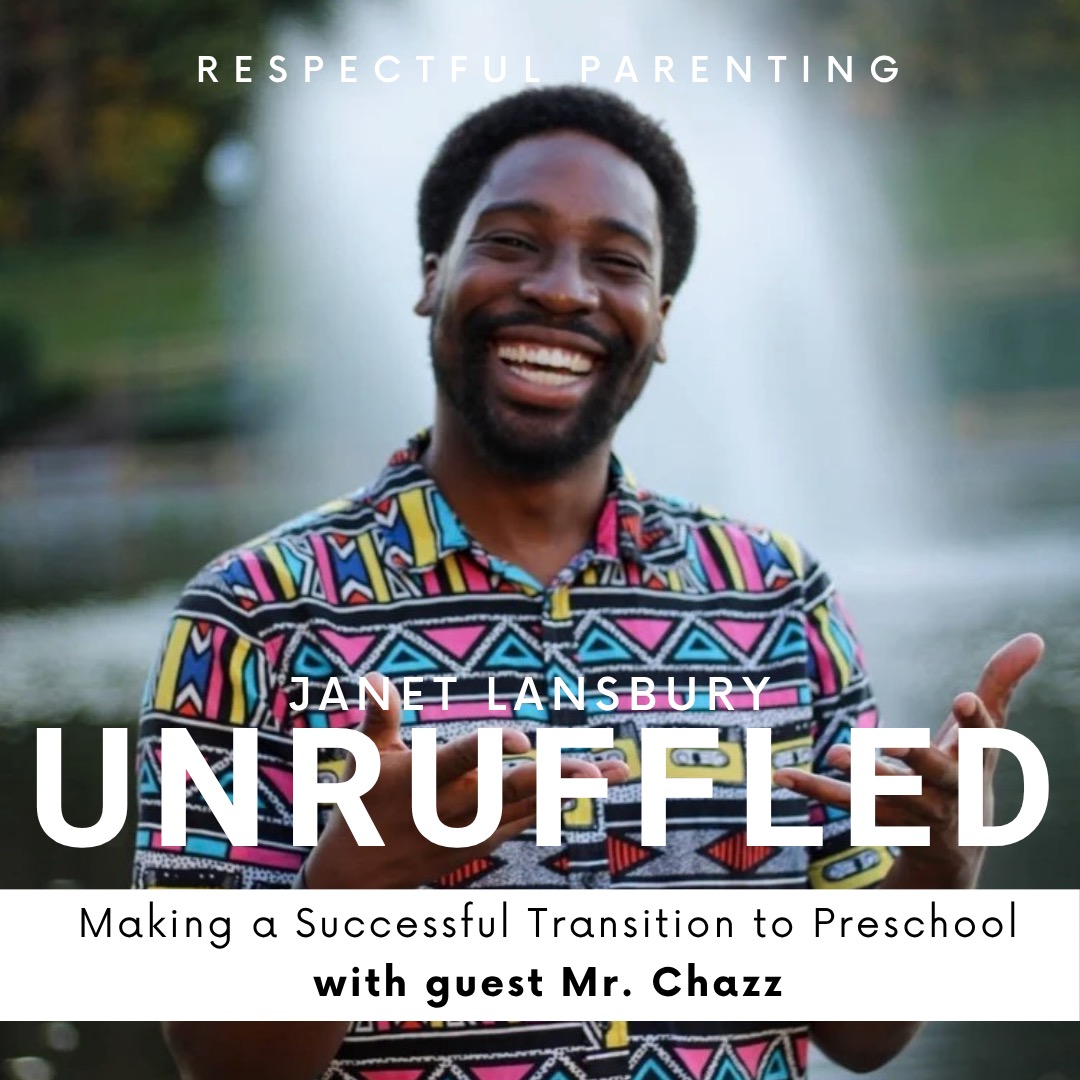
As families navigate the emotional milestones of the back-to-school season, renowned educator and early childhood specialist Chazz Lewis—widely known as Mr. Chazz—recently joined parenting expert Janet Lansbury on her Unruffled podcast to discuss strategies for helping young children successfully transition into preschool and childcare settings.
The conversation, published on October 5, 2025, centers on the foundational role of trust, the importance of maintaining emotional connection during separations, and how early childhood programs can better support both children and their families.
Mr. Chazz, who has built a massive following across TikTok, Instagram, and his own podcast, Learning Curve with Mr. Chazz, has earned widespread acclaim for his compassionate and humble approach to child development. During his conversation with Lansbury, he discussed his latest venture: the opening of Birdhouse, an innovative in-home childcare and learning center located in Brooklyn, New York.
According to Mr. Chazz, the inspiration behind Birdhouse stemmed from a desire to address systemic flaws in traditional early childhood education models. He noted that approximately ninety-nine percent of conventional childcare facilities approach transitions and daily operations for the convenience of adults rather than prioritizing the well-being of children, families, and educators.
To combat high burnout and turnover rates common in the early childhood sector, Birdhouse implements a unique support system for its staff. The facility’s head teacher lives upstairs, eliminating personal rent burdens and allowing educators to feel cared for and secure. By ensuring that teachers are not operating from a survival state, the program fosters greater consistency, emotional availability, and long-term commitment for the children and families they serve.
Moving beyond logistical frameworks, Mr. Chazz and Lansbury explored the micro-interactions that define a child’s daily school experience, specifically challenging the traditional model of hurried morning drop-offs. Frequently comparing conventional drop-offs to handling packages at a delivery counter, Mr. Chazz advocated for a fundamental shift in perspective and language, reframing the daily routine from "drop-off and pick-up" to "arrival and reunion."
At Birdhouse, arrival is designed as an intentional period of integration and connection rather than a rushed separation. Children are guided through a predictable, visual routine that includes greeting teachers, storing belongings in cubbies, changing out of street shoes onto designated floor markers, and washing hands with a parent or caregiver present. Parents are invited to stay through morning activities, such as circle time, before a collective goodbye song marks the transition.
While this approach fosters a deep sense of safety, Mr. Chazz emphasized that proactive preparation does not eliminate all tears. Even with robust foundational trust and familiarity with the space, young children occasionally experience intense emotional reactions during separation. Rather than viewing these moments as failures, Mr. Chazz framed them as powerful learning opportunities for the entire classroom community.
Recalling a recent day when a child experienced prolonged sadness and missed his mother, Mr. Chazz explained how the teaching staff supported the child by offering a reassuring presence without forcing unwanted physical touch. Peers in the classroom observed the situation and were guided to take collective deep breaths and send supportive energy to their classmate. This approach demonstrated to the children how to navigate heavy emotions and practice healthy co-regulation.
Lansbury noted that witnessing such demonstrations provides parents with profound relief, granting them permission to step back and allow children to process their feelings naturally rather than rushing to fix or distract them from discomfort. Both educators emphasized the importance of avoiding the blame game when children experience distress, encouraging caregivers to accept emotional moments simply as they are, without internalizing guilt over going to work or having to separate.
To help families prepare for transitions outside of progressive environments like Birdhouse, Mr. Chazz shared several practical strategies that parents can implement at home. Creating visual routine cards helps children anticipate each step of the morning sequence, reducing cognitive friction and anxiety. Additionally, proactive measures such as creating photographic books of the school environment, visiting the classroom ahead of time when permitted, and role-playing arrival scenarios with stuffed animals can significantly ease a child’s apprehension.
Mr. Chazz also addressed the realities of adjustment periods in traditional centers, noting that teachers often require up to a month to truly understand the unique personalities, cues, and home routines of every child in a large group. He encouraged parents to share detailed information with educators regarding nap preferences, comfort items, and behavioral patterns to bridge the gap between home and school life.
Reflecting on his decision to return to the physical classroom after extensive travel and public speaking, Mr. Chazz expressed profound gratitude for the emotional depth and daily rewards of direct teaching. Despite the heavy emotional labor involved in early childhood education, he highlighted those small, transformative moments of connection—such as helping a child decode and understand their feelings—as the driving force that continually inspires his work.