Empowering Expectant Parents: The Evolution of the Belly Mapping® Method
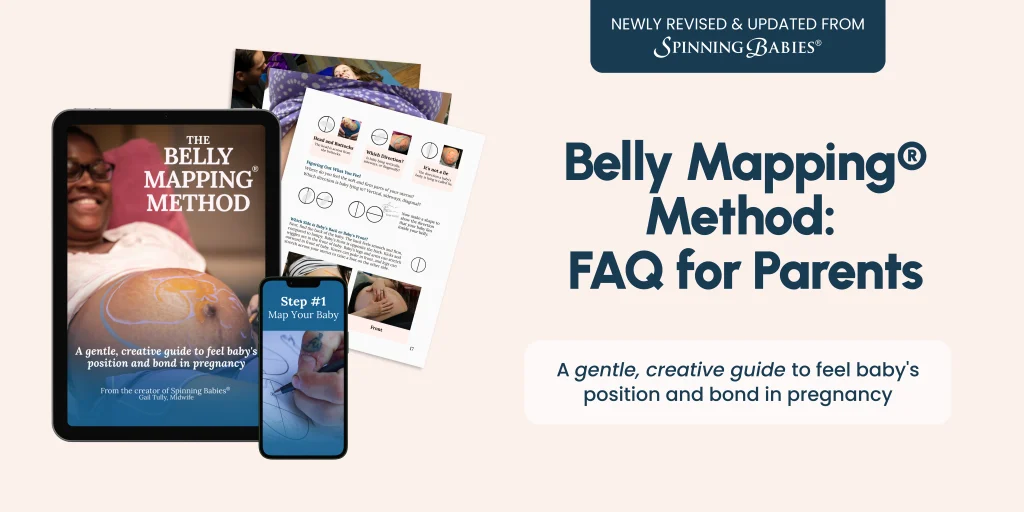
In the landscape of modern prenatal care, the bridge between clinical assessment and the emotional experience of pregnancy is often narrow. However, a movement toward more intuitive, parent-centered education is gaining traction, spearheaded by the Belly Mapping® Method. Created by Gail Tully, the founder of the internationally recognized Spinning Babies® organization, this approach seeks to transform how expecting parents interact with their unborn children. By offering a tactile, hands-on framework, the method invites parents to step beyond the role of passive observers of their own pregnancies and into an active, informed, and deeply connected partnership with their baby.
At its core, the Belly Mapping® Method is designed as a joyful, practical guide that serves both the domestic sphere of the expecting family and the professional environment of birth workers. The method provides a structured yet gentle process that enables parents to identify their baby’s position within the womb. This practice is not merely about clinical accuracy; it is about fostering a sense of curiosity and play, encouraging parents to interpret the subtle movements, kicks, and flutters that define the third trimester. For childbirth educators, doulas, and midwives, the method acts as a complementary tool, facilitating more meaningful conversations regarding fetal positioning, maternal comfort, and the mechanical realities of labor.
Insights for the Expectant Parent
For many parents, the journey through pregnancy can feel like a series of clinical appointments where they are told about their baby rather than experiencing them directly. The Belly Mapping® Method seeks to correct this imbalance. By utilizing the Belly Mapping® Method book, parents gain the confidence to explore their own bodies, learning how to safely and gently palpate their abdomen to better understand how their baby is positioned.
The practice is recommended to begin in the third trimester, typically after 28 weeks of gestation, when the baby is larger and more clearly defined. While some parents may start earlier, the increased size of the fetus as the pregnancy progresses makes the subtle details of limbs and positioning more accessible. Safety remains the primary priority; the method emphasizes light, respectful touch using the pads of the fingers. It explicitly discourages aggressive poking or intense pressure, noting that if any discomfort arises, the practitioner should stop and adjust.
A common misconception is that this method acts as a replacement for professional medical imaging, such as an ultrasound. The Belly Mapping® Method is distinct in its intent and execution. While an ultrasound offers a two-dimensional, clinical snapshot of the fetus, Belly Mapping® provides a three-dimensional, sensory-rich experience that bridges the gap between imagination and reality. It is a tool for bonding. Many parents find that the estimates they arrive at through this tactile process are later confirmed by professional ultrasound scans. Even when the assessment is not perfectly precise, the process itself creates a lasting, joyful memory—often documented through artistic expression, such as painting or tracing the baby’s position on the belly.
Furthermore, the knowledge gained through these sessions has practical applications for the birthing room. Understanding whether a baby is posterior, breech, or engaged can significantly influence a family’s approach to labor. When parents are aware of their baby’s position, they are better equipped to discuss comfort measures, movement strategies, and labor positions with their healthcare providers. This awareness can turn a potentially daunting labor experience into one where the parents feel empowered and prepared. Should a baby be in a breech position, early identification through this method provides families the valuable time needed to explore body-balancing activities and consult with medical professionals about options such as External Cephalic Version (ECV) or other interventions.
Integrating the Method into Professional Care
The professional application of the Belly Mapping® Method represents a shift toward more holistic, patient-centered prenatal care. For birth professionals, the challenge has historically been bridging the gap between clinical palpation—such as Leopold’s Maneuvers—and the emotional, subjective experience of the patient. Leopold’s Maneuvers are essentially a provider-centered clinical tool used to document fetal position for medical records. In contrast, the Belly Mapping® Method is a collaborative, parent-centered practice.
Professionals who integrate this method into their practice find that it enriches the quality of their prenatal appointments. By asking parents to report on their own findings—what they feel, where the kicks occur, and how they perceive the baby’s movement—providers can synthesize these observations with their own clinical assessments. This collaborative approach does more than just improve the accuracy of a position assessment; it fosters a deeper sense of trust and shared responsibility between the caregiver and the family.
The integration of the method also aids in long-term labor management. When a birth worker is familiar with a family’s engagement with the Belly Mapping® process, they can more effectively guide them through labor. If a patient can recognize the signs of a baby in a less-than-ideal position, the provider and the family can proactively move through the stages of labor with a clear plan for repositioning. This is particularly relevant in cases where the baby has not yet engaged or is in a position that might otherwise lead to a prolonged or difficult labor.
However, professionals must also navigate the boundaries of the brand. The Belly Mapping® Method is a registered trademark of Spinning Babies®, and there are specific requirements for those wishing to teach it in a professional capacity. While any provider can discuss the concepts with their clients, the official instruction and presentation of the method as a formal service are restricted to those who have completed the necessary training, such as Spinning Babies® Certified Parent Educators and Approved Trainers. This structure ensures that the method is taught with consistency and safety, maintaining the integrity of the practice as it spreads within the global birth community.
The Value of Informed Awareness
Ultimately, the Belly Mapping® Method is about demystifying the fetal experience. Whether a parent is trying to distinguish a head from a bottom or a professional is explaining the mechanics of the pelvis, the method serves as a catalyst for communication. The challenges that beginners often face—such as mistaking an anterior placenta for a fetal limb or finding the head difficult to palpate—are all part of the learning curve. These moments of uncertainty are normal and are often resolved with repetition or through the guidance of a skilled educator.
As the body of knowledge surrounding birth physiology continues to grow, tools that promote maternal intuition and physical awareness are increasingly vital. By moving away from the idea that the pregnant body is a mystery to be solved only by technology, and toward an understanding that it is a space for connection and learning, the Belly Mapping® Method offers a path toward a more confident birth experience. For those looking to deepen their connection with their baby or to enhance the care they provide to expecting families, the method provides a structured, joyful, and deeply human approach to the final weeks of pregnancy. The continued popularity of the resource underscores a simple truth: parents want to know their babies, and professionals are increasingly seeking ways to honor and facilitate that desire.
