As the holiday season approaches, the annual search for the ideal present often leads back to the same familiar categories: standard kitchen appliances, clothing, and children’s toys. For those looking to break away from conventional gifting, a new wave of unconventional, highly practical, and health-conscious gift ideas is offering a refreshing alternative. Designed to be functional rather than gather dust on a shelf, these unique selections span food and beverages, nature-inspired items, advanced wellness tech, and home care innovations.
Whether intended for a wedding, a birthday, or simply as an unexpected token of appreciation, these creative items offer utility and wellness benefits that recipients are unlikely to already own. Furthermore, for those sharing a household with the recipient, these practical gifts often deliver shared health advantages.
Food and Drink
The culinary and beverage category offers several items focused on purity, nutrient density, and unique sourcing.
Water quality remains a prominent focus in wellness circles, leading to the popularity of devices like the Mayu Swirl. By mimicking the movement of fresh spring water rolling down a mountainside, the device helps recreate structured water. Modern plumbing and storage tanks typically strip water of its specific molecular structure and mineral content, but swirling helps restore this dynamic, particularly when minerals are added beforehand to improve infusion.
For chocolate enthusiasts, artisan bars such as Spring & Mulberry offer a blend of aesthetic appeal and nutritional mindfulness. Naturally sweetened with dates and crafted from fair-trade, organic ingredients, these bars feature unconventional flavor profiles that highlight unusual and healthy components from around the globe.
Coffee preparation also receives an artisanal update through the Chemex pour-over system. Designed to produce coffee free from bitterness and acidity while maintaining an elegant aesthetic, the glass coffeemaker pairs well with specialty wellness coffees like Four Sigmatic or Purity coffee, which focus on clean sourcing and health benefits.
Another unusual dairy alternative gaining traction is camel milk. Exhibiting a nutritional profile remarkably similar to human breastmilk rather than cow or goat milk, camel milk lacks the specific proteins responsible for many common dairy allergies. Because of its unique structure, it can be frozen while maintaining its original texture, making specialty suppliers like Desert Farms a valuable resource for those without local access to a camel dairy.
Nut variety is expanded through Barukas nuts, which are wild-harvested exclusively in South America. Recognized for a dense nutritional profile rich in protein, fiber, minerals, trace elements, and antioxidants, these nuts are roasted to neutralize anti-nutrients, enhancing both digestibility and flavor.
For fresh produce and local agricultural support, Community Supported Agriculture (CSA) box subscriptions offer a sustainable solution. By purchasing a share of a farm’s seasonal yield, members receive regular deliveries of items ranging from vegetables and fruits to dairy, meat, and fresh-cut flowers, connecting consumers directly to regional growers.
Beverage options extend to Cacao Calm, a stress-relieving hot cocoa blend crafted by chocolatier Jonathan Pantalis. Incorporating a targeted amount of adaptogens designed to support relaxation, the drink offers a functional evening beverage option.
Hydration on the move is addressed by the Clearly Filtered stainless steel water bottle. Utilizing an advanced built-in filter, the bottle removes up to 99.99 percent of common water contaminants while preserving beneficial minerals, allowing users to safely refill from almost any tap.
Nature Lovers
For individuals drawn to the natural world, gifts that incorporate earth-based materials and sustainable hobbies provide lasting engagement.
Mountain Rose Herbs serves as a primary source for ethically sourced bulk herbs, essential oils, tinctures, teas, and body care supplies, catering to both ready-made product users and those interested in crafting their own natural formulations.
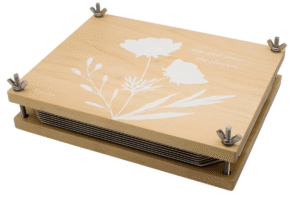
To preserve the beauty of seasonal flora beyond its natural lifespan, wooden flower and plant presses allow users to flatten leaves and blossoms for long-term storage. These preserved specimens can then be arranged inside hanging glass frames for minimalist botanical wall art.
Indoor cultivation is also represented by mushroom logs, which enable users to grow organic shiitake mushrooms directly in their homes within a ten-day window. Requiring no specialized gardening expertise, the logs are guaranteed to yield multiple successive crops.
Kids
Gifting for younger recipients shifts toward educational, developmental, and lower-stimulus options.
The Kids’ Daylight Computer offers a digital experience modeled after adult e-readers and low-blue-light devices. Stripped of flashy colors, high-speed video streams, and overstimulating interfaces, the device features calm learning applications and a paper-like display optimized for curiosity, growth, and outdoor usability in direct sunlight.
Language acquisition is approached through Talkbox, a family-oriented program designed around natural language progression. Rather than starting with traditional academic translation, the system mirrors natural learning by prioritizing listening and seeing before speaking in everyday household contexts.
For tactile problem-solving, Japanese puzzle boxes and money maze puzzle boxes offer traditional craftsmanship combined with a challenge. Handcrafted to require multiple steps of spatial reasoning, these boxes secure small valuables or cash gifts behind an engaging mechanical puzzle.
Addressing infant care sustainability, Hiro Diapers provide a disposable diaper alternative that breaks down in landfills thanks to an included mycelium decomposition packet. Constructed from cotton with a reduced plastic footprint, the product addresses environmental concerns for new parents.
Bodycare
Personal care and grooming items incorporate modern phototherapy and natural formulations.
Red light therapy devices have expanded significantly into personal care, represented by items such as red light face masks and portable face wands from BON CHARGE. These tools utilize targeted wavelengths at a cellular level to support skin health, collagen production, and localized reduction of inflammation.
Traditional body care is represented by hard lotion bars, which utilize simple, natural butter and oil bases infused with skin-friendly essential oils. Brands like MadeOn offer pre-made alternatives adhering to strict natural formulation standards.
Oral hygiene is also crossing paths with phototherapy through red light toothbrushes, which combine sonic vibration massage with near-infrared and red light to calm gum tissue inflammation and stimulate local circulation.
Facial cold therapy is facilitated by specialized ice rollers, such as the mint roller from Skinny Confidential, which help reduce skin puffiness, support lymphatic drainage, and tone the complexion without requiring direct ice water immersion.
LED teeth whitening systems, such as those from Primal Life, replace abrasive chemical peroxide treatments with a combination of red and blue light therapy to target bacteria and inflammation, paired with natural remineralizing agents like hydroxyapatite and charcoal.
Hair health receives targeted support from wearable wellness technology, including red light therapy caps designed to stimulate hair follicles using specific optical wavelengths during daily activities.
Rest and Recover
Recovery and relaxation tools focus on cellular health, physical tension release, and circadian alignment.
Portable red light therapy panels, such as the Joovv Go Light, offer miniaturized versions of full-body wellness systems, supporting mitochondrial function, skin health, and collagen production away from home.
For muscular tension, manual trigger point massage tools shaped like ergonomic canes allow users to apply direct, targeted pressure to hard-to-reach areas in the back and shoulders during everyday relaxation.
At-home thermal therapy is accessible through portable sauna blankets, offered by brands like BON CHARGE and Higher Dose, providing an affordable alternative to traditional wooden saunas for promoting regular sweating and relaxation.
Acupressure mats like the Pranamat utilize thousands of small relief points embedded in natural fabrics such as untreated cotton, linen, and buckwheat hulls to stimulate circulation, release endorphins, and ease muscle tension.
Frequency-based wellness devices, including the WAVwatch, use preloaded acoustic frequency sets aimed at supporting specific physiological areas, ranging from sleep patterns to general vitality.
Daytime light management is supported by blue light therapy glasses, which help supplement mood and energy during overcast winter days when natural sunlight exposure is limited.
Quantum-inspired energy harmonization is another emerging category, with products like LeelaQ quantum blocks designed to neutralize energetic stressors from modern environments, including wireless radiation.
Physical activity and ergonomics within the home or office are supported by mini trampoline rebounders, which encourage lymphatic drainage and low-impact cardiovascular movement, and balance chairs that combine yoga balls with rolling office seating to actively engage core muscles during desk work.
Full-spectrum lamps round out the environmental wellness category by simulating natural sunlight indoors to support healthy circadian rhythms and combat seasonal fatigue.
Everything Else
Miscellaneous lifestyle products complete the selection with unusual utility items.
Full-grain leather magic wallets from Saddleback Leather offer a clever folding mechanical illusion for card storage, backed by a century-long durability guarantee.
The full-sized Daylight Computer provides a circadian-friendly digital workspace after sunset, eliminating blue light interference to support evening productivity without disrupting hormonal rhythms.
Pet wellness is addressed through specialized probiotic formulas, such as those from Full Bucket Health, which incorporate digestive enzymes and beneficial bacteria for dogs, cats, and horses.
Environmental balance inside living spaces is supported by home probiotics like Homebiotic, which introduce beneficial environmental bacteria to help manage indoor microbiomes and discourage mold growth.
Finally, personalized photo books created through platforms like Mixbooks allow families to compile annual memories into durable hardcover or lay-flat formats, preserving travel experiences and milestones for years to come.
The Chicago Waldorf School has captured national attention, earning a prominent feature in Esquire Magazine for a groundbreaking educational partnership with the renowned Italian luxury fashion house Kiton. Together, the institutions have launched a first-of-its-kind high school course entitled "The Art of Tailoring," bridging the gap between traditional craftsmanship and modern industry practices.
The innovative program is designed to provide high school students with hands-on experience in traditional tailoring techniques while simultaneously immersing them in the foundational elements of branding and design. By combining meticulous artisanal skill with commercial insight, the course equips participants with valuable, real-world industry skills that are increasingly rare in contemporary education.
The collaboration began taking shape through an organic connection within the Chicago Waldorf School community. Victor de Leon, the North American director of wholesale made-to-measure for Kiton, is a parent whose children attend the Chicago Waldorf School. Stationed in the city, de Leon found himself observing the institution’s unique approach to early childhood and primary education, which places a heavy emphasis on tactile learning and practical arts.
During visits to the school, de Leon observed classrooms where very young students engaged in foundational manual tasks. He watched as seven-year-olds practiced sewing, weaving, and knitting items such as socks, gloves, and hats. What struck him was not merely that the children were performing these intricate manual tasks, but the manner in which they approached them. According to de Leon, they executed these complex physical crafts with remarkable ease, behaving much like miniature professional tailors. Witnessing this effortless aptitude proved to be a pivotal moment that sparked a larger creative vision.
Motivated by what he observed in the primary classrooms, de Leon initiated conversations with the school’s principal and found an enthusiastic and eager partner in Antonio De Matteis, the chief executive officer of Kiton. Together, they hatched a comprehensive plan to elevate the school’s longstanding commitment to handwork, translating those foundational tactile exercises into a rigorous, elevated curriculum tailored specifically for high school students.
The shared goal was to create a bridge between the time-honored traditions of a world-class Neapolitan tailoring house and the inquisitive minds of modern adolescents. The collaboration sought to move beyond surface-level design concepts and immerse students in the authentic, labor-intensive realities of garment creation.
The vision officially materialized in September 2024, when the doors opened on the inaugural sessions of "The Art of Tailoring." Since the course’s launch, de Leon has personally presided over the program, stepping out of the corporate luxury sector
and into the classroom to guide the next generation of potential designers and artisans. The curriculum was specifically conceived to instill direct, craft-based skills straight from the floor of the professional tailor’s shop, ensuring that students receive authentic instruction rooted in decades of sartorial heritage.
Through this unique educational offering, students at the Chicago Waldorf School are gaining rare access to the inner workings of high-end Italian fashion. By pairing the pedagogical philosophy of Waldorf education—which has long championed the integration of academic learning with practical arts and manual dexterity—with the uncompromising standards of a global luxury brand, the partnership represents a novel model for vocational and creative education in the twenty-first century. As the course continues to unfold, it stands as a testament to the power of community connections and the enduring value of handmade craftsmanship in an increasingly digital world.
The journey of homeschooling often begins with hands-on, daily instruction—nature walks, kitchen-table grammar recitation, and side-by-side management of elementary subjects. However, as children grow, educational philosophies must evolve to meet them. For families participating in Classical Conversations, this evolution culminates in the Challenge-level homeschool schedule, a structured transition that shifts the family dynamic from direct instruction to mentorship, year by year, with the ultimate goal of teaching a student how to learn anything independently.
The foundational years spent observing nature and memorizing fundamental grammar build something remarkably durable. When students enter the Challenge years, ranging from Challenge A through Challenge IV, that foundation begins to yield fruit in entirely new ways. Rather than relying on parents for every step of the academic journey, students gradually assume ownership of their education, while parents step back from direct teaching to embrace the roles of mentor, guide, and accountability partner.
Despite this shift toward independence, family conversation and discussion remain the anchor of the week. What parents sacrifice in daily, direct instruction is more than recovered in the depth of their relationships with their children. Families experience richer debates and more meaningful discussions as maturing students gain the intellectual capacity to engage complex ideas alongside the very people who raised them. Consequently, a Challenge-level homeschool schedule looks entirely different by design, balancing independent study, family rhythms, and community engagement.
Why Challenge-Level Scheduling Looks Different from the Elementary Years
In earlier programs like Foundations, a typical homeschool schedule centers squarely on the parent, who moves through memory work and core subjects side by side with a young learner. Entering the Challenge phase requires a complete reorganization of that schedule around the student’s independent workflow. This transition does not signal a loosening of academic standards; rather, it represents a deliberate elevation of expectations.
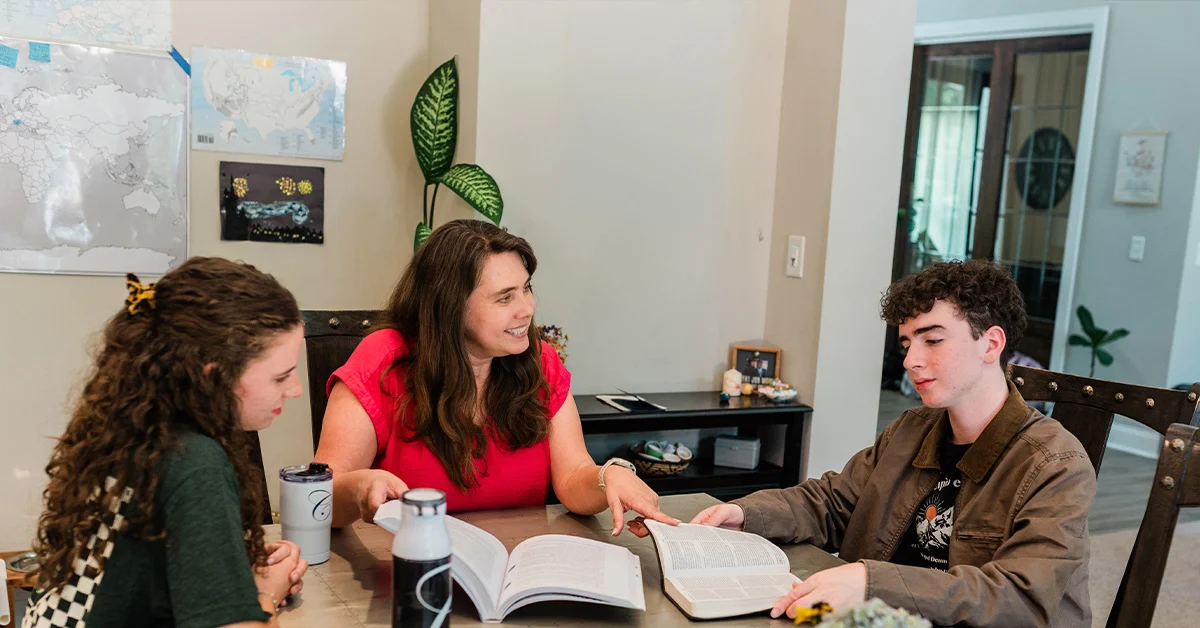
Challenge students typically invest between 20 and 25 hours each week in their studies. A single community day, usually lasting six to seven hours, anchors four additional days of focused coursework completed at home across the program’s six core strands: Logic, Research, Reasoning, Debate, Grammar, and Exposition. Because programs from Challenge I through Challenge IV serve as a complete, rigorous college-preparatory homeschool curriculum for high school, establishing a workable, realistic schedule is just as critical to student success as the coursework itself.
This transformation asks something new of parents as well. Instead of teaching every topic firsthand, parents must train their students to assess a heavy workload, prioritize complex tasks, and complete assignments with growing autonomy—skills that will serve them well beyond graduation and into higher education or the professional world. Older Challenge students are consistently capable of handling far more of their own academic responsibilities than they, or their parents, might initially expect. While they will certainly still have questions, and while parents must continue to check completed assignments and provide steadfast accountability, an older Challenge student can and should spend the bulk of the day working independently. This frees parents to direct their attention toward younger siblings who are not yet ready for self-directed learning.
A Sample Challenge-Level Daily Schedule
Building a sustainable rhythm at home requires understanding how a typical day flows for a high school-aged homeschooler. While every family’s daily routine looks slightly different depending on their unique household dynamics, a sample Challenge-level schedule at home centers on dedicated blocks of independent study paired with regular check-ins for accountability and discussion.
On community days, however, the weekly rhythm shifts entirely. While parents and younger children participate in programs like Foundations, older students engage in a rigorous seminar format. These sessions involve deep discussion, formal debate, student-led presentations, and collaborative hands-on work alongside their assigned Tutor and peers. Following the community day, families return home equipped to apply the insights they practiced during seminar to their upcoming weekly discussions.
Families with multiple children frequently observe that community day serves as a litmus test for the rest of the week, revealing precisely how well the household’s at-home rhythm is functioning. A student who arrives at seminar unprepared typically points to a structural gap in their independent study blocks at home rather than a sudden lack of academic ability. Maintaining regular check-ins with Challenge students throughout the week provides a vital layer of accountability that significantly enhances their contributions during community day conversations.
Balancing Independent Study Time with Community Day
The core of a successful Challenge-level homeschool schedule lies in the delicate balance between independent study, parent partnership, and the weekly community day. A family’s Challenge Guide outlines the academic year’s six strands, while the student’s Tutor partners with the family to facilitate weekly seminar discussions, model effective learning habits, and offer much-needed support when the workload feels overwhelming. Crucially, neither the Guide nor the Tutor replaces the parent’s foundational role as the student’s primary mentor.
To manage the extensive coursework, many families turn to member portals and digital resources such as CC Connected, which offers strand-specific notes, instructional video tutorials, and discussion guides. These tools help shape how families build the at-home portion of the schedule around weekly assignments. Experienced parents often find that dedicating fifteen minutes each weekend to previewing the upcoming week—much like planning meals or organizing younger children’s assignments—keeps independent study blocks focused and purposeful rather than aimless.
True balance also requires protecting personal relationships and family well-being, rather than focusing solely on raw productivity. A homeschool routine functions best as a flexible rhythm rather than an unyielding rule. Even a demanding Challenge-level schedule benefits greatly from intentional anchors at the beginning and close of the day, such as shared scripture and prayer in the morning or a relaxed family meal and conversation in the evening. These daily touchpoints matter just as much for a sixteen-year-old high schooler as they did when that same student was reciting elementary memory work years earlier.
When the Schedule Needs Adjusting
Even the most carefully constructed Challenge-level schedule will occasionally require adjustment, and recognizing this need is never a sign of failure. If a student consistently arrives at community day unprepared, parents should first examine whether the independent study blocks possess sufficient structure and boundaries, rather than simply assuming the student needs to log more hours at the desk. Conversely, if a student moves through their assignments with time to spare, it may serve as an invitation to add intellectual depth rather than merely increasing the volume of busywork.
Keeping a pencil handy to regularly revisit and revise the schedule as real life unfolds is standard practice for seasoned homeschoolers. A schedule that possesses the flexibility to bend during a difficult week is a schedule that is doing its job well.
Frequently Asked Questions About Homeschool Schedules
The transition to high school-level homeschooling naturally raises several practical questions for families moving away from elementary models. A Challenge-level schedule fundamentally differs from an elementary routine by prioritizing independent study and student-led time management alongside the weekly community day, directly fostering the skills children need to learn anything on their own.
While older homeschool students certainly benefit from maintaining a set schedule, that routine typically evolves to become much more flexible and student-owned than a young learner’s minute-by-minute timetable. In terms of time investment, Challenge students generally dedicate between 20 and 25 hours per week to their studies, encompassing both at-home coursework and the six-to-seven-hour community day seminar.
Building a Schedule Your Family Can Grow Into
A Challenge-level homeschool schedule is far more than an elementary routine with a few extra hours of independent work tacked on. It represents an entirely different educational phase, specifically designed to train students in the personal ownership and discipline that will serve them well long after they complete Challenge IV. By trusting the established process, leaning on the expertise of student Tutors and Challenge Guides, and granting students the necessary room to grow into their newfound responsibilities, families can successfully navigate these advanced academic years and equip their children for lifelong learning.
At the beginning of the year, political organizers and community leaders faced a daunting question: how to counter the rising tide and institutionalization of anti-Muslim rhetoric and policies across the United States. For many, the answer lay not in retreat, but in active participation at the ballot box.
"At the beginning of the year, we were like, ‘How do we fight against the institutionalization of Islamophobia?’ And we knew that we could at the ballot box," said Mohamed Gula, CEO of Emgage, a prominent Muslim civic engagement organization dedicated to empowering American Muslims through political participation. "We didn’t know that we would have the allies that we have. We didn’t know that we would have this sense of belonging."
This strategic push toward civic participation culminated in a historic election cycle that saw record-breaking numbers of American Muslim candidates running for office at local, state, and federal levels. According to data compiled by the Council on American-Islamic Relations (CAIR), a leading Muslim civil rights and advocacy group, more than 160 Muslim candidates ran for local, state, and federal offices across the country this cycle, marking a significant increase from the 145 candidates who ran in 2022.
The surge in candidacies translated into remarkable victories, reshaping political representation from municipal governments to the halls of Congress. Among the most notable milestones of the cycle was the election of Avila Chevalier in New York. The 33-year-old Democrat made history by becoming the first Latina Muslim ever elected to the United States Congress. The daughter of Dominican immigrants, Chevalier is a vocal pro-Palestinian activist who converted to Islam four years ago. Her victory adds a unique and intersectional voice to the federal legislature, blending her heritage as a Latina with her faith and progressive activism.
The wave of representation extended far beyond Washington, D.C., touching state legislatures, county governments, and municipal seats nationwide. In state and local races, American Muslim candidates achieved several historic firsts that underscore their growing influence in regional governance.
In Texas, Dr. Letitia Plummer secured a landmark victory, becoming the highest-ranking elected Muslim woman in the state. Running as a Democrat, Dr. Plummer was elected county judge—a position that functions as the chief executive of the county government—for Harris County. Encompassing Houston and its surrounding communities, Harris County is the third-largest county in the United States, making Dr. Plummer’s victory one of the most significant local administrative wins for a Muslim woman in American history.
Further north, in Michigan, a traditional stronghold for Arab and American Muslim political organizing, three Muslim Democrats triumphed in state-level elections. Abbas Alawieh won a seat in the state Senate, while Jalal Abdallah secured a victory in a state House race. They were joined by Alabas Farhat, who successfully won reelection to the Michigan House of Representatives, solidifying a robust bloc of Muslim representation in Lansing.
Electoral breakthroughs were recorded across the Midwest and beyond. In Illinois, State Representative Nabeela Syed achieved a major victory by flipping a Republican-held state Senate seat, demonstrating the broad appeal of Muslim candidates in competitive suburban districts. In Ohio, Democratic state representatives Munira Abdullahi and Ismail Mohamed both successfully won their respective House races, maintaining and strengthening their legislative presence. Across the country, Muslim candidates running on the Democratic ticket also either won new seats or successfully retained existing positions in a diverse array of states, including Oregon, Texas, Delaware, Pennsylvania, Colorado, and Georgia.
The campaign trail and subsequent victories were not without emotional resonance, particularly given the political climate surrounding identity, foreign policy, and domestic civil rights. In New Jersey, Dr. Hamawy delivered a victory speech that quickly resonated widely across social media and community networks. In his remarks, he strongly condemned the rising tide of anti-Muslim rhetoric that has characterized public discourse in recent years.
Concluding his address, Dr. Hamawy invoked the phrase "Allahu Akbar," the traditional Arabic expression meaning "God is greatest." Addressing the loaded perceptions often projected onto the phrase in Western media and political rhetoric, he offered a poignant clarification to his supporters and constituents.
"Some have tried to turn these words into a symbol of fear, but they have always been words of humility," Dr. Hamawy said during his speech, footage of which was widely shared on social media platforms. He added, "In this moment of victory, I will do what my faith teaches me to do, and to give praise and glory to God, and to ask Him to keep me humble."
The success of these candidates reflects a broader maturation and mobilization within American Muslim communities. For years, civil rights organizations, voter registration drives, and grassroots groups have worked tirelessly to transform community concerns about marginalization, foreign policy, and civil liberties into organized electoral power. By fielding candidates who reflect the rich diversity of the American Muslim population—spanning various racial, ethnic, and geographic backgrounds—the community has established a more permanent and visible footprint in the American political landscape.
As these newly elected officials prepare to take their oaths of office and assume their legislative, judicial, and executive responsibilities, community leaders like Gula view the election results as a turning point. What began as a defensive strategy to combat institutionalized prejudice has blossomed into a broader movement characterized by coalition-building, political integration, and an expanding sense of civic belonging across the United States.
The enduring adage that it takes a village to raise a child resonates deeply across many households, but for families formed or impacted by adoption and foster care, that sentiment carries an extraordinary weight. While the daily demands of family life can sometimes tempt parents to retreat inward or limit social engagements to the immediate household, advocates and family support organizations emphasize that building and maintaining an adoption community offers profound, irreplaceable benefits. Navigating the unique landscape of adoption and foster care is a journey that thrives on connection, shared wisdom, and collective support.
Understanding and Support
As Mary Beth Chapman, co-founder of the adoption advocacy organization Show Hope, has frequently observed, adoption is gloriously hard. This duality of immense joy paired with complex challenges means that adoptive parents often find themselves in the position of explaining the intricate nuances of adoption to well-meaning friends and extended family members. While educating loved ones is an important part of the journey, it can also become emotionally and mentally exhausting.
Within a dedicated adoption community comprising other families who share similar life experiences, a distinct level of understanding exists that requires no explanation. This foundational empathy creates a safe space where families can freely encourage one another, exchange practical advice, and find solace in the shared realities of their journeys. Rather than expending energy to make others understand the subtleties of trauma, attachment, and identity, parents in these communities find immediate validation and mutual support.
In a Village
Practical assistance is another critical advantage of embedding oneself within a supportive adoption network. Families with direct adoption and foster care experience often possess a heightened awareness of the specific needs inherent to children who have experienced early childhood trauma, disruption, or loss. This specialized understanding translates into more effective and intuitive help with everyday logistics, ranging from specialized childcare and respite care to navigating complex administrative paperwork and systemic processes. When a support network truly comprehends the dynamics of trauma-informed care, practical assistance becomes far more targeted and genuinely relieving.
When Times Are Tough
Every household encounters difficult seasons, but for families brought together through adoption or foster care, those challenging periods can manifest in distinct ways. Whether a family is navigating a difficult developmental transition, holding heavy and sensitive conversations about a child’s personal history, or simply trying to survive a week when everyone is running on empty, having reliable people to lean on is vital.
Crucially, this supportive ecosystem does not need to consist exclusively of other adoptive or foster families. Friends, neighbors, church members, and extended family members who demonstrate a willingness to learn, listen, and show up can be equally meaningful. A meal left quietly on the doorstep, a thoughtful text message checking in during a turbulent week, or an hour of practical help around the house can serve as a powerful reminder to overwhelmed parents that they are never truly alone in their struggles.
Shared Experiences for Children
Beyond the undeniable benefits afforded to parents, child welfare advocates stress that it is equally essential for children with adoption or foster care backgrounds to spend time with peers who share similar life stories. This connection provides adoptees with a crucial avenue to explore their developing identities, process their thoughts, and learn how to articulate their feelings surrounding adoption. Just as shared experiences validate adults, peer connections offer children a vital sense of mutual understanding, ensuring they realize they are part of a broader community of kids who walk similar paths.
The Best Support
Adoption and foster care remain experiences defined by a delicate balance of beauty and profound challenge, and the underlying reality remains that no one is meant to walk that road in isolation. Whether the support comes from a peer who instinctively understands the complexities of parenting, a neighbor who knows precisely how to lend a hand, or a playmate who shares a child’s unique story, community lightens the collective load. For families still searching for their place within this landscape, advocates encourage taking that initial step outward. The most resilient support networks are frequently built upon a thoughtful blend of individuals who understand adoption firsthand and those who simply excel at loving a family well.
As the holiday season approaches, parents are routinely met with an unspoken cultural pressure to curate an unforgettable winter wonderland. From elaborate advent calendars and perfectly coordinated family photos to endless lists of festive activities, the modern approach to the holidays often resembles a marathon checklist rather than a season of rest and celebration. However, a growing cultural conversation—championed by parenting advocates and family educators—suggests that the moments children carry into adulthood are rarely the grand, expensive spectacles. Instead, they are the quiet, ordinary moments spent together: frozen yogurt for dinner, an unexpected note left on a mirror, or the distinct aroma of the one specific cookie baked every December.
This tension between the pursuit of perfection and the desire for genuine connection forms the heart of recent discussions surrounding family traditions. While the winter holidays naturally invite reflection, slowing down, and savoring the season, modern life frequently gets in the way. Plans for memory-making can easily expand into obligations as extensive as a historic cross-country trek, ultimately crowding out the very peace and rest families hope to cultivate. Educators and family coaches are increasingly encouraging parents to rethink these expectations, prioritizing relational connection over glitter and financial expense. The core argument is simple yet liberating: holiday traditions do not need to be flashy or elaborate to leave a lasting mark on a child’s heart.
What Children and Parents Truly Want Is Time Together
It is a common assumption in modern consumer culture that bigger and flashier equate to more meaningful experiences. Yet, parents frequently observe that children possess a remarkable ability to overlook expensive toys in favor of everyday objects, such as car keys, kitchen container lids, or sunglasses. More than any material gift, children consistently yearn for the undivided attention of their parents during ordinary, everyday moments. This fundamental truth points toward a universal human pursuit: the desire for authentic, unscripted connection.
A classic illustration of this dynamic unfolded during a family trip to a public aquarium and zoo in Tacoma, Washington. Anticipating the awe of a grand walrus exhibit, an adult visitor eagerly awaited the moment the massive marine mammal would glide past the viewing glass, instructing her young children to watch closely as the water began to ripple. Yet, when the giant creature finally burst into view, one of the children—then six or seven years old—was entirely unfazed by the spectacle. Instead, she was crouched on her hands and knees on the nearby sidewalk, utterly transfixed by an ant successfully carrying a piece of food larger than its own body.
That brief, unplanned encounter served as a powerful reminder that larger, flashier attractions do not hold a monopoly on wonder. Lasting memories are frequently forged in the quietest corners of daily life, arising from minor interactions that invite shared curiosity and an appreciation for the beauty of the surrounding world. Creating space for these understated moments helps families keep their priorities aligned, though achieving this balance in practice remains a perennial challenge.
Simple Family Memories Across Generations
To explore how these principles manifest in real life, family advocates and team members from the educational community have recently shared personal reflections on their own childhoods and their experiences as parents. These accounts highlight the diverse ways simplicity and spontaneity can anchor a family’s collective memory.
One team member recalled an annual Easter egg hunt from her youth that departed from the usual routine by dividing participants into teams, including her parents. Watching her mother and father race across the yard to find hidden eggs—competing playfully against one another and filling the air with laughter—offered a rare glimpse of her parents in a completely new dynamic. Long into adulthood, that single, unrepeated afternoon stood out as a cherished memory, demonstrating that parents do not need to repeat an elaborate tradition every single year for it to become deeply meaningful. Furthermore, the core of the memory relied simply on the parents stepping into the fun and participating alongside their children.
Another reflection centered on the profound impact of the unexpected. A staff assistant recalled coming home from school as a child, changing into comfortable clothes, and discovering a brand-new, perfectly coordinated outfit hanging in her closet without any announcement or special occasion attached. Years later, she remembered the feeling of being seen and thought of in that quiet moment. Similarly, she recalled finding a brand-new basketball hoop waiting in the garage on Christmas morning after discovering a stray basketball left out of place. These unplanned gestures—executed without a desire for public recognition—left a far deeper impression than meticulously planned holiday events.
Personal anecdotes from parenting veterans echo this sentiment. One mother recalled a thoroughly ordinary evening when she was simply too exhausted to cook dinner. Rather than forcing a meal, she took her children out for chocolate frozen yogurt for dinner. Although the choice was born out of fatigue rather than a deliberate attempt to manufacture a cherished memory, the unorthodox dinner became a beloved family legend that her children, now adults, recount with fondness.
The Power of Feeling Seen and the Role of Food
Feelings of validation and being truly seen often leave the deepest impressions on young minds. Another team member, whose father served in the military during an era preceding modern digital communication, shared memories of exchanging stacks of handwritten letters and crude drawings while he was deployed overseas. Upon returning home, she visited her father’s quarters on an aircraft carrier and discovered that every single square inch of his walls was covered in her simple, scribbled artwork. It marked the first time she recognized that her creative efforts truly mattered to someone she loved, inspiring a lifelong sense of pride.
Beyond shared experiences and emotional validation, food frequently serves as a natural and accessible canvas for memory-making. Because families must eat multiple times a day, culinary traditions are already woven into the rhythm of family schedules.
One operations director shared that when she asked her adult son what he remembered most vividly from his childhood, his answers revolved almost entirely around food. He recalled a tradition of buying donuts on the very first day of the school year—a simple gesture that substituted for more elaborate, crafty parental projects. He also fondly remembered the routine preparation of specific holiday sweets, such as peppermint bark and peanut butter cookies topped with chocolate candies. Despite the simplicity of these culinary efforts, the son perceived them as monumental traditions because they represented dedicated time spent together.
Similarly, family traditions do not rely on fixed geographical locations. Another team member grew up with a rotating cast of holiday routines, ranging from sunrise services and rural ranch gatherings to caroling in remote neighborhoods. When her own children were asked about their favorite holiday highlights, they bypassed the logistical complexities of travel and instead pointed to small, spontaneous occurrences: discovering a Christmas tree in a national forest, watching newborn kittens play in discarded holiday wrapping paper, or listening to recurring musical recordings around the Thanksgiving table. These reflections reinforce the reality that the location matters far less than the companions sharing the space.
Small Daily Rhythms and Sustainable Connections
Ultimately, the most enduring memories are often anchored in the smallest daily rhythms rather than monumental holiday productions. Reflecting on her early childhood, a merchandising manager shared memories of waking up early to find her mother engaged in a personal Bible study with a cup of coffee at the kitchen table. Instead of dismissing the young child, the mother would pull up a chair and pour a tiny, diluted cup of coffee consisting mostly of cream and sugar, speaking to her young daughter with genuine respect and inclusion. Those quiet kitchen table conversations instilled a lasting appreciation for intentional quiet time and remained the most visceral memory of her mother’s parenting style.
This philosophy extends into modern educational practices, such as dedicating short, consistent blocks of time to reading aloud together. Educators emphasize that sustainable family rhythms—such as spending ten minutes reading before bed three times a week—compound over time into significant shared experiences without imposing an overwhelming burden on busy households.
As families navigate the pressures of the holiday season, these reflections offer a reassuring perspective. Meaningful relationships do not require elaborate productions, expensive props, or exhaustive checklists. By focusing on presence, spontaneity, and shared everyday moments, parents can build lasting connections that endure long after the holiday decorations are packed away.
For expectant parents, the final trimester of pregnancy is often a time of anticipation, curiosity, and a growing desire to connect with the life developing within. Amidst the flurry of nursery preparations and clinical appointments, a new resource has emerged to help families foster that connection in a tangible, hands-on way. Gail Tully, the founder of the internationally recognized Spinning Babies®, has officially released The Belly Mapping® Method book, a resource designed to help parents interpret their baby’s position through a gentle, intuitive process that has been refined over two decades of practice.
The publication of this book marks a significant milestone in the evolution of the Spinning Babies® philosophy. For twenty years, Tully has championed the idea that parents can play an active role in their own pregnancy and birth experiences by understanding the orientation of the fetus. The Belly Mapping® Method is the cornerstone of this approach. It is not merely a clinical observation tool; it is a bridge between the physical reality of the womb and the emotional bond between parent and child. By learning to identify where a baby is resting, kicking, or stretching, families are encouraged to move away from the mystery of pregnancy and toward a more informed, empowered state of mind.
Why The Belly Mapping® Method Matters for Labor and Birth
The clinical significance of fetal positioning is often overlooked until the onset of labor, yet Tully and her colleagues at Spinning Babies® emphasize that the position of a baby in late pregnancy is a critical factor in how labor progresses. When a baby is well-positioned—meaning the head is well-flexed and the body is neatly curled—they are often in an optimal state to navigate the birth canal. This alignment can lead to a more efficient, smoother labor experience, reducing the need for interventions and enhancing the overall comfort of the birthing process.
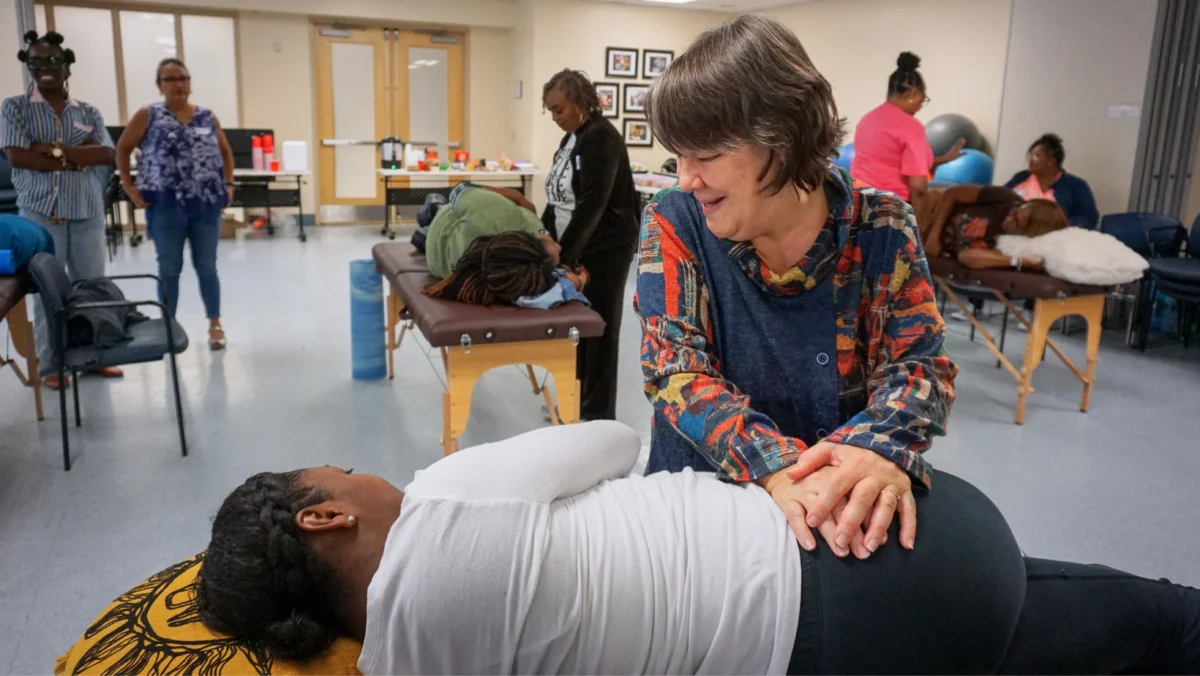
However, when a baby assumes a less-than-ideal position, it can present challenges that might lead to longer or more difficult labors. This is where the Belly Mapping® Method provides a practical solution. Rather than viewing fetal position as something entirely out of their control, parents are empowered to recognize these positions early. When a baby is identified as being in an awkward or non-optimal position, parents and their healthcare providers can collaborate to explore gentle, movement-based techniques designed to create more room and encourage better alignment.
By integrating these practices, the method transforms the expectant parent from a passive recipient of medical care into an active participant in their baby’s journey toward birth. This shift in perspective is at the heart of the new book. It provides a roadmap for parents to interpret the subtle clues their bodies offer, turning daily observations into a meaningful ritual of preparation and connection.
A Proven Approach to Prenatal Connection
One of the most compelling aspects of The Belly Mapping® Method is its accuracy. While many parents rely exclusively on ultrasound technology to track their baby’s development, Tully has spent years demonstrating that consistent, hands-on mapping can be highly accurate when compared to clinical imaging. This empowers families to feel confident in their own intuition and observations. The method is rooted in the belief that the parent is the expert on their own body and their own baby, and that with the right tools, they can develop a deep, working knowledge of their pregnancy.
The new book serves as a distillation of these two decades of experience. It moves beyond technical instructions, weaving in the playful and joyful aspects of pregnancy that are often lost in the clinical focus of prenatal checkups. Through beautiful illustrations and clear, accessible prose, the book invites families to engage with their pregnancy in a way that feels personal and profound. It is intended to be a resource that families can revisit throughout the third trimester, helping to demystify the experience and provide a sense of agency as the due date approaches.
Cultivating Confidence and Preparation
The goal of The Belly Mapping® Method is not to add another item to a stressful to-do list, but to offer a source of calm and connection. As readers engage with the book, they are encouraged to develop a deeper awareness of their baby’s movements. This increased sensitivity often leads to a greater sense of confidence, as parents feel more prepared for the realities of labor and birth. Whether a baby is already in an ideal position or requires a little encouragement to find more space, the book provides the tools necessary to support that process.
For those who find that they require more personalized guidance or who wish to deepen their understanding, the book also highlights the importance of professional support. Spinning Babies® Certified Parent Educators are available to provide individualized instruction, helping families tailor the Belly Mapping® techniques to their unique circumstances. This layered approach—combining self-study through the book with expert guidance—ensures that every family has access to the support they need to feel empowered during their pregnancy journey.
Integrating Creativity into the Prenatal Experience
Beyond the technical aspects of positioning, the book also touches upon the celebratory nature of pregnancy, including the popular practice of belly painting. For many, this is a creative way to mark the physical changes of the third trimester and to bond with the baby. The book offers inspiration for those interested in this practice, while also providing important safety reminders.
When engaging in belly painting, the quality of materials is paramount. The book advises readers to select water-soluble crayons, non-toxic markers, or high-quality, professional-grade face paints. It is a critical reminder that not all products labeled as "craft supplies" are safe for skin contact, particularly during pregnancy. Some inexpensive pigments may contain heavy metals or lead that are not always disclosed on the packaging. By encouraging parents to be mindful and selective about the products they use, the book ensures that this creative expression remains a safe and enjoyable part of the prenatal experience.
Ultimately, The Belly Mapping® Method is more than a manual; it is an invitation. It invites parents to slow down, observe, and celebrate the unique and fleeting period of pregnancy. By fostering a deeper connection between parent and child, the method aims to bring a sense of ease and joy to the preparation for birth. Through the release of this book, Gail Tully continues her long-standing mission to support families in navigating the complexities of birth with knowledge, confidence, and a sense of wonder. For those interested in incorporating these practices into their own journey, the book is now available as a resource to guide them through the final weeks of pregnancy and toward a more informed and connected birth experience.
The journey of a baby through the birth canal is a complex mechanical process, one where the positioning of the fetus plays a critical role in the efficiency and progression of labor. When a baby is in an optimal position, the descent through the maternal pelvis is typically smoother. However, when a baby enters labor in an occiput-posterior or occiput-transverse position—often colloquially referred to as being in a "sunny-side up" or sideways orientation—the process can become more challenging for the birthing parent. A new study recently published in the European Journal of Midwifery has provided fresh insight into these challenges, exploring how the Spinning Babies® approach may assist in facilitating the rotation of the fetus into an anterior position, potentially easing the transition through the birth canal.
What the Study Looked At
To better understand the impact of physiological positioning techniques, a group of midwives in Italy conducted a retrospective review of 244 births. Each of these births shared a common starting point: the fetus was positioned in either an occiput-posterior or an occiput-transverse orientation at the onset of labor. In clinical practice, these positions are often associated with longer labor times and increased maternal discomfort, as the widest part of the baby’s head must navigate the pelvic dimensions in a less-than-ideal alignment.
The researchers categorized the participants into two distinct groups to compare clinical outcomes. In the first group, parents were supported throughout their labor with the application of the Spinning Babies® approach, which utilizes specific movements and positions designed to encourage fetal rotation. In the second group, labor proceeded without the implementation of these specialized activities. The study’s primary objective was to determine the frequency with which babies in each cohort successfully rotated into an anterior position—the standard, most efficient orientation for birth—prior to delivery. By isolating these two groups, the researchers aimed to quantify whether the adoption of these techniques made a measurable difference in fetal alignment during the labor process.
What They Found
The results of the study indicated a significant disparity between the two groups. Among the cohort that utilized the Spinning Babies® techniques, 93% of the babies successfully rotated to an anterior position before birth. In contrast, the group that did not use these specific activities saw a rotation rate of approximately 64%.
Even after the researchers adjusted for other potentially confounding factors—such as parity, the use of epidurals, or induction methods—the data remained compelling. The analysis revealed that the application of the Spinning Babies® approach was associated with a 45% higher probability of the fetus rotating into the anterior position during the course of labor. While the authors of the study acknowledged that these findings are preliminary and that larger, randomized controlled trials are necessary to definitively confirm these results, the data offers a strong indication that such approaches may play a functional role in supporting the natural physiological process of fetal rotation.
Why Baby’s Position Matters
It is important to note that this specific study focused exclusively on the rate of fetal rotation and did not quantify secondary outcomes such as the total duration of labor, the level of maternal pain, or specific birth outcomes like the necessity for cesarean sections or instrumental deliveries. Despite this narrow scope, the findings hold significant weight for both providers and expectant parents. A baby’s position is a fundamental variable in the biomechanics of birth; when a fetus is well-aligned, the labor process is often more predictable and manageable.
For many parents, the ability to engage in techniques that support this alignment provides more than just physical benefits; it offers a sense of agency. By learning gentle, non-invasive ways to facilitate their baby’s movement, parents often report feeling more confident and actively involved in the birthing process.
The philosophy behind the Spinning Babies® approach is built upon three foundational principles: Balance, Gravity, and Movement. The framework operates on the understanding that the maternal body has an inherent capacity to create space and comfort, which in turn provides the fetus the necessary room to maneuver into an optimal position for birth. This is further supported by the "Pelvic Levels Solutions" framework, a systematic approach that helps birth workers and parents recognize the specific needs of the pelvis at different stages of labor. By providing guidance on which positions and movements can help "make space" where it is most needed, the method seeks to align with the body’s natural physiology rather than relying on external, clinical interventions. This latest research serves as an encouraging piece of evidence, suggesting that these physiological principles can be effectively integrated into standard care to support the natural mechanics of birth.
A Few Things to Remember
While the results of the Italian study are promising, they should be viewed within the broader context of maternity care. Every pregnancy and every birth is a unique, highly individual experience, and there is no single technique that guarantees a specific outcome. The authors of the study were careful to emphasize that further research is required to fully understand the mechanisms at play and to determine how these techniques might be most effectively applied across diverse populations.
Furthermore, it is essential for expectant parents to understand that the Spinning Babies® approach is designed to be a complementary practice. It is intended to function alongside the comprehensive care provided by doctors, midwives, and other healthcare professionals, rather than serving as a replacement for medical oversight. Decisions regarding labor and delivery should always be made in consultation with one’s primary care provider, ensuring that any movement or technique is appropriate for the individual’s specific medical history and current circumstances.
Looking Ahead
As the field of midwifery and obstetrics continues to evolve, there is a growing interest in evidence-based practices that prioritize physiological birth. This study represents a significant step forward in documenting the efficacy of techniques that have long been used in labor support but have historically lacked robust, peer-reviewed data. The encouraging results from this research have already sparked further interest within the medical community, with various research teams around the world currently conducting additional studies to explore how these principles influence birth outcomes on a larger scale.
The ongoing inquiry into how prenatal and intrapartum movement affects fetal position is part of a larger global shift toward understanding the mechanical and physiological aspects of birth. As more data becomes available, the integration of these techniques into standard maternity care could offer new, low-risk options for supporting labor progression. For those interested in tracking these developments, the Spinning Babies® organization maintains a dedicated research page, which aggregates current studies, collaborations, and emerging findings. This resource serves as a hub for those looking to explore the growing evidence base behind these practices, highlighting a commitment to scientific rigor as the understanding of the birth process continues to expand.
As research continues, the primary goal remains the same: to improve the experience of birth for both the parent and the infant through safe, supportive, and well-understood methods. Whether through future large-scale clinical trials or continued observational studies, the conversation surrounding the mechanics of labor and the role of maternal movement is clearly gaining momentum, offering a hopeful path forward for evidence-based maternity care.
Could mental models be the key to streamlining our hectic, fast-paced days? Do you ever experience those moments when everything seems to spiral completely out of control, leaving it feeling impossible to fit in all the tasks required of you? Of course you do. You are human, and above all, you are a parent trying to navigate the unpredictable landscape of modern family life.
These high-pressure days are a familiar reality for many working parents. One parent recently experienced a vivid reminder of how quickly a regular routine can dissolve into complete pandemonium. While usually working from home, this particular day brought a high-stakes professional obligation: an invitation to present at a live international webinar. It was an opportunity of significant personal and professional importance, one that had required weeks of careful preparation and anticipation.
The initial operational plan was straightforward and manageable. The schedule required getting up, dressing and feeding the children, dropping them off at their respective destinations, and then proceeding directly to the broadcasting studio where the live international event was scheduled to take place.
However, reality quickly intervened. Walking into the daughter’s bedroom to initiate the morning routine revealed an empty bed. She was found in the bathroom, having suddenly fallen ill with gastrointestinal sickness. After assisting her and managing the immediate cleanup, attention shifted to waking the young son to keep the timeline intact.
During breakfast, the complex dynamics of sibling rivalry immediately took hold. Feeling that his sister was receiving the lion’s share of attention, the young son began to cry inconsolably because his socks felt "too lumpy."
With the morning sock crisis finally averted, the logistical mountain still loomed large. The revised mission required getting the son safely to school, transporting the sick daughter to Grandma’s house, and somehow arriving at the broadcast studio on time. The mind was tumbling like a washing machine caught in a violent spin cycle. Even the simplest, most routine tasks had begun to feel as complicated as trying to put toothpaste back into a tube.
The Inevitability of Chaos and the Quest for Control
Days like this are an inescapable part of life, and certainly an inherent characteristic of parenting. Modern life is inherently complicated. Parents frequently find themselves forced to manage competing desires, urgent professional demands, and domestic priorities simultaneously. This raises a fundamental question for families everywhere: how can we predictably achieve good outcomes in such a complex, high-pressure environment without sacrificing our mental health?
The answer, according to cognitive science and everyday practical wisdom, may lie in how we process information and structure our decision-making.
Day to day, the sheer volume of information, stimuli, and responsibilities that individuals need to process can sometimes become entirely unmanageable. To deal with this cognitive burden and safeguard human beings against perpetual mental overwhelm, the human brain relies on specialized mental frameworks known as mental models. These models subconsciously order information using higher-order representations, helping the brain to simplify what is inherently complex.
Mental models can be thought of as cognitive shortcuts. They represent the best wisdom that others have already figured out over generations to improve efficiency in life and decision-making. Essentially, they distill the complexity of thousands of individual thoughts and actions into a single, simple, and understandable explanation.
Shane Parrish, the founder of the well-known self-improvement blog Farnam Street, has articulated this concept clearly. He notes that a mental model is simply a representation of how something works in the real world. Because human beings cannot keep all of the infinite details of the world active in their brains simultaneously, we use these models to simplify the complex into understandable and organizable chunks. According to Parrish, the ultimate quality of our thinking is directly proportional to the mental models we hold in our heads and their practical usefulness in the situation at hand.
Being consciously aware of different mental models, and knowing how to apply them in the right situations, can help individuals deal effectively with complexity. They reduce the risks associated with critical decisions and provide a wider array of options for how to respond when unexpected crises arise.
Three Mental Models for Parenting
For parents drowning in the daily whirlwind of domestic and professional responsibilities, certain mental models prove particularly valuable. When invoked correctly, these models help individuals overcome acute overwhelm, maintain a broader perspective, and successfully achieve desired outcomes even when the environment around them is falling apart.
One of the most powerful frameworks is the 80/20 Rule, widely recognized as the Pareto principle. This principle states that for many outcomes, roughly 80 percent of consequences originate from a mere 20 percent of the causes. This mathematical and logical observation proves exceptionally handy for busy households. Many parents find themselves juggling numerous competing priorities almost all of the time, leading to frequent states of overwhelm.
Applying this model during moments of crisis involves pausing to ask a clarifying question: out of all the countless things demanding attention right now, what are the one or two critical things that will actually produce 80 percent of the results truly desired? This simple mental exercise helps individuals ruthlessly focus on just one or two essential tasks, temporarily excluding the rest to ensure the most significant outcome is achieved.
Another highly effective framework is the analysis of bottlenecks and constraints. This mental model is frequently used to identify upstream blockages that prevent children from progressing, learning, or achieving their goals. When children and teenagers face a challenge, it is often natural for parents to look at the situation strictly at face value. However, the root cause of the problem is frequently located further upstream.
For example, when a child is visibly nervous about having to read a passage aloud to her entire class, a superficial reaction might involve having her repeatedly read the exact same passage over and over at the kitchen table. Applying the bottlenecks and constraints model, however, encourages a deeper look upstream. The actual underlying problem is often related to confidence and self-esteem rather than mechanical reading ability. Recognizing this means that simply helping her practice the reading is merely a temporary band-aid solution to a deeper issue that requires sustained, holistic support.
A third vital framework is the circle of competence. In professional psychology, the guiding aim is always to best serve patients by understanding the exact boundaries where professional competence begins and ends with respect to the patient’s specific needs, leading to appropriate referrals when necessary. Parents, by contrast, are required to perform in an extraordinarily diverse array of domains every single day. In some of these areas, a parent’s performance carries minimal long-term implications for their children, but in others, the stakes are exceptionally high.
Knowing the difference between these domains is the core utility of the circle of competence mental model. It serves as a practical tool to differentiate areas where a parent possesses genuine competence from areas where they do not. Acknowledging the specific domains where competence is lacking allows parents to actively fill that gap, either by taking the time to improve their own knowledge or by seeking outside input and expert guidance.
Mental models are certainly not universal cure-alls. Just like any other cognitive framework, they are open to interpretation, dependent on the context, and subject to their own limitations. However, many find that utilizing these conceptual tools makes it possible to visualize the bigger picture in any given circumstance. This broader perspective naturally highlights where effort and attention need to be directed most urgently. For busy parents constantly managing the unpredictable rhythm of family life, this clarity can significantly reduce stress and overwhelm, offering a welcome sense of stability when the day threatens to unravel.
For many couples navigating the demanding intersection of careers, raising children, and household responsibilities, the slow fade of marital intimacy can happen almost imperceptibly. Decades of shared routines, busy schedules, and the relentless demands of daily life often extinguish the initial spark that brought partners together.
For Christian couples, the parallel is often striking. Believers readily acknowledge that maintaining a close personal relationship with God requires intentional time, conscious effort, and regular spiritual reflection. Yet, the same individuals frequently fall into the trap of taking their spouses for granted, expecting a vibrant marriage to sustain itself on autopilot.
Drawing parallels from spiritual disciplines, relationship experts and long-married couples suggest that overcoming the “blah” periods in a marriage does not require resigning oneself to the pressures of time and busyness. Instead, by adopting intentional habits inspired by faith-based relationship models, partners can actively reconnect rather than passively drift apart.
Relationship veterans note that reclaiming lost closeness involves a deliberate shift in
perspective and routine. Five foundational practices can help couples navigate the common pitfalls of long-term complacency and reignite mutual affection.
1. Examine Yourself First
In spiritual life, personal reflection and the acknowledgment of individual shortcomings are viewed as pathways to renewal. Biblical traditions often emphasize introspection and humility as prerequisites for restoring closeness with the divine. Relationship advocates argue that a similar inward look is essential when a marriage begins to stagnate.
During routine or challenging phases, it is easy to focus exclusively on a partner’s shortcomings—viewing them merely as a co-pilot for domestic chores rather than a cherished companion. However, fostering true intimacy often begins with examining one’s own role in the emotional distance. Partners are encouraged to reflect on whether they have slipped into patterns of chronic complaining, taking routine contributions for granted, or viewing their spouse merely as an executor of household responsibilities.
By humbly evaluating personal faults and addressing individual contributions to marital friction, spouses can clear away emotional roadblocks. True connection rarely grows when obscured by unacknowledged personal grievances, making self-examination an important first step toward genuine reconciliation.
2. Dedicate Quality Time to Mutual Connection
In modern family life, carving out uninterrupted time for a spouse can feel nearly impossible, particularly during the child-rearing years. Even after children leave the home, couples frequently slide into separate daily routines and independent interests, slowly eroding their shared foundation.
Spiritual teachings consistently emphasize the necessity of seeking connection and setting aside dedicated time for communion and reflection. Similarly, the initial phase of any romance is characterized by an obsessive desire for proximity—frequent conversations, shared experiences, and constant communication. While the initial infatuation naturally evolves, the underlying need for shared time remains constant.
Overcoming the drift caused by busy schedules requires intentionality. For many couples, this means establishing non-negotiable daily habits, such as regular walks devoid of domestic or parental distractions. Other partners find success by repurposing unexpected windows of free time during the day—such as meeting for lunch while children are in school—to prioritize meaningful dialogue and emotional transparency. Sharing what is happening in one’s inner world helps maintain a strong relational bond long after the bustling years of raising a family have passed.
3. Introduce Novelty and Shared Adventures
Behavioral research consistently demonstrates that sharing new, challenging, and exciting experiences can significantly enhance relationship satisfaction, commitment, and love. Engaging in activities outside the ordinary routine stimulates curiosity, encourages mutual learning, and deepens emotional bonds.
Throughout history, faith traditions have highlighted how stepping into the unknown—whether taking on new responsibilities, serving communities, or embracing major life transitions—can strengthen a shared journey. In a marital context, introducing novelty does not necessarily require grand gestures.
For some couples, breaking out of a long-standing routine might involve discovering new music and dancing in the living room, while for others, it could mean taking on a collaborative volunteer project, learning a new sport, or traveling to unfamiliar destinations. Engaging in unfamiliar activities together disrupts complacency, allowing partners to view each other in fresh contexts and rediscover aspects of their shared partnership.
4. Prioritize Active Service
Love is frequently experienced as an emotion, but long-term relationships often reveal that love is sustained through action. Relationship psychology indicates that performing loving acts for a partner can actually generate and reinforce loving feelings, even during periods of emotional distance or frustration.
When individuals feel disconnected or annoyed by minor domestic habits, the instinct is often to pull away or withhold kindness. However, shifting the focus toward intentional service—such as managing a household chore differently to ease a partner’s burden or respecting a spouse’s need for transition time after a long workday—can fundamentally alter emotional dynamics.
Service fosters empathy and patience. By actively seeking to understand a spouse’s unspoken needs and responding with practical care, partners often find that their internal attitude softens, paving the way for renewed warmth and affection.
5. Sustain the Effort Over Time
Maintaining a thriving marriage is an ongoing process rather than a destination. Just as spiritual vitality requires daily cultivation, a healthy relationship demands continuous attention, self-awareness, and purposeful engagement.
By avoiding complacency, regularly examining personal attitudes, carving out dedicated time, embracing shared adventures, and practicing intentional acts of service, couples can prevent their relationships from growing cold. These deliberate steps provide the steady kindling needed to maintain a warm and enduring partnership through every season of life.