As the autumn air turns crisp and the holiday season approaches, homeschool families across the nation are preparing for a period rich in reflection, gratitude, and historic celebration. Rooted in both historical precedent and deep spiritual significance, the traditions observed from late November through December offer parents a meaningful way to pass faith, wonder, and the story of God’s faithfulness down to the next generation.
Drawing inspiration from biblical narratives, such as the twelve memorial stones stacked by the Jordan River when Israel crossed over, modern families are increasingly intentional about establishing practices that prompt children to ask questions and invite parents to share a living history. Just as Joshua instructed the Israelites to keep a story ready for inquiring minds, contemporary family traditions—ranging from a single candle lit each Sunday of Advent to a Psalm read aloud before a holiday meal—serve as modern-day memorial stones designed to last a lifetime.
The Foundations of Thanksgiving Traditions
The modern holiday calendar shifts quickly from the gratitude of late November to the anticipation of Advent, making simplicity the key to enduring family practices. The English word "tradition" stems from the Latin traditio, meaning "a handing over," and educators note that every household possesses values and memories worth passing down.
In the United States, Thanksgiving officially falls on the fourth Thursday of November, a national observance formally proclaimed under the new Constitution by President George Washington in 1789. For classical homeschool communities, Thanksgiving activities frequently weave together classical learning, Christian principles, and communal fellowship through repeatable, generational customs.
Among these practices is the creation of an Ebenezer Gratitude Jar, a custom inspired by 1 Samuel 7:12, where the prophet Samuel set up a stone named Ebenezer following a victory over the Philistines, declaring that the Lord had helped them thus far. Families practicing this tradition give each member a smooth stone and a paint pen on Thanksgiving to record a word or short phrase noting how God helped their household over the preceding year. Placed into a glass jar, these stones accumulate over time, offering a tangible chronicle of divine faithfulness that children can revisit even into adulthood.
Alongside visual mementos, families often incorporate oral recitations, such as memorizing and chanting the five verses of Psalm 100. By practicing a verse each week throughout November, children of all ages participate in corporate worship before the Thanksgiving meal. Historical texts also play a prominent role in holiday schedules. Rather than focusing solely on initial narratives of the Pilgrims, educators encourage reading aloud foundational documents such as George Washington’s 1789 Thanksgiving Proclamation or Abraham Lincoln’s 1863 proclamation, issued in the midst of the Civil War. These texts provide older students with opportunities to engage in thoughtful dialectic discussions, analyzing grammar, rhetoric, and historical context right at the dinner table.
Literature and hospitality further anchor the holiday. Families frequently read seasonal stories and poetry aloud by candlelight, ranging from classical harvest accounts to John Greenleaf Whittier’s traditional poem "The Pumpkin." Furthermore, many households practice intentional hospitality by setting an extra place at the table for a neighbor, a widow from church, a college student far from home, or a newcomer, fulfilling scriptural calls to show open-handed kindness. Over the years, compiling these memories into a family gratitude notebook creates a primary source document that preserves the names of guests, notable quotations, and collective expressions of thankfulness for future generations.
Embracing the Season of Advent
Following the close of November, the liturgical calendar moves immediately into Advent, the four-week period preceding Christmas. Derived from the Latin adventus, meaning "coming" or "arrival," Advent begins on the fourth Sunday before Christmas and invites believers to look in two distinct directions. Families simultaneously reflect upon Christ’s historical incarnation in Bethlehem and look forward to His promised future return.
This season introduces children to the spiritual discipline of waiting, mirroring the centuries Israel spent anticipating the Messiah. Through weekly candle lightings, prophetic scripture readings, and traditional carols, households experience a structured rhythm of holy anticipation that bridges the gap between Thanksgiving gratitude and Christmas Eve celebration.
Central to many classical and Christian homeschool homes during this period is the Jesse Tree, an Advent tradition that traces the lineage of Jesus from Creation to the manger through daily Bible readings and corresponding ornaments. Hung upon a small tabletop tree or a bare branch arranged in a vase, symbols such as an ark, a starry sky, or a crown introduce children to biblical history in chronological order. This practice pairs closely with historical timelines studied in classical education curricula, allowing students to connect biblical narratives with ancient history, such as the Roman census under Caesar Augustus that brought Mary and Joseph to Bethlehem.
Complementing the Jesse Tree is the traditional Advent wreath, which holds four outer candles and an optional fifth center candle for Christmas Day. Families gather around the dinner table each Sunday to light an additional flame, reading prophetic passages from Isaiah while children take turns tending the candles. As the light grows week by week, the visual progression marks the closing distance to Christmas.
On Christmas Eve, households traditionally read Luke 2 aloud, inviting children of varying ages to recite memorized portions of Scripture, ranging from the angel’s announcement to the shepherds to the opening verses of the Gospel of John. Music history also figures prominently in these weeks, with families studying the origins of historical carols. Hymns such as "O Come, O Come, Emmanuel" and Isaac Watts’s "Joy to the World"—drawn directly from Psalm 98—connect modern singers to centuries-old theological traditions and ancient Latin antiphons.
Service projects further define the month for many homeschool communities. Families frequently mark St. Nicholas Day on December 6 by quietly meeting practical needs within their local churches or neighborhoods, honoring the fourth-century bishop’s legacy of generosity. Others pack shoeboxes for international relief programs or sing carols at local senior living facilities, embodying the charitable ethos taught in Scripture.
Ultimately, educators emphasize that sustainable holiday traditions do not require an overwhelming schedule. By selecting a manageable combination of practices—such as lighting an Advent wreath, engaging in local service, and reading historic literature aloud—families can protect the rest and wonder of the season. As these simple, repeated actions take root year after year, they form a lasting heritage of faith, memory, and community connection that children carry forward into their own adult lives.
As the calendar moves toward late autumn, communities, workplaces, and educational institutions are preparing to observe World Kindness Day on Friday, November 13, 2026. While the occasion often brings to mind simple, spontaneous interactions—such as covering a stranger’s minor coffee tab or holding a door—behavioral researchers and mental health advocates emphasize that the impact of these gestures extends far beyond a fleeting moment of politeness. Emerging scientific studies continue to shed light on how intentional acts of goodwill can serve as a meaningful tool for stress reduction, emotional resilience, and social connection.
World Kindness Day is an unofficial global observance designed to highlight and encourage acts of kindness, both large and small. First established in 1998, the day grew out of the World Kindness Movement, a coalition of independent kindness organizations rather than a single visionary founder. The movement’s coalition took shape during a foundational conference in Tokyo, bringing together founding members from nations including Japan, Singapore, Australia, Canada, Thailand, the United Kingdom, and the United States. Organizers selected November 13 to mark both the opening day of that inaugural conference and the 35th anniversary of Japan’s historic Small Kindness Movement. In the decades since, the date has evolved into a widely recognized opportunity for individuals and groups worldwide to reflect on the value of empathy and human connection.
While the cultural tradition of World Kindness Day is well established, contemporary scientific research increasingly validates what many people intuitively feel after performing a helpful deed: that kindness yields a tangible boost to personal well-being. A notable 2023 study conducted by researchers at The Ohio State University explored this phenomenon among 122 adults experiencing moderate to severe symptoms of depression, anxiety, and stress. Over a period of several weeks, participants were assigned to one of three distinct activities: engaging in acts of kindness, planning social events, or practicing cognitive reappraisal, a psychological technique focused on reframing stressful events from a new perspective.
The study’s findings revealed that while all three interventions offered some relief, performing acts of kindness proved more effective than cognitive reappraisal in alleviating symptoms of depression and anxiety. Furthermore, the cohort assigned to acts of kindness was the only group that reported a statistically significant increase in feelings of social connection with others. These findings align with broader scientific literature, including a comprehensive review of 27 studies encompassing more than 4,000 individuals, which concluded that performing intentional acts of goodwill consistently generates a modest yet meaningful enhancement in psychological well-being.
In addition to improving general mood, kindness may also act as a buffer against acute stress. A two-week diary study involving 77 adults examined the daily interplay between stress levels, emotional state, and acts of assistance. Researchers found that while high stress typically suppresses positive emotions, participants who engaged in higher-than-average levels of helping behaviors on stressful days were able to maintain steadier moods. In essence, extending care to others appeared to cushion the psychological blow of a difficult day.
Mental health professionals and researchers note that while these findings are encouraging, much of the existing literature relies on short-term observations and self-reported mood assessments, meaning the long-term trajectory of these benefits remains a subject of ongoing study. Experts emphasize that while acts of kindness serve as a valuable complement to emotional health and well-being, they are not intended to replace professional medical care. Individuals experiencing persistent anxiety, low mood, or chronic stress spanning several weeks are encouraged to seek guidance from a qualified healthcare provider.
Despite the proven benefits of goodwill, navigating daily life during high-stress periods can make large-scale or high-energy participation feel daunting. Mental health advocates point out that observing World Kindness Day does not require grand gestures or elaborate public projects. Simple, low-pressure actions can easily be integrated into a routine schedule, regardless of an individual’s available time, energy, or budget.
One accessible approach involves reaching out to individuals who may be navigating difficult circumstances, such as a friend going through a challenging period, a distant relative, or a former colleague. Sending a brief "thinking of you" message—perhaps referencing a shared memory or a lighthearted observation—can foster connection without demanding an immediate reply. Experts suggest adding a low-pressure closing line, such as noting that no response is necessary, to accommodate individuals who may currently be feeling overwhelmed.
Another meaningful avenue for participation involves expressing written appreciation. This can range from leaving a thoughtful online review for a local independent business to writing a note of gratitude for a service worker or a colleague. For those working within structured environments, directing a note of recognition to a coworker’s manager can provide valuable professional reinforcement that might otherwise go unnoticed.
Specific compliments also offer a low-cost, high-impact way to brighten someone’s day. Rather than relying on generic remarks, offering targeted praise—such as acknowledging a colleague’s constructive contribution during a meeting or a service professional’s patience with a demanding situation—demonstrates genuine attentiveness. Similarly, anticipating needs before they are explicitly voiced, such as assisting with a heavy load or managing a routine shared task, can spare others the hesitation of asking for help.
For those with the financial flexibility, sharing a minor expense, such as rounding up a tip, covering a colleague’s lunch, or adding a friend’s beverage to an order, provides a straightforward way to act on an altruistic impulse. However, financial contributions are not a prerequisite for participation. Donating gently used clothing to a local shelter, contributing to a trusted charitable cause, or volunteering time for remote tasks—such as virtual tutoring or community card-writing initiatives—offer alternative paths for involvement. Organizations typically recommend verifying current donation guidelines in advance to ensure that contributed items directly match operational needs.
Finally, advocates stress that self-compassion remains a vital, yet frequently overlooked, component of kindness. Observing how one responds internally to personal setbacks and mistakes can reveal opportunities to adopt a more supportive internal dialogue. Taking a brief pause during moments of stress to acknowledge one’s own emotional state with the same patience and understanding one would offer a friend can help restore balance when external resources feel depleted. Through these varied and adaptable approaches, World Kindness Day continues to serve as an annual reminder of the quiet, enduring power of human empathy.
For many individuals seeking a profound, life-altering change, the desire to disconnect from modern urban pressures and reconnect with the natural world is a powerful calling. Each year, prospective students look toward intensive outdoor education programs to find clarity, resilience, and a renewed sense of purpose. Among the most prominent of these programs is The Immersion at the Wilderness Awareness School, an intensive multi-month journey designed to take participants from initial enrollment in the autumn to empowered graduation in the spring.
As program organizers note, many prospective students arrive at Day 1 of the curriculum ready to confront personal challenges head-on, seeking to build deep resilience and leadership skills rooted in nature connection. Reflecting on this transformative experience, a 2019 student known as Sam described the profound psychological and emotional shift facilitated by the program, sharing, “I had become stuck, and now that I’m taking part in The Immersion, so much gunk has been removed.”
However, despite the strong desire for personal reinvention and deep wilderness study, potential participants frequently encounter significant hurdles that threaten to derail their plans before they even begin. Recognizing these common roadblocks, administrators and alumni of the Wilderness Awareness School have detailed the primary obstacles facing applicants—financial constraints, the logistical hurdles of geographic relocation, and the complexities of taking a major life sabbatical—alongside the practical solutions available to help students overcome them.
Financial considerations consistently rank among the most formidable challenges for individuals considering a comprehensive wilderness program. Program tuition represents a significant investment, and for many, the upfront costs can seem prohibitive. Yet, school organizers emphasize that determination and resourceful planning can open viable pathways for prospective students.
To mitigate financial strain, applicants are encouraged to request scholarships during the admissions process. The Wilderness Awareness School offers financial assistance ranging from $500 to $3,000, funding made possible through the generosity of supportive donors who believe in the long-term societal value of deep nature connection and student development. In addition to scholarship opportunities, the institution provides flexible payment plan options. By allowing students to distribute their tuition payments across quarterly or monthly installments, the program enables many participants to maintain part-time employment while actively engaged in their studies, balancing financial responsibilities with their educational goals.
Beyond financial concerns, the logistics of relocation present another major barrier for individuals living outside the Pacific Northwest. Packing up one’s life to move to the greater Seattle area requires a substantial leap of faith, particularly given the region’s notoriously high cost of living. Despite these economic realities, the magnetic appeal of the majestic local forests often serves as a powerful motivator.
To address housing and cost-of-living challenges, Immersion participants frequently adopt creative communal living arrangements. Many students choose to secure shared housing together, a practice that not only reduces individual expenses but also fosters exceptionally close bonds within their peer group. Furthermore, the school benefits from an established, supportive community of alumni and local elders who frequently have rooms available for rent. Other students embrace alternative housing models entirely, transitioning into the popular "van life" lifestyle or finding cozy accommodations in nearby tiny houses and rural yurts, thereby integrating resourcefulness and adaptability into the very beginning of their journey.
The decision to step away from established careers and family networks—effectively taking a major life sabbatical—represents a third significant hurdle for prospective applicants. Leaving a steady job or moving away from loved ones is a daunting prospect, but program leaders argue that a career break can ultimately yield substantial professional and personal dividends.
Far from being a detriment to a resume, participation in an intensive leadership and wilderness program cultivates highly sought-after professional qualities. Graduates of The Immersion frequently report enhanced communication skills, greater emotional balance, and an improved ability to remain centered and effective under high-stress conditions. These attributes are increasingly valued by employers across a diverse spectrum of industries, leading alumni to find fulfilling careers in varied fields upon graduation.
Addressing the emotional challenge of leaving family behind, the program structure incorporates several extended breaks throughout the academic calendar. These scheduled intervals provide students with dedicated time to travel home, visit loved ones, and share their newly acquired wilderness and survival skills with family and friends.
The transformative potential of the curriculum extends far beyond the classroom setting, immersing students directly into the varied ecosystems of the region. During specialized field expeditions, such as a recent journey to Eastern Washington, student groups—affectionately organized into clans, such as the Frog Clan—have the unique opportunity to observe local wildlife, including Great Horned Owls resting in the fading light of sunset. These direct, immersive encounters with nature reinforce the core curriculum, turning theoretical knowledge into lived experience.
For those contemplating whether to take the leap, program coordinators emphasize that the discomfort of feeling stuck is often the precise signal that a change is necessary. By addressing financial barriers through scholarships and payment plans, solving housing challenges through shared community resources, and reframing career breaks as professional development, the Wilderness Awareness School continues to help students clear the path toward personal growth. Prospective participants interested in learning more about the curriculum or scheduling a consultation can reach out directly to the Immersion Admissions Coordinator to explore enrollment options for upcoming cohorts.
Embarking on the adoption journey represents a profound and life-altering commitment for prospective parents, and one of the earliest, most critical decisions families face is selecting the right adoption agency. While a small percentage of prospective parents choose to navigate the legal and placement processes independently through private attorneys or adoption consultants, the vast majority of families work directly through licensed, child-placing agencies. Because this partnership will guide families through some of the most emotionally and logistically complex moments of their lives, understanding what to look for in an agency is essential for a smooth and transparent process.
For families beginning this path, industry experts and organizational leaders emphasize several foundational factors that can help distinguish a reputable, supportive agency from others. From legal accreditations and financial transparency to robust educational resources and ongoing post-adoption support, these key indicators help ensure that prospective parents, birth parents, and ultimately the children are thoroughly supported at every phase of the transition.
Look for Hague Accreditation
Among the primary considerations when evaluating adoption agencies is ensuring that the organization holds proper credentials, most notably Hague Accreditation. This vital accreditation guarantees that an agency strictly meets rigorous international and federal standards established by the Hague Convention on Protection of Children and Co-operation in Respect of Intercountry Adoption. While the standard is primarily associated with international adoption, finding an agency with robust credentials signals a commitment to ethical practices and regulatory compliance.
To begin this search, prospective parents frequently utilize specialized directories that allow them to filter organizations by their accreditation status and professional standing. Trusted resources include the National Council for Adoption directory and the Christian Alliance for Orphans member directory. These platforms help families connect with verified organizations that adhere to high standards of professional and ethical conduct, laying a secure foundation for the adoption process.
Choose an Agency That Is Transparent About the Process
Every adoption journey is entirely unique, shaped by the specific type of adoption, the placing agency, and the individual circumstances of the families and children involved. However, a reliable and trustworthy agency should be capable of providing a clear, comprehensive explanation of each step of the process before prospective parents officially sign on or begin their paperwork.
Understanding the road ahead helps alleviate anxiety and prepares families for the emotional and administrative milestones they will encounter. Detailed timelines provided by established organizations, such as the step-by-step guidance offered through Christian Adoption Services for domestic adoption processes, illustrate how transparent agencies outline everything from initial application to final placement. When an agency clearly maps out the journey, families can approach each phase with realistic expectations and steady confidence.
Get a Clear Breakdown of Costs Upfront
Financial planning is universally recognized as one of the most challenging aspects of pursuing adoption. Consequently, prospective parents must seek out agencies that practice absolute financial transparency from the very beginning. A reputable agency should be prepared to provide a complete, itemized list of projected costs upfront.
This comprehensive financial breakdown should encompass all potential expenses, including home study fees, administrative and agency processing fees, in-country travel costs if applicable, and legal expenses. Having a clear and accurate picture of these financial obligations before entering into a contract enables families to plan, budget, and explore potential funding avenues, such as grants and loans, with greater clarity and peace of mind.
Prioritize Education Resources
Preparation is a cornerstone of successful and healthy adoptive placements. Education remains an exceptionally important aspect of the adoption experience, equipping prospective parents with the tools, trauma-informed perspectives, and parenting strategies they will need long before their child ever arrives home.
Because the dynamics of adoption require specialized understanding, families are strongly encouraged to look for agencies that offer robust educational opportunities spanning both pre-adoption preparation and post-adoption support. Comprehensive learning experiences, such as those provided online by organizations like Lifeline Children’s Services, serve as exemplary models of how agencies can empower families through continuous learning, ensuring parents are well-prepared for the unique joys and challenges of raising an adopted child.
Look for Thorough Agency Support
The responsibilities of a quality adoption agency extend far beyond the initial placement phase. Comprehensive agency support that deliberately serves the prospective parents, the arriving child, and the child’s birth parents is a critical metric of an agency’s integrity and dedication. Adoption is a lifelong journey that creates an extended community, and the care provided should reflect that reality.
Specialized programs, such as the Post Adoption Connection Center offered by Nightlight Christian Adoptions, demonstrate the kind of continued, long-term support necessary to help all members of the adoption triad navigate post-placement adjustments, identity questions, and relational continuity. Agencies that invest in this level of ongoing care provide a vital safety net for families as they grow together over the years.
Adoption Agency and Show Hope Eligibility
For many families navigating the financial hurdles of adoption, securing external financial assistance is a vital part of making their dream a reality. Organizations like Show Hope offer specialized adoption aid grants designed to ease the financial burden on prospective parents. However, eligibility for such grants is often tied directly to the credentials of the chosen placing agency.
Families who plan to apply for a Show Hope Adoption Aid grant must be actively working with a licensed, child-placing agency that holds official 501(c)(3) nonprofit status to remain eligible for consideration. Furthermore, organizational guidelines stipulate that prospective parents who are currently on waiting lists with multiple agencies or who are utilizing an adoption consultant should refrain from applying for a Show Hope grant until they have been officially matched through a licensed placing agency.
Choosing an adoption agency marks one of the most significant preliminary steps on the path to growing a family. By carefully evaluating agencies based on their accreditation, transparency, financial clarity, educational offerings, and ongoing support systems, prospective parents can build a strong partnership for the road ahead. Organizations such as Show Hope remain committed to walking alongside families through every phase of their adoption journey, offering resources and guidance to help bring waiting children into loving, permanent homes.
The modern educational landscape often presents parents with an impossible standard of perfection. For many educators and parents navigating alternative schooling models, a persistent internal narrative exists: the archetype of the flawless educator. This mental construct effortlessly manages curriculum, remains completely unfazed by emotional turbulence, and guides children along a seamless, linear trajectory of academic and personal growth.
Yet, for Jamie C. Martin, founder of Simple Homeschool and author of several parenting texts, this idealized figure is both a source of inspiration and deep frustration. In recent commentary reflecting on the realities of alternative education and contemporary parenting, Martin addresses the heavy psychological burden carried by conscientious caregivers. She explores the sharp contrast between the theoretical "best" championed by societal expectations and the authentic, often imperfect "personal best" that families experience during challenging seasons of life.
The discussion touches on a fundamental truth of parenting and education: neither a complete nor a perfect education is strictly necessary or realistically attainable. Citing educational writer Suzie Andres from Homeschooling with Gentleness, Martin emphasizes that the true objective of early instruction is far simpler and more profound. If a parent or educator can successfully awaken a child’s intrinsic love of learning and help them develop a lifelong appetite for discovery, they have accomplished enough.
Despite this reassuring philosophy, the pressure to maintain an immaculate daily routine remains potent. When real life inevitably intrudes—bringing with it unexpected stress, emotional friction, or systemic hurdles—the illusion of the flawless educator shatters. According to Martin, recognizing this limitation does not signal failure; rather, it marks the transition from chasing an impossible standard to delivering a genuine, individualized effort.
To visualize the shifting demands of modern education, Martin draws upon an analogy shared by her colleague, Lisa Grace Byrne. Parenting and educating children do not follow a uniform path. In certain seasons, the journey resembles a walk across a flat, expansive grassy field. Progress is steady, measurable, and easily visible as families cover significant ground one comfortable step at a time.
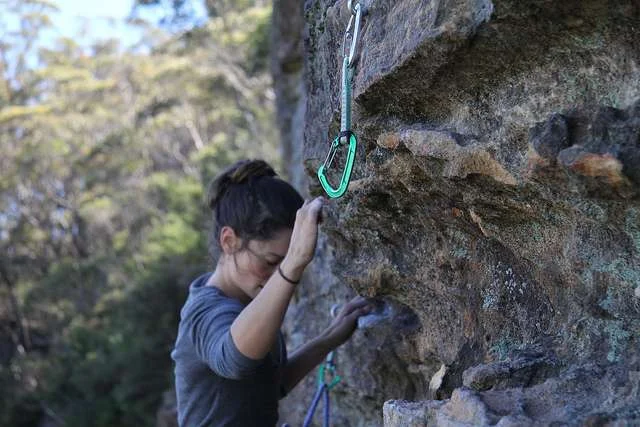
However, other periods bring educators to the base of a towering, sheer rock wall. Turning back is neither practical nor desirable, leaving climbing as the only viable method for moving forward. This ascent requires immense effort, defined by slow, cautious grips and handholds secured through sheer persistence. While forward momentum continues, it bears no resemblance to the smooth stroll across the meadow.
The quality of education and emotional support a family requires during a meadow phase differs drastically from the survival-mode strategies deployed while scaling walls. Martin notes that recognizing this distinction is essential for avoiding burnout. Whether families are confronting chronic health challenges, adjusting to the arrival of a newborn, navigating the steep learning curve of a new educational path, supporting a child with special needs, or coping with personal loss, the definition of success must shift.
Society often pressures individuals to abandon ship when circumstances become difficult, but everyday life demands that parents play the cards they have been dealt. When caregivers offer the absolute best they can muster under unique and arduous conditions—even if that offering feels meager or inadequate—they have fulfilled their fundamental duty.
This perspective finds echoes in the reflections of various educational and spiritual writers. Mother Teresa famously noted that divine expectation centers on faithfulness rather than traditional definitions of success. Similarly, drawing from Holly Pierlot’s A Mother’s Rule of Life, Martin highlights the biblical metaphor of the loaves and fishes. It was not the meager quantity of food that fed the multitudes, but the combination of a humble offering with a larger blessing. In educational settings, ordinary, imperfect efforts, when offered sincerely, are often magnified to meet the genuine needs of a family.
For parents weathering these difficult climbing seasons, anchoring oneself in established wisdom serves as a vital anchor. Re-reading foundational texts, reviewing personal notes, and reflecting on the underlying motivations for choosing alternative education help dispel self-doubt. Furthermore, research and personal reflection reveal that anxieties regarding educational outcomes are universal, affecting families regardless of whether children attend traditional institutions or learn at home.
Every parent brings a distinct set of natural strengths to the table—qualities so deeply ingrained they often seem ordinary or unremarkable. Yet, what feels normal to an individual caregiver can profoundly shape a child’s developmental environment. Educational author Sarah Mackenzie, in her work Teaching from Rest, advises caregivers to identify their authentic traits and build an environment around innate strengths rather than attempting to recreate standardized classroom milestones that may cause friction and unhappiness.
Ultimately, the journey of education is not about matching the output of an idealized archetype. It involves walking alongside children with honesty, acknowledging the genuine difficulties of the path, and encouraging mutual resilience. By embracing personal limitations and offering a sincere, albeit broken, best, parents may find that their authentic contributions are precisely what their children need most.
In the delicate and often isolating landscape of bereavement, discussing personal growth that emerges from profound tragedy remains a deeply complex and sensitive endeavor. For years, mental health professionals, researchers, and those who have suffered the unimaginable loss of a loved one have wrestled with a delicate reality: while experiencing positive transformation or personal evolution out of tragedy is entirely possible, it is a concept that is frequently met with hesitation.
The core challenge of acknowledging this growth lies in the absolute permanence and gravity of death. No amount of personal growth, shifted perspective, or newly found inner strength could ever retroactively justify or compensate for the loss of a beloved person. Yet, despite this unalterable truth, many individuals who navigate the depths of grief eventually report a fundamental shift in their outlook, emotional resilience, or worldview—changes that can accurately be characterized as personal growth. Crucially, experts emphasize that this growth does not erase, cancel out, or diminish the profound pain of grief. Instead, it can serve as a vital source of support, providing individuals with an internal framework to help carry the heavy burdens of their new reality.
The phenomenon of emerging from trauma with altered perspectives is not a new observation, though it has gained significant academic and clinical attention over the past several decades. In the mid-1990s, psychologists Dr. Richard Tedeschi and Dr. Lawrence Calhoun pioneered the framework of Post-Traumatic Growth, commonly referred to as PTG. Their extensive research sought to understand and contextualize the ways in which severe trauma, including the profound loss of a loved one, can lead individuals to experience positive psychological change alongside their sorrow.
According to the models developed by Tedeschi and Calhoun, this growth typically manifests across five distinct domains: an increased appreciation for life, deepened and more meaningful relationships with others, a heightened sense of personal strength and resilience, significant spiritual or existential changes, and the recognition of entirely new possibilities for the future. However, the foundational research on PTG carries a critical caveat: while personal growth is entirely possible in the wake of profound loss, it is never an inevitable byproduct or a guaranteed stage of the healing process.
Change, on the other hand, is entirely guaranteed. Grief resulting from the death of a loved one is universally recognized as a life-altering, transformational experience that draws a permanent line between the life that existed before and the reality that follows. Individuals do not simply return to the exact emotional or psychological baseline they occupied prior to their loss; rather, they land in a fundamentally different place. Grief alters how people understand the world around them, how they value and navigate relationships, what priorities take center stage in their daily lives, and how they define their overarching sense of purpose and meaning.
While change is an inevitable consequence of profound loss, growth is not handed down automatically by time. True personal growth operates as an outcome of personal agency—it is forged through the deliberate, often agonizing choices individuals make in the midst of a transformative and destabilizing grief journey.
Extensive insights from PTG research indicate that any growth emerging from deep tragedy is fundamentally tied to the conscious and unconscious choices people make regarding their mindset, their approach to self-care, and the coping mechanisms they adopt. These choices are rarely uniform and can look drastically different from one moment to the next. In the raw, chaotic aftermath of a devastating loss, the immediate priority for a grieving person is often entirely basic: simply feeling the crushing weight of the pain, remembering to breathe, and holding on through another day. There is no rigid, step-by-step manual or instructional guide detailing how to simultaneously carry overwhelming sorrow while effectively practicing self-care and long-term coping. For most, the journey is inherently messy, intensely painful, hard-fought, and deeply individual.
Grief over the death of a loved one is fundamentally not a choice, nor is it a technical problem waiting to be solved or a temporary medical condition that a person eventually gets over. Instead, it is an ongoing human experience to be lived, carried, and honored. Growth, regardless of the shape it takes, can never serve as a substitute or cure for this pain.
Echoing this perspective, Dr. Joanne Caciatorre—a bereaved mother, prominent researcher, author, and trainer—writes that grief is not a medical disorder to be cured, nor is it a spiritual crisis to be resolved or a social woe to be addressed. As she notes, grief is simply a matter of the heart to be felt. Because growth and grief permanently co-exist within an individual’s life, the emergence of personal strength does not strip away the underlying sorrow.
Nevertheless, experiencing even small increments of personal growth can provide individuals with the vital strength required to carry their grief, slowly reinvest in the possibilities of everyday life, discover new meaning and purpose, and cultivate stronger, more authentic relationships with others. Because every grieving person’s emotional blueprint is entirely unique, what proves deeply helpful to one individual may hold little value for another. Navigating personal agency and making difficult, conscious choices in the middle of overwhelming grief is an exceptionally challenging endeavor that carries no expiration date or predefined timeline.
Given the profound intensity of the process, professionals strongly caution against self-judgment or holding oneself to arbitrary recovery standards. Instead, the focus often shifts toward how a person can begin making small, intentional choices that gently influence the ways grief transforms their life over time.
One foundational starting point involves being intentional and deliberate about daily choices. In the early stages of bereavement, grief can be thoroughly debilitating, systematically draining an individual’s physical energy, occupying their mental bandwidth, exhausting their emotions, and weighing heavily on their spirit. Because of this profound depletion, intentionality can look like very modest actions: choosing to physically get out of bed, stepping outside for a brief moment of fresh air, listening to a familiar piece of music, accepting an invitation to share coffee with a trusted friend, taking a short walk, or simply watching the sunrise or sunset.
When an individual operates with severely limited energy, cognitive capacity, or baseline motivation, carefully steering those minute-by-minute decisions becomes essential. Rather than attempting to map out grand plans or lofty future goals, grieving individuals can ground themselves in the immediate present—focusing entirely on their next input and deciding what to do in the immediate next moment, even while enveloped in deep sorrow. Often, these seemingly insignificant choices accumulate over time to produce a much larger and more restorative impact than initially anticipated.
Equally vital to the journey is the conscious connection with a supportive community. While solitude can occasionally offer a necessary sanctuary for reflection during grief, lingering in isolation for too long can deepen suffering. Many individuals discover that finding and connecting with compassionate, understanding peers is instrumental to their emotional survival.
Inevitably, the landscape of personal relationships shifts following a profound loss; some existing relationships may naturally fade away, and in many cases, they perhaps should. People who have not experienced a similar magnitude of loss often struggle to fully comprehend the reality of the situation, frequently saying or doing things that inadvertently alienate the bereaved or strain the relationship.
At the same time, identifying and maintaining the relationships that remain genuinely important can anchor an individual to a sense of community, even during periods when emotional connection feels out of reach. This brand of supportive community is frequently found among those who have walked a parallel path through similar tragedies.
Reflecting on the founding principles of The Compassionate Friends movement, Reverend Simon Stephens observed that bereaved parents supporting one another through shared experience could offer a depth of understanding that traditional clergy or outside counselors simply could not replicate. Peer support works precisely because being in the presence of others who understand on a visceral, personal level helps individuals bear a weight that cannot be carried alone.
Organizations like The Compassionate Friends continue to provide structured networks of support where families navigating the death of a child can connect with peers, access educational and supportive resources, honor the memory of their loved ones, and find compassionate community.
For anyone currently traversing the complex terrain of bereavement, professionals advise extending deep patience to oneself. Because grief is an all-encompassing, transformational experience that irrevocably alters the trajectory of a life, experts encourage individuals to ignore outside pressures that attempt to rush the process and instead set their own personal pace. There are no universally right or wrong ways to grieve.
As individuals feel ready and capable, taking incremental steps toward self-care, making manageable daily choices, and exploring supportive coping strategies can pave the way forward. By reading, researching, and learning from the shared wisdom of others, the bereaved can discover approaches that resonate with their specific needs—and, in time, share those insights to help support others along the way.
When readers think about the intricate creative process that goes into producing a beloved children’s book, research is rarely the first thing that comes to mind. For many casual readers, the creation of a story for young minds feels like an exercise of pure imagination—a magical stroke of inspiration where characters and worlds spring fully formed from an author’s mind. In fact, research might not even make it onto a list of elements associated with children’s literature at all.
However, behind the colorful illustrations, playful rhymes, and engaging narratives lies a foundation of rigorous, often surprising research. Far from being a dry academic chore, investigative work serves as an essential engine for creativity in the realm of children’s publishing. According to literary professionals and creators, diving deep into a subject can transform a simple story into an immersive, authentic world that captures the imaginations of young readers and adults alike.
In a recent episode of the Read-Aloud Revival podcast, titled "Sparking Creativity with Research," host Sarah Mackenzie tackles this overlooked aspect of the publishing industry. The episode features insights from a lineup of incredible authors and illustrators who pull back the curtain on the unexpected investigative work required to bring their books to life. Whether listeners are aspiring authors hoping to break into the children’s book market or simply curious readers eager to understand the mechanics of their favorite stories, the episode offers a fascinating look at the hidden side of storytelling.
For those who have experienced it firsthand, the research process can be time-intensive, occasionally overwhelming, but ultimately one of the most delightful parts of the creative journey. Authors often find themselves tumbling down rabbit holes of historical archives, scientific journals, or cultural studies just to get a single detail right in a picture book meant for preschoolers. This meticulous attention to detail ensures that even the most whimsical tales maintain a core of truth and credibility that resonates deeply with readers.
Throughout the episode, the featured creators discuss the various ways investigation fuels their imagination rather than stifling it. While some might assume that facts and figures restrict creative freedom, these authors and illustrators demonstrate that boundaries and real-world truths actually provide a sturdy framework upon which fantastical ideas can safely grow. A deep dive into the habits of a specific animal, the architecture of a historical era, or the ecological details of a distant ecosystem can spark entirely new plot twists, character traits, and visual motifs that the creator never initially anticipated.
In addition to exploring the creative mechanics of children’s literature, the episode highlights the ongoing conversation about how adults can better connect with young readers through books. Reading a story aloud is often just the beginning of a larger literary journey; the conversations that follow can solidify a child’s comprehension, emotional intelligence, and lifelong love for literature. To help parents and educators navigate these discussions, the platform offers resources designed to make meaningful conversations about books simple and accessible. These materials provide practical strategies for adults to talk with children about books, even if the adult has not had the time to read the book themselves.
As the children’s book industry continues to evolve, the appreciation for well-researched, authentic storytelling remains stronger than ever. Listeners tuning into the latest podcast episode are invited to reconsider how stories are built and to appreciate the invisible labor of love that goes into every page turn. By shining a light on the intersection of research and creativity, the discussion ultimately reinforces the idea that great children’s literature is built on a foundation of genuine curiosity and discovery.
In the landscape of modern obstetrics, the conversation surrounding cesarean birth has reached a critical juncture. On November 24th, The New York Times published a significant report titled “These Hospitals Figured Out How to Slash C-Section Rates,” which investigated the persistent challenge of rising surgical intervention rates in the United States. The article highlighted the success of Rochester General Hospital in New York, which, through a fundamental re-evaluation of its birth culture, has successfully lowered its cesarean section rates in recent years. Among the strategies credited for this success was the integration of the Spinning Babies® approach, a methodology centered on fetal positioning and maternal comfort. The team at Spinning Babies® has since offered a formal reflection on these findings, viewing them as a validation of a physiology-first approach to labor and delivery that prioritizes patience, movement, and the innate capabilities of the birthing body.
A Shift Toward Patience and Physiologic Care
The success story out of Rochester General Hospital is particularly compelling because it did not rely on the introduction of high-tech medical devices or experimental surgical interventions. Instead, the hospital’s obstetrics team—which manages approximately 1,800 births annually—achieved its results through a transformative shift in the institutional philosophy regarding labor. For years, the facility had struggled with high cesarean rates, a trend that was especially pronounced among healthy, first-time parents. By pivoting away from a strictly clinical, intervention-heavy model, the staff began to prioritize the relational and physiological aspects of the birthing process.
This shift meant fostering a culture of patience. Rather than adhering to rigid timelines that often lead to unnecessary interventions, the staff at Rochester General began to emphasize thoughtful, steady support. This included a significant expansion of midwifery care, which is frequently associated with lower rates of medical intervention, and the active encouragement of maternal positions that create pelvic space and facilitate fetal descent. By embracing a "physiology-first" mindset, the hospital addressed the subtle but profound impacts that time pressure, staff expectations, and underlying beliefs about labor can have on the actual progression of birth. For many parents and advocates, these changes represent a return to the foundational belief that birth is a natural process that unfolds most effectively when the birthing person feels secure, respected, and empowered to find their own rhythm.
Understanding the Non-Medical Drivers of Rising Cesarean Rates
The New York Times report touched upon a reality that has long been discussed within the maternal health community: while medical necessity is always a factor, the frequency of cesarean sections is often influenced by variables that have little to do with the health of the parent or the baby. Research consistently points to a complex web of non-medical influences that shape how a clinician approaches a laboring patient. These include a provider’s personal comfort level with the nuances of birth, a clinical environment characterized by a fear of potential litigation or complications, and even logistical factors such as the time of day, current staffing patterns, and institutional payment structures.
It is essential to clarify that acknowledging these influences is not a dismissal of the cesarean section as a life-saving procedure. When medically indicated, the cesarean remains a vital, essential, and sometimes lifesaving intervention. However, the data from institutions like Rochester General suggests that when these non-medical pressures are mitigated, the rate of surgery drops, revealing that many prior interventions were potentially unnecessary. The narrative here is that birth is a deeply relational experience, shaped by the environment, the quality of interpersonal support, and the freedom of movement allowed to the birthing person. When the medical team prioritizes space and comfort, they allow the body and baby to work in tandem, often reducing the need for surgical escalation.
The Role of Physiology and the Spinning Babies® Approach
For years, families and birth professionals have observed a recurring pattern: when the body is supported in finding balance and the birthing person feels emotionally and physically secure, labor tends to flow with greater ease. From a physiological standpoint, babies move more effectively through the birth canal when they have the space and the time to rotate into optimal positions. The Spinning Babies® approach is built upon the premise that maternal movement and positioning can facilitate this process, helping to resolve minor malpositions that might otherwise result in a "stalled" labor.
The impact of this approach was clearly observed at Rochester General Hospital. As part of their efforts to modernize their labor and delivery protocols, the hospital introduced specialized training for its nursing staff on techniques designed to support fetal positioning. Clinicians reported that these strategies made a tangible difference, as nurses gained the confidence and the tools to offer patients positions that directly supported the physiology of birth. By providing this education, the hospital empowered its staff to move beyond traditional, restrictive labor management and instead engage in active, supportive care that helped babies navigate the pelvis with greater ease. These observations serve as a real-world confirmation of what many advocates have maintained for years: when clinical care is responsive to the physiology of birth, the birth process itself often unfolds with more confidence and efficiency.
Balancing Safety with Trust in the Birthing Process
While the trend toward lower cesarean rates is a positive development, it is equally important to maintain a realistic perspective on maternal health. The clinicians who contributed to the New York Times article were candid about the reality that the modern obstetric landscape involves a growing number of pregnancies complicated by health conditions that necessitate highly attentive, clinical care. In such instances, a cesarean birth is not just an option—it is the safest possible path.
However, the core takeaway from the success at Rochester General is that the "safety" of a birth is not solely defined by the presence of surgical intervention. Instead, it is found in a supportive culture that distinguishes between true medical necessity and interventions driven by institutional inertia or rigid, outdated timelines. When hospitals invest in the resources necessary for midwifery and nursing care, and when they foster a culture where birth is allowed to proceed at its own natural pace, the result is often a significant decrease in the number of people who feel pushed toward surgery. This creates a safety net where the cesarean remains a tool for emergencies, rather than a default response to a labor that is simply taking time.
A Reassurance for Families
The reflection provided by the Spinning Babies® team is intended not as a critique of individual providers or a glorification of a single institution, but as a message of empowerment for families everywhere. The core of this message is simple: the human body carries an inherent wisdom, and the birthing process is guided by the instincts of both the parent and the child. When a family is surrounded by care providers who have faith in the physiology of birth and the skill to support that process with patience, the result is a more positive, confident, and empowering experience.
This shift in the national conversation serves as a valuable reminder for expectant parents. It reinforces the importance of asking questions, exploring all available options, and collaborating with a care team that respects the individual’s needs and the body’s physiological requirements. Whether a birth follows a traditional path or requires medical intervention, every person deserves a standard of care built on partnership, mutual respect, and steady, informed support. As the medical community continues to analyze how to improve birth outcomes, the success of hospitals like Rochester General highlights that the most effective tool in the delivery room may not be a new machine, but a renewed commitment to the humanity and physiology of birth.
For individuals classified as highly sensitive persons (HSPs), the journey of parenthood brings a unique set of profound joys and intense challenges. Experiencing the full arc of life more vibrantly—capturing both the deepest pain and the most exquisite beauty—means that everyday experiences leave a lasting imprint. For clinicians and psychologists who navigate this trait firsthand, high sensitivity is understood as a dual reality: a profound gift that deepens empathy and connection, but also a distinct vulnerability to overstimulation, particularly within the chaotic environment of raising children.
To maintain emotional stability and achieve optimal wellbeing, experts emphasize that intentional self-care is not a luxury for HSPs, but an absolute necessity. This requirement becomes exponentially more critical when highly sensitive individuals step into the demanding role of parenthood, where sensory inputs, emotional demands, and constant decision-making can quickly deplete limited internal resources.
What is a Highly Sensitive Person?
Sensitivity, recognized scientifically as sensory processing sensitivity, is a biologically based temperament trait distributed across a continuum ranging from high to low sensitivity. Extensive research in the field indicates that human populations naturally divide into three distinct groups. A comprehensive study conducted in 2018 revealed that approximately 31 percent of the general population exhibits high sensitivity, while roughly 40 percent fall into the moderate sensitivity category, and the remaining 29 percent display low sensitivity.
At a neurological level, highly sensitive individuals are believed to possess a more reactive nervous system. This biological framework causes them to process sensory information with greater depth, leaving them more prone to sensory overstimulation, heightened emotional intensity, deep empathy, and an exceptional capacity for noticing fine details and subtle changes in their immediate environment. Because HSPs think and feel with such intensity, this deeper level of cognitive and emotional processing means they reach the threshold of overwhelm much faster than others. For many, environments like a brightly lit, loud children’s game arcade or a bustling shopping center can trigger complete sensory overstimulation in a matter of minutes.
Crucially, high sensitivity is a natural variation in human genetics—a form of neurodiversity present from birth. It is entirely distinct from a personal weakness, a character flaw, or a psychological disorder. Evolutionary and biological studies underscore this reality, as similar traits corresponding to high sensitivity have been documented in over 100 non-human animal species. This widespread presence across the animal kingdom strongly suggests that the trait confers a distinct evolutionary survival advantage.
Further research demonstrates that when placed in optimal environments—those characterized by deep support and nurturing rather than harshness and rejection—highly sensitive children and adults do not merely survive; they flourish. In supportive settings, HSPs frequently match or even outperform their less-sensitive peers across a variety of domains, including social competence and academic achievement.
However, unlocking this potential and maintaining psychological health as an HSP and a parent requires deliberate planning. According to Joel Moffat, a psychologist and therapist specializing in work with HSPs, highly sensitive individuals must seriously consider developing a structured framework for nurturing themselves in alignment with their unique physiological and psychological needs. This requires a careful evaluation of how daily life interacts with sensory thresholds.
Practising Self-Care as a Highly Sensitive Parent
The implementation of effective self-care for highly sensitive parents begins with a fundamental shift in perspective regarding priorities within the family dynamic.
HSPs are naturally endowed with deep empathy and a strong inclination toward caring for others. This innate compassion often makes it remarkably easy for them to place the needs of their children, partners, and workplaces far ahead of their own. Yet, developmental and psychological experts note that if parents want their children and families to experience them at their absolute best, tending carefully to their own fundamental needs is non-negotiable.
This dynamic mirrors standard airline safety briefings regarding emergency oxygen masks: passengers are instructed to secure their own masks before assisting others, including dependent children. This practice is rooted in practicality rather than selfishness. When an individual is depleted, they cannot effectively support those around them, reinforcing the timeless adage that one cannot pour from an empty cup. Consequently, investing time and energy into personal wellbeing functions as a vital act of love not only toward one’s children, but toward everyone sharing the household and community.
To operationalize this care without falling into chronic exhaustion, highly sensitive parents can utilize the concept known as spoon theory. Developed originally by Christine Miserandino, the metaphor uses physical units—spoons—to represent the finite amount of mental and physical energy an individual possesses for daily tasks and activities. By visualizing energy in this tangible format, HSPs can plan their days and weeks strategically to prevent severe depletion and overstimulation. Before committing to additional obligations, such as accepting an extra social invitation, attending a baby shower, or taking on extra shifts at work, highly sensitive individuals are encouraged to pause and evaluate their remaining capacity by asking a simple question: whether they possess enough spoons to complete the task without crashing.
Establishing firm personal boundaries represents another critical pillar of mental health for HSPs. While conversations surrounding boundaries have gained widespread attention across contemporary media and self-help literature, their practical application is exceptionally vital for those with high sensory processing sensitivity. Recognizing personal limits, defining where boundaries lie, and maintaining those boundaries with unwavering consistency protects against burnout. If an individual determines that their social threshold at a professional function is precisely one hour, honoring that limit is essential. Similarly, designating a specific day, such as Sunday, as a dedicated period of rest means feeling entirely comfortable declining weekend play dates, family gatherings, or social obligations.
For many modern parents, boundary-setting also extends into the digital realm. Authors and therapists specializing in anxiety management frequently highlight that taking deliberate, regular breaks from screens, smartphones, and social media platforms serves as an immediate mechanism for reducing stress and sensory overload. Failing to maintain these boundaries ultimately undermines an HSP’s capacity to protect their overall wellbeing.
Finally, navigating parenthood successfully as a highly sensitive person involves defining what optimal conditions look like on an individual basis. Because scientific literature confirms that HSPs are profoundly influenced by their surrounding environment—experiencing both positive and negative spaces more intensely than others—identifying supportive contexts is paramount. By paying close attention to how the nervous system reacts to diverse situations, different people, and unfamiliar locations, sensitive parents can tune into their body’s internal signals. Learning to recognize the moments when the nervous system communicates affirmation versus distress allows individuals to curate their lives accordingly. Spending more time within environments that elicit a positive physiological response provides a reliable pathway toward sustained emotional balance and daily resilience.
In a crowning achievement that has delighted fans of classic medical dramas and prestige television alike, PEOPLE magazine has officially named beloved Jewish actor and dedicated father Noah Wyle as the 2026 Sexiest Man Alive. At 55 years old, Wyle—globally recognized for portraying the earnest emergency medicine physician John Carter on the iconic television series "ER," and more recently as Michael "Robby" Robinavitch on the hit drama "The Pitt"—found himself genuinely stunned by the unexpected honor.
Reflecting on the milestone, Wyle admitted to PEOPLE that his initial reaction was disbelief. "I thought that sounded like a prank—just not in a million years did I think that this would be an honor bestowed on me," he shared, proving that his characteristic down-to-earth humility remains entirely intact even after decades in the Hollywood spotlight.
Yet, as millions of admirers can attest, Wyle’s appeal extends far beyond conventional good looks or his decades-long tenure as one of television’s most trusted physicians. Throughout his conversation with the magazine, the actor repeatedly redirected the spotlight away from himself and onto what truly anchors his life: his wife, Sara, and his children, Owen, 24, Auden, 21, and Frances, 11.
Discussing the profound transformation brought on by parenthood, Wyle offered a deeply reflective glimpse into his family life. Describing the birth of his first child, he recalled, "Fatherhood was the most life-changing event in my life. They handed my son to me, and I was like, ‘Now I get it. It’s not about me, it’s about you.’"
Demonstrating that romance and thoughtfulness are just as vital to him as fatherhood, Wyle also shared the most romantic gesture of his life—a story so touching it captures the very essence of why he has remained a heartthrob across generations. He recounted the early days of courting his wife, noting that because he already had two children from a previous marriage, the couple could not always be together immediately. For nearly a full year, as he carefully navigated introducing his children to his new partner, he found creative ways to bridge the physical distance.
"When we weren’t together, I would make these gifts for my wife," Wyle explained. "I’d make a book with photographs and mementos of things that we’d done on dates and drawings and poems and things that I’d find. Just ways of being able to do something for her when we were apart that I thought she’d like when we saw each other again."
Beyond these intimate insights, the conversation offered a few lighter, more whimsical moments. When asked what he would title a hypothetical memoir, Wyle quipped that it would be called "Noah’s Arc." Asked about the exact moment he finally felt completely comfortable in his own skin, he delivered a wry and self-effacing punchline: "I was so hoping today was going to be the day." He also revealed that his very first childhood nickname was Wyle Coyote—a playful nod to his famous last name.
Wyle’s placement on the coveted list places him in esteemed company. He joins a select group of Jewish men and fathers who have previously been awarded the title by PEOPLE, including Paul Rudd in 2021, David Beckham in 2015, Adam Levine in 2013, and Harrison Ford in 1998. However, Wyle’s 2026 victory marks a significant cultural milestone: he is the first Jewish actor to be crowned Sexiest Man Alive while simultaneously portraying an explicitly Jewish character on television.
On "The Pitt"—a critically acclaimed series for which Wyle has already earned four Emmy Awards—his character, Dr. Robby Robinavitch, is a gruff emergency room physician grappling with personal trauma and striving to find his footing in a chaotic world. Throughout the series, faith emerges as a powerful grounding force for the character. In a memorable moment at the end of the first season, viewers watch Dr. Robby turn to the Shema and a Star of David necklace for solace. In the second season, the character deepens his exploration of heritage when he meets a survivor of the Tree of Life synagogue shooting, bonding over shared Russian Jewish culture and gaining a fresh perspective on healing. Later in the series, following the death of a beloved colleague, Dr. Robby delivers a poignant eulogy to the staff, concluding with the deeply resonant traditional phrase, "May his memory be a blessing."
This rich character background is not merely a Hollywood invention; it is directly inspired by Wyle’s own paternal lineage. During the early development of "The Pitt," executive producer John Wells posed a simple question to the actor: "Noah, where’s your family from?" When Wyle explained that his family is of Russian Jewish descent, Wells immediately saw potential for the narrative. "Well, what’s a name? What can we play with there? Would you want to play in that blood memory?" Wells asked. Wyle embraced the opportunity, bringing a layer of authentic cultural resonance to the role that has deeply resonated with audiences.
Although Wyle does not describe himself as particularly religious in his personal life, his upbringing was a rich tapestry blending his father’s Jewish heritage with his mother’s Episcopalian background. Discussing his childhood in previous interviews, Wyle likened his upbringing to a cultural mosaic. "There were certain tenets of both faiths that my parents thought were very important to instill in us. It was like a Chinese menu—one from Column A, one from Column B," he remarked. Furthermore, his commitment to passing down elements of this heritage has continued into his own family life; in 2013, he shared that his children, Owen and Auden, occasionally attended Jewish Sunday school.
Combining professional acclaim, deep devotion to his family, and a willingness to explore his cultural roots both on and off the screen, Noah Wyle proves that true charisma encompasses kindness, depth, and authenticity.