FRANKLIN, Tenn. — When founders Mary Beth and Steven Curtis Chapman established Show Hope in 2003, their mission was rooted in a deeply personal adoption journey that opened their eyes to the immense needs of orphaned children worldwide. Driven by a desire to engage the Church and eliminate the financial barriers that often stand between waiting children and their forever families, the organization initially focused on awarding Adoption Aid grants. Over the years, those early efforts blossomed into a multifaceted international movement, breaking down financial hurdles and helping thousands of children find permanency, love, and stability through adoption.
More than fifteen years ago, Show Hope expanded its programmatic footprint significantly by launching a partnership with the New Hope Foundation to support Care Centers in China. This initiative arose from a profound calling to care for vulnerable infants and toddlers facing acute medical and special needs. That mission took on an even deeper, more poignant resonance in 2009 following the tragic passing of the Chapmans’ daughter, Maria. In her honor, a vibrant facility adorned with white clouds and Maria’s hand-drawn flower—fondly known as the "Big, Blue Building"—rose in the skyline of Luoyang, China. Supported by the generosity of family, friends, and strangers alike, Maria Sue Chapman’s legacy stood as a beacon of hope, providing specialized care to children who might otherwise have faced overwhelming medical challenges alone.
During nearly fifteen years of operation, this international partnership and the Care Centers in China provided vital medical care and nurturing support to more than 2,700 children. Among those who received care, more than 800 children were ultimately welcomed home into the permanence, security, and love of adoptive families. For a decade and a half, these centers served as places of physical healing and emotional restoration, embodying the foundational philosophy that every child deserves a safe, loving environment and access to the medical attention they require.
However, the landscape of international adoption and child welfare is continually shifting, requiring organizations to evaluate their long-term impact and steward their resources effectively. At the beginning of 2020, following a period of prayerful reflection, strategic evaluation, and careful consideration, Show Hope announced that it would conclude its financial support of the New Hope Foundation and the Care Centers in China at the close of its fiscal year on June 30, 2020. While the transition marked the end of a deeply cherished chapter in the organization’s history, leadership recognized that certain seasons must naturally draw to a close to allow new avenues of service to take root and flourish.
In assessing the core ethos of how the Care Centers program originally began—namely, a commitment to addressing the complex medical needs of children who have been orphaned—leadership and staff took a step back to listen, dream, and evaluate the evolving needs of the adoption community. This reflective process led to a compelling new vision: What if Show Hope could continue walking alongside children and families long after an adoption has been finalized? Specifically, the organization began exploring how it might offer specialized Medical Care grants designed to help families offset mounting healthcare expenses associated with their children’s post-adoption needs.
Casting this vision with then-Executive Director Emily Chapman Richards—the Chapmans’ daughter—and the broader Show Hope team sparked an enthusiastic and collaborative process. Building directly upon the organizational expertise, administrative rigor, and intricate grant-processing systems already established through the successful Adoption Aid program, Show Hope recognized that it was uniquely positioned to extend financial assistance into the realm of medical care. By introducing these targeted grants, Show Hope is once again confronting two of the most formidable obstacles facing adoptive families head-on: the initial financial barrier of adoption costs and the ongoing medical expenses that frequently follow.
Following diligent research, extensive consultations with pediatricians, mental health professionals, and healthcare specialists, and drawing upon nearly two decades of institutional experience, leadership became thoroughly convinced of the acute need for this support. Families adopting children with complex histories frequently navigate specialized therapies, medical treatments, and mental health services that can impose significant financial strain. Show Hope’s overarching hope is that as families become aware of these newly established financial resources, they will feel substantially more supported, empowered, and equipped to nurture and care for the children entrusted to them.
As the organization looks toward the horizon, the broader Show Hope community continues to expand, welcoming new families and children into a shared story of resilience and compassion. In articulating their vision for the Medical Care grants program, founders Mary Beth and Steven Curtis Chapman often reflect on the unpredictable and inspiring nature of their journey. They frequently ask how many more families might be reached and what new milestones lie ahead, occasionally dreaming aloud about the possibility of extending their physical footprint even closer to home. Though they remain grounded in the present, their faith and optimism continue to guide them through what they fondly describe as an ongoing "Great Adventure."
The evolution from overseas institutional care to targeted domestic grant-making represents both a continuation of Show Hope’s founding principles and an adaptive response to contemporary needs within the adoption community. As the organization turns the page to this next chapter, founders Mary Beth and Steven Curtis Chapman have issued a warm invitation to supporters, partners, and friends to rally around this renewed vision. Quoting one of their favorite musical influences—"Saddle up your horses, we’ve got a trail to blaze"—the Chapmans are calling on the community to join them in championing the newly launched Medical Care grants program, ensuring that families navigating the medical and mental health journeys of adoption receive the comprehensive backing they need to help their children thrive.
For homeschooling parents, late nights are often consumed by lesson planning, curriculum reviews, or troubleshooting academic hurdles. But for Jamie C. Martin, a veteran homeschooling mother and writer, a sleepless night was sparked by a deeply personal and persistent behavioral issue with one of her children. Unable to pinpoint the root cause of the tension, she spent hours pondering, praying, and searching for answers to a seemingly uncrackable dilemma.
Faced with a roadblock that threatened the daily peace of her household, Martin reached out to a trusted friend and homeschooling mentor. In a brief message, she outlined the friction she was experiencing and asked for guidance. The response she received was startlingly concise, delivered in a single, probing question that fundamentally shifted her perspective: "What’s your child’s love language?"
Reflecting on the advice, Martin realized that while the concept of "love languages" was a familiar framework often discussed in the context of adult relationships and marriage, she had rarely considered how it might apply to the emotional inner lives of her children. Intrigued, she began researching her child’s specific emotional preferences and deliberately applied targeted attention to that area. To her astonishment, the persistent issue quickly dissolved. What had felt like a complex behavioral or relational hurdle vanished simply by addressing the child’s primary emotional communication channel.
The concept of love languages was originally popularized years ago by relationship experts Gary Chapman and Ross Campbell. In their foundational work regarding children, they asserted that every child, much like every adult, expresses and receives emotional love best through one of five distinct communication styles. While parents naturally strive to express unconditional affection in a multitude of ways across the board, Chapman and Campbell argue that, much like a child’s inherent personality, each individual possesses a unique preference for how they perceive that love. Recognizing and adapting to these individual preferences can profoundly influence the relational health and overall atmosphere of a home and educational environment.
To help identify these preferences, Martin turned to established online assessment tools—such as the official love languages quiz recommended for individuals ages nine and older—which she utilized alongside her children, Trishna, Jonathan, and Elijah. The process opened up a new dialogue within the family regarding how affection is communicated and received.
The Five Love Languages in the Context of Education
Understanding these preferences allows parents to bridge the gap between daily academic demands and emotional connection. The first of these styles is physical touch. Children who rely primarily on physical touch as a love language desperately thrive on tangible expressions of affection, such as hugs, kisses, and reassuring pats on the shoulder. Without these regular cues, these children may harbor a lingering sense that they have fallen short or that their parent is displeased with them, which can manifest as resistance or anxiety during school hours.
The second style centers on words of affirmation. In an era where modern culture often struggles with deliberate, meaningful praise, spoken affirmation carries immense power. For children whose primary love language is words of affirmation, well-chosen and sincere words build confidence and act as a powerful confirmation of support. Martin notes that she shares this particular preference herself, recognizing how deeply encouraging spoken validation can impact daily motivation and resilience.
Receiving gifts is the third category, though experts emphasize that this language is frequently misunderstood. Reading specialized literature on the subject expanded Martin’s definition of a gift, proving that it does not require extravagant shopping trips or high spending. Instead, it involves framing everyday essentials in a more thoughtful and intentional manner. For instance, rather than simply handing over newly purchased autumn clothing straight from a shopping bag, Martin reimagined the presentation. She placed each child’s new garments inside a pillowcase adorned with a decorative bow and a brief, encouraging note, leaving the surprises in their rooms overnight so they could wake up to a special experience.
Quality time represents the fourth love language, and one that presents unique challenges for homeschooling families. Because homeschooling mothers spend the vast majority of their days alongside their children, it is easy to assume that proximity equates to emotional fulfillment. However, Martin discovered that simply being in the same room while busy, preoccupied, or distracted does not register in a quality-time-dependent child’s emotional bank account. For these children, genuine engagement—such as chatting while preparing a meal together—is essential to keeping their emotional tanks full, regardless of how many hours are spent sitting at the same kitchen table for lessons.
The final category, acts of service, is frequently misconstrued as doing everything for a child and shielding them from personal responsibility. In reality, understanding this love language means recognizing that a child feels most cherished when practical help is offered with a spirit of care. For a child who struggles with specific duties or chores, stepping in to assist them can serve as a profound expression of love, transforming a dreaded task into a shared, bonding experience.
Deepening the Parent-Child Connection
Exploring these dynamics offers a renewed appreciation for the unique nature of homeschooling. Beyond the academic instruction, the extended hours spent together each day provide parents with an invaluable opportunity to observe, understand, and deeply know their children. By learning to demonstrate unconditional love in ways that speak directly to each child’s individual needs, parents can foster an environment of security and trust.
Furthermore, proponents of the approach suggest an unexpected long-term benefit: by intentionally loving children in the ways they understand best, parents model how to express love to others. As Martin observes, this foundational emotional literacy becomes a lasting gift, carrying forward across generations. Drawing on the wisdom of writer Isabel Allende, who compared accepting children to the unconditional appreciation of trees, the practice encourages embracing children for who they are, strengthening the family bond from the ground up.
It is a fundamental human rhythm to experience people entering and exiting our lives at different seasons and for varying reasons. As Brian A. Chalker once observed, each person serves a specific purpose, whether they remain for a brief moment, a short period, or a lifetime. For most of her life, New York City-based writer and nonprofit founder Andrea Magder considered herself fortunate to maintain a tight-knit circle of close friends upon whom she could rely when life grew difficult. However, it was not until she faced an unimaginable, tragic loss that she was forced to confront a sobering realization: her inner circle was significantly smaller than she had previously believed. This profound isolation sparked a lingering, painful question: are people inherently selfish, or is human empathy strictly limited to circumstances individuals have encountered firsthand?
For a full decade, Magder’s existence was defined by the harrowing reality of her son’s battle with drug addiction. In 2017, that battle ended in tragedy when her twenty-eight-year-old son passed away from an opioid overdose. While outsiders might assume that families navigating ten years of active addiction are mentally conditioned for the worst, Magder explains that she was far from prepared. Unlike other families dealing with substance use disorders who lived in a state of chronic terror, waiting for a dreaded phone call that never seemed to come, Magder experienced a different psychological reality. It was not a matter of refusing to accept her situation; rather, the ultimate demise of her child simply remained an unimaginable outcome.
Throughout those ten agonizing years, Magder existed in a state of profound detachment from the surrounding world. To casual observers, her daily life might have appeared comparable to that of her peers, but the reality was entirely disconnected. She felt isolated, utterly unable to relate to the predictable routines and domestic milestones of other parents. While her friends attended youth basketball games and cheered from the sidelines, Magder spent her days meticulously monitoring her son’s activities and researching specialized treatment centers. The relentless, high-stakes nature of this vigilance exacted a heavy emotional toll. She frequently found herself daydreaming about the simple luxury of a single "normal" day, longing to share casual anecdotes about her son’s everyday achievements instead of expertly dodging probing questions regarding his whereabouts or his college applications. Despite the constant turbulence that encumbered her family life, she clung fiercely to the belief that her son would eventually turn a corner, leaving those dark days safely in the rearview mirror. Tragically, that turning point never arrived, and his life was cut short at the age of twenty-eight.
The immediate aftermath of such a catastrophe often defies rational description, characterized by a potent mixture of psychological shock and outright denial. Yet, among the most vivid memories Magder retains from the very night her son passed away is an utterly mundane domestic act: sweeping her living room floor. Looking back, it seems strange, but in that moment of total psychological destabilization, the physical action served as an unconscious attempt to impose a tangible sense of order amidst chaotic devastation, trying desperately to control something in a world where everything was suddenly out of her hands.
A week following her son’s funeral, Magder ventured out of her Manhattan apartment for a walk. As she crossed the threshold into the city streets, she was struck by a physical sensation akin to being punched in the gut. She felt like a disembodied spectator watching from above, barely able to recognize herself as she forced one foot in front of the other. Overnight, the vibrant city she had loved for decades transformed into something strange, alien, and unfamiliar. She no longer felt that she belonged there, noting that even the ambient air felt entirely different. Overwhelmed, she turned around, retreated to the safety of her home, and spent the subsequent three years drifting aimlessly through existence.
During this extended period of profound mourning, her cognitive endurance fractured. Thoughts and basic tasks could hold her attention for no longer than five minutes before total disinterest set in. Her days were consumed by an endless mental loop: replaying past conversations, repeatedly reading old text messages, and listening to saved voicemails. The cognitive dissonance was staggering; she found herself constantly wrestling with the question of how her son could possibly be gone when his presence still felt so overwhelmingly immediate.
While Magder had navigated bouts of depression at various points in her life, this experience bore no resemblance to anything she had previously endured. For the first time, she found herself utterly incapable of deploying a motivational pep talk or convincing herself that time would heal the wound. Instead, she was confronted with the monumental and terrifying task of forging an entirely new identity from scratch. For far too long, her existence had been completely consumed by her son’s addiction, leaving virtually no room for personal pursuits, professional ambitions, or social engagement. Now, as she grieved the catastrophic loss of her child and faced the grim possibility that genuine happiness might never return, she was forced to confront the ultimate existential question: Who am I now?
Seeking solace, she turned to her established network of friends for support, only to discover that their standard interactions only served to widen the emotional chasm between them. They were completely unequipped to comprehend the sheer intensity of the emotions she was battling. Words of comfort that might have provided relief in lesser circumstances now sounded shallow, hollow, and unhelpful, leaving behind a persistent sense of profound emptiness.
Then, amidst the darkest depths of her grief, the global COVID-19 pandemic struck. In a bizarre twist of psychological irony, Magder’s intensely personal feelings of isolation, loneliness, and societal detachment were suddenly mirrored on a global scale. As the international death toll mounted and modern society ground to a temporary halt, she experienced an unexpected wave of relief. She no longer had to justify her absence from public life, nor did she feel any remaining societal obligation to force herself through holiday dinners, gatherings, or social functions. For the first time in years, she could breathe a little easier. The crushing external pressure had lifted, allowing her to melt into solitude without appearing as though she were intentionally running away from the world.
It was during this unprecedented historical pause that Magder arrived at a harsh, unvarnished realization regarding how human beings genuinely handle grief. Prior to her son’s death, she maintained the naive belief that those closest to her would naturally stand by her side through any adversity. Instead, she watched as her friends slowly drifted away, unable or unwilling to bridge the divide. Unlike other forms of bereavement commonly experienced across a lifetime—such as the passing of aging grandparents, elderly parents, or peers—the death of a child shatters the fundamental biological order of the world. It defies common understanding, leaving observers struggling to comprehend a loss so monumental that it threatens their own sense of security. The uncomfortable truth, Magder notes, is that human beings naturally gravitate toward comfort and happiness, while anything that challenges their psychological equilibrium is routinely pushed aside.
The death of a child represents a heartbreaking tragedy that most people prefer to keep at arm’s length, largely because it forces them to confront the terrifying fragility of life and the possibility that lightning could strike their own families. Navigating the aftermath of her son’s passing taught Magder a hard lesson about the inherent difficulty of offering sincere, sustained support during times of immense human suffering. True empathy, she observed, often requires individuals to have faced their own profound tragedies before they can genuinely understand how to sit with others in their darkest, most vulnerable moments.
Recognizing this dynamic has allowed her to reframe the desertion of her former social circle. She emphasizes that when lifelong friends or close acquaintances distance themselves during a period of acute need, it is rarely intended as a personal attack or a malicious slight. Rather, it is a reflection of human limitations in the face of incomprehensible sorrow. In time, she suggests, survivors may even find the necessary grace within their hearts to forgive those who chose to walk away when the darkness became too heavy to share.
Andrea Magder continues to reside and write in New York City. Alongside her literary pursuits, she serves as the founder of The Artist Lives Gallery, a nonprofit organization dedicated to showcasing and preserving the artistic work of creators who passed away without achieving mainstream recognition. Prior to her advocacy work in the arts and the exploration of grief, resilience, and purpose, she spent years working as an independent film writer, producer, and development professional.
For parents and educators navigating the vast sea of children’s literature, finding resources that instill good character has long been a top priority. At the Read-Aloud Revival, a prominent community dedicated to family literacy, requests for curated virtue-based book lists arrive with remarkable frequency. However, the team behind the platform has consistently declined to provide them, a stance that forms the core of a recent discussion on the podcast.
In a recent episode of the Read-Aloud Revival, the show’s host was joined by Creative Director Audrey—who is also the host’s eldest daughter—to explore the philosophy behind this deliberate refusal. The conversation tackled a common parenting dilemma: why lists of books specifically designed to teach children about abstract concepts like kindness, honesty, and perseverance are often missing from the platform’s recommendations, and what parents should be looking for instead.
According to the hosts, the underlying reality is that all genuinely good books possess a powerful capacity to inspire readers toward virtue. More importantly, the literature that proves most effective in shaping character is rarely the material that sets out with an explicit pedagogical agenda. Instead, the books that leave the deepest impression are those focused purely on telling a compelling story. Good stories, by their very nature, form readers in virtue without needing to lecture them.
During the episode, the discussion expanded into an examination of what precisely makes a narrative formational for young minds. Rather than relying on heavy-handed moral lessons or predictable didactic plots, truly formative books invite readers to step into complex worlds, witness authentic human struggles, and experience the natural consequences of characters’ choices. This organic approach allows children to internalize values through empathy and imagination rather than passive instruction.
As part of the conversation, the hosts also turned their attention inward, sharing some of their own family’s literary history. They highlighted several favorite books and resources that have played a deeply formative role in their own household over the years, offering listeners a glimpse into the types of rich, narrative-driven works they champion.
The episode serves as an encouragement to parents who might feel pressured to vet every piece of media through a strict moral lens. By trusting in the inherent value of well-crafted storytelling, families can shift away from prescriptive reading programs and toward a shared appreciation of timeless literature that naturally nourishes the heart and mind.
A recent personal experiment conducted by a concerned parent has shed light on the stark contrast between how people treat others and how they treat themselves, offering profound insights into the mechanics of self-acceptance, stress, and mental well-being.
The journey began several weeks prior when the author noticed troubling patterns in the language used by their eight-year-old daughter. The young girl had begun routinely expressing self-limiting beliefs, uttering phrases such as "There’s no way I can do that" and "I’m not as good as my friends at that."
This linguistic shift was first brought to light through an email from the child’s teacher. While the student performed well during day-to-day classroom activities, she experienced debilitating anxiety when required to take formal assessments. When faced with tests, she would completely freeze, becoming so overwhelmed that she could no longer progress. Upon being questioned about these episodes, the young girl broke down in tears, revealing that she had been privately battling severe anxiety. She had concealed her struggles out of fear that her parent would view her as unintelligent or unworthy of love, a revelation that deeply shook the family.
Child development experts often note that low self-acceptance in children typically manifests through external behaviors like shyness or perfectionism. However, adults frequently make the mistake of focusing exclusively on these outward behaviors rather than addressing the underlying emotional drivers, making effective behavioral redirection significantly more complex.
Language and beliefs are inextricably linked in human psychology. Not only does spoken and internal language articulate existing beliefs, but it actively contributes to the formation of new ones. Once these cognitive frameworks are established, they become remarkably difficult to alter. This neurological reality underscores the critical importance of monitoring one’s language—particularly self-limiting statements—before those expressions solidify into deeply entrenched negative beliefs.
This experience with supporting the young daughter prompted the author to examine their own internal dialogue. It raised broader questions about the profound disparity in how individuals speak to external acquaintances compared to the internal monologues they direct at themselves. While society generally values kindness and patience toward others, people can be remarkably brutal in their self-assessments, with internal commentary occasionally escalating to levels resembling psychological self-abuse.
A growing body of academic and medical literature emphasizes the profound impact of self-acceptance on overall human well-being. According to research from Harvard University Medical School, self-acceptance is not merely a feel-good concept, but a crucial component of mental health. Individuals with low self-acceptance have been found to possess less grey matter in the specific regions of the brain responsible for processing stress and anxiety. This physiological reality turns low self-acceptance into a self-fulfilling prophecy, altering brain structure, diminishing emotional regulation capacity, and reducing stress management capabilities, which ultimately makes maintaining a positive outlook exceedingly difficult.
Motivated by these findings, the author decided to conduct a personal experiment to evaluate the tangible differences in how they treated themselves versus others. The guiding hypothesis was simple: the author was speaking to and behaving toward other people with significantly greater kindness than toward themselves. The assumption was that by actively improving self-treatment, overall happiness would increase, while also providing valuable practical insights to help the eight-year-old daughter develop greater self-acceptance.
The methodology of the experiment was straightforward. For an entire week, the author paid meticulous attention to their internal self-talk and daily interactions with other people, rating every single interaction on a standardized kindness scale ranging from one to five.
The resulting data proved to be astounding. Over the course of the seven-day period, the author recorded 129 distinct interactions with other people, which yielded an impressive average kindness rank of 4.6. In stark contrast, the author recorded 47 internal interactions with themselves, resulting in a markedly lower average kindness rank of 3.2. Furthermore, a closer look at the timeline revealed that during the first three days of the experiment, the self-kindness rank averaged a mere 2.5. This score rose during the latter half of the week, a shift attributed to a natural increase in self-kindness as overall self-awareness grew.
The experiment not only validated the original hypothesis, but it also highlighted three distinct realizations. First, the author discovered that they were generally much kinder to other people than they gave themselves credit for. Second, they found themselves to be significantly more negative and judgmental toward their own character than anticipated. Third, by merely bringing conscious attention to negative self-talk, the brain naturally began to reframe the language used, leading to an immediate and noticeable improvement in outlook.
Reflecting on the psychological weight of this dynamic, the observations echo the sentiments of renowned psychoanalyst Carl Jung, who famously noted that the most terrifying thing in human experience is to accept oneself completely. Yet, for individuals whose primary objective is sustainable well-being, complete self-acceptance is precisely what is required.
Self-acceptance serves as a foundational scaffold upon which wellness and long-term happiness rest. When individuals successfully quiet their inner critic, they experience lower levels of stress and gain a greater sense of control over their daily lives. This internal shift produces positive cascading effects across all areas of personal experience and professional functioning.
The experiment ultimately provided profound insight into the human psyche. As supported by existing medical research, low self-acceptance often remains hidden from conscious awareness. While the author was occasionally aware of outward manifestations such as frustration and daily stress, they had previously remained entirely deaf to their own negative internal dialogue.
Moreover, the process highlighted the undeniable power of mindfulness. Although the author had been familiar with the concept of mindfulness for some time, this experiment marked the first time its practical utility was experienced firsthand. Since completing the study, the author has frequently applied mindful practices to monitor and intercept inner dialogue, allowing for immediate intervention whenever negative patterns arise and helping to maintain a consistent, positive outlook.
As for the eight-year-old daughter, she has also been a direct beneficiary of the experiment. Drawing on the strategies implemented by her parent, she has begun utilizing mindful techniques to recognize her own negative self-talk and actively reframe it. This steady shift is slowly but surely bolstering her confidence, a positive change that is already beginning to reflect in her academic performance and assessment outcomes.
As the year draws to a close, leaders and supporters of Focus on the Family are looking back at a remarkable period of outreach, community impact, and spiritual renewal. Reflecting on the milestones achieved through ongoing partnerships, the organization has shared a sweeping overview of how its programs have shaped families, rescued marriages, and touched hundreds of thousands of lives across the United States.
The ministry, which is rapidly approaching its landmark 50th anniversary next year, notes that the past year has been defined by profound gratitude for the generosity of donors who have made these efforts possible. According to organizational leadership, the steady stream of personal testimonies arriving at their headquarters underscores a deep-seated truth: that faith is most commonly spread through families modeling biblical principles in their neighborhoods, schools, workplaces, and communities.
Jim Daly, President of Focus on the Family, emphasized the vital role that faithful supporters play in upholding what the organization views as the divine design for marriage and child-rearing. Through various structured initiatives—ranging from marriage intensives to pro-life advocacy and youth-oriented media—the ministry continues to provide resources aimed at nurturing and defending the traditional family unit.
A Significant Year of Impact and Reaching Families in Crisis
Throughout the past year, the scale of outreach has been substantial. According to internal metrics and ministry surveys reflecting the organization’s footprint over the past twelve months, Focus on the Family has actively helped more than 1.8 million families thrive in their faith.
Among the most tangible achievements highlighted by the ministry is its work with couples facing severe marital distress. More than 110,000 couples-in-crisis have engaged with programs designed to offer healing and practical tools for reconciliation. In addition, over 470,000 families were equipped to navigate major parenting transitions, whether dealing with the arrival of a new baby, the complex onset of adolescence, or the bittersweet milestone of launching young adult children into the world.
Pro-life advocacy has also remained a central pillar of the ministry’s operations. Over 940,000 individuals were equipped through various resources and public platforms to stand for the dignity and sanctity of human life. Furthermore, outreach efforts and biblical programming contributed to more than 173,000 people making personal decisions to commit their lives to Christ.
Personal Testimonies Illustrate Daily Encouragement
Behind the broad statistics lie deeply personal stories of transformation. Brenda, a wife and mother from Texas, shared how the ministry’s broadcasts and resources sustained her during one of the most perilous moments of her life. Right before the birth of her second child, her husband announced his intention to leave the marriage.
"God held onto me and carried me through that difficult time," Brenda wrote, noting that she frequently listened to the organization’s programs while driving. She explained that the teachings and broadcasts consistently provided the encouragement she needed during her hardest moments, ultimately helping to preserve her family.
Support from the ministry does not exclusively target couples on the brink of separation; it also reaches families navigating the ordinary, day-to-day realities of modern life. Sara, a mother from Illinois, described how her household incorporates the ministry into its weekday routine. She and her husband, Eric, begin every weekday listening to the flagship broadcast, translating the shared advice and discussions into practical applications for their marriage, parenting strategies, relationships, and careers.
Generational Reach Through Faith and Media
Evangelism and the transmission of faith across generations remain core components of the organization’s long-standing media footprint. The flagship radio broadcast, Focus on the Family with Jim Daly, continues to reach wide audiences, alongside complementary productions like Adventures in Odyssey, an audio drama series that has been on the air for nearly 40 years.
The enduring appeal of the program was highlighted in a recent account from Jacey, a parent from Pennsylvania, whose family maintains a multi-generational connection to the show. Jacey’s husband grew up listening to the series during his childhood, while she discovered it later in life. Their young daughter, whom they describe as the show’s biggest fan, ultimately decided to commit her life to Jesus Christ after listening to a specific salvation-themed episode featuring the character Connie, choosing to pray just as the character did.
Defending Human Life Through Practical Support
In addition to broadcasting and marriage counseling, the organization’s pro-life efforts—particularly the Option Ultrasound program—continue to offer life-saving alternatives for mothers facing difficult and isolating circumstances.
One such account involves a mother identified by the pseudonym Nicole. Overwhelmed by the prospect of raising three children as a single mother after resolving not to have any more children, Nicole initially considered abortion. When she visited a pregnancy medical center, a patient advocate gently suggested an ultrasound.
Seeing active images of her child on the screen fundamentally shifted her perspective. Following a supportive discussion regarding her options, Nicole chose to carry her pregnancy to term and parent her daughter, later remarking that she could no longer imagine her life without her. Today, Nicole continues to care for her children while pursuing a career in real estate, sustained by the conviction that her decision was right.
As Focus on the Family prepares to mark five decades of ministry next year, leadership intends to maintain its focus on expanding programs such as Hope Restored marriage intensive sites, Option Ultrasound, the Wait No More foster care and adoption outreach, and media offerings like Truth Rising. Organization leaders express confidence that the foundation built over the past fifty years will continue to support a new generation of Christian families dedicated to carrying a message of truth and hope forward.
Published to help alleviate modern social paralysis, the beautifully illustrated book positions Simmons as a guiding voice for individuals navigating the often-perplexing rules of modern etiquette. Rather than offering a rigid list of dos and don’ts or consumerist purchasing suggestions, the book delves into the psychology of social interactions. It aims to transform the anxieties of attending events into second nature, drawing deeply on Simmons’s culinary expertise, her perspective as a public figure, and her lived experiences as a Jewish woman. Throughout the volume, she weaves in thoughtful reflections on major ritual celebrations, including Passover, Yom Kippur, and milestone life-cycle events like bar and bat mitzvahs, using them as universal examples of gathering and community.
In the introduction to "Guesting," Simmons candidly addresses what she identifies as a significant cultural void. She observes a gaping hole in collective confidence regarding how individuals are expected to behave when invited into someone else’s space. Having witnessed and personally succumbed to waves of social anxiety driven by unknowns, variables, and unwritten social nuances, she designed the book to relieve the paralysis that often prevents people from fully enjoying communal celebrations. While the act of being a guest can occasionally feel fraught with tension, Simmons argues that guesting is inherently rooted in joy—a sentiment that mirrors her own effervescent public persona.
In celebration of the book’s release, Simmons has shared a deeply personal look into the elements that cultivate her own sense of Jewish joy, blending nostalgia, culinary heritage, family heirlooms, and contemporary cultural discoveries. Among the highlights is a meticulously detailed, tiny illustration of a seder plate created by artist Nancy Pappas for "Guesting." Featured in a comprehensive matrix within the book that categorizes religious and cultural celebrations across a spectrum from somber to celebratory, the miniature artwork includes every traditional seder item, complete with a modern orange in the center—a contemporary symbol of inclusion and equality that Simmons actively incorporates into her own family’s holiday table.
Food remains a central pillar of Simmons’s personal traditions, particularly a cherished applesauce recipe passed down from her father. During autumn, her father would traditionally process massive batches of bushels of apples in the family kitchen, preserving them in large mason jars to sustain them throughout the year. The family’s culinary secret involved incorporating a handful of dark plums alongside the apples, imparting a striking fuchsia hue to the mixture. Eaten for breakfast or as an after-school snack drizzled with fresh cream, the applesauce was a permanent fixture on the Hanukkah table, served alongside her mother’s renowned crispy latkes. Today, Simmons continues the tradition alongside her daughter, finding that the flavor permanently links her to holiday memories of the past.
Nostalgia also permeates Simmons’s connection to physical mementos, such as a piece of retro bar and bat mitzvah jewelry. Rediscovered in her jewelry box several years ago, her initial "GS" ring—a gift from her Aunt Sue and Uncle Lou for her 1989 bat mitzvah in Toronto—has remained on her finger ever since. The tradition of marking these coming-of-age milestones has carried into the next generation, with her daughter recently uncovering her husband’s childhood Chai necklace from his own bar mitzvah and adopting it as an everyday accessory.
Simmons’s appreciation for cultural fusion and modern culinary trends is further highlighted by her recent discovery of Holy Tshili Furikake, a Japanese-Jewish hybrid condiment that combines spicy Japanese furikake with toasted everything bagel seasoning. Described as an umami flavor explosion, the condiment has become a staple in her household, where it is routinely applied to everything from breakfast eggs and peanut butter toast to salads, bagels with cream cheese and lox, and popcorn. It has earned a spot as her signature holiday gift for friends this season.
Family life and domestic joys also heavily influence Simmons’s daily routine, underscored by her eight-year-old son’s enthusiastic affection for pickles and onions. A recent family excursion to restock their refrigerator at The Pickle Guys prompted a humorous request from her son to host his next birthday party directly inside the iconic establishment. Meanwhile, traditional Judaica holds a permanent place in their home, exemplified by a hand-sewn challah cover given to the family by her husband’s aunt, Dorothea Bersani, upon the birth of their daughter, Dahlia, thirteen years ago. Handcrafted by a lifelong, deeply rooted Italian-American New Yorker from Arthur Avenue in the Bronx, the textile features the embroidered Hebrew phrase "Shabbat Shalom" and serves as a treasured family heirloom—complementing a playful recent moment when the now-teenaged Dahlia surprised her mother by bedazzling a copy of "Guesting."
Simmons’s curation of personal joys extends into the broader artistic and culinary landscape, featuring works by contemporary creators and innovative food products. She highlights the forthcoming art book "Thick Bleach & Euphemisms" by acclaimed Jewish artist Zoe Buckman, whose intricate work she has long admired. On the culinary front, she champions Little Latke crisps, a modern snack product that merges the nostalgic, comforting aromas and flavors of her mother’s potato latkes frying in oil with the convenient format of a crispy chip, providing an ideal vehicle for dips and snacking boards while honoring the sensory memories of her childhood kitchen.
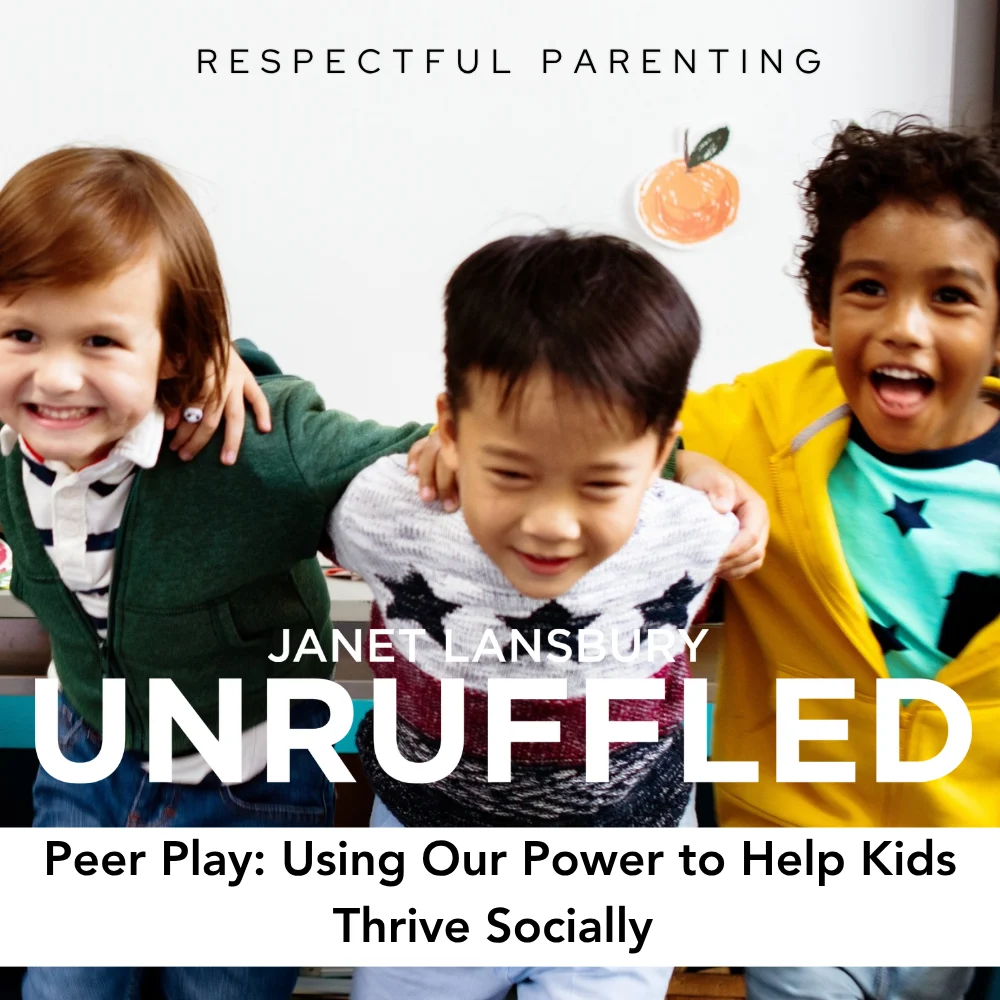
Parenting young children often involves navigating a complex landscape of social development, emotional milestones, and interpersonal challenges. In a recent episode of her parenting podcast Unruffled, child behavior specialist and author Janet Lansbury addressed three distinct reader-submitted scenarios dealing with early childhood social struggles. From a preschooler demanding rigid adherence to pretend-play scripts to playground exclusion and social reservation, Lansbury explored how parents often hold far more influence over these dynamics than they might realize—not through direct instruction or intervention, but through healthy boundaries and radical trust in their child’s developmental process.
The episode, titled "Peer Play. Using Our Power to Help Kids Thrive Socially," brought to light common anxieties shared by parents attempting to implement respectful, authoritative parenting methods. Lansbury emphasized that while modeling positive behavior is foundational, children also require consistent boundaries within the parent-child relationship and the space to process natural social hurdles independently.
Addressing the Pretend-Play Dilemma
The first scenario detailed a mother struggling with what she described as a "pretend play disaster." Her four-year-old daughter, who spends a significant portion of her day immersed in character-based imagination fueled by books, stories, and audio devices, insists on complete directorial control over her playmates and parents. The mother explained that her daughter issues explicit scripts, such as assigning specific roles and lines, and immediately stops and restarts the interaction if a word or action deviates from her exact vision.
While this dynamic previously remained contained within the family household, the mother noted that it has increasingly spilled over into peer interactions. Close friends and neighbors frequently grow annoyed or confused by the rigid demands, often resulting in tears, frustration, and eventual social rejection. Despite hoping the issue would resolve naturally over the course of a year, the mother reported no improvement and questioned whether her approach to the situation was flawed.
Lansbury analyzed this dynamic by pointing toward the importance of parental boundaries. When children make unreasonable demands during play, they are frequently testing the waters to see where the boundaries lie. Rather than viewing the behavior as a sign that play needs to be tailored to please the child, Lansbury suggested that the child is actually seeking a firm, reasonable boundary from the adult.
According to Lansbury, parents often fall into the trap of feeling that they must constantly engage in imaginative play on the child’s terms. However, when a child’s demands become unmanageable or uncomfortable, it serves as a signal that the parent needs to step back, assert their own needs, and establish a clear boundary. By politely declining to participate in an overly prescribed manner, parents provide a healthy model for relationships, demonstrating that other people have their own agency and preferences. This approach, Lansbury noted, allows children to release pent-up frustrations, emotional tension, or sibling rivalry through safe familial pushback, ultimately preparing them for the realities of peer socialization.
Re-evaluating Playground Exclusion and Preschool Group Dynamics
The second scenario tackled the sensitive subject of social exclusion and playground dynamics. A mother of a four-and-a-half-year-old daughter wrote to ask how respectful parenting approaches bullying after her child experienced exclusion within a group of older peers. The peers, who are a year ahead in preschool and possess a more advanced level of social-emotional development, occasionally leave the younger girl out of games or use playful scare tactics, such as pretending she is a monster and running away.
While the child maintains positive one-on-one friendships with these girls individually, the group dynamic frequently leaves her feeling targeted and upset. The situation prompted surrounding parents to intervene, with one father successfully altering the dynamic temporarily by establishing a rule that the older girls must include the younger child or leave the playground. Seeking guidance, the mother questioned whether adult intervention aligns with respectful parenting principles or if she should guide her daughter toward alternative play spaces entirely.
Lansbury cautioned against labeling normal peer exclusion and developmental differences as "bullying," arguing that the term is frequently overused and misapplied to young children. She noted that a one-year age gap during the preschool years represents a substantial difference in social-emotional maturity, making complex group interactions naturally challenging.
While acknowledging the well-meaning intentions of the father who intervened, Lansbury suggested that stepping in to force inclusion does not ultimately help the child develop autonomous social navigation skills. Instead, she advocated for trusting the child’s process, allowing them to decide whether they want to enter challenging social environments, and holding space for them to vent their feelings afterward without pity or excessive problem-solving. Rejection and exclusion, Lansbury maintained, are normal and necessary life experiences that help children learn what works in social settings, provided adults refrain from framing the situations as systemic crises.
Supporting the Reserved Child
The final inquiry addressed during the episode explored a brief question regarding a reserved three-year-old child struggling to feel comfortable around other people. Lansbury addressed this concern by reinforcing the principle of trust.
Rather than attempting to coax, prompt, or manage a reserved child’s behavior in social settings, Lansbury advised parents to accept their child’s pace and temperament. Pushing a child to overcome social hesitation often communicates that their natural disposition is a weakness that requires fixing. Instead, parents can offer a steady, reassuring presence—maintaining their own comfort and boundaries within the social environment while trusting the child to engage with peers and surroundings entirely on their own terms and timeline.
Throughout the broadcast, Lansbury encouraged parents to view behavioral challenges not as personal failures or rigid instructional problems, but as opportunities to examine the underlying dynamics of boundaries and trust within the family unit. By recognizing the power of healthy boundaries and allowing children to experience the natural consequences of social interactions, parents can guide them toward lasting confidence and resilience.
In the modern wellness conversation, light is increasingly being recognized not merely as a background element of daily existence, but as a foundational pillar of human health. While traditional health paradigms have long emphasized nutrition, hydration, and physical activity, a growing body of expert commentary and research suggests that targeted light exposure may dramatically amplify the effects of these foundational habits. From natural sunlight to specialized red light therapy and the careful management of indoor illumination, health advocates are urging a comprehensive reevaluation of how humans interact with the light spectrum on a daily basis.
At the center of this discussion is the profound impact of natural sunlight on human physiology. When natural light makes contact with human skin and eyes, it initiates a complex biochemical cascade, triggering the body to synthesize vitamin D. This vital hormone plays a critical role in supporting the immune system, maintaining bone density, elevating mood, and regulating delicate hormonal balances. Despite these well-documented physiological benefits, contemporary lifestyles have created an unprecedented barrier between humans and the sun.
Demographic and lifestyle surveys indicate that vast segments of the population spend the overwhelming majority of their time indoors, tethered to artificial and often flickering light sources. Observational data regarding youth habits reveal a startling deficit in outdoor time, with experts noting that many children spend mere minutes outside each day, while early childhood data suggests that some preschoolers experience outdoor play on a severely restricted weekly basis. Adults are faring little better, with self-reported metrics showing that a significant percentage spend less than an hour outdoors daily, and a notable fraction recording less than fifteen minutes of direct outdoor exposure. Public health observers argue that integrating deliberate outdoor time into daily routines could serve as a powerful intervention for widespread health deficiencies.
Among the various segments of the day, morning light has emerged as a subject of particular scientific and practical interest. Early morning illumination is distinct because it serves as a rich natural source of red wavelengths and plays a vital role in recalibrating human circadian rhythms and managing baseline cortisol levels. Historical accounts from wellness practitioners recovering from chronic conditions, such as Hashimoto’s disease, frequently highlight the practice of seeking out early morning light at sunrise to support physiological recovery. Establishing a consistent morning light routine is increasingly viewed by health advocates as an essential practice for stabilizing internal biological clocks without relying on pharmaceutical interventions.
This biological clock, scientifically known as the circadian rhythm, governs the body’s internal twenty-four-hour cycle. Regulated primarily by light exposure—particularly during pivotal moments like sunrise and sunset—the circadian system oversees crucial physiological functions, including the sleep-wake cycle, hormonal secretion, digestive processes, and stress modulation. Closely linked to this system is cortisol, commonly known as the stress hormone. While cortisol is necessary for normal human functioning, the timing of its release is critical. Modern exposure to artificial blue light at inappropriate hours, combined with persistent psychological stressors, can disrupt natural cortisol rhythms. Utilizing strategic light exposure helps realign these biological markers, fostering better stress resilience and hormonal harmony.
The conversation surrounding light exposure naturally intersects with long-standing dermatological advice regarding sun protection. While conventional medical guidance has historically emphasized minimizing sun exposure and applying heavy sunscreens to prevent skin damage, a counter-perspective is gaining traction among certain wellness advocates. This viewpoint argues that complete sun avoidance may deprive the body of essential health benefits, advocating instead for a more balanced approach. While acknowledging that severe sunburns and skin damage are detrimental, proponents of this balanced perspective suggest that sensible, moderate sunbathing—without burning—can be incorporated safely into a healthy lifestyle, alongside alternative non-chemical protective measures when outdoor exposure is prolonged.
Beyond natural sunlight, therapeutic applications of specific light wavelengths have gained substantial momentum. Red light therapy, which mirrors the free red light delivered by natural sunrise and sunset, has transitioned from clinical settings into consumer-grade applications. Targeted devices now range from specialized facial masks and therapeutic blankets to home panels and even daily grooming tools like red light toothbrushes designed to support oral and gum health. These technological adaptations allow individuals to harness specific beneficial light frequencies throughout the day, complementing the exposure they receive from the natural environment.
Indoor lighting, however, remains a neglected variable in many households and workplaces. The artificial illumination that envelops modern indoor spaces can inadvertently undermine physiological well-being. Conventional LED lighting often exhibits subtle flickering that, while frequently imperceptible to the conscious human eye, registers as a stressor within the nervous system. Furthermore, evening exposure to blue light emitted by digital screens and overhead fixtures signals the brain that it remains daytime, suppressing the natural production of melatonin and inhibiting the body’s ability to transition into restorative sleep. Experts emphasize that implementing thoughtful indoor lighting swaps, reducing evening screen time, and adopting warmer illumination sources can profoundly improve sleep architecture and overall nervous system health.
Over the years, extensive discussions with medical professionals, researchers, and wellness practitioners have continued to unpack the multifaceted relationship between light and human biology. From exploring mitochondrial energy production at the cellular level to examining the broader implications of hormonal balance, the dialogue underscores a singular message: light is a powerful biological signal that warrants intentional management. As public awareness grows, more individuals are beginning to experiment with optimizing their daily light intake—prioritizing natural dawn and daytime exposure while mitigating the disruptive effects of artificial nighttime lighting—to observe the measurable differences these adjustments can make in their daily lives.
Play is often viewed through a lens of casual amusement, a pleasant way for children to pass the time while waiting for formal instruction to begin. However, an expanding body of interdisciplinary research confirms what many educators and parents have long known intuitively: play is not a luxury, but rather a foundational pillar of healthy childhood development. Unstructured, child-led play builds critical capacities across physical, cognitive, emotional, and social domains, shaping the very architecture of the developing mind and body.
Over the past twenty-five years, thousands of academic and clinical studies have explored the profound impact of play on executive function, self-regulation, emotional intelligence, cognition, creativity, and physical development. The cumulative findings of this extensive research are striking and remarkably consistent, pointing toward the undeniable necessity of safeguarding play in early childhood settings.
A Strong Start: Physical and Cognitive Development
Society easily recognizes play’s visible role in motor development. Whether children are climbing jungle gyms, building block towers, or balancing along a fallen log, they systematically strengthen both fine and gross motor skills through movement-rich environments. These physical activities build strength, coordination, and spatial awareness that serve as the physical foundation for everyday life.
Yet, play does more than build strong muscles; it actively builds the brain. A growing body of scientific literature shows that executive functions—such as working memory, cognitive flexibility, and impulse control—all develop robustly through playful activity. Complex problem-solving, creative thinking, intentional planning, and symbolic thinking are nurtured most effectively through hands-on, open-ended engagement with the physical and social environment.
Recent empirical research underscores these cognitive benefits. A 2025 systematic review published in the Journal of Intelligence analyzed 25 empirical studies and discovered that loose parts play, which involves providing children with open-ended materials like sticks, stones, fabric, and blocks, significantly enhances problem-solving capabilities, divergent thinking, and overall academic readiness.
Complementing these findings, a 2024 review published in Frontiers in Public Health confirmed that physical play serves as a vital contributor to early motor coordination. Furthermore, pretend play allows children to safely explore the consequences of actions, integrate new learning, and simulate complex real-life scenarios. The review also revealed that both structured and unstructured play in preschool significantly improved motor and cognitive skills, with the most pronounced benefits occurring in programs where play exceeded 3,000 minutes.
The Brain at Play
To gain a granular look at the brain’s inner workings during play, neuroscientists often turn to animal models to observe neurological development under controlled conditions. A notable 2018 study published in ScienceDirect focusing on juvenile rats demonstrated that social play is absolutely essential for the normal development of inhibitory synapses in the medial prefrontal cortex, a brain region critical for high-level decision-making and impulse control. Interestingly, juvenile rats that were experimentally deprived of social play displayed lasting, irreversible deficits in cognitive flexibility, underscoring the evolutionary necessity of early, unstructured social interaction.
These neurobiological findings are consistently echoed in human studies. A comprehensive longitudinal Australian study published in ScienceDirect in 2022 followed children from the age of two through age seven. The researchers discovered that children who engaged in one to five hours of active, unstructured play per day demonstrated significantly stronger self-regulation later in life, regardless of their earlier cognitive baselines or socioeconomic backgrounds.
Intrinsic Motivation and Lifelong Learning
Beyond immediate cognitive and social gains, play fosters something far deeper and more enduring: intrinsic motivation. When children immerse themselves in play, they do so entirely for its own sake, driven by the sheer joy of discovery, mastery, and creative expression, rather than for external rewards, grades, or praise. This internal drive forms the psychological engine of lifelong learning.
Scientific research robustly backs this observation. The longitudinal study tracking free play and self-regulation demonstrates a clear, direct link between early free play and long-term personal autonomy and creative thinking capacities. Similarly, data compiled by the Encyclopedia of Early Childhood Development in 2023 confirms that exploratory play environments naturally nurture imagination, independence, and a genuine, lasting love of learning that persists well into formal schooling years.
Mental Health and Emotional Resilience
Among the most compelling yet frequently overlooked benefits of play are those tied directly to children’s mental health and psychological well-being. Play acts as a natural regulator of stress, boosts emotional resilience, and provides a powerful buffer against the onset of anxiety and depression during childhood and adolescence.
Recognizing these profound mental health implications, the American Academy of Pediatrics issued a landmark 2018 policy statement titled The Power of Play: A Pediatric Role in Enhancing Development. In this report, pediatricians are explicitly recommended to advocate for play during regular checkups just as rigorously as they advocate for adequate sleep and proper nutrition. The Academy emphasizes that imaginative and physical play effectively reduce toxic stress and foster comprehensive emotional well-being.
Further supporting this medical consensus, a 2020 study featured in the National Library of Medicine documented measurable increases in children’s reported happiness, contentment, and overall playfulness following targeted play-based interventions in educational settings.
The Bottom Line for Educators and Policymakers
When it comes to shaping modern curricula, educational pedagogies, and public policy, the weight of scientific research is unambiguous. Play is not an expendable break from learning; it is the fundamental work of childhood and the bedrock upon which executive function, creativity, social well-being, and emotional resilience are built.
Systematically reducing, marginalizing, or eliminating playtime in the name of rigorous "academic focus" not only contradicts decades of interdisciplinary research, but it actively undermines the very cognitive and emotional capacities that children require to succeed both in school and in the broader world.
Alternative educational frameworks, such as Waldorf education, have long placed play at the very heart of their early childhood pedagogy. By thoughtfully integrating imaginative play, rich sensory experiences, and uninterrupted unstructured exploration, these programs offer children the developmental foundation necessary to grow into capable, resilient, and joyful learners.
Ultimately, by intentionally investing in environments, educational practices, and public policies that prioritize play, society invests not just in the immediate well-being of children, but in the cultivation of healthier, more capable, and more adaptable adults.