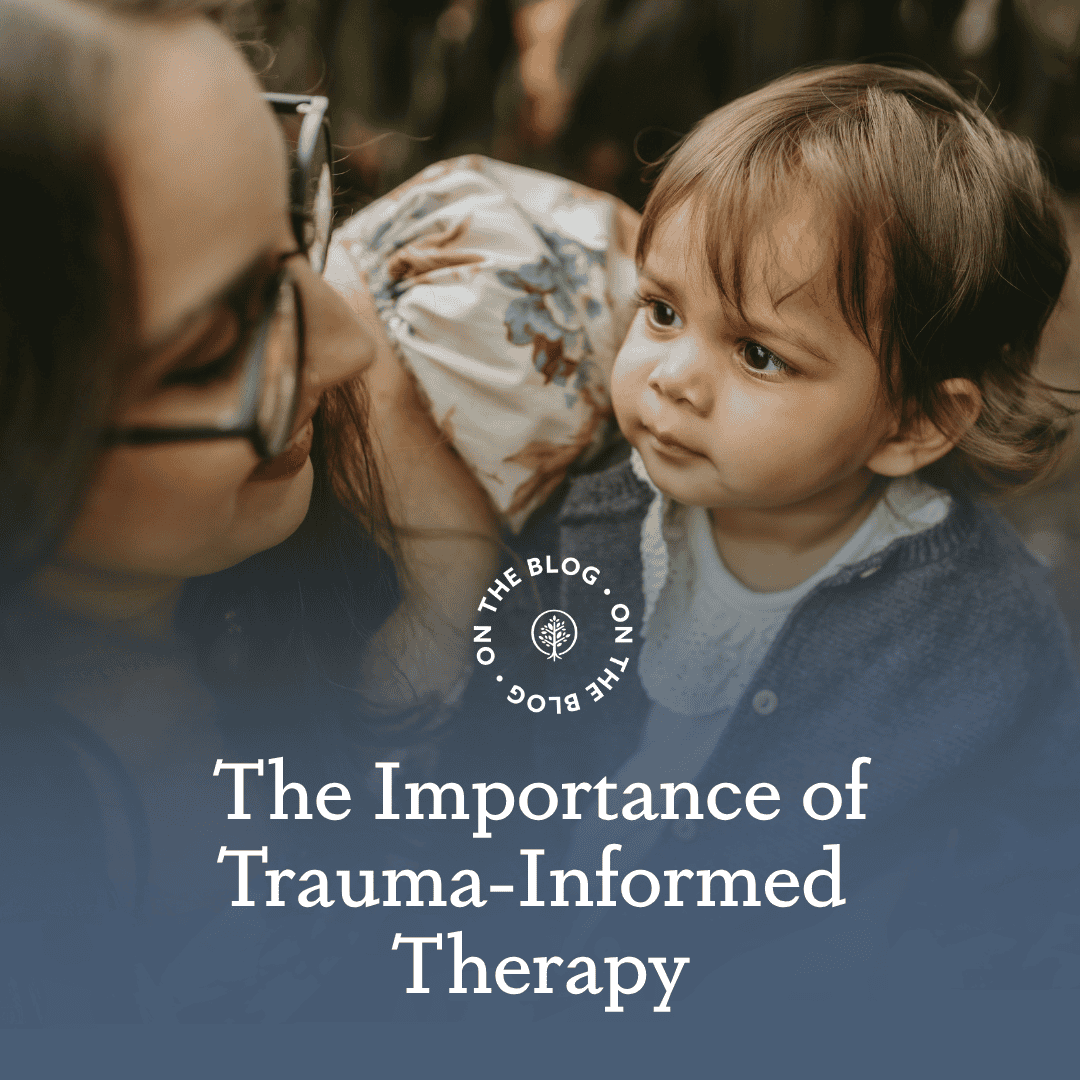
Raising children brings an array of profound joys alongside unexpected challenges. At times, however, families face behavioral, emotional, and psychological hurdles that extend far beyond ordinary growing pains. Symptoms such as persistent anxiety, deep-seated depression, severe family conflict, and sudden emotional or behavioral shifts often indicate that a child is wrestling with deeper distress. For children who have been impacted by adoption or foster care, these struggles are frequently tied to early, unaddressed trauma. Recognizing this connection has led child welfare advocates and mental health professionals to emphasize that specialized, trauma-informed therapy can make a transformative difference in helping a child begin the journey toward genuine healing.
What Is Trauma-Informed Therapy?
To understand why specialized care is so vital, one must first look at how trauma-informed therapy fundamentally operates. In a trauma-informed setting, a clinician understands the profound ways trauma impacts the whole child, shaping every facet of the therapeutic approach around that reality. Traditional psychological models have historically asked the diagnostic question, "What is wrong with this child?" In stark contrast, a trauma-informed therapist shifts the paradigm entirely, asking instead, "What has this child experienced, and what do they need to feel safe?"
Within this specialized framework, a trained therapist is acutely attuned to the signs and symptoms of trauma and works actively toward holistic solutions. Throughout the therapeutic process, extreme care is taken to avoid re-traumatization—a risk inherent in older, more invasive therapeutic styles. Furthermore, these clinicians act as guides not just for the youth, but for parents and caregivers as well, teaching practical regulation activities that families can easily integrate into their daily routines at home.
Trauma-Informed vs. Traditional Therapy
While conventional therapy methods may serve some individuals adequately, certain traditional approaches can inadvertently prove more harmful than helpful for children with complex developmental histories. For instance, traditional therapeutic settings sometimes require a child to recount their traumatic experiences in vivid detail or share deeply personal history within a group dynamic. For children whose nervous systems are already wired for survival and hyper-vigilance, these expectations can reinforce fear, anxiety, and distress rather than fostering an environment conducive to healing.
Trauma-Informed therapy, by design, moves strictly at the child’s own pace. It places safety, relational trust, and deep emotional connection ahead of clinical timelines or behavioral compliance. By prioritizing a secure foundation first, the therapist ensures that the difficult and courageous work of healing rests on ground that the child can reliably trust.
Why It Matters Even for Children Adopted as Infants
A common misconception among families and observers is that an infant welcomed home through adoption has escaped the imprint of trauma, simply because they were too young to form conscious memories of the event. Yet, child development experts point out that separation from a birth parent, even very early in life, can trigger profound attachment trauma.
The neurodevelopmental effects of this early disruption may not become immediately apparent during infancy or toddlerhood. Instead, they often remain dormant until later developmental stages—such as early childhood, the transition to school, or adolescence—when greater emotional and social demands are placed on the child. This latency underscores why maintaining a trauma-informed lens is exceptionally valuable for families navigating the long-term realities of adoption and foster care. For parents and guardians seeking specialized guidance, professionals recommend looking for counselors who specifically focus on adoption-competent care, utilizing dedicated resources such as the national directory provided by the Center for Adoption Support and Education.
What Is TBRI®?
Organizations across the child welfare spectrum have increasingly aligned their practices with evidence-based frameworks designed to address these complex needs. Show Hope, for instance, partners closely with the Karyn Purvis Institute of Child Development (KPICD) to champion Trust-Based Relational Intervention, commonly known as TBRI®.
Describing the framework, the KPICD notes that TBRI offers a practical, deeply compassionate approach to helping the whole child heal. Grounded firmly in best practices drawn from modern neuroscience, attachment theory, and developmental research, TBRI equips caregivers to address a child’s underlying physical, emotional, and developmental needs. In doing so, it offers what punitive or purely behavioral approaches historically cannot: genuine connection, biological regulation, and lasting neurological change. While TBRI serves as an invaluable philosophy and toolset for the home environment, families can also seek out certified TBRI Practitioners through specialized directories to integrate these principles directly into professional counseling sessions.
Help Paying for Therapy
Financial barriers have long prevented families from accessing the specialized mental health services their children desperately need. Advocates maintain that financial constraints should never stand in the way of a child receiving adequate care. To help mitigate these obstacles, organizations like Show Hope offer targeted Medical Care grants directed to select mental health providers. These financial supports are designed to lower the medical and monetary barriers often associated with adoption and specialized post-placement care, ensuring that cost does not dictate a child’s access to healing.
There Is No Shame in Seeking Help
As families walk the often intricate and demanding path of parenting children with complex histories, mental health professionals emphasize that seeking outside help carries zero stigma. Children and teenagers who have experienced the disruptions inherent in adoption and foster care frequently carry unique, layered needs that require professional intervention. Acknowledging the need for a counselor or therapist is, in no uncertain terms, a reflection of dedication and love—never a reflection of inadequacy as a parent or caregiver. Embracing this truth allows families to shed unnecessary guilt and step forward into a supportive community focused on restoration, resilience, and hope.
WASHINGTON — When Jamie C. Martin, founder of the educational resource Simple Homeschool, surveyed her readership several months ago to uncover their primary homeschooling anxieties, she expected a diverse array of logistical challenges, curriculum complaints, and scheduling fears. Instead, she received a flood of hundreds of responses that revealed a startling consensus. Over 75 percent of the replies boiled down to a single, haunting question that keeps parents awake at night: Am I doing enough?
This pervasive insecurity transcends different family dynamics, unique child personalities, and varying educational philosophies. Whether parents are seasoned veterans with multiple graduates or novices embarking on their very first semester of education at home, the haunting feeling of falling short remains a constant companion. As educators and parents step across the threshold of a new academic year, examining the psychological weight of this single word—and learning how to break free from its grip—has become a central conversation within the modern homeschooling community.
To understand the psychology behind this educational anxiety, Martin suggests looking at another domain where the exact same word dominates human consciousness: personal finance. Financial studies consistently demonstrate that most people never feel as though they possess quite enough money. Regardless of individual income brackets, individuals almost universally hope for just a bit more capital to feel secure.
However, psychological and economic research has established a distinct threshold regarding wealth and well-being. Increased money generally correlates with increased happiness only up to a specific financial threshold—traditionally calculated around $75,000, where basic needs and fundamental desires are met. Beyond that specific point, accumulating more cash fails to yield a proportional increase in joy or life satisfaction.
This economic phenomenon offers a profound lesson for educators navigating the complexities of instruction. The concept of "enough" possesses a definitive set point. Operating below that threshold triggers a genuine sense of lack and vulnerability. Yet, continuing to pile on endless tasks, extra assignments, and rigorous extracurricular demands yields diminishing returns. Identifying that optimal, balanced set point is the true challenge facing modern households striving for educational harmony.
This realization becomes glaringly apparent the moment educators open planners, spreadsheets, or curriculum catalogues on their desks. The pursuit of the ultimate, flawless schedule is an illusion if the educator fundamentally doubts their own intrinsic worth. No checklist, no matter how meticulously curated, can ever bestow a deeper sense of personal value. Homeschool plans, academic achievements, and daily productivity metrics do not define the character or worth of the parent guiding the instruction.
Validation for this universal struggle extends far beyond the kitchen table and home schoolroom. Public school educators operating within traditional institutional settings grapple with the exact same emotional burden. When Martin posed the question to a dear friend teaching within the local public school system—asking whether she ever felt she was falling short—the response was immediate and unequivocal.
The public school teacher confirmed that the sentiment arises constantly. Whenever a student struggles academically or emotionally, dedicated educators do their absolute best while quietly harboring lingering doubts about whether they could have done more. Recognizing that deeply committed teachers—whether operating at home or within traditional brick-and-mortar schools—wrestle with these identical insecurities provides a comforting reminder that the feeling is a hallmark of conscientious instruction rather than personal failure.
Furthermore, a critical examination of traditional institutional systems reveals that they rarely function as the flawless, hyper-efficient machines society often imagines. Traditional schools frequently incorporate downtime, administrative pauses, and flexible pacing disguised by rigid bells. Martin noted this reality when reviewing her niece’s high school AP Psychology syllabus for the eleventh-grade year. Alongside the rigorous advanced curriculum, the course outline featured a list of over a dozen feature films scheduled to be watched in class during a single semester, including mainstream comedies like Groundhog Day and What About Bob.
Highlighting these institutional realities is not intended as a critique of public education, but rather as an invitation to dismantle the impossible, idealized standards of productivity that parents often impose upon themselves. Modern educators frequently hold home-based education to a hyper-rigorous standard of continuous output that simply does not exist anywhere in the broader educational landscape.
Rather than attempting to duplicate a struggling, institutionalized system within domestic spaces, educators have a unique advantage that traditional schools can never replicate: the environment of the home itself.
Rather than allowing the home to morph into a rigid institution, educators can establish an "enough" threshold dictated by the specific needs of their unique children in the present moment. For families committed to long-term homeschooling, abandoning artificial grade-level boxes offers a profound sense of liberation. Families can embrace flexible methods that genuinely suit their household dynamics.
Conversely, families who anticipate transitioning their children back into traditional school environments may require a different approach to manage anxieties surrounding academic progression. Easing those fears can be achieved through slow, steady, and incremental progress, such as incorporating a modest daily routine centered on the fundamental triad of reading, writing, and arithmetic.
Utilizing structured workbooks, such as age-appropriate grade-level educational materials, provides a tangible framework. Completing a minimal number of daily pages—such as a single language arts exercise, a handwriting practice page, and a foundational math assignment—ensures consistent progress without overwhelming the student or the instructor. Breaking large tasks into manageable segments, such as working through standardized workbooks across a realistic timeline, transforms intimidating workloads into achievable daily habits.
Establishing these routines can be paired with positive reinforcement, transforming the completion of daily milestones into a collaborative and encouraging ritual rather than a dreaded chore. These small practices help establish positive habits while actively quieting the persistent internal voice questioning whether enough is being accomplished.
However, incorporating a foundational baseline of core subjects does not mean abandoning the broader, enriching potential of a home environment. Once the fundamental academic boxes are checked for the day, the remaining hours can be filled with the distinct advantages of domestic life.
From cozy read-aloud sessions and shared cooking projects to managing sibling conflicts, maintaining household chores, building with construction blocks, watching educational documentaries, playing strategic board games, and engaging in passion-driven community co-ops, the possibilities are vast. Online learning tools, educational apps, audiobooks paired with treats, and independent explorations all contribute to fostering a genuine, lifelong love of learning and familial connection.
Embracing this balanced perspective marks the arrival at a sustainable definition of enough. By letting go of impossible standards and recognizing the inherent value of a supportive home environment, educators can find peace in their daily routines while allowing their children the space to truly enjoy their educational journey.
For nearly eight years, a simple terracotta dish garden sat as a sacred focal point on a patio potting bench in California’s Inland Empire. Filled with thriving succulents, a miniature gray memorial bench, an angel, an angel dog, an angel cat, and a tiny horse—the favorite animal of its namesake—the garden was a living tribute created by Alix Wright for her daughter, Mia.
Mia passed away in October 2018 at the age of 22, following a long struggle with addiction and the deep trauma surrounding a failed adoption reunion. In the wake of her death, Wright had carefully assembled the memorial using succulents from an arrangement sent by a relative for Mia’s memorial service, accented by a delicate blue glass river designed to balance the gray tones of the decorative figurines. Over the years, the terracotta bowl had aged gracefully, darkening into a rich patina while weathering the elements outdoors.
That routine, and the fragile peace it represented, shattered in April 2026.
While relocating the dish garden to a sunnier spot on the patio to give a rosebud-shaped succulent more light, Wright accidentally bumped the small table. The entire arrangement crashed onto the concrete, shattering the terracotta container and scattering plants, soil, and memorial accessories across the patio and yard.
The immediate emotional fallout was swift and devastating. Beyond the practical mess, the accident triggered profound feelings of grief and self-reproach. In Wright’s mind, the shattered pot was far more than a gardening mishap; it felt like a symbolic repetition of an unthinkable tragedy. Just as she had been unable to hold her daughter together during her tragically short life, she now felt she could not even be trusted to preserve her physical memory. The heavy, critical presence of her late husband, Oliver, seemed to loom over the accident, intensifying her self-doubt and urgency to fix the mistake before anyone else could notice.
Faced with a ruined container, Wright initially sought a replacement at a local garden store. However, the new terracotta dishes available were too pristine, lacking the weathered history and intricate details of the original. They felt hollow, incapable of capturing the heavy love and memory embedded in the first arrangement.
The solution came from an unexpected place: a bereavement support group Wright had attended nearly a year prior. During one of their sessions, the group facilitator had introduced the ancient Japanese art of kintsugi—the centuries-old practice of repairing broken pottery with lacquer dusted or mixed with powdered precious metals, most commonly gold. The philosophy behind kintsugi posits that breakage and repair are part of an object’s history, rather than something to disguise, transforming flaws into a visible testament to resilience and beauty.
While the group had practiced with simple mugs and basic epoxy kits containing silver and gold dust, the results were far from museum-quality. Wright’s initial attempt during the workshop had yielded a gloppy, uneven mess. Yet, the consensus among the grieving participants had been profound: life itself is messy, and human creations do not need to be perfect to hold deep meaning.
Determined to apply this philosophy to Mia’s garden, Wright embarked on a month-long restoration project, accompanied by the audiobook of Ozzy Osbourne’s Last Rites. Armed with a kintsugi kit, epoxy, sculpting clay, copper wire, and a healthy dose of persistence, she began piecing the shattered terracotta back together like a complex jigsaw puzzle.
The process was far from straightforward. The dull gold from the basic kit clashed horribly with the deep orange-red of the terracotta, looking more like tarnished brass than precious metal. The side pieces refused to align neatly, leaving thick, jagged seams resembling hasty surgical sutures, while the bottom of the container remained a fractured catastrophe.
Rather than giving up, Wright innovated. She used an epoxy-clay combination to fill large gaps and bridge areas that could not be glued directly. Finding inspiration through online tutorials, she carefully drilled holes into the hardened terracotta halves to stitch the worst of the bottom fractures together with copper wire. To fix the lackluster metallic finish, she painted over the seams with a vibrant, nearly garish shade of gold paint. When freehand attempts at painting gravestone symbols onto the sides proved too difficult for her self-described lack of artistic ability, she utilized stencils to add heartfelt, if imperfect, markers.
After nearly a month of meticulous work, the container was whole again. More importantly, the laborious reconstruction transformed from a frantic repair job into a powerful metaphor. The mended vessel reflected not only her daughter’s complex beauty and struggles, but also the collective, yet ultimately vain, efforts of everyone who loved Mia and tried to keep her from falling apart.
When the restored container was finally placed back onto the patio—this time in a safer, more secure location—Wright realized she had gained far more than a repaired memorial. Through the process, she rediscovered her own persistence, ingenuity, and unexpected artistic capability. Above all, she learned to extend to herself the same gentle grace she so readily offered to others.
The replacement terracotta dish she had originally purchased still sits forgotten in the back seat of her car, waiting for a future day. For now, the memorial garden stands restored, its visible scars and imperfect beauty bearing a truer resemblance to reality than the original, unbroken pot ever could.
There is a specific, profound moment during the birthing process that Kara, a midwife and the Continuing Education Manager for Spinning Babies®, says never loses its intensity. "Just before a newborn’s first cry, everyone in the room seems to hold their breath," she reflects. Even after years of clinical experience as a nurse and midwife, she continues to find the gravity of that instant unmatched. For Kara, this fleeting, silent interval encapsulates the essence of her profession—a practice she describes as "the perfect mix of science and art."
Midwives have served as the bedrock of family support through pregnancy and birth for generations, blending deep-rooted clinical knowledge with an intuitive, community-centered approach to care. Yet, as the global healthcare landscape undergoes rapid transformation, the profession of midwifery looks vastly different depending on the geographic, cultural, and regulatory context in which a midwife practices. To better understand the current state of the field, we sat down with three professionals: Venus, a nurse-midwife in the United States; Kara, whose career spans the United States and the Netherlands; and Claire, a homebirth midwife based in New Zealand with a teaching practice across Europe. Together, they offer a window into how midwifery has evolved, the systemic challenges practitioners face today, and how they continue to define the future of maternity care.
Midwifery’s Roots: Skilled Care Across Generations
The history of midwifery predates the existence of hospitals, modern medical education, and professional licensing by thousands of years. For the vast majority of human history, the knowledge required to usher new life into the world was shared through familial bonds, community observation, and hands-on experience. Traditional and Indigenous midwives developed sophisticated practices tailored to the specific needs, cultural beliefs, and local environments of their communities.
The International Confederation of Midwives (ICM) underscores this rich lineage, recognizing midwifery traditions that have flourished across Africa, Asia, Europe, and Indigenous communities worldwide for millennia. However, as medicine became increasingly organized and institutionalized, the role of the midwife within the broader healthcare spectrum began to shift. In some regions, midwifery was successfully integrated into formal maternity care, resulting in clear education pathways and professional autonomy. In others, the profession faced significant friction, including legal restrictions, exclusion from hospital settings, and the displacement of established, community-based care models.
In the United States, the legacy of Black midwives is a testament to the resilience and necessity of the profession. These practitioners, often known as "granny midwives," provided essential maternity care in communities where systemic segregation and discrimination created insurmountable barriers to hospital access. Their contributions, particularly in the rural South, were vital to the health of their communities and have been formally documented by the Smithsonian National Museum of African American History and Culture.
Today, while formal education and rigorous professional standards define the modern midwife, the history of the profession is not a simple linear progression from traditional knowledge to modern expertise. The question of whose expertise is deemed "valid" remains a point of intense contemporary debate. During the International Confederation of Midwives’ June 2026 Congress in Lisbon, the organization faced significant protests from Indigenous midwives and their allies regarding a decision to temporarily suspend a position statement on partnerships between Indigenous and non-Indigenous practitioners. Critics argued that the move highlighted a bias toward Western, license-based definitions of midwifery at the expense of traditional, community-held knowledge. The ICM has since acknowledged these concerns, committing to a review of the statement with a revised version expected by 2027. For many, this is not merely a bureaucratic dispute; it is a fundamental struggle over the recognition, respect, and preservation of ancestral knowledge systems.
What Does It Mean to Be a Midwife Today?
The daily reality of a midwife is as diverse as the patients they serve. Venus, for instance, works as a hospital-based nurse-midwife in North Carolina. Her schedule is a complex rhythm of clinical office hours followed by intensive overnight hospital calls. Her autonomy is inextricably linked to the institutional structures of the hospital and the specific state regulations governing her practice.
Contrast this with the experience of Kara, who trained as a certified nurse-midwife in the United States but also gained experience in the Netherlands. In the Dutch system, midwifery is a pillar of the national maternity care infrastructure. Midwives are recognized as the primary care providers for uncomplicated pregnancies, with obstetricians stepping in only when medical complications arise. In the U.S., Kara notes that she often finds herself in the position of advocate, explaining to patients and even other providers that midwives are fully qualified to attend hospital births and collaborate seamlessly with physicians, even in the presence of medical interventions.
Claire, practicing in New Zealand, offers a third model: the continuity-of-care approach. This allows her to accompany a family from the earliest stages of pregnancy through the postpartum period. This relationship-based model allows for a deeper integration of care that spans the physical, emotional, and social needs of the family. Despite these varying settings, the International Confederation of Midwives defines all such professionals by their responsibility and accountability across the spectrum of pregnancy, labor, birth, postpartum care, and newborn wellness. Whether working in a clinic, a hospital, or a home, the core of the profession remains the marriage of clinical judgment, ongoing education, and a commitment to individualized care. For parents, understanding this spectrum is vital; choosing midwifery is not a singular choice about birth location or the absence of pain relief, but a choice to work with a professional whose entire scope of practice is built around the holistic needs of the childbearing person.
Beyond Birth: Caring for the Whole Person
For all three practitioners, the definition of success extends far beyond the clinical outcome of a healthy baby. Venus frequently challenges the standard medical measurement of a "successful" birth, arguing that it is not enough to focus solely on the physical health of the parent and infant. Families deserve to feel heard, respected, and empowered throughout the process. Venus often poses a poignant question to her peers: "Who’s holding the mom?"
This inquiry acknowledges that once the intense focus on the newborn subsides, the person who has just given birth is often left to navigate recovery and transition with little support. Midwifery care, at its best, creates space for both the baby and the parent. This desire to foster deep, human connections is what initially drew Kara to the field. She sought a profession where the scientific rigors of medicine could coexist with the profound vulnerability of human experience.
In New Zealand, Claire observes how these relationships evolve when the midwife is present throughout the journey. She recalls sessions where her patients’ other children or extended family members participate in prenatal visits, turning the clinical encounter into a moment of collective learning and family bonding. These interactions underscore that birth is not an isolated medical event, but a significant milestone woven into the fabric of family life.
The Challenges Behind the Calling
The profession is not without its systemic hardships. Long, irregular shifts, the emotional labor of attending to high-stakes situations, and the constant pressure of financial and regulatory hurdles make sustainability a recurring challenge. Venus highlights that professional recognition is a significant barrier. Working in environments where the scope of nurse-midwives is misunderstood can lead to friction, though regulatory landscapes are slowly shifting. For instance, North Carolina’s 2023 move to allow experienced certified nurse-midwives to practice without a collaborative physician agreement is a notable step toward greater professional autonomy.
However, these challenges are often compounded by personal and systemic bias. Venus recounts a formative experience during her nursing education where a Black professor, holding her to an exceptionally high standard, told her she would need to be "twice as good" to be considered half as good as her white counterparts. This memory remains a stark reminder of the additional burdens placed on Black professionals to prove their competence. For Venus, the future of midwifery is inextricably linked to the fight for equitable care and the dismantling of these professional barriers.
Kara adds that the lack of public awareness regarding the role of the midwife makes it difficult for new professionals to envision a career path. Furthermore, the emotional toll of the work necessitates a robust sense of community. Birth workers need networks of peers who understand the unique weight of their responsibilities to avoid burnout and remain connected to their mission.
Protecting Physiology Through Knowledge and Collaboration
Despite the challenges, these midwives remain focused on the potential of physiological birth. Supporting this process requires a delicate balance of observation and intervention—knowing when to step in and, just as importantly, when to step away. This is where the Spinning Babies® approach has become a valuable tool for these practitioners. By focusing on body balance, fetal positioning, and movement, the approach provides an anatomical framework for understanding why labor might stall or why a patient might be experiencing discomfort.
For Claire, the primary benefit of this approach is the creation of a shared language. Being able to explain clinical observations through the lens of anatomy and biomechanics allows midwives to communicate more effectively with obstetricians and nurses. Kara notes that it changes her diagnostic process: when labor stalls, instead of reflexively reaching for medical intervention, she asks, "Where is the baby?" This pivot to a physiology-first inquiry allows her to assess if fetal position or movement could be addressed through non-invasive means before escalating the level of intervention. Importantly, this is not an "all-or-nothing" philosophy; these techniques can be applied in conjunction with epidurals, monitoring, or inductions, provided they align with the patient’s clinical needs.
The Future of Midwifery Is Already Taking Shape
The future of the profession, as envisioned by these three midwives, aligns with the World Health Organization’s push for person-centered, evidence-informed care. Progress, they argue, is contingent on mutual respect among all healthcare disciplines, the addressing of racial and professional biases, and the removal of barriers for those entering the field. For Claire, the most vital aspect to preserve is the ability to be fully present, even in the most demanding hospital environments.
Whether in a home, a clinic, or a hospital, the commitment remains the same: skilled, compassionate care that sees the whole person. As midwives continue to act as clinicians, educators, and advocates, they are not only changing the way individual families experience birth—they are actively reshaping the global maternity care landscape. For those currently in practice, continuing education remains a vital tool for growth, allowing birth workers from every setting to build on their expertise and ground their practice in the common, enduring reality of the physiology of birth.
Renowned children’s author Kate DiCamillo has made a welcome return to the airwaves, joining a familiar podcast platform for a special conversation about her celebrated literary career and a major milestone for one of her most beloved modern classics. DiCamillo, whose timeless stories have captivated young readers and adults alike for decades, sat down with the show’s host to discuss the brand-new, collector’s edition of The Miraculous Journey of Edward Tulane, marking two decades since the porcelain rabbit first captured the hearts of readers worldwide.
For fans of the author and the podcast, the episode serves as a joyful reunion. DiCamillo has been a guest on the program and has visited its premium community several times over the years, establishing a warm and familiar rapport with the host and listeners. Known for crafting some of the most enduring and cherished books on children’s shelves, DiCamillo’s bibliography includes such modern masterworks as the whimsical and humorous Mercy Watson series, the Newbery Medal-winning fantasy The Tale of Despereaux, and her breakout debut novel, Because of Winn-Dixie.
The primary catalyst for this latest appearance is the release of a stunning, newly designed 20th-anniversary edition of The Miraculous Journey of Edward Tulane. Described by hosts and collectors alike as a visually arresting piece of bookmaking, the special edition is poised to find a permanent home on the bookshelves of dedicated literature enthusiasts and families who grew up reading DiCamillo’s works. The conversation touches heavily on the aesthetic appeal of collector’s editions, noting that bibliophiles with a weakness for beautifully crafted volumes will undoubtedly want to add this commemorative release to their permanent shelves.
Beyond the physical beauty of the new anniversary publication, the interview dives deep into the creative philosophy and personal history that shaped the novel in the first place. During the discussion, DiCamillo shares insights into her writing process, emphasizing the importance of serving the story itself rather than writing to please external expectations or audiences. This uncompromising approach to narrative integrity has defined her career, allowing her to tackle complex themes of love, loss, and redemption in ways that resonate deeply with readers of all ages.
Listeners are also treated to a fascinating behind-the-scenes look at the genesis of The Miraculous Journey of Edward Tulane. DiCamillo reveals the real-life gift that originally inspired the poignant tale of the vain porcelain rabbit who learns what it means to love, to suffer, and to be broken and put back together again. The discussion illuminates how everyday objects and personal experiences can be transformed into universal stories that endure across generations.
The episode further explores the broader impact of storytelling and what a book can truly achieve when it connects authentically with a reader. As the conversation winds through various aspects of DiCamillo’s storied career, it reinforces why her literary contributions remain a cornerstone of contemporary children’s literature.
Listeners interested in diving deeper into the conversation can access the full episode, complete with video content and accompanying discussions, through the show’s official platforms. While specific resources and affiliate links associated with the episode are detailed on the program’s website, the primary focus remains on celebrating the enduring legacy of Kate DiCamillo’s work and the milestone release of a modern classic.
As November approaches and families prepare to observe a month rich in Church history and traditions, Catholic resources creator Angie and her publishing partner have announced the release of a complimentary "November Saint of the Day Calendar" printable. Designed to make living the liturgical year accessible and engaging both at home and in the classroom, the newly available resource highlights a different saint or blessed for every single day of the month.
The release comes as part of ongoing efforts by the creators behind Catholic Icing and Real Life at Home to provide beautiful, practical materials that help parents and educators integrate the Catholic faith into daily life. With November 1st marking the celebration of All Saints’ Day, the creators noted that the weekend serves as an ideal time to distribute the calendar free of charge to subscribers.
Originally featured as part of the November 2023 Catholic Icing Monthly Membership pack, the decorative calendar is designed to fit standard U.S. letter-size paper and includes two distinct font choices to suit various preferences. Families and educators can frame the 8.5×11-inch pages, place them on a refrigerator, or incorporate them into home altars and prayer tables to keep the saints front and center throughout the month.
November holds a unique place in the liturgical calendar, packed with prominent feast days and significant historical observances. Alongside All Saints’ Day, the month features the feast days of St. Martin de Porres, St. Cecilia, and Martinmas, while also marking the general beginning of the Advent season. Beyond individual saint commemorations, November is traditionally dedicated in the Catholic Church to praying for the holy souls in purgatory. Additionally, the month is recognized as Black Catholic History Awareness Month, a designation established in 1990 to honor the contributions and heritage of Black Catholics, given that individuals of African descent make up a specific portion of canonized saints.
The free calendar set is being offered as an exclusive download for subscribers to the platform’s weekly newsletter. While recipients retain the option to unsubscribe at any time, the creators hope the weekly dispatches will continue to provide families with ongoing ideas for feast day celebrations and liturgical living. Those wishing to obtain the calendar must submit a request through the designated signup link, a step required even for existing newsletter subscribers to ensure proper delivery of the digital files.
For families seeking a more comprehensive approach to tracking the liturgical year, the creators also offer broader resources, including the Catholic Icing Monthly Membership. The membership program provides continuous access to themed printables, prayer table decorations, liturgical recipes, coloring pages, and saint-themed crafts. Furthermore, an extensive liturgical living book and binder system, titled Weaving the Faith, is available to help parents organize resources, plan celebrations year after year, and build a lasting library of Catholic traditions for the home.
Hanukkah is just over a month away, with the first night falling on December 4 this year, bringing with it the annual tradition of gathering family, lighting the menorah, and settling into cozy nighttime attire. For a holiday rooted in home-based celebrations, the eight-night festival commemorating the miracle of the oil jug has increasingly embraced themed merchandise, with family pajamas emerging as a standout seasonal favorite.
Over the years, the market for Hanukkah sleepwear has evolved significantly. Industry watchers and holiday enthusiasts note that what was once a sparse selection of novelty items has expanded into a diverse array of options from both small independent labels and major retail brands. This growth aligns with a broader seasonal trend of individuals seeking out festive wear to express Jewish pride and heritage during the winter months.
While traditional shades of navy blue and yellow continue to dominate the market, contemporary designs have introduced a wider spectrum of color and whimsical motifs. From space-themed dreidels to colorful representations of traditional foods, the current landscape offers a comprehensive selection of matching sets for families, children, and adults alike.
Hanukkah Pajamas for the Whole Family
For households looking to coordinate their nighttime wear, several brands have introduced matching collections tailored to the winter holiday.
Midrash Manicures has expanded its holiday offerings with a space-themed pajama set featuring dreidels spinning among shooting star gelt. Crafted from 100% cotton, the line provides soft and comfortable options, with previous years’ designs also remaining accessible to shoppers.
ModernTribe has taken a more colorful approach, departing from traditional color schemes with bamboo onesies and two-piece sets incorporating motifs such as Jewnicorns, hamsas, and a rainbow dream menorah. The collection extends sizing up to 4XL to accommodate adult family members. The same retailer also features a "Light and Latkes" line showcasing illustrations of latkes, sufganiyot, and a dinosaur menorah.
Hanna Andersson presents a refined holiday selection set against a navy blue background featuring a rainbow menorah. The collection offers matching configurations for every household member, including family pets, alongside discounted prints from previous seasons.
For households seeking a humorous touch, options like the one-piece flapjack designs provide full-family matching sets with traditional rear button flaps intended for holiday photographs. Lev Baby has introduced a dog-themed Hanukkah print designed for households wishing to include their pets in the holiday aesthetic.
Joy Street offers an intricate, hand-drawn print that incorporates a wide array of holiday symbols, including gifts, doughnuts, gelt, oil jars, menorahs, applesauce, and transliterated dreidel letters, alongside traditional Jewish elements like the shofar and challah. Primary provides gender-neutral, mix-and-match pajama options designed for children with sensitive skin, focusing on comfort and soft fabrics.
Target’s Wondershop line features a more understated holiday design for shoppers seeking a simpler aesthetic. Meanwhile, DreamLet has introduced vibrant patterns accompanied by matching Hanukkah-themed crib sheets.
Hanukkah Pajamas for Kids
Children’s collections for the upcoming season feature playful designs and imaginative reinterpretations of traditional symbols.
Clover Baby & Kids offers sleepwear patterned with menorahs, dreidels, and Stars of David, complementing their previous dancing latke prints.
On Etsy, ChosenThreadsApparel features its popular "Llamakkah" collection, combining the holiday theme with illustrations of llamas adorned with accessories and winter garments.
Dodo Banana and Suzy Ultman have collaborated on the "I Like Your Chutzpah" organic pima cotton pajama set, designed to highlight a diverse color palette beyond the standard holiday blues and yellows.
Hanukkah Pajamas for Adults
Adult sleepwear options range from playful prints to luxury garments designed for elevated comfort.
Eberjey has introduced the "Hanukkah Glow Nouveau" and "Twinkling Menorah" prints within its modal fabric collection. The luxury sleepwear line includes customization options, allowing buyers to add monogrammed initials to their seasonal pajama sets.
For generations, the trajectory from high school diploma to university lecture hall was treated as an inevitable societal default. For many adults and students alike, higher education was viewed simply as the next logical phase of life, a standardized rite of passage anchored by rigorous college-preparatory coursework, standardized testing, and the pursuit of competitive grade-point averages. Entire educational systems were structured around pushing young people down a uniform path, rarely pausing to evaluate whether a traditional university environment aligned with an individual student’s unique strengths, goals, and personal aspirations.
Today, however, a growing number of parents and educators are beginning to question those long-held assumptions. As a new generation of students confronts these pivotal academic and financial crossroads, families are asking fundamentally different questions. This shift is not rooted in an anti-education sentiment, but rather in a desire to challenge cultural norms and explore viable alternatives. The primary objective is to empower young people to make deliberate, intentional choices about their futures rather than passively following a conventional track just because it is expected. With the modern world evolving at a breathtaking pace, the broader conversation surrounding higher education is long overdue for a comprehensive reexamination.
Why the Traditional Narrative Is Being Questioned
Individual perspectives on higher education are frequently shaped by personal history and lived experience. Many adults who navigated the academic system decades ago attended respected institutions under vastly different economic conditions, sometimes benefiting from full scholarships and stipends. Yet, despite entering higher education under favorable circumstances, many individuals eventually walked away or realized that their initial academic trajectory did not lead to the fulfillment or success they originally anticipated.
This realization often sparks a deeper philosophical inquiry into education, career development, and the true meaning of success. It exposes the flaw in assuming that the primary objective should simply be figuring out how to succeed on a predetermined path, rather than asking whether that path is appropriate in the first place. While no single perspective holds all the answers, older generations recognize that young people deserve the critical space to evaluate their options before committing years of their lives and potentially incurring life-altering financial obligations.
The Evolving Landscape of Modern Careers and Technology
The urgency behind this cultural reassessment stems largely from the fact that the global economic landscape has transformed dramatically. The rapid advancement of the computer age into the era of artificial intelligence has permanently altered the trajectory of both current and emerging career fields. Employment markets demand adaptability, technological fluency, and practical competence.
Concurrently, the burden of student loan debt has reached unprecedented levels. Millions of borrowers carry significant financial obligations for decades, often discovering too late that student loans operate under different rules and harsher terms than other forms of consumer debt. It is not uncommon for individuals to pay back sums exceeding their original principal balance, trapped by compounding interest rates. Collectively, American consumers hold more than $1.6 trillion in student loan debt, creating a heavy economic anchor for young adults just as they are attempting to establish financial independence.
At the same time, the labor market has shifted away from a rigid reliance on traditional four-year degrees. While specialized professions in medicine, law, and engineering continue to require strict formal education and licensure, a growing number of employers are actively removing degree prerequisites. Instead, hiring managers are placing a premium on demonstrable skills, hands-on experience, professional certifications, and proven competence.
Alternative avenues—ranging from entrepreneurship and vocational apprenticeships to trade careers and digital skill development—frequently require significantly less time and financial investment. These pathways allow individuals to enter the workforce and begin earning an income much faster. None of this suggests that higher education has lost all value; rather, it underscores the reality that a university degree is no longer the universally necessary answer for every career objective.
Navigating the Emotional and Social Pressures
Approaching the topic of higher education often involves navigating a complex web of emotions for families. Parents naturally operate from a foundation of deep love and concern, desiring security, prosperity, and expanded opportunities for their children. Because previous generations were taught that a college diploma served as the ultimate golden ticket to stability, the subject frequently becomes emotionally charged.
Underlying these discussions is a persistent fear that choosing an alternative path might cause young people to fall behind, miss out on critical networking opportunities, or experience professional failure. Social pressures compound these anxieties. Parents often experience immense pride when a child receives acceptance from a prestigious university, as societal norms continue to treat college admissions as a primary marker of parental and familial success.
However, many are beginning to question whether university acceptance is a truly meaningful metric of future happiness or parental accomplishment. The fundamental desire most parents hold for their children extends far beyond a framed piece of paper on a wall. The ultimate goal is for young adults to build purposeful lives characterized by personal freedom, meaningful relationships, financial stability, and the ability to contribute positively to society. In today’s dynamic economic climate, families are increasingly evaluating whether a conventional university is always the most efficient vehicle for achieving those outcomes.
College as an Expensive Delay Mechanism
One prominent observation regarding higher education is its tendency to function as a temporary holding pattern rather than a definitive destination. Many teenagers graduate from high school uncertain of their personal identities, career interests, or long-term aspirations—uncertainties that frequently persist well into adulthood.
While attending university at age eighteen is often viewed as a mechanism for self-discovery, it rarely guarantees immediate clarity. Given the tens or even hundreds of thousands of dollars involved, educators and parents are questioning whether institutionalized higher education is the most prudent or cost-effective environment for personal exploration. For numerous students, postponing fundamental life decisions for another four years inside an academic bubble simply delays inevitable questions regarding career direction, personal values, and financial independence.
Similarly, while the social component and campus community remain powerful draws for adolescents seeking connection, belonging, and shared experiences, experts note that college creates an artificial environment. Confining thousands of peers within a narrow age and demographic bracket differs starkly from the realities of adult life. Real-world communities are inherently diverse, bridging generational, cultural, and socioeconomic divides, and typically coalesce around shared values, professional goals, civic service, or mutual interests rather than institutional enrollment.
Exploring Alternative Pathways in the Modern Workforce
A primary challenge in modern educational guidance is ensuring that teenagers are fully aware of the breadth of opportunities available to them. For many young people, traditional higher education has been presented as an obligatory continuation of high school, obscuring viable alternatives that are currently experiencing surging demand.
Skilled trades represent one such avenue. Labor shortages and shifting demographic trends have driven up the demand for qualified professionals in construction, electrical work, plumbing, and specialized technical fields. Workers in these sectors frequently enjoy robust job security, competitive compensation, and little to no long-term educational debt.
Apprenticeships and professional certifications offer similarly efficient routes to the workforce. Programs that allow students to earn wages while acquiring practical skills provide a direct bridge to meaningful employment. Specialized certifications in technology, design, project management, and fitness instruction offer accelerated timelines to career entry that can frequently rival the initial earning potential of traditional four-year graduates. Additionally, structured gap years focused on travel, cultural immersion, and independent projects can foster a level of personal maturity and global perspective that traditional textbooks struggle to replicate.
The Reality of Financial Entanglements
The financial mechanics of higher education remain a central point of concern for financial analysts and families alike. Teenagers are frequently asked to enter into complex financial agreements involving tens of thousands of dollars before they have ever managed a household budget, paid rent, or navigated significant adult financial obligations.
This dynamic can profoundly shape an individual’s future. Debt influences not only immediate purchasing power but also long-term career trajectories, geographic mobility, family planning, and entrepreneurial risk-taking. Conversely, individuals who enter the workforce directly out of high school begin earning, saving, and investing years ahead of their university-bound peers. Because financial compounding works in both directions—amplifying both debt burdens and investment returns—early financial stability can provide a decisive long-term advantage.
As families weigh these considerations, the overarching conversation returns to the principle of agency. Empowering young people to evaluate their options critically ensures that whatever path they ultimately select—whether it involves a university degree, a vocational trade, an apprenticeship, entrepreneurial ventures, or independent travel—is pursued with clarity, confidence, and a thorough understanding of the consequences.
Your heart starts racing the moment you walk into a crowded room. Even when nothing is objectively wrong, a persistent sense of worry looms in the background of your mind. The thought of a specific fear, such as encountering snakes or undergoing a medical blood draw, can make you feel physically ill. For millions of people, experiences like these are not just passing moments of stress; they are manifestations of anxiety disorders.
Anxiety does not manifest the exact same way for everyone, which is precisely why it can frequently be difficult to identify, name, and understand. The broad medical term "anxiety" encompasses several distinct clinical disorders, each carrying its own specific symptoms, behavioral signs, and psychological triggers. While these conditions vary in how they present outwardly, they frequently overlap in both their behavioral patterns and the therapeutic interventions that help alleviate them.
According to data from the National Institute of Mental Health (NIMH), anxiety disorders affect roughly one in five adults in the United States every single year, making them among the most prevalent mental health conditions in the country. The encouraging reality, however, is that these conditions are typically very treatable when properly diagnosed and addressed. To better understand how these conditions affect daily life, mental health professionals look to the Diagnostic and Statistical Manual of Mental Disorders (DSM-5), which outlines the primary clinical categories for anxiety and stress-related conditions.
What Are the Most Common Types of Anxiety?
While anxiety disorders take various forms, they all share a general underlying thread: they are fundamentally rooted in fear or worry that persists over time and actively interferes with an individual’s ability to navigate daily life, maintain relationships, and function effectively. The most frequently diagnosed conditions span several distinct categories recognized by clinical psychology.
Generalized Anxiety Disorder (GAD)
Generalized anxiety disorder, commonly known as GAD, is characterized by persistent, chronic, and difficult-to-control worry that spans multiple areas of a person’s life, including work, health, finances, and routine daily events. For a clinical diagnosis of GAD, these excessive worries must manifest more days than not for a period of at least six months.
Everyday stress typically has a clear, identifiable cause and tends to fade once the stressful situation resolves or passes. By contrast, generalized anxiety shifts fluidly from one topic to another and rarely lets up, because the affected individual’s mind treats any minor uncertainty as a direct, ongoing threat.
This persistent state of hyperarousal frequently comes with a wide range of both physical and psychological symptoms. Individuals commonly experience chronic restlessness, muscle tension, persistent fatigue, difficulty concentrating, irritability, and severely disrupted sleep patterns.
From a clinical treatment perspective, cognitive behavioral therapy (CBT) is widely utilized for GAD. CBT helps patients identify, examine, and shift the specific thought patterns that fuel their chronic worries. Additionally, establishing a regular mindfulness practice can help ease physiological tension by training the individual’s attention to stay anchored in the present moment rather than running through endless hypothetical scenarios of what might go wrong.
Panic Disorder
A panic attack is a sudden, acute rush of intense fear and overwhelming apprehension that rapidly triggers severe physical symptoms, such as a racing heart, tight chest, shortness of breath, and dizziness. These episodes typically peak within a matter of minutes. However, experiencing a single panic attack does not automatically mean a person has panic disorder, as many individuals experience one isolated attack in their lifetime and never have another.
Panic disorder, conversely, is defined primarily by what happens in the aftermath of these attacks. It involves ongoing, chronic dread about when the next attack might strike, often leading to significant and restrictive routine changes designed to avoid any potential triggers.
This fear response tends to feed itself in a self-sustaining cycle. A normal, everyday bodily signal—such as an elevated heart rate following physical exertion or drinking caffeine—gets misread by the brain as an indicator of acute physical danger. That misinterpretation triggers a surge of additional fear, which in turn intensifies the physical symptoms, reinforcing the cycle.
Clinical interventions for panic disorder often involve CBT to help patients learn to interpret these normal bodily signals as harmless sensations rather than dangerous threats. This is frequently paired with interoceptive exposure, a therapeutic technique where mild versions of the feared physical sensations are deliberately brought on in a safe, controlled environment until they stop feeling threatening to the nervous system. During these episodes, slow breathing techniques can help signal safety to the autonomic nervous system.
Social Anxiety Disorder
Social anxiety disorder involves an intense, persistent fear of being negatively evaluated, scrutinized, or judged by others in social or performance-oriented situations. For those affected, the dread often sets in days or even weeks before the actual social event takes place.
This condition extends far beyond ordinary shyness. At its core is a deep-seated belief that one will inevitably do or say something embarrassing, awkward, or socially unacceptable and suffer severe social consequences as a result. This belief frequently leads individuals to avoid social situations entirely. While avoidance provides immediate, short-term relief from anxiety, it ultimately reinforces the underlying fear over time because the individual never gets the opportunity to learn that social interactions can be safe.
Exposure-based CBT has accumulated the strongest clinical evidence for treating social anxiety disorder. This approach gradually builds an individual’s comfort in the social situations they have been avoiding by confronting them in small, manageable, incremental steps. Furthermore, incorporating self-compassion into daily life can make a profound difference. Because social anxiety is frequently fueled by harsh, relentless self-judgment, practicing intentional kindness toward oneself helps quiet the internal critic.
Specific Phobias
A specific phobia is characterized by an intense, irrational fear of one particular object or situation—such as heights, flying, medical needles, specific animals like dogs, or enclosed spaces—that is entirely out of proportion to any actual danger posed by the trigger. A fear crosses the threshold into a clinical phobia when it begins to measurably impact an individual’s behavior and life choices, such as taking a lengthy detour during a commute to completely avoid crossing a bridge or consistently skipping necessary medical checkups to avoid needles.
Even the mere thought of encountering the trigger can set off acute anxiety, making avoidance the default coping mechanism. These phobias often originate from a frightening past experience or a learned fear acquired early in life. Because avoidance prevents the brain from ever learning that the trigger is ultimately safe, the fear remains active and unmitigated.
Exposure therapy remains the leading evidence-based treatment for specific phobias, consistently demonstrating high efficacy in clinical settings. Therapists guide patients through gradual, controlled exposures to the feared stimulus, pairing each step with grounding and breathing techniques to ensure the process remains manageable for the patient.
Agoraphobia
Agoraphobia involves an intense, disproportionate fear of being in situations or environments where escape might be difficult or where help might not be readily available if panic symptoms or other embarrassing physical reactions were to occur. This condition commonly encompasses public transportation, open spaces, enclosed areas like parking garages or grocery stores, standing in lines, or being completely away from home alone.
Many individuals living with untreated agoraphobia begin avoiding these environments entirely, a pattern that can progressively shrink their world until leaving the home becomes nearly impossible. The DSM-5 classifies agoraphobia as a distinct clinical diagnosis, though it frequently co-occurs with panic disorder.
First-line treatment typically involves cognitive behavioral therapy combined with systematic, step-by-step exposure work to help individuals safely re-engage with the environments they have avoided. Because agoraphobia and panic are frequently intertwined, clinical treatment plans are designed to address both components simultaneously, often starting with calming techniques practiced at home before moving into triggering public spaces.
Separation Anxiety Disorder
Separation anxiety disorder is characterized by excessive, developmentally inappropriate fear or anxiety concerning separation from individuals to whom the person is deeply attached. While historically viewed strictly as a childhood condition, clinical research has established that separation anxiety can also affect adults. In adults, it often manifests as profound distress when a romantic partner travels for work, or as a constant, intrusive worry that something catastrophic will happen to a loved one.
Underneath these behavioral patterns lies a fundamental fear of loss: the loss of the attachment figure or the loss of one’s own perceived ability to function and cope independently. Individuals often resort to frequent reassurance-seeking, such as repeated phone calls or text check-ins, though these behaviors paradoxically tend to maintain and fuel the underlying anxiety rather than resolve it.
Clinical management often involves CBT to help individuals reduce their reliance on constant reassurance and build personal tolerance for time spent apart. Mindfulness practices are also encouraged to help patients pause when an anxious thought surfaces and allow the worry to pass without immediate behavioral reactivity.
Selective Mutism
Selective mutism is a rare psychiatric condition characterized by a consistent inability to speak in specific social situations—such as school or professional workplaces—where speaking is explicitly expected, despite the individual having normal language skills in other settings. Affecting fewer than two percent of the population, it typically manifests in early childhood, though symptoms can persist into later developmental stages if left unaddressed.
Clinical consensus emphasizes that selective mutism is not driven by stubbornness, defiance, or a speech impediment, but rather by profound social anxiety and fear. While affected children or adults deeply want to speak in these environments, the paralyzing anxiety response physically inhibits their ability to do so.
Behavioral therapy designed to systematically and gently build up verbal communication in those specific settings—frequently involving collaboration with family members, educators, or workplace supervisors—serves as the primary treatment approach. Clinical literature indicates that early professional intervention yields significantly better long-term outcomes for those affected.
Related Conditions and Diagnostic Context
While the aforementioned disorders constitute the primary categories most people associate with clinical anxiety, a comprehensive understanding of mental health requires examining related conditions that share overlapping features.
Within the structural framework of the DSM-5, obsessive-compulsive disorder (OCD) and post-traumatic stress disorder (PTSD) were historically grouped alongside anxiety disorders because they similarly involve overwhelming fear, distress, and anxiety. However, contemporary psychiatric classification places them into separate chapters. OCD centers primarily on intrusive, unwanted obsessive thoughts and compulsive behaviors performed to reduce distress, whereas PTSD arises specifically in the aftermath of exposure to actual or threatened traumatic events.
Frequently Asked Questions
What is the difference between GAD and panic disorder?
Generalized anxiety disorder and panic disorder differ principally in how worry originates and manifests. GAD involves a chronic, low-burning worry across many diverse areas of life that rarely dissipates. Panic disorder centers on sudden, acute, intense panic attacks accompanied by the persistent fear of experiencing future episodes. It is clinically possible for an individual to experience both conditions concurrently, and cognitive behavioral therapy has proven effective for treating both disorders.
How can someone distinguish between social anxiety and introversion?
The core distinction between social anxiety and introversion lies in preference versus fear. Introversion describes a personality trait regarding how an individual recharges their energy; social interactions may eventually drain an introverted person’s energy, but they do not induce terror or dread. Social anxiety, by contrast, is driven by an intense fear of negative judgment, scrutiny, or embarrassment, which is frequently severe enough to compel individuals to avoid social events they would otherwise genuinely enjoy.
Can a person experience more than one anxiety disorder simultaneously?
It is not uncommon for individuals to be diagnosed with more than one anxiety disorder at the same time. Furthermore, anxiety disorders frequently co-occur with other mental health conditions, such as clinical depression. Mental health professionals utilize comprehensive evaluations to diagnose co-occurring conditions, and therapeutic approaches like CBT can often be tailored to target multiple overlapping disorders simultaneously.
What differentiates a specific phobia from agoraphobia?
The primary difference lies in the nature and scope of the triggering stimulus. A specific phobia is focused on one clearly defined trigger, such as a fear of spiders, heights, or air travel. Agoraphobia is broader and more complex, revolving around a generalized fear of being in public spaces or situations from which escape might be difficult or where immediate help would be unavailable if panic symptoms arose.
Are anxiety disorders common among adults?
Anxiety disorders represent the most prevalent category of mental health conditions in the United States. Epidemiological data indicates that specific phobias, social anxiety disorder, and generalized anxiety disorder are among the most frequently diagnosed conditions, collectively affecting close to 20 percent of U.S. adults in any given year.
Do anxiety disorders resolve independently, or do they require clinical intervention?
While some individuals may experience periods where mild anxiety symptoms fluctuate or ease on their own, many anxiety disorders persist or worsen over time without structured professional intervention. Clinical treatment—including psychotherapy, pharmacotherapy, or a combination of both—can significantly improve daily functioning and overall quality of life for those affected.
What is considered the most effective therapy for anxiety?
Cognitive behavioral therapy (CBT), frequently combined with gradual exposure techniques, is widely supported by clinical research as the gold-standard psychological treatment for anxiety disorders. Pharmacological treatments also possess strong empirical backing and can be utilized independently or adjunctively alongside therapy, depending on the specific diagnosis and severity of symptoms.
When news of the passing of legendary labor leader and civil rights icon Dolores Huerta at the age of 96 reached advocates across the nation, it prompted a profound moment of reflection among those who have dedicated their lives to social change. For many modern organizers and community builders, Huerta was not merely a historical figure from the textbooks; she was the foundational architect who shaped their understanding of what justice looks like in practice.
Before transitioning to roles focused on bridge-building and interfaith cooperation, many contemporary advocates spent decades on the front lines of environmental advocacy, fighting tirelessly for the health of both people and the planet. In reflecting upon Huerta’s monumental impact, contemporaries note how she possessed a rare, visionary clarity that allowed her to see connections others frequently missed. Long before intersectionality became a standard framework in modern social movements, Huerta understood the intricate web connecting the various struggles of marginalized populations.
Justice in Practice
Huerta understood inherently that workers’ rights, environmental health, economic opportunity, voting rights, and basic human dignity were never separate, isolated issues. Instead, she viewed them as deeply intertwined strands of the exact same overarching fight for justice. Whether she was standing shoulder-to-shoulder with impoverished laborers in the scorching sun of the Central Valley or advocating for policy changes in legislative halls, she recognized that an injustice anywhere was a threat to justice everywhere.
While the public widely knows Huerta as the intrepid co-founder of the United Farm Workers alongside César Chávez, and as the visionary woman who gifted the movement its timeless rallying cry—"¡Sí, se puede!" or "Yes, we can"—the passage of time brings an even deeper appreciation for her work. It is not merely her tangible accomplishments that demand reverence, but the extraordinary moral courage it took to achieve them against seemingly insurmountable opposition.
Huerta dedicated the entirety of her remarkable life to standing firmly alongside people who had been systematically exploited, overlooked, or dismissed by the powerful institutions of society. She fought relentlessly for farmworkers laboring in dangerously unregulated and hazardous conditions, for women seeking an equitable voice and leadership role in public life, for immigrants pursuing the promise of economic and social opportunity, and for entire communities demanding the fundamental respect and dignity that every human being deserves.
Her philosophy of activism was rooted in the radical notion that true justice is never something graciously handed down from benevolent authorities sitting in positions of power. Rather, she maintained that justice is something that ordinary people must build together through relentless perseverance, personal sacrifice, and unwavering solidarity.
She did not wait for permission to effect change. She organized. She listened intently to the grievances and aspirations of the working class. She challenged entrenched institutions with fierce intelligence and determination. Most importantly, she helped ordinary, everyday people recognize their own inherent power, transforming fearful workers into empowered activists who could stand up to corporate and political giants.
Hope in Cooperation
Even as she fundamentally changed the course of American history and challenged deeply entrenched systems of oppression, Huerta never separated the pursuit of justice from the sustaining power of hope. She spent decades confronting staggering inequities, severe poverty, and intense political hostility, yet she never seemed to lose her profound faith in humanity or in the ultimate possibility of transformative change. This optimism was not born of naive idealism; she did not necessarily believe that historical progress was inevitable. Instead, her hope was rooted in her deep conviction that people possessed the capability and the agency to create progress themselves.
In organizations dedicated to modern civic engagement and pluralism, such as Interfaith America, leaders frequently discuss the vital necessity of building relationships across deep lines of difference. Experience demonstrates that a healthy, functioning democracy depends entirely on human beings finding practical ways to work together, even when they do not share the same cultural background, religious beliefs, or personal life experiences. In many ways, Huerta spent her entire life modeling that exact principle. She successfully brought together diverse coalitions of agricultural workers, faith leaders, university students, radical activists, and everyday community members around a shared, unifying vision of justice and opportunity.
Her lifelong example serves as an enduring reminder that social change always begins with the simple yet radical act of recognizing one another’s inherent dignity. That change grows and strengthens when society refuses to passively accept systemic injustice as simply "the way things are," and when individuals commit themselves to building something better through collective action.
As the nation remembers Huerta’s extraordinary life, contemporary advocates express profound gratitude for the trailblazing path she created for the generations of organizers, community builders, and social justice workers who followed in her footsteps. Her life remains a powerful testament to the truth that courage and compassion must always belong together, and that the ultimate pursuit of justice is, at its core, a profound expression of hope.
At their highest expressions, various faith traditions and moral frameworks call upon humanity to recognize the sacred dignity of every single person and to embrace a deep responsibility to one another. Huerta understood this deeply, recognizing that true solidarity is much more than a clever political strategy or a temporary coalition of convenience. She viewed it as a solemn moral commitment to stand steadfastly with one’s neighbors, especially those whose voices have been deliberately silenced or excluded from the halls of power.
In an increasingly fractured and divided world, her enduring legacy serves as a timely reminder that lasting, meaningful change is never built overnight. Instead, it is constructed slowly through authentic relationships, a shared sense of purpose, and the foundational belief that local and global communities are immeasurably stronger when every single person truly belongs. As communities honor her remarkable memory, the challenge is to carry forward that vibrant spirit of justice, hope, and unwavering solidarity into the future.
As Dolores Huerta herself famously reminded generations of advocates: "Every moment is an organizing opportunity, every person a potential activist, every minute a chance to change the world."
Those interested in learning more about her enduring mission and supporting her ongoing legacy can visit the official Dolores Huerta Foundation website to explore ways to continue her vital work.