For generations, readers have found themselves enchanted by the spirited, red-headed orphan of Prince Edward Island. Long before she became a fixture of literary and television adaptations, Anne Shirley—always insistent on the "e"—was shaping the inner lives of young readers across the globe. Among them was Jamie C. Martin, a self-described starry-eyed dreamer who spent her childhood hours under the literary influence of L.M. Montgomery’s timeless creation.
Reflecting on her early years, Martin notes that the classic series did far more than provide mere entertainment. It planted foundational seeds that would later blossom into a full harvest in her adult life, inspiring a love for books, a passion for writing, a personal journey toward adoption, and an enduring appreciation for imagination.
"I owe a lot to her," Martin writes, recalling how she eagerly consumed the entire Anne of Green Gables series multiple times as a teenager and young adult, alongside any other works by Montgomery she could acquire.
Years later, as a newly married woman, Martin experienced another profound literary shift when she turned to the five volumes of L.M. Montgomery’s published journals. Unlike the whimsical fiction that defined her childhood, these grown-up entries revealed a complex tapestry of real-life joy mixed with deep sorrow, and happiness existing side-by-side with heartbreak. It was a revelation that challenged her initial perception of the beloved author and her fictional counterpart, proving that the world of Green Gables held deeper, more mature lessons for the future.
Finding a Fresh Perspective Through Parenting
When revisiting classic literature, literary critics often suggest approaching the text with a specific personal question in mind. Years later, as a mother of three navigating the daily realities of homeschooling and family life, Martin decided to re-read Anne of Green Gables through a distinct lens: What could she learn about parenting from the pages of this beloved classic?
The answer she discovered was both surprising and liberating, offering a philosophy she has attempted to implement ever since: loosen up and let maturity do its work.
In the early chapters of the novel, a young Anne is a magnet for constant mischief. Whether she is accidentally getting her best friend Diana Barry drunk with raspberry cordial, falling off the ridgepole of a roof, dying her hair an unfortunate shade of green, or spinning elaborate imaginative tales that frequently get her into trouble, Anne’s childhood is defined by impulsive errors in judgment.
Furthermore, Anne possesses a fierce and fiery temper. This volatility is demonstrated in full force when she shatters her school slate over the head of her classmate, Gilbert Blythe, after he teases her about her red hair. Even when Gilbert attempts a peace offering by sliding a pink candy heart inscribed with "You are sweet" under her arm, Anne responds with uncompromising indignation, dropping the candy to the floor and grinding it to powder beneath her heel without even deigning to look at him.
Yet, amidst the chaos and strong-willed defiance, there was genius quietly developing beneath the surface. Anne possessed a vibrant imagination, sharp intelligence, creativity, and a resilient character that simply required time to find proper expression.
The Softening of Marilla Cuthbert
The transformation of Anne’s guardians plays a crucial role in the narrative arc. Marilla Cuthbert, initially depicted as a tense, stern, and pragmatic woman who takes in the orphan alongside her gentle brother Matthew, slowly softens despite Anne’s continuous misbehavior.
Following the incident with the broken slate, Marilla demonstrates a newfound flexibility. Yielding to the advice of the neighborhood busybody, Mrs. Rachel Lynde, Marilla decides not to force the issue of school attendance. Instead, she allows Anne to stay home, effectively homeschooling her while she learns her lessons, performs her chores, and plays with her kindred spirit, Diana, in the chilly purple autumn twilights.
Matthew Cuthbert, recognizing the child’s sensitive and affectionate nature from the very beginning, offers a quiet reassurance to Marilla that ultimately guides their parenting approach: "Only be as good and kind to her as you can without spoiling her. I kind of think she’s one of the sort you can do anything with if you only get her to love you."
At the right season, Anne’s fiery spirit and erratic impulses blossomed into academic brilliance and emotional maturity.
Trusting the Natural Clock of Childhood
Reflecting on Anne’s gradual maturation process, Martin connects the fictional narrative to contemporary ideas about child development, drawing from Unschooling Rules: 55 Ways to Unlearn What We Know About School and Rediscover Education.
As the text notes, maturation is a powerful force. Irrational teenagers inevitably transition into rational adults, and the natural cycles of calmness and focus eventually return. Childhood is inherently filled with alternating periods of equilibrium and disequilibrium, and children’s bodies and minds operate on their own internal clocks that may not always align with rigid external structures or societal expectations.
For parents, particularly those engaged in homeschooling, the daily pressures of academic progress and behavioral correction can sometimes foster unnecessary tension and sternness. Martin’s reflection on Green Gables serves as an invitation to reconsider those pressures. By trusting the natural developmental process, parents can potentially relax, find humor in the inevitable mischief of youth, and truly enjoy the journey of raising children.
As Montgomery’s text and the lived experience of raising a family suggest, a little appreciation and patience can sometimes accomplish just as much good as all the conscientious upbringing in the world.
For generations, those navigating the profound waters of personal tragedy have frequently encountered a well-intentioned yet deeply misleading cultural idiom: "Grief is just a season." For many newly bereaved individuals, the phrase acts as a temporary psychological lifeline, suggesting that the unbearable weight of loss is inherently fleeting, bound by a calendar, and destined to conclude with a return to normalcy.
However, for individuals who have walked the long, winding path of bereavement for decades, that premise dissolves under the weight of lived experience. Melissa Hull, a master coach, international speaker, best-selling author, and CEO, knows this reality intimately. Twenty-five years after the tragic drowning death of her young son, Drew, Hull reflects on a quarter-century of living with loss, offering a profound perspective that challenges how society perceives and interacts with sorrow. Grief, Hull argues, is not a temporary meteorological shift in the human experience. Rather, it is a permanent, complex language—one that individuals are forced to learn when their world splits apart, shaping how they navigate existence forever.
Like any intricate tongue, mastering the language of grief takes time, patience, and fluency. It requires transitioning from being completely swallowed by the sorrow to learning how to articulate and inhabit it.
The First Words We Learn in Grief
In the immediate aftermath of a catastrophic loss, the language of grief does not begin with coherent thoughts, philosophical musings, or quiet wisdom. In its earliest iterations, grief only knows how to scream. It manifests as a roar—a guttural, breathless, and bottomless wail that human language struggles to contain or define.
Recalling the hours immediately following Drew’s passing, Hull describes a sound escaping her body that she did not recognize as her own. It was entirely raw, profoundly primal, and undeniably the absolute truth of her shattered reality. That visceral outburst served as her introduction to a lexicon she never wanted to study, marking the painful genesis of a lifelong education in survival.
When the World Speaks a Different Language
One of the most isolating and painful dimensions of long-term bereavement is the immediate realization of how few people within one’s daily orbit are fluent in the same emotional dialect.
A grieving parent might find themselves pushing a cart through a local grocery store with a shattered heart, surrounded by strangers casually discussing weekend social plans, household chores, or upcoming birthday celebrations. Upon returning to the professional sphere, society often expects an individual to seamlessly "be okay" again, operating under the flawed assumption that a resumption of routine equates to a restoration of the former self.
These societal expectations rarely stem from malice or a desire to cause harm. Instead, colleagues, acquaintances, and even distant friends are simply operating under an entirely different cultural framework—a language defined by productivity goals, operational tasks, and superficial pleasantries.
Meanwhile, the grieving individual remains suspended in a different realm entirely. They find themselves listening intently for faint echoes of a lost child’s voice in an otherwise silent room, deciphering hidden meanings in a passing song, catching a familiar scent on the breeze, or noticing a flicker of light that registers as a personal message. They hold onto physical artifacts left behind—a child’s toothbrush, a favorite cup, or a worn-out piece of clothing. They are speaking fluent grief, often while feeling entirely misunderstood by the world around them.
Finding the Words to Stay Alive
Eventually, though the timeline varies entirely from person to person, a critical psychological shift occurs. The survivor stops merely trying to survive the crushing weight of the pain and begins attempting to understand it.
At this juncture, grief begins a gradual transformation: shifting from chaotic internal pandemonium into communication, from a piercing scream into a reflective whisper, and from an overwhelming force that flattens the spirit into a dialogue that speaks directly to the soul, provided the individual is willing to listen.
Reflecting on her own journey, Hull remembers picking up a journal once again, even when she felt she had nothing profound or eloquent to document. Her early entries were stark and minimalistic: "I got out of bed today. I fed the dog. I cried in the car."
Even those painfully simple sentences represented significant progress. They provided a tangible shape to an abstract sorrow, establishing a rudimentary rhythm within a chaotic emotional storm and interpreting the language of grief one fragile word at a time.
The Evolution of the Language
Over extended periods, the dialect in which grief speaks undergoes profound transformations. In the beginning stages, the language is constructed entirely of sharp, unyielding pain. In time, that pain evolves into memory. Eventually, memory matures into perspective. And finally, in moments when it is least expected, grief circles back to become love once more.
This is not necessarily the physical, tactile love of the past—not the toddler cuddles, infectious giggles, or hand-holding moments of early childhood. Instead, it transforms into a spiritual, infinite, and deeply knowing kind of affection. It is a love that transcends the traditional boundaries of time and space, reaching the individual during moments of profound stillness.
Hull notes that she still feels Drew’s enduring presence in subtle, everyday occurrences: the way a sudden breeze sweeps through a room, the specific lyrics of an unexpected song playing on the radio, or hearing a stranger laugh with a cadence that mirrors her son’s. This phenomenon represents grief adopting an entirely new dialect, where love answers back across the divide.
Grief Fluency in the Real World
Achieving fluency in the language of grief does not mean the grieving process eventually stops or disappears. Rather, it means learning how to grieve well. It represents the acquisition of skills that allow sorrow to move fluidly through the human spirit without taking total control of it.
An individual with grief fluency learns when to voice their loss and when to hold it in a protective silence. They learn how to fully participate in moments of genuine joy while simultaneously carrying the weight of their absence with grace and dignity. This is the essence of fluency: learning how to inhabit the complex language of grief while actively constructing a life that remains worth living.
This emotional literacy also fundamentally transforms interpersonal relationships. Understanding one’s own grief equips a person to communicate more honestly with others. It teaches the invaluable ability to articulate personal boundaries and express vulnerability without hesitation, allowing someone to state "I am not okay" without feeling the need to apologize for their emotional state. Furthermore, it fosters the capacity to hold compassionate space for others during their own hardships without feeling pressured to "fix" their pain, cultivating a deeper capability to sit in discomfort, bear witness, and remain fully present.
Hull credits this journey with reshaping her entire relational landscape, making her a more attuned mother to her surviving children, a stronger partner, a dedicated friend, and a reliable guide for others navigating similar tragedies. This transformation did not occur because she discovered a way to "get over" the profound loss of her son, but rather because she learned how to stay present with her grief, with herself, and with the world, choosing to continue living fully.
You Don’t Have to Be Fluent Yet
For those currently trapped in the raw, agonizing phases of grief where coherent words fail and existence makes little sense, the message from those further along the path is clear: you are not broken; you are simply learning.
Grief does not ship with a standardized dictionary, nor does it offer convenient phrasebooks or simplified translations. Fluency is earned incrementally through patient endurance and meeting oneself honestly within the darkness. With time, those enduring the storm may find themselves articulating their sorrow in a manner that helps another isolated soul feel seen and understood. Eventually, they will notice beauty in the world again, realizing that their profound loss has paradoxically taught them to appreciate existence with greater depth.
Ultimately, achieving this fluency brings a realization that stands as a testament to enduring attachment: the survivor did not simply get over the loss, nor did they let go of the bond. Instead, they learned how to speak the language of their grief.
Society does not need to silence grief; rather, it needs to afford it a robust vocabulary. There is no need to desperately outrun sorrow when one can learn to understand its unique rhythms. Grief is neither a temporary season nor a linear checklist, but a sacred language that, once learned, illuminates the path toward living again.
Every parent shares a common aspiration for their children: a genuine, enduring love for reading. The goal is rarely just about basic literacy or meeting academic milestones in the classroom. Instead, parents and educators alike hope to cultivate children who not only can read, but children who actively do read—individuals who will eventually grow into adults that continuously choose books for pleasure, enrichment, and personal fulfillment rather than out of sheer obligation.
Yet, a curious paradox often emerges among adults who care deeply about fostering this habit. Well-meaning parents and teachers frequently approach children’s reading lives in a manner that directly contradicts how authentic, lifelong adult readers actually experience books.
Examining the everyday dynamics of modern education and parenting reveals a heavy-handed framework imposed on young readers. Adults typically select all the reading material for children, dictate the exact duration they must spend with a book, and administer pointed questions designed to prove that the story was not only read but fully understood. To ensure compliance and comprehension, children are frequently required to write formal essays analyzing plot points, themes, and character motivations.
Underneath this rigorous structure lies an unspoken assumption: that by subjecting children to external controls, testing, and academic burdens, they will somehow develop an internal desire to pick up a book for pure enjoyment once those external mandates finally disappear. However, experts and advocates point out that this heavy oversight often achieves the exact opposite effect, turning a potentially joyful pastime into a tedious chore associated with pressure and evaluation.
To bridge the gap between forced reading and voluntary engagement, child development advocates suggest a fundamental shift in perspective. Rather than obsessing over the traditional question of how to compel children to read, adults might achieve better results by asking a different, more reflective question: What do real, lifelong readers actually do in their day-to-day lives?
By examining the habits of avid adult readers, a clearer picture emerges of what true literacy appreciation looks like. Passionate readers generally select their own books based on personal interest, curiosity, or mood. They read at their own pace, stop reading books they do not enjoy without finishing them, and rarely face pop quizzes or essay assignments on every chapter they turn. They share their enthusiasm naturally through casual conversations rather than graded assessments.
Advocates argue that if adults want children to adopt these same organic reading habits, the solution is not to double down on micro-management, but rather to grant children more autonomy, trust, and opportunities to experience reading on their own terms. This means stepping back from excessive control and allowing young people the freedom to discover the intrinsic rewards of literature without the looming shadow of academic accountability.
As conversations surrounding childhood literacy continue to evolve, media outlets and parenting forums are exploring these exact dynamics. Discussions featured on platforms dedicated to childhood reading development frequently highlight the tension between institutional reading requirements and the cultivation of a lifelong passion. Observers note that shifting the paradigm from supervision to autonomy may hold the key to helping the next generation embrace reading as a lifelong companion rather than a temporary homework assignment.
In the contemporary landscape of maternity care, the standard approach is often defined by a vigilant, almost defensive posture. Birth professionals are rigorously trained to act as sentinels, constantly scanning for potential complications, assessing risk, and preparing for the worst-case scenarios. While this model of care has undeniably saved lives and provided necessary interventions in emergencies, many practitioners have begun to voice a growing concern: in our clinical obsession with what could go wrong, we may be inadvertently losing sight of what is required to support health, trust, and the natural physiological process of birth.
A paradigm shift is now emerging in the form of "salutophysiology," a model of care that proposes a fundamental change in the starting point of the patient-provider relationship. Rather than beginning with a checklist of risks, salutophysiology invites clinicians to ask a different, more foundational question: What are the conditions that allow health to flourish?
The Origins and Philosophy of Salutophysiology
The term "salutophysiology" is rooted in the concept of salutogenesis, a term coined by medical sociologist Aaron Antonovsky, which shifts the focus of health research from the pathogenesis—the origins of disease—to the origins of health. In the context of maternity care, this framework was further theorized and refined by midwife Verena Schmid.
At its heart, salutophysiology rejects the idea that physiology is merely a series of mechanical steps that either function or fail. Instead, it posits that the human body is inherently responsive, deeply relational, and profoundly influenced by the environment. When a laboring person feels safe, respected, and supported, the body’s internal systems are far more likely to work in harmony. By viewing the birth process as a holistic event rather than a series of isolated medical tasks, professionals can gain a much deeper understanding of how labor unfolds, recognizing that the emotional, environmental, and physical aspects of birth are inextricably linked.
Why the Shift to Health-Oriented Care Matters
Birth is a profoundly embodied experience that does not occur in a vacuum. A person’s nervous system is in constant, rapid communication with their environment, and this ongoing assessment of safety directly dictates the hormonal cascade, muscle tone, and the body’s overall readiness for labor.
When a care environment is primarily driven by a risk-focused mindset, it often inadvertently creates an atmosphere of surveillance and anxiety. Even if well-intentioned, this clinical pressure can trigger a sympathetic nervous system response—the "fight or flight" mode—which can, in turn, hinder the physiological progression of labor. By focusing exclusively on avoiding risk, the healthcare system may paradoxically create the very stress that interferes with the natural birth process.
Salutophysiology provides a necessary corrective to this dynamic. It does not advocate for ignoring the realities of clinical risk or the necessity of medical intervention when complications arise. Rather, it builds a foundation of health that allows physiology to function more effectively, even within complex situations. By prioritizing the conditions that support the nervous system—such as trust, autonomy, and environmental safety—practitioners can foster a space where the body’s innate capabilities are maximized, making the labor process smoother and more predictable.
Aligning with the Spinning Babies® Approach
For the many birth professionals already utilizing the Spinning Babies® approach, the principles of salutophysiology will feel like a natural evolution. Spinning Babies® has long championed the idea that birth is a dynamic interaction between the body’s anatomy and the movement of the fetus. By focusing on balance, gravity, and maternal positioning, the approach looks beyond mechanical intervention to support the body’s ability to function as a unified system.
The integration of salutophysiology deepens this perspective. While Spinning Babies® provides the tools to support movement and fetal positioning, salutophysiology provides the philosophical framework to understand why those interventions are so effective. Together, they encourage a shift away from a "technique-based" mindset, where a provider simply applies a maneuver, and toward a "relationship-based" mindset, where the provider is in deep, active communication with the physiology of the laboring person. This shift allows for more nuanced care, where the professional is not just doing something to the patient, but working with the patient’s body as it navigates the birth process.
Transforming Practice in Real-Time
One of the most persistent challenges for birth professionals is the gap between theoretical knowledge of physiology and the practical application of that knowledge during the intensity of a birth. Salutophysiology offers a practical bridge for this gap. It provides a lens through which providers can interpret the signals of a laboring body in real-time.
Instead of reflexively asking, "What is the next clinical step I should take?" a provider trained in salutophysiology learns to pause and observe. They learn to ask: "What is this body responding to right now, and how can I adjust the environment or the support I am providing to better facilitate this process?" This inquiry changes the nature of clinical decision-making, turning it into a collaborative effort that honors the expertise of the laboring person and the wisdom of their physiology.
This shift is fundamentally a transition from fear to trust. It invites professionals to move away from the assumption that the body is a fragile, unpredictable machine that must be managed, and instead view it as a resilient, intelligent system that is highly capable when provided with the right support. It encourages providers to move away from the reactive nature of fear-based protocols and toward a proactive, trust-based model that honors the inherent capability of the birthing person.
New Educational Opportunities
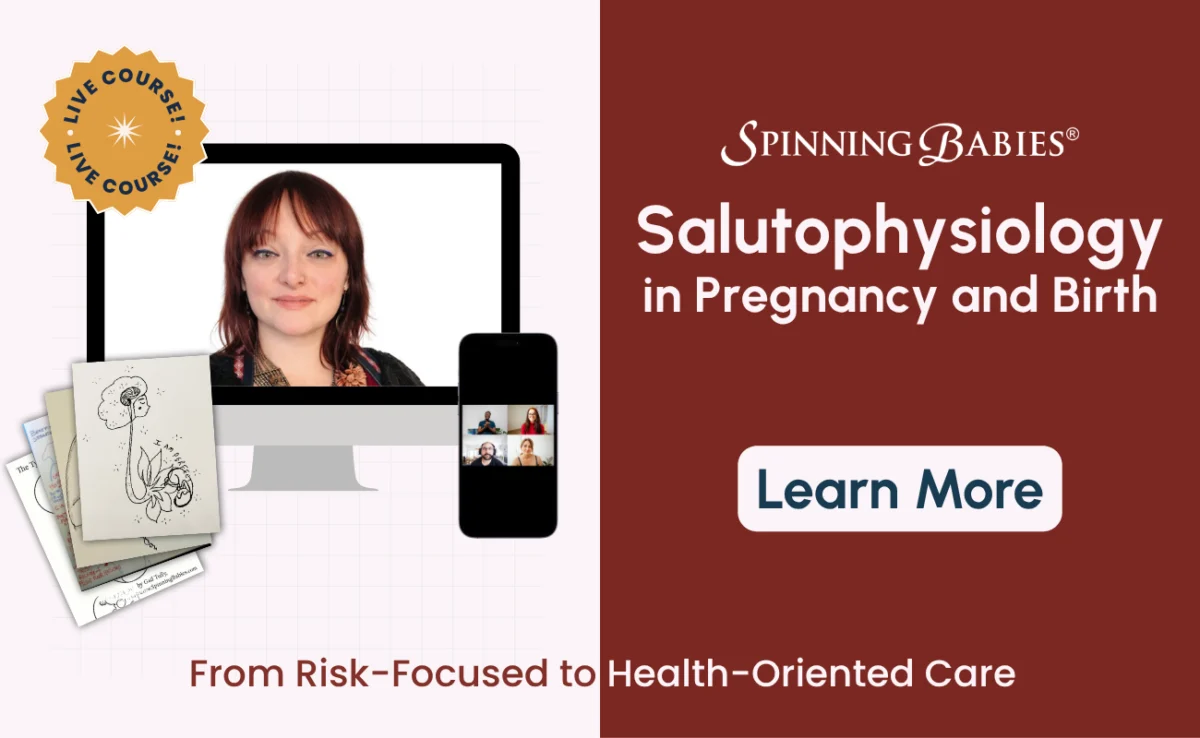
Recognizing the need to bring this framework into clinical practice, Spinning Babies® has entered into a strategic collaboration with Anna Maria Rossetti to offer a new, in-depth learning experience for birth professionals. This course is designed to explore the complex intersections of the nervous system, the birth environment, and human physiology throughout the pregnancy, labor, and postpartum periods.
The curriculum is structured to include live sessions that provide participants with the time and space to reflect on their own clinical biases, integrate new concepts into their existing practice, and apply these ideas in a supportive, community-based setting. This is an opportunity for midwives, obstetricians, nurses, doulas, and other birth workers to expand their clinical horizons alongside a community of like-minded peers who are also questioning the status quo and seeking to elevate the standard of care.
The course, titled Salutophysiology in Pregnancy and Birth: From Risk-Focused to Health-Oriented Care, is a joint initiative between Spinning Babies® and SEAO. It is designed for those who are ready to move beyond the traditional limitations of risk assessment and deepen their professional presence. By fostering a more connected and responsive way of supporting birth, this training aims to empower professionals to provide care that is not only safer but more aligned with the holistic needs of families. Registration for this program is now open, marking a significant step forward in the movement to integrate health-oriented, salutogenic principles into the modern maternity care system.
When individuals and couples decide to embark on the journey toward parenthood, the desire is rarely just about achieving a healthy pregnancy—it is almost universally accompanied by the hope that it will happen quickly and successfully. Behind the scenes of clinical practice, fertility specialists and naturopaths navigate these hopes on a daily basis, guiding prospective parents through the biological realities of bringing new life into the world.
A fundamental biological fact often overlooked by those just beginning their family-planning journey is the timeline of egg maturation. It takes approximately 90 days for an oocyte, or egg, to fully mature before ovulation occurs. This critical three-month window serves as an ideal timeframe for individuals to get their overall health in check, optimise their nutritional status, and prepare their bodies for the physiological demands of growing a healthy baby.
Health professionals generally advise starting a structured preconception regimen a minimum of three months before actively trying to conceive. For those who manage prior health conditions or hormonal imbalances—such as polycystic ovary syndrome (PCOS) or endometriosis—an even longer preparation window is frequently recommended to help balance the body’s internal environment.
In clinical practice, such as at Mungbean Health, the process begins well before any supplementation is prescribed. Practitioners typically review comprehensive pathology and diagnostic testing to pinpoint specific areas requiring extra support. Only then is a personalised, evidence-based preconception treatment plan developed. While every patient receives a tailored protocol, clinical experience highlights three common supplements frequently recommended to support fertility, egg quality, and early embryonic development: N-acetyl cysteine (NAC), ubiquinol, and quality essential fatty acids.
First up is N-acetyl cysteine (NAC)
Among the primary supplements utilised in clinical fertility care is N-acetyl cysteine, commonly known as NAC. This compound is an amino acid that functions simultaneously as a potent antioxidant, playing a crucial role in supporting egg quality and cellular maturation. Its significance is particularly pronounced for women over the age of forty who are navigating the challenges of conceiving.
A substantial body of scientific literature has demonstrated the efficacy of NAC in supporting female fertility through various physiological mechanisms. Research has highlighted its specific benefits in improving ovulation frequency and enhancing pregnancy rates among patients diagnosed with PCOS, as well as those experiencing unexplained infertility. The primary mechanism involves mitigating oxidative stress—a destructive process driven by free radicals that can damage and compromise reproductive cells.
Furthermore, NAC is recognized for its ability to help lower circulating insulin levels, balance specific reproductive hormones in women with PCOS, and support healthy, predictable ovulation by helping to regulate the menstrual cycle. Additionally, clinical observations note that NAC can assist in optimising cervical mucus consistency, helping it to thin appropriately so that sperm can pass through more easily to fertilise the egg.
Beyond general ovulation support, NAC is frequently utilized in clinical settings like Mungbean Health to assist women managing endometriosis or those with a history of recurrent miscarriage. Because dosages must be carefully calibrated to the individual, practitioners emphasize that these compounds are integrated into personalised treatment regimens rather than administered universally.
Second is ubiquinol – the active form of coenzyme Q10
The second major player in many preconception protocols is ubiquinol, which is the active and readily absorbed form of coenzyme Q10, or CoQ10. CoQ10 is a naturally occurring enzyme distributed throughout the body that functions essentially like a cellular power pack, supplying vital energy to cellular structures. Alongside its energy-producing capabilities, it acts as a powerful antioxidant, shielding the body and its delicate reproductive cells from the damaging impact of harmful free radicals.
CoQ10 has become a staple in modern preconception care, particularly for individuals undergoing assisted reproductive technologies such as in vitro fertilization (IVF). Because egg maturation and early embryonic division demand immense amounts of cellular energy, supplementing with CoQ10 can help boost overall fertility potential in both women and men.
For patients undergoing IVF cycles, the addition of CoQ10 has been shown to meaningfully improve egg quality and enhance the ovaries’ physiological response to the rigorous hormonal stimulation required during the procedure. Clinical data comparing IVF cycles among women supplementing with CoQ10 versus those who did not have demonstrated notable differences. Specifically, the CoQ10 groups frequently showed higher overall egg yields, improved embryo quality, a greater number of viable embryos available for freezing, and a reduced rate of cancelled cycles.
And thirdly, the beautiful essential fatty acids found in diet and quality supplementation
The third cornerstone of a comprehensive preconception plan involves essential fatty acids, sourced through both a nutrient-dense diet and targeted, high-quality supplementation. Naturopaths often view essential fatty acids as a non-negotiable component of preconception care, primarily due to the profound impact they have on early brain development in the growing fetus during the first trimester.
In clinical practice, the preferred method for ensuring adequate intake is through high-quality, practitioner-only fish oil formulations that feature a higher concentration of docosahexaenoic acid, commonly known as DHA. The biological rationale behind this recommendation is rooted in fetal development demands. If a mother’s body does not maintain sufficient levels of essential fatty acids to support the baby’s rapid neural growth, the maternal body will prioritize the fetus, essentially drawing from its own internal reserves to pass the nutrients along to the baby.
This depletion of maternal stores can leave the mother vulnerable to a diminished nutrient supply, leading to low moods, cognitive decline—commonly referred to in everyday language as "baby brain"—and an increased statistical risk of developing prenatal or postnatal depression and anxiety. Because these risks extend well beyond the first trimester, the benefits of maintaining healthy fatty acid levels continue steadily throughout pregnancy and well into the postpartum and breastfeeding phases.
While DHA can certainly be obtained through dietary sources such as oily fish, nuts, and seeds, practitioners frequently advise patients to actively increase their intake of healthy fats. However, timing is a critical consideration in supplementation; healthcare providers typically advise pausing high-dose essential fatty acid supplementation around 36 weeks of gestation to mitigate the risk of increased bleeding during delivery. Supplementation can then be safely resumed after the baby is born to continue providing vital fats through breast milk, should the mother choose and be able to breastfeed.
Fast-track your results
Implementing targeted nutritional supplementation under professional guidance represents one of the most effective ways to support optimal egg quality, fertilisation rates, and successful implantation. For individuals eager to navigate their fertility journey efficiently, targeted nutritional therapy can help streamline the biological preparations required for conception.
Importantly, preconception health is not an endeavor restricted solely to women. As contemporary scientific research continues to expand our understanding of fertility, it is increasingly clear that male reproductive health plays an equally vital role in the conception equation. The same fundamental principles of nutrition, antioxidant support, and lifestyle optimization apply equally to prospective fathers.
Nevertheless, health professionals continuously caution against the practice of self-prescribing supplements. Because every individual’s biological chemistry, pathology results, and health history are unique, prospective parents are strongly encouraged to seek personalised guidance from a qualified naturopath or integrative healthcare provider.
For those preparing to take the next step, fertility specialists generally advise initiating contact with a practitioner approximately three to six months prior to the intended time of conception to achieve the most favorable clinical outcomes. Navigational success in the preconception journey relies on addressing a wide array of interconnected factors, including individualized diet, daily lifestyle habits, and environmental exposures, making professional clinical support an invaluable asset for growing families.
Reporting by Riannon Page for the Endeavour College of Natural Health.
It is all too easy to worry. In an age defined by economic shifts, health concerns, and the daily pressures of raising a family, uncertainties about the future can quickly spiral into deep-seated anxiety and fear for parents. Yet, the foundational truths found in ancient texts remind individuals to cast their anxieties away because they are cared for. Knowing that a higher power is in absolute control—even when earthly circumstances feel chaotic—offers a profound anchor. Long before modern psychology mapped the physical toll of chronic worry, timeless wisdom recognized human vulnerability, advising generations not to be afraid.
Anxiety in Sarah’s Family
The reality of this struggle plays out in households across the country every single day. It was 2 a.m. when Sarah found herself staring at the ceiling yet again, her mind racing through a familiar, exhausting loop: What if Jacob’s cough turns into something worse? What if we can’t cover the bills this month? What if I’m failing at this whole parenting thing? Down the hall, she could hear her seven-year-old shifting restlessly in his sleep, and she wondered—not for the first time—if he could somehow feel the tension she carried, even in her silence.
The next morning, Jacob refused to eat breakfast and snapped at his sister over nothing. Sarah recognized the pattern immediately, because she’d seen it in the mirror the night before. Anxiety, she was learning, doesn’t stay contained to one person in a household—it moves through a family like a current, quietly shaping how everyone responds to the world. If she wanted peace for her children, she realized, she would first have to find it for herself.
As parents, child development experts and mental health professionals note, it is critical to train oneself to manage fears and anxiety in order to protect children and train them to be resilient. Overcoming anxiety and caring for a family’s overall mental health all starts with the adults in charge. Keeping anxious thoughts in check and helping children navigate their own emotional landscapes requires a deliberate, grounded approach to daily life.
Understanding the Nature of Anxiety
It is very likely that nearly every adult has experienced anxiety at some point. The physical symptoms are unmistakable: a pounding heart, sweaty palms, and an inability to catch a breath, all triggered by an impending worry. While some people experience these sensations only on occasion, others find that anxiousness and anxiety disorders are an everyday occurrence that disrupts their professional and personal lives.
Clinically and practically speaking, anxiety almost always manifests in the form of "what if" questions. A person might ask themselves what will happen if their health fails, or if they lose their job and cannot make mortgage payments or feed their family. By its very definition, anxiety focuses exclusively on the future and never on the present moment.
Consider this psychological reality: Does the future actually exist yet? No. And how much control does any individual have over things that do not yet exist? Zero.
This disconnect makes it remarkably easy to feel like life is completely out of control. Imagining all of the possible ways for events to unfold can quickly turn into an endless, exhausting mental road. Before long, the world feels like it is spinning out of control, and anxiety has the individual firmly in its grip.
Why Worry Fails to Change Tomorrow
Human beings cannot live in the future, nor can they realistically control every variable that happens there. However, people can and should plan for the future. The concrete actions taken today make a measurable impact on what happens tomorrow, next month, or next year. Wise choices and careful planning remain essential components of responsible living.
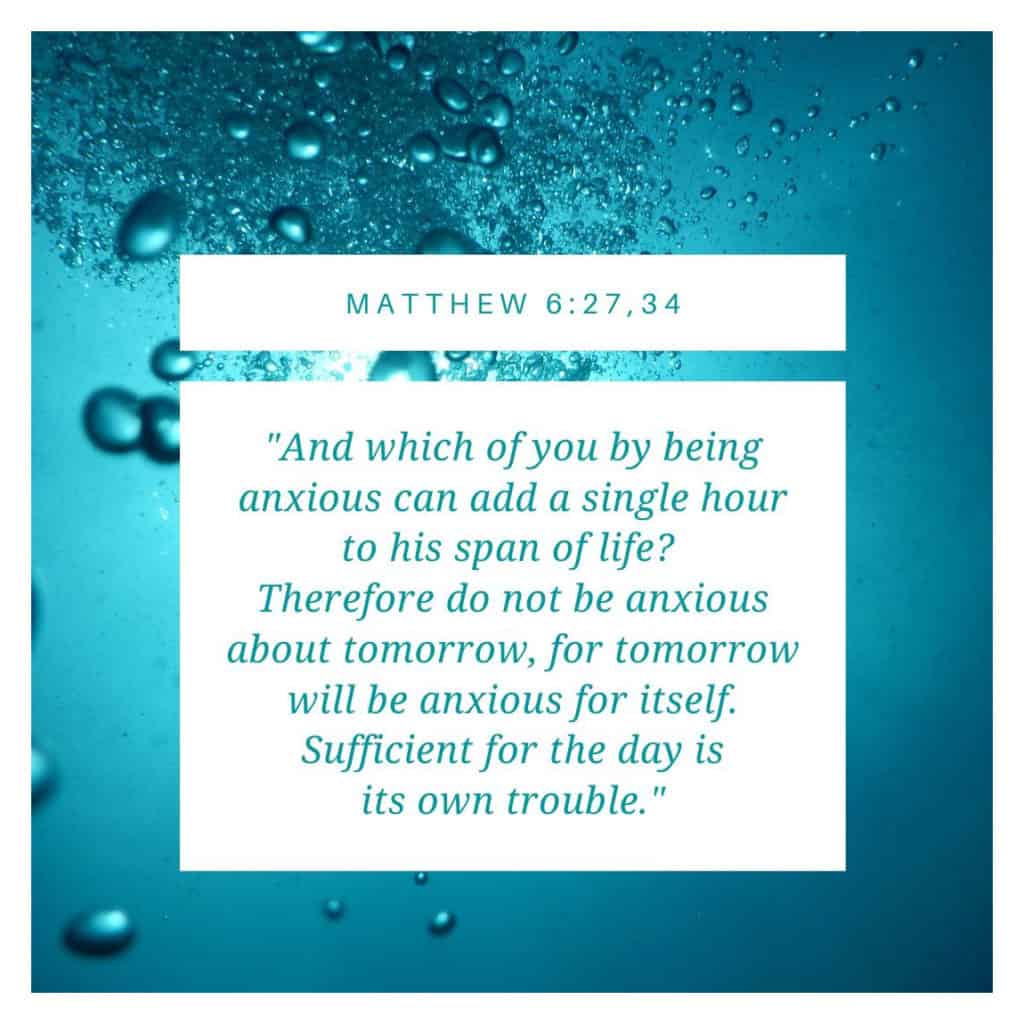
However, excessive worry about the future does nothing to help anyone prepare for it. Historical texts record lengthy discourses on this exact topic, pointing out that fretting cannot add a single hour to a person’s life span. The pragmatic advice remains to focus on the immediate day, as each day carries enough challenges of its own.
Beyond the mental exhaustion, anxiety takes a severe physical toll on the human body. Medical science shows that brains simply do not function well under constant, elevated levels of stress. Anxiety forces the brain to use excessive amounts of serotonin, the vital neurotransmitter that contributes directly to feelings of happiness and well-being. Chronic anxiety can rapidly deplete the brain’s stores of serotonin, a shortage that can eventually cause the brain to slip into clinical depression. Once that threshold is crossed, the cycle can become extremely difficult to reverse. Recognizing these physiological risks makes it imperative for individuals to take active steps to overcome anxiety before it takes a permanent toll.
Practical Ways to Control Anxious Thoughts
Because anxiety feeds on speculative "what if" questions about an unwritten future, the most effective antidote is keeping the mind firmly grounded in the present. Achieving this, however, requires deliberate, intentional practice. Mental health advocates often compare the untrained mind to a large, powerful dog on a leash. A massive St. Bernard might trot happily beside its owner until a rabbit suddenly darts from the bushes. If the dog is untrained, it will dive into the brush, dragging the owner along for a chaotic chase. If the dog is properly trained, the owner can simply pull the leash, call the animal back, and continue enjoying the peaceful walk.
The human mind operates in much the same way. Thoughts will inevitably drift toward the future, sparking anxious inquiries. The deciding factor is whether an individual has trained their mind to return to the present moment or chosen to let runaway thoughts drag them down endless mental trails.
Training the mind requires active participation rather than passive reading. Over time, consistent practice builds psychological resilience, making calm responses much more automatic when anxiety flares up. Professionals recommend several practical techniques to anchor wandering thoughts back to the present.
One popular method used by clinical directors is an observational grounding exercise designed to pull attention away from abstract worries and direct it toward immediate surroundings by cataloging specific sights, sounds, and tactile sensations in the immediate environment. Concluding this mental inventory by asking a simple, direct question—such as what needs attention right now—helps reset the cognitive focus.
In addition to observational techniques, simple physiological interventions yield rapid results. Taking several slow, deep breaths immediately signals the nervous system to calm down, relaxing the physical body and tightening focus on the present. Maintaining structured daily routines also fosters a deep sense of stability and control, whether that means preserving existing habits or establishing predictable new schedules during times of disruption. Physical exercise—particularly activities that demand complete hand-eye coordination or continuous movement, such as a fast-paced game of sports—leaves little cognitive bandwidth for worry, effectively clearing the mind.
Finally, spiritual disciplines offer a powerful framework for peace. Many individuals find profound relief by turning to prayer, meditation, and the study of foundational texts that explicitly address fear and worry. Surrendering heavy thoughts to a higher power provides a psychological and emotional release that helps individuals trust that they are not carrying their burdens alone.
Navigating Anxiety in Children
As family counselors frequently point out, adults must learn to manage their own anxiety before they can effectively teach those vital skills to their children. Adults often underestimate how perceptive children are; even with exceptional acting skills, parents cannot completely hide deep-seated anxiety from their kids. Children absorb tension effortlessly, leading to the clinical observation that anxiety breeds anxiety. Ensuring positive family mental health must start with the parents.
Just like adults, children experience real anxiety, though younger kids often lack the vocabulary to articulate what they are feeling. Instead, anxiety in children typically manifests in behavioral extremes. A child may become unusually quiet and withdrawn, or they may exhibit boundless, frantic energy. Physically, children frequently express anxiety as a somatic complaint, such as a persistent "tummy ache," alongside rapid breathing, sweating, or restless sensations.
Regardless of a child’s age or how their anxiety presents itself, the core strategy remains the same: gently guiding them back to the present moment. Children, too, fall into the trap of worrying about future uncertainties. Helping them focus on the here and now diffuses their fears.
When children face difficult circumstances—such as family illnesses, financial strains, or job losses—they inevitably ask tough questions. They may voice fears about what will happen if a parent gets sick or loses employment. During such moments, parents must resist the temptation to overwhelm children with every detail of a complicated situation, operating under the false illusion that total information equals total control.
Instead, parents can respond by reassuring children that the adults are actively thinking about and planning for the situation. Keeping explanations consistent, age-appropriate, and strictly focused on what the family is doing right now to remain safe and supported helps children feel secure without bearing adult burdens.
When to Seek Professional Support
While everyday strategies help manage normal levels of stress, some individuals experience anxiety that is so frequent, intense, and disruptive that professional intervention becomes necessary. Clinicians look for specific indicators of Generalized Anxiety Disorder, including persistent restlessness, chronic fatigue, severe lack of focus, irritability, muscle tension, sleep disorders, and deliberate avoidance of everyday situations.
When these symptoms significantly impair daily functioning for an adult, a spouse, or a child, consulting a licensed mental health professional is strongly recommended. Organizations such as Focus on the Family offer consultation sessions through professional counselors, and individuals can also connect with qualified local care providers through regional networks, ensuring that families have access to the comprehensive support they need to navigate mental health challenges successfully.
As families and educators navigate the transition from summer break into a new academic and spiritual season, the creators behind the popular faith-based platform Catholic Icing are offering a new resource designed to keep the liturgical year front and center. In an effort to make Catholic traditions more accessible, the platform has announced the release of a complimentary, downloadable Saint of the Day Calendar specifically tailored for the month of August.
Developed in collaboration with Angie from Real Life at Home, the platform’s monthly membership program routinely focuses on crafting printables that combine aesthetic appeal with practical utility. These resources are specifically created to help families and teachers enrich their home altars, prayer tables, and learning environments. While the comprehensive material collections rotate monthly for subscribers, the team decided to make one of their decorative Saint of the Day calendars available to the public at no cost as part of a special outreach initiative.
August is traditionally regarded within the Catholic Church as a month dedicated to the Immaculate Heart of Mary, offering a rich tapestry of feast days, devotions, and historical commemorations. According to the creators, the newly released calendar is designed to help parents and educators introduce these milestones to children through daily engagement. The free August set includes two distinct U.S. Letter-sized pages featuring a complete Litany of Saints for the month, listing one holy figure for each day. To accommodate different preferences for home or classroom display, the download provides two font options. Users can easily frame the pages, mount them on refrigerators, or place them on clipboards to serve as a daily visual prompt for prayer and reflection.
The release of the August calendar coincides with a broader effort by the platform’s creators to provide structured guidance for parents seeking to incorporate the liturgical year into daily family life without feeling overwhelmed. Many Catholic parents report feeling intimidated by the prospect of keeping up with perpetual feast days, often citing a lack of time, uncertainty about where to begin, or the common challenge of letting seasonal home decorations linger long past their appropriate months. To address these hurdles, the platform offers structured monthly memberships that deliver pre-planned printables, home altar decorations, themed recipes, coloring pages, and child-friendly crafts directly to subscribers prior to the start of each month.
Beyond the monthly subscription service, the platform maintains an extensive library of supplementary materials designed to support long-term liturgical organization. Among these is a comprehensive liturgical living binder and ebook titled Weaving the Faith, which is intended to help families customize their spiritual calendars year after year. The resource serves as a centralized repository for organizing feast day celebrations, sacrament anniversaries, and prayer space materials, allowing households to gradually build a sustainable library of Catholic traditions.
The August calendar specifically highlights the month’s primary devotional focus on the Immaculate Heart of Mary. To help children connect with this monthly dedication, the platform features a variety of hands-on projects and crafts tailored for the end of the summer season. Among the featured activities are custom tie-dyed shirts bearing the Immaculate Heart motif and simple chaplet rosary crafts designed to be accessible even for younger children. These projects are intended to bridge creative play with traditional Catholic devotions, providing a tangible way for children to interact with their faith.
For those interested in obtaining the complimentary August Saint of the Day calendar, the resource is currently available through the platform’s weekly newsletter subscription service. While the download requires newsletter registration, subscribers retain the option to manage their communication preferences at any time. The release reflects a continued emphasis by Catholic educators on providing practical, aesthetically engaging tools that simplify the integration of sacred traditions into modern family routines.
However, the invitation was entirely genuine. Clarkson, the celebrated original winner of "American Idol" and a globally recognized pop icon, had personally chosen to collaborate with Buskila after discovering her performances online. Specifically, Clarkson had watched videos of Buskila competing on "The Next Star," a prominent Israeli reality television competition where the winner earns the right to represent the country on the international Eurovision stage. At the time of the collaboration, Buskila was a 42-year-old mother of one who had already enjoyed a successful career in the music industry with multiple hit albums during the 2000s. Her stellar run on the 2018-2019 season of the reality contest had resulted in a respectable fourth-place finish, which ultimately brought her formidable vocal talents to the attention of the American singer thousands of miles away.
The scope of the project extended far beyond a standard vocal feature. Clarkson and Buskila were set to record a Hebrew-language version of Clarkson’s then-newly released single, "I Dare You." This ambitious undertaking required Buskila to take on the role of a vocal coach, guiding the Texas-born powerhouse through the nuances of the Hebrew language. Because the collaboration took place remotely, the two artists had to conduct their language and recording sessions over WhatsApp. Buskila noted that the process required a significant amount of dedication and patience, pointing out that it took them nearly two months of consistent work to get the pronunciation right. A particular area of focus during their virtual coaching sessions was helping Clarkson master the distinct sound of the Hebrew letter "resh."
Reflecting on the experience, Buskila shared that working alongside Clarkson was one of the rare, defining moments of her career that left her completely speechless. She praised the American artist’s work ethic, describing her as deeply professional, exacting, and possessing a truly wonderful voice.
The resulting track, titled "Bo Nir’eh"—which translates literally into English as "Let’s See You"—proved to be both beautiful and emotionally resonant. The song’s lyrics were loosely adapted into Hebrew by lyricist Noam Horev, resulting in powerful and flowing verses that matched the uplifting spirit of the original English composition. Hearing an artist of Clarkson’s stature performing fluently in Hebrew offered a uniquely special listening experience, while Buskila’s vocals matched the intensity and emotional depth of the track with incredible strength and clarity.
This Hebrew-language duet was part of a much larger, global multimedia initiative spearheaded by Clarkson. The original English track of "I Dare You" was recorded in six distinct languages as part of an international message of unity. Alongside the English and Hebrew versions recorded by Clarkson and Buskila, the project featured collaborations with a diverse array of international talent. Clarkson partnered with Moroccan-Canadian singer Faouzia for an Arabic-language version, and joined forces with French singer Zaz for a French rendition. The project also included a German version recorded in collaboration with the pop duo Glasperlenspiel, as well as a Spanish version featuring Blas Canto, who had been slated to represent Spain at the Eurovision Song Contest before that year’s event was ultimately canceled due to the global health crisis.
While the original plan for the project involved bringing all the participating artists together to film a sweeping international music video, the emergence of the coronavirus pandemic forced a change in strategy. Instead of gathering in person, Clarkson adapted to the constraints of social distancing by having her global collaborators appear virtually as guests on her television talk show. Together, the artists also recorded a special, home-brewed virtual version of the song, allowing each participant to perform from their respective living spaces while maintaining safe distances.
The resulting global megamix resonated deeply with audiences and critics alike, blending multiple languages and cultures into a single, cohesive musical statement. For many listeners, the sight of artists representing nations with complex historical relationships—including countries where Jewish communities faced severe persecution in the past, such as Germany and Spain—harmonizing alongside the pure and powerful Hebrew vocals of Maya Buskila added a profound layer of meaning to the project. The blending of these distinct cultural voices underscored a universal message of resilience, love, and inclusivity.
Ultimately, the global collaboration stood as a testament to the power of music to bridge geographical and cultural divides during a time of widespread isolation. By bringing together incredible vocal talents from across the planet to perform a message of daring to speak out in the face of adversity, Clarkson and her international partners created an uplifting piece of art that continued to resonate with audiences long after its initial release.
Cancer remains one of the most pressing health challenges in the United States, standing firmly as the second leading cause of death nationwide. While this serious medical condition can impact individuals across all demographics, public health data highlights that women face a uniquely heightened risk. According to the American Cancer Society, a broad spectrum of cancers commonly affects women, including breast, lung, colorectal, endometrial, cervical, ovarian, and skin cancers. Among these, breast cancer emerges as the most prevalent diagnosis among women in the United States. Statistical projections from the National Breast Cancer Foundation indicate that approximately one in eight women in America will receive a breast cancer diagnosis at some point in their lifetime.
These sobering statistics carry profound implications for communities across the country. The women who form the foundation of our families and neighborhoods—mothers, daughters, sisters, and friends—deserve robust community support and active encouragement to prioritize their personal health and wellness.
Medical researchers note that a variety of factors can influence an individual woman’s risk of developing breast cancer. These include increasing age, physical inactivity, carrying excess weight after menopause, never having experienced a full-term pregnancy, giving birth to a first child after the age of 35, foregoing breastfeeding, and utilizing specific hormonal contraceptives or alternative hormone replacement therapies. While certain risk factors are entirely beyond a woman’s control, addressing modifiable elements offers meaningful opportunities to reduce overall risk. Cultivating habits such as carving out time for regular physical activity, striving to maintain a healthy body weight, and engaging in open dialogues regarding individual risk factors with a qualified healthcare professional represent critical steps toward long-term wellness.
Despite the importance of these preventive measures, women—particularly mothers—frequently neglect their own fundamental needs while intensely devoted to caring for their loved ones. Society often places heavy expectations on women to act selflessly, shouldering domestic responsibilities and making constant personal sacrifices for the sake of their families. Fulfilling these demanding expectations, however, frequently happens at the direct expense of their own physical and psychological health. This dynamic underscores why intentional self-care is not merely a luxury, but a vital necessity. Setting aside time for oneself is essential to preserving physical stamina, psychological balance, emotional resilience, and spiritual strength. Finding a workable equilibrium between daily responsibilities and necessary relaxation remains a persistent challenge, yet it is indispensable for anyone attempting to sustain personal health amidst life’s relentless demands.
Self-Care for Moms
Addressing these realities requires shifting cultural perspectives to establish a clear truth: self-care is fundamentally unselfish. Caring for one’s own health must be treated as a top priority, encompassing daily habits and attentive monitoring that actively support disease prevention. Individuals possess an intimate awareness of their own physical states, making it crucial to pay close attention to subtle bodily changes and seek prompt medical guidance when unusual symptoms arise. Women can begin taking a more proactive role in managing their personal health by easing into sustainable, balanced wellness routines.
A primary step involves maintaining regular medical and dental check-ups. In many households, mothers function as the primary healthcare coordinators, diligently scheduling appointments for children, aging parents, and spouses. Consequently, the medical needs of loved ones routinely take precedence, while the mother’s own healthcare requirements are pushed to the background. Health advocates emphasize that mothers require routine check-ups just as much as anyone else in the family. Giving personal health the same meticulous attention dedicated to family members requires intentional effort to schedule and attend necessary medical appointments.
Equally important is familiarizing oneself with the recognized signs and symptoms of cancer. When consulting with healthcare providers regarding appropriate cancer screenings, patients benefit significantly from understanding specific warning signs that warrant professional evaluation. An informed patient is an empowered patient. Rather than dismissing a persistent health concern or postponing a consultation while attending to family obligations, individuals are encouraged to seek timely medical guidance. Recognizing early indicators and following through on recommended diagnostic screenings play a vital role in supporting early detection efforts.
Beyond clinical visits, carving out dedicated time for personal rest is essential. The societal expectations placed upon women are frequently unrealistic, demanding high levels of productivity, pristine home maintenance, and financial contribution, often alongside systemic hurdles such as workplace discrimination and unequal pay. Establishing firm personal boundaries and creating space for rest and recreation helps counteract chronic stress, which can negatively impact immune function and overall health. Simple breaks that require little to no financial investment—such as enjoying a favorite meal, taking a quiet walk, or spending a few moments in uninterrupted solitude—can provide significant mental refreshment.
Establishing a manageable exercise routine is another cornerstone of long-term wellness. For many busy women, transitioning physical activity into a consistent habit presents a formidable hurdle. Experts suggest beginning with manageable activities and gradually building endurance over time. Available options range from brisk walking and strength training to martial arts, yoga, cycling, and dance. Exercising alongside a friend or family member can enhance motivation, while others may opt to engage professional trainers for structured guidance.
Maintaining social connections with loved ones also contributes profoundly to overall well-being. Individuals who have navigated serious illnesses frequently reflect on the profound value of spending quality time with family and friends. Fostering these connections through visits, shared meals, or simple conversations offers emotional comfort, affection, and essential companionship during difficult times.
For many individuals, personal wellness is deeply intertwined with spiritual and dietary traditions. Dietary guidance found within religious frameworks encourages the consumption of wholesome, nourishing foods and adequate hydration while avoiding overindulgence in processed, fatty, or sugary items. Incorporating traditional foods mentioned in classical texts, such as honey, dates, and black seed, can further support individual nutritional needs. Simultaneously, building a consistent spiritual routine—incorporating prayer, meditation, and quiet reflection—provides psychological comfort, instills patience, and serves as a powerful reminder that individuals do not navigate life’s challenges in isolation.
Cancer’s widespread impact ensures that nearly every community encounters the disease either directly through personal diagnosis or indirectly through the experiences of loved ones. These sobering realities underscore the critical importance of championing preventive care and supporting the women and mothers who form the bedrock of our communities. While adopting healthy lifestyle habits and preventive measures cannot completely eliminate the risk of illness, these practices fortify overall well-being and help mitigate potential health hazards. Ultimately, tending to one’s health serves as an expression of gratitude for life itself, balancing proactive personal care with deep trust in eventual healing.
For many parents, navigating the shifting social behaviors of a young child can feel like deciphering an unpredictable code. A child who is a whirlwind of energy, confidence, and opinionated chatter within the safe confines of home can suddenly transform into a completely different person the moment they step into a public or group setting. This familiar yet deeply confusing dichotomy is the focus of a recent discussion by parenting expert and author Janet Lansbury on her Unruffled podcast, where she addresses a parent’s growing anxiety over a three-and-a-half-year-old daughter who is outspoken at home yet appears "painfully shy" around peers, relatives, and structured classes.
The situation, which has become a pressing concern for the mother as preschool approaches, highlights a common developmental phenomenon that often causes unnecessary distress for families. According to Lansbury, labeling a child as "shy" or "fearful" in these moments fundamentally misunderstands what is actually happening beneath the surface. Instead of viewing the behavior as a deficit or a sign of social anxiety, parents are being encouraged to reframe these moments as a natural manifestation of strong-willed, observant personalities caught in a self-reinforcing power loop.
The Household Firebrand Versus the Public Observer
The dynamic described by the parent is a familiar script in many households. At home, the three-and-a-half-year-old is characterized as fun, loud, busy, smart, and decidedly opinionated. Yet, outside the immediate family unit—even with familiar cousins or peers she has known for a long time—she retreats into silence. Rather than joining in games, she frequently clings to her parents or asks them to play with her individually.
This contrast is particularly visible during weekly gymnastics classes. The child expresses genuine excitement about attending, eagerly enters the facility, and participates enthusiastically in initial stretches and early rotations like the bars. However, when the class transitions to the next event, such as the balance beam, she abruptly stops moving, clams up, and refuses to budge. Despite knowing the coaches well and receiving gentle encouragement, hand-holding offers, and invitations to participate, she remains frozen, sometimes silently shaking her head or sitting quietly until the class concludes.
When asked afterward if she dislikes gymnastics or wishes to stop, the child insists that she loves it and wants to continue. This contradiction—loving an activity yet refusing to fully participate on demand—leaves parents wondering how to intervene without overstepping, especially with the transition to formal preschool looming on the horizon.
Redefining the Behavior: Moving Beyond the Label of Shyness
Drawing on years of experience facilitating parent-toddler classes, Lansbury suggests that behaviors of this nature are rarely rooted in genuine fear or painful shyness. Instead, she identifies these children as possessors of "alpha" or strong-willed personalities—powerful, bright lights who naturally command attention within their family ecosystems.
When these children enter social environments, their reluctance to participate immediately is often an exercise of control rather than a manifestation of anxiety. These types of children frequently prefer to approach new situations with the expectation of mastery, wanting to observe quietly until they feel completely sure of themselves. They are often unwilling to risk vulnerability or make a misstep in front of others.
However, the well-intentioned reactions of adults often inadvertently reinforce the very behavior they wish to change. When parents, coaches, or relatives notice the hesitation and begin to coax, encourage, or physically intervene—offering hand-holds, pleading for participation, or showing visible concern—the child feels the immense weight of expectation. According to Lansbury, children quickly pick up on this dynamic and recognize the subtle power it grants them. Caught in what she describes as a "stuck place," the child digs their heels in further, holding onto their silent position precisely because so much focused energy is being directed toward moving them.
The Power of Letting Go and Trusting the Process
For parents who worry that their child’s reserved public demeanor will hinder their social development or school readiness, the recommended approach requires a significant shift in perspective and parental action. Lansbury emphasizes that the key to unlocking these situations lies in relinquishing worry and eliminating the pressure that emanates from parental concern.
When parents stop viewing their child through a lens of fear or perceived shyness, the invisible cloud of anxiety lifts. By consciously deciding to trust the child’s internal process, parents can step back from the instinct to fix, rescue, or accommodate the hesitation. This means allowing the child to sit nearby, decline group play, or observe from the sidelines without attempting to orchestrate social interactions or entertain them as compensation.
Applying this philosophy in practice involves responding neutrally to social rejection or withdrawal. If the child refuses to interact with cousins or freezes during a gymnastics transition, the recommended response is simple acceptance. A calm acknowledgment of the child’s choice—such as letting them know they are welcome to stay close without forcing participation—removes the leverage that fuels the standoff.
As children prepare for environments like preschool, Lansbury advises communicating these behavioral rhythms to educators in advance, asking them to keep the space open without exerting pressure to join games prematurely. By honoring the child’s role as a careful observer who takes time to warm up on their own terms, parents can foster genuine self-confidence. Ultimately, when adults stop shouldering the responsibility of fixing normal developmental hesitations, they free children to navigate social landscapes at their own pace, transforming a perceived weakness into a quiet display of personal autonomy.