Experts Detail Natural Detox Bath Recipes Utilizing Common Pantry Ingredients to Support Health and Relaxation
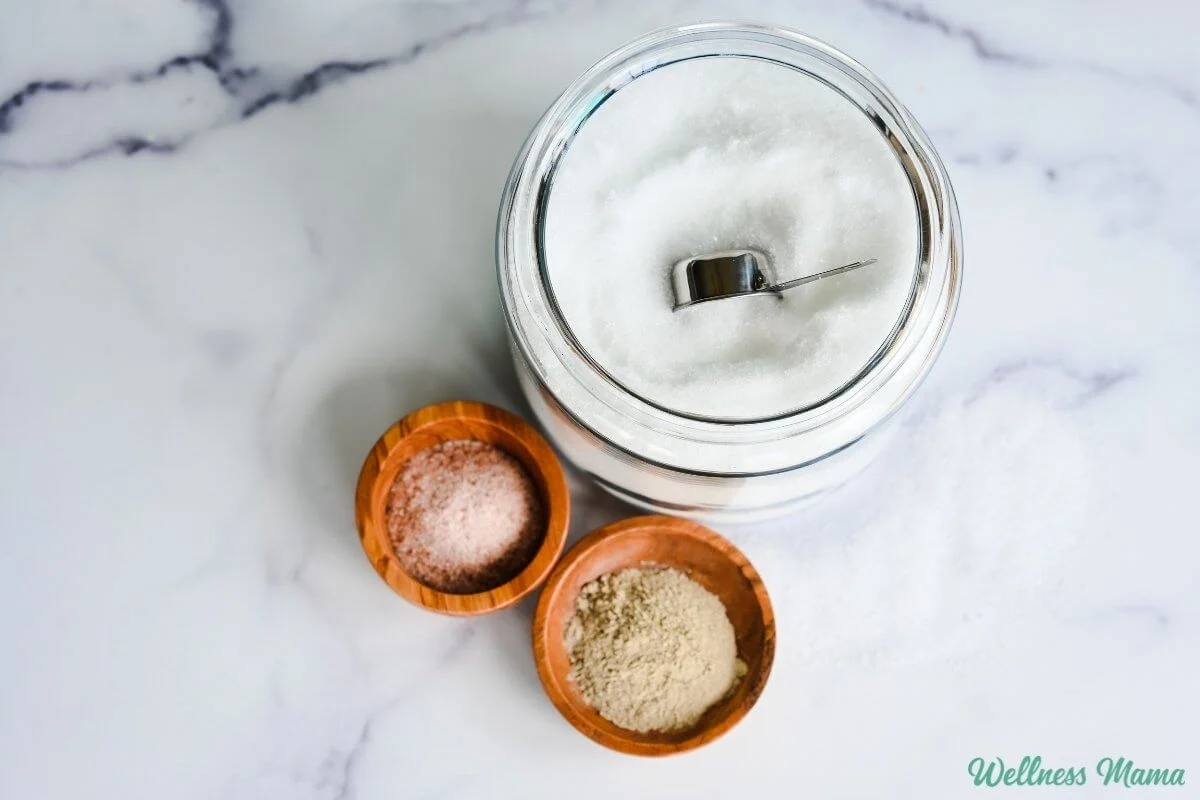
In the rhythm of modern daily life, finding moments of genuine relaxation can often feel like a challenge. While health experts have long championed the simple, restorative power of a warm bath, a growing emphasis is being placed on specialized detox baths as an effective, inexpensive way to address skin issues, combat everyday toxin overload, and boost overall wellness. Far from being a complicated medical procedure, proponents of natural wellness note that these targeted soaks harness simple pantry staples to support the body’s innate detoxification systems while offering a soothing end to a long day.
Health advocates emphasize that the human body is naturally equipped with sophisticated mechanisms for eliminating toxins. Organs such as the liver, kidneys, and skin work continuously around the clock to filter and remove waste products. However, the unique demands and exposures of contemporary living can occasionally leave these natural systems needing a little extra, targeted support. Rather than viewing a detox bath as a forced medical intervention, wellness practitioners frame it as an intentional way to enhance the body’s self-cleaning processes while promoting deep physical and mental relaxation. For individuals who may not have the time for a full-length soak, experts suggest that a simple foot bath utilizing the same natural ingredients can still deliver many of the therapeutic benefits.
The foundation of many traditional natural soaking routines relies on the basic Epsom salt bath. Epsom magnesium sulfate salts have long been utilized not only to encourage gentle detoxification and soothe skin irritation, but also to help replenish the body’s magnesium stores transdermally. Beyond basic salts, however, a variety of alternative bath formulations have gained attention for their specific health applications, incorporating everyday items like baking soda, organic apple cider vinegar, bentonite clay, and even targeted spices like mustard powder.
Natural Detox Bath Recipes
Over the years, the understanding of how detoxification functions within the human body has evolved significantly. While popular culture often associates the term "detox" with extreme cleanses or drastic dietary restrictions, clinical perspectives increasingly view it as a continuous, biological reality managed by the liver, kidneys, and skin. Modern lifestyles, characterized by increased environmental exposures and chronic stress, mean that targeted external support can occasionally assist these organs in performing their daily functions more efficiently.
While the humble Epsom salt bath serves as the baseline for many home wellness routines, alternative preparations such as clay baths, vinegar-based soaks, and herbal or spice infusions offer specialized benefits. Many of the required ingredients are already commonly found in household pantries, yet they serve remarkably versatile purposes. Minerals, acids, and botanical elements work synergistically when dissolved in warm water, helping to stimulate circulation, encourage perspiration, soften skin, and provide profound nervous system relaxation. Furthermore, these natural preparations are generally considered safe and soothing for children, provided that parents exercise careful discretion when selecting and diluting essential oils.
Basic Epsom Salt Detox Bath Recipe
The cornerstone of home hydrotherapy remains the classic Epsom salt bath. This straightforward preparation is widely recommended for individuals seeking to soothe minor skin irritations, elevate systemic magnesium levels, and encourage general relaxation and toxin elimination. Medical professionals generally advise starting slowly when introducing any new health routine, including therapeutic baths, to observe how the body responds. For families looking to incorporate these practices more broadly, wellness literature and lifestyle guides—such as the resources compiled by practitioners and authors in the field—frequently highlight Epsom salts as a versatile, low-risk starting point. To ensure the highest quality experience, experts also recommend utilizing specialized filtration systems, such as bathtub water filters, to minimize exposure to chlorine and other chemicals often found in municipal tap water.
Clay Detox Bath Recipe
Among the more specialized home soaking techniques, clay baths have garnered attention for their unique ability to interact with environmental pollutants. Bentonite clay, a natural volcanic ash derivative commonly utilized in cosmetic face masks and natural oral care products, possesses a strong physical property for absorbing heavy metals and other impurities that can accumulate within the body over time.
When preparing a bentonite clay bath, practitioners emphasize the importance of practical plumbing precautions. Because the clay particles can easily settle and accumulate within household drainage systems, experts recommend utilizing a specialized drain filter or a cloth strainer during and after the bath to prevent potential pipe clogs.
The preparation process involves dissolving Epsom salts in a comfortably warm or hot bath, incorporating essential oils if desired, and carefully mixing in the bentonite clay using specialized blending methods to ensure an even suspension. The therapeutic mechanism relies on a dual-action approach: the clay actively binds to heavy metals and surface impurities, while the dissolved Epsom salts help draw out secondary metabolic waste products while simultaneously replenishing the bather’s transdermal magnesium levels.
Oxygen Detox Bath Recipe
For individuals navigating seasonal illnesses, congestion, or heightened inflammatory responses, specialized botanical soaks offer targeted relief. Incorporating ingredients like fresh or powdered ginger into a warm bath can significantly assist the body during periods of immune challenge. Ginger is widely recognized for its ability to clear respiratory congestion, alleviate muscular body aches, and stimulate peripheral circulation, which in turn supports faster recovery and healing times.
In addition to easing the symptoms of common colds and flus, these warming botanical baths can provide comfort for individuals suffering from seasonal allergies or stubborn skin irritations. A common preparation method involves brewing a strong ginger tea, allowing it to steep, straining the botanical matter after fifteen minutes, and pouring the infused liquid directly into the bathwater. This method allows the volatile oils and active compounds of the ginger to interact with the skin and steam, providing both aromatic and physical relief.
Vinegar Detox Bath Recipe
While the pungent aroma of vinegar may not appeal to everyone, vinegar-based baths are frequently recommended by skin health advocates for their exceptional ability to balance the skin’s natural pH levels. Families often turn to apple cider vinegar soaks when managing specific dermatological concerns, ranging from acute sunburns and eczema to chronic dandruff and dry, itchy skin.
Apple cider vinegar boasts a wide array of traditional uses and purported benefits. Beyond its clarifying effects on the skin’s acid mantle, many users report that a vinegar bath leaves the skin feeling remarkably soft and imparts a natural shine to the hair. The standard application involves adding a measured amount of apple cider vinegar to a warm bath. Following the soak, many individuals prefer to rinse off briefly in a cool shower, though some traditional protocols suggest allowing the residual vinegar solution to air-dry on the skin for maximum localized benefit.
Mustard Detox Bath Recipe
The inclusion of mustard in a therapeutic bath may sound unconventional to modern sensibilities, but the practice is rooted in centuries of traditional healing. Historical cultures frequently utilized organic mustard powder—distinct entirely from the prepared yellow condiment found in food bottles—as a warming spice preparation to soothe the onset of colds, flus, and deep-seated muscular soreness.
Mustard powder possesses natural rubefacient properties, meaning it gently stimulates peripheral blood circulation, drawing blood flow to the surface of the skin and creating a warming sensation that helps relax tense muscles. When combined with Epsom salts and carefully selected aromatic essential oils, a mustard bath functions as both a deeply detoxifying treatment and an invigorating sensory experience.
Medical review of these traditional wellness practices consistently emphasizes that while home remedies can offer significant comfort and supportive care, they are intended to complement, rather than replace, professional medical advice. Individuals who are pregnant, nursing, or managing pre-existing health conditions are strongly encouraged to consult with a qualified healthcare professional before making significant changes to their wellness or bathing routines.
