The Hidden Link: Why Holistic Birth Preparation May Influence Breastfeeding Success
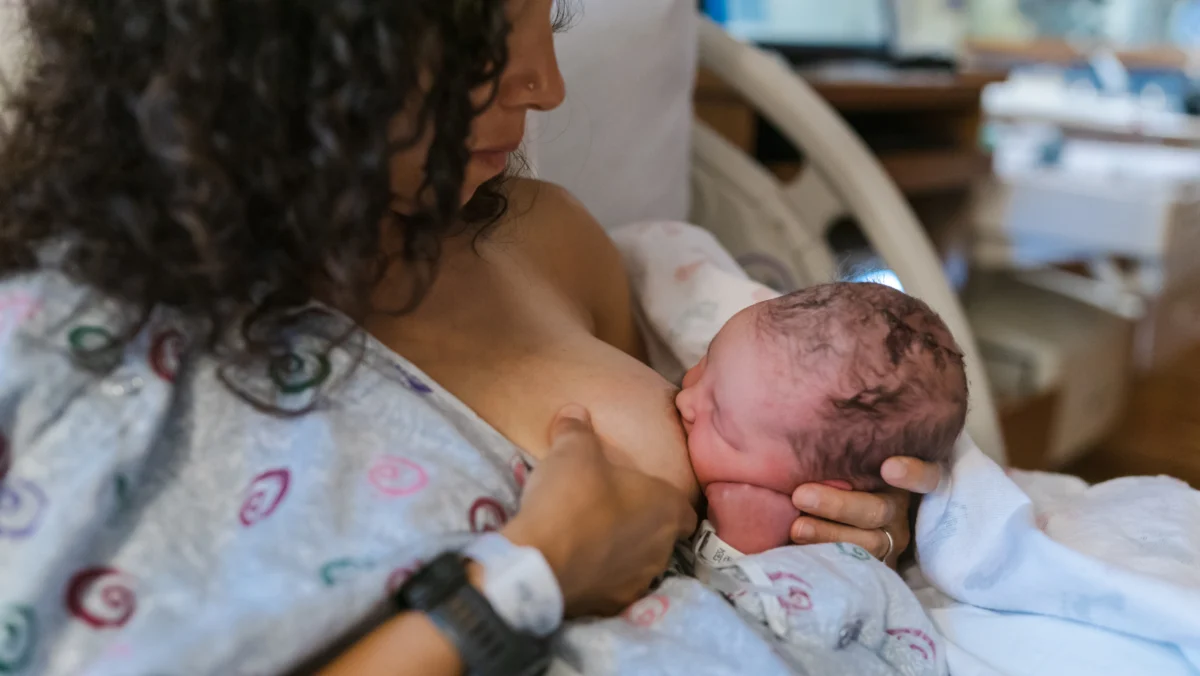
For many expectant parents, the months leading up to birth are filled with planning, classes, and anticipation. While the primary focus is often on the labor experience itself, new research suggests that birth preparation may have far-reaching consequences that extend well into the postpartum period. A study involving 3,080 mothers has revealed a compelling correlation: women who described their birth experiences in positive terms were significantly more likely to initiate breastfeeding and maintain the practice for longer durations.
While the study does not establish a direct causal link—meaning a positive birth does not automatically guarantee breastfeeding success—it highlights a crucial, often overlooked connection between the transition into motherhood and the subsequent physiological journey of nursing. This evidence is prompting experts to advocate for a broader, more integrated view of birth preparation, one that encompasses not just the mechanics of labor, but also the emotional and physiological continuity of the postpartum experience.
A Wider Lens on Birth Preparation
Taking a holistic approach to childbirth education involves moving beyond the basics of labor and delivery. According to current perspectives in maternity care, effective preparation should include an exploration of physiology, common clinical decisions, postpartum recovery, and, perhaps most importantly, the cultivation of a deep, intuitive connection between the parent and their baby.
Antenatal education that emphasizes these elements has been shown to improve childbirth self-efficacy while simultaneously reducing fear. When parents enter the delivery room feeling informed, confident, and prepared for various possibilities, they are better equipped to navigate the intense physical and hormonal transition that follows birth. For those who prioritize breastfeeding, this means thinking ahead to the "golden hour"—the period immediately following delivery—and considering the importance of skin-to-skin contact, early feeding opportunities, and the specific lactation support they might require. By bridging the gap between pregnancy, birth, and the postpartum phase, parents can create a more cohesive and less overwhelming transition.
Defining the Positive Birth Experience
One of the most persistent misconceptions in maternity care is that a "positive" birth experience is defined by a single set of circumstances. In reality, as noted by the World Health Organization (WHO), a positive childbirth experience is centered on respectful, individualized care, clear communication, emotional support, and the parent’s meaningful involvement in decision-making.
A vaginal birth is not inherently positive, just as a surgical birth, an induction, or an epidural is not inherently negative. Regardless of the medical interventions required, the quality of the experience is often dictated by how much the parent felt respected, heard, and included in the process. Comprehensive birth preparation acts as a foundation for this involvement. By understanding the wide range of possibilities that can arise during labor, parents can nurture a sense of self-awareness that allows them to trust their intuition, ask informed questions, and remain engaged in their care, even when clinical circumstances shift unexpectedly.
Birth and Postpartum as a Continuous Narrative
It is common for families to spend months preparing for the labor process while giving relatively little thought to the immediate postpartum recovery. Amara Cashion, a Spinning Babies® Certified Parent Educator, birth doula, and breastfeeding counselor, notes that many parents find themselves caught off guard by the intensity of the days following birth. Learning about the realities of the early postpartum period and creating a mental framework for what that transition might look like can significantly reduce the sense of unfamiliarity that often accompanies those first few days at home.
Rhonda McGregor, a Registered Nurse and International Board Certified Lactation Consultant, views the journey from pregnancy to breastfeeding as a single, continuous physiological process. She suggests that physiology does not simply pause at the moment of birth; rather, it is a fluid story where birth is merely one chapter. For the breastfeeding parent, this transition involves a complex hormonal shift. After the baby is born, the body begins the work of establishing milk production, a process heavily supported by the infant’s suckling and the biological closeness fostered by skin-to-skin contact.
The Significance of Early Interaction
When it is medically safe and feasible, early skin-to-skin contact provides a vital period for both parent and baby to regulate and settle together. The WHO strongly recommends supporting uninterrupted skin-to-skin contact as soon as possible, citing evidence that this practice is a significant driver of breastfeeding initiation and longer duration.
These formative moments do more than just facilitate feeding; they serve as the bedrock for attachment and emotional regulation. While newborns possess innate instincts that drive them toward the breast, the manifestation of these behaviors can be influenced by the nature of the birth itself. Understanding these early cues and recognizing that every baby’s journey is unique helps parents feel more supported during the early days of parenthood.
Navigating Information Overload
In the digital age, expectant parents are often inundated with conflicting advice from social media, peer groups, and an endless array of online sources. Experts like Cashion and McGregor warn that not all information is created equal, and much of it may not be applicable to an individual’s specific pregnancy or health needs.
Instead of attempting to consume every piece of content available, parents are encouraged to curate a small circle of trusted resources. Engaging with midwives, physicians, doulas, and childbirth educators allows for personalized guidance that respects the individual’s goals. An understanding of the fundamentals of birth and breastfeeding is essential, but it is ultimately the parent’s prerogative to decide how that knowledge fits into their own life.
Preparing for the Unforeseen
Even the most thorough preparation cannot eliminate the possibility of the unexpected. A surgical birth, premature delivery, a stay in the NICU, or unforeseen medical challenges can separate a parent and baby, potentially complicating the initial feeding plan. When these situations arise, the focus must shift toward compassionate, practical support rather than judgment or rigid expectations of how things "should" have gone.
Missing immediate skin-to-skin contact does not mean the opportunity for bonding is lost; these moments can be reclaimed in the days and weeks that follow. If temporary separation occurs, lactation professionals can provide guidance on techniques like hand expression or pumping to maintain supply.
Furthermore, mental health plays a critical role in the breastfeeding journey. A 2025 systematic review highlighted that traumatic birth experiences and associated post-traumatic stress symptoms are consistently linked to poorer breastfeeding outcomes. For many, professional emotional support is just as vital as clinical breastfeeding guidance.
Crucially, it is important to remember that breastfeeding is not the sole metric of a parent-child bond. Families may find their path involves pumping, donor milk, combination feeding, or formula, and all these choices are part of a valid, loving story. The goal of birth and postpartum preparation is not to establish a new, unattainable standard of perfection, but to provide parents with a toolkit of options and the confidence to navigate whatever path unfolds. By fostering an environment of support, connection, and informed choice, families can enter the postpartum period with the resilience to adapt as their needs and their baby’s needs evolve.

Leave a Reply