Building the Village: Why Community Remains Essential for Families Impacted by Adoption and Foster Care
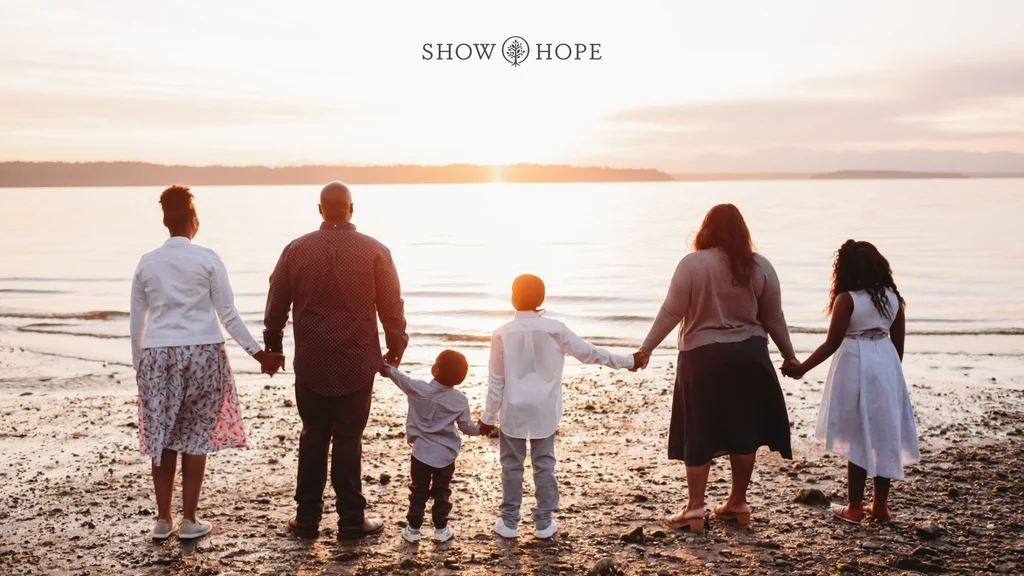
The timeless proverb dictates that it takes a village to raise a child, a sentiment that resonates deeply within homes shaped by adoption and foster care. While the daily demands of family life can sometimes tempt parents to retreat inward or limit social engagements to the immediate household, advocates and family support organizations emphasize that cultivating a robust adoption community is not merely beneficial—it is vital. Navigating the unique landscape of adoptive parenting and foster care requires a network of shared understanding, practical assistance, and peer connections that can fundamentally transform the journey for both parents and children.
Understanding and Support
As Mary Beth Chapman, co-founder of the adoption advocacy organization Show Hope, has often observed, adoption is gloriously hard. This duality captures the profound joy of welcoming a child into a family alongside the complex, multifaceted challenges that accompany the process. For many adoptive parents, a significant portion of daily energy is expended simply explaining the intricate dynamics of adoption to extended family members, friends, and acquaintances.
While these educational conversations are an important part of raising awareness, they can also prove emotionally and mentally exhausting. In contrast, embedding oneself within an adoption community composed of other families who share the same lived experience creates an immediate, unspoken level of understanding. Within these circles, parents do not need to justify their daily realities or explain the nuances of trauma-informed care. Through these shared experiences, families find a natural space to encourage one another, exchange practical advice, and offer deep, authentic empathy during both high and low moments.
In a Village
Beyond emotional validation, active participation in an adoption community yields tangible, practical benefits for everyday life. Families who have navigated the adoption and foster care systems often possess a heightened awareness of the specific needs of children who have experienced early trauma, disruption, or loss. This shared knowledge translates into more effective and intuitive support systems.
When trusted members of a community truly grasp the underlying triggers and behavioral patterns associated with trauma, everyday challenges—such as securing specialized childcare, managing complex mountains of agency paperwork, navigating legal processes, or coordinating respite care—become significantly more manageable. The presence of a knowledgeable village ensures that parents are not constantly reinventing the wheel or feeling isolated in their logistical struggles.
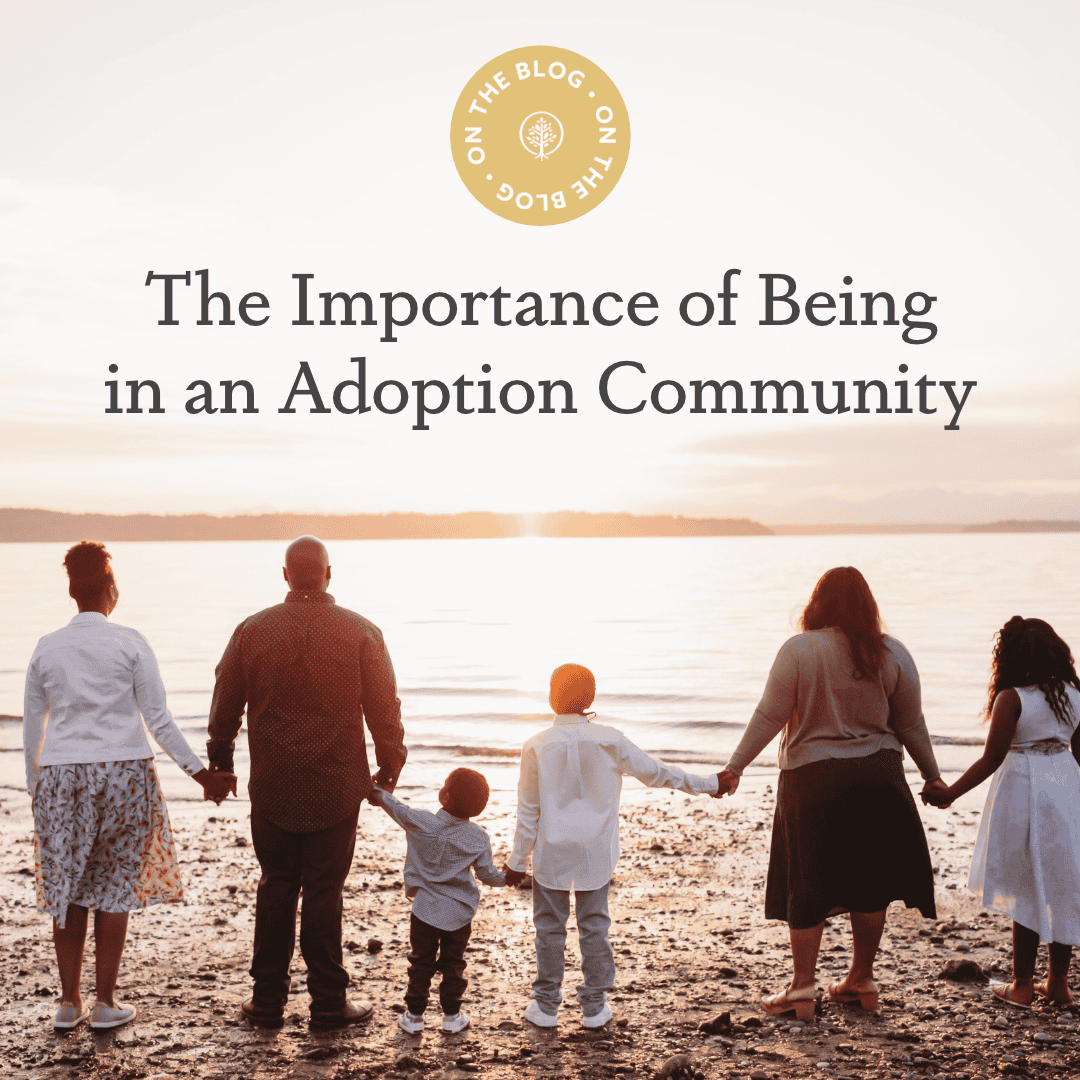
When Times Are Tough
Every household inevitably encounters difficult seasons, but for families formed through adoption and foster care, those challenging periods often take on a distinct character. Whether a family is weathering a difficult behavioral transition, preparing for or processing a hard conversation about a child’s personal history, or simply trying to survive a week when everyone is running on empty, having a reliable network to lean on matters profoundly.
Crucially, this supporting network does not need to be restricted exclusively to other adoptive or foster families. Friends, church members, neighbors, and extended family members who demonstrate a willingness to learn, listen, and consistently show up can be just as meaningful. A simple gesture—such as a hot meal left on the doorstep, a text message checking in during a stressful week, or an offer to help around the house for an hour—can serve as a powerful reminder to overwhelmed parents that they are not carrying their burdens alone.
Shared Experiences for Children
Perhaps most importantly, advocates stress the critical need for children who have experienced adoption or foster care to spend time around peers with similar backgrounds. Growing up in families formed through non-traditional means can sometimes lead to feelings of isolation or being the sole person experiencing certain identity questions.
Connecting with other children who share these life trajectories offers adoptees a safe environment to explore their personal identities, discuss their stories openly, and learn how to process complex emotions. Just as communal support is vital for adoptive parents, these peer connections are essential for children to develop a sense of mutual understanding, normalization, and belonging with those who walk similar paths.
The Best Support
Adoption and foster care represent a unique intersection of profound beauty and formidable challenge, reinforcing the reality that no one is intended to walk this road in absolute isolation. Whether support comes from a peer parent who instantly understands the nuances of the journey, a neighbor who knows how to lend a practical hand without being asked, or a playmate who shares a child’s foundational story, community lightens the weight of the daily experience.
For families who have not yet established or found their adoption community, the path forward begins with taking a deliberate first step toward connection. Ultimately, the most robust support systems are built from a balanced mix of individuals who understand adoption firsthand and those who simply love the family well.
