"The Next 250": Civic, Corporate, and Academic Leaders Gather in Philadelphia to Chart the Future of American Pluralism
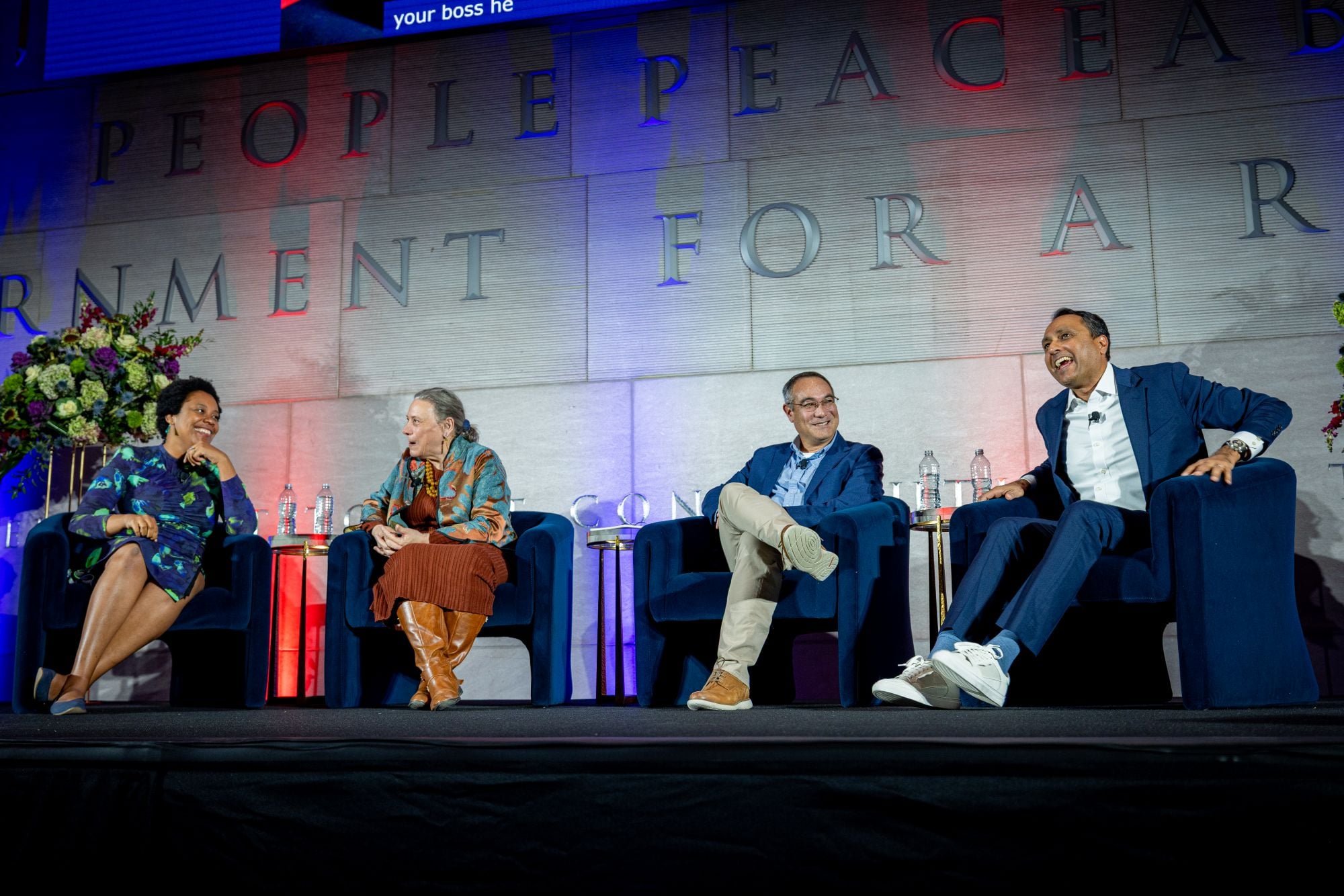
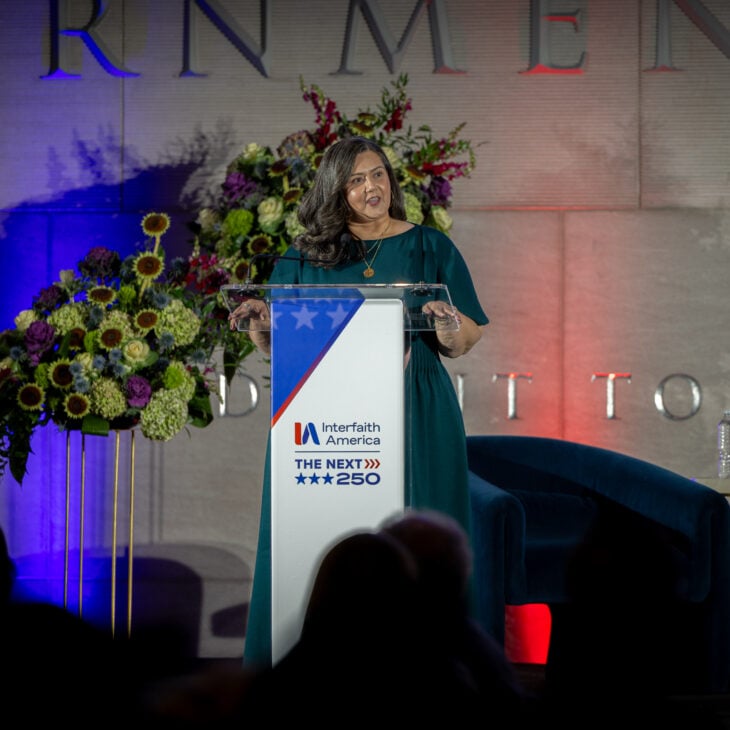
PHILADELPHIA — In the historic birthplace of American democracy, leaders from across the civic square, corporate America, and higher education converged this week at the National Constitution Center for a landmark gathering titled “The Next 250: The Promise of American Pluralism.” Convened by Interfaith America, the event brought together prominent thinkers, policymakers, and community builders to articulate a shared vision for the United States’ future—one firmly grounded in the promise of pluralism, an unwavering commitment to religious liberty, and a deliberate desire for cooperation across profound differences in service of the common good.
As the nation looks ahead to its quarter-millennial milestone, panelists and featured speakers throughout the multi-day program explored what it will take to sustain and renew the American experiment over the next 250 years. Central to their discussions was the understanding that a thriving pluralistic society cannot be maintained through federal mandates alone. Instead, sustaining the nation’s civic culture will require the active activation of local leadership, a shared value of community service, and the cultivation of thoughtful, cross-sector partnerships capable of bridging deep ideological and cultural divides.
Trust in Local Community
Throughout the opening sessions, speakers repeatedly emphasized that pluralism is fundamentally built at the grassroots level. It is forged day by day through the tireless work of mentors, community leaders, and everyday neighbors who make collaboration across difference possible, even in an era marked by national polarization.
Setting a reflective tone for the discussions, the Rev. Jen Bailey, executive director of the Dan and Margaret Maddox Fund, reminded attendees of the importance of grounding oneself in personal and community history. "It’s okay to take two hours out of your day and think about the people who brought you here," Bailey said, urging leaders to pause and acknowledge the generational foundations that support contemporary civic work.
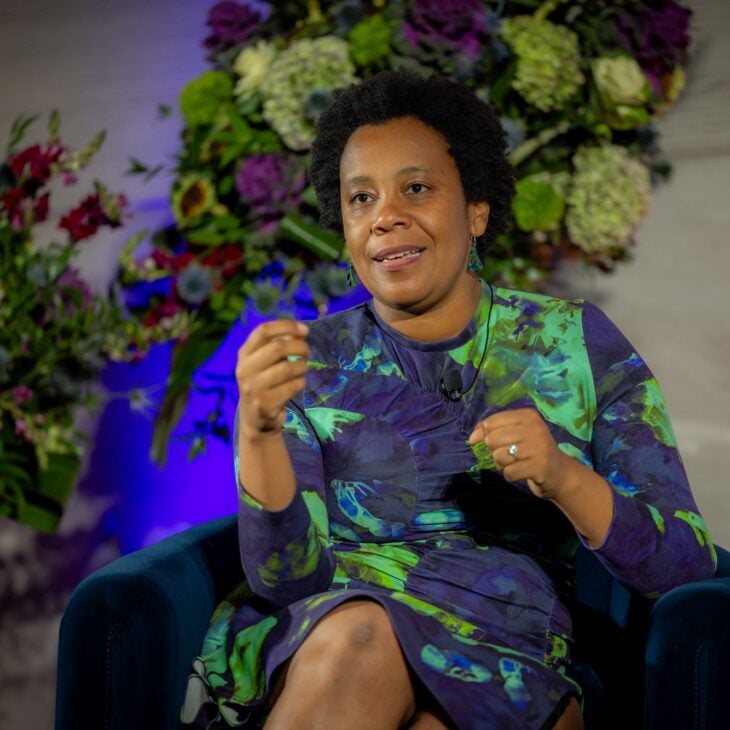
Building on that theme of perseverance and hidden labor, Jenan Mohajir, vice president of external affairs at Interfaith America, invoked the words of Pulitzer Prize-winning poet Gwendolyn Brooks. Quoting Brooks’s evocative lines about the "silver under / The veils of darkness" where "few care to dig in the night / For the possible treasure of stars," Mohajir drew a direct parallel to the daily efforts of local change-makers.
"The work that you are doing in your local communities is that very important work of digging in the night for the possible treasure of stars and bringing that up to the surface," Mohajir told the audience.
That sentiment was echoed by Hiram E. Chodosh, president and chief operating officer of the National Constitution Center. Chodosh stressed the urgent need to look beyond prominent national platforms to identify the individuals who are quietly transforming their neighborhoods away from the spotlight.
"We need to look locally for those leaders who are achieving great things in their community that no one knows, that no one’s familiar with, that doesn’t reach audiences like this," Chodosh said. "We need to find those leaders. We need to surface and champion them. Yes, we need to network and activate their networks, and we need to build our national strategy inductively on the keys to their success."
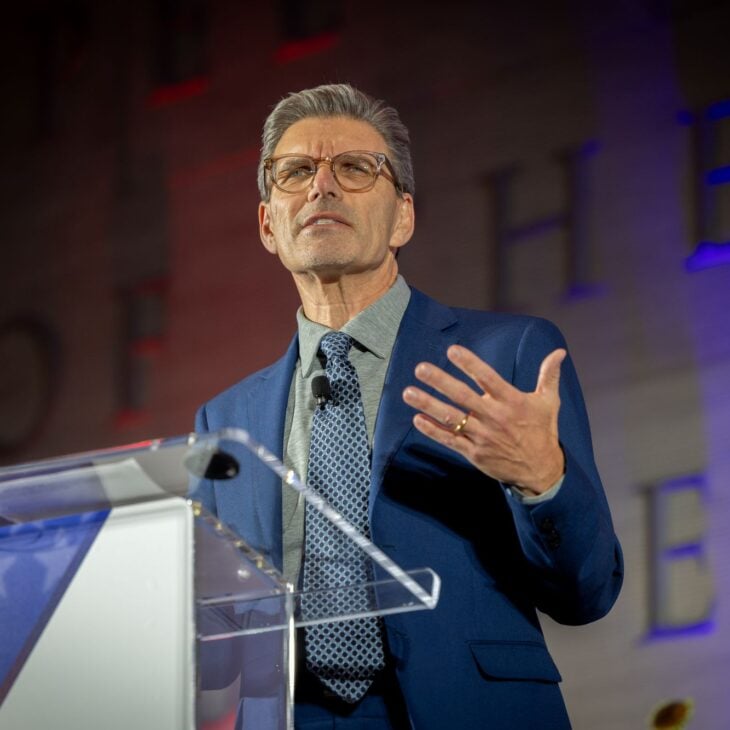
Laurie Patton, president of the American Academy of Arts and Sciences, reinforced the profound significance of these localized efforts during her remarks, offering a sweeping perspective on community engagement. "Local history is cosmic, universal, and world-building," Patton observed, elevating the everyday civic contributions of ordinary citizens to a grand historical scale.
Adding a policy and legal dimension to the conversation, Melissa Rogers, distinguished scholar in faith, law, and public policy at Wake Forest Divinity School, pointed out that local and state arenas often offer the most fertile ground for meaningful cooperation.
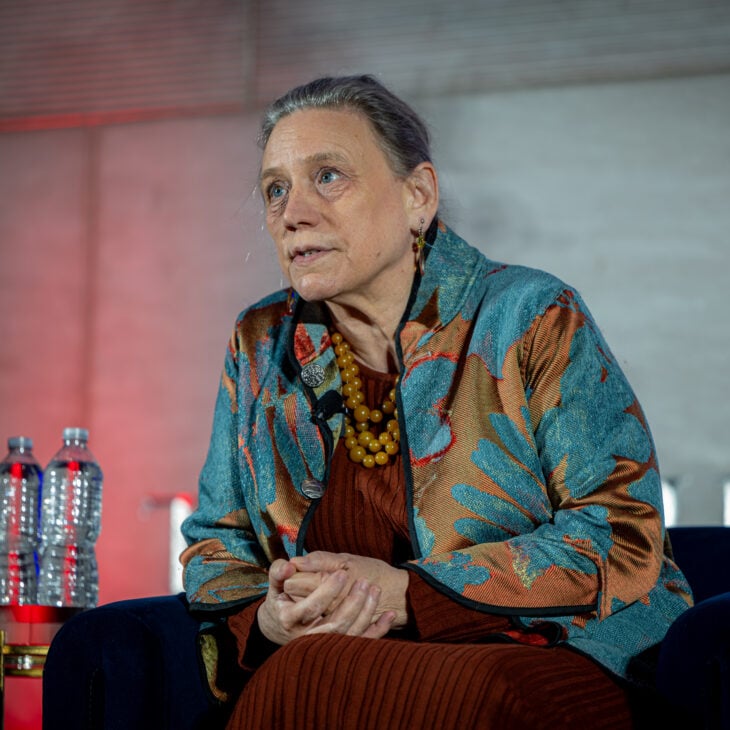
"Sometimes at the state and local level, we can make even more progress than we can make at the federal level, where there can be more gridlock and friction in coming together," Rogers noted, highlighting how municipal and state institutions can bypass national political stalemates to deliver tangible results for communities.
Strength in Partnership
As the conference progressed into panel discussions and keynote addresses, attention shifted toward the mechanics of collaboration. Speakers underscored that the promise of pluralism in the United States is fundamentally contingent on intentional cooperation and meaningful partnership across difference—a principle that requires defending the rights and freedoms of others, especially those with whom one might strongly disagree.
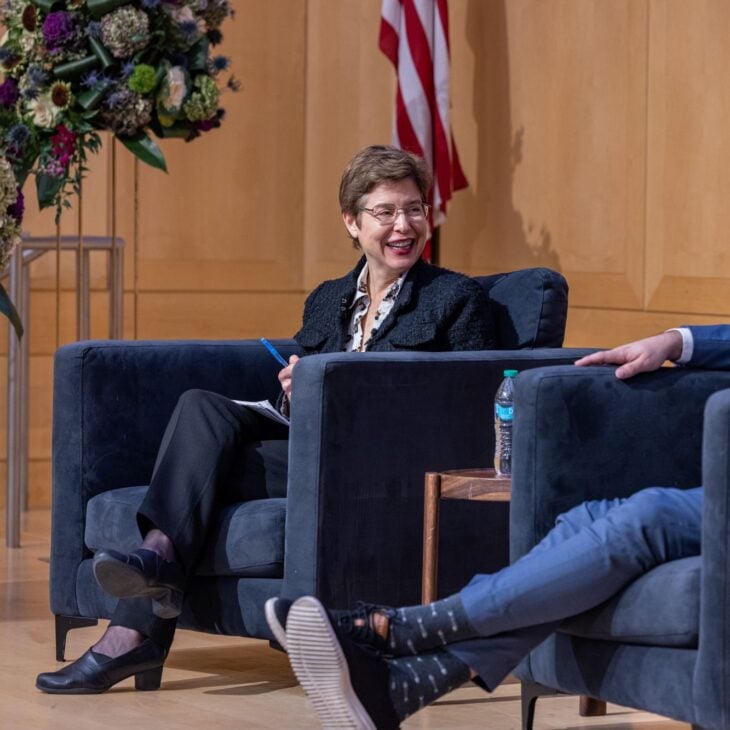
Vince Stango, interim president and chief executive officer of the National Constitution Center, addressed the core constitutional framework that makes such coexistence possible.
"Freedom of conscience cannot be a freedom we claim only for ourselves," Stango told the gathered leaders. "Its promise is realized when we defend that same freedom for others, especially those with whom we profoundly disagree. At the center, we believe that honoring this promise and renewing the civic culture that sustains it are among the great responsibilities of our time."
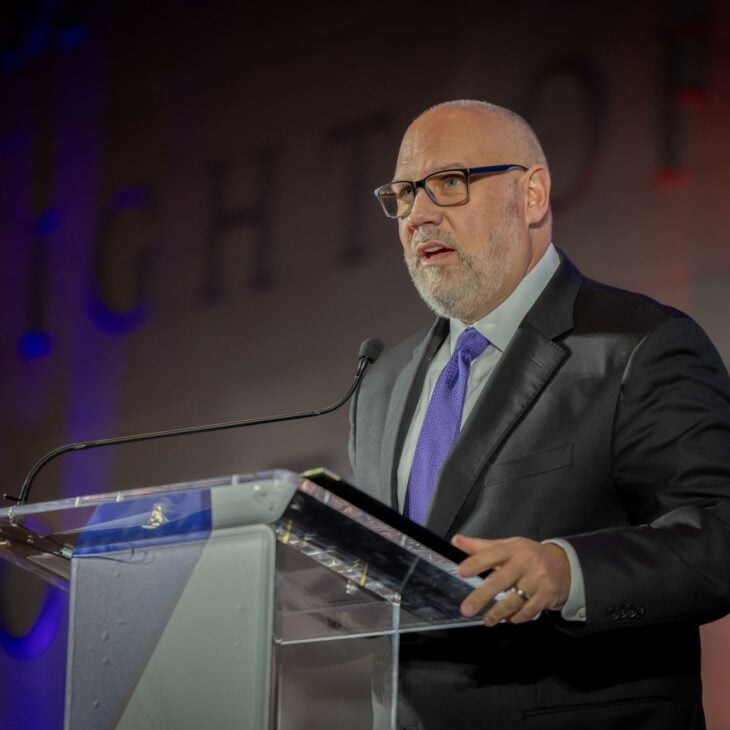
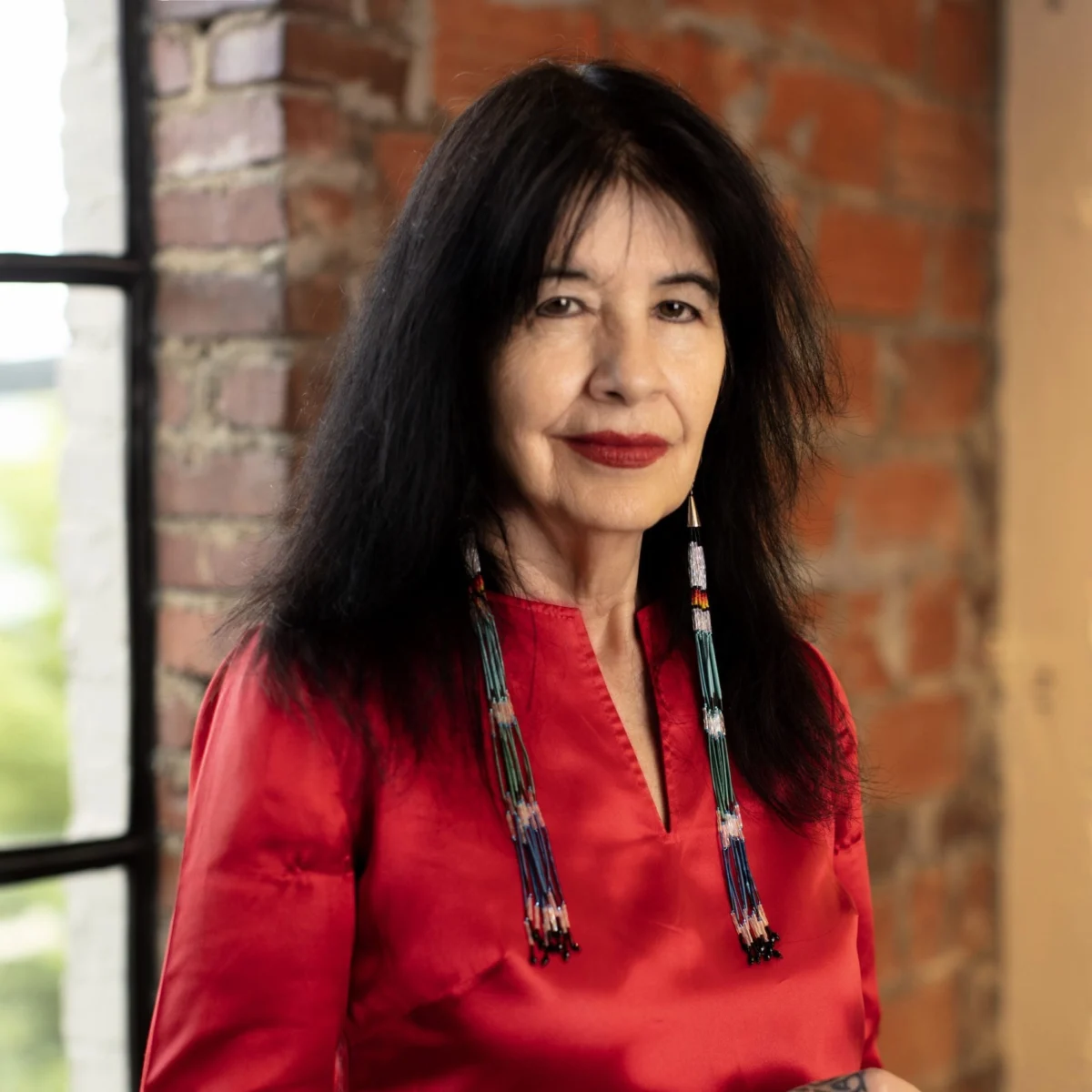
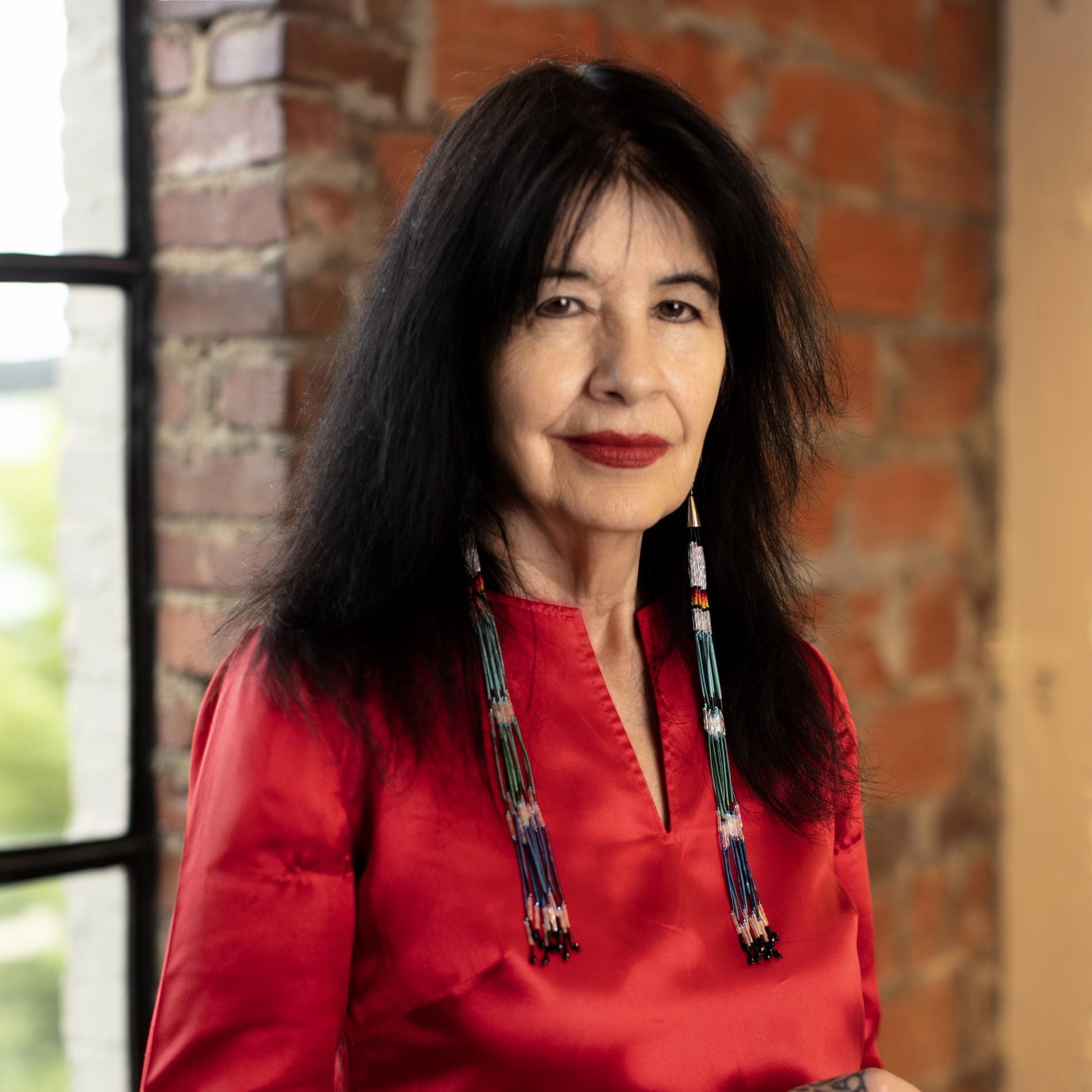
Continuing the poetic imagery introduced earlier in the event, Mohajir recited an excerpt from Joy Harjo’s celebrated poem, "For Calling the Spirit Back from Wandering the Earth in Its Human Feet." The verses reminded listeners to call upon the help of their diverse spiritual and cultural guides—whether ancestors, saints, or elements—before turning to the collective task of helping others find their way through the dark.
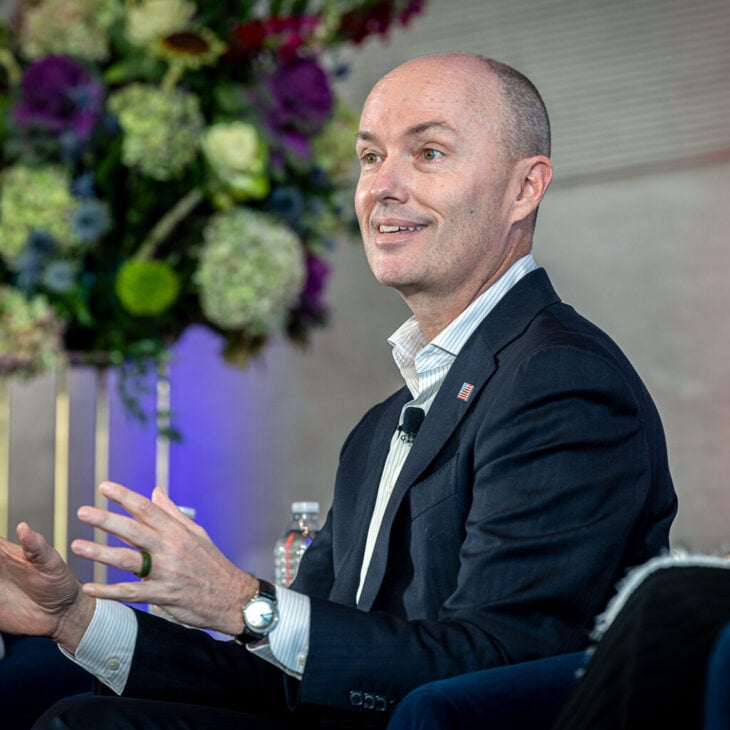
The practical realities of bridging political divides were brought sharply into focus by Utah Governor Spencer Cox, who shared his experiences working within polarized legislative environments. Despite frequent policy disagreements with members of his own state legislature, Cox emphasized that the nation’s foundational documents provide the necessary tools for collaborative problem-solving.
"I disagree on things with my legislators," Cox said. "But the Constitution is the framework that [the founders] gave us to solve our problems together… You have to form coalitions to get things done in this country."
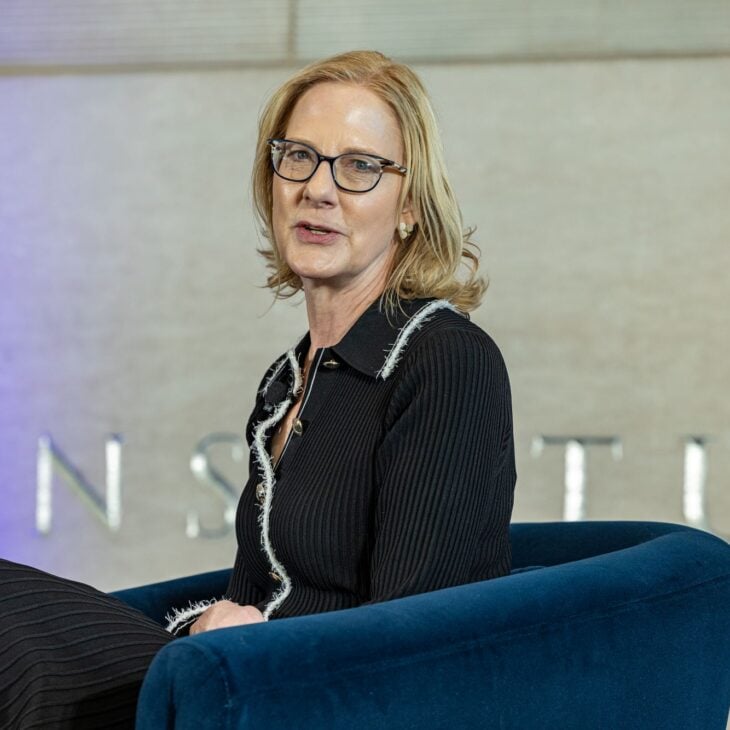
That theme of civic duty and structural engagement was further explored by Heather Gerken, president of the Ford Foundation, who highlighted the educational role that democratic institutions play in shaping public behavior.
"We all need to learn how to be leaders, and we all need to learn how to be part of a loyal opposition, not just an opposition," Gerken remarked. "And so, the habits of citizenship that are taught in a system like ours are incredibly important."
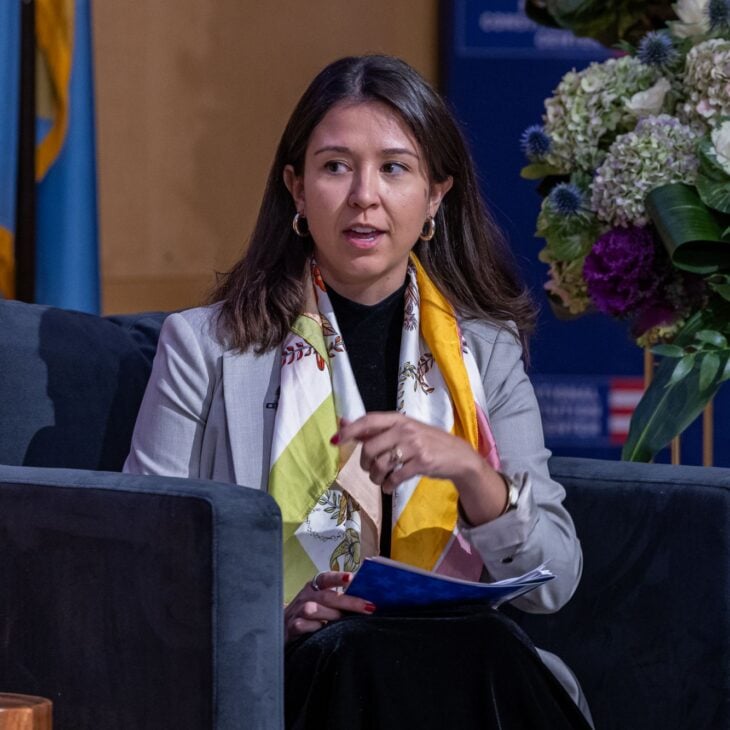
Recognizing the emotional and physical toll that sustained civic engagement can take, Anna del Castillo, co-founder of Our Own Deep Wells, offered a timely reminder about the importance of pacing and mutual support among activists and leaders.
"This work isn’t the responsibility of any one person, nor should it be," del Castillo said. "There are moments when we can step in and be active and also know when we need to take a break."
Concluding the convening, Eboo Patel, president and founder of Interfaith America, synthesized the overarching message of "The Next 250" into a powerful call to action regarding the sacred nature of civic pluralism and cross-cultural bridge-building.
"It is a sacred thing to widen the welcome and strengthen bonds to cooperate with people whose doctrine we do not agree with, to support identities you do not share," Patel reflected. "It is a sacred thing to build the cathedrals of the world."
