Navigating the Journey: Why Early and Honest Conversations About Adoption Shape a Child’s Future
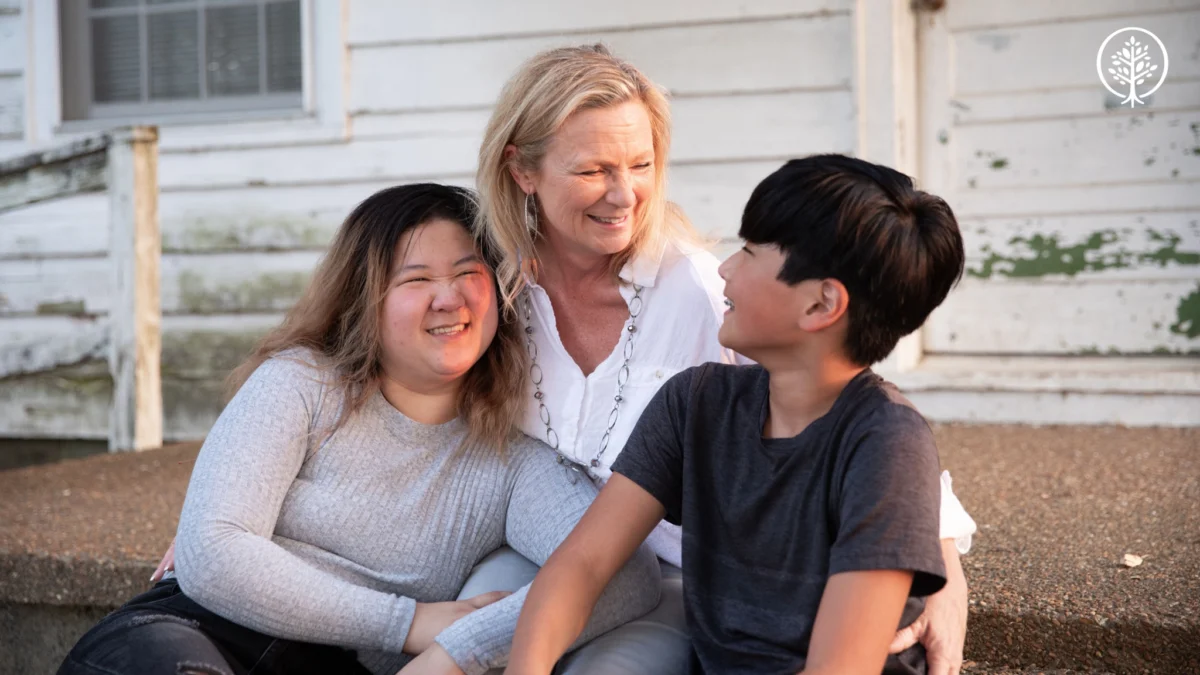
The moment adoptive parents begin to contemplate how they will talk to their children about their adoption stories, a profound sense of intimidation often sets in. For many families, the mere thought of navigating these delicate discussions can feel overwhelming. Yet, child development experts, pediatricians, and adoption professionals consistently emphasize that these conversations are not only healthy but vital for the emotional well-being of the child and the long-term strength of the parent-child relationship. Understanding why these dialogues matter is the essential first step in preparing to share a child’s unique history.
Establishing an honest, open, and psychologically safe environment for a child to explore their adoption story significantly strengthens the relational connection within the family. Furthermore, experts stress that the earlier these conversations begin, the better the outcomes for the child’s developing sense of identity. In insights published by the National Council for Adoption (NCFA), Jayne Schooler, founder of the Schooler Institute, highlights that every child who joins a family through adoption carries a personal history. When children have little to no access to information about their backgrounds, they can experience deep feelings of disconnection. As Schooler articulates, a child’s story serves as the vital bridge connecting their past to their present and their future.
These foundational insights are increasingly drawn from contemporary pediatric guidance, trust-based parenting research, and the collective wisdom of the broader adoption community. They offer families a framework to approach the telling of a child’s story with a balance of absolute truth and deep gentleness, moving away from secrecy and toward radical openness.
1. Start Early, and Continue the Conversation
Many parents grapple with finding the exact right moment to introduce the concept of adoption, often waiting for a milestone that never seems to arrive. However, professional consensus suggests there is no single perfect moment to await. The American Academy of Pediatrics (AAP) strongly recommends that parents incorporate words like adoption, birth family, and foster care into their everyday conversations from the very beginning. Pediatric guidelines advise that children should be fully aware of their adoption stories by the time they reach school age.
Rather than viewing this as a single, monumental conversation that must be meticulously planned, parents are encouraged to approach it as a lifelong dialogue. Simply speaking these words aloud while holding an infant allows parents to practice the language long before the child begins asking complex questions. As children grow and their cognitive capacities expand, they comprehend their stories through increasingly mature lenses. This means parents will tell the story again and again across different developmental stages, naturally weaving in new details and context as the child demonstrates readiness to receive them.
2. Prioritize Truth Over Comfort
A central tenet of modern adoption guidance is the absolute necessity of never lying about a child’s history or softening reality into a narrative that fails to reflect the truth. While not every complex detail must be disclosed all at once, everything that is shared must be truthful.
The reality is that many children’s pre-adoptive stories involve significant trauma, abuse, neglect, and profound loss. It is an entirely natural human instinct for parents to want to shield their children from painful and difficult realities. Nevertheless, leading adoption professionals and adult adoptees widely agree that withholding vital information is never in a child’s best interest. When a child eventually discovers a hidden truth, the fracture in trust between them and the adults who kept the secret can be severe. Instead of withholding, parents are encouraged to frame the truth within a context of enduring love, safety, and unwavering support.
3. Honor Their First Families and Their Roots
For many families, faith and personal values play a significant role in their daily lives, underscoring the importance of honoring a child’s birth parents. Birth parents possess inherent dignity and worth, and treating them with anything less would fail to reflect the principles of grace and compassion. As noted by advocates at the NCFA, the decision to place a child for adoption is exceptionally complex, invariably filled with a profound mixture of heartbreak and hope.
Whether a family maintains an open relationship with their child’s birth family or possesses only limited background information, finding ways to speak respectfully about their roots remains essential. Acknowledging the courage and love inherent in a birth parent’s decision helps children integrate their complete identity without feeling compelled to compartmentalize or devalue a part of who they are.
4. Make Room for Big Feelings
As children process the realities of their adoption stories, they often experience a wide spectrum of complex emotions, including joy, gratitude, sadness, anger, and confusion. It is not uncommon for a child to cycle through several of these intense feelings within the span of a single afternoon. Parents should understand that these emotional responses are not indicators of failure; rather, they represent an honest child attempting to hold the simultaneous tensions of love and loss.
Much of the contemporary framework surrounding post-adoption support is informed by Trust-Based Relational Intervention (TBRI), a care model developed by Dr. Karyn Purvis and Dr. David Cross at the Karyn Purvis Institute of Child Development at TCU. Designed specifically for children impacted by trauma, the core philosophy of TBRI is straightforward: connection builds trust, and trust builds healthy relationships. Practically applied, this model encourages parents to meet emotional outbursts and withdrawal with attuned presence, co-regulation, and compassionate engagement rather than punitive reactions.
When children struggle with emotional burdens that feel too heavy for a family to carry alone, seeking professional guidance is viewed as a sign of wisdom rather than weakness. Parents are encouraged to look for counselors who specialize specifically in adoption and trauma recovery, as well as utilize specialized training platforms designed to equip caregivers for the journey.
There Is Hope and Help Along the Way
Mary Beth Chapman, co-founder of Show Hope, has frequently described adoption as gloriously hard—a phrase that captures the ongoing tension between enduring love and profound loss. Because both love and loss are permanent fixtures of an adopted child’s narrative, acting as the keeper of that story can frequently feel overwhelming for parents.
Experts remind families that perfection is neither expected nor required. What children need most are parents who keep communication channels open, tell the truth with love, and remain steadfastly present through every question and emotional wave. When mistakes happen, apologizing, asking for a fresh start, and trying again models vulnerability and resilience. While the path of adoption is undeniably challenging, parents are encouraged to continue telling their children’s stories with courage while trusting the broader purpose behind them. Families seeking further assistance can explore dedicated pre- and post-adoption support networks and specialized educational platforms designed to guide them forward.
