Beyond a Luxury: Decades of Interdisciplinary Research Confirm Play is the Foundational Engine of Child Development
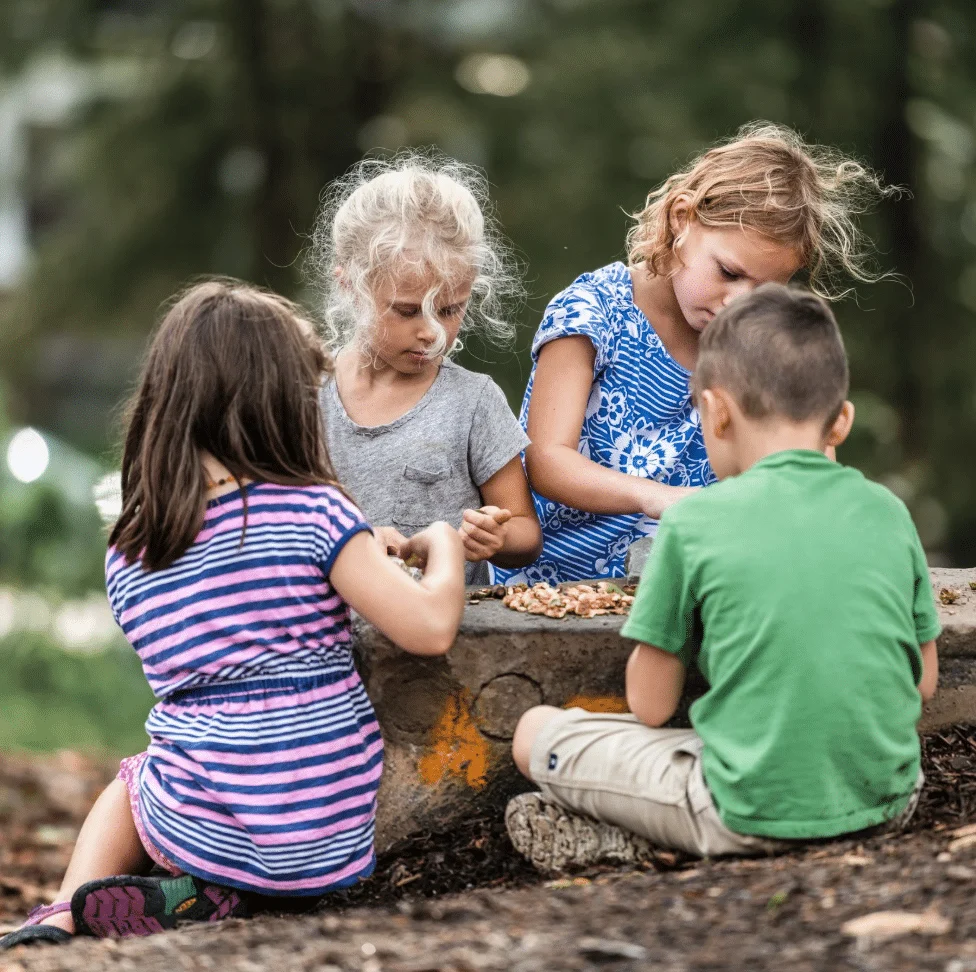
Play has long been viewed by adults through a lens of leisure—a pleasant way for children to pass the time between the serious, structured endeavors of formal education and daily responsibilities. However, an expanding body of interdisciplinary research is decisively turning that traditional view on its head, confirming what many educators and parents have long understood intuitively: play is not a luxury, but rather a foundational pillar of healthy childhood development. Unstructured, child-led play builds critical capacities across the physical, cognitive, emotional, and social domains, shaping how children interact with the world and laying the groundwork for lifelong learning and well-being.
Over the past 25 years, thousands of academic and clinical studies have explored the profound impacts of play on core human capacities, including executive function, self-regulation, emotional intelligence, cognitive agility, creativity, and physical development. Across distinct disciplines and methodologies, the findings are striking and consistent: children who are given adequate time, space, and freedom to play develop robust cognitive and emotional frameworks that serve them well into adulthood.
A Strong Start: Physical and Cognitive Development
Society easily recognizes play’s immediate role in motor development. Whether children are climbing playground structures, building intricate block towers, or balancing along a log, they are actively strengthening both fine and gross motor skills through movement-rich environments. These physical activities build muscle tone, spatial awareness, and physical coordination.
Yet, play does much more than build strong bodies; it actively builds the brain. A growing body of neurodevelopmental research demonstrates that high-level executive functions—such as working memory, cognitive flexibility, and impulse control—develop organically through playful activity. Complex problem-solving, creative thinking, future planning, and symbolic thought are nurtured most effectively not through rote memorization or rigid instruction, but through hands-on, open-ended engagement with the environment.
This academic consensus is underscored by recent empirical findings. A systematic review published in 2025 in the Journal of Intelligence analyzed 25 empirical studies and concluded that "loose parts play"—an approach utilizing open-ended, movable materials like sticks, stones, fabric, and boxes—significantly enhances problem-solving capabilities, divergent thinking, and overall academic readiness. When children are presented with materials that have no predefined purpose, they must invent their own uses, thereby exercising the neural pathways associated with innovation and adaptability.
Complementing these findings, a 2024 review published in Frontiers in Public Health confirmed that physical play serves as a primary contributor to early motor coordination. Furthermore, the review highlighted how pretend play allows children to safely explore complex consequences, integrate new learning, and simulate real-life social scenarios. Notably, the review revealed that both structured and unstructured play initiatives in preschool settings significantly improved children’s motor and cognitive skills, with the most pronounced benefits appearing when these play programs exceeded 3,000 minutes of engagement.
The Brain at Play
To gain a granular look at the neurological inner workings of play, researchers frequently turn to animal models to observe behaviors that parallel human development. A notable 2018 study published in Science Direct, focusing on juvenile rats, demonstrated that social play is biologically essential for the proper development of inhibitory synapses in the medial prefrontal cortex—a brain region critical for high-level decision-making and impulse control. When young test subjects were deprived of social play, they displayed lasting deficits in cognitive flexibility, underscoring the deep biological necessity of early, unstructured social interaction.
These neurobiological insights are remarkably consistent with human studies. A longitudinal Australian study published in Science Direct in 2022 followed children from the age of two through age seven. The researchers discovered that children who engaged in one to five hours of active, unstructured play per day developed significantly stronger self-regulation skills, and this positive correlation held true regardless of the children’s earlier cognitive baselines. Play, therefore, acts as an equalizing and strengthening force for developing minds.
Intrinsic Motivation and Lifelong Learning
Beyond immediate cognitive and social gains, play fosters a deeper psychological asset: intrinsic motivation. When children play, they do so entirely for its own sake—driven by the intrinsic joy of discovery, mastery, and creative expression rather than the promise of external rewards, grades, or adult praise. This internal drive is widely recognized by educators as the bedrock of lifelong learning.
Extensive research supports the link between exploratory play and sustained intellectual curiosity. The aforementioned longitudinal study, Free Play Predicts Self-Regulation Years Later, demonstrates a clear, measurable connection between childhood free play and the development of long-term autonomy and creative problem-solving skills. Similarly, the Encyclopedia of Early Childhood Development confirmed in a 2023 report that exploratory play environments directly nurture imagination, foster independence, and cultivate an enduring love of learning that persists long after formal schooling has ended.
Mental Health and Emotional Resilience
Among the most compelling yet frequently overlooked benefits of play are those tied directly to mental health. In an era where childhood anxiety and stress are increasingly documented concerns, play functions as a vital psychological regulator. It helps children process stress, builds emotional resilience, and acts as a protective buffer against anxiety and depression.
Recognizing this critical connection, the American Academy of Pediatrics issued a landmark 2018 policy statement titled The Power of Play: A Pediatric Role in Enhancing Development in Young Children. The organization explicitly recommended that pediatricians advocate for play as a vital sign of health, treating it with the same clinical importance as proper sleep and nutrition. According to the pediatricians’ policy, imaginative and physical play are essential mechanisms for reducing toxic stress and fostering long-term emotional well-being.
These clinical recommendations are backed by empirical data. A 2020 study published via the National Library of Medicine documented measurable increases in children’s reported happiness and overall playfulness following targeted play-based interventions, illustrating that mental health can be actively supported through playful environments.
The Bottom Line for Educators and Policymakers
When it comes to shaping educational curricula, institutional pedagogies, and public policy, the weight of the research points in a single, unmistakable direction: play is essential. It is not a diversion from the serious work of education; rather, it is the fundamental work of childhood and the foundational architecture of executive function, creativity, social competence, and emotional resilience.
Reducing or marginalizing playtime in the name of an accelerated "academic focus" not only contradicts decades of scientific research, but it actively undermines the very cognitive and emotional capacities that children need to successfully navigate both school and life.
Educational traditions such as Waldorf education have long placed play at the very heart of early childhood learning. By intentionally integrating imaginative play, rich sensory experiences, and unstructured exploration into the daily schedule, programs like those at the Waldorf School of Philadelphia offer children the robust developmental foundation they need to grow into capable, resilient, and joyful learners.
By thoughtfully investing in physical environments, daily practices, and institutional policies that prioritize play, society invests not just in the well-being of children today, but in the creation of healthier, more capable, and more adaptable adults tomorrow.
