Elevating America’s Favorite Protein: The Science and Simplicity of a Perfect Lemon Herb Chicken Marinade
For the average consumer in the United States, chicken is a culinary constant. Statistics show that the typical American eats approximately 118 pounds of chicken every single year. Yet, despite its overwhelming popularity as an accessible, affordable, and versatile protein, poultry can quickly become monotonous when prepared the same way week after week. To combat kitchen fatigue and breathe new life into a household staple, culinary enthusiasts and home cooks are increasingly turning to dynamic, acid-based marinades that transform simple cuts into vibrant meals.
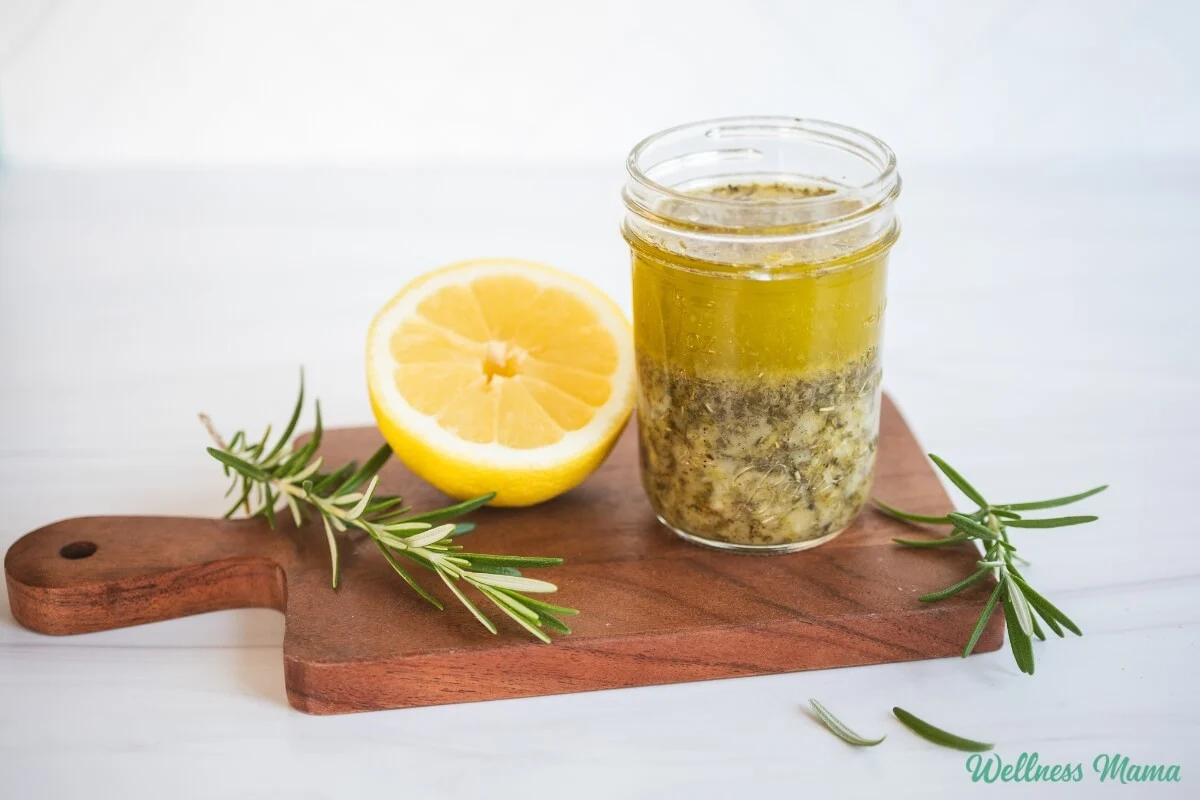
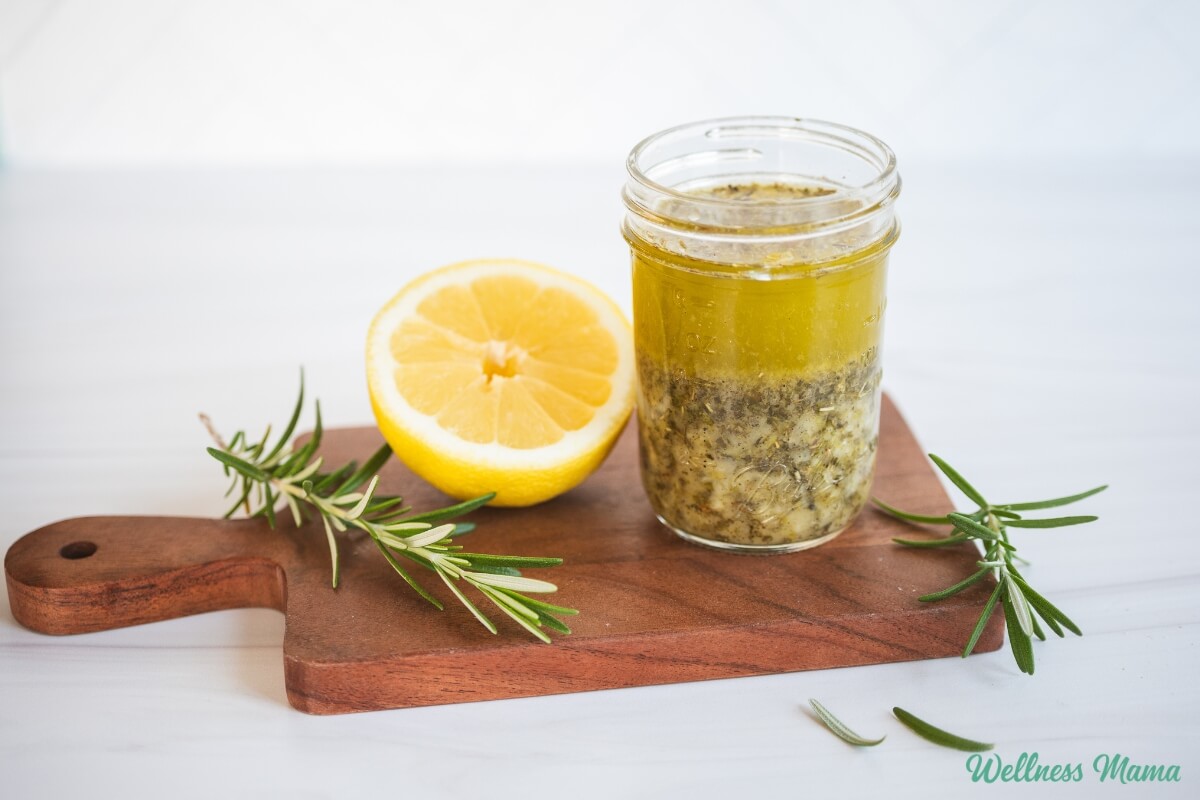
At the forefront of these flavor-boosting techniques is a classic combination of fresh lemon juice, garlic, and garden herbs. Far beyond a mere flavor preference, this approach relies on fundamental culinary science. The natural acidity found in fresh lemon juice acts as a powerful tenderizer, gently breaking down tough muscle fibers in the meat without making it mushy. Meanwhile, aromatic garlic and complementary herbs infuse savory depth, creating a balanced flavor profile that performs exceptionally well on a backyard grill during a warm summer evening, in a skillet, or roasted in the oven.
Chicken’s enduring appeal lies in its remarkable versatility. It anchors countless weeknight dinners, ranging from slow-cooker comfort meals like salsa chicken to vibrant Italian chopped salads. However, introducing a marinade into the routine elevates the cooking process. Unlike surface seasonings, a well-crafted liquid infusion penetrates the outer layers of the meat, ensuring that every bite carries the intended flavor profile rather than just the exterior crust.
When building a robust marinade, the choice of botanicals matters significantly. Fresh herbs picked straight from a garden offer a distinct advantage because their volatile oils remain completely intact. These are the very same volatile aromatic compounds found in concentrated essential oils, and they deliver a far more intense, aromatic punch than older, dried alternatives.
Even so, kitchen limitations do not have to halt the cooking process. Dried herbs remain a perfectly viable substitute, though adjusting the timeline can optimize the results. Allowing dried herbs to soak within the marinade for a slightly longer duration gives them time to rehydrate and meld with the liquid components. Furthermore, home cooks can maximize the potential of dried spices by crushing them gently in the palm of their hand immediately before mixing them into the bowl. This simple physical action fractures the dried leaves and releases trapped volatile oils, instantly boosting the aromatic profile of a pantry staple that might otherwise taste dusty or flat.
While the recipe is traditionally referred to as a lemon garlic chicken marinade, its utility extends far beyond standard poultry dishes. The acidic base and savory aromatics adapt seamlessly to virtually any cut of chicken, whether the cook prefers wings, thighs, drumsticks, or breasts. Beyond poultry, this versatile blend enhances alternative proteins just as effectively. Families looking to diversify their weekly menus can apply the exact same flavor profile to shrimp, wild-caught salmon, thick-cut pork chops, or even hearty vegetables destined for the grill grate.
Achieving optimal flavor distribution requires careful attention to the marinating environment. Home cooks often layer the chosen meat at the bottom of a casserole dish, pouring the liquid mixture evenly over the top and flipping the protein halfway through the resting period to ensure total coverage. Alternatively, reusable silicone storage bags allow the liquid and the meat to maintain constant, close contact, ensuring every surface area absorbs the marinade.
Because the chicken can safely absorb these flavors for up to 24 hours, this recipe serves as an ideal solution for advance meal preparation. Putting the ingredients together on a Friday evening allows the chicken to rest in the refrigerator overnight, resulting in a rich, deeply flavored supper on Saturday with minimal active effort required on the day of the meal.
Cooking methods are similarly flexible. The oil and acid barrier within the marinade helps protect the exterior of the meat, preventing it from drying out over the high, direct heat of an outdoor grill. At the same time, the mixture performs equally well in a cast-iron skillet for a pan-seared finish or baked slowly within a conventional oven. For those who prefer an extra layer of brightness, finishing the dish with a squeeze of fresh lemon wedges and a sprinkle of chopped parsley adds both a sharp citrus note and a vibrant pop of color to the final presentation.
Pairing the finished protein with complementary side dishes capitalizes on seasonal availability, particularly during the warmer months when colorful fruits and vegetables fill local farmers’ markets. Even outside of peak harvest season, the lemon and herb profile bridges the gap between comfort food and fresh dining. Traditional potato side dishes, crisp green salads, grilled asparagus, or sautéed summer squash all provide a balanced foundation for the meal. Ultimately, the enduring popularity of chicken relies on its adaptability, proving that a thoughtful marinade is often all it takes to reinvent America’s most frequently consumed protein.
