Parenting Expert Janet Lansbury Addresses Daily Power Struggles Over Routine Tasks in New Podcast Episode
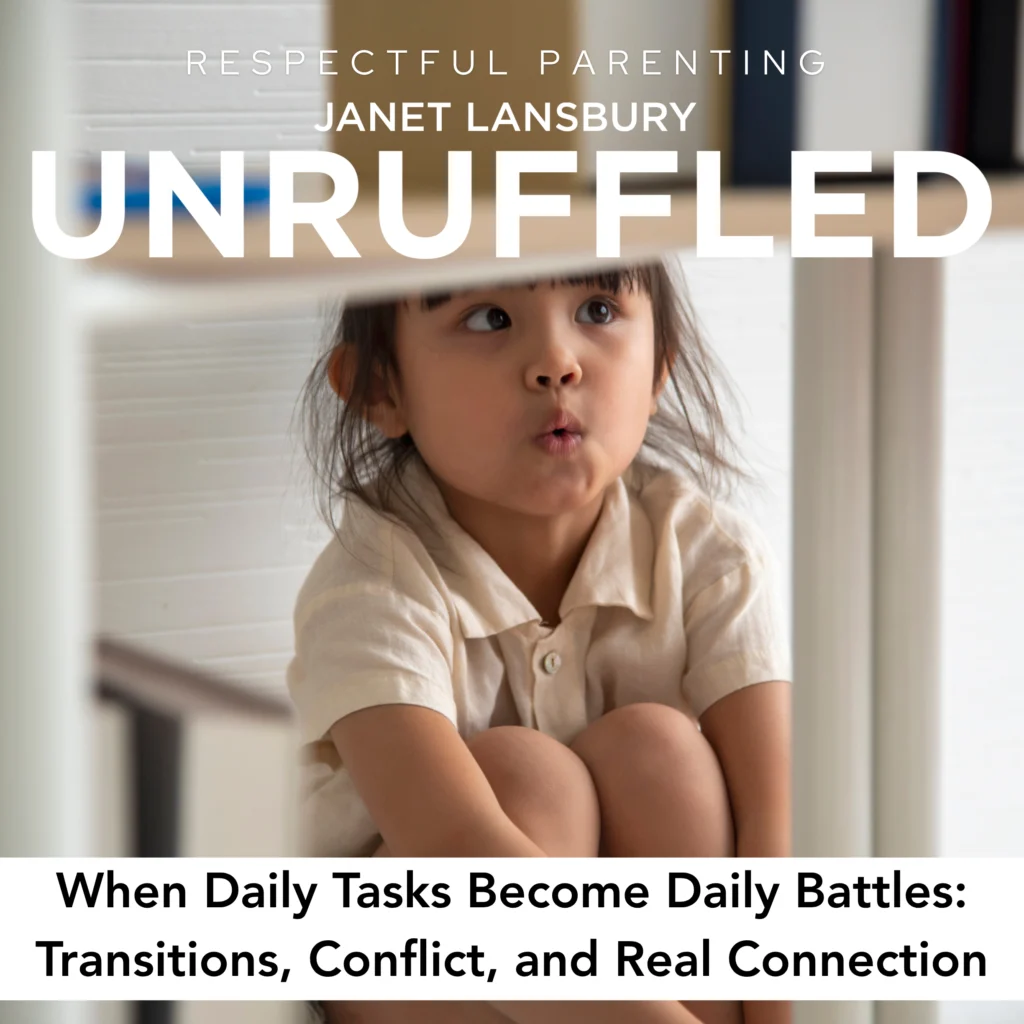
Renowned parenting author and podcast host Janet Lansbury has tackled one of the most common and exhausting challenges of early childhood: the daily battle over basic transitions and routine tasks. In a recent episode of her podcast, Unruffled, titled "When Daily Tasks Turn Into Daily Battles: Transitions, Conflict, and Real Connection," Lansbury responded to a deeply candid letter from a single working mother struggling to get her five-year-old daughter through elementary hygiene and dressing routines without hours of conflict.
The listener, a busy medical professional and single mother, described a daily cycle of resistance that has persisted since her daughter turned three. According to the mother, simple household transitions—such as getting dressed, brushing hair, taking a bath, or brushing teeth—regularly deteriorate into hour-long standoffs. Despite trying a myriad of standard parenting strategies, including timers, countdowns, reward charts, silly games like the "Get Dressed Race," and even punishments, the mother reported that both she and her daughter consistently end up overwhelmed, with the tasks frequently remaining unfinished.
The parent shared that while her daughter is a sweet, affectionate, and social child preparing to enter first grade this fall, the lack of consistency in their lives—exacerbated by a demanding work schedule, limited family support, and an unpredictable co-parenting arrangement—seems to compound the difficulty of daily transitions. The mother questioned whether she was inadvertently undermining her goals of connection and leadership by trying too hard to avoid conflict, or if she was missing a fundamental balance between empathy and boundary-setting.
In her response, Lansbury praised the mother for her profound self-reflection and emotional intelligence, noting that acknowledging the complexity of the dynamic is already more than half the battle. Lansbury addressed the root causes behind the resistance, explaining that children frequently manifest their deeper anxieties and internal transitions through minor daily friction points. For a young child navigating fluctuating home environments, separation, and the looming milestone of first grade, everyday tasks can serve as an outlet for accumulated stress and emotional overwhelm.
Lansbury pointed out that well-intentioned tactical interventions—such as reward charts, timers, and performative games—often act as outside fixes that distance parents from genuine, person-to-person connection. When parents rely on these strategies out of a desire to bypass discomfort or force cooperation, children can sense the underlying avoidance. Instead of fostering real trust, these tools can sometimes make both parent and child feel like they are performing rather than relating honestly to the immediate reality.
Reframing the concept of connection, Lansbury emphasized that conflict and connection are not mutually exclusive. Many adults, shaped by their own upbringing, carry an internal script that views negative emotions as something to be stuffed down, corrected, or avoided to maintain peace. Lansbury challenged this perspective, asserting that true parental leadership does not mean preventing a child from being upset. Rather, it means stepping into the conflict with calm confidence, welcoming the child’s messy feelings, and holding steady as a supportive guide.
Lansbury encouraged parents to lean into what she terms "confident momentum," allowing children to express their frustrations fully while still following through on necessary routines. She suggested that instead of leaning on gimmicks or trying to keep the atmosphere artificially cheerful, parents should practice transparent, authentic communication. Acknowledging that a task is tedious or that a transition is hard validates a child’s internal experience without compromising the adult’s responsibility to lead.
Throughout the discussion, Lansbury reassured listeners that children do not require perfection from their caregivers. Even when routines are disrupted or a task is abandoned for the day, the overarching dynamic—built on mutual respect, emotional safety, and a willingness to face discomfort together—is what ultimately builds lasting resilience. By reframing daily resistance not as a behavioral failure to be corrected, but as an opportunity for deep and authentic connection, Lansbury offered a comforting roadmap for parents navigating the turbulent waters of early childhood transitions.
