Whistler Waldorf School Earns Canada’s Highest Environmental Distinction for Student-Led Sustainability Initiatives
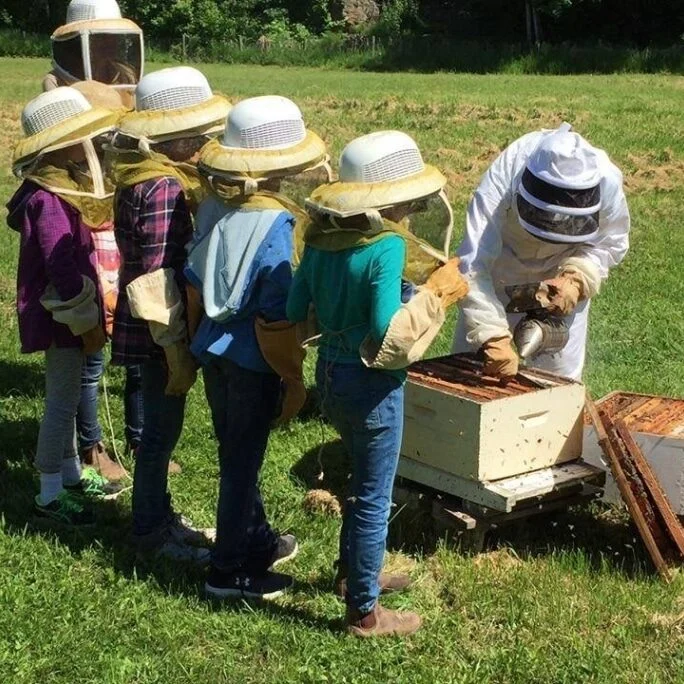
WHISTLER — A year-long series of student-powered sustainability initiatives at the Whistler Waldorf School, ranging from zero-waste events and community panels to advanced composting systems and dedicated fundraising campaigns, has officially earned the institution Canada’s highest school-environmental distinction. This prestigious Platinum Certification from EcoSchools Canada not only cements sustainability as a core pillar of the school’s daily culture but also sets a powerful precedent for future environmental leadership within the broader community.
The journey to achieving the highest tier of recognition offered by EcoSchools Canada represents months of tireless dedication from students, faculty, and staff alike. By integrating environmental stewardship into both the curriculum and extracurricular activities, the school community transformed theoretical concepts about climate change and waste reduction into tangible, real-world action. Principal Eleanor West was quick to praise the Platinum Certification, describing it as a direct reflection of the school’s enduring dedication to fostering genuine environmental leadership among its student body. Furthermore, West emphasized that the achievement demonstrates the profound power of collective action in creating lasting, meaningful change that extends far beyond the classroom walls.
The recognition places the Whistler Waldorf School in an elite group of Canadian educational institutions that have met the rigorous standards set by EcoSchools Canada, a national charity dedicated to nurturing student-led environmental action in K-12 schools. Through a comprehensive framework that evaluates schools across multiple pillars of environmental management—including energy conservation, waste minimization, school grounds greening, and community leadership—EcoSchools certifies institutions at various levels, with Platinum standing as the pinnacle of achievement. For Whistler Waldorf, reaching this milestone required documenting a wide array of student-driven projects that actively reduced the school’s ecological footprint while simultaneously engaging the local community in vital conversations about sustainability.
Among the standout initiatives that propelled the school to Platinum status were its signature zero-waste events, which meticulously eliminated single-use plastics and prioritized organic waste diversion. Students took charge of organizing and managing these events, educating their peers, teachers, and visiting community members on the importance of conscientious consumption and proper sorting techniques. Composting programs were significantly expanded and refined over the course of the academic year, turning daily food scraps from lunches into nutrient-rich soil amendments for school gardens. These hands-on practices allowed students to experience the closed-loop nature of ecological systems firsthand, bridging the gap between abstract textbook science and daily living.
In addition to operational changes on campus, the school year was marked by engaging community panels that brought together local environmental advocates, Indigenous knowledge keepers, municipal leaders, and students. These forums provided a platform for robust discussions regarding regional ecological challenges, such as waste management in the Whistler resort municipality, protecting local wildlife habitats, and advancing community-wide climate action plans. By taking active roles as moderators, speakers, and organizers, Whistler Waldorf students demonstrated a maturity and commitment to civic engagement that impressed local leaders and inspired younger students throughout the school.
Fundraising efforts formed another crucial component of the year-long sustainability push. Students spearheaded creative campaigns to raise awareness and financial support for grassroots environmental causes, channeling their entrepreneurial spirit into projects that benefited both local conservation efforts and international ecological restoration programs. Every dollar raised was tied back to an educational component, ensuring that students understood the broader socio-economic and environmental contexts of the causes they were supporting.
The successful culmination of these diverse efforts has fundamentally transformed the atmosphere at Whistler Waldorf School, embedding environmental consciousness into the very fabric of daily student life. What began as individual projects and classroom discussions has matured into a comprehensive school culture where sustainability is second nature. Teachers and administrators note that the student body has developed a heightened sense of agency, realizing that young people possess the capacity to influence systemic change and drive meaningful environmental policies within their immediate spheres of influence.
As the school celebrates this historic milestone, educational leaders and community members are already looking toward the future. The Platinum Certification serves not as a final destination, but rather as a sturdy foundation and a springboard for future environmental leadership. By proving that a school community can successfully unite around ecological preservation and achieve the highest national standards, Whistler Waldorf has set a high bar for local education. The achievements of the past year ensure that the next generation of students will continue to inherit, uphold, and expand upon a rich tradition of environmental stewardship, carrying these vital lessons forward into the wider world.
