How a Toddler’s Bath Fizzies Experiment Sparked a Natural DIY Toilet Cleaner Revolution
In the unpredictable world of parenting, household innovations often emerge from moments of chaos. For Katie Wells, known broadly as
the "Wellness Mama," a routine cleaning breakthrough arrived courtesy of a one-year-old child with a penchant for dropping household objects into the bathroom plumbing. What began as a moment of parental frustration over ruined bath products ultimately transformed into a widely shared, chemical-free method for maintaining a sparkling bathroom without the heavy scrubbing usually required.
A Happy Accident in the Bathroom
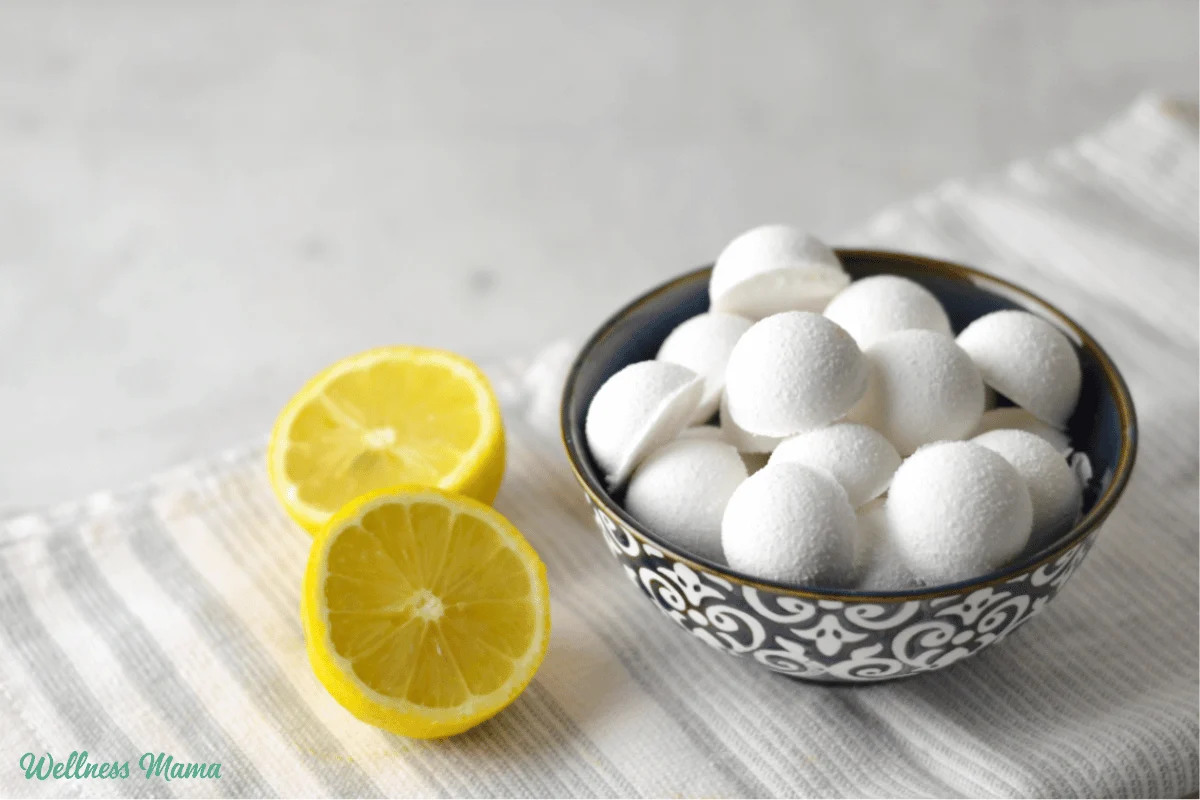
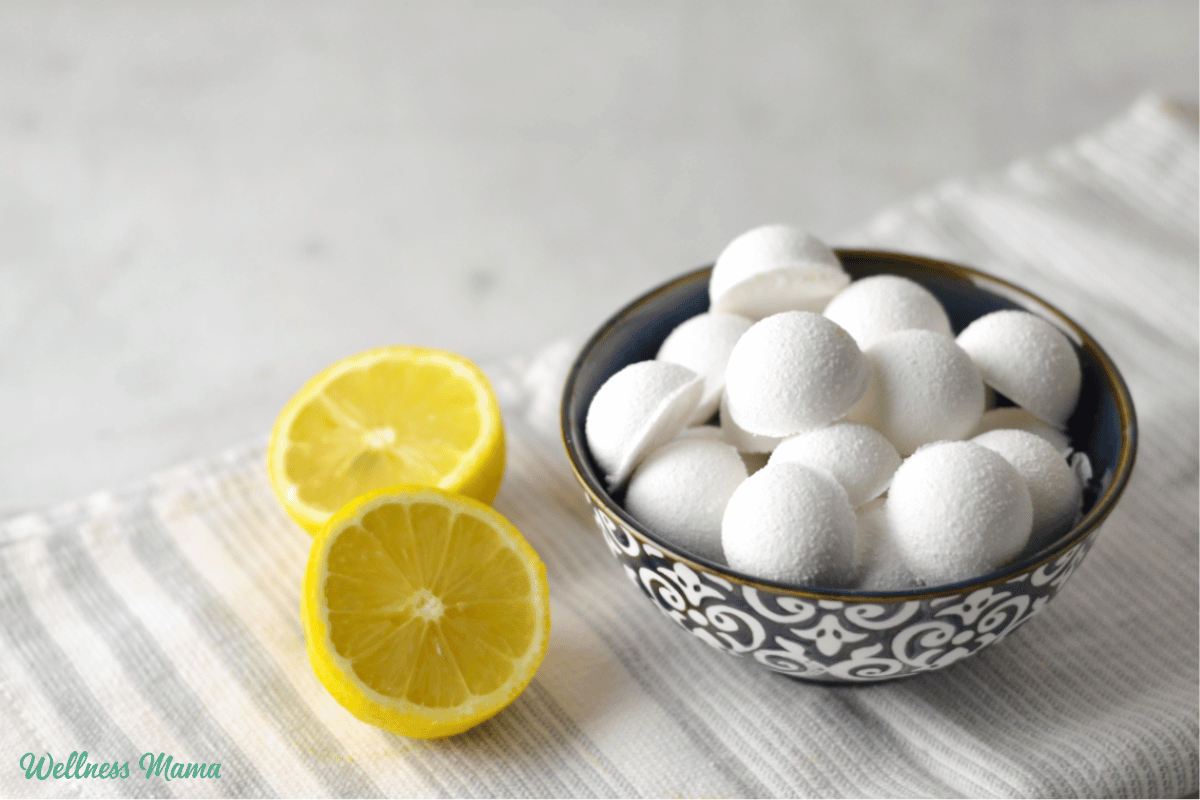
The discovery took place when Wells, who had previously crafted large batches of sea salt bath fizzies and postpartum bath tablets intended as gifts for expectant friends, set aside a collection of broken fragments from her silicone molds. Stored safely in a bag near the bathtub for personal use, the fragrant, effervescent items quickly caught the attention of her toddler. In true developmental fashion, the child was passing through a phase characterized by depositing virtually any reachable object directly into the toilet bowl.
Upon discovering the latest casualty of her toddler’s collection mission, Wells experienced an initial wave of annoyance, compounded by the realization that her intended relaxing bath treats had been compromised. Rather than immediately flushing the items—a choice she suspected might create unfavorable pressure within the household plumbing—she stood by to observe the reaction.
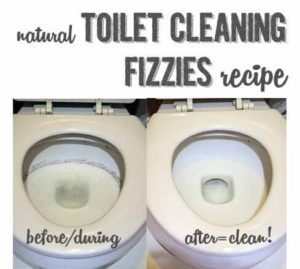
As the compressed bath fizzies dissolved in the bowl, creating a steady stream of bubbles, Wells noticed an unexpected visual side effect. The porcelain surface inside the bowl appeared to be clearing up and looking noticeably brighter. Intrigued, she took a toilet brush to ensure the fragments were fully broken down, and upon flushing, she was met with a remarkably clean bowl. The realization quickly followed that the natural, detoxifying components engineered to soothe the skin in a bath setting shared chemical properties capable of breaking down mineral deposits and grime in a toilet bowl.
Developing an Effective, Natural Cleaner
Recognizing the potential of her accidental discovery, Wells began experimenting with the underlying formulation to optimize it for bathroom sanitation. Because the mixture no longer needed to maintain the gentle pH balance required for topical skin contact, the recipe could be adjusted for enhanced potency. The resulting formulation offered an inexpensive, straightforward alternative to commercial cleaners that relied heavily on harsh, conventional chemicals.
The practical advantages extended beyond simple cleaning power. Because the fizzing action and natural composition provided a novel element to the bathroom, young children found the process entertaining, which inadvertently encouraged more frequent maintenance of the household facilities. Stored properly in airtight glass jars within the bathroom environment, the compressed tablets could maintain their integrity and cleaning efficacy for months at a time.
The underlying chemistry relies on two primary household staples: baking soda and citric acid. Baking soda functions as a mild abrasive capable of gently lifting messes while neutralizing odors, while citric acid, naturally found in citrus fruits, attacks and dissolves hard water and mineral deposits. Together, they create a self-activating cleaning agent that targets stubborn buildup without the need for toxic fumes or corrosive ingredients.
Moving Beyond Conventional Chemical Cleaners
The shift toward natural cleaning alternatives has gained considerable traction among households looking to reduce their exposure to potent chemical formulations. Traditional commercial cleaners often carry prominent safety warnings regarding inhalation, skin contact, or accidental ingestion. In contrast, the ingredients utilized in these homemade tablets are entirely food-grade compounds, theoretically safe for culinary applications, though concentrated enough in this format to remain strictly within the realm of cleaning supplies.
While commercial alternatives have evolved to include healthier, pre-made formulations—such as oxygen-based cleaning powders and versatile multi-surface concentrates that can double as bowl cleaners—the appeal of simple, homemade solutions persists for many families. Experts in household maintenance note that while such methods offer an effective, eco-friendly approach, proper application remains key. Maintaining the correct moisture balance during the preparation phase is crucial; the mixture should resemble damp sand when compressed, as excessive moisture triggers a premature reaction in the citric acid before the tablets can be molded and dried.
For those attempting the method at home, practitioners emphasize patience, allowing the tablets adequate time to fully dissolve and react within the bowl rather than attempting to rush the process with an early flush. While the journey from a toddler’s mischief to a streamlined cleaning routine was entirely unintentional, it highlights how everyday parenting challenges can occasionally lead to practical, sustainable solutions for the modern home.
