Why Parents and Educators Are Embracing the RIE Approach to Early Childhood Development
In the landscape of modern parenting and early childhood education, few concepts generate as much passion, curiosity, and debate as RIE—pronounced "rye." Standing for Resources for Infant Educarers, the nonprofit educational organization was founded by renowned infant expert Magda Gerber. While some parents and professionals describe the philosophy as profound and life-changing, others encounter elements that initially sound unconventional, prompting questions about what the approach truly entails and how it benefits families.
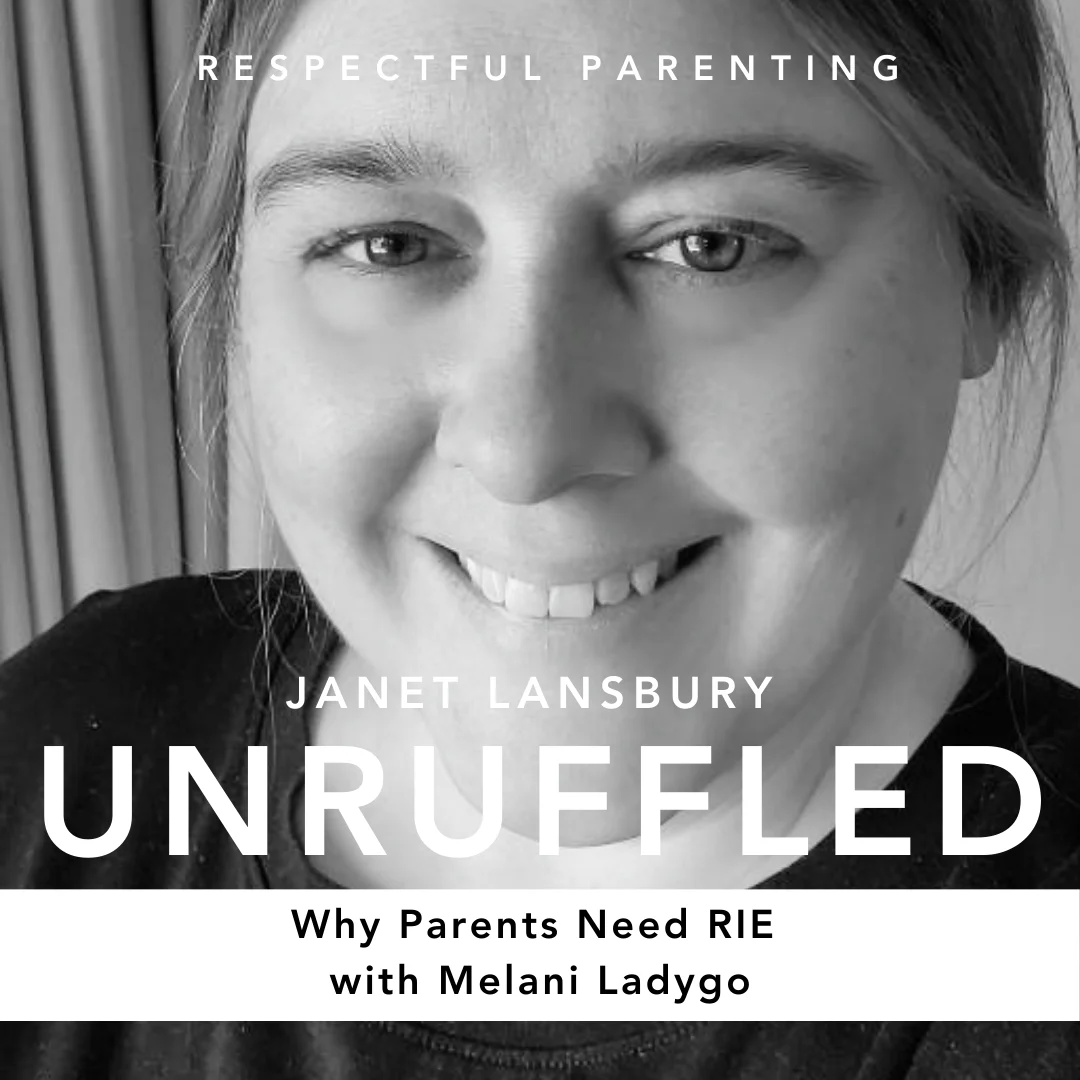
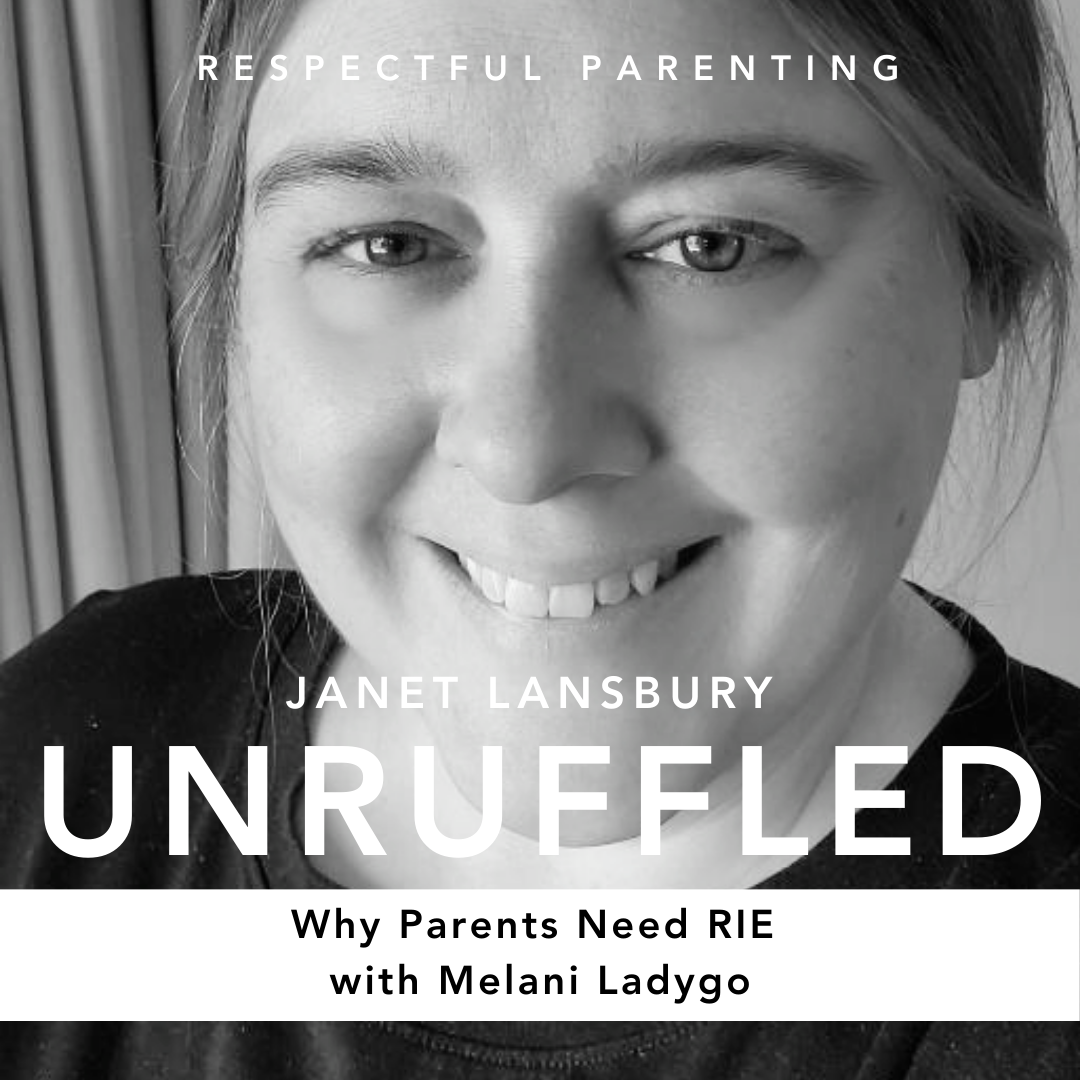
In a recent episode of her parenting podcast Unruffled, host Janet Lansbury sat down with RIE Executive Director Melani Ladygo to explore these exact questions. Together, they delved into the core tenets of RIE, examining how treating infants and toddlers with deep respect and fostering reciprocal relationships can transform the parenting experience.
Lansbury’s introduction to RIE occurred over thirty years ago when she attended classes with her firstborn. Those early experiences fundamentally shifted her perceptions of babies, childcare, and human relationships. Training one-on-one with Magda Gerber, Lansbury learned to observe infants not as passive beings requiring constant stimulation, but as distinct individuals with rich inner lives, independent thoughts, and valid points of view.
Despite decades of experience practicing and teaching the philosophy, Lansbury noted that defining RIE in a brief elevator pitch remains a challenge due to its nuanced nature. To provide a clearer overview, she turned to Melani Ladygo, a long-time RIE associate, parent-infant class instructor, and the organization’s executive director.
Ladygo shared her own journey into the philosophy, which began when a college child development course introduced her to the profound impact of early brain development. Seeking practical experience, she secured a position at an infant program heavily influenced by RIE principles. Initially accustomed to traditional childcare reflexes—such as distracting crying babies or physically assisting children up playground equipment—Ladygo quickly encountered a different approach.
She recalled a moment when she attempted to help a toddler climb a slide by pushing her feet upward. While the child reached the top with a smile, an experienced colleague gently reframed the interaction. The colleague asked whether the child had actually asked for assistance or looked frustrated, noting that stepping in prematurely can rob children of the opportunity to experience their own capability. That pivotal conversation sparked Ladygo’s curiosity, leading her to complete RIE’s rigorous foundations training in Silver Lake, California.
Reflecting on her years answering phones and corresponding with the public at RIE, Ladygo defined the organization’s core mission. Essentially, RIE teaches parents and professionals how to build respectful, reciprocal relationships with children from birth to age two. The term "educarer," coined by Gerber, highlights a central philosophy: adults educate while they care and care while they educate.
Rather than viewing bonding and mutual respect as milestones that only emerge once children begin speaking, RIE encourages caregivers to recognize the personhood of infants from the very beginning. Lansbury described this realization as a turning point in her own parenting journey, noting that observing her three-month-old daughter revealed an active inner life and an authentic personality waiting to unfold. Once a parent truly sees the person within the infant, Lansbury observed, that perspective becomes permanent.
The conversation also touched on the broader cultural resonance of the philosophy. Ladygo recounted an interaction at a grocery store while purchasing supplies for her outdoor parent-infant classes during the pandemic. When a checker asked about her frequent purchases of class snacks, Ladygo explained that she teaches parents how to slow down, allow children to solve problems independently, and truly see their children. A customer nearby overheard the conversation and remarked that his own parents could have benefited from such an approach, underscoring a universal human desire to be seen and understood, regardless of age.
Both Lansbury and Ladygo emphasized that while RIE is designed to support infant development, its most profound impact may be on the adults themselves. Modern parenting often comes with intense pressure to perform, maintain a perpetual state of cheerfulness, and act as a constant entertainer or problem-solver for children. RIE liberates parents from this exhausting performative standard. By letting go of the need to manufacture happiness, instantly stop every cry, or rescue children from every minor struggle, parents are granted permission to be authentic, tired, and real.
Ladygo described how this framework establishes a baseline of peace within households and classrooms. During a recent class restricted to a smaller indoor space due to rain, seven active toddlers engaged in high-energy play, climbing equipment, sharing toys, and moving furniture. Observers visiting the class marveled at how calm and relaxed the parents appeared as they watched their children navigate the busy environment. Ladygo explained that this composure is not innate, but rather a muscle of trust developed over time through patient observation.
This philosophy extends directly into how caregivers handle conflict, particularly social interactions among peers. When children grapple over toys or space, the RIE approach encourages adults to remain neutral, maintain safety boundaries, and refrain from arbitrating or casting children into rigid roles of victim and villain. By stepping back as "buddyguards" rather than immediate fixers, adults allow children to navigate authentic social challenges, discover their own boundaries, and develop genuine empathy.
Ladygo noted that graduates of RIE-influenced programs consistently receive positive feedback from schools of all educational philosophies, precisely because they enter the classroom with foundational social intelligence and problem-solving skills already developed.
To further disseminate these principles, RIE is set to host its 36th annual online conference for parents and professionals, centered around the theme of authentic play. Featuring keynote speaker Peter Gray alongside a diverse lineup of workshops, the event provides a platform for attendees to explore how respectful caregiving principles apply across various educational settings and developmental stages. Listeners of Unruffled can access registration discounts using promotional codes provided through the podcast.
Ultimately, Lansbury and Ladygo concluded that while respectful parenting requires physical and emotional energy, the framework provides a sustainable rhythm. By embracing authenticity, accepting the natural struggles of daily life, and trusting in the inherent capabilities of children, parents can cultivate deeper connections, transforming the challenges of raising children into shared moments of understanding and peace.
