Whistler Waldorf School Earns Canada’s Highest Environmental Distinction for Student-Led Sustainability Initiatives
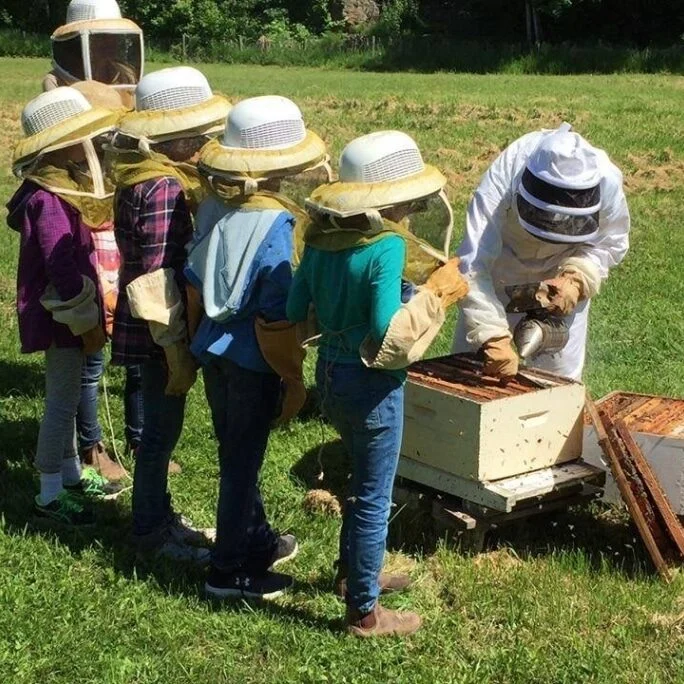
WHISTLER — A year-long commitment to ecological stewardship, zero-waste initiatives, and community-driven environmental advocacy has propelled the Whistler Waldorf School to national recognition, making it the first local institution to achieve Canada’s highest school-environmental distinction.
The achievement, certified by EcoSchools Canada at the prestigious Platinum level, honors a comprehensive series of student-powered sustainability efforts implemented across the campus over the past academic year. From organizing zero-waste events and hosting community engagement panels to executing campus-wide composting programs and targeted fundraising campaigns, the school’s community has successfully woven environmental consciousness into the fabric of its daily culture. This milestone not only highlights the immediate ecological impact of the students’ labor but also lays a robust foundation for cultivating the next generation of environmental leaders in the Whistler region and beyond.
Principal Eleanor West commended the student body and faculty for earning the Platinum Certification, describing the designation as a direct reflection of the school’s enduring dedication to fostering ecological responsibility and leadership among young learners. She emphasized that the achievement powerfully demonstrates the potential of collective action in driving lasting and meaningful change within both the school environment and the broader community.
EcoSchools Canada, a national organization that certifies and recognizes environmental learning and action in K-12 schools, evaluates institutions based on a rigorous framework of audits and actions. These measures cover a wide array of categories, including energy conservation, waste minimization, school grounds enhancement, and environmental leadership. Reaching the Platinum tier requires schools to demonstrate exceptional dedication, leadership, and measurable outcomes across multiple environmental pillars, setting a standard that few institutions nationwide manage to attain.
For the Whistler Waldorf School, the journey to Platinum status was defined by grassroots enthusiasm and active participation from students of various grade levels. Rather than relying solely on administrative mandates, the institution’s sustainability agenda was largely propelled by the students themselves. Classrooms engaged in critical discussions regarding resource consumption, while student-led committees took charge of operational changes on campus. Initiatives such as systematic composting systems drastically reduced organic waste heading to local landfills, while meticulously planned zero-waste events educated both students and visiting community members on sustainable consumption practices.
In addition to operational shifts on campus, the school community extended its reach outward through community panels and collaborative fundraising efforts. These public-facing events allowed students to share their knowledge with local residents, parents, and regional stakeholders, fostering a culture of shared environmental responsibility throughout Whistler. By engaging directly with the public, the students transformed their campus projects into broader community conversations about climate action, waste reduction, and the importance of localized sustainability.
Local observers and educational advocates have noted that achieving this top-tier certification marks a significant milestone for the region, proving that smaller independent schools can lead the way in environmental innovation. The recognition by EcoSchools Canada validates the holistic educational approach practiced at Whistler Waldorf School, where academic learning is deeply intertwined with practical, real-world applications and social responsibility.
As the school looks toward the future, the Platinum Certification serves as both a celebration of past achievements and a catalyst for ongoing environmental stewardship. Principal West and the faculty intend to use this momentum to sustain and expand their green initiatives, ensuring that upcoming classes inherit a culture deeply rooted in ecological awareness. By empowering students to take the lead in designing and executing sustainability projects, Whistler Waldorf School has established a powerful model for environmental education, proving that young people possess the capacity to inspire and enact profound change within their communities.
