The Timeless Tradition of Christmas Stockings: History, Legend, and Modern Ideas for the Holiday Season
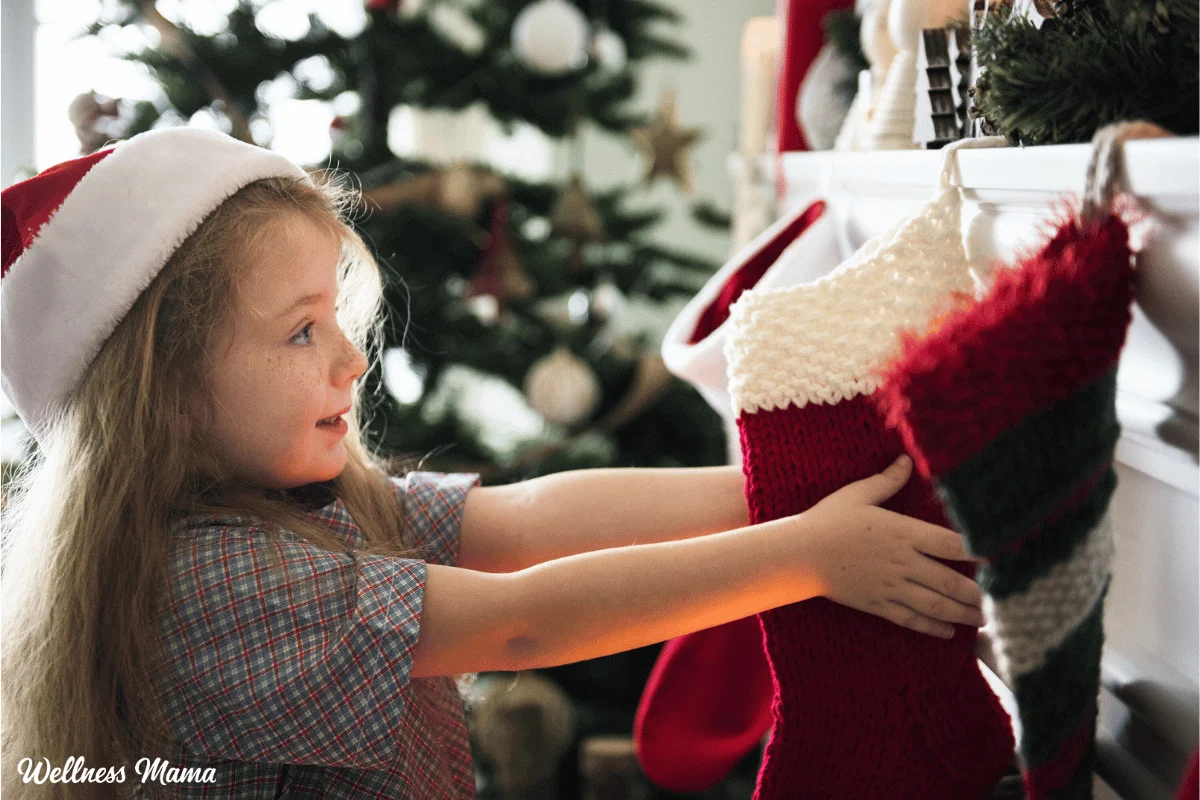
There is a distinct, universal magic attached to waking up on Christmas morning and discovering a stocking stuffed with an assortment of small, mysterious surprises. Whether someone is young or old, the ritual of pulling hidden items out of a fabric pouch—ranging from a simple pack of gum to a practical pair of cozy fuzzy socks—holds a unique place in holiday celebrations. As families navigate the hectic winter shopping season, compiling ideas for these smaller gifts can streamline holiday preparations, offering a practical alternative even for those who may have missed out on traditional post-Thanksgiving retail events.
The custom of hanging stockings by the chimney has been woven into Western holiday culture for more than two centuries, largely popularized by the famous nineteenth-century poem "The Night Before Christmas." However, the exact historical origins of how the practice began and why it became so deeply embedded in holiday folklore remain less widely understood. Cultural historians generally agree that the Christmas stocking tradition serves as an enduring tribute to St. Nicholas, the historical figure who inspired contemporary representations of Santa Claus.
According to historical lore, the legend of St. Nicholas centers on a generous act performed for a destitute widower who lacked the financial resources to pay marriage dowries for his three daughters. In an era when such financial distress carried severe social consequences, St. Nicholas intervened anonymously under the cover of night. He dropped bags of gold coins down the widower’s chimney, one of which accidentally landed inside a stocking that had been hung near the fireplace to dry. When the family woke the following morning to find the coins, their immediate financial worries were resolved. This spirit of anonymous generosity and care for others continues to shape modern perceptions of the true meaning of the holiday season. Many families maintain related customs, such as leaving out boots or shoes on St. Nicholas Day every December sixth to receive small treats, keeping the historic narrative alive for younger generations.
When it comes to selecting items for family members, modern holiday planners often look for options that balance festive enjoyment with health-conscious choices. Rather than relying solely on heavily processed sweets, gift-givers increasingly explore alternative categories that cater to various lifestyles, ages, and personal preferences within a household. Comprehensive holiday gift guides often categorize these items to help shoppers differentiate between options tailored for children, women, men, and general recipients.
Food items tailored for culinary enthusiasts frequently feature prominently in holiday stockings. Edible selections range from artisanal treats to high-quality pantry staples, providing a gourmet experience on a smaller scale. For individuals interested in personal care and self-care routines, homemade skincare products and natural beauty items offer a thoughtful alternative to commercial gift sets that often contain synthetic ingredients or harsh chemicals. By selecting natural formulations, shoppers can curate beauty products that align with health-conscious preferences.
Health-focused products and specialized supplements represent another popular category for family members dedicated to wellness. These items can range from immune-supporting formulas to brain-boosting vitamins, with formulations available for both adults and children. For households prioritizing experiences over material possessions, offering the gift of time and shared attention creates lasting sentimental value. These experiential gifts can be shared among children, spouses, or grandparents, emphasizing relationship-building over commercial exchange.
Practical items also continue to hold a valued place in holiday stockings. Items like specialized socks, useful everyday tools, and functional accessories are selected to combine utility with elements of fun. Meanwhile, games and interactive play items designed for children encourage cognitive development, creativity, and family engagement during winter gatherings. Board games and card games scaled for stockings offer entertainment value that extends well beyond Christmas morning, appealing to both young learners and adults who enjoy game nights.
Art supplies and crafty gifts offer another avenue for creative engagement, providing children and artistic family members with the tools needed for hands-on projects and family art sessions. To maintain a cohesive approach, some households adopt themed stocking concepts rather than assembling an assortment of unrelated items, establishing a unified focus for the holiday morning.
An alternative approach to the traditional gift-giving timeline involves extending the distribution of stocking stuffers across the twelve days of the Christmas season. Rather than opening every small gift on December twenty-fifth, families can place a single new item into the stockings each day leading up to the feast of the Epiphany on January sixth. This practice helps sustain a sense of anticipation throughout the entire winter holiday period, encouraging a prolonged celebration of the season.
