Shifting the Paradigm: Salutophysiology Offers a New Foundation for Maternity Care
For decades, the standard approach to maternity care has been deeply rooted in the clinical assessment of risk. Professionals in the field are rigorously trained to anticipate complications, monitor physiological markers for signs of distress, and prepare for interventions. While this risk-focused lens remains a cornerstone of safety in high-stakes medical situations, many practitioners and birth experts are beginning to argue that an exclusive focus on what could go wrong often obscures the very conditions necessary for health, trust, and the natural unfolding of physiological birth.
A growing movement in the global birth community is now advocating for a shift in perspective, moving away from a purely pathology-based model toward what is being called "salutophysiology." This emerging framework invites birth professionals to reconsider their starting point, asking not what causes disease or complication, but rather what conditions allow health and human physiology to flourish.
The Origins of Salutophysiology
The concept of salutophysiology is derived from the broader theory of salutogenesis—a term coined by medical sociologist Aaron Antonovsky, which emphasizes the factors that support human health and well-being rather than those that cause disease. In the context of maternity care, this model was further theorized and developed by the midwife Verena Schmid.
At its heart, salutophysiology acknowledges that the process of birth is not merely a mechanical event to be managed or "fixed." Instead, it is a complex, responsive, and deeply relational experience. The theory posits that human physiology is not a static machine that functions in isolation; rather, it is constantly interacting with the environment, the nervous system, and the emotional state of the birthing person. When a caregiver views birth through a strictly risk-averse lens, they may unintentionally prioritize the avoidance of complications to the detriment of the environmental conditions that foster safety and trust.
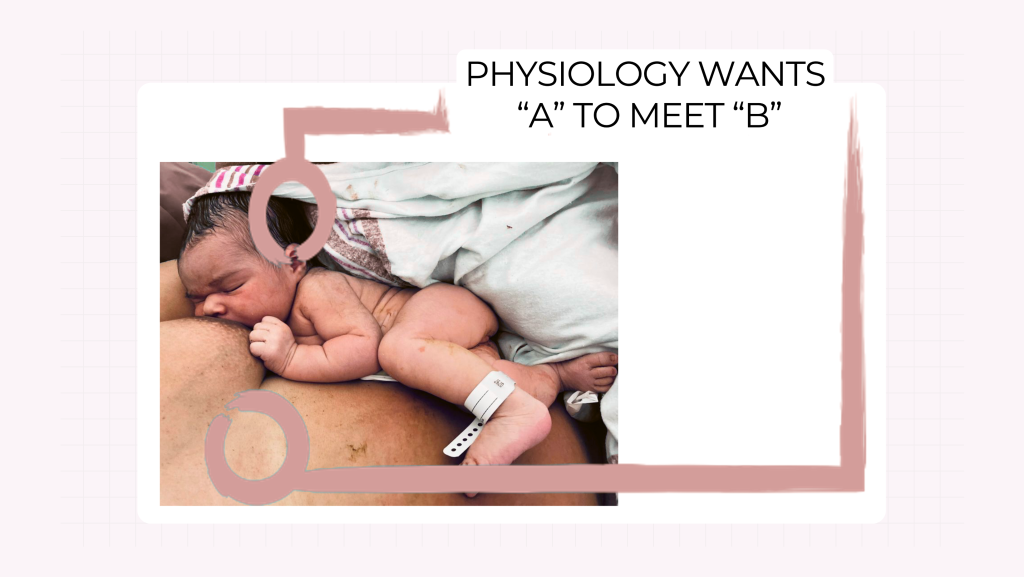
Proponents of this model argue that when the primary focus is on risk, it can inadvertently elevate the stress levels of the birthing person. Because the nervous system is in constant communication with the body, heightened stress can negatively influence hormone production, muscle tone, and the overall progression of labor. By shifting the focus to salutophysiology, birth professionals are encouraged to create an environment where physiology can function at its highest capacity, recognizing that feeling safe and supported is not just a secondary comfort measure—it is a physiological necessity for effective labor.
Integrating Physiology with Practice
This shift in perspective is finding a natural partner in the established methodologies of Spinning Babies®. Long recognized for its focus on balance, movement, and the innate wisdom of the birthing body, the Spinning Babies® approach has always looked beyond the mechanical aspects of birth to support the body as a whole system.
The integration of salutophysiology into this framework provides a deeper, more intentional philosophical foundation. While Spinning Babies® offers the techniques for balance and movement, salutophysiology offers the "why" and the "how" of the caregiver’s presence. Together, they allow birth professionals to move beyond the rote application of techniques and toward a more profound, relational engagement with the physiology of birth.
In practice, this means that a midwife, doula, or obstetrician is no longer simply asking, "What should I do next to correct this deviation?" but is instead asking, "What is this body responding to, and how can I best support the conditions that will allow it to return to its own rhythm?" This shift helps bridge the common gap between clinical knowledge and real-time support. It transforms the role of the professional from a manager of risks to a facilitator of health, fostering a environment where both the professional and the birthing person can move from a state of fear-based vigilance to one of trust-based support.
Expanding the Professional Horizon
The transition to a health-oriented model does not imply a disregard for the realities of medical complexity or risk. Rather, it suggests that even in complex situations, a foundation built on the principles of salutophysiology allows the body to function more effectively. It creates a space where physiology is viewed as responsive and capable rather than inherently fragile.
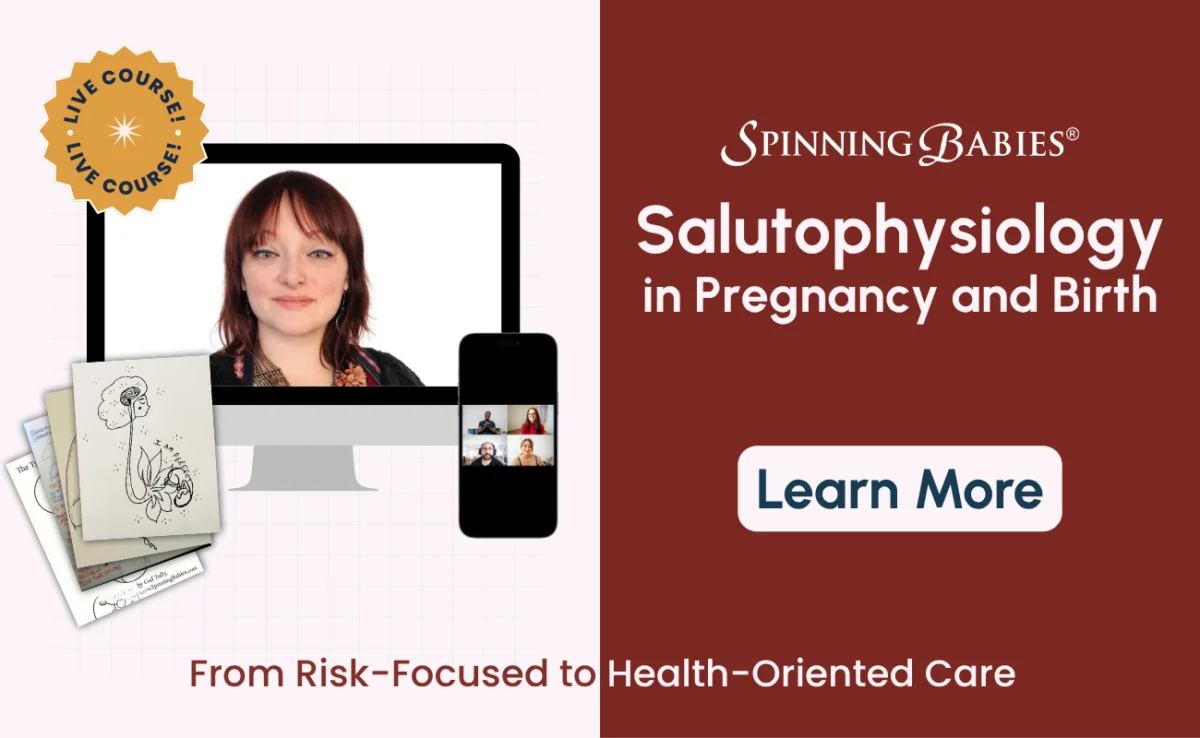
To help bridge this gap in clinical practice, Spinning Babies® has announced a significant new educational collaboration with Anna Maria Rossetti, a leading voice in this field. They have launched a specialized learning experience titled "Salutophysiology in Pregnancy and Birth: From Risk-Focused to Health-Oriented Care."
This course is designed for birth professionals who are seeking to deepen their understanding of how the nervous system, the physical environment, and maternal physiology intersect throughout pregnancy, birth, and the postpartum period. Unlike traditional training models that may focus on rigid protocols, this program utilizes live sessions that encourage reflection, integration, and the practical application of these concepts in real-world settings.
The curriculum aims to equip participants with the skills to read the signs of the body more intuitively and to cultivate a presence that supports the birthing person’s autonomy. By participating in this course, professionals are invited to join a growing community that is questioning the status quo of modern maternity care and working to rebuild it on a foundation of physiological trust.
As the field of maternity care continues to evolve, the adoption of salutophysiology represents a meaningful step toward a more human-centered approach. It is an invitation to view birth as a physiological process that is deeply interconnected with the human experience. Through this lens, the role of the birth professional becomes one of a partner in health, dedicated to fostering the environment where birth can unfold with the greatest degree of safety, trust, and physiological integrity.
Registration for the collaborative program between Spinning Babies® and SEAO is now open. For those birth professionals looking to refine their practice, strengthen their clinical presence, and embrace a more responsive, health-oriented philosophy, this course offers a structured pathway to integrating these profound concepts into their daily work. As the community of practitioners grows, the conversation around birth continues to shift, moving away from the narrow confines of risk management and toward a holistic, science-informed, and compassionate view of the birthing process.
