The Link Between Positive Birth Experiences and Breastfeeding Success: A New Perspective on Preparation
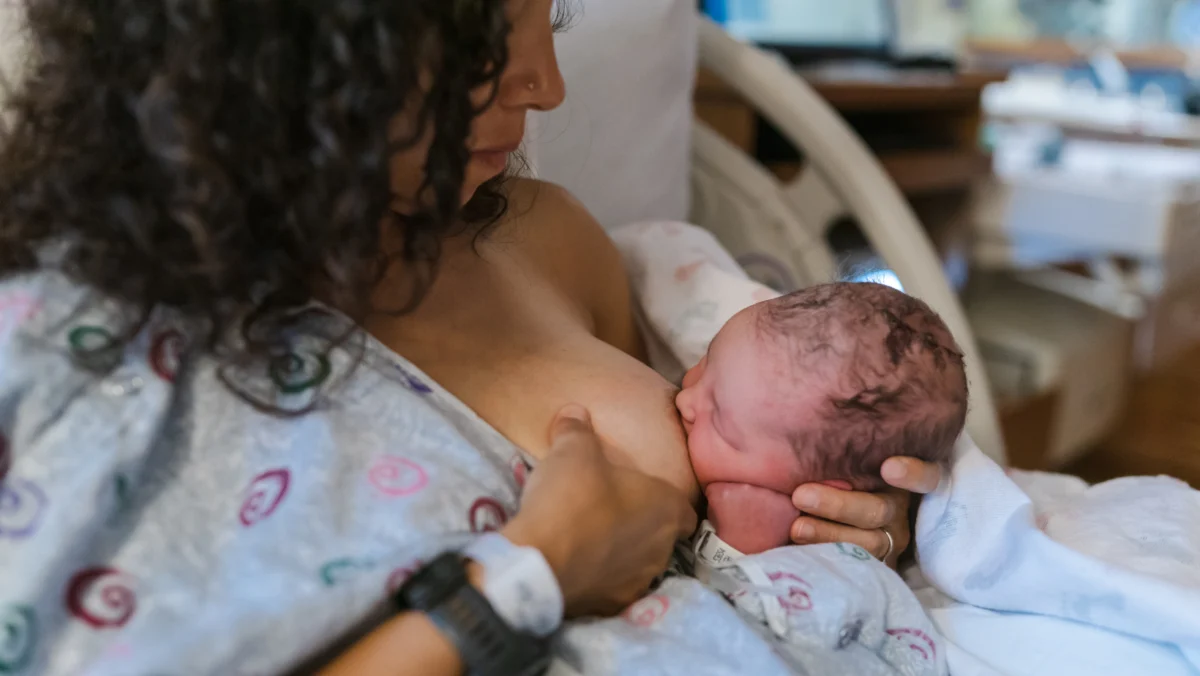
The journey into parenthood is often viewed through a fragmented lens, with birth preparation and postpartum care treated as two distinct milestones. However, emerging research suggests that these chapters are deeply interconnected. A study involving 3,080 mothers has revealed a compelling correlation: women who report a more positive birth experience are statistically more likely to initiate breastfeeding and maintain it for a longer duration. While the study does not definitively conclude that a positive birth causes breastfeeding success, the data underscores a critical relationship between the emotional and physical experience of childbirth and the subsequent transition to nursing.
This finding has prompted experts to advocate for a broader, more holistic approach to prenatal education. Rather than focusing exclusively on the mechanics of labor, modern birth preparation is increasingly emphasizing the importance of physiological awareness, informed decision-making, and, perhaps most crucially, the cultivation of a strong connection between the parent and the baby. By fostering childbirth self-efficacy and proactively working to reduce birth-related fear, parents can enter the delivery room feeling empowered, informed, and confident—a state of mind that appears to ripple forward into the postpartum period.
Redefining the "Positive" Birth Experience
A primary challenge in birth preparation is the persistent misconception that a "positive" birth is defined by a specific set of circumstances, such as an unmedicated vaginal delivery. In reality, experts at the World Health Organization (WHO) and professional birth educators define a positive childbirth experience through the quality of the care provided. This includes respectful, individualized attention, clear and consistent communication, emotional support, and the parent’s active, meaningful involvement in the decision-making process.
Under this definition, a surgical birth, an induction, or an assisted delivery is not inherently negative, provided the parents feel respected and informed throughout the process. Birth preparation serves as the foundation for this engagement. When parents take the time to understand the physiological possibilities that may arise during labor, they are better equipped to stay present and involved, even when circumstances change. This knowledge allows parents to follow their intuition, ask clarifying questions, and advocate for their preferences, which are key components in sustaining the confidence necessary for the postpartum transition.
Birth and Postpartum: A Continuous Physiological Process
It is common for expectant parents to devote months to planning for labor while leaving the postpartum period largely to chance. Professionals in the field, including birth doulas, lactation consultants, and educators like Amara Cashion and Rhonda McGregor, argue that this separation is a disservice to the family unit. They view pregnancy, labor, birth, and lactation as a single, continuous physiological story. As McGregor, a Registered Nurse and International Board Certified Lactation Consultant, aptly notes, "Physiology doesn’t stop at birth. It’s just the continuation of the story, a different chapter."
This transition is characterized by profound hormonal shifts. Immediately following birth, the body begins the complex task of establishing milk production. This process is deeply supported by the baby’s suckling and the biological cues of closeness. When parents have created a mental and practical vision for those early hours—including skin-to-skin contact and early feeding—the transition from pregnancy to parenthood feels significantly more navigable.
The Role of Skin-to-Skin Contact and Early Bonding
When safe and feasible, the WHO recommends uninterrupted skin-to-skin contact immediately after birth. This practice is not merely a gesture of comfort; it is a clinical intervention that supports the initiation of breastfeeding and increases the likelihood of long-term success. Early skin-to-skin contact helps the newborn regulate their temperature, heart rate, and breathing, while simultaneously stimulating the hormones that aid in both milk production and parental attachment.
While newborns possess inherent instincts that guide them toward the breast, the manifestation of these behaviors can be influenced by the nature of the birth itself. Feeding cues and reflexive behaviors are the baby’s way of seeking proximity, though the expression of these behaviors varies from child to child. Understanding these biological signals ahead of time helps parents recognize the baby’s needs, transforming a potentially overwhelming period into a supported and connected experience.
Preparing the Body and the Support System
At organizations like Spinning Babies®, birth preparation is centered on the dynamic relationship between the parent’s body and the baby. Because the baby is an active participant in labor—moving and rotating through the pelvis—understanding this process can reduce anxiety. Techniques such as "Belly Mapping" allow parents to develop a deeper awareness of their baby’s position and movements, helping them feel more connected to the child before they are even born.
However, in an era where pregnancy information is often fragmented and sometimes inaccurate, especially across social media platforms, experts warn against the trap of "information overload." The advice of educators like Amara Cashion is to focus on a few trusted sources and to prioritize conversations with qualified members of the care team, such as midwives, physicians, and doulas. The goal is not to master every medical detail, but to build a foundational understanding that empowers the parent to ask questions and participate in their care as the situation evolves.
Proactive Breastfeeding Education
Preparing for breastfeeding can and should begin long before labor starts. Systematic reviews have indicated that prenatal breastfeeding education significantly increases a parent’s confidence and likelihood of initiating nursing. While education cannot insulate a family from every possible challenge, it provides the tools to recognize when things are going well and when it is time to seek additional help.
Part of this preparation involves identifying the lactation resources available at the chosen birth facility and determining how to access professional support once the family returns home. Partners and support persons play a vital role here as well; they can serve as the primary advocates during the exhausted early days, ensuring the parent is hydrated, comfortable, and reminded of their preferences regarding skin-to-skin contact and feeding assistance. In specific cases, some parents may be advised to explore antenatal hand expression, though this is a clinical decision that should be discussed directly with a provider based on individual health factors.
Navigating the Unexpected
Despite the most thoughtful preparation, birth and breastfeeding do not always unfold according to plan. Medical complications, NICU stays, or difficult recoveries can create physical and emotional distance between parent and baby. When these unexpected challenges occur, the focus must shift from how the process was "supposed" to look to how it is actually unfolding.
Missing the immediate "golden hour" of skin-to-skin contact does not mean the opportunity for connection has been lost. If separation is medically necessary, lactation professionals can guide parents in hand expression or pumping to maintain milk supply. Furthermore, researchers have noted that the emotional impact of a traumatic birth can affect breastfeeding outcomes; therefore, mental health and emotional support are just as critical as technical feeding advice.
Ultimately, it is vital to remember that breastfeeding is not the sole metric of a parent-child bond. Whether a family chooses to nurse, pump, use donor milk, or transition to formula, the capacity for love and connection remains the same. Preparation should be viewed as a tool to expand a family’s options and sense of agency, rather than as a rigid standard. By approaching the prenatal period with a focus on connection, education, and flexibility, parents can build a foundation that supports them through whatever path their journey takes.
