Elevating Everyday Meals: Why Home Cooks Are Embracing DIY Greek Seasoning Blends
In the modern kitchen, the pursuit of flavor often collides with the convenience of pre-packaged convenience foods. From weeknight dinners to elaborate weekend feasts, home cooks continually seek ways to maximize taste without spending hours prepping complex ingredients. Increasingly, culinary enthusiasts are turning to a surprisingly simple solution that has long been a staple of scratch cooking: homemade spice blends. Among these, a classic Mediterranean-inspired Greek seasoning has emerged as a pantry favorite, offering a versatile profile that transforms basic proteins, vegetables, and marinades with minimal effort.
The appeal of crafting these blends at home extends far beyond simple flavor enhancement. Many commercial seasoning packets and store-bought spice jars contain hidden additives, ranging from heavy sodium fillers and artificial preservatives to added sugars designed to extend shelf life. For home cooks mindful of ingredient transparency, mixing spices from scratch provides absolute control over what goes into the dish—and what stays out. Furthermore, freshly combined spices bypass the prolonged shelf storage typical of commercial products, delivering a more vibrant and aromatic profile that significantly outperforms spices that have sat on a supermarket shelf for months.
What Is Greek Seasoning?
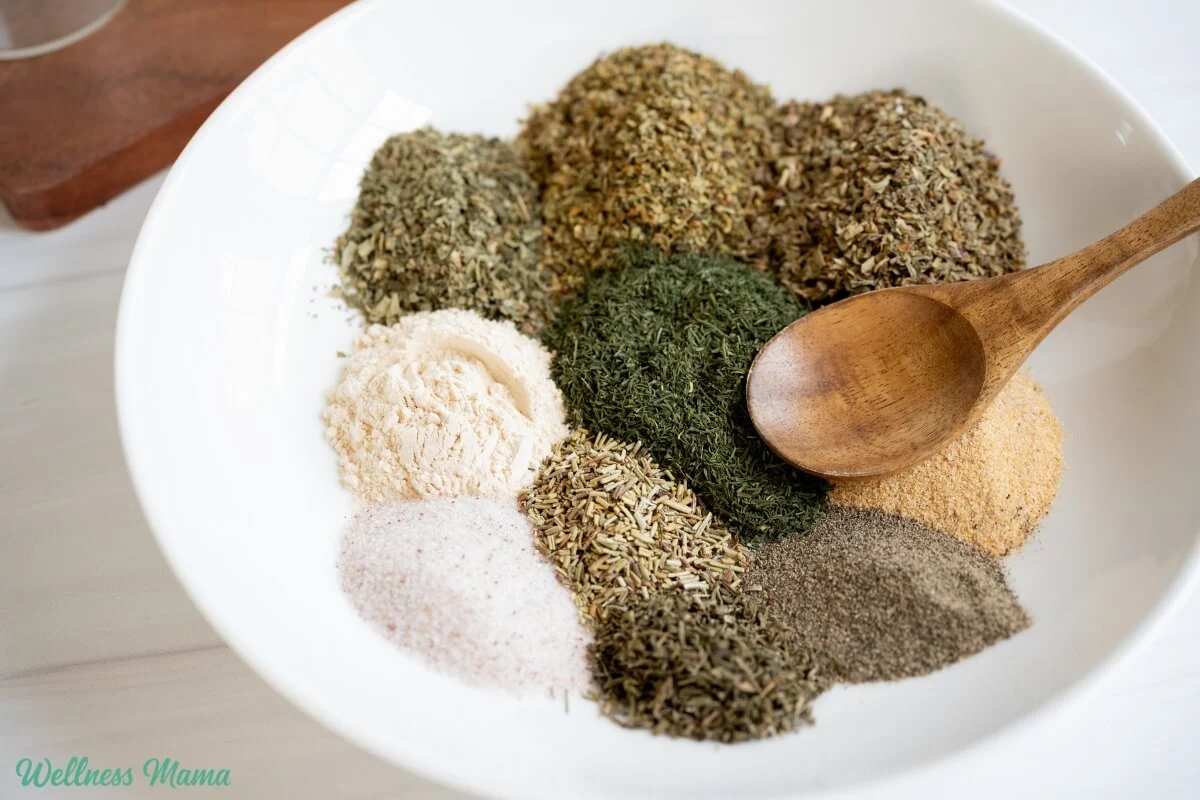
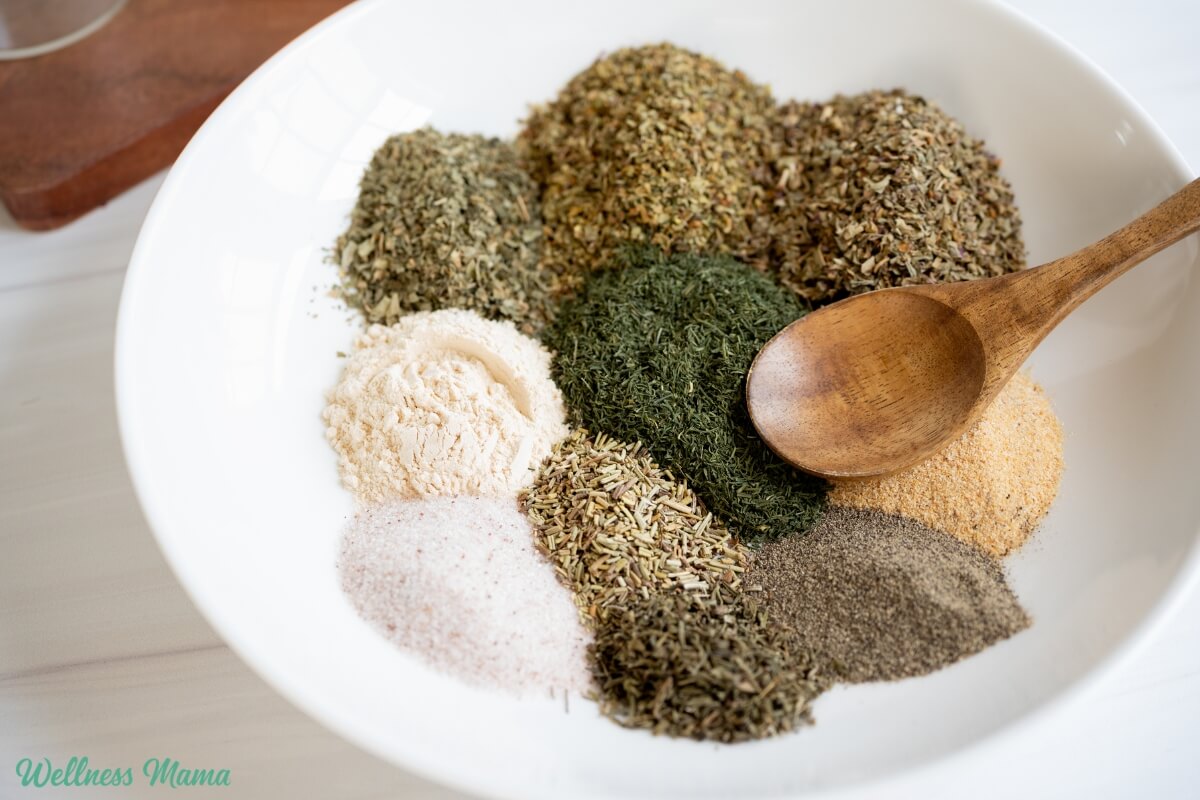
At its core, Greek seasoning is a deeply aromatic Mediterranean blend historically utilized to add savory depth to meats, roasted vegetables, vibrant salads, and emulsified marinades. The traditional profile is anchored by a harmonious balance of herbs and spices, most notably pungent oregano, which serves as the unmistakable signature note of Mediterranean cuisine. Complementing the oregano are classic botanical herbs such as basil, parsley, dill, thyme, and rosemary, each contributing distinct flavor notes that layer together to create a robust and well-rounded finish.
To build a sturdy foundation for these herbal elements, spice blenders traditionally incorporate savory powders like garlic and onion, which lend a rich umami undertone. A subtle pinch of warm cinnamon is frequently introduced to round out the flavor profile, adding an unexpected touch of warmth that elevates the savory notes without overpowering the dish. Beyond its culinary utility, this specific combination of herbs offers a subtle nod to historical dietary traditions. For thousands of years, civilizations have integrated native herbs into daily cooking not merely for taste, but for their natural wellness properties, including essential micronutrients, antioxidants, and antimicrobial compounds.
Why You Should Make Your Own Seasonings
Transitioning to homemade pantry staples represents a practical shift toward simplifying daily cooking without sacrificing culinary quality. For busy households managing large families, preparing bulk spice mixes offers a significant financial advantage over purchasing tiny, individual jars of pre-mixed seasonings. Because dry spice blends require only a few basic components and take mere minutes to assemble, they serve as an ideal entry point for home cooks looking to embrace from-scratch preparation.
Once stored properly in a sealed container, a well-mixed batch of Greek seasoning can last for months, remaining readily accessible for spontaneous meal preparation. Having a jar on hand instantly bridges the gap between a plain ingredient and a memorable meal. A standard chicken breast, a batch of roasted root vegetables, or a simple house salad can be elevated instantly with a quick dusting of the homemade blend.
Moreover, the inherent flexibility of DIY cooking allows for endless customization tailored to individual palates. Cooks who favor robust garlic can easily dial up the proportion, while those who prefer a more herbaceous profile can adjust the quantities of basil, dill, or oregano accordingly. This adaptability ensures that every batch aligns precisely with personal preferences, reinforcing the distinct advantages of preparing meal components from home.
How to Use Greek Seasoning
The true strength of a well-balanced Greek seasoning lies in its remarkable versatility across various cooking techniques and meal types. Whether applied to quick weeknight dinners or slow-roasted weekend dishes, the blend adapts seamlessly to diverse culinary applications. It serves as an effortless dry rub for chicken destined for the grill, adds savory depth when mixed directly into ground meat burger patties, and provides an instant flavor boost to roasted seasonal vegetables such as zucchini, summer squash, and asparagus.
One particularly popular application involves tossing diced potatoes in a generous coating of olive oil, coarse salt, and the homemade herb blend before high-heat roasting. The resulting side dish develops a deeply savory, aromatic crust that rivals restaurant-style preparations. Beyond roasting and grilling, the seasoning can be whisked into homemade vinaigrettes, dusted over morning eggs, or stirred directly into plain Greek yogurt to create a fast, flavorful vegetable dip that requires no complicated sauces or additional pantry items.
For streamlined meal preparation, the blend acts as an ideal foundation for a classic Mediterranean marinade. By combining the dry herbs with quality olive oil and fresh lemon juice, cooks can quickly prep chicken or lamb prior to cooking. The citrus and oil help tenderize the meat while the herbs infuse every bite with bright, sun-drenched flavors, offering a reliable blueprint for wholesome, satisfying family meals.
Maintaining proper storage conditions is essential to preserving the integrity of the blend. When kept in an airtight container away from direct heat and light, the homemade Greek seasoning retains its potency and vibrant flavor profile for up to six months, ensuring that a taste of the Mediterranean remains perpetually within reach for everyday cooking.
