The Art and Science of Midwifery: Bridging Tradition and Modernity in Global Maternity Care
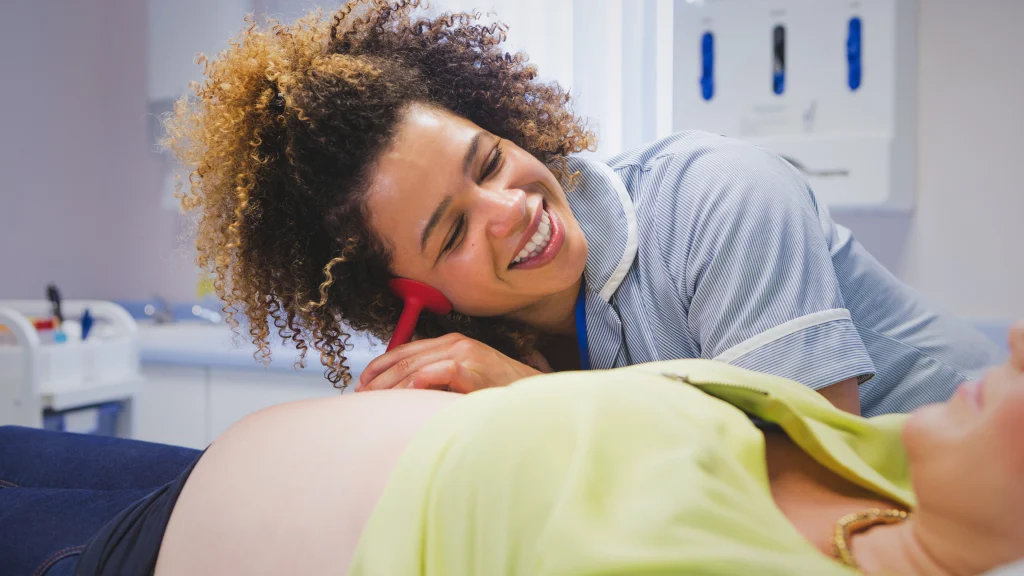
There is a singular, profound moment during the birth process that Kara, a midwife and Continuing Education Manager for Spinning Babies®, says never loses its potency, no matter how many times she witnesses it. "Just before a newborn’s first cry, everyone in the room seems to hold their breath," she reflects. After years of navigating the clinical demands of nursing and the intimate, life-altering experience of midwifery, she still finds that silence—a threshold between the unknown and the beginning of a new life—to be the ultimate testament to her profession. It is precisely this intersection of high-stakes clinical responsibility and deeply human connection that leads her to describe midwifery as the "perfect mix of science and art."
For generations, midwives have served as the bedrock of maternal health, providing care that is rooted in both clinical expertise and an intuitive understanding of the community. Yet, in the 21st century, the definition of midwifery is as varied as the landscapes in which it is practiced. Through insights from three distinct practitioners—Venus, a hospital-based nurse-midwife in the United States; Kara, whose career spans the United States and the Netherlands; and Claire, a homebirth midwife based in New Zealand with teaching experience across Europe—a clearer picture emerges of how this ancient profession is navigating the complexities of modern healthcare, overcoming institutional hurdles, and continuing to define the standard for maternity care.
The Roots of Midwifery: A Legacy of Skilled Care
The history of midwifery predates the existence of hospitals, standardized medical curricula, and modern professional licensing. For thousands of years, the knowledge required to assist in birth was cultivated through oral tradition, intergenerational mentorship, and hands-on observation. Traditional and Indigenous midwives developed sophisticated practices tailored to the specific needs, cultural beliefs, and physical realities of their communities.
The International Confederation of Midwives acknowledges this deep, global history, tracing the lineage of midwifery across Africa, Asia, Europe, and the Americas. However, as medicine became increasingly institutionalized, the status of the midwife began to shift. In some parts of the world, midwifery was successfully integrated into the formal healthcare hierarchy, gaining professional autonomy and clear educational pathways. In other regions, midwives faced systemic marginalization, exclusion from clinical settings, or the outright displacement of their community-based practices by centralized medical models.
In the United States, the role of Black midwives was historically vital, particularly in the rural South. Women often referred to as "granny midwives" provided essential prenatal, birth, and postpartum care in communities where systemic racism and segregation barred families from hospitals and physician-led clinics. The Smithsonian National Museum of African American History and Culture documents how these matriarchs preserved the health of their communities for decades.
Today, the tension between formal accreditation and the preservation of traditional wisdom remains a focal point of debate. The International Confederation of Midwives (ICM) has faced scrutiny regarding how it categorizes and recognizes various types of birth practitioners. During the June 2026 Congress in Lisbon, for instance, Indigenous midwives and their allies protested the organization’s decision to suspend a position statement regarding partnerships between Indigenous and non-Indigenous midwives. The controversy highlighted a fundamental question: who holds the right to define a midwife? While the ICM has committed to revising its stance by 2027, the underlying issue persists. For many traditional practitioners, the struggle is not merely about a professional title, but about the respect and preservation of ancestral knowledge that has sustained communities through the ages.
Defining the Modern Midwife
If one were to shadow these three midwives, the variability of the profession would become immediately apparent. Venus, working as a nurse-midwife in a North Carolina hospital, manages a high-intensity schedule that frequently bridges the gap between outpatient clinical appointments and overnight on-call shifts. Her autonomy is negotiated within the framework of hospital policy and state regulations, requiring her to work in constant, close collaboration with obstetric teams.
Kara’s experience offers a study in contrasts. Her training as a certified nurse-midwife in the U.S. provided a stark comparison to her work in the Netherlands, where the maternity care model is fundamentally different. In the Dutch system, midwifery is the primary gateway for pregnancy and birth, with obstetricians acting as consultants for medical complications. In the U.S., Kara notes that she often spends as much time educating the public on what a midwife can do—such as attending hospital births and collaborating with physicians—as she does providing clinical care.
Claire, operating in New Zealand, represents yet another model: the continuity-of-care approach. This structure allows her to follow a family’s journey from early pregnancy, through the intensity of labor, and into the crucial weeks of the postpartum period. Regardless of these differences, the International Confederation of Midwives maintains a clear definition: a midwife is a responsible, accountable professional who provides comprehensive care through pregnancy, labor, birth, and the postnatal period. While credentials and legal scopes of practice vary wildly across international borders, the core components—clinical judgment, patient education, and individualized care—remain the common threads that unite the profession. For parents, understanding these distinctions is key: choosing a midwife is less about choosing a specific birth setting and more about choosing a philosophy of care that prioritizes the family’s experience as a whole.
Caring for the Whole Person
For Venus, Kara, and Claire, the clinical objective of a safe birth is only one part of the equation. Venus, in particular, challenges the traditional medical focus that views a "healthy parent and healthy baby" as the sole metrics of success. She advocates for an approach where the parent feels heard, respected, and supported throughout the transition into parenthood.
Her poignant question, "Who’s holding the mom?" encapsulates the systemic gap often found in modern maternity care. While the newborn receives immediate and intensive attention, the person who has just undergone the physical and emotional ordeal of birth is often left to navigate their recovery in relative isolation. Midwifery care, at its best, "holds space" for both.
This relational aspect is what draws many to the field. Claire’s practice in New Zealand often involves the extended family, turning prenatal visits into educational sessions where siblings and relatives learn about the incoming life together. This approach recognizes that pregnancy is not a medical event occurring in a vacuum, but an experience woven into the fabric of a family’s life. When a midwife prioritizes dignity and communication, they validate the patient’s humanity, which is as essential to a positive outcome as any clinical intervention.
The Challenges Behind the Calling
The profession is not without its significant burdens. The demands of unpredictable schedules, emotional exhaustion, and the pressure to maintain one’s own resilience can be immense. Venus points out that professional recognition is a persistent hurdle. Even in states where nurse-midwives have gained greater independence, there is often a misunderstanding among colleagues about the depth of a midwife’s training and scope of practice.
For Black midwives, these challenges are compounded by structural bias. Venus recalls the sobering advice she received from a nursing professor who, acknowledging the reality of the healthcare system, warned her that she would need to be "twice as good" to be considered "half as good" as her peers. This experience underscores the reality that for many, achieving professional equity is a struggle that takes place simultaneously with the work of providing care.
Kara notes that the lack of public understanding about the midwifery career path can also act as a barrier to recruitment, leaving many aspiring midwives without a clear roadmap for their future. Furthermore, the emotional weight of attending births, particularly when things do not go as planned, necessitates a strong sense of community among birth workers. Without supportive colleagues and institutional recognition, the burnout rate in the field remains a critical concern.
Protecting Physiology Through Collaboration
A recurring theme in the work of these practitioners is the importance of physiological birth. Supporting the natural progression of labor requires a high level of clinical skill, specifically the ability to discern when to wait and when to intervene. As Claire asks, "When do I need to step in and when do I need to step away?" This constant assessment—balancing the desire to avoid unnecessary intervention with the duty to provide medical assistance when necessary—is the hallmark of expert midwifery.
This is where the Spinning Babies® approach has become an integral tool for many midwives. By focusing on anatomy, fetal positioning, and biomechanics, the method provides a shared language that bridges the gap between different healthcare professionals. Instead of defaulting to medical intervention when labor slows, a midwife trained in this approach might ask, "Where is the baby?" This shifts the focus toward understanding the mechanics of the pelvis and the baby’s movement, allowing for more thoughtful, targeted support.
Importantly, this is not a philosophy that rejects modern medicine. Whether a birth involves an induction, an epidural, or other medical interventions, the principles of positioning and body balance remain relevant. Venus emphasizes that teaching these concepts in workshops is a form of shared learning, where nurses, doctors, and midwives can move away from rigid habits and toward more evidence-based, collaborative decision-making.
The Future of Midwifery
As the World Health Organization continues to advocate for the transition toward midwifery-led models of care, the future of the profession seems to be moving toward a more integrated, person-centered system. For Venus, this future relies on better education for all members of the healthcare team and a genuine commitment to dismantling the biases that prevent equitable care. For Kara, the goal is increased accessibility, ensuring that more families can choose midwifery and more students can enter the field without facing insurmountable barriers.
Claire’s hope is perhaps the most fundamental: that even as technology and institutional protocols evolve, midwives will maintain the ability to be fully present. In the quiet, high-stakes moments of birth, it is the touch, the attentive listening, and the respect for consent that define the standard of care.
Today’s midwives are more than just birth attendants; they are advocates, researchers, educators, and leaders who continue to shape the trajectory of maternity care. Whether they are in a high-tech hospital or a private home, their common ground remains the physiology of birth and the wellbeing of the family. By building on their traditional roots while embracing modern knowledge, midwives remain a vital force, ensuring that the transition into parenthood is supported with both the wisdom of the past and the expertise of the present.
