Rethinking Birth: A New Paradigm for Reducing Cesarean Rates
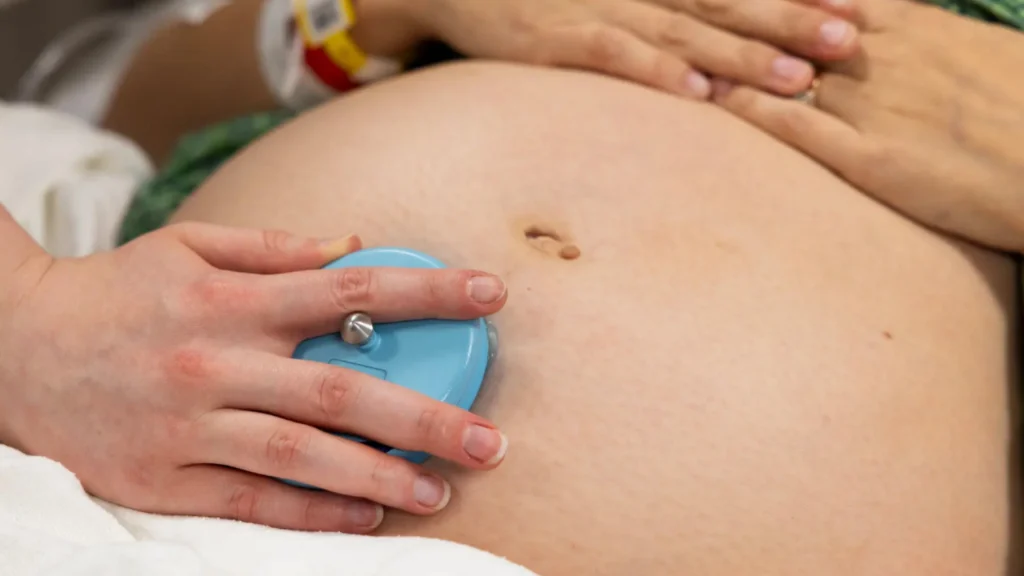
On November 24th, The New York Times published a significant report titled “These Hospitals Figured Out How to Slash C-Section Rates,” which illuminated the evolving landscape of obstetric care in the United States. As the national conversation around rising cesarean birth rates intensifies, the article provided a compelling case study of a medical facility in New York that has successfully bucked the trend, significantly lowering its surgical intervention rate over the last several years. The Spinning Babies® team, which was explicitly cited in the report for its role in Rochester General Hospital’s successful efforts to reduce unnecessary cesarean sections, has since offered a reflection on the broader implications of these findings and how they align with a physiology-centered approach to childbirth.
The discussion surrounding cesarean rates is not merely academic; it is a vital public health issue that impacts thousands of families annually. By examining the success at Rochester General, the medical community and expectant parents alike are gaining a clearer understanding of how institutional culture, provider training, and a fundamental trust in the birthing body can transform clinical outcomes.
A Fundamental Shift Toward Patience and Physiologic Care
The narrative shared by The New York Times regarding the obstetrics team at Rochester General Hospital serves as a beacon for what is possible when healthcare systems prioritize evidence-based, patient-centered care. Delivering approximately 1,800 babies each year, the hospital once faced the same challenges as many other institutions across the country: high cesarean rates, particularly among healthy, first-time parents. However, over a relatively short period, those numbers dropped dramatically.
Crucially, the hospital’s success was not the result of a singular, expensive technological breakthrough or an intrusive, complex medical intervention. Instead, the transformation was rooted in a profound shift in perspective. The staff fundamentally re-evaluated their approach to birth, prioritizing patience, relationship-building, and thoughtful, continuous support during labor. By expanding the role of midwifery and fostering an environment that encourages movement, the hospital moved toward a "physiology-first" model. This approach acknowledges that birth is not just a clinical event to be managed, but a natural process influenced by psychological factors, time constraints, and the expectations of the birth team.
For many parents, this shift feels intuitive. It validates the belief that birth often unfolds with the greatest success when the birthing person feels respected, secure, and granted the necessary time to find their own rhythm. By removing the pressure of rigid, clock-based labor management, the hospital allowed the natural progression of birth to take precedence over the convenience of institutional scheduling.
Identifying the Non-Medical Influences on Cesarean Rates
One of the most enlightening aspects of the New York Times coverage was its candid assessment of why cesarean rates rise in the first place. While medical necessity remains the primary driver for surgical intervention in many cases, the article underscored the reality that many surgeries are influenced by factors that have little to do with the physical health of the mother or child.
Research has long suggested that a provider’s individual comfort level with "normal" birth, their fear of potential complications or litigation, and even external pressures like time of day or staffing patterns can subconsciously sway clinical decision-making. Furthermore, payment structures and hospital protocols can sometimes incentivize intervention over patience.
Recognizing these influences does not in any way diminish the life-saving importance of the cesarean section. The procedure remains an essential, life-saving tool in modern medicine. However, the data from Rochester General suggests that when the clinical environment is designed to prioritize the physiology of birth, many of these non-medical influences can be mitigated. This illustrates that birth is a deeply relational experience, shaped as much by the atmosphere of the room and the emotional support provided by the staff as it is by the physiological mechanics of labor.
Why This Matters to the Spinning Babies® Community
For years, the Spinning Babies® approach has advocated for the idea that when the body finds balance and the pregnant person feels supported, labor is more likely to flow smoothly. The core philosophy suggests that babies can move into more optimal positions for birth if they are given the space and time to do so, and that physical comfort measures can facilitate this process.
The experiences described in the New York Times article mirror these observations. Families involved in the report described how simple comfort measures, freedom of movement, and steady, empathetic support allowed them to navigate long labors without the need for surgery. Nurses and midwives at Rochester General echoed this, noting that when they were empowered to offer positions that supported physiology—many of which were introduced through Spinning Babies® education—they observed tangible differences in birth outcomes.
By integrating these strategies, the hospital’s clinicians reported seeing a marked improvement in how labor progressed. This reinforces the idea that when medical professionals are trained to support the body’s natural inclinations, they can foster an environment of confidence rather than fear. When care is responsive rather than reactive, labor often unfolds with significantly more ease.
Balancing Safety and Institutional Trust
A nuanced conversation about birth must always maintain a commitment to safety. It is a reality that some pregnancies involve complex health conditions that necessitate a cesarean birth as the safest, most appropriate path. The providers interviewed in the report were transparent about the increasing prevalence of these health challenges, acknowledging that they require highly attentive and specialized care.
However, the distinction between medically necessary surgery and surgery driven by institutional patterns is vital. The article highlights that a significant portion of cesarean births are influenced by timing, cultural expectations, and the systemic pressure to move through the labor process quickly. This is where a supportive birth culture becomes a transformative asset. When hospitals provide sufficient resources for midwifery and nursing, and when the culture of the unit allows for the natural ebb and flow of labor, the perceived "need" for surgical intervention often decreases.
A Message of Empowerment for Families
The primary takeaway from this development is not intended as a critique of any specific provider or hospital, but rather as a message of reassurance to expectant parents everywhere. The human body possesses a profound, inherent wisdom, and the baby has instincts and abilities that play an active role in the birth process. When parents are surrounded by a care team that believes in the physiology of birth and offers support with both patience and skill, it fosters a more empowered and confident experience.
This shift in the national conversation serves as a reminder to families that they are active participants in their care. Parents have the right to ask questions, to explore the options available to them, and to advocate for a care plan that respects their needs and the natural physiology of their birth. Whether the birth experience leads to a vaginal delivery or a cesarean section, every parent deserves to feel that they are in a partnership characterized by respect, clarity, and steady support.
As hospitals like Rochester General demonstrate, when we change the way we approach birth, we change the way we experience it. By prioritizing the human element alongside medical expertise, we create a path toward better outcomes and a more positive start for families. For those looking to understand these trends in greater depth, the original report by The New York Times offers a comprehensive look at how these changes are being implemented on the ground in real-world clinical settings.
