Experts Highlight Natural Detox Baths as an Inexpensive, Health-Boosting Addition to Evening Routines
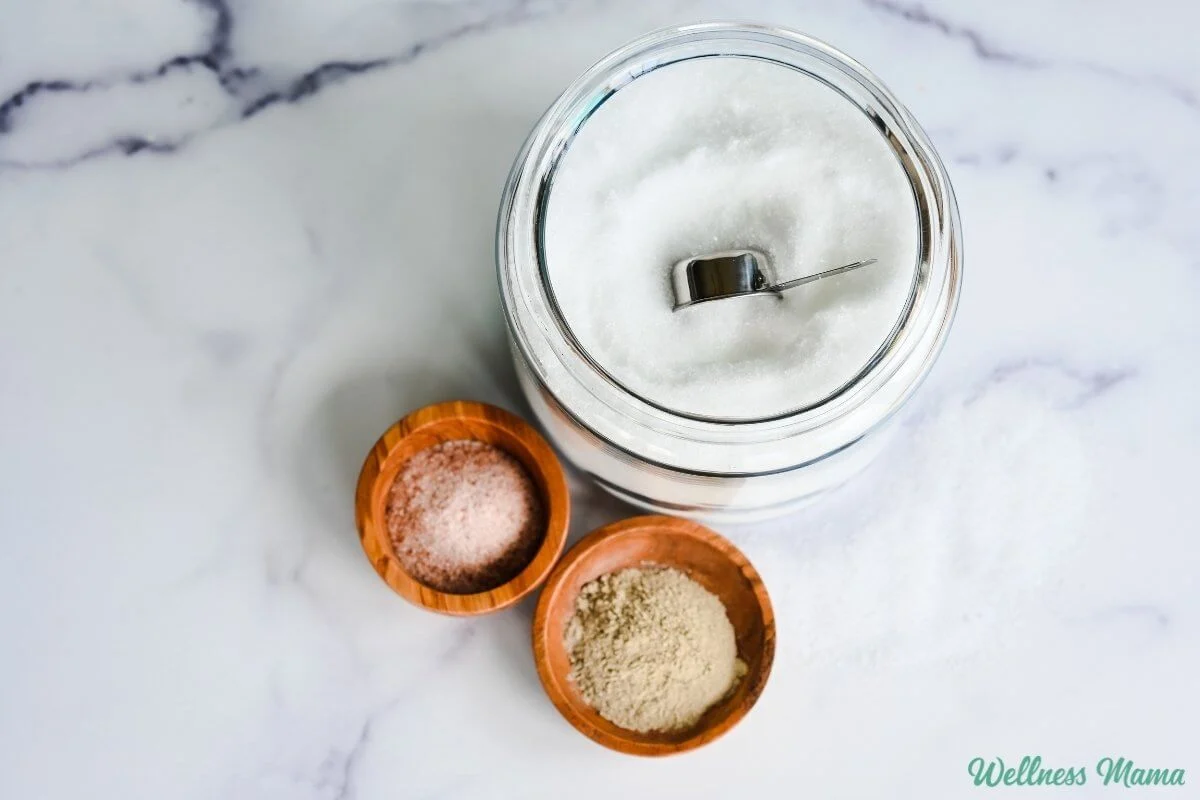
For generations, a warm bath has served as a universal remedy for unwinding after a long day, but wellness advocates are increasingly drawing attention to the targeted benefits of specialized detox baths. Far from being merely a luxury, these enhanced soaks offer a practical and inexpensive option for individuals seeking to support their skin health and cope with modern environmental stressors. While the human body possesses sophisticated, innate detoxification systems—relying on the liver, kidneys, and skin to continuously filter and remove unwanted substances—the pressures of contemporary life have sparked a growing interest in methods that provide these organs with gentle, targeted assistance.
The concept of detoxification has evolved significantly in recent years, moving away from harsh, restrictive cleanses toward supporting the body’s natural physiological processes. While the foundational soak typically relies on Epsom salts to replenish essential magnesium stores and encourage circulation, a variety of household pantry staples can be utilized to tailor the experience. Ingredients such as baking soda, apple cider vinegar, bentonite clay, and organic spices are gaining traction for their unique properties, which range from balancing skin pH and soothing irritation to helping the body bind to heavy metals.
For those who may not have the time for a full-body soak, wellness experts note that foot baths utilizing these same ingredients can deliver many of the same physiological benefits. Because the process of detoxification can occasionally induce mild fatigue, many practitioners recommend incorporating these baths into an evening or bedtime routine. This timing not only aligns with the body’s natural wind-down phase but also promotes the deep relaxation necessary for restorative sleep. Furthermore, these natural remedies are generally considered safe and soothing for children, offering a way to provide gentle support to their developing immune defenses, provided that care is taken with the selection of any added essential oils.
The traditional Epsom salt bath remains the cornerstone of these wellness practices. Known scientifically as magnesium sulfate, the salt dissolves easily in warm water, allowing magnesium to be absorbed transdermally while helping to soothe sore muscles and alleviate general skin irritation. Beyond the basic salt soak, however, a diverse array of specialized recipes has emerged, each tailored to address specific physical needs.
Bentonite clay has become a popular additive for individuals concerned about the accumulation of heavy metals. Known for its absorbent properties, bentonite clay acts like a sponge, binding to heavy metals and other toxins present on the skin and helping to draw them out during the soak. Because clay can accumulate in plumbing and potentially cause blockages, practitioners frequently advise the use of a drain filter or cloth trap when utilizing this method. When combined with Epsom salts, a clay bath offers a dual-action approach to supporting the body’s elimination pathways.
Another traditional variation involves the use of ginger, a botanical agent frequently utilized during periods of seasonal illness. Ginger is recognized for its ability to stimulate circulation, clear congestion, and alleviate body aches, making it a favored addition for individuals battling colds, flus, or stubborn allergies. Rather than adding raw spices directly to the bathwater, practitioners often prepare a strong ginger infusion, straining the liquid after fifteen minutes before pouring it into the tub to ensure a comfortable bathing experience.
Vinegar baths, particularly those utilizing apple cider vinegar, are frequently recommended for individuals struggling with specific skin conditions such as eczema, dandruff, sunburn, or general dryness and itching. The mild acidity of the vinegar helps to restore and balance the skin’s natural pH mantle. While the distinct aroma of vinegar may not appeal to everyone, proponents note that it leaves the skin remarkably soft and can impart a healthy shine to hair. While some wellness traditions suggest allowing the residual vinegar water to air-dry on the skin, many individuals prefer to take a quick, cool rinse immediately following the soak.
More unconventional additions, such as organic mustard powder, also have deep historical roots in natural wellness. Utilized by ancient cultures to soothe the symptoms of colds and flus, organic mustard powder contains compounds that stimulate circulation and warm the body, helping to ease muscle tension and encourage a healthy sweat. When combined with Epsom salts and carefully selected essential oils, the mustard bath transforms into an aromatic and deeply therapeutic experience.
Despite their numerous benefits, health professionals emphasize that any significant addition to a wellness routine should be approached with care. Individuals who are pregnant, nursing, or managing pre-existing health conditions are consistently advised to consult with a qualified healthcare professional before beginning a new detox regimen. Medical reviewers also stress the importance of starting slowly, allowing the body time to adjust to new therapies. For those concerned about water quality, utilizing a specialized bathtub filter can further enhance the experience by reducing exposure to chlorine and other common contaminants found in tap water. As interest in holistic, accessible health practices continues to grow, these time-tested bath variations offer an approachable bridge between traditional remedies and modern self-care.
