The Hidden Link: Why Holistic Birth Preparation Shapes the Postpartum Journey
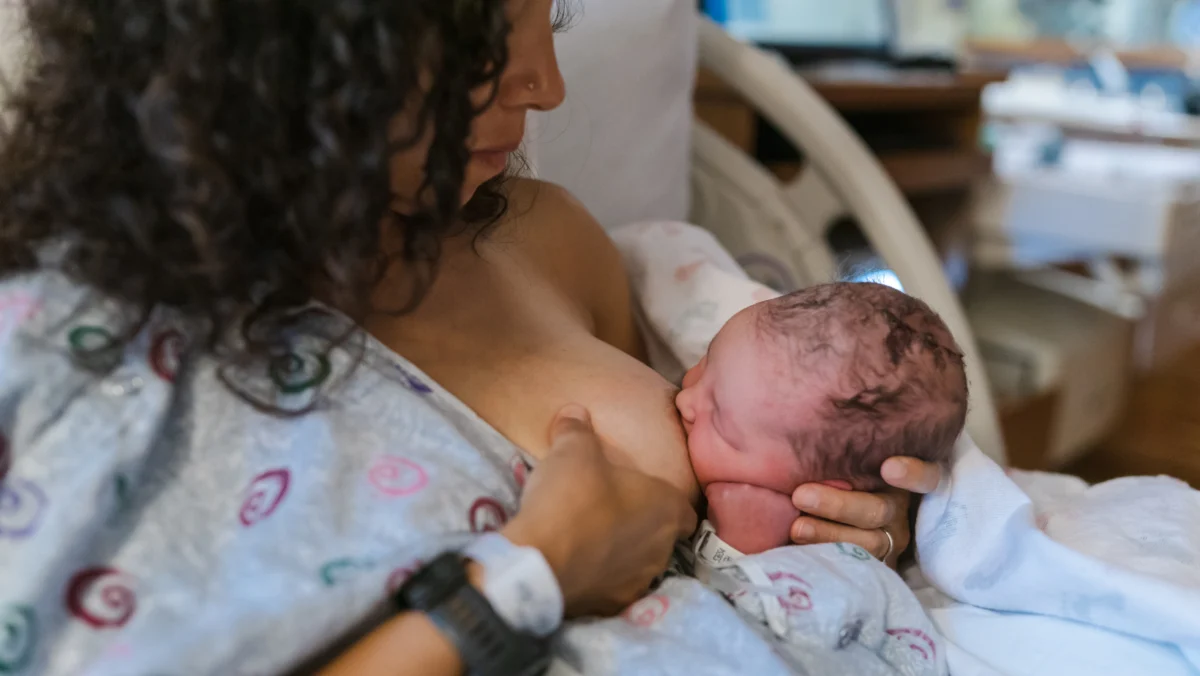
The experience of childbirth is often treated as a singular, monumental event, but emerging research suggests that its influence extends far beyond the delivery room. A study involving 3,080 mothers has highlighted a compelling correlation: those who report a positive birth experience are significantly more likely to initiate breastfeeding and, crucially, to maintain that journey for a longer duration. While the research does not suggest that a positive birth is a direct, singular cause of breastfeeding success, it serves as a powerful indicator of the deep, physiological, and emotional connection between the birth experience and the subsequent postpartum period.
This intersection between the delivery and the early days of infant feeding is prompting a shift in how experts view birth preparation. Rather than focusing exclusively on the mechanics of labor, modern prenatal education is increasingly emphasizing a wider scope. By integrating knowledge about labor physiology, common medical decision-making, postpartum recovery, and the development of a profound connection between parent and child, families can enter the birth experience feeling more informed and inherently more confident. Evidence suggests that comprehensive antenatal education can foster childbirth self-efficacy while effectively reducing fear—two factors that play a vital role in how a parent perceives their birth.
For expectant parents hoping to breastfeed, this preparation involves looking beyond the labor process to the immediate hours following birth. Understanding the benefits of skin-to-skin contact, the importance of early feeding, the nuances of lactation care, and the necessity of being an active participant in one’s own clinical decisions can create a seamless bridge between pregnancy, birth, and the challenging transition into the postpartum weeks.
What Defines a Positive Birth Experience?
A common misconception in modern maternity care is that a positive birth must adhere to a specific set of circumstances. However, the World Health Organization (WHO) defines a positive childbirth experience through a different lens: it is rooted in respectful, individualized care, transparent communication, emotional support, and meaningful involvement in the decision-making process.
It is critical to recognize that a vaginal birth is not inherently positive, just as a surgical birth, an induction, an epidural, or an assisted birth is not inherently negative. The quality of the experience is dictated less by the clinical path taken and more by how the parent feels during that process. When parents feel informed, respected, and included in the discussions surrounding their medical care, the likelihood of a positive experience increases, regardless of the interventions required.
Birth preparation serves as the foundation for this agency. By understanding the broad spectrum of possibilities that may arise during labor—and by nurturing a deep, intuitive connection to their own body and baby—parents are better equipped to stay engaged. This sense of involvement allows them to ask relevant questions, communicate their evolving preferences, and follow their intuition even when clinical circumstances shift or unexpected complications emerge.
Bridging the Gap: Birth, Postpartum, and Breastfeeding
There is a natural tendency for expectant parents to spend months meticulously planning for the birth, while leaving the immediate postpartum period as a secondary thought. Amara Cashion, a Spinning Babies® Certified Parent Educator, birth doula, and breastfeeding counselor, has observed this phenomenon frequently. She notes that parents often prepare exhaustively for the labor process, only to realize later that they have not adequately envisioned the reality of recovery or the realities of establishing a feeding routine. Learning about those early, fragile days and creating a mental framework for what that transition might look like can significantly reduce the sense of unfamiliarity that often follows the arrival of a newborn.
This perspective is shared by Rhonda McGregor, a Registered Nurse, International Board Certified Lactation Consultant, and certified birth professional. She views pregnancy, labor, birth, and lactation not as distinct events, but as a continuous, unfolding physiological process. According to McGregor, physiology does not stop at birth; it is merely the continuation of the story, a transition into a new chapter. For those who intend to breastfeed, this next chapter begins during a period of intense hormonal and physical shifts. Following birth, hormonal cascades signal the body to begin milk production, a process supported by the infant’s suckling and the hormonal benefits of physical closeness.
The Critical Role of Skin-to-Skin Contact
When medically safe and feasible, early skin-to-skin contact provides a vital window for both parent and baby to regulate and settle together. The WHO strongly advocates for supporting uninterrupted skin-to-skin contact immediately after birth, encouraging parents who wish to breastfeed to initiate the process as soon as the baby shows interest. Evidence reviewed by the WHO highlights a strong link between this early, intimate contact and both the initiation and longer duration of breastfeeding.
Beyond nutrition, these early moments are the bedrock of attachment and emotional regulation. While newborns possess innate instincts that guide them toward their parents, the expression of these behaviors is often influenced by the circumstances of the birth. Feeding cues and reflexive behaviors are the baby’s way of seeking connection and sustenance, though this process is unique to every dyad.
Preparing the Body and the Support System
At the heart of the Spinning Babies® approach is the understanding that the baby is an active participant in the birth process. Babies move and rotate through the pelvis, and techniques like "Belly Mapping" can help parents become more attuned to their baby’s position and movements during pregnancy. By fostering this awareness, parents build a sense of connection before the baby is even born.
This is supported by the "Three Principles" framework—Balance, Gravity, and Movement—which offers a roadmap for understanding how physical awareness can support a physiological birth. However, in an era of information overload, experts warn against the pressure to consume every piece of advice found on social media. Cashion and McGregor emphasize that not all information is applicable or accurate. They advise parents to curate their sources carefully, choosing a few trusted voices and bringing their questions to their own midwives, doctors, or doulas.
Preparing for the Unpredictable
Despite the most thorough preparation, birth and feeding can unfold in ways that were never anticipated. A parent may require a surgical birth, or a baby may need time in the Neonatal Intensive Care Unit, necessitating a period of separation. In these instances, the priority shifts from the original plan to the provision of compassionate, practical care.
When things do not go as planned, families require support that is free from judgment. If immediate skin-to-skin contact is missed, it can be facilitated later. If breastfeeding is delayed, professionals can provide guidance on hand expression or pumping to help maintain the milk supply. As McGregor points out, even a birth that appears straightforward from a clinical perspective can feel traumatic to the person experiencing it. Recent studies have shown that birth-related post-traumatic stress can negatively impact breastfeeding confidence and duration. In such cases, emotional and mental health support becomes as essential as physical feeding assistance.
It is also vital to reiterate that breastfeeding is not the sole metric of a parent-child bond. Families who, for various reasons, do not breastfeed can still achieve deep connection through skin-to-skin contact, responsive care, and consistent engagement. Whether through pumping, donor milk, or formula, the goal of preparation is to empower families with options, not to create a new standard of success that leads to feelings of inadequacy.
Ultimately, birth preparation is about creating a sense of support rather than a guarantee of a specific outcome. By arming themselves with trusted information and a clear understanding of the postpartum landscape, parents can enter the experience with greater confidence. While birth may surprise us and plans may change, the process of preparing creates a foundation that allows parents to remain informed and cared for as they navigate their own unique path into parenthood.
