The Hanukkat Habayit and Mikveh, as Seen in Season 3 of ‘Nobody Wants This,’ Explained
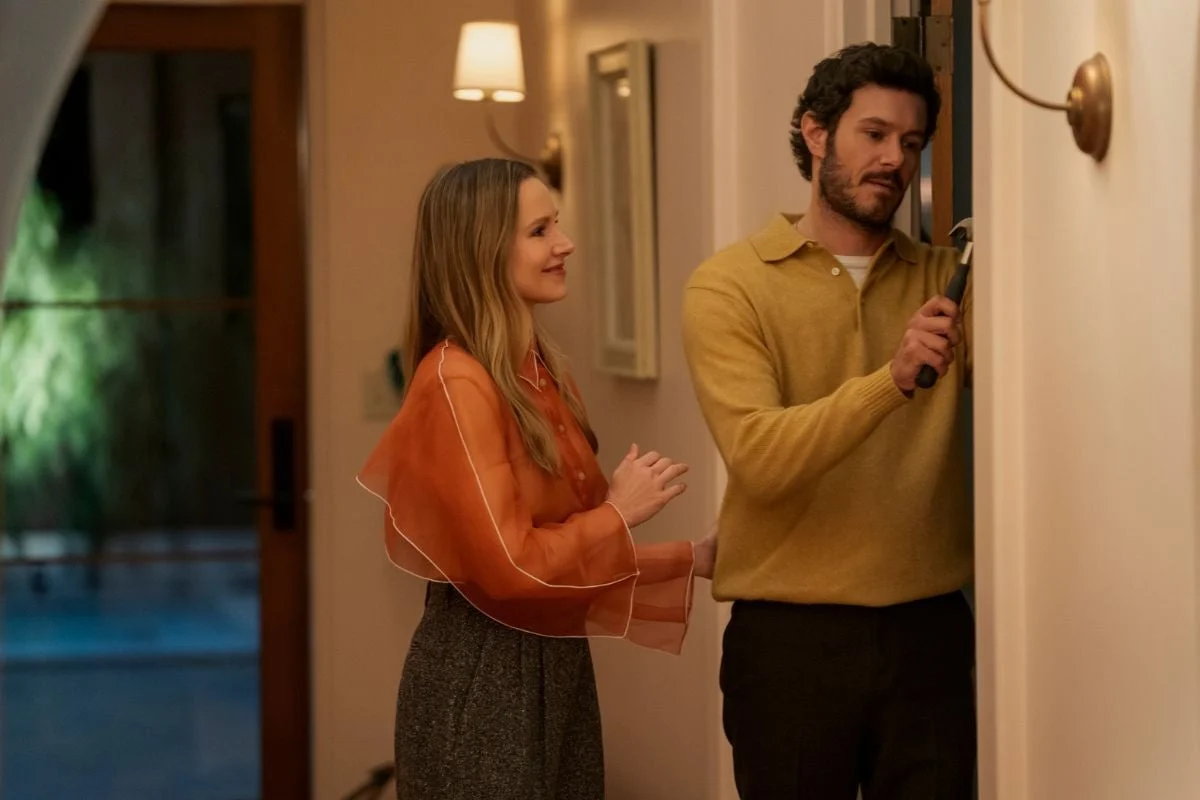
Among these traditions are the hanukkat habayit and the immersive ritual of the mikveh, both of which play pivotal roles in the narrative arc of the third season. By weaving these practices into the plot, the show continues to blend romantic comedy tropes with authentic cultural education, sparking conversations among viewers about the nuances of Jewish life, lifecycle events, and community traditions.
Hanukkat Habayit
In the third episode of the third season, the central characters, Noah and Joanne, host a housewarming party that serves as the backdrop for a significant cultural moment. Joanne suggests that they hang the final mezuzah in their home during the celebration, impressing Noah with her expanding knowledge of Jewish traditions by labeling the event a "hanukkat habayit."
A hanukkat habayit is an open-ended Jewish custom rather than a strict legal requirement, meaning there is no single prescribed format that must be followed. However, Joanne’s instinct is culturally grounded, as hanging a mezuzah is a common and meaningful way for individuals and families to mark the occasion. The term shares a linguistic root with Hanukkah, translating directly to the "dedication of the house," whereas Hanukkah itself simply means "dedication."
Because the hanukkat habayit is a custom rather than a biblical or rabbinic law, the ways it has been observed throughout history vary widely depending on time period, geography, and community norms. Historical records show that Sephardic Jews in Amsterdam during the 1700s treated the occasion as a dedicated opportunity for communal Torah study. In contrast, the fictional television depiction finds Noah and Joanne using the gathering for more contemporary sitcom motivations—specifically, an opportunity to provoke jealousy in Joanne’s ex-partner while impressing one of Noah’s colleagues.
Throughout the episode, the characters acknowledge how unfamiliar the custom is to many modern Jews, with Noah even jokingly dismissing it as "too Jewish" for his immediate comfort. Yet, the tradition reflects a broader cultural tendency to transform basic religious or communal instructions into gatherings centered on hospitality, sharing food, and bringing loved ones together under one roof. Observers of the show have noted that while commercialized holidays often dominate the cultural landscape, traditional domestic rituals like the hanukkat habayit highlight the intimate, community-focused nature of Jewish domestic life.
The Mikveh
The cultural exploration in "Nobody Wants This" deepens significantly in the final episode of the third season, where Joanne completes her formal conversion to Judaism by immersing herself in a mikveh, a traditional ritual bath. Under Jewish law, visiting the mikveh is prescribed ahead of specific major lifecycle milestones, most notably marriage and conversion. Consequently, Joanne’s immersion aligns precisely with the culmination of her spiritual journey into the faith.
The theological purpose of the mikveh is rooted in spiritual renewal and transition. According to traditional commentary and educational resources such as My Jewish Learning, the water of the mikveh is designed to ritually cleanse an individual from past deeds, signifying a profound fresh start. In the framework of Jewish law, a person who completes conversion is considered akin to a newborn child. This spiritual cleansing is intended to prepare the convert to face God, life, and their community with renewed spirit and unburdened perspective, washing away the past while treating it as a prologue to a future lived within the Jewish tradition.
In the television storyline, Joanne chooses the ocean as her mikveh—a choice that is entirely valid and kosher within Jewish tradition. However, physical mikvehs maintained by communities range significantly in design and atmosphere. While Joanne humorously compares the designated indoor facilities she encounters to a cramped motel hot tub, real-world mikvehs vary widely, with some offering modern, spa-like environments designed to provide comfort and serenity during what is often an emotionally intense and reflective experience.
The ceremony itself involves specific ritual actions and prayers recited in a precise sequence depending on regional and community customs. In Joanne’s depiction, she submerges herself three separate times, offering a distinct blessing with each immersion: first the traditional blessing for the mikveh, followed by the Shema, and concluding with the Shehechiyanu, a prayer expressing gratitude for reaching a new and auspicious season of life.
While post-immersion celebrations in the real world vary just as widely as community customs, the fictional universe of the show leans heavily into its signature dramatic flair. Though renting a beach house for the occasion may be a dramatic embellishment for the screen, the characters’ penchant for hosting large gatherings provides the necessary canvas for the interpersonal dynamics and narrative conflicts that drive the series forward.
