Shift from Teacher to Mentor: Re-examining the Approach to Child Education and Lifelong Learning
The modern approach to parenting and education is undergoing a quiet yet profound revolution, shifting the traditional dynamic between adults and children away from strict instruction and toward a more collaborative, mentorship-based model. At the heart of this evolving philosophy lies a fundamental question that challenges conventional domestic and educational structures: What would happen if parents decided to be their child’s mentor rather than their teacher?
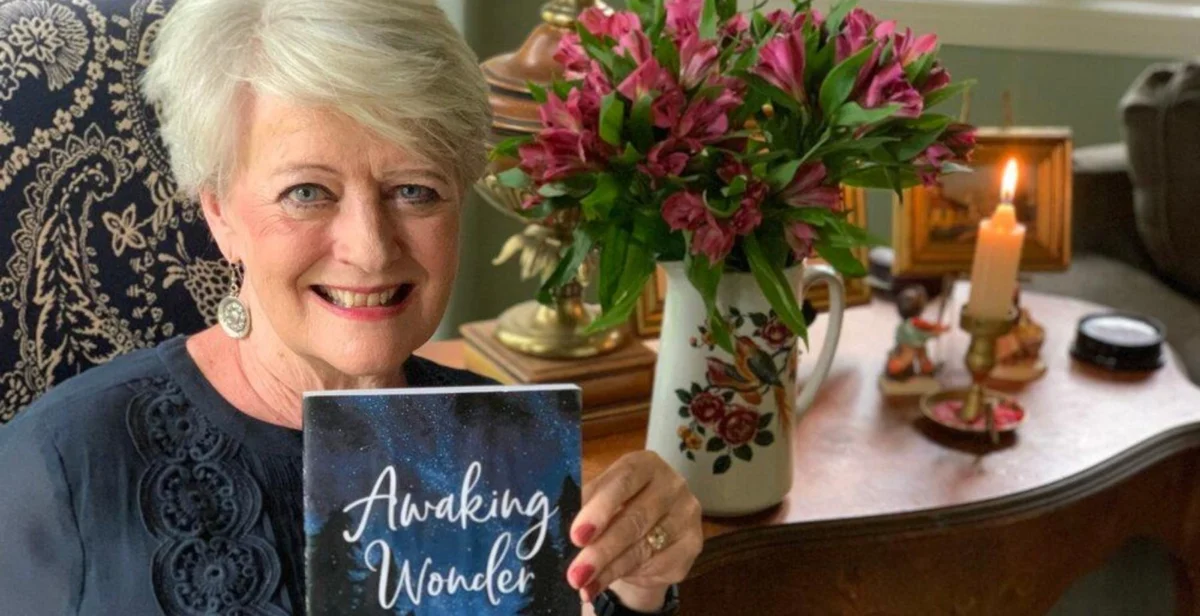
This compelling inquiry serves as the focal point of a revisited conversation from the Read-Aloud Revival archives, featuring host Sarah Mackenzie and author and speaker Sally Clarkson. The discussion, which has resonated with families and educators for years, explores the transformative potential of awakening a child’s natural wonder and curiosity. Instead of enforcing rote memorization or acting solely as academic taskmasters, parents are encouraged to cultivate an environment where children develop a genuine, intrinsic thirst for knowledge and understanding.
The core premise of this educational philosophy is that children are not merely empty vessels waiting to be filled with facts, but active participants in their own intellectual and personal development. When parents step into the role of a mentor, the entire dynamic of the household shifts. Pressure gives way to discovery, and the home transforms from a secondary classroom into a sanctuary of shared exploration.
During the featured discussion, Clarkson delves deeply into practical ways parents can inspire their children to become lifelong readers and learners without ever leaving the comfort of their own homes. The conversation highlights the profound impact that storytelling, shared reading experiences, and intentional mentorship can have on a young person’s cognitive and emotional growth. Rather than viewing reading as a chore or an academic requirement, children introduced to this mentorship model learn to view books as gateways to broader worlds and deeper human connections.

The longevity and continued relevance of this specific conversation underscore a broader cultural yearning among parents. In an era dominated by standardized testing, digital distractions, and structured academic pressures, many families are seeking alternative ways to nurture their children’s minds and spirits. The mentorship model offers a refreshing antidote, emphasizing relationship-building, open-ended curiosity, and the joy of discovery over mechanical achievement.
To support parents in fostering these meaningful connections, educational advocates have developed supplementary resources designed to bridge the gap between shared reading and deep conversation. Experts note that while reading together gets the intellectual process started, engaging in thoughtful, open-ended discussions about books is what truly seals the deal. To assist families in this endeavor, resources such as guides on how to talk with children about books—even titles parents may not have personally read—offer simple yet effective strategies for initiating rich, literary conversations around the dinner table or living room floor.
These resources are designed to make meaningful conversations about literature a seamless part of daily family life. By focusing on simple conversational prompts and active listening techniques, parents can engage with their children’s literary journeys without feeling the need to be literary critics or academic authorities. This approach reinforces the mentor mindset, where the adult acts as a companion in the reading journey rather than an examiner testing comprehension.
As families continue to navigate the complexities of modern education and parenting, the timeless insights shared by voices like Sally Clarkson and Sarah Mackenzie offer a steady compass. By prioritizing wonder, curiosity, and mentorship over rigid instruction, parents can help their children develop a resilient, lifelong love for learning that extends far beyond the traditional school years. The ongoing conversation serves as a timely reminder that the most enduring educational gifts we can give our children are not just the answers we provide, but the questions we inspire them to ask.
