Navigating October: How Christian Families Weigh Faith, History, and Culture Around Halloween
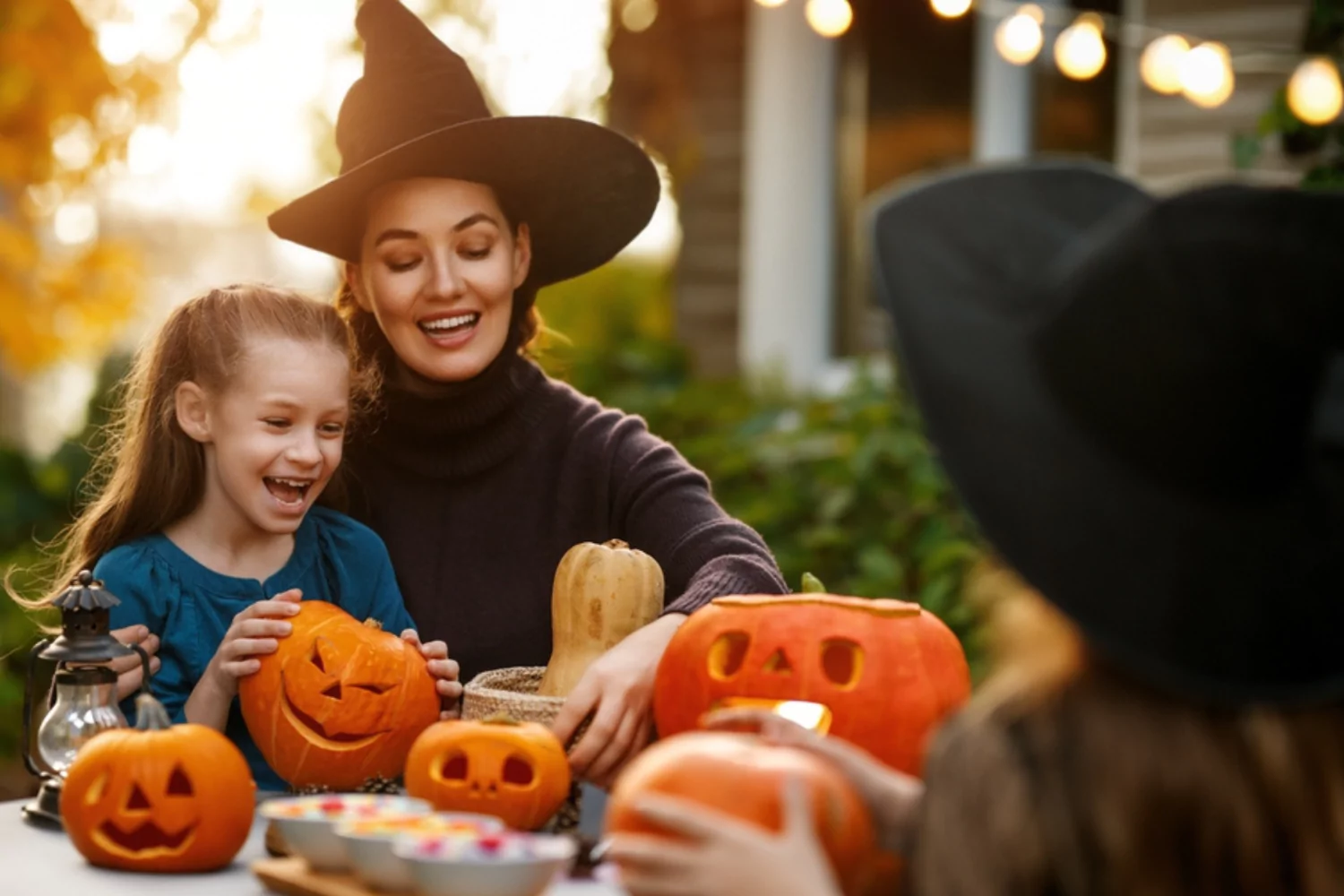
As the month of October ushers in crisp autumn weather, pumpkin-flavored foods, and seasonal fall celebrations, it also brings the widespread arrival of a culturally prominent holiday: Halloween. While the autumn festivities provide a popular outlet for creative costuming and neighborhood candy consumption, the holiday sparks an annual dilemma for many Christian families. Beneath the surface of harmless neighborhood fun, parents and faith communities are left grappling with a deeper question: Should Christians celebrate Halloween, or does the holiday carry underlying spiritual risks?
According to faith leaders and cultural observers, the answer is rarely simple, often depending entirely on individual conviction, family boundaries, and the specific ways a household chooses to engage with the holiday. Rather than viewing the celebration through a rigid lens of universal acceptance or total rejection, many theologians suggest that Halloween offers Christian families a unique opportunity to model faithful obedience in their daily decision-making.
At the very least, the widespread cultural saturation of Halloween provides a natural conversation starter for parents to engage with their children, neighbors, and coworkers. From there, the holiday can serve as an avenue to develop meaningful relationships and share personal faith. As parents navigate the season, they are encouraged to study Scripture, pray, and seek divine wisdom, following the personal conviction of the Holy Spirit so that their actions reflect Christ to the surrounding world.

To make an informed decision on whether to participate in Halloween celebrations, families often look closer at the history of the holiday, its modern cultural meanings, and what biblical principles have to say regarding the supernatural and worldly traditions.
Understanding the History and Cultural Reach of Halloween
For many Christian communities, responses to Halloween generally fall into three distinct categories: rejection, acceptance, or redemption. Navigating these difficult circumstances requires open communication within families regarding expectations, boundaries, and personal convictions.
It is safe to say that Halloween remains one of the most marketable and culturally popular holidays on the modern calendar. Clever marketing schemes across streaming platforms and entertainment networks continuously contribute to the holiday’s growing popularity. Furthermore, seasonal consumer spending in the United States has shattered previous financial records, with participation metrics continuing a steady, upward trajectory year after year.
Much of the ongoing debate surrounding Halloween focuses on the holiday’s historical fascination with darkness and the supernatural. While critics argue that certain elements of the holiday are clearly anti-Christian, proponents of a moderate approach ask whether there is anything inherently evil about letting children dress up as superheroes or storybook characters to collect candy from neighbors. Nevertheless, faith advocates emphasize that if Christians choose to take part in Halloween festivities, their behavior and presence should always mirror their belief in a God who conquered sin and death.

Reasons Behind the Rejection of Halloween
Swirling around the traditional fall festivities and trick-or-treating traditions are persistent connections to problematic supernatural practices. Despite centuries of separation from its pagan origins, Halloween maintains associations with ancient traditions that many believers find troubling.
On a broader cultural level, the late-October timeframe is actively observed by advocates of Wicca, a recognized religious network of practicing witches. According to Wiccan beliefs, October 31 marks the thinning of the veil between the physical and spiritual realms, making it an optimal time to interact with the supernatural.
Furthermore, historical observers note that Halloween has maintained adjacent ties to occultism and various forms of Satanism. The premise of the holiday often includes a public display of mischief, eerie imagery, and behavioral norms that are generally discouraged during any other time of the year. This leaves many Christian families in a complex position, balancing elements of harmless seasonal fun with troubling cultural realities.
Exploring the Meanings and Origins of the Holiday
Linguistically, the word Halloween is simply a contraction of "All Hallows’ evening," originating from the Scottish term for All Hallows’ Eve. Over centuries of cultural evolution, various roots and word stems morphed into the modern spelling recognized today.

When examining whether Halloween is inherently a holiday dedicated to the devil, historians and theologians note that its direct historical origins do not align with modern conceptions of Satanism. However, the connection between the holiday and darker spiritual themes has developed over centuries due to its primary historical emphasis on death and mortality.
The holiday’s roots are closely intertwined with ancient pagan practices, specifically the Celtic festival of Samhain. For centuries, Samhain continued in mutated cultural forms until around 609 A.D., when Pope Boniface IV established All Saints’ Day, also known as All-Hallows Day. Initially, this holy day was created to honor Christian martyrs and saints who sacrificed their lives for the faith. Later, Pope Gregory III moved the celebration to the fall season to intentionally coincide with the timing of Samhain.
Over generations, All Saints’ Day evolved alongside secular traditions into the modern celebration of Halloween. Just as ancient sacrifices morphed into the contemporary tradition of handing out candy, the holiday retains a complex legacy rooted in historical observances of death and seasonal change.
Examining Halloween Through a Biblical Lens
While the Bible does not contain any direct references to Halloween by name, Scripture offers numerous foundational principles that guide how believers should interact with the world around them. When considering whether to participate in the holiday, Christians frequently look to biblical teachings concerning witchcraft, worldly celebrations, and spiritual discernment.
In the Old Testament, passages such as Deuteronomy 18 establish strict boundaries for the Israelites regarding practices like divination, sorcery, and communicating with spirits. In the New Testament, the Apostle Paul discusses the contrast between light and darkness in Ephesians 5, urging believers to reject the unfruitful works of darkness and instead walk in wisdom and obedience to God.
Other biblical accounts, such as the conversion of Simon the Magician in the Book of Acts, illustrate how early church leaders addressed supernatural practices and cultural misconceptions regarding divine power. When the Apostle Peter confronted Simon for attempting to purchase spiritual authority, it served as a reminder that human hearts often crave attention and supernatural connection, which Christians can redirect toward the true source of faith. Similarly, the public burning of magic books recorded in Acts 19 demonstrated the early church’s active separation from practices that hindered community spiritual growth.
Defining Personal Conviction for Christian Families
Ultimately, whether a Christian family chooses to celebrate Halloween depends heavily on intentionality, personal conscience, and the manner of their participation. Walking house to house in costume to collect candy on October 31 is not inherently sinful, just as engaging in playful dressing up would not be sinful on any other day of the year.
However, how believers represent Christ matters deeply, especially during culturally prominent and polarizing events. Scripture instructs believers in 1 Corinthians 10:31 to do all things for the glory of God. As families weigh their choices, leaders encourage them to focus on how their interactions, neighborhood presence, and personal conduct reflect their faith.

Whether a household chooses to participate in neighborhood trick-or-treating, host alternative church-sponsored fall festivals, or simply spend the evening quietly at home, the guiding principle remains rooted in faithful obedience, prayer, and a desire to build a strong foundation in Christ.
